Stellantis N.V.

Search documents
车载电池(3)谁才是"真命天子"?
日经中文网· 2025-11-02 00:33
Core Viewpoint - The article discusses the ongoing development of next-generation batteries, particularly solid-state batteries and sodium-ion batteries, as alternatives to traditional lithium-ion batteries, which are facing performance limitations [2][6][8]. Group 1: Solid-State Batteries - Toyota and Idemitsu Kosan are collaborating to develop solid-state batteries, aiming for mass production by the fiscal year 2027 [6]. - Solid-state batteries utilize solid electrolytes, which can prevent unwanted side reactions and allow for high-temperature operation, potentially enhancing electric vehicle (EV) performance [6]. - Nissan plans to produce solid-state batteries by 2028, using metallic lithium as the electrode material, while Honda aims for production in the latter half of the 2020s [6]. Group 2: Lithium-Sulfur Batteries - Lithium-sulfur batteries, which use metallic lithium for the anode and sulfur for the cathode, are being developed with the goal of equipping EVs by 2030 through collaboration between Stellantis and emerging U.S. companies [7]. Group 3: Sodium-Ion Batteries - Sodium-ion batteries are emerging as a new type of battery, replacing lithium with sodium, which reduces costs due to the absence of rare metals [8]. - The evaluation criteria for these next-generation batteries will include cost, battery capacity that extends range, lifespan, safety, resource risks, and recycling performance [8].



稀土王牌失效了?法日开建的全球最大稀土工厂,外媒:有三大死穴
Sou Hu Cai Jing· 2025-11-01 10:42
Core Viewpoint - The establishment of the Caremag rare earth recycling and refining plant by France and Japan is seen as a significant move to reduce dependence on Chinese rare earth resources, but it faces substantial challenges in terms of cost, technology, and raw material supply [2][15][18]. Investment and Financial Aspects - The total investment for the Caremag plant is €216 million, with the French government contributing €106 million through various programs and tax incentives, while Japan's JOGMEC and Iwatani invested €110 million [3][5]. - The plant aims to process 2,000 tons of waste magnets and 5,000 tons of ore concentrate annually, targeting an output of 1,400 tons of rare earth oxides [5][6]. Technological and Operational Insights - Caremag's technology focuses on reducing CO2 emissions and achieving zero liquid waste, with plans to utilize artificial intelligence for optimizing production processes [5][9]. - The plant's design and operational processes are based on years of research, but it still relies on external partnerships for certain technologies, indicating a potential technological gap compared to Chinese operations [11][13]. Supply Chain and Raw Material Challenges - The plant will initially depend on imported ore concentrates from countries like Australia and Brazil, as Europe lacks domestic rare earth mines [6][13]. - A 10-year agreement with Brazilian Rare Earths has been established to secure supply, but geopolitical risks associated with transportation remain a concern [8][13]. Market Position and Competitive Landscape - The Caremag plant is positioned to be the largest rare earth separation facility in the West, but it faces significant competition from China's established supply chain, which controls 90% of global rare earth processing [9][15]. - The plant's output of 600 tons of dysprosium and terbium is notable, but it pales in comparison to China's annual production, which reaches tens of thousands of tons [17][18]. Future Outlook - The establishment of the Caremag plant signals a strategic shift in the West's approach to rare earth resources, aiming for greater independence from China, but the inherent challenges must be addressed for long-term success [15][18]. - The ongoing global competition in the rare earth sector will depend on which entities can overcome their respective bottlenecks in cost, technology, and supply chain management [18].
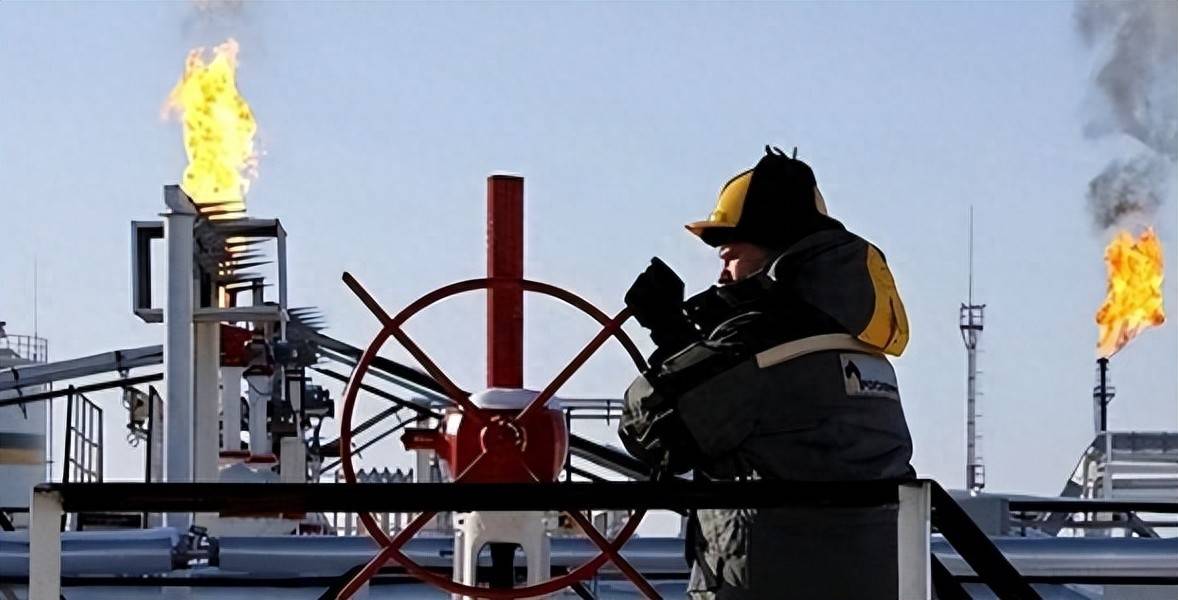
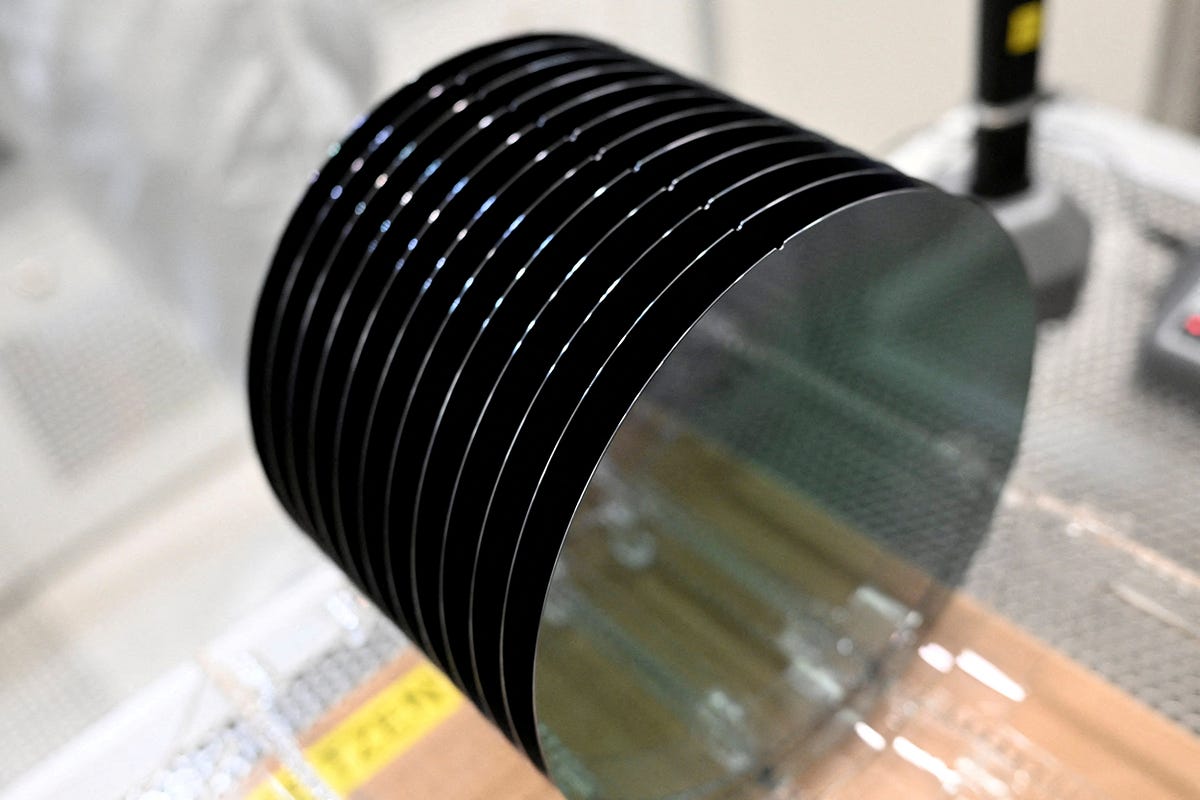
⚠️ BREAKING: Nexperia Halts Chip Shipments to China — Your New Car Delivery Could Be Delayed
Medium· 2025-11-01 04:26
Core Insights - Nexperia B.V. has suspended wafer shipments to its Chinese manufacturing facility, impacting the global automotive supply chain [1] - This decision is attributed to payment disputes and geopolitical tensions, further straining the semiconductor landscape [1] - Automakers such as Nissan Motor Co Ltd and Stellantis NV have been facing challenges due to semiconductor shortages for over two years [1] Industry Impact - The supply disruption is causing ripple effects across manufacturing operations from Detroit to Düsseldorf [2] - Companies are scrambling to understand the implications of this supply chain issue on their production capabilities [2]


松原安全(300893)25Q3业绩点评:25Q3业绩快速增长 核心客户持续放量
Xin Lang Cai Jing· 2025-11-01 02:48
Core Viewpoint - The company has shown significant growth in revenue and net profit for the first three quarters of 2025, driven by an increase in major customer production [1][2]. Financial Performance - For the first three quarters of 2025, the company achieved revenue of approximately 1.834 billion yuan, a year-on-year increase of about 39.98%, and a net profit attributable to shareholders of approximately 263 million yuan, up about 37.93% [1]. - In Q3 2025, the company reported revenue of approximately 686 million yuan, reflecting a year-on-year growth of about 35.39%, and a net profit of approximately 102 million yuan, which is a year-on-year increase of about 50.88% [1]. - The gross margin for Q3 2025 was approximately 29.08%, a year-on-year increase of about 0.06 percentage points, while the net profit margin was approximately 14.82%, up about 1.52 percentage points [2]. Customer and Market Dynamics - The production output of major customers, including Geely, Chery, SAIC-GM-Wuling, Great Wall, and Yutong, totaled approximately 2.6196 million units in Q3 2025, representing a year-on-year increase of about 32.01% [2]. - The company is optimizing its customer structure by moving from low-end to high-end self-owned brands, and has secured two projects with Stellantis, expected to generate sales of approximately 5.5 billion yuan starting in 2026 [3]. Strategic Transformation - The company is transitioning to become an integrated supplier of automotive passive safety modules, enhancing the value per vehicle through the integration of airbags, steering wheels, and seat belts [3]. - Future product development will focus on smart and electronic solutions, including intelligent driving and smart cockpits, as well as exploring new areas such as eco-friendly materials and airbag systems for drones and flying cars [3]. Investment Outlook - The company is expected to continue its growth trajectory, with projected revenues of approximately 2.713 billion yuan, 3.671 billion yuan, and 4.856 billion yuan for 2025 to 2027, representing year-on-year growth rates of approximately 37.6%, 35.3%, and 32.3% respectively [4]. - Net profits for the same period are projected to be approximately 395 million yuan, 534 million yuan, and 716 million yuan, with year-on-year growth rates of approximately 51.6%, 35.2%, and 34.2% respectively [4].
Amazon's earnings rally, Netflix's stock split, chocolate inflation and more in Morning Squawk
CNBC· 2025-10-31 11:56
Group 1: Federal Government Shutdown Impact - Airlines including Delta, United, and American Airlines are lobbying for an end to the federal government shutdown, which has lasted 31 days, as it affects their operations and employees [2][3] - U.S. air traffic controllers missed their first full paychecks due to the shutdown, increasing stress on essential workers [3] - The Chamber of Commerce reported that government contractors are losing approximately $3 billion for each week of the shutdown, with the Congressional Budget Office estimating a loss of at least $7 billion in GDP by the end of next year [3] Group 2: Energy Sector Performance - Chevron exceeded Wall Street expectations with a record daily production of 4.1 million barrels in Q3, boosted by its acquisition of Hess [4] - In contrast, Exxon Mobil reported Q3 revenue that fell short of analysts' forecasts, with net income declining by 12% to $7.55 billion [5] Group 3: Semiconductor Chip Shortage Concerns - Automakers are facing potential shortages of auto semiconductor chips, particularly due to issues with Nexperia, a chip supplier affected by export restrictions from China [6][7] - Stellantis shares dropped around 9.5% after the company warned of one-off costs, overshadowing an otherwise positive Q3 performance [8] Group 4: Chocolate Price Increases - Chocolate prices have risen nearly 30% since last Halloween and almost 78% over the past five years, leading to decreased sales in the Halloween candy market [10] - Chocolate's share of Halloween candy sales has dropped from 52% in 2024 to 44% this year, attributed to rising prices and the emergence of cheaper alternatives [11]


Stellantis前CEO:马斯克对特斯拉投入不足 或被比亚迪超越
Xi Niu Cai Jing· 2025-10-31 11:40
Core Insights - Carlos Tavares, former CEO of Stellantis, criticized Elon Musk for spreading his focus too thin across various ventures, which he believes is a significant strategic error for Tesla [2][4] - Tavares highlighted that Chinese electric vehicle manufacturers, such as BYD, are demonstrating superior efficiency and cost control, gradually surpassing Tesla [2][4] - He expressed concerns about Tesla's high valuation and warned that without timely strategic adjustments and enhanced competitiveness, the company's future looks bleak [2][4] Industry Implications - Tavares boldly predicted that Musk might eventually leave the automotive industry to focus on more attractive fields like humanoid robots, SpaceX, or artificial intelligence, which could lead to significant uncertainty for Tesla's direction and market performance [4] - He questioned the long-term existence of Tesla, stating that while the company is innovative, Chinese automakers are gaining dominance in the global electric vehicle market due to their operational efficiency and cost advantages [4] - Tavares pointed out the rapid advancements of Chinese manufacturers in supply chain management, scalable production, and technological innovation, posing serious challenges to both traditional automakers and emerging electric vehicle companies globally [4]


刚刚,安世荷兰断供中国
半导体芯闻· 2025-10-31 10:18
Core Viewpoint - Nexperia has suspended wafer supply to its Chinese assembly plant due to local management's failure to comply with contractual payment terms, raising concerns about supply chain disruptions in the automotive industry [2][3]. Group 1: Company Actions and Implications - Nexperia's suspension of wafer supply is a direct consequence of non-compliance with payment terms by the local management in Dongguan, China [2]. - The Dutch government has taken control of Nexperia from its Chinese parent company, Wingtech, amid ongoing disputes, including the replacement of Nexperia's Chinese CEO [2][4]. - Nexperia is developing alternative solutions to ensure continued wafer supply to its customers, indicating a commitment to resolving the issues without exiting the Chinese market [2]. Group 2: Industry Impact and Reactions - The suspension of supplies has raised alarms among global automotive manufacturers, with Stellantis establishing a "war room" to monitor the situation [3]. - Japanese automaker Nissan has reported sufficient chip inventory to last until the first week of November, indicating a temporary buffer against supply disruptions [3]. - Concerns have been raised about potential production interruptions in the automotive sector due to shortages of critical components, including transistors and logic chips [4]. Group 3: Governance and Legal Issues - The Dutch Ministry of Economic Affairs cited "serious governance deficiencies" as a reason for taking control of Nexperia, which has led to legal actions against its former CEO [4][5]. - Allegations have surfaced regarding the former CEO's plans to transfer equipment and patents from Europe to China, raising concerns about the integrity of Nexperia's operations [5]. - Wingtech has denied any wrongdoing, asserting that technology sharing is standard practice in the semiconductor industry and refuting claims of technology theft [5][6].


Stellantis Beats Market Estimates With 13% Q3 Revenue Surge, CEO Says $13 Billion Investment To Increase US Production By 50% - Stellantis (NYSE:STLA)
Benzinga· 2025-10-31 09:11
Core Insights - Stellantis NV reported third-quarter earnings with a revenue of €37.2 billion (approximately $43 billion), surpassing market expectations of €35 billion ($40 billion) [2] - The company experienced a 13% year-over-year increase in shipments, totaling 1.2 million units, and a 13% increase in revenue compared to the previous year [2] Investment and Production - CEO Antonio Filosa announced a $13 billion investment in the U.S. aimed at enhancing Stellantis' presence in its largest market, which is the largest single investment in the company's history [3] - This investment will facilitate the introduction of five new models and increase U.S. production capacity by 50% over the next four years [3] Foreign Exchange Impact - The company faced significant foreign exchange challenges, with a negative impact of €1.7 billion (over $1.96 billion) at the group level during the third quarter [4] - Despite beating revenue expectations, the stock value declined over 9% due to these foreign exchange headwinds [5] Partnerships and Production Challenges - Stellantis announced a partnership with Pony AI Inc. to develop level 4 autonomous driving vans, with initial testing set to occur in Luxembourg this year and expansion planned for next year [6] - A fire at a Novelis facility affected aluminum processing, leading to halted production of the Jeep Wagoneer SUV in Warren, Michigan, as Novelis is a key supplier for Stellantis [7]
鑫椤锂电一周观察 | 从11月锂电排产看碳酸锂走势
鑫椤锂电· 2025-10-31 08:00
Industry Insights - The lithium carbonate futures market experienced a sudden drop on October 29, influenced by production reductions, but actual demand remains strong with a continued increase in production for both lithium iron phosphate and ternary batteries in November [1] - The electrolyte market showed a significant two-digit growth in November, indicating robust downstream demand [1] Company Performance - Hunan Youneng reported a substantial increase in Q3 net profit, with a 61% rise to 340 million yuan and a 26% increase in revenue to 8.868 billion yuan, driven by high demand for high-voltage lithium iron phosphate in energy storage and power sectors [2] Market Trends - In September, new car sales in Europe rose by 10.7%, with BYD's sales skyrocketing by 398%, increasing its market share from 0.4% to 2.0% [3] - The domestic lithium carbonate market saw prices approaching 84,000 yuan per ton, with strong demand and tight supply conditions expected to sustain price increases in the short term [5] - The ternary material market continued to rise, with no signs of production cuts, supported by increasing prices of cobalt and lithium [6] Pricing Updates - As of October 30, the prices for battery-grade lithium carbonate ranged from 79,800 to 81,800 yuan per ton, while industrial-grade prices were between 78,300 and 79,300 yuan per ton [6] - The price for lithium iron phosphate (power type) was reported at 35,000 to 36,500 yuan per ton [8] - The price for high-end natural graphite anode materials ranged from 50,000 to 65,000 yuan per ton [10] Production and Demand - The domestic lithium battery market maintained a high operating rate, with production schedules expected to remain stable through November and December [13] - The energy storage cell market continued to show strong demand, with production expected to reach new highs in October and November [16]



当弹窗广告,盯上你的车机
汽车商业评论· 2025-10-30 23:08
Core Viewpoint - The article discusses the potential risks of automotive advertising, drawing parallels with the decline of user trust in smart TVs due to intrusive advertising practices. It highlights the growing concern that as automotive manufacturers increasingly monetize in-car systems, user experience may be compromised, leading to a loss of trust and safety issues [4][6][12]. Group 1: Advertising Practices in Automotive Industry - The introduction of in-car advertising has sparked significant backlash from users, as seen in the case of Tesla's "Tron: Legacy" themed interface, which was perceived as intrusive advertising despite being labeled as a non-mandatory feature [6][10]. - Similar incidents have occurred with other brands, such as Jeep, where users reported persistent advertising pop-ups that interfered with driving, raising safety concerns [6][10]. - The automotive industry is increasingly exploring subscription services and paid features as new revenue streams, but this has led to a growing frustration among consumers regarding the boundaries of acceptable advertising [12][14]. Group 2: User Trust and Brand Image - The article emphasizes that the erosion of user trust is a significant risk for automotive brands, particularly those that have built their reputation on technology and user-centric values. The introduction of intrusive advertising can damage brand loyalty and perceived value [17][18]. - Data indicates that by 2025, over 60% of smart car owners will have experienced advertising disruptions, which can distract from critical driving information and pose safety risks [18][19]. - The article warns that the long-term consequences of prioritizing short-term advertising revenue over user experience could be detrimental to brand equity and consumer relationships [14][17]. Group 3: Legal and Regulatory Landscape - The article outlines the current regulatory gray area surrounding in-car advertising and data usage, suggesting that future regulations may require clearer guidelines on advertising practices and user consent [27][30]. - It highlights the need for automotive companies to adhere to principles of transparency and user consent, particularly regarding the collection and use of personal data for targeted advertising [21][22]. - The potential for legal repercussions exists if companies fail to comply with existing consumer protection laws, which could lead to significant fines and damage to brand reputation [21][22][30].