
比亚迪股份

Search documents
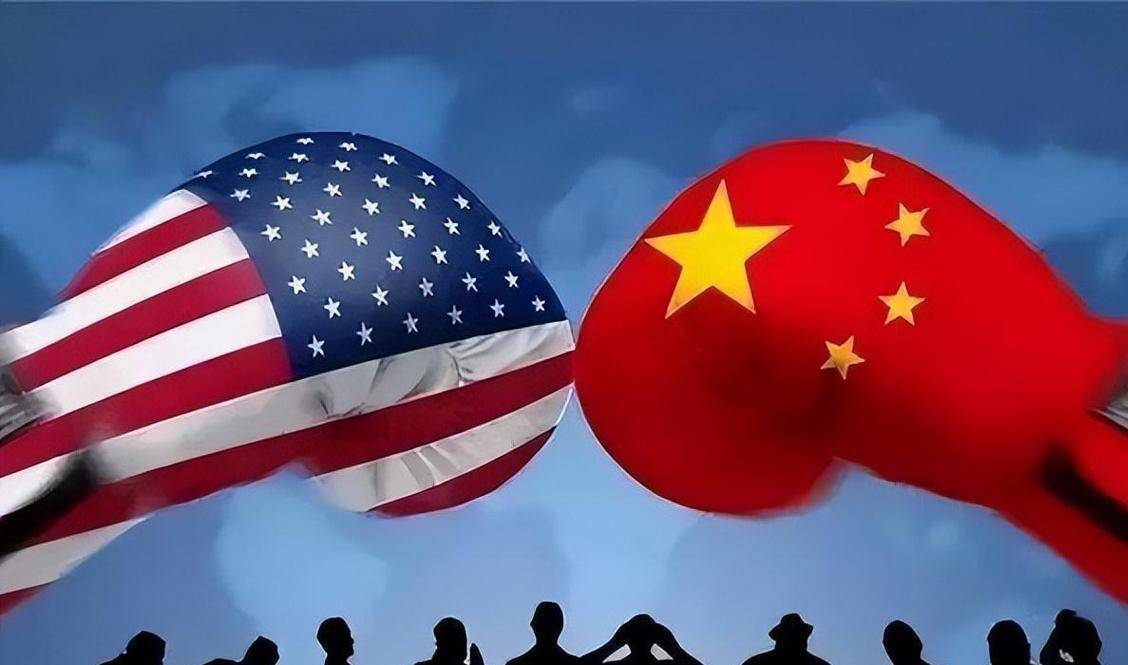
美国再加25%关税,特朗普提前开香槟庆贺,中国:抛售5000亿美债
Sou Hu Cai Jing· 2026-02-11 17:50
Group 1 - The Trump administration has implemented a 25% import tariff on specific high-performance AI chips, including Nvidia's H200 and AMD's MI325X, requiring all related products to clear customs in the U.S. before being sold to the Chinese market [1][3] - The policy is expected to generate significant revenue for the U.S. government, with an estimated annual increase of $264 billion in fiscal income, although market reactions indicate a decrease in orders from Chinese companies, putting pressure on Nvidia's revenue expectations [3][4] - The tariff is seen as a tool to reshape the manufacturing landscape, encouraging companies to bring testing and certification processes back to the U.S., but it has led to increased costs for U.S. importers and extended logistics cycles for Silicon Valley AI startups [3][6] Group 2 - China has strategically reduced its holdings of U.S. Treasury bonds, with a decrease of approximately $70 billion in 2025, reflecting a systematic operation to diversify foreign exchange reserves and reduce risk concentration in dollar assets [4][6] - The reduction in U.S. debt holdings has been partially redirected into increasing gold reserves, with China's gold holdings reaching 7.415 million ounces by the end of 2025, indicating concerns over the long-term safety of dollar assets [6] - The tariff policy has unexpectedly spurred rapid growth in China's domestic AI chip industry, with significant revenue increases for companies like Huawei and Baidu, as well as a shift in procurement strategies by firms like ByteDance towards domestic suppliers [6][13] Group 3 - China has decided to continue imposing anti-dumping duties of 53.3% to 57% on U.S. solar-grade polysilicon, blocking U.S. manufacturers from accessing the largest photovoltaic application market [7] - The U.S. semiconductor industry faces increased uncertainty due to internal conflicts and policy changes, with significant losses reported by companies reliant on imports, while the fiscal revenue from tariffs has not offset the broader economic impacts [9][11] - The Chinese semiconductor industry is experiencing a technological breakthrough, with companies like Ruisi Chip and Zhuhai Silicon Chip making significant advancements in chip design and manufacturing, driven by the need to adapt to changing market conditions [13][15] Group 4 - The U.S. has adjusted its export licensing model for AI chips, moving from presumed denial to case-by-case reviews, which complicates the export process despite appearing to relax restrictions [9][15] - China's semiconductor equipment imports have increased significantly, with a 40% year-on-year growth in Q3 2025, highlighting the efficiency of its customs system compared to the U.S. [15] - The ongoing geopolitical tensions and tariff policies are leading multinational tech companies to reassess their investment priorities, with some shifting planned production lines from the U.S. to regions like ASEAN or the EU [13][15]

特斯拉副总裁等多名骨干离职、xAI核心专家吴宇怀也走了 “霸总”马斯克遭遇人才流失!员工:对他过度的工作要求感到疲惫
Mei Ri Jing Ji Xin Wen· 2026-02-11 16:49
当地时间2月9日,特斯拉副总裁拉吉·杰加纳坦在LinkedIn上宣布离职,结束了13年的特斯拉生涯。这是 马斯克麾下公司近期高管离职潮中的最新一例。在此之前,特斯拉和xAI公司已有多名核心高管、联合 创始人先后离开。 特斯拉副总裁 及多个要害部门负责人离职 杰加纳坦在社交媒体上写道:"在一篇帖子里概括13年并不容易。我在特斯拉的旅程就像一个不断进化 的过程。当我离开时,我怀着感恩的心和对未来的兴奋。" 去年秋天,由于特斯拉前北美销售主管特洛伊·琼斯和马斯克的高级副手奥米德·阿夫沙尔相继离职,毫 无销售经验的杰加纳坦被硬生生推到销售领域,接管了整个销售和服务部门。离职前,他的职位是负责 信息技术、AI基础设施、业务应用程序和信息安全的副总裁。 杰加纳坦试图将之前由人工处理的客户服务环节自动化。然而,特斯拉的销售持续暴跌,公司难以适应 不断变化的客户需求和日益激烈的竞争。 在杰加纳坦之前,特斯拉已有多名核心高管离开,包括负责北美和欧洲生产运营的副总裁奥米德·阿夫 沙尔、北美人力资源主管詹娜·佩鲁亚、AI战略负责人米兰·科瓦奇、电池部门负责人维尼特·梅塔以及软 件部门负责人大卫·劳。 xAI多名联合创始人离职 吴宇 ...

美股跳水翻绿 超3500只个股下跌 多只中概龙头股下挫!加密货币大跌 12万人爆仓,金银短线跳水丨美股开盘
Mei Ri Jing Ji Xin Wen· 2026-02-11 16:22
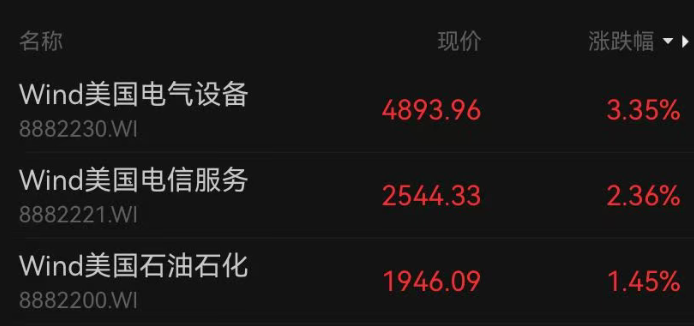
Market Overview - The US stock market experienced a collective decline after initially opening higher, with the Nasdaq down 0.84%, the Dow Jones down 0.45%, and the S&P 500 down 0.41% [1] - A total of 3,575 stocks fell while 1,609 stocks rose [1] Sector Performance - The electric equipment, telecommunications, and petrochemical sectors led the gains, while the real estate and software sectors saw significant declines [1] - Specific sector performance includes: - Electric Equipment: +3.35% [2] - Telecommunications: +2.36% [2] - Petrochemical: +1.45% [2] - Real Estate: -4.57% [2] - Software Services: -3.00% [2] Major Companies - Among the tech giants, Nvidia rose over 1%, while Microsoft fell over 2% [2] - Notable stock performances include: - Apple: +0.97% [3] - Nvidia: +1.01% [3] - Tesla: -0.32% [3] - Amazon: -0.73% [3] - Meta: -1.03% [3] - Alphabet: -1.33% [3] - Microsoft: -2.13% [3] Chinese Stocks - The Nasdaq Golden Dragon China Index declined, with notable movements in individual stocks: - Kingsoft Cloud surged 10% [4] - Xiaomi ADR rose over 3% [4] - Alibaba fell 2% [4] - Tencent Holdings ADR dropped 1.39% [4] - NetEase fell over 2% [4] Cryptocurrency Market - The cryptocurrency market saw a significant drop, with over 120,000 liquidations totaling $191 million within 24 hours [6] - Liquidation amounts included $85.36 million in one hour and $154 million in four hours [8] Employment Data - The US labor market showed unexpected strength with non-farm payrolls increasing by 130,000, significantly above the expected 65,000, marking the largest increase since April 2025 [6] - The unemployment rate unexpectedly decreased to 4.3%, while the previous and expected rates were 4.4% [6] Federal Reserve Expectations - Following the employment data, traders adjusted their expectations for the Federal Reserve's interest rate cuts, pushing the anticipated timing from June to July [9] - The probability of a 25 basis point rate cut in March dropped from 19.6% to 6%, while the probability of maintaining current rates rose to 94% [9] Commodity Prices - Gold and silver prices experienced volatility, with gold peaking at a 1.8% increase before settling at a 0.69% rise, priced at $5062.5 per ounce [9] - Brent crude oil prices rose above $70, currently at $70.7 [9]
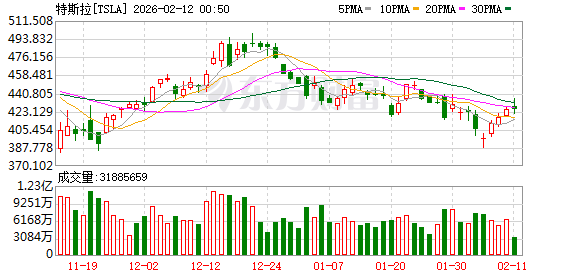
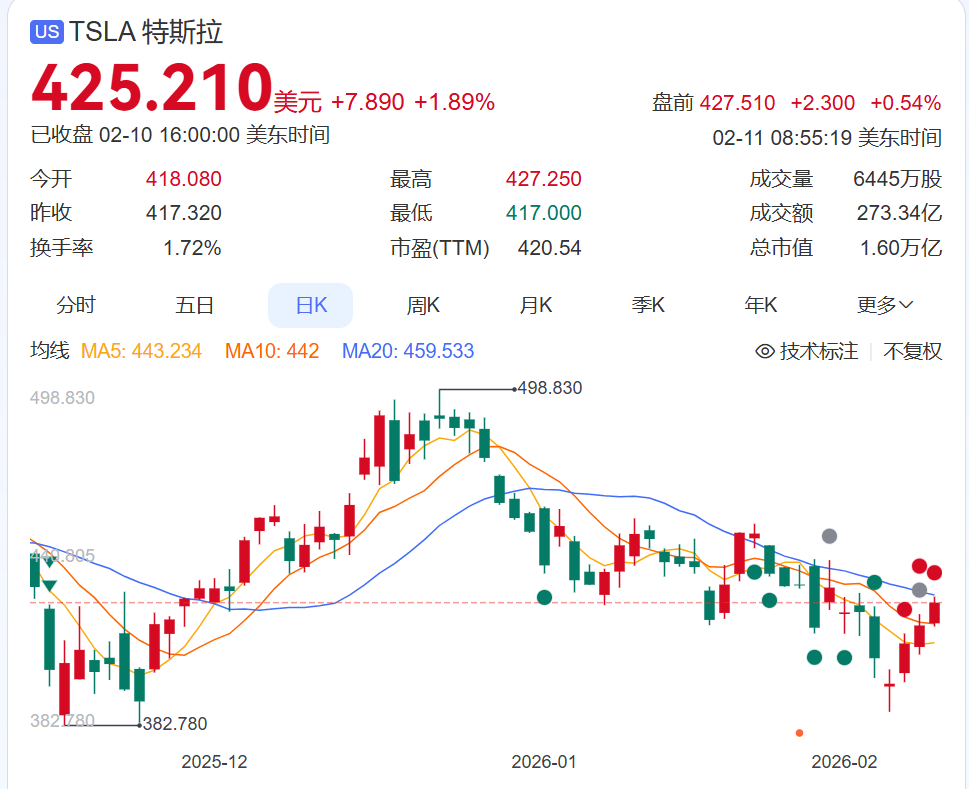
特斯拉副总裁等多名骨干离职、xAI核心专家吴宇怀也走了,“霸总”马斯克遭遇人才流失!员工:对他过度的工作要求感到疲惫
Sou Hu Cai Jing· 2026-02-11 16:09
Group 1 - Tesla's Vice President, Rajiv Jaganathan, announced his departure after 13 years with the company, marking a continuation of the recent executive turnover at Tesla and xAI [1][2] - Jaganathan's role involved overseeing IT, AI infrastructure, business applications, and information security, and he faced challenges in automating customer service amid declining sales [2][4] - Other notable departures from Tesla include key executives responsible for North American and European operations, human resources, AI strategy, battery division, and software [2][3] Group 2 - xAI, another company under Elon Musk, has also experienced significant talent loss, with co-founder and core expert in mathematical reasoning, Yu Huai, announcing his departure [3] - Yu Huai's contributions were critical to the development of Grok-3, a model excelling in mathematical and scientific logic reasoning [3] - Other co-founders, including Igor Babuschkin and Kyle Kosic, have also left the company, indicating a broader trend of executive turnover within Musk's ventures [3] Group 3 - Employees at Tesla have expressed fatigue over Musk's demanding work expectations, with reports indicating that this has affected morale and talent retention [4] - Internal conflicts and heavy workloads are believed to be significant factors contributing to the recent executive departures [4][5] Group 4 - Tesla's sales declined by 9% in 2025, with a 16% drop in the fourth quarter, marking the first annual revenue decrease in the company's history [6][7] - The company was surpassed by BYD in global electric vehicle rankings, and analysts have significantly lowered their delivery forecasts for Tesla [6][7] - Despite these challenges, Musk has shifted focus to long-term projects like Robotaxi and humanoid robots, which has helped maintain Tesla's stock price relatively stable [6][7]
任泽平带你看前沿科技:2026研学计划
泽平宏观· 2026-02-11 16:07
Core Viewpoint - The article emphasizes the importance of practical learning experiences in cutting-edge technology sectors, highlighting the value of direct engagement with leading companies and experts in the field [12][24]. Schedule Overview - The schedule for 2025 includes visits to major technology companies such as Huawei, BYD, Tencent, and others, focusing on sectors like artificial intelligence, new energy, and biotechnology [23][24]. - Specific events are planned, including closed-door investment research meetings and thematic explorations of emerging industries [8][9]. Learning Experience - Participants will engage in deep explorations of technology companies, gaining insights into the full chain of development from laboratory to industrialization [12]. - The program aims to provide practical empowerment through discussions on cutting-edge technology trends, emerging industry ecosystems, and innovative business strategies [12]. Participant Feedback - Feedback from participants indicates that the program enhances understanding of macroeconomic trends and provides valuable networking opportunities with industry leaders [46][47]. - Participants express appreciation for the practical insights gained from direct interactions with top executives and the focus on real-world applications of theoretical knowledge [46][47].




“热”领未来!2026热管理博览会上海、深圳双展正式启幕
DT新材料· 2026-02-11 16:04
进入2026年,热管理技术已不再局限于传统的"散热",它成为了制约算力突破、能源效率与产品可靠性的核心命脉。随着AI大规模算力集群、智能汽车、半 导体、深空/低空飞行器等前沿领域的跨越式发展,行业对热管理方案的精准度与能效比提出了近乎苛刻的要求。基于此, " 洞见热管理2026 " 系列活动 将以" 上海+深圳 " 双展联动模式 ,搭建起贯穿产、学、研、用的全产业链对接平台,旨在汇聚全球智慧,攻克温控难题,定义新一代热力平衡标准。 01 6月10日 上海站:未来产业之基!聚焦液冷板、芯片与功率器件热管理 2026未来产业新材料博览会 (FINE2026) 将于 6月10-12日 在上海新国际博览中心隆重举行。上海站规模宏大展出面积达 50,000平方米(N1-N5) , 300+场 战略与前沿科技报告, 预计吸引超过10万+名专业观众。 同期 N2馆 特设 "2026热管理液冷板产业展"与"AI芯片及功率器件热管理展区" ,聚焦高热流密度场景下的工程难题。( 可点击下方图片超链接查看详细介绍 ) | FINE 2026 × Ind iTher M | 中国未来产业崛起引领全球新材料创新发展 | | | | - ...
连续4年“双第一”,中国工业第一城的跃迁!
Bei Jing Ri Bao Ke Hu Duan· 2026-02-11 15:29
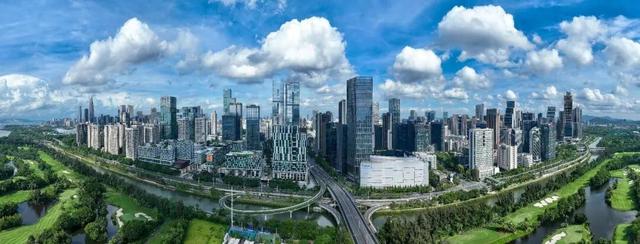
Core Insights - Shenzhen's industrial economy is experiencing high-quality development, with a projected industrial added value growth of 5.4% in 2025, following a record growth of 9.7% in 2024, marking the highest rate in nearly 13 years [1][24] - The city's industrial output value exceeded 5 trillion yuan during the 14th Five-Year Plan period, with an average annual growth rate of 6.6%, and it has maintained the top position in both industrial output and added value among Chinese cities for four consecutive years [2][24] - Shenzhen's industrial structure is continuously optimizing, transitioning from traditional manufacturing to "smart manufacturing," which enhances its global competitiveness [3][4] Industrial Achievements - During the 14th Five-Year Plan, Shenzhen's industrial output value surpassed 5 trillion yuan, with the total industrial added value reaching 1.2 trillion yuan, achieving an average annual growth of 6.0% [2][24] - The number of national-level specialized and innovative "little giant" enterprises in Shenzhen reached 1,333, ranking first among cities in China [2] - The city has established 11 industrial projects with over 10 billion yuan in investment, with total industrial investment expected to exceed 1 trillion yuan [7] Innovation and R&D - The coverage rate of R&D institutions among industrial enterprises in Shenzhen increased from 40% to over 70% during the 14th Five-Year Plan, indicating a high density of innovation [12][14] - R&D investment in Shenzhen rose from 151.08 billion yuan in 2020 to 245.31 billion yuan in 2024, with an R&D intensity of 6.67%, the highest among Chinese cities [14][24] - Shenzhen's industrial technology transformation investment is expected to grow by 19.2% in 2025, reflecting the city's commitment to embracing new technologies [15] Future Development Plans - Shenzhen aims to enhance its modern industrial system with stronger international competitiveness, focusing on high-quality development and the promotion of new industrialization [20][23] - The city plans to accelerate the development of emerging industries, including new-generation electronic information and new energy vehicles, while also exploring new growth areas such as low-altitude economy and biomedicine [21][23] - By 2026, Shenzhen will implement a new round of key industrial chain development actions to solidify its manufacturing advantages and promote traditional industries' upgrades [20][23]
美国再加25%关税,特朗普半路开香槟庆祝,中国:抛售5000亿美债
Sou Hu Cai Jing· 2026-02-11 14:51
Core Viewpoint - The implementation of tariffs on high-end AI chips by the Trump administration is expected to generate additional revenue for the U.S. while limiting technology transfer to China, but it has led to increased costs and logistical challenges for companies in the semiconductor industry [2][4][7]. Group 1: Tariff Policy Impact - The tariffs specifically target high-performance AI chips produced in Taiwan, such as NVIDIA's H200 and AMD's MI325X, requiring them to clear U.S. customs before being exported to China [2][7]. - The U.S. Customs expects an additional revenue of $264 billion from these tariffs, although 92% of the costs will be borne by domestic importers [2][5]. - Companies like NVIDIA and AMD have reported supply chain disruptions and delivery delays due to the new logistics requirements, which may affect their overall competitiveness [2][7]. Group 2: Market Reactions - The semiconductor industry is experiencing volatility, with a 28% decline in new investments in the U.S. and a significant increase in investments in ASEAN (42%) and Europe (31%) as companies seek to diversify their operations [5][9]. - Chinese companies are reducing their purchases from NVIDIA and shifting towards domestic alternatives, leading to a decline in NVIDIA's market share [5][9]. - The policy has prompted a shift in global capital flows, with U.S. businesses facing increased uncertainty and startups in Silicon Valley experiencing budget pressures due to rising chip prices [4][11]. Group 3: Strategic Adjustments - Chinese domestic industries are accelerating their development, with the market share of domestic AI chips projected to rise from 12% to 27% by 2025, driven by local demand [9]. - Companies like BYD and XPeng are making strategic acquisitions to strengthen their supply chains and enhance their technological capabilities [9]. - The U.S. policy is seen as a short-term solution to fill budget gaps, but it may lead to long-term inefficiencies and a decline in the U.S. manufacturing sector's competitiveness [9][11].
Ford falls behind BYD as China upends car industry
Yahoo Finance· 2026-02-11 14:51
1202 Global units sold*, Ford vs BYD Ford has been overtaken in sales for the first time by Chinese carmaker BYD in a sign of the changes upending the automotive industry. The US motor giant’s sales fell by 2pc to just under 4.4 million last year. That compares to 4.6 million sold over the same period by BYD, which climbed to sixth in the rankings of global car manufacturers. Ford’s US sales rose but the carmaker has been losing ground in both Europe and China. The company is best-known for top-sellin ...

众捷汽车:已经与全球新能源汽车龙头比亚迪、长城汽车、上汽集团等建立了直接的业务合作关系
Ge Long Hui· 2026-02-11 14:37
Core Viewpoint - The company, Zhongjie Automotive, has established significant relationships with major multinational automotive parts suppliers and is actively expanding its presence in the domestic new energy vehicle market [1] Group 1: Major Clients - The company's primary clients include well-known multinational Tier 1 automotive parts suppliers such as Mahle, Modine, Hanon, Marelli, and ContiTech [1] - The products supplied by the company cover a wide range of international automotive brands, including Mercedes-Benz, BMW, Audi, Porsche, Volkswagen, Skoda, Ferrari, Maserati, Fiat, Tesla, Rivian, Canoo, Ford, General Motors, Chrysler, Dodge, Renault, Citroën, Volvo, Jaguar, Land Rover, Toyota, Subaru, Honda, Nissan, Mazda, Suzuki, Hyundai, Kia, MAN, DAF, Scania, and Iveco [1] Group 2: Domestic Market Expansion - The company is actively expanding into the domestic new energy vehicle market and has established direct business cooperation with leading global new energy vehicle manufacturers such as BYD, Great Wall Motors, and SAIC Motor [1]

