佳能

Search documents
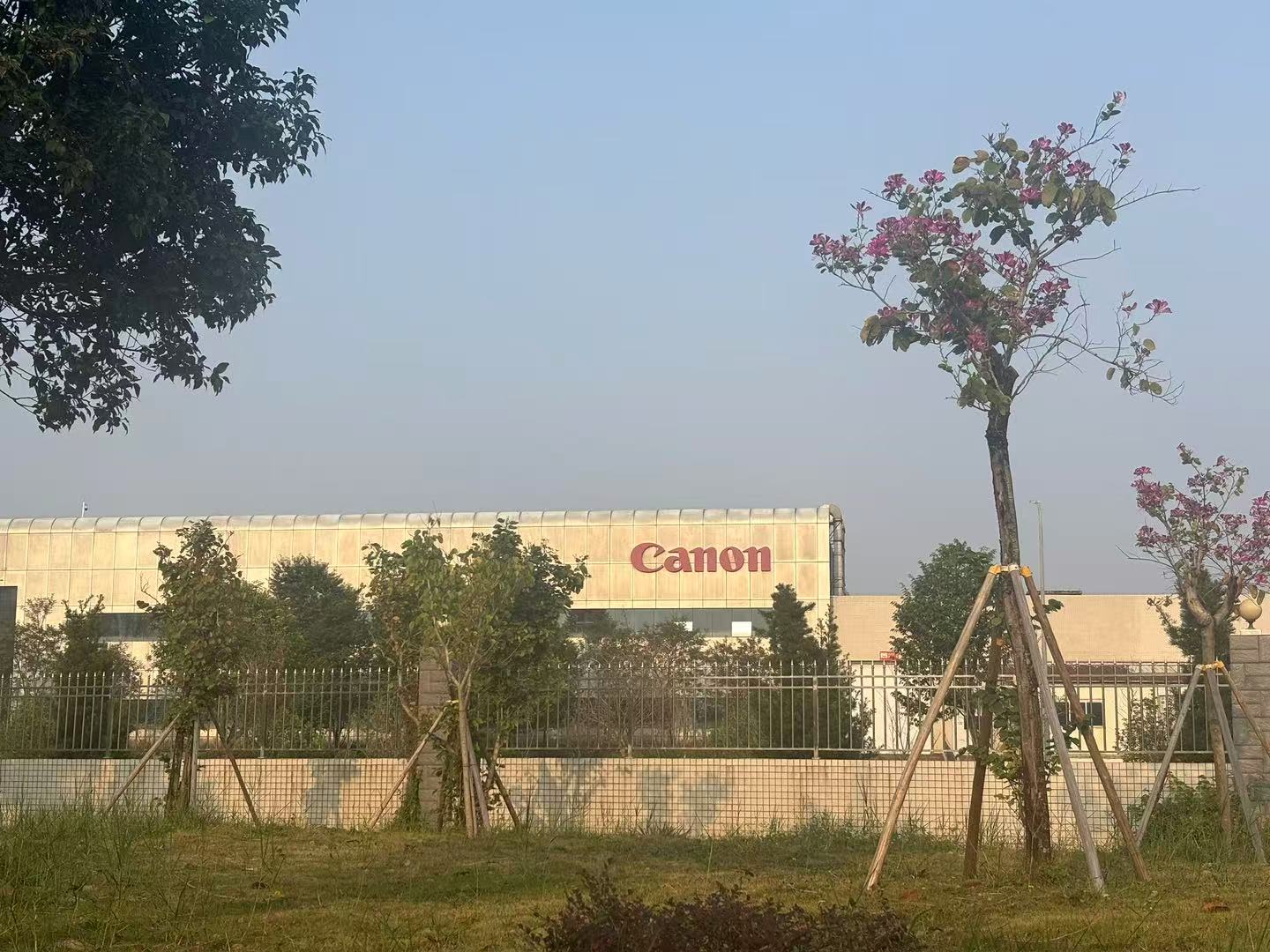
中山佳能工厂员工:这一天还是来了,赔偿没有网传夸张
3 6 Ke· 2025-12-09 02:16
Core Viewpoint - Canon's laser printer factory in Zhongshan, Guangdong, officially ceased operations due to ongoing operational difficulties, affecting over a thousand employees who are now awaiting compensation plans [1][4]. Company Summary - Canon (Zhongshan) Office Equipment Co., Ltd. has been a major industrial enterprise in Zhongshan since its establishment in 2001, with a cumulative industrial output value of nearly 50 billion yuan and tax contributions of approximately 2.3 billion yuan from 2010 to 2020 [4][11]. - The factory's production peaked in 2022 with over 110 million units, making it a core production base for Canon in China [6]. - The factory's operational decline was marked by a significant drop in annual orders from several hundred thousand units to only a few thousand units in recent years, leading to a reduction in workforce from around 6,000 to just over 1,000 employees [7][10]. Employee Compensation and Transition - Employees are reportedly receiving compensation packages that exceed the legal standard, with some receiving around 400,000 yuan, which includes various forms of economic support [4][9]. - Canon has committed to considering employee interests in accordance with local laws and regulations, and is working with local government and labor organizations to facilitate reemployment opportunities [9]. Industry Context - The closure of Canon's factory reflects a broader decline in the laser printer market, with IDC forecasting a 5% decrease in A4 laser printer shipments and a 10% decrease in A3 shipments in China by mid-2025 [10]. - The rise of domestic printer brands and government procurement policies favoring local products have intensified competition for Canon, which has seen its market share in China drop from 16% in 2010 to an expected 42% in 2024 for domestic brands [10]. - Canon's production model in Zhongshan primarily focused on OEM manufacturing, which has resulted in lower profit margins and a reliance on order volume and cost control [10][11]. Strategic Shift - As labor and production costs in the Pearl River Delta region have increased, Canon has shifted its production capacity to Southeast Asia, while focusing on higher-end industries in China, such as smart home appliances and new energy technologies [11]. - Canon's remaining production facilities in China continue to operate normally, with the company aiming to strengthen its market presence and achieve its goal of becoming the number one company in the Canon Group by 2035 [11].


日本组团拉客,CES2026前瞻观察:中美企业依然是科技顶流
3 6 Ke· 2025-12-08 10:03
Core Insights - CES 2026 will take place from January 6 to 9, 2026, in Las Vegas, serving as a significant platform for global technology brands, including those from Japan, which is launching the "Japan Tech Project" to showcase its innovations [2][21] - Japanese companies are expected to present new technologies and products across various sectors, including AI, robotics, and eco-friendly materials, highlighting their competitive edge in certain areas despite challenges from Chinese firms [4][10][19] Group 1: Japanese Technology Showcase - The "Japan Tech Project" aims to support Japanese companies with new technologies to gain visibility at global tech events like CES [2][19] - Major Japanese firms such as Sony and Panasonic will showcase innovations in home entertainment, appliances, and automotive technology, with Sony expected to unveil a new RGB LED TV and a 240Hz PlayStation monitor [5][8][14] - Panasonic will present its "Panasonic Go" initiative, focusing on AI integration in home appliances, particularly in refrigerators and washing machines [14][10] Group 2: Competitive Landscape - Japanese companies face stiff competition from Chinese manufacturers, who have made significant advancements in consumer electronics, particularly in display technologies [9][23] - The presence of major players like Sony and Nintendo in gaming and entertainment sectors remains crucial for Japan's technological reputation [9][15] - The CES 2026 will see an increase in Chinese exhibitors, potentially surpassing previous records, indicating a growing dominance in the tech landscape [21][22] Group 3: Robotics and Innovation - Japanese firms are known for their creativity in robotics, with expectations for new innovative products at CES 2026, reflecting Japan's historical strength in this area [19][20] - The establishment of the "Japan Tech Project" is intended to enhance the visibility and impact of Japanese startups in the global tech arena [19][26] Group 4: Global Participation - The participation of South Korean companies, such as Samsung and LG, is also significant, with over 1,000 exhibitors expected, indicating a competitive environment alongside Japanese and Chinese firms [26][21] - The disparity in exhibitor strength between Japan and the leading tech nations (China and the USA) highlights the challenges Japan faces in regaining its former technological prominence [26][24]


足球巨星C罗投资Al初创企业;佳能回应中山工厂停产丨Going Global
创业邦· 2025-12-07 10:08
Key Insights - The article highlights significant events in the global market, focusing on companies expanding overseas and their strategic moves [2][3] Group 1: E-commerce and Retail - During the Black Friday sales period, AliExpress saw a 40-fold increase in sales of electric scooters, indicating a strong demand for this category [5] - AliExpress's downloads in the European market surpassed Amazon on the first day of Black Friday, showcasing its growing popularity [6] - Shein successfully avoided a three-month operational suspension in France by agreeing to implement stricter product compliance measures [7] Group 2: Technology and Innovation - Pursuit Technology was recognized as one of the "Most Influential Brands" globally by Fast Company, highlighting its commitment to innovation and user experience [9][10] - BYD's chairman Wang Chuanfu announced plans to enhance electric and smart technology while expanding overseas markets, with a notable increase in international sales [11] - Anker Innovations is moving forward with its IPO application in Hong Kong, indicating its growth trajectory and international ambitions [13] Group 3: Corporate Developments - Canon confirmed the closure of its laser printer factory in Zhongshan due to a long-term decline in the market, but reassured that its other operations in China remain unaffected [16][17] - iRobot is facing severe financial difficulties, with debts exceeding $350 million and a significant drop in market share, raising concerns about its future viability [24][26] - Cristiano Ronaldo has invested in the AI startup Perplexity AI, marking a notable intersection of sports and technology [27][28] Group 4: Leadership and Management - Tony Fadell, known as the "father of the iPod," has expressed interest in succeeding Tim Cook as Apple's CEO, although his candidacy faces skepticism [19][20] - Meta has postponed the release of its mixed reality glasses to 2027, emphasizing the need for further refinement [21][23] - Samsung appointed Lee Kang-soo as the head of its new AI research institute, reflecting a focus on youthful leadership and innovation in AI technology [29] Group 5: Investment and Market Trends - Masayoshi Son of SoftBank expressed regret over selling Nvidia shares, indicating a need for capital to invest in AI projects [30][31]

中国可能成为荷兰和日本后,第三个独立制造光刻机的国家
Xin Lang Cai Jing· 2025-12-06 16:27
全球半导体设备市场正在悄然发生深刻变革,而光刻机作为半导体制造的核心设备,被誉为"工业皇冠 上的明珠"。 长期以来,光刻机技术的缺失被认为是中国芯片产业发展的最大短板。 尽管取得了显著进展,但中国光刻机产业仍面临巨大挑战。目前,全球市场对先进制程芯片的需求持续 增长,而ASML的技术优势在高端领域难以撼动。 以上海芯上微装科技股份有限公司(AMIES)推出的AST6200型350nm步进光刻机为例,这款设备虽然 制程节点不及国际顶尖水平,但其技术指标精准击中了第三代半导体市场的核心需求。 其刻蚀精度达到正面80纳米、背面500纳米,兼容碳化硅(SiC)、氮化镓(GaN)等多种化合物半导体 材料,广泛应用于5G基站、新能源汽车电控系统等领域。更值得关注的是,该设备核心零部件几乎实 现了全链条的"中国制造"。 这种差异化竞争策略不仅帮助中国企业在细分市场站稳脚跟,也为后续技术追赶积累了宝贵的资金和经 验。 除了硬件技术的突破,中国光刻机产业还在研发范式上实现了创新。国内研发团队通过引入大数据和人 工智能技术,部署高密度传感器网络,构建高精度数字孪生模型。 这种数据驱动的研发模式显著提升了设备良率,同时缩短了设备调 ...

新东方员工发文吐槽「加班成奴」,账号被秒封!公司回应;负债238亿拟花1.8亿炒股?乐视网:被误读;美光停止向消费者销售存储产品
雷峰网· 2025-12-05 00:44
Group 1 - Micron Technology has decided to exit the consumer storage market, ceasing production of PC-grade SSDs and memory products, focusing instead on high-performance AI chip demands [4][5] - The decision comes as major tech companies, including Samsung and SK Hynix, have also reduced memory production, leading to a global shortage of memory for consumer devices [4][5] - Micron aims to enhance long-term business performance by concentrating on core enterprise and commercial sectors, which are experiencing significant growth due to AI [4][5] Group 2 - LeEco reported a debt of 238 billion yuan and plans to invest 180 million yuan in stock trading, which has sparked public debate [7][8] - The company clarified that a significant portion of the investment is in "risk-free" assets, such as government bond repurchases, rather than speculative trading [7][8] - LeEco relies on operational income and copyright revenues from popular shows like "Empresses in the Palace" to sustain its workforce [8] Group 3 - Canon's Zhongshan factory has announced generous severance packages for laid-off employees, with compensation reaching up to 400,000 yuan [10][11] - The compensation plan includes a formula that significantly exceeds legal standards, providing a substantial financial cushion for affected workers [10][11] - Canon is actively assisting employees in finding new job opportunities, including hosting recruitment events and providing recommendation letters from management [12] Group 4 - Amazon's AGS division is undergoing significant leadership changes, with the departure of Vice President Yang Jun amid a broader restructuring [16][17] - The company has initiated a large-scale layoff plan, affecting various management levels, as it seeks to streamline operations [16][17] - The ongoing changes reflect a challenging environment for Amazon's global selling operations, with expectations of further layoffs in the near future [16][17] Group 5 - Xiaomi's President Lu Weibing announced a strategic focus on AI, emphasizing the integration of AI with physical products and services [21][22] - The company has ramped up investments in AI, with a reported increase of over 50% in funding for AI initiatives in recent quarters [21][22] - Xiaomi aims to position itself as a leader in AI technology, leveraging top talent to enhance its capabilities in this area [21][22] Group 6 - BYD is implementing a "flawless operation" initiative in its battery factories, aiming for zero defects in product manufacturing [31] - The initiative is part of a broader strategy to enhance manufacturing efficiency and meet the growing demand for high-quality battery products [31] - BYD's goal is to achieve industry-leading management standards within a few months, aligning with external customer expectations [31] Group 7 - Eight major e-commerce platforms, including JD.com and Meituan, have signed a commitment to establish self-regulatory norms for AI technology applications [32][33] - The commitment aims to ensure transparency in AI-generated content and protect consumer rights by implementing clear labeling and monitoring practices [32][33] - This initiative marks a significant step towards responsible AI usage in the e-commerce sector, addressing growing concerns over AI's impact on consumer interactions [32][33]




大批外资逃离中国,西方开始抢夺中国市场,普通人该怎么减小损失
Sou Hu Cai Jing· 2025-12-04 10:49
Group 1 - The core argument of the article is that the narrative of foreign capital withdrawing from China is exaggerated and does not reflect the overall market dynamics, as many foreign companies continue to find opportunities in the Chinese market [5][25][29] - There are three categories of foreign companies that have withdrawn from China: manufacturing firms, technology service providers, and those that have relocated their supply chains [7][14][17] - The first category includes manufacturing companies like Samsung and Nikon, which have seen a decline in market share due to the rise of domestic competitors and other operational challenges [9][11] - The second category consists of technology service companies that have reduced their presence in China following revelations about U.S. surveillance programs, leading to a decline in their market viability [14][15] - The third category involves companies like Foxconn that initially moved operations to Southeast Asia to reduce costs but later returned to China due to higher operational challenges and costs in those regions [19][21] Group 2 - The article emphasizes that the withdrawal of some foreign companies is a normal market phenomenon and not indicative of a broader trend, as many foreign firms continue to enter the Chinese market [23][25] - It highlights that China remains an attractive market due to its large population and potential for profitability across various industries [25][27] - The conclusion suggests that while individual companies may face challenges, the overall market in China will continue to evolve, and individuals should adapt to these changes rather than succumb to fear [29]

日本制造,在华大溃退
虎嗅APP· 2025-12-04 09:51
Core Viewpoint - The article discusses the withdrawal of Japanese manufacturing companies from the Chinese market, highlighting the decline of brands like Canon, Sony, and Yakult, and the reasons behind this trend, including increased competition from local manufacturers and a failure to adapt to market changes [5][22][29]. Group 1: Company Withdrawals - Canon's production facility in Zhongshan, China, ceased operations on November 21, 2025, marking the end of over 20 years of presence in the region [4][5]. - Yakult announced the closure of its Guangzhou factory, which had been operational for 23 years, and previously shut down its Shanghai factory [6][17]. - Sony officially exited the Chinese smartphone market by shutting down its Xperia brand [7]. - Mitsubishi Motors completely withdrew from the Chinese market, ending both vehicle sales and its joint engine production with Shenyang Aerospace Mitsubishi [7][16]. Group 2: Market Dynamics - The Japanese manufacturing sector's exit from China is characterized as a response to competitive pressures rather than a strategic shift, with companies facing declining market shares and sales [22][29]. - The shift towards a paperless office has led to a shrinking market for printers, impacting Canon significantly, which saw its market share drop to 3.9% by Q3 2025 from 16% in 2010 [22][24]. - In the probiotic beverage sector, Yakult's market share has been eroded by local competitors offering better price-performance ratios, with Yakult's sales declining significantly from their peak [26][27]. Group 3: Competitive Landscape - The decline of Japanese brands in China is attributed to the loss of technological advantages, as local manufacturers have improved their capabilities and now hold a significant market share in sectors like printing [23][24]. - Japanese companies have been slow to adapt to changing consumer preferences, such as the demand for low-sugar beverages, which has hindered their competitiveness [27]. - Despite their struggles in China, Japanese manufacturers still maintain strong global market positions, with Canon holding a 22% share of the global printer market as of 2023 [29]. Group 4: Future Implications - The article suggests that the exit of Japanese companies from China is not the end of their global competitiveness but rather a new chapter for Chinese manufacturers, who are now positioned to compete on a larger scale [32]. - The success of Chinese brands in domestic markets, particularly in appliances, indicates a shift in market dynamics where local companies are gaining dominance [30].

佳能携手胡可直播间 以“明星感”视听语言探索高端直播新标准
Sou Hu Wang· 2025-12-04 09:27
Core Insights - The live e-commerce industry is undergoing significant transformation, shifting from a focus on low prices to an emphasis on "quality-price ratio" as high-end apparel and other high cognitive cost categories enter the market [1][4] - The recent "Double Eleven" event showcased a successful collaboration between Hu Ke's live stream and "Super Fashion Release," achieving nearly 400 million yuan in sales and setting a new benchmark for high-quality content in apparel live streaming [1][4] - Canon, in partnership with Star Partner (Beijing) Cultural Media Co., has developed a core competitive advantage for high-end live streaming by integrating high-quality products, aesthetic content, and professional technical presentation [1][4] Industry Changes - The live e-commerce sector is transitioning from a focus on traffic benefits to quality competition, with technology becoming a central theme [4] - Brands face the challenge of effectively communicating product value and building differentiated competitiveness as consumer decision-making shifts towards long-term usability and true value [4] - High-end categories like apparel and beauty are demanding higher standards for visual quality, color accuracy, and detail presentation in live streams [4] Technical Innovations - The live stream featured a 2000 square meter immersive stage with three distinct scenes, enhancing the viewer experience and showcasing products effectively [7][9] - Canon's "Jia Live" and "Jia Live PRO" solutions provided a robust technical framework, utilizing 14 camera setups for precise scene deployment and collaboration [9][11] - The integration of Canon's technology allowed for high-quality visual consistency across multiple camera angles, ensuring effective product presentation [11][12] Quality Standards - The successful implementation of the live streaming model at Hu Ke's studio not only facilitated high exposure and commercial conversion for numerous high-end brands but also established a technical benchmark for quality live streaming [19][22] - The future of live streaming competition will rely on a comprehensive system that understands users, products, and content, combined with high-quality technical solutions [19][22] - Canon's ongoing commitment to user needs and technological innovation aims to drive high-quality development in the live streaming industry [21][22]

日本制造,在华大溃退
Xin Lang Cai Jing· 2025-12-04 05:48
Core Viewpoint - The article discusses the withdrawal of Japanese manufacturing companies from the Chinese market, highlighting the decline of brands like Canon, Yakult, and Mitsubishi, which were once dominant players in their respective industries. This trend reflects a broader shift in the competitive landscape as Chinese companies advance in technology and market presence, leading to a significant reduction in the market share of Japanese brands [1][9][11]. Group 1: Canon's Closure - Canon's production line at its Zhuhai facility ceased operations on November 21, 2025, marking the end of its 20-year presence in China [21][22]. - The factory, once a significant employer in the region, had seen its workforce shrink to just over 1,400 employees by the time of closure [29]. - Canon's market share in the Chinese laser printer market plummeted to 3.9% by the third quarter of 2025, down from 16% in 2010 [11][37]. Group 2: Other Japanese Brands - Yakult announced the closure of its Guangzhou factory, which had been operational for 23 years, and previously shut down its Shanghai factory [23][31]. - Mitsubishi Motors ceased all local production in China, with its vehicle sales dropping from 133,000 units in 2019 to just 33,600 units in 2022 [31][34]. - The article notes that the decline of these brands is not an isolated incident but part of a larger trend of Japanese companies exiting the Chinese market, including Sony and Toshiba [24][33]. Group 3: Market Dynamics - The decline of Japanese brands is attributed to several factors, including the rise of local competitors and a shift in consumer preferences towards more affordable and innovative products [12][38]. - The Chinese market for printers has evolved, with local brands capturing 41.5% of the market share by 2025, while Japanese brands struggle to adapt [11][37]. - Japanese companies are perceived to have failed to respond to changing market conditions, maintaining outdated business models and product offerings [12][41]. Group 4: Global Perspective - Despite their struggles in China, Japanese manufacturers still hold significant global market shares, with Canon commanding 22% of the global printer market as of 2023 [15][42]. - The profitability of Japanese automotive brands remains strong on a global scale, with Toyota's profits significantly outpacing those of Chinese competitors [44]. - The article concludes that while Japanese brands face challenges in China, their global competitiveness remains intact, indicating a need for adaptation rather than a complete retreat from the market [17][47].

中汽协:10月汽车商品进出口总额为253.1亿美元,同比增长9.5%|首席资讯日报
首席商业评论· 2025-12-03 04:25
Group 1: Automotive Industry - In October 2025, the total import and export value of automotive goods reached $25.31 billion, a year-on-year increase of 9.5% [2] - The import value was $3.68 billion, a month-on-month decrease of 4.6% and a year-on-year decrease of 17.5% [2] - The export value was $21.63 billion, a month-on-month increase of 2.9% and a year-on-year increase of 15.9% [2] - From January to October 2025, the cumulative total import and export value was $232.08 billion, remaining stable compared to the previous year [2] Group 2: Technology and AI - TSMC Chairman Wei Zhejia is expected to attend the OIP forum in Nanjing on December 4, 2025, and will visit several chip design companies [3] - South Korean AI startup Upstage plans to conduct an IPO as early as the second half of 2026 [4] - Australia has launched a national AI plan focusing on three main goals: seizing opportunities, sharing benefits, and ensuring safety [9] - Grayscale Research predicts Bitcoin may reach a historical high in 2026, challenging the traditional four-year cycle theory [10] Group 3: Logistics and Trade - Guangzhou Port expects a 14.7% year-on-year increase in container throughput in November 2025, reaching 2.399 million TEUs [5] - The total cargo throughput is projected to be 50.854 million tons, a year-on-year increase of 3.9% [5] Group 4: Corporate Developments - Canon announced the cessation of operations at its printer factory in Zhongshan, Guangdong, due to market challenges and competition [6][7] - Goldman Sachs raised the target price for Alibaba Health to HKD 5.2, citing structural benefits in the industry [8] - Wuliangye Group has invested in Sichuan Airlines Group, increasing its registered capital from 417 million to 1.219 billion yuan [11] Group 5: Economic Performance - Qingdao's GDP is expected to exceed 1.7 trillion yuan in 2025, with an average annual growth rate of 5.9% [13] - The city's per capita GDP is projected to rise from 127,000 yuan in 2020 to 161,000 yuan in 2024, a cumulative increase of 21.3% [13][14]