
东风股份

Search documents
重塑智能出行本质!华为乾崑:从生态共荣到价值普惠
Zhong Guo Zheng Quan Bao· 2025-11-27 14:32
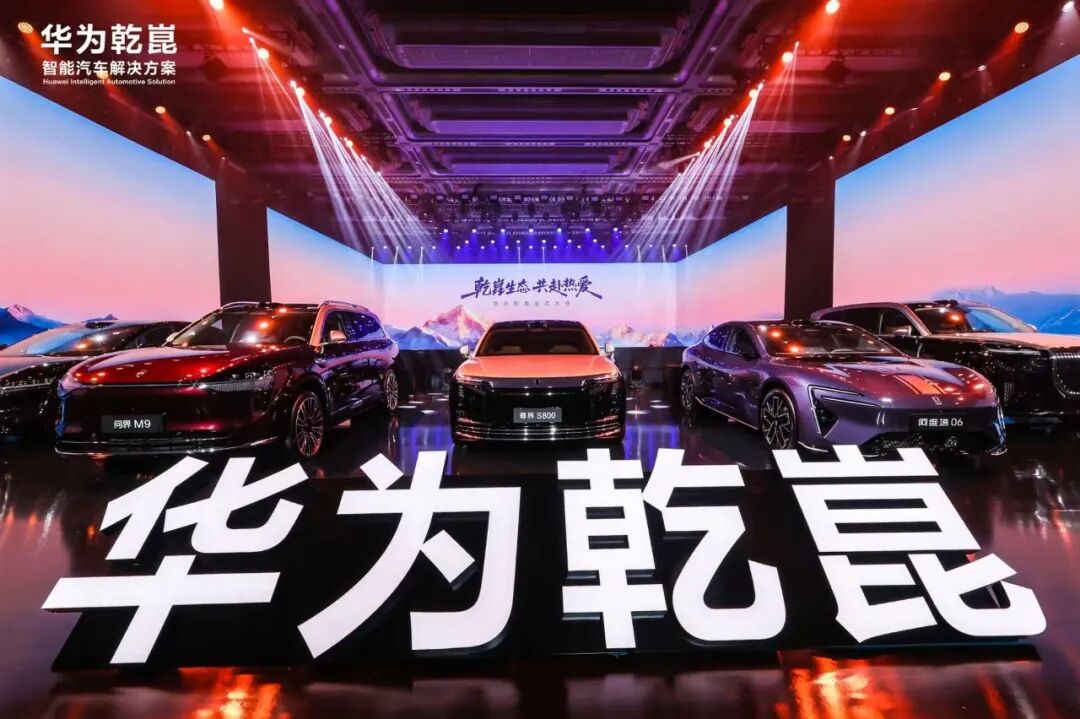
Core Insights - Huawei's strategy focuses on "not manufacturing cars, but helping car manufacturers build better cars," emphasizing a collaborative ecosystem for smart mobility [1][3] - The Huawei QianKun ecosystem has expanded to include 14 car manufacturers and 33 mass-produced models, aiming to redefine the value relationship between products, services, manufacturers, and users in the smart automotive sector [3][11] Technology Development - The upgrade of Huawei QianKun's ADS Pro features the first mass-produced cabin laser vision system, enhancing forward perception capabilities and supporting advanced urban navigation assistance [3][4] - The full-dimensional collision avoidance system has been upgraded to CAS 4.0, providing comprehensive safety coverage across various scenarios [3][4] - The urban NCA function will be available for models priced at 150,000 yuan and above, making advanced driving assistance more accessible to a broader user base [4][11] Market Positioning - Huawei QianKun's ecosystem aims to meet diverse consumer needs across different price segments, from entry-level to luxury vehicles, ensuring that users do not have to compromise between budget and smart features [6][8] - The newly announced "Jing" series further enriches the product matrix, targeting both high-end and family markets with tailored solutions [6][8] Value Evolution - The OTA (Over-The-Air) updates redefine the lifecycle value of vehicles, allowing continuous software upgrades that enhance user experience and vehicle performance [9][11] - The high user engagement rate of 95.2% for QianKun's smart driving system indicates strong user recognition of the value added through OTA updates [9][11] Industry Impact - Huawei QianKun is accelerating the transition of smart technology from being a premium option to a standard feature in vehicles, aiming to increase the adoption of advanced driving assistance systems in China [11] - The initiative supports the broader goal of positioning Chinese automotive manufacturers at the forefront of the global smart mobility revolution [11]

东风股份:聚焦于轻型商用车领域 暂未开展储能业务
Xin Lang Cai Jing· 2025-11-27 14:29
Group 1 - The company focuses on the light commercial vehicle sector and has not yet ventured into the energy storage business [1]


李想宣布回归“创业公司管理模式”:理想未来十年将押注具身智能;宝马下一代3系、i3路试谍照双双曝光丨汽车交通日报
创业邦· 2025-11-27 10:59
Group 1 - Li Auto's chairman Li Xiang announced a return to a startup management model starting from Q4 2025 to tackle new challenges in technology and the market. The company reported Q3 2025 revenue of 27.4 billion yuan and cash reserves of 98.9 billion yuan, with an expected annual R&D investment of 12 billion yuan, over 6 billion yuan of which will be allocated to AI [2] - The China Passenger Car Association's secretary-general Cui Dongshu reported that from January to October 2025, the automotive industry produced 27.33 million vehicles, a year-on-year increase of 11%. The industry's revenue reached 88.778 billion yuan, up 7.9% year-on-year, while profits were 3.895 billion yuan, reflecting a 4.4% increase year-on-year [2] - In October 2025, the automotive industry generated revenue of 10.543 billion yuan, a year-on-year increase of 8.6%, with profits of 412 million yuan, up 13.7% year-on-year. The profit margin for the automotive industry was reported at 3.9%, showing a significant decline from September [2] Group 2 - BMW's next-generation 3 Series and electric i3 model have been spotted in testing, with the company developing 40 new or updated models. The i3 is expected to follow the iX3's design, featuring a dual-motor all-wheel-drive system with a total output of 345 kW and a 0-100 km/h acceleration time of 4.9 seconds [2] - Dongfeng and Huawei's joint brand "Yijing" is set to unveil its first model, a large six-seat SUV, next year. The vehicle has been confirmed to be a three-row, six-seat model based on promotional materials released by Yijing [4]

连续上行后,中国车市正步入十字路口,Robotaxi有望破局
Hua Er Jie Jian Wen· 2025-11-27 06:18
Core Viewpoint - The Chinese automotive industry is at a critical juncture after three years of growth, with investor sentiment shifting from optimism to caution as competition intensifies and potential subsidy reductions loom [1] Group 1: Market Sentiment and Policy Expectations - Investors are concerned that fierce market competition and subsidy cuts will continue to pressure industry sentiment and may impact the operational performance of OEMs and suppliers in Q1 2026 [1] - Most investors believe that national "trade-in" and local "replacement subsidies" will continue to be implemented in 2024 to mitigate the impact of a 5% increase in purchase tax and cyclical headwinds [2] - Investors expect that the implementation rules for local stimulus measures will become stricter, with per-vehicle subsidy amounts potentially decreasing by 30-50% year-on-year [3] Group 2: Traditional Automakers vs. New Players - There is a slight preference for traditional automakers, driven by low expectations and potential restructuring opportunities, alongside the influence of technology giants like Huawei [4] - Huawei's involvement in the automotive sector is reshaping the industry landscape, with its smart mobility alliance and collaborations with state-owned automakers [4] - Despite ongoing discussions around new players like BYD and NIO, investor opinions are divided, particularly regarding BYD's potential market share loss in 2024 [4] Group 3: Opportunities in Automation - The fields of autonomous driving and robotaxi are attracting significant market interest, with expectations for the removal of safety drivers becoming feasible due to technological advancements [5] - Regulatory breakthroughs for high-level autonomous driving are anticipated, with L3-level regulations expected to be released in the first half of 2026, potentially igniting renewed enthusiasm for autonomous driving clusters [5] - Suppliers with core technological advantages are expected to benefit from the increased penetration of L2+ and higher-level autonomous driving in China [5]

台积电全球扩厂提速:明年10厂齐发;中国首座26米智能型主动波浪补偿栈桥交付丨智能制造日报
创业邦· 2025-11-27 03:51
Group 1 - The first direct current "building charging treasure" in Guizhou has successfully started operation, marking a significant breakthrough in low-carbon park construction in China [2] - TSMC is expected to accelerate global factory expansion with 10 new or expanded wafer fabs next year, with capital expenditure projected to reach $50 billion [2] - China's first 26-meter intelligent active wave compensation bridge has been delivered, contributing to the innovation and development of marine engineering equipment technology [2] - Dongfeng's first Mach power 2.0T engine for low-altitude flight scenarios has been delivered, with a 90% parts commonality with its vehicle engine [2] - Apple is set to surpass Samsung and reclaim the title of the world's largest smartphone manufacturer, driven by the successful launch of the new iPhone series [2][3] Group 2 - The global smartphone market is expected to expand by 3.3% in 2025, with Apple projected to capture a 19.4% market share, marking its first time at the top since 2011 [3]


连续三年上行周期后,中国车市正步入十字路口,Robotaxi或有望破局
Hua Er Jie Jian Wen· 2025-11-27 03:11
Core Viewpoint - The Chinese automotive industry is at a critical juncture after three years of growth, with investor sentiment shifting from optimism to caution as competition intensifies and potential subsidy reductions loom [1] Group 1: Market Sentiment and Policy Outlook - Investors are increasingly concerned about the impact of fierce market competition and subsidy cuts on the operational performance of OEMs and suppliers, particularly in Q1 2026 [1] - A Morgan Stanley report indicates that while there is a prevailing pessimism, any marginal sales improvement or policy updates could serve as significant catalysts for the industry [1] - Most investors expect that national and local stimulus measures, such as "trade-in" and "replacement subsidies," will continue in 2024, but with a cautious outlook on the effectiveness, predicting a potential reduction in subsidy amounts by 30-50% [2] Group 2: Traditional Automakers vs. New Players - There is a slight preference emerging for traditional automakers, driven by low expectations and potential restructuring opportunities, alongside technological endorsements from companies like Huawei [3] - Huawei's influence is noted as a key variable in reshaping the industry, with its partnerships leading to new smart vehicle brands and significant presence at auto shows [3] - Despite ongoing discussions around new players like BYD and NIO, concerns remain about BYD's potential market share loss in 2024, highlighting a divided investor sentiment [3] Group 3: Opportunities in Automation - The cautious market sentiment contrasts with strong interest in autonomous driving (AD) and Robotaxi sectors, with expectations for the commercial viability of driverless Robotaxi models increasing [4] - Anticipation is building for the release of L3 autonomous driving regulations in China by mid-2026, which could spark renewed enthusiasm for autonomous vehicle clusters [5] - Suppliers with core technological advantages are expected to benefit from the rising penetration of L2+ and higher-level autonomous driving technologies in the market [5]

奕境登顶华为乾崑最强境,东风与华为百亿投入重构高端家庭出行生态
2 1 Shi Ji Jing Ji Bao Dao· 2025-11-27 02:40
Core Insights - The collaboration between Dongfeng and Huawei has led to the launch of a new energy vehicle brand "Yijing," which aims to capture the high-end family market by focusing on "smart travel for all family scenarios" [1][4][7] - The brand represents a new cooperative model in the automotive industry, integrating resources, teams, and processes from both companies to meet evolving consumer demands [2][3][6] Group 1: New Brand Launch - The Yijing brand was introduced at a招商大会 (investment promotion conference) attended by hundreds of top dealers from across the country, indicating strong interest and potential for partnerships [1] - The brand is positioned to leverage Huawei's advanced technology and Dongfeng's deep understanding of over 60 million family users, creating a long-term business model [1][5] Group 2: Innovative Collaboration Model - The partnership is built on over a decade of collaboration, evolving from traditional methods to a new model that emphasizes deep integration and shared goals [2][3] - Both companies have committed significant resources, with a focus on creating a flagship brand that integrates technology and user experience [3][6] Group 3: Market Positioning - Yijing targets the high-end family electric vehicle market, which is expected to grow significantly, with family models showing strong demand [5][6] - The brand's unique selling proposition includes advanced safety features, intelligent driving capabilities, and a focus on user experience, setting it apart from competitors [4][5] Group 4: Long-term Business Model - Yijing's business model is based on long-term cooperation and value creation with partners, aiming to provide high certainty of returns for investors [6][7] - The brand's strategy includes innovative channel development and a commitment to shared growth with dealers, enhancing its market presence [6][7]
奕境登顶华为乾崑最强境,东风与华为百亿投入重构高端家庭出行生态
21世纪经济报道· 2025-11-27 02:34
Core Viewpoint - The collaboration between Dongfeng and Huawei has led to the launch of the new electric vehicle brand "Yijing," which aims to redefine family-oriented smart mobility in the competitive EV market, leveraging both companies' strengths and insights into user needs [3][5][17]. Group 1: New Brand Launch and Market Positioning - The Yijing brand was launched at a招商大会 (investment promotion conference) attended by hundreds of top dealers from across the country, indicating strong interest and commitment from the market [1][3]. - Yijing is positioned as a high-end family-oriented electric vehicle, focusing on "smart mobility for all family scenarios," which reflects a shift in consumer demand from mere functionality to comprehensive value experiences [10][13]. Group 2: Innovative Collaboration Model - The partnership between Dongfeng and Huawei is characterized by a new collaborative model that integrates resources, teams, and processes, marking a significant upgrade in the automotive industry collaboration paradigm [4][8]. - This model is built on over a decade of cooperation, identifying a fundamental shift in user needs towards safety, intelligence, and personalized experiences in family mobility [5][7]. Group 3: Technological and Market Advantages - Yijing leverages Huawei's advanced technology and Dongfeng's deep understanding of over 60 million family users, creating a unique competitive edge in the high-end family EV market [7][13]. - The brand emphasizes safety and smart features, including the latest Huawei technology for active safety and a comprehensive digital experience, aiming to create a "mobile castle" for families [10][11]. Group 4: Long-term Business Model - Yijing's business model is based on long-termism, focusing on channel innovation and partner collaboration to ensure high-value returns for investors [14][17]. - The brand's strategy includes a top-level design for channel development and a commitment to shared growth with partners, which has garnered broad recognition from dealers [15][17]. Group 5: Future Outlook - With the first model set to launch in 2026, Yijing is positioned to become a benchmark in the high-end family EV market, driven by its differentiated positioning and the combined strengths of Dongfeng and Huawei [17].

新生态、向未来,2025中国汽车供应链大会在芜湖召开
中汽协会数据· 2025-11-27 02:13
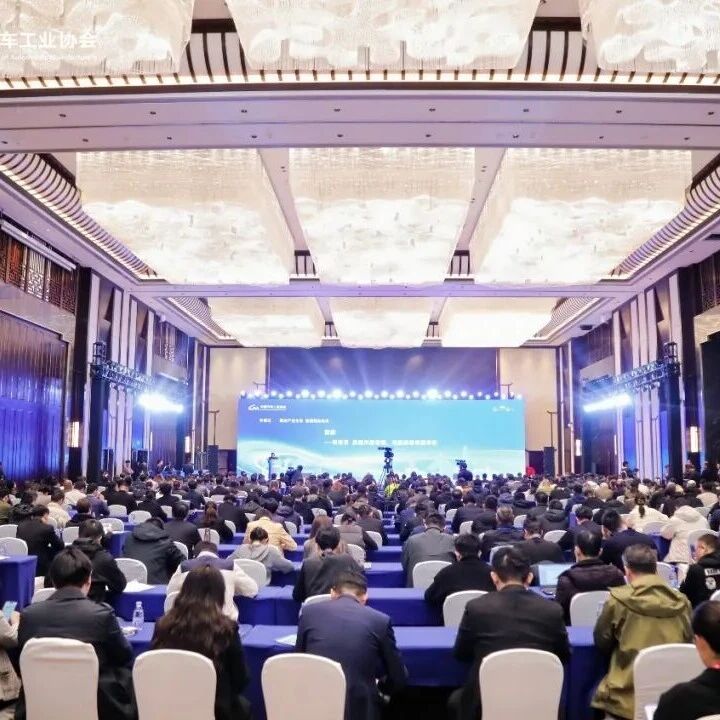
Core Viewpoint - The "2025 China Automotive Supply Chain Conference" emphasizes the importance of collaborative innovation in the supply chain and industry chain as a core element driving high-quality development in the automotive industry during the transition from the 14th Five-Year Plan to the 15th Five-Year Plan [2][6]. Group 1: Conference Overview - The conference was held from November 24 to 26 in Wuhu, Anhui, focusing on supply chain innovation, transformation, and international development in the automotive sector [2]. - The event included various activities such as a government-enterprise matchmaking event, closed-door meetings, an opening ceremony, and multiple thematic meetings [2]. Group 2: Key Insights from Industry Leaders - Industry leaders highlighted the need for innovation, collaboration, and a strong supply chain to achieve high-quality development during the 15th Five-Year Plan [6][8]. - The importance of transforming China's automotive supply chain advantages into localized stability for global market integration was emphasized [8]. Group 3: Industry Reports and Trends - The conference released two authoritative industry reports, including the "2025 China Automotive Supply Chain Development Report," which outlined four key achievements in the automotive parts industry during the 14th Five-Year Plan [13]. - The report indicated that the 15th Five-Year Plan represents a critical window for the development of China's automotive industry, with significant global opportunities and investment prospects [13]. Group 4: Globalization and Strategic Framework - The globalization of the automotive parts industry has shifted from an optional strategy to a necessity, with a focus on helping enterprises expand internationally [15]. - A "5C" globalization strategy framework was introduced, covering compliance, supply chain, capital, brand, and talent, serving as a practical guide for companies aiming to enter global markets [18]. Group 5: Collaborative Efforts and Future Directions - The establishment of a "Supply Chain Expert Database" was announced to address key technological challenges in the supply chain, leveraging industry expertise for development [24]. - The conference facilitated discussions on building a resilient automotive supply chain and fostering collaboration between various stakeholders in the industry [34][38].

近百家辽企亮相上海国际汽配展
Liao Ning Ri Bao· 2025-11-27 01:13
Core Insights - The 2025 Shanghai International Automotive Parts, Maintenance, Testing, Diagnosis Equipment and Service Supplies Exhibition opened on November 26, featuring 7,465 companies from 44 countries and regions, marking a 10% year-on-year increase in exhibitors [1] - The automotive aftermarket encompasses services and transactions related to the entire lifecycle of vehicle usage, including maintenance, parts, and used car transactions [1] - The exhibition highlights the coordinated development of diverse technological routes driving the digital transformation of the automotive aftermarket, with a 50% expansion in the display area for new energy and intelligent connected vehicles [1] Industry Overview - The province has over 1,800 automotive and component-related enterprises, with 401 large-scale companies serving clients such as Brilliance BMW, SAIC General North, Dongfeng Nissan, and Volkswagen [1] - Yingkou is recognized as the birthplace and an important industrial base for China's automotive maintenance and repair industry, boasting over 60 well-known brands in the automotive repair equipment sector, contributing to more than 40% of the national export total for automotive repair products [1]