
潮宏基

Search documents
福建板块,逆势上扬




财联社· 2025-11-04 03:39
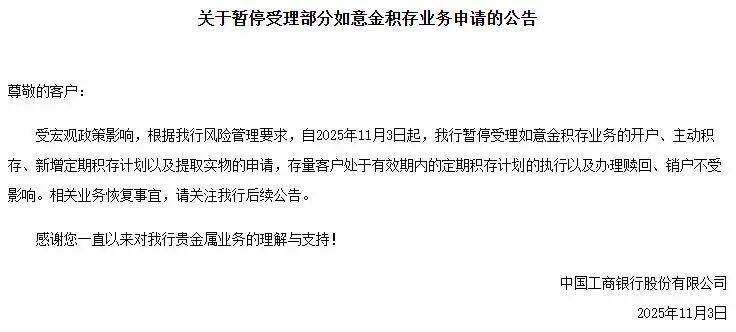
Market Overview - The A-share market experienced fluctuations in the morning session, with both the Shenzhen Component Index and the ChiNext Index dropping over 1% [1] - The total trading volume in the Shanghai and Shenzhen markets reached 1.22 trillion, a decrease of 164.8 billion compared to the previous trading day [1] - Over 3,700 stocks in the market declined, indicating a broad-based downturn [1] Sector Performance - The Fujian sector showed resilience, with Pingtan Development achieving 10 consecutive trading limits in 13 days, and other stocks like Fulongma also hitting the daily limit [3] - Semiconductor equipment stocks rebounded, with Zhongwei Company rising over 7% [3] - The coal sector remained active, with Antai Group achieving 8 trading limits in 14 days [3] - Conversely, the robotics concept stocks collectively fell, with companies like Anpeilong and Tuopu Group experiencing significant declines [3] - The innovative drug concept faced volatility, with Changshan Pharmaceutical nearing a trading halt [3] - Gold concept stocks saw multiple declines, with Chaohongji continuing to weaken [3] Index Performance - By the end of the trading session, the Shanghai Composite Index fell by 0.19%, the Shenzhen Component Index dropped by 1.27%, and the ChiNext Index decreased by 1.51% [3]


市场震荡调整,深成指、创业板指半日跌超1%,福建板块逆势上扬
Feng Huang Wang Cai Jing· 2025-11-04 03:38
Market Overview - The market experienced fluctuations with the Shenzhen Component Index and the ChiNext Index both declining over 1% [1] - As of the midday close, the Shanghai Composite Index fell by 0.19%, the Shenzhen Component Index dropped by 1.27%, and the ChiNext Index decreased by 1.51% [1] - The total trading volume in the Shanghai and Shenzhen markets was 1.22 trillion, a decrease of 164.8 billion compared to the previous trading day [1][6] Index Performance - Shanghai Composite Index: 3969.05, down 0.19% [2] - Shenzhen Component Index: 13234.07, down 1.27% [2] - ChiNext Index: 3148.46, down 1.51% [2] - Northbound 50 Index: 1531.33, down 2.29% [2] Sector Performance - The banking sector, Fujian Free Trade Zone, and electric grid equipment sectors showed positive performance [3] - Conversely, the precious metals, pharmaceuticals, and robotics sectors experienced significant declines [3] Stock Movement - Over 3700 stocks in the market declined, with notable downtrends in the robotics concept stocks and innovative drug concept stocks [2][3] - The semiconductor equipment stocks saw a rebound, with Zhongwei Company rising over 7% [2] - The coal sector remained active, with Antai Group achieving 8 consecutive gains over 14 days [2] Market Sentiment - 71.97% of users are bullish on the market outlook [4] - The market showed a high closing rate of 69% for limit-up stocks, with a 76% opening rate [7]


暂停实物金提取不到1天 工行刚刚恢复!周大福:应有关税收政策 今起部分产品涨价
Mei Ri Jing Ji Xin Wen· 2025-11-04 03:19
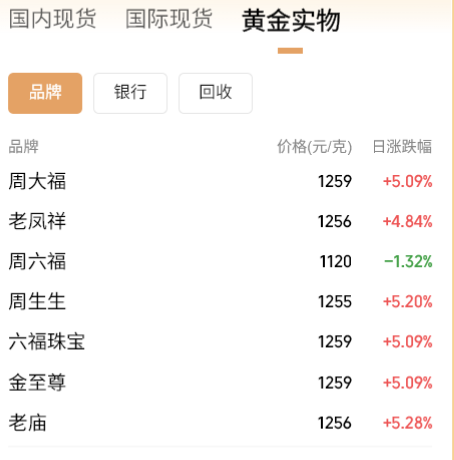
Core Viewpoint - The recent suspension of gold-related services by major banks, including Industrial and Commercial Bank of China (ICBC) and China Construction Bank (CCB), is a response to new tax policies affecting the gold market, leading to significant fluctuations in gold prices and impacting retail businesses [1][3][4]. Group 1: Bank Operations - ICBC and CCB announced the suspension of certain gold investment services on November 3, 2025, due to market volatility and risk management requirements [3][8]. - ICBC quickly resumed its "Ruyi Gold" accumulation services within a day after the initial suspension, indicating a rapid response to customer demand [4][10]. - CCB's announcement regarding the suspension of its "Easy Storage Gold" services was not found on its official website at the time of reporting, suggesting a lack of communication or updates [3][10]. Group 2: Market Reactions - Following the announcement of the new tax policies, shares of several gold and jewelry retailers, including Chao Hong Ji and Chow Tai Fook, experienced significant declines, with losses of nearly 10% for some companies [3][4]. - The price of gold in the Shenzhen Shui Bei market surged dramatically, with prices rising from approximately 930 yuan per gram to over 996 yuan per gram within hours on November 3, 2025 [18][19]. Group 3: Tax Policy Impact - The new tax policy, effective from November 1, 2025, exempts value-added tax (VAT) on standard gold transactions through designated exchanges until December 31, 2027, but imposes VAT on physical gold transactions outside these exchanges [4][12]. - The policy is expected to increase procurement costs for retailers by approximately 7%, leading to price adjustments for gold products [14][19]. - Retailers like Chow Tai Fook have already begun adjusting their prices in response to the new tax regulations, with significant price increases reported [15][19].



渤海证券研究所晨会纪要(2025.11.04)-20251104
BOHAI SECURITIES· 2025-11-04 02:37
Group 1: Macro and Strategy Research - In Q3 2025, the overall A-share market saw improvements in both revenue and net profit, with year-on-year growth rates of 3.9% and 11.5% respectively, benefiting from "anti-involution" and resilient exports [2][3] - All sectors experienced improved revenue and net profit growth rates, with the ChiNext and STAR Market performing relatively better [2] - The mid-cap stocks represented by the CSI 500 index turned positive in revenue growth year-on-year, with significant improvements in net profit growth [2] Group 2: Company Research - Oppein Home (603833) - Oppein Home reported Q3 2025 revenue of 13.214 billion yuan, a year-on-year decline of 4.79%, and a net profit of 1.832 billion yuan, down 9.77% [5] - The company improved its gross margin by 1.65 percentage points to 37.19% through cost control and the implementation of AI technology across its value chain [6][8] - The direct sales channel maintained steady growth, with overseas business showing significant progress, including a 40% year-on-year increase in overseas project orders [8] Group 3: Company Research - Orijin (002701) - Orijin reported Q3 2025 revenue of 18.346 billion yuan, a year-on-year increase of 68.97%, and a net profit of 1.076 billion yuan, up 41.40% [11] - The company achieved a gross margin of 13.52% and a net margin of 6.02%, with effective cost control reflected in a decrease in the expense ratio [13] - The integration of COFCO Packaging has strengthened Orijin's market position, with ongoing investments in overseas production lines in Thailand and Kazakhstan [13] Group 4: Company Research - Semir Apparel (002563) - Semir Apparel reported Q3 2025 revenue of 9.844 billion yuan, a year-on-year increase of 4.74%, but a net profit decline of 28.90% [17] - The company maintained a gross margin of 45.12% and a net margin of 5.38%, with increased sales expenses impacting profitability [18] - The expansion of retail channels and stable growth in children's clothing contributed to revenue stability, with a focus on enhancing consumer experience [18] Group 5: Industry Research - Home Goods - The home goods industry showed signs of stabilization, with a 21.30% year-on-year increase in retail sales for furniture from January to September 2025 [22] - The industry experienced a 3.84% increase in revenue and a 2.78% increase in net profit year-on-year for the first three quarters of 2025, with significant improvements in the third quarter [22][23] - The reduction in tariffs from US-China trade negotiations is expected to enhance the competitiveness of export-oriented companies in the light industry and textile sectors [23]


黄金大消息!连发公告:调整
Sou Hu Cai Jing· 2025-11-04 02:10
Core Viewpoint - The recent announcements from major banks regarding the suspension and resumption of gold accumulation services are primarily influenced by new macroeconomic policies and tax regulations affecting the gold market [3][5][7]. Group 1: Bank Announcements - Industrial and Commercial Bank of China (ICBC) announced the resumption of the "Ruyi Gold Accumulation" service after previously suspending it due to macroeconomic policy impacts [1]. - On the same day, China Construction Bank (CCB) also suspended its "Easy Gold" service, affecting real-time purchases and physical gold exchanges, while existing plans remain unaffected [5]. Group 2: Tax Policy Changes - The Ministry of Finance and the State Administration of Taxation released new tax policies for gold, effective from November 1, 2025, which include exemptions from value-added tax (VAT) for certain transactions involving standard gold [7]. - The new tax regulations are expected to increase costs for gold procurement and production, prompting companies like Chow Tai Fook to adjust their product prices accordingly [8]. Group 3: Market Reactions - Following the announcements, shares of gold jewelry companies in the A-share market experienced significant declines, with companies like Chao Hong Ji hitting the daily limit down [8][9]. - In the Hong Kong stock market, major gold jewelry stocks such as Chow Tai Fook and Luk Fook also saw substantial drops in their share prices, indicating a negative market sentiment towards the gold sector [10]. Group 4: Industry Impact Analysis - According to CITIC Securities, the new tax regulations will have three main impacts: increased costs for non-investment gold jewelry companies due to reduced input tax deductions, advantages for companies selling investment gold, and expected price increases for consumers purchasing gold jewelry [10].

帮主郑重:缩量反弹藏玄机?AI、海南爆了,明天这么干
Sou Hu Cai Jing· 2025-11-04 00:08
Market Overview - The Shanghai Composite Index rose by 0.55%, with over 3,500 stocks in the market experiencing gains, indicating a lively market atmosphere [3] - However, trading volume decreased to 21,329 billion yuan, down by 2,169 billion yuan from the previous day, suggesting a typical shrinking rebound with funds remaining cautious [3] Sector Performance - The gaming and cultural media sectors, particularly those related to AI applications, saw significant gains, with companies like 37 Interactive Entertainment and Jishi Media hitting the daily limit [3] - The gaming sector's net profit growth reached 111.65% in Q3, supported by ample license supply and the cost-reducing effects of AI technology in game development [3] - The Hainan Free Trade Zone sector also performed well, with Hainan Development and Haima Automobile reaching the daily limit, driven by the upcoming full island closure on December 18 and the expansion of zero-tariff items to 6,637 [3] Market Sentiment and Strategy - The shrinking rebound indicates two signals: market sentiment is recovering, but confidence is not fully restored; funds are concentrating on sectors with policy and performance support [4] - Recommendations include taking profits on AI application stocks after significant gains and waiting for pullbacks to the 10-day moving average before entering new positions [4] - The Hainan Free Trade Zone sector should be approached with caution, focusing on companies with substantial business backing rather than speculative plays [4] Technical Indicators - The Shanghai Composite Index's support level is noted at 3,936 points; maintaining this level could indicate continued rebound potential [5]

黄金税收新政下,市场观望明显,金店不愿出货
Zhong Guo Jin Rong Xin Xi Wang· 2025-11-03 23:41
Core Viewpoint - The new tax policy on gold significantly impacts the physical gold trading market, leading to increased prices and a shift in trading dynamics, with a focus on compliance and regulation [2][4][6]. Tax Policy Impact - The new tax policy, effective from November 1, 2025, clarifies the distinction between "investment gold" and "non-investment gold," with different tax treatments based on whether physical delivery occurs [2][4][6]. - Transactions through the Shanghai Gold Exchange and Shanghai Futures Exchange will be exempt from value-added tax (VAT) if no physical delivery occurs, while different rules apply for physical delivery based on the intended use of the gold [3][4][5]. Market Reactions - Following the announcement of the tax policy, physical gold prices surged, with retail prices exceeding the market benchmark by over 100 yuan per gram, reflecting the inclusion of tax costs [2][9]. - Retail gold brands experienced a significant drop in stock prices, indicating market apprehension regarding the new tax implications [7]. Trading Behavior Changes - The new tax regulations have led to a cautious approach among gold retailers and recovery merchants, with many slowing down their sales and purchases due to uncertainty about future costs [2][10]. - The market is witnessing a shift towards compliance, with a reduction in speculative trading and an emphasis on legitimate investment channels [4][7]. Price Adjustments - Major gold brands have raised their prices by approximately 60 to 70 yuan per gram in response to the new tax policy, indicating a direct pass-through of tax costs to consumers [8][9]. - The concept of "market price gold" is becoming obsolete, as retail prices now reflect tax-inclusive costs, leading to a potential decrease in consumer purchasing enthusiasm [9][10].
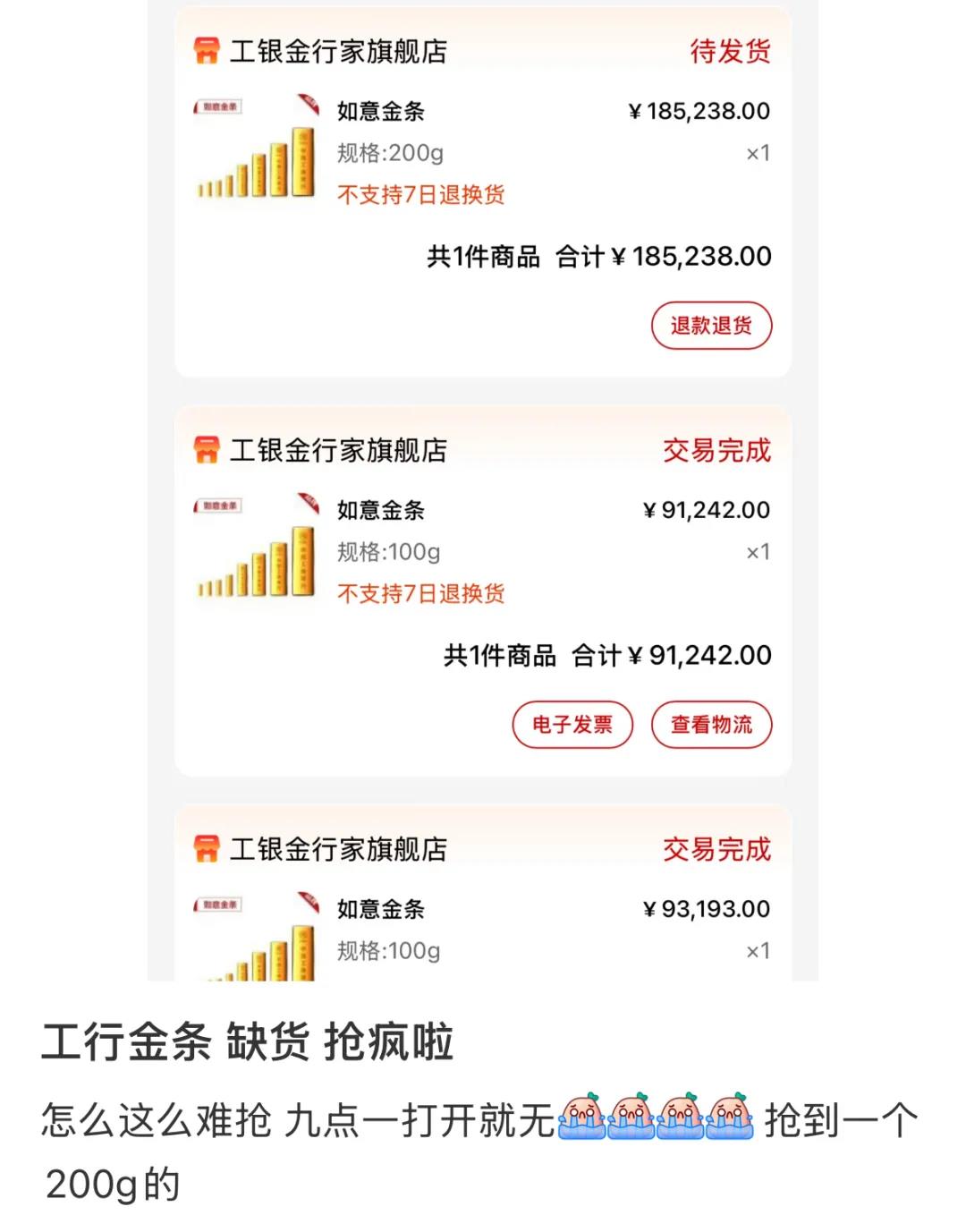
黄金税收新规落地,有银行实物金条卖断货,金店店员称暂未受影响
Sou Hu Cai Jing· 2025-11-03 23:19
Core Viewpoint - The new tax policy on gold, announced by the Ministry of Finance and the State Taxation Administration, aims to refine the existing gold market regulations, particularly regarding the distinction between gold as a commodity and as a financial asset. The policy will exempt value-added tax (VAT) for transactions conducted through designated exchanges, effective from November 1, 2025, to December 31, 2027 [2][10]. Group 1: Tax Policy Changes - The new regulation states that transactions of standard gold through the Shanghai Gold Exchange and Shanghai Futures Exchange will be exempt from VAT for sellers, while non-exchange sales will still incur VAT as per existing regulations [2][10]. - The policy is designed to encourage on-exchange trading and reduce off-exchange transactions, which are subject to higher tax burdens [8][10]. Group 2: Impact on Financial Institutions - Industrial and Commercial Bank of China (ICBC) announced a suspension of certain gold accumulation services starting November 3, 2025, due to macroeconomic policy impacts, although existing plans for current customers remain unaffected [4][5]. - Similarly, China Construction Bank (CCB) will halt various gold-related services, including real-time purchases and physical gold exchanges, while existing investment plans will continue [6]. Group 3: Market Reactions - Following the announcement, there was a surge in demand for physical gold bars, leading to rapid sellouts at various banks [4][6]. - Despite the heightened activity in the physical gold market, the A-share gold sector has experienced a downturn, with significant declines in stock prices for several gold-related companies [6]. Group 4: Expert Insights - Experts suggest that the new tax regulations may lead to a price increase for gold jewelry, while the impact on investment gold remains uncertain [7][10]. - The policy aims to streamline the gold sales chain and reduce the accumulation of physical gold, potentially shifting investor interest towards paper gold and futures trading [10].
税收新规落地 国内金价大幅上调!对个人有何影响?
Yang Shi Wang· 2025-11-03 23:05
Core Viewpoint - The new tax regulations on gold trading, effective from November 1, 2025, are expected to impact both the gold jewelry market and gold prices, with potential cost increases for consumers and changes in purchasing behavior [1][2]. Tax Policy Changes - The announcement specifies a reduction in the input tax deduction for non-investment gold jewelry from 13% to 6%, leading to increased costs for jewelry manufacturers [2][3]. - For investment gold sales, member units will benefit from tax exemptions, maintaining the existing tax refund policy for investment purposes [2][3]. Impact on Gold Prices - Short-term effects may include a rise in gold prices, which could suppress physical demand, while long-term effects may enhance the financial attributes of gold investments [1][3]. - The price of gold jewelry is expected to increase due to the higher tax burden on manufacturers, with specific price hikes already observed in the market [3][5]. Market Reactions - Following the announcement, stocks related to gold retail experienced significant declines, indicating market apprehension regarding the new tax regulations [5]. - Major jewelry brands have already adjusted their prices upward, reflecting the anticipated cost increases due to the new tax policy [3][5]. Changes in Consumer Behavior - The new regulations may shift consumer purchasing patterns, with a potential move from jewelry to investment gold bars, as consumers seek to benefit from tax exemptions available through trading platforms [6][7]. - Consumers are likely to become more discerning about their purchasing channels, favoring transactions through exchanges to take advantage of tax benefits [7]. Global Market Implications - The tax changes in China, the largest gold consumer, are expected to affect global market sentiment, potentially leading to structural price changes in gold [9][10]. - Analysts suggest that a more transparent and regulated gold market in China could enhance its influence on global pricing mechanisms [10].


黄金珠宝行业行业点评:黄金增值税管理变动,关注具备定价能力的头部品牌
SINOLINK SECURITIES· 2025-11-03 15:33
Investment Rating - The industry is rated as "Buy" with an expectation of an increase exceeding 15% over the next 3-6 months [5] Core Insights - The new tax policy effective from November 1, 2025, will eliminate tax arbitrage for investment gold sales, leading to a concentration of demand towards leading enterprises with membership in the Shanghai Gold Exchange [2][3] - Non-investment gold jewelry sales enterprises will face short-term profit pressure due to changes in tax policies, but long-term benefits are expected for industry leaders with pricing power [2][3] - The shift in tax policy is anticipated to improve cash flow for larger jewelry enterprises while putting pressure on smaller firms, potentially leading to market consolidation [3] Summary by Sections Event Background - Starting from November 1, 2025, a differentiated VAT management system will be implemented for standard gold transactions through the Shanghai Gold and Futures Exchange, with specific tax exemptions and requirements for different types of transactions [1] Industry Impact - Investment gold sales enterprises will see a shift in demand towards top-tier companies due to the elimination of tax arbitrage, benefiting firms like Cai Bai, China Gold, and Lao Feng Xiang [2] - Non-investment gold jewelry firms will experience increased VAT burdens, leading to short-term profit pressures, while larger firms with pricing power may benefit in the long run [2][3] Investment Recommendations - Short-term profit pressures are expected for non-member jewelry enterprises, while member enterprises of the Shanghai Gold Exchange are likely to be less affected. Long-term, the industry concentration is expected to increase, favoring brands with pricing power [3] - Recommended to focus on member enterprises engaged in investment gold business and those with a growing proportion of fixed-price gold products, such as Lao Pu Gold and Chao Hong Ji [3]