
华为

Search documents
2025中国企业出海年鉴
Sou Hu Cai Jing· 2026-02-06 04:11
Core Insights - In 2025, the globalization journey of Chinese enterprises has not shifted due to any single event, but rather has undergone a paradigm evolution through multiple accelerating and intersecting trajectories [1] - The core logic of going abroad is transitioning from a clear path focused on scale and efficiency to a more complex, decentralized reality that is difficult to replicate [1][10] - Success in overseas operations increasingly depends on deep localization capabilities, forward-looking compliance layouts, and technology and system outputs beyond the products themselves [1][10] Overall Changes in 2025 - The industry coverage of Chinese enterprises going abroad has expanded, with sectors such as AI, new energy vehicles, cross-border e-commerce, and cultural consumption accelerating their globalization efforts [2][15] - Southeast Asia remains a stable testing ground, while regions like the Middle East, Latin America, and Africa are emerging as crucial sources of growth, with the European and American markets evolving into high-value, high-barrier strategic competitions [2][15] - The shift in overseas business models is marked by a transition from light to heavy investments, with companies focusing on foundational infrastructure like cloud computing and AI computing power [2][19] Regional Dynamics - The "Global South" has surpassed its role as a mere market supplement, becoming a core area for Chinese enterprises to build strategic depth, leveraging demographic dividends and digital transformation opportunities [2][14] - The Gulf region is notable for its significant investments in data centers and computing clusters, aiming to create a self-sufficient AI industry ecosystem [3][14] - In contrast, competition in the European and American markets has escalated to regulatory and compliance levels, with a shift towards capital control and safety reviews, creating high-cost institutional barriers [3][14] Industry Restructuring - The path for key industries going abroad is fundamentally being restructured, with the AI sector transitioning from a follower to a leader, achieving breakthroughs in open-source model capabilities [4][15] - The automotive industry's focus has shifted from mere export expansion to deep localization, with many companies establishing complete vehicle factories or CKD assembly plants overseas [4][15] - Cross-border e-commerce is experiencing a revolution in fulfillment models, with "overseas warehouses + local fulfillment" becoming mainstream, marking a shift in competition towards backend fulfillment and infrastructure capabilities [4][15] Strategic Evolution - Chinese brands are improving their global reputation, entering a critical window for transitioning from a focus on sales volume to brand premium [5][15] - The first generation of overseas expansion experiences, reliant on platform dividends and low-cost traffic, is systematically failing under increasing competition and high traffic costs [5][15] - The overseas service system is evolving from passive responses to proactive layouts in key regions, expanding service offerings to local and global clients, marking a new phase of "serving globally" [5][15] Conclusion - The landscape of Chinese enterprises going abroad in 2025 indicates that globalization has entered an era requiring greater resilience, where success depends not only on the courage and speed of going out but also on the determination to integrate deeply and build sustainable competitive advantages in complex environments [6][10]

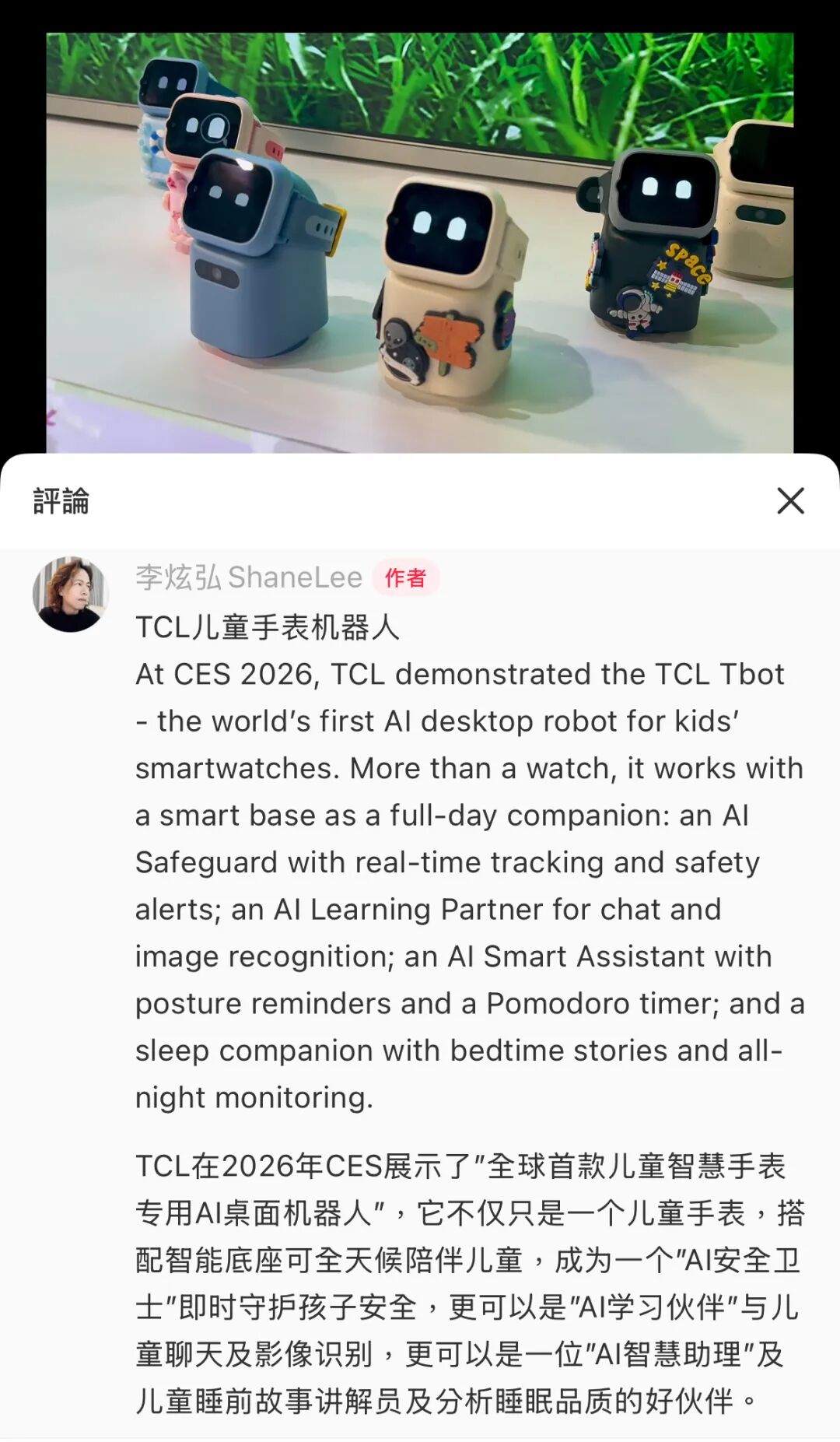
150美元,TCL出海做了块儿童手表桌面机
3 6 Ke· 2026-02-06 04:07
Core Viewpoint - TCL has introduced the "TCL Tbot," a children's smartwatch that functions as a desktop robot, designed to provide companionship and various interactive features for children [1][4]. Product Features - Tbot is not just a smartwatch; it comes with a smart base that allows it to accompany children throughout the day [4]. - It includes functionalities such as AI guardianship, AI learning companion, AI chat interaction, and image recognition [4]. - The device offers features like bedtime story narration and sleep quality analysis [4]. Usage Scenarios - Tbot's application spans both outdoor and indoor environments, fulfilling health and safety needs when outside and serving as a small display inside [5]. - The smartwatch's face acts as a mini display, while the base unit includes a small sensor for user behavior recognition [5]. - The design allows for flexible customization, enabling children to personalize their Tbot [5]. Market Position - Priced at $150 (approximately 1040 RMB), Tbot is positioned in the mid-to-high range of the domestic children's smartwatch market [10]. - Data indicates that the 300-600 RMB price range accounts for 40.7% of sales in the children's smartwatch segment, reflecting consumer demand for functionality and cost-effectiveness [12]. - The high-end market (800 RMB and above) is experiencing rapid growth, with a year-on-year increase of 151.7%, driven by flagship products from brands like Xiaotianci, Huawei, and Xiaomi [13]. Industry Trends - The period from 2024 to 2025 is expected to be transformative for children's smartwatches as they increasingly integrate AI capabilities [13]. - Competitors are also launching AI-enhanced products, such as 360's children's smartwatch featuring the A9 AI model, which includes various educational and social applications [15]. - Xiaotianci is emphasizing its AI voice assistant "Genius Rabbit" in its 2025 product lineup, enhancing user interaction through voice commands [16][18]. Innovation and Development - Motorola has filed a patent for a device that can morph between wearable and handheld modes, indicating a trend towards versatile electronic devices [19][21]. - The evolution of smartwatches is marked by attempts to extend their functionality beyond traditional uses, as seen in TCL's Tbot and previous products like Niuting's "Super Memory Wearable" [21][23]. - TCL's approach to Tbot reflects a consistent understanding of companionship, aiming to create a comprehensive system that meets various needs across different contexts [25].

金一南:华为简直跟联合国一样,全球近两百个国家都有分公司
Xin Lang Cai Jing· 2026-02-06 03:23
全球近两百个国家都有分公司 0:00 金一南:华为简直跟联合国一样, ...
华为任正非的启示:真正的高手,都有“种地思维”!
Sou Hu Cai Jing· 2026-02-06 02:29
总要种地。 种地就是本分,种地就是长期主义,不能种地就没有根据地、基本盘。 想一想历史上的"流寇"很多都是战斗力强,可为什么很快就溃灭了?原因就是吃了上顿没下顿,只能四处流动,没有稳定的地盘供其发展。 如此一来,人不断被消耗,武器不断磨损,肚子里没粮食心就发慌,于是士气低落,最终无以为继。 有人可能想说那些游牧民族不种地为啥能够建立王朝呢?你看历史就知道,无论元朝还是清朝,都是获得了大量土地、人才等资源后才起来的。 土地是根本,春种秋收是最大的稳定性,这正是农耕文明生生不息的关键。家里有地才能供孩子读书,一个部落能够种地才能让少数人脱产,去训练作战, 让肉食者研究怎么扩大地盘。 做企业也是一样的道理,你必须有自己的"黑土地"且能够"多产粮食"才能不断发展,形成良性循环。 尽管我们说"莫问收获,但问耕耘",但所谓企业经营和管理,不就是建立一种确定性吗? 能种地就有生机,没有几千年的农民日复一日、年复一年,就没有中华文化的源远流长。 我们说任正非是最顶级的企业家,就在于华为公司一开始就重视技术,坚持拿出10%以上的营收投入研发,这点曾引起很多老板的质疑和反对。 比如有的企业老板就表示乔布斯也没有砸很多钱去做研发, ...

英伟达:美国芯片出口规定过于严格
半导体行业观察· 2026-02-06 01:33
Core Viewpoint - Nvidia warns that recent U.S. export regulations on chips to China are too strict and could destroy demand, as the company seeks to regain access to the lucrative Chinese market [2] Group 1: Nvidia's Concerns and Regulatory Environment - Nvidia has informed U.S. officials that the stringent requirements for its H200 AI chip's potential customers, such as Alibaba and ByteDance, may undermine the government's profit plan from a 25% sales tax [2] - The H200 chip, set to launch in 2024, is less powerful than Nvidia's newly released Blackwell and Rubin chips, raising concerns among security hawks about its impact on AI competition [2] - New restrictions resemble those from the Biden administration and previous Trump-era rules, potentially benefiting Chinese chip giant Huawei, with strict security protocols aimed at preventing military transfers [3] Group 2: GPU Supply and Market Impact - Nvidia is reportedly cutting GPU supply to China by 30%, which may lead to insufficient supply to meet market demand, resulting in higher prices for consumers [4] - The company has confirmed that its GeForce graphics card supply is constrained by memory supply issues, likely forcing the reduction in GPU supply to China [4] - A report indicates that 75% of Nvidia's new GPU supply is allocated to lower memory capacity models, with only 25% for high memory capacity GPUs, suggesting a significant limitation in high-end GPU availability [5]

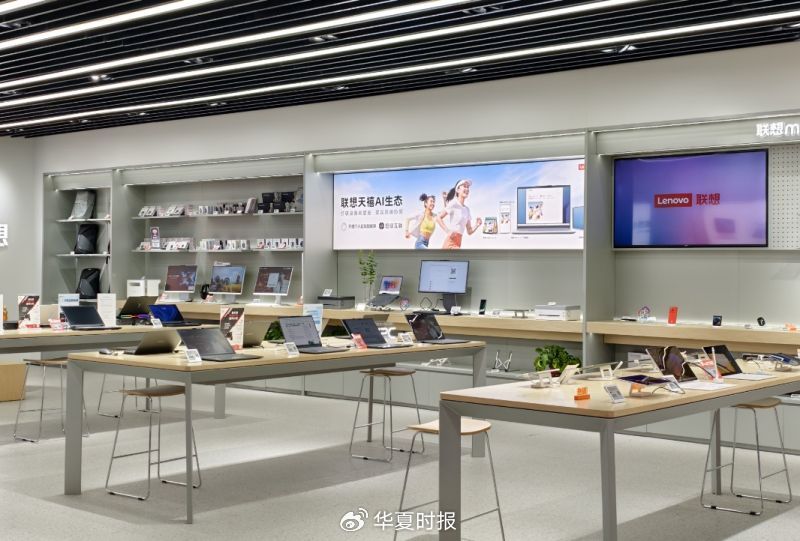
存储超级周期下实探PC市场:销售催促“再不买还得涨”
Xin Lang Cai Jing· 2026-02-06 01:25
Core Viewpoint - The ongoing increase in storage chip prices is expected to lead to a rise in PC prices, with major brands already starting to pass on these costs to consumers [2][11]. Group 1: Price Adjustments by Major Brands - Lenovo, HP, and Honor have begun adjusting prices for certain models, with Lenovo's gaming laptops seeing increases of approximately 1000 yuan, while HP's adjustments range from 200 to 500 yuan depending on the model [3][12]. - Honor has already raised prices on several models by around 500 to 1000 yuan, with promotional discounts still making the final prices competitive [12]. - Other brands like Huawei, Xiaomi, and Samsung have not yet raised prices but anticipate adjustments in the near future, potentially between 5% and 10% [4][12]. Group 2: Market Trends and Consumer Behavior - The global PC shipment volume is projected to remain stable, with Gartner reporting a 9.3% increase in Q4 2025 compared to Q4 2024, totaling over 270 million units for the year [18]. - Despite price increases, demand for PCs may remain strong among users with essential needs or those seeking high-performance AI PCs, although price-sensitive consumers may be deterred [18]. - The smartphone market is also experiencing price increases due to rising storage costs, with the average selling price expected to exceed $400 for the first time in Q4 2025 [4][13]. Group 3: Industry Challenges and Future Outlook - The rising cost of memory, which constitutes 15% to 18% of a typical PC's total cost, is significantly impacting pricing strategies across the industry [5][14]. - Analysts predict that the current cycle of price increases driven by AI demand could last for 2-3 years, with structural adjustments in production capacity taking time to resolve [19]. - Major manufacturers like Lenovo and Asus are preparing to pass on increased costs to consumers, with expectations of further price hikes in 2026 [15][19].
华为鸿蒙存量设备 API 版本使用数更新,HarmonyOS 6.0.2 (22) 占比 68.66%
Xin Lang Cai Jing· 2026-02-06 01:25
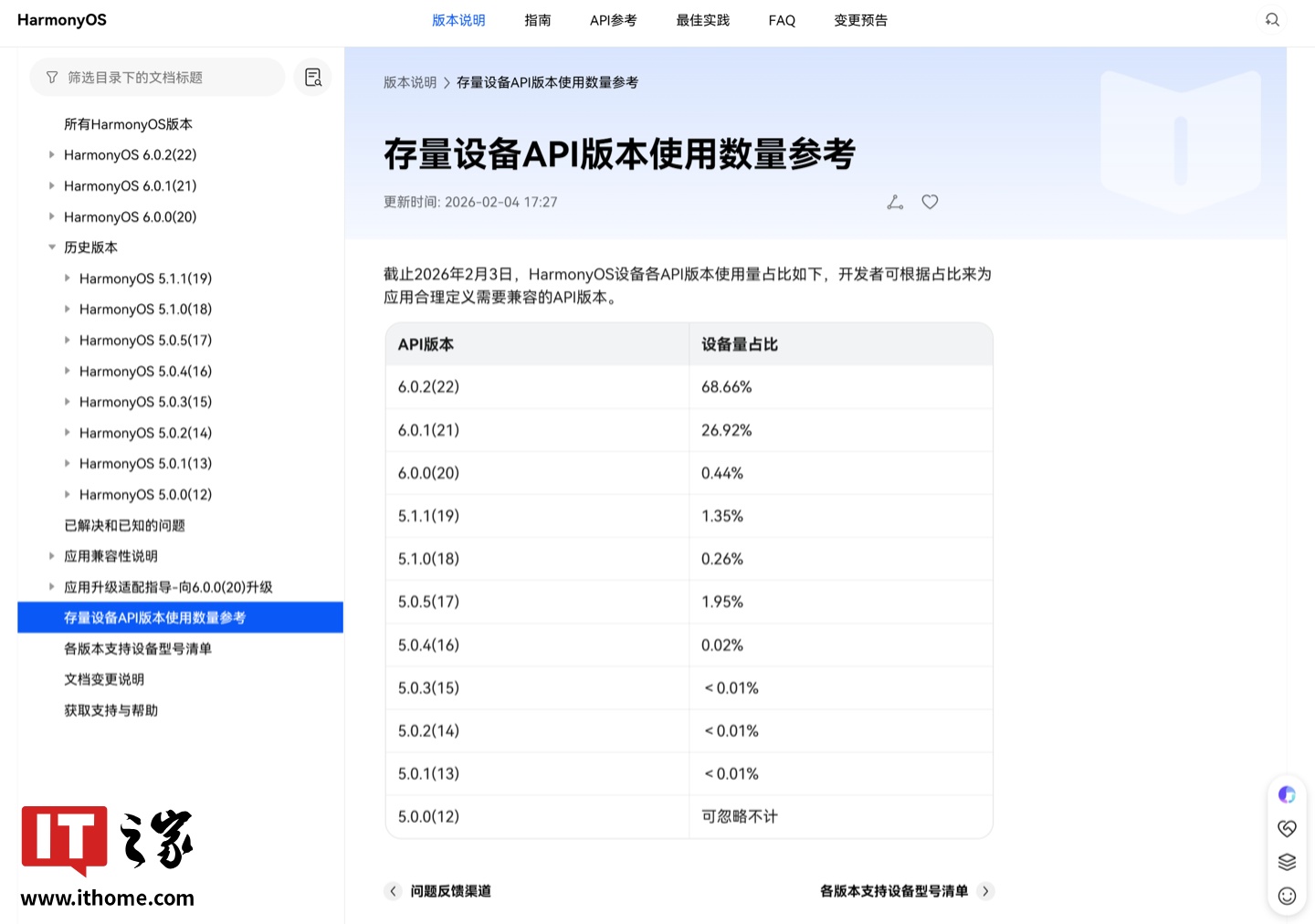
Core Insights - Huawei has updated the API version usage statistics for HarmonyOS devices as of February 3, 2026, indicating the distribution of various API versions among existing devices [1][5]. Group 1: HarmonyOS API Version Usage - HarmonyOS 6.0.2 (22) accounts for 68.66% of the API version usage among devices [1][5]. - HarmonyOS 6.0.1 (21) represents 26.92% of the usage [1][5]. - HarmonyOS 6.0.0 (20) has a minimal share of 0.44% [1][5]. - Older versions such as HarmonyOS 5.1.1 (19) and 5.1.0 (18) have usage shares of 1.35% and 0.26% respectively [1][5]. - The remaining versions (5.0.5 to 5.0.0) have negligible usage, with some being less than 0.01% [1][5]. Group 2: Recent Updates and Enhancements - HarmonyOS 6.0.2 (22) was released on January 22, enhancing development capabilities, including improved user interaction and web page experience through ArkWeb [1][5]. - The Connectivity Kit's Bluetooth module has been enhanced to better obtain socket link information [1][5]. - The HarmonyOS 6.0.0.130 SP15/SP17 update has optimized application launch speeds and improved gaming experience on Mate 80 series devices, which now support AI photo editing features [2][6].
中国时空携手三大运营商推出北斗短信业务,华为、荣耀、小米、vivo、OPPO 等近 60 款手机支持
Xin Lang Cai Jing· 2026-02-06 01:25
Core Insights - China Time-Space Information Group has announced that China Mobile, China Telecom, and China Unicom will support the Beidou SMS service based on its service capabilities [1][3] Group 1: Beidou SMS Service - Beidou SMS is a public satellite communication service based on the short message function of the Beidou satellite navigation system [3][4] - The official launch of the Beidou SMS service is scheduled for November 2024, allowing users to send and receive messages via Beidou satellites in areas without ground network signals [3][4] - Nearly 60 models of smartphones from major domestic brands such as Huawei, Honor, Xiaomi, Vivo, and OPPO have been released to support Beidou SMS [3][4] Group 2: User Accessibility - Users of China Mobile, China Telecom, and China Unicom can easily activate the Beidou SMS service without changing their SIM cards or phone numbers [3][4] - The service aims to enhance user experience by providing a reliable communication method in remote areas [3][4] Group 3: Future Developments - The company plans to leverage its role as the national Beidou system operator to drive industry growth, expand terminal coverage, and promote more smartphones to support Beidou SMS [3][4] - There is a focus on product innovation, accelerating feature iterations, and enriching application scenarios [3][4] - The company aims to optimize services to create a comfortable, secure, and reliable user experience [3][4] Group 4: Regulatory Approval - China Unicom and China Telecom have received approval from the Ministry of Industry and Information Technology to conduct commercial trials of the Beidou III short message public application [3][4]



利空来袭!寒武纪一个月暴跌30%、三只明星芯片股正在被市场抛弃
Sou Hu Cai Jing· 2026-02-06 01:24
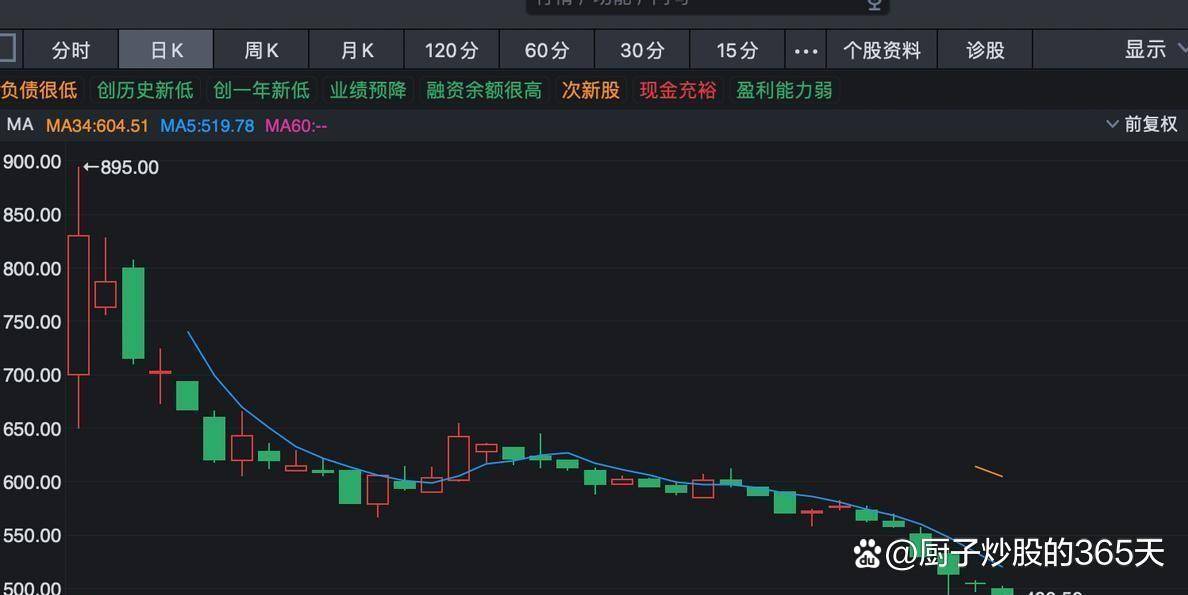
寒武纪,曾经风光无限,股价一度超过贵州茅台,被称作"股王"。 但现在,它的股价在过去一个月里,从1500元一路砸到了1058元,跌幅超过30%。 曾经 它超越茅台,如今茅台稳稳站在1500元以上,它却跌回了茅台脚下。 摩尔线程更惨,从去年12月941元的高点,跌到了现在的539元,跌幅超过40%,而且 下跌的速度越来越快。 最晚上市的沐曦股份,几乎是上市即巅峰,股价从895元一路向下,直奔490元,距离腰斩只有一步之遥。 略。 但当市场风声鹤唳时,每一个弱点都会被无限放大。 最近A股的科技圈,可以说是寒气逼人。 如果你关注芯片和AI,肯定会注意到一个扎心的现象:去年那些被捧上天的"国产GPU希望之星",股价正在集体上 演高台跳水。 最引人注目的就是三家:寒武纪、摩尔线程和沐曦股份。 这不是个别股票的调整,而是整个板块的溃退。 就在2月4日一天,AI算力芯片板块的主力资金净流出就高达24.54亿元。 人们都在问,那个激动人心的科技 牛市结束了吗? 为什么这些顶着"国产替代"、"AI核心"光环的明星公司,说崩就崩了? 答案,可能就藏在它们火热的梦想和冰冷的现实之间,那道越来越 宽的裂缝里。 我们先看看寒武纪。 这 ...

分享智界S7今年首次OTA升级的6个技术
Zhong Guo Jing Ji Wang· 2026-02-06 01:11
Core Insights - The article discusses the first OTA (Over-The-Air) upgrade of the Zhijie S7 in 2026, highlighting six key technological features introduced in this upgrade [1] Group 1: Technological Features - The upgrade includes a feature for in-car and external dialogue, enhancing communication capabilities [1] - A tire blowout intervention system is introduced, aimed at improving safety [1] - The suspension pre-adjustment feature is designed to optimize ride comfort and handling [1] - A pinch prevention function is included to enhance passenger safety [1] - The three-point turn capability is added for improved maneuverability in tight spaces [1] - Proximity parking assistance is introduced to facilitate easier parking [1]