伊利股份

Search documents
消费升维,零售重构
Xinda Securities· 2025-12-06 07:36
Group 1: Core Insights - The report highlights a transformation in consumer behavior leading to a new retail system, emphasizing the importance of high-efficiency retail models in the food and beverage sector [13][19][20] - The white liquor industry is experiencing a deep adjustment phase, with growth shifting towards dividend distribution as cash flow remains stable despite declining growth rates [2][40][41] - The dairy sector is moving towards a balance in supply and demand, with structural changes in product categories becoming a focal point for growth opportunities [47][48] Group 2: White Liquor Sector - The white liquor market is facing challenges with overall performance declining, particularly among mid-tier brands, while top brands maintain some resilience [23][30][40] - Key companies like Kweichow Moutai and Wuliangye are adapting to market pressures by adjusting their pricing strategies and focusing on maintaining cash flow and shareholder returns [41][42][43] - The report suggests a focus on brands with strong market positions and core product advantages, indicating that these brands are likely to recover more quickly as market conditions improve [40][41] Group 3: Dairy Sector - The dairy industry is witnessing a gradual stabilization in milk prices as supply-side adjustments occur, with a notable decline in the number of dairy cows [47][48] - There is a growing demand for specific dairy products such as low-temperature fresh milk and specialized infant formula, driven by increasing health awareness among consumers [48][49] - Companies like Yili and Mengniu are expected to perform well due to their strong market positions and ability to adapt to changing consumer preferences [48][49] Group 4: Food Additives and Snacks - The food additives market is benefiting from a global trend towards health-conscious consumption, with companies in this sector experiencing strong export performance [4][13] - The snack food segment is highlighted for its potential growth driven by consumer demand for healthier options and innovative products [5][6] - Brands that can effectively navigate the changing retail landscape and consumer preferences are likely to see significant growth opportunities [5][6][19]
华泰证券-必选消费行业2026年度策略:冬藏伺机,春归可期
Sou Hu Cai Jing· 2025-12-06 03:13
Core Insights - The report from Huatai Securities indicates that the essential consumer sector has entered a favorable left-side layout window, with expectations for a mild recovery in consumption in the second half of 2026 due to stabilizing real estate prices, increased policy stimulus, and the recovery of household balance sheets [1][2]. Industry Overview - The essential consumer sector is currently at historical low valuation levels and public fund allocation ratios, providing a high safety margin and potential upside for investors [1][2]. - Some sub-industries are showing signs of bottoming out, with leading companies shifting focus from price wars to product innovation and adapting to channel changes [1][2][6]. - Structural changes such as the rebalancing of raw milk cycles, recovery in restaurant demand, and stricter regulations on zero additives are optimizing the competitive landscape of the industry [1][2]. Investment Recommendations - The report recommends four categories of stocks: 1. Cyclical high-upside stocks, including Gujing Gongjiu, Luzhou Laojiao, China Resources Beer, Qingdao Beer, Haitian Flavoring, Anjuke Food, and Qianhe Flavoring [2][7]. 2. Companies at fundamental turning points, such as Mengniu Dairy and Master Kong [2][7]. 3. High-dividend blue-chip leaders like Yili and Shuanghui Development [2][7]. 4. Small but promising growth stocks, including Ximai Food, Baoli Food, and Yanjinpuzi [2][7]. Market Trends - The report emphasizes a three-stage market strategy from expectation recovery to performance realization for 2026 [2]. - The essential consumer sector is expected to see a gradual improvement in retail sales growth, projected to reach 4.8% in 2026 [25]. - The consumer confidence index has shown some recovery but remains in a low range, indicating cautious consumer sentiment [26]. Sub-Industry Insights - Specific sub-industries are highlighted: 1. Frozen food is showing signs of bottoming out, with expectations for a reduction in price wars in 2026 [6][10]. 2. The dairy sector is anticipated to see a rebalancing of the raw milk cycle, enhancing domestic substitution logic [6][10]. 3. The beer industry is expected to maintain profit resilience due to rational competition and a diminishing demand dividend [6][10]. 4. Traditional condiment leaders are actively adjusting strategies to capture market share [6][10]. Conclusion - The essential consumer sector is positioned for a potential recovery, with various sub-industries adapting to market changes and focusing on innovation and strategic adjustments to enhance competitiveness [1][2][6].







扎根中国 拥抱世界——写在2025企业家博鳌论坛闭幕之际
新华网财经· 2025-12-06 01:47
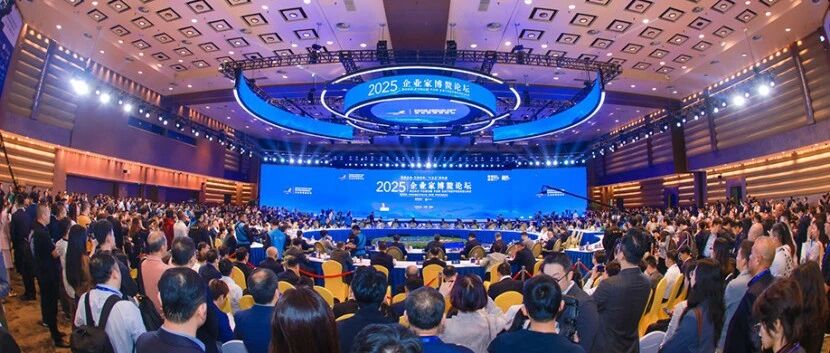
冬日的博鳌,再一次成为企业家激荡智慧的舞台。 12月5日,以"链接全球,引领未来:'十五五'新机遇"为主题的2025企业家博鳌论坛圆满闭幕。为期4天的论坛,来自世界500强、中国 500强和行业领军企业家在内的各界嘉宾齐聚南海之滨,共论产业变革方向、全球价值链重构趋势以及中国经济的韧性与动力。 科技驱动、消费新潜能、链接世界——这三个贯穿论坛全程的关键词,既是中国企业行动路径的集中呈现,也是中国经济韧性与信心的鲜 明注脚。 科技驱动 在创新中塑造未来竞争力 "您好!欢迎来到2025企业家博鳌论坛,前往主论坛会场请跟我来!"今年的论坛中,一位特殊的"新员工"——擎朗智能旗下人形具身服务 机器人XMAN-R1吸引了众多目光。 佩戴专属工牌完成签到,与企业家自然握手对话,协同配送机器人精准递送咖啡与物资,穿梭于会场的迎宾区、茶歇区与论坛分场……这 位特别"参与者"用精准高效的服务为论坛注入几分科技活力,也让"中国智造"的创新实力在博鳌的舞台上直观呈现。 12月3日,在2025企业家博鳌论坛现场,一人形具身服务机器人与观众交流互动 新华网发 本届论坛,科技话题无处不在:人工智能、智能制造、未来产业、绿色技术、数字经济 ...
“联想AI工厂”解决方案问世 加速千行百业智能转型
Zheng Quan Ri Bao· 2025-12-05 16:29
Core Insights - Lenovo officially launched the "Lenovo AI Factory" solution to assist enterprises in transforming their traditional data centers into efficient AI factories [1] - The solution aims to create a standardized system that is manageable, replicable, and supports continuous operation, facilitating the transition from traditional computing centers to modern AI production lines [2] Group 1: AI Factory Implementation - The "AI Factory" model has already been implemented in several enterprises, including a supply chain control tower system with Geely and achieving a 78% automation rate in Li Auto's factory [3] - Lenovo's new generation AI servers significantly enhance processing power, providing robust support for AI training and inference [3] Group 2: Industry Standards and Collaboration - Lenovo is leading the initiative to establish industry standards for AI computing services, addressing long-standing issues such as unclear performance commitments [4] - The establishment of training and inference service standards is expected to provide clear quality specifications, enabling enterprises to evaluate and select computing services more effectively [4] Group 3: Strategic Evolution - The launch of the "AI Factory" solution represents a shift for leading companies from being mere technology providers to becoming co-creators of AI production paradigms and industry regulations [5]

伊利在2025可持续社会价值创新大会提出“生态解法”
Bei Ke Cai Jing· 2025-12-05 14:24
Core Insights - Yili has launched a systematic sustainable solution called "Ecological Solution" aimed at addressing future challenges in sustainability [1][2] - The Sustainable Social Value Ecological Circle was established on May 20, 2025, with 46 members, including Yili, Tencent, and Lenovo, focusing on creating social value through collaboration [1][2] Group 1: Sustainable Initiatives - Yili's "Ecological Solution" is a culmination of years of exploration in sustainable supply chains, social value collaboration, and digital philanthropy [2] - The company has set dual carbon goals and established the "Zero Carbon Alliance," which has expanded to 154 core enterprises [2] - Yili has also initiated the "Global Low Water Footprint Initiative Alliance," gathering 60 global partners [2] Group 2: Community Engagement - In disaster relief efforts, Yili has created a digital philanthropy ecosystem connecting governments, enterprises, and beneficiaries [2] - Recently, 15 member units of the ecological circle donated over 200 million Hong Kong dollars to assist in recovery efforts after a fire in Hong Kong [2] Group 3: Global Recognition - The "Sustainable Social Value Ecological Circle" has been recognized by the United Nations, with the establishment of a "Sustainable Social Value Working Group" under the UN Global Compact framework [2]

雀巢大中华区高管集体东南亚化
3 6 Ke· 2025-12-05 13:17
Core Viewpoint - Nestlé is restructuring its operations in the Greater China region by merging its Wyeth and Nestlé infant nutrition businesses into a new unit called "Nestlé Nutrition," effective January 1, 2026, under the leadership of Southeast Asian executive, Xie Guoyao [1][4]. Group 1: Leadership Changes - The leadership of key growth areas in Nestlé's Greater China region, including coffee, nutrition, and pet care, has been taken over by executives with Southeast Asian backgrounds, indicating a strategic shift towards leveraging their experience in emerging markets [1][4][5]. - Xie Guoyao, the new head of the merged nutrition unit, has over 20 years of experience in the fast-moving consumer goods sector and has successfully led the infant nutrition business in China, contributing significantly to growth [4][6]. Group 2: Market Challenges - Nestlé's sales in the Greater China region reached approximately 44.5 billion yuan in 2024, with an organic growth rate of 2.1%, which is considered unsatisfactory compared to previous performance [6][7]. - The company faces negative growth in its seasoning and dairy product segments, indicating a shift from broad growth to more differentiated performance across categories [6][7]. Group 3: Strategic Response - The merger of Wyeth and Nestlé infant nutrition aims to reduce costs and improve efficiency by consolidating resources and enhancing market responsiveness [8][9]. - Xie Guoyao's previous success in launching a new product line in the infant nutrition sector demonstrates a strategic pivot towards innovative product offerings rather than competing directly in saturated high-end markets [9][12]. Group 4: Broader Market Context - The challenges faced by Nestlé in China mirror those encountered in Southeast Asian markets, such as increased competition from local brands and changing consumer preferences [12][13]. - The company is adapting to a new market environment characterized by digital transformation and evolving consumer behaviors, necessitating a shift in strategy and management approach [14][15]. Group 5: Future Outlook - The ongoing leadership changes and strategic realignment signify a deeper organizational transformation within Nestlé, aiming to better align with the realities of the Chinese market and leverage successful strategies from Southeast Asia [16].

1.81万亿! 沪市公司前11月分红总额同比增加2%
Zhong Guo Jing Ying Bao· 2025-12-05 12:41
510家公司中,有320家系连续两年进行中期分红,占比超六成。玲珑轮胎等7家公司已连续两年的半年 报、三季报均实现分红,如吉比特今年两期分红金额合计超9亿元,超去年中期分红水平。 其中,193家沪市公司2025年分红落地金额超过10亿元,28家公司年内实际派现金额超100亿元,工商银 行、中国移动、建设银行的派现金额超1000亿元。 增速方面,中远海控、三一重工、宝丰能源等118家公司全年分红金额同比增长超过100%。科创板公司 回报力度增加,164家公司派发现金分红金额同比增长。 截至12月5日,沪市公司已有510家上市公司公布中期(一季报、半年报、三季报)分红方案,共宣告中 期分红计划总额6441亿元,较2024年同期数5828亿元增加11%。其中,中国石油、贵州茅台、伊利股份 等65家公司中期分红金额超10亿元。 中经记者 孙汝祥 夏欣 北京报道 上交所数据显示,1—11月,沪市上市公司已合计实施分红派发总额1.81万亿元,同比增加2%。 以11月末的收盘价计算,沪市公司整体股息率为2.25%;28家公司股息率超过2.5%,思维列控、南山铝 业等11家公司股息率超过4%。 沪市已经形成了一大批稳定高分红 ...
1.81万亿!沪市公司前11月分红总额同比增加2%
Zhong Guo Jing Ying Bao· 2025-12-05 12:34
上交所数据显示,1—11月,沪市上市公司已合计实施分红派发总额1.81万亿元,同比增加2%。 其中,193家沪市公司2025年分红落地金额超过10亿元,28家公司年内实际派现金额超100亿元,工商银 行、中国移动、建设银行的派现金额超1000亿元。 增速方面,中远海控、三一重工、宝丰能源等118家公司全年分红金额同比增长超过100%。科创板公司 回报力度增加,164家公司派发现金分红金额同比增长。 截至12月5日,沪市公司已有510家上市公司公布中期(一季报、半年报、三季报)分红方案,共宣告中 期分红计划总额6441亿元,较2024年同期数5828亿元增加11%。其中,中国石油、贵州茅台、伊利股份 等65家公司中期分红金额超10亿元。 510家公司中,有320家系连续两年进行中期分红,占比超六成。玲珑轮胎等7家公司已连续两年的半年 报、三季报均实现分红,如吉比特今年两期分红金额合计超9亿元,超去年中期分红水平。 以11月末的收盘价计算,沪市公司整体股息率为2.25%;28家公司股息率超过2.5%,思维列控、南山铝 业等11家公司股息率超过4%。 沪市已经形成了一大批稳定高分红群体,以近三年数据看,沪市342家 ...
沪市公司今年前11月已实际派发现金分红1.81万亿元
Zhong Guo Xin Wen Wang· 2025-12-05 11:40
Group 1 - The total amount of cash dividends distributed by listed companies in Shanghai reached 1.81 trillion yuan from January to November 2025, representing a 2% year-on-year increase [1] - A total of 193 companies in the Shanghai market distributed more than 1 billion yuan in dividends, with 28 companies exceeding 10 billion yuan in actual cash payouts, including major players like Industrial and Commercial Bank of China, China Mobile, and China Construction Bank, each distributing over 100 billion yuan [1] - The number of companies on the Sci-Tech Innovation Board that increased their cash dividend payouts reached 164, indicating a growing trend in shareholder returns [1] Group 2 - As of the end of November 2025, the overall dividend yield for Shanghai-listed companies was 2.25%, with 28 companies yielding over 2.5%, and 11 companies exceeding 4% [2] - Over the past three years, 342 companies in the Shanghai market maintained a cash dividend payout ratio of over 40%, with 199 companies achieving a payout ratio exceeding 50% consistently [2]




一线饮料品牌释放“价格战”信号,2026饮料行业或将再迎来降价潮
Xin Lang Cai Jing· 2025-12-05 11:37
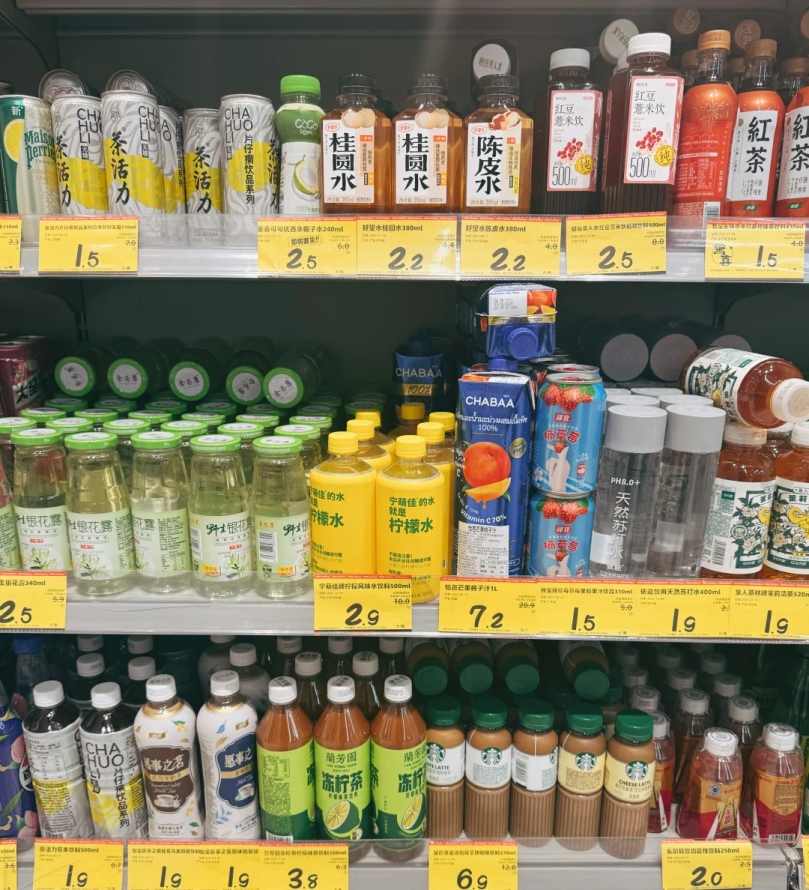
Core Insights - A leading beverage company in China has proactively lowered its growth target for 2026, indicating a significant reduction compared to its historical growth rates, while simultaneously pursuing aggressive expansion plans, suggesting the initiation of a "price war" [1][3] - Another major beverage player has announced a clear and aggressive strategy for the coming year, focusing on expanding market share through "internal competition" and seeking breakthroughs in new categories via price wars [1][3] Price War Dynamics - Historical trends show that when industry giants initiate internal competition, it often compels other players to follow suit, leading to a downward spiral into price wars [3] - The price decline in the beverage market has already begun to manifest, with average prices for sugar-free tea and "health water" dropping from approximately 5.6 yuan and 0.9 yuan per 100ml in 2023 to about 5.15 yuan and 0.86 yuan in 2025 [4][6] Pricing Strategies - New products in the health beverage category launched in the first half of the year have an average price of about 5 yuan per bottle, a 12% decrease from the 2024 average of 5.7 yuan [6] - Promotions such as "second bottle for 1 yuan" have led to actual transaction prices for health beverages dropping to between 3 and 5.5 yuan per bottle, representing a decline of over 40% [6] - The bottled water sector is also experiencing price reductions, with major brands like Nongfu Spring and Wahaha temporarily pausing before second-tier brands like Master Kong and Yili continue to push low-price strategies [8] Market Sentiment and Consumer Behavior - Distributors are feeling the impact of price reductions directly, with reports indicating that previously popular beverages priced at 6-8 yuan are now generally below 5 yuan [10] - The shift in pricing power from distributors to brand owners is evident, as brands are forced to lower prices to maintain market share and relationships with distributors amid high inventory levels [10][12] Promotional Tactics - Brands are employing sophisticated pricing strategies, including large packaging and "one yuan exchange" promotions, to capture market share without directly undermining existing price structures [12][15] - Some companies have officially announced price reductions by launching newly priced products, such as a major international cola brand introducing a 400ml product priced lower than its previous 500ml offerings [15] Industry Outlook - The signals from industry giants indicate that the beverage sector will become increasingly competitive in 2026, with price wars expected to be a primary battleground [16][20] - The ongoing price war is likely to impact all segments of the supply chain, including small brands, distributors, and consumers, with potential negative consequences for profit margins and product quality [20][22]