奔驰

Search documents
日产-奔驰墨西哥工厂获多家中国车企青睐,消息称比亚迪、吉利等有意竞标
Xin Lang Cai Jing· 2026-02-12 12:17
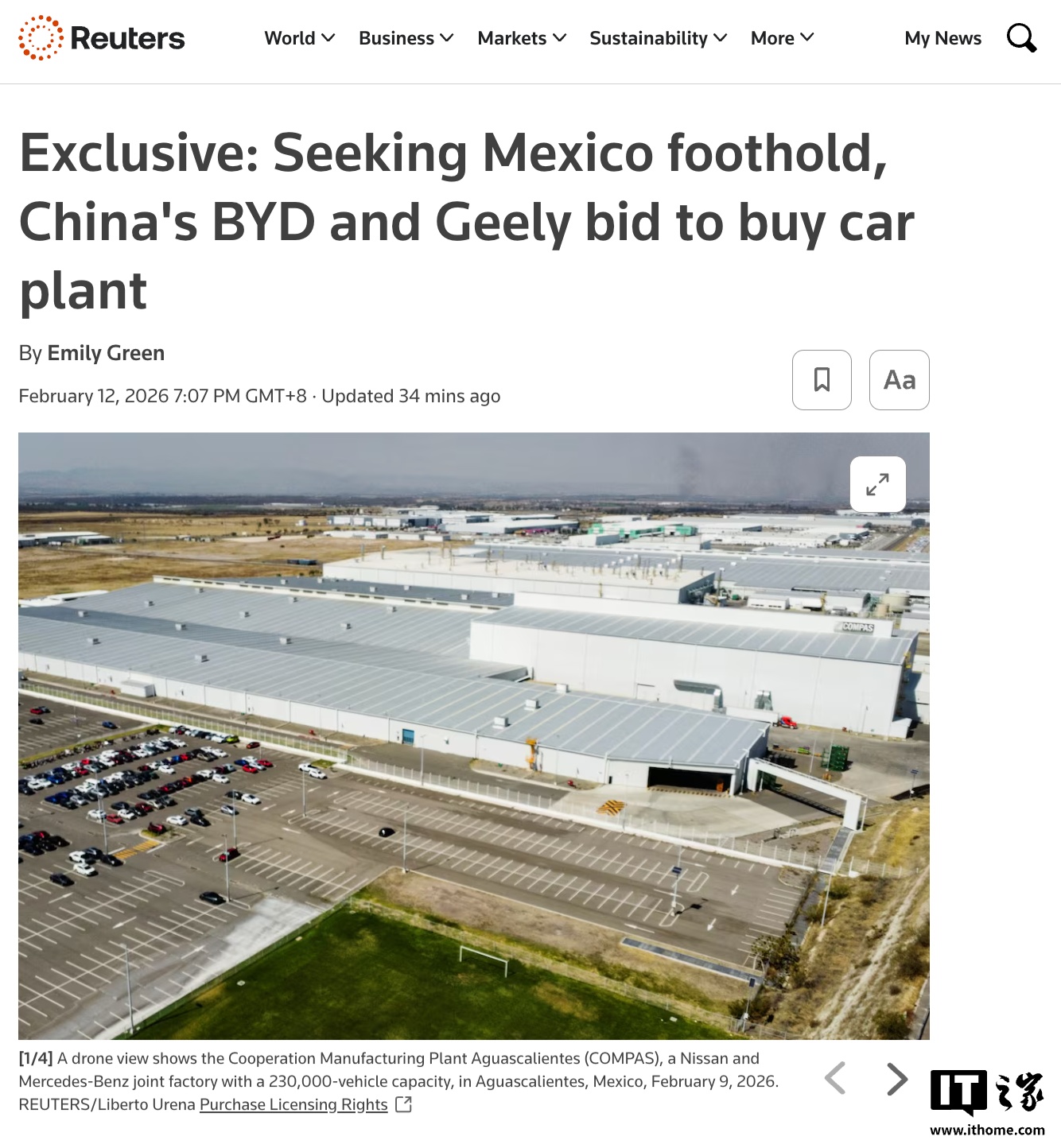
Core Viewpoint - Chinese automakers, including BYD and Geely, are in the final competition to acquire the Nissan-Benz factory in Aguascalientes, Mexico, as they seek to establish a manufacturing foothold in the region amid increasing factory closures and layoffs due to U.S. tariffs [1][7]. Group 1: Market Dynamics - Mexico has become a significant export market for Chinese automakers, with market share rising from zero in 2020 to approximately 10% last year, according to AutoForecast Solutions [4][10]. - The annual vehicle sales in Mexico are around 1.5 million units [4][10]. Group 2: Industry Challenges - The Mexican automotive industry is heavily reliant on the U.S. market, with projections indicating that out of 4 million vehicles produced in 2024, 2.8 million will be exported to the U.S. [6][11]. - The imposition of a 25% tariff by the U.S. on Mexican-made vehicles since March of last year has put continuous pressure on the industry [6][11]. Group 3: Factory Closure and Acquisition - The Nissan-Benz factory, which began operations in 2017, is set to close due to multiple factors, with U.S. tariffs being a significant contributor [6][11]. - The factory has an annual production capacity of 230,000 vehicles and is equipped with skilled labor and robust transportation infrastructure [7][11]. - Nine companies, including Chinese firms Chery and Great Wall, as well as Vietnam's VinFast, have expressed interest in acquiring the factory, which primarily produces hybrid and electric vehicles for the Mexican and Latin American markets [10][11].


荣耀前 CEO 赵明将出任千里科技联席董事长
Xin Lang Cai Jing· 2026-02-12 12:13
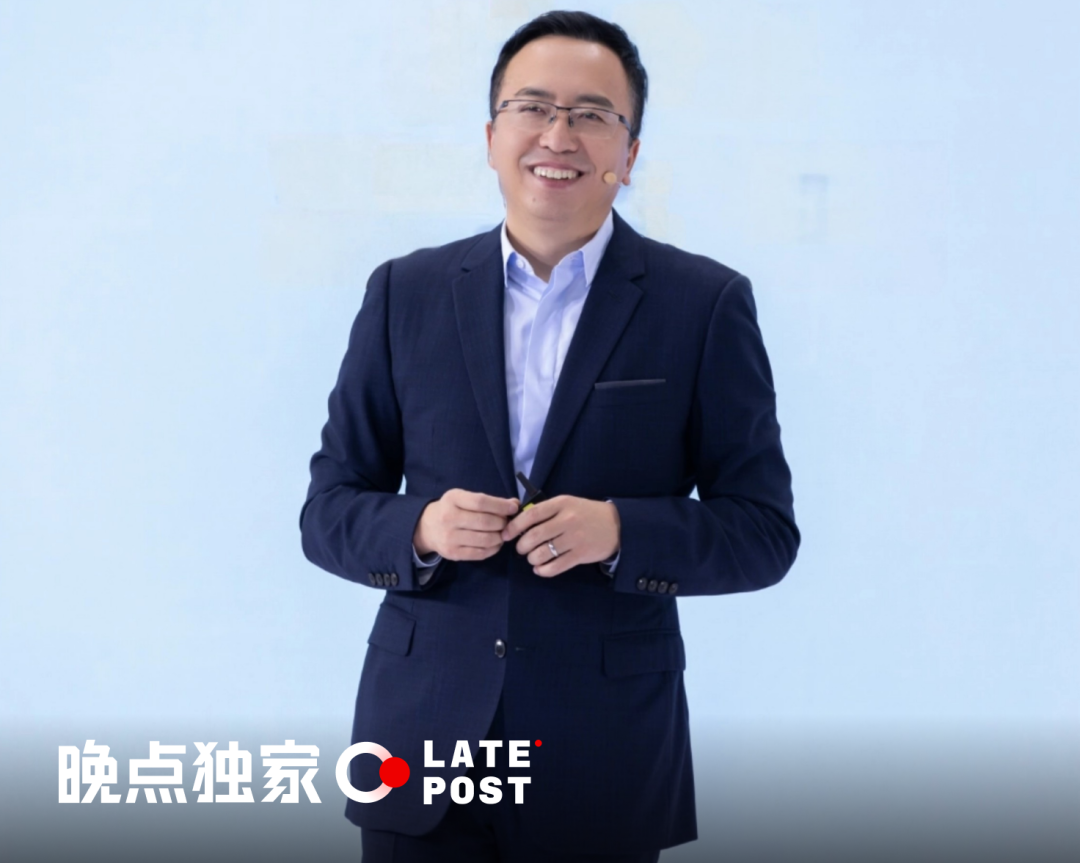
Core Viewpoint - The addition of Zhao Ming to Qianli Technology's board may be a crucial step in establishing a complete AI business model for the company [1][7]. Group 1: Zhao Ming's Role and Background - Zhao Ming, former CEO of Honor, is expected to serve as co-chairman of Qianli Technology, focusing on advancing the AI business model [1][7]. - Zhao Ming has over 20 years of experience in the mobile and communications industry and sees AI as a field worth investing another 20 years in [3][8]. - During his tenure at Honor, Zhao Ming achieved significant milestones, including leading the brand to regain market share and developing an AI strategy that positioned Honor at the forefront of the industry [9]. Group 2: Strategic Challenges and Opportunities - Qianli Technology is undergoing a strategic transformation and resource integration, with diverse shareholders including Geely, Mercedes-Benz, and the Chongqing government [9]. - The company faces the challenge of effectively integrating resources from a large team, including over a thousand members from Geely and Megvii [9]. - Zhao Ming's expertise in consumer-facing sectors is expected to enhance Qianli's strategic decision-making and help establish a global brand and operational system [10]. Group 3: Financial Performance and Business Model - In the first three quarters of 2025, Qianli Technology reported revenues of 6.95 billion yuan, but with a profit margin of less than 1%, primarily from terminal manufacturing businesses [10]. - The AI business is still in the investment phase, indicating that the company's business model requires upgrading [10]. - The collaboration between Zhao Ming and Qianli's current leadership is seen as a necessary alignment to develop a new business model for the AI era [10][11].

Smart开年遇冷,1000辆限量车至今未能售罄
Xin Lang Cai Jing· 2026-02-12 06:57
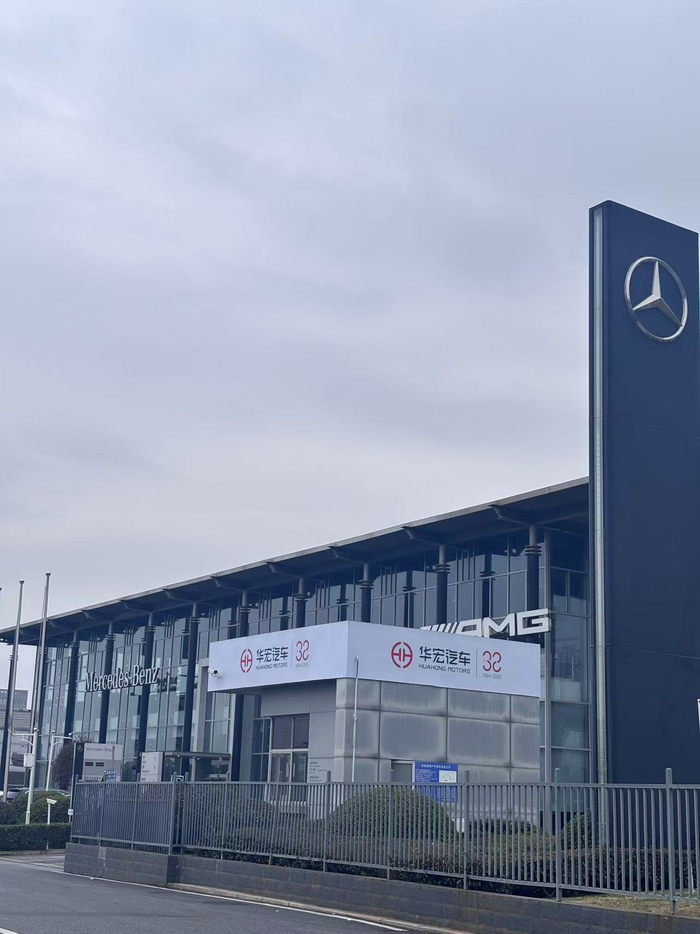
同售奔驰和Smart的门店外观。图片拍摄/刘舒雨 上述门店工作人员告诉智通财经,该店奔驰和Smart的售后服务和销售人员不会做单独的区分,但Smart 的业务量占比很小。据他透露,此前Smart有一个单独的售后门店,近一两年才与奔驰合并。 Smart由奔驰和吉利各持股50%。智通财经获悉,考虑到Smart在部分地区销量不高和为节约建店成本, 奔驰经销商会附带承担Smart的销售和售后工作。 一线门店接连遇冷的背后,是Smart销量连续两年下跌的残酷现实。据第三方平台数据,2024年Smart在 华全年销量为3.34万辆,较2023年同比下滑近20%,2025年则进一步下滑至3.08万辆。其中,2025年精 灵1号销量为2.08万辆,占品牌全年销量的67.7%。 为了提振销量,Smart尝试在2026年初推出了"马年开运版"精灵1号,该版本增加马年专属车顶涂装设 计,官方售价较普通版直接下调了1.5万元。一位湖北地区的销售告诉智通财经,两个车型版本在核心 产品点上并无本质区别。 距离Smart推出限量"马年开运版"精灵1号已经过去了一个多月,但Smart并没有等到它想象中的"热 闹"。 今年1月底,江西一家商场 ...
赢下全球的宝马,不想只输在中国
3 6 Ke· 2026-02-12 01:40
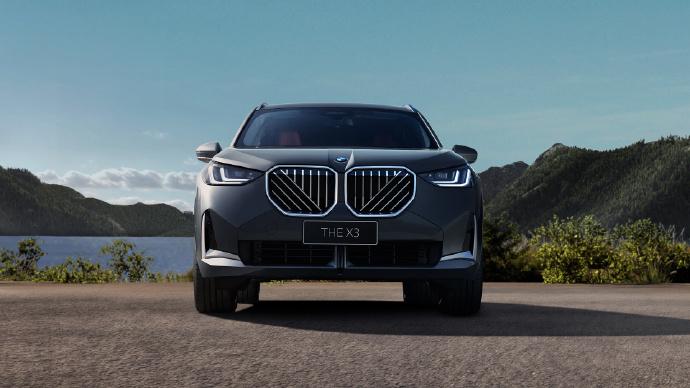
Group 1 - BMW Group announced a significant leadership change, appointing Christian Ach as the new President and CEO for Greater China, effective April 1, 2026, replacing Sean Green, who served for over twelve years [1][2] - BMW's global delivery volume showed a slight increase of 0.5% in 2025, with European market sales rising by 7.3%, while sales in China fell to 625,500 units, a decline of 12.5% year-on-year, marking two consecutive years of double-digit declines [1][3] - The luxury car market in China is undergoing a structural crisis, with the 300,000 to 350,000 RMB segment shrinking by 19.2% in 2025, leading to a significant loss of customers to local electric vehicle brands [3][5] Group 2 - BMW's X3 model experienced a dramatic sales drop of 30%, from over 110,000 units in 2024 to 76,900 units in 2025, due to design controversies and aggressive discounting strategies [3][5] - The German luxury car manufacturers, including BMW, Mercedes-Benz, and Audi, are facing a collective downturn, with Mercedes-Benz sales in China dropping by 19% to 575,000 units and Audi's sales down by 5% to 617,500 units [5][6] - BMW's strategy has been inconsistent, struggling to balance traditional driving pleasure with the new demands for smart technology and user experience in the Chinese market [6][8] Group 3 - The leadership change at BMW is seen as a decisive move to regain control and address the chaotic situation in the Chinese market, with a focus on efficiency and execution [8][12] - Christian Ach's mission includes leveraging his successful experience in the German market to boost electric vehicle sales in China, where the market dynamics are more complex [12][16] - In 2026, BMW plans to launch nearly 20 new models in China, including the iX3, which is crucial for establishing a high-end electric brand image [17][19] Group 4 - Ach faces several challenges, including aligning pricing with perceived value for the new iX3, adapting successful strategies from Germany to the dynamic Chinese market, and effectively communicating BMW's unique competitive advantages in the era of electrification and smart technology [22][23]
打破惯例!“油电同降、豪华领跑”,1月乘用车平均降价3.7万元
Hua Xia Shi Bao· 2026-02-11 20:55
本报(chinatimes.net.cn)记者于建平 见习记者 田野 北京报道 根据全国乘用车市场信息联席会(下称"乘联会")发布的最新市场数据显示,2026年1月国内乘用车市 场出现首轮大规模降价潮,新车平均降价金额达3.7万元,总体降幅14.9%,较2025年全年10.5%的平均 降幅显著提升。 此次降价打破了此前单一品类调价的市场格局,呈现"油电同降、豪华领跑"的鲜明特征,而降价车型数 量、降价力度更是创下了近年新高。 豪华品牌"领降",经销商迎福利 2026年1月的乘用车市场降价潮,在核心数据、品类分布、品牌参与度等多个维度均呈现出突破性特 征,各项指标均较历史同期及2025年全年水平有明显变化,形成了覆盖不同价位、不同动力形式的全面 调价态势。 在常规燃油车方面,降价车型均价23.8万元,平均降价3.6万元,降幅15%,略高于新能源车型,实现了 油电车型降幅近乎持平的格局。这种均衡性调价态势,反映出市场竞争已从单一动力品类的博弈,转向 全动力形式的综合竞争。 从降价金额分布来看,降价金额最高的车型为宝马i3纯电动与东风本田HRV,均实现7.59万元的大幅降 价。降幅最高的车型为东风本田HRV,降幅达 ...
“马拉的车”成为历史 “马年的车”开向未来
Xin Lang Cai Jing· 2026-02-11 20:52
Core Insights - The automotive industry is undergoing significant transformation, drawing parallels between the characteristics of horses and the qualities needed for industry evolution, such as integrity, reliability, and wisdom [1][2][3] Group 1: Integrity and Quality - Integrity is the cornerstone of the automotive industry, reflected in responsibilities towards consumers, safety, emissions compliance, and transparency in recalls [2] - Quality is essential for automotive products, emphasizing that true value is derived from durability and precision in manufacturing, especially in a competitive market [2][3] Group 2: Strategic Insight and Innovation - The industry faces unprecedented changes with electrification, smart technology, and shared mobility, necessitating strategic insight to identify genuine technological directions rather than following trends blindly [3] - Chinese brands are leveraging electrification for competitive advantage, while traditional companies focus on platform efficiency, showcasing different forms of strategic wisdom [3] Group 3: Cultural Significance and Future Outlook - The horse symbolizes continuous progress and adaptability, reflecting the current state of the Chinese automotive industry, which is characterized by rapid technological innovation and a competitive landscape [3][4] - Despite advancements, the industry must remain vigilant and proactive, avoiding complacency and ensuring continuous improvement to achieve success [3][4]
众捷汽车接待2家机构调研,包括睿远基金等
Jin Rong Jie· 2026-02-11 12:54
调研情况显示,众捷汽车在投资者调研中详细介绍了公司海外基地布局,包括在墨西哥、西班牙设立生 产基地,在美国、英国建立销售中心,并积极推进国际化布局,加强北美等海外市场的团队建设。 公司主要客户为马勒、摩丁、翰昂、马瑞利、康迪泰克等知名大型跨国一级汽车零部件供应商,产品覆 盖奔驰、宝马、奥迪、保时捷、特斯拉等众多国际品牌,同时积极拓展国内新能源整车市场,已与比亚 迪、长城汽车、上汽集团等建立直接业务合作关系。在液冷领域,公司主要产品为数据中心液冷芯板, 已成功拓展与全球热管理解决方案领导者Boyd宝德集团的合作。 天眼查资料显示,苏州众捷汽车零部件股份有限公司成立于2010年02月10日,是一家以从事汽车制造业 为主的企业。截至2026年01月09日,众捷汽车股东户数9614户,较上次减少84户,户均持股市值47.11 万元,户均持股数量1.26万股。 2026年02月11日,众捷汽车披露接待调研公告,公司于02月10日接待睿远基金等2家机构调研。 参与此次调研的睿远基金是一家以价值投资、研究驱动和长期投资风格为主的长期价值投资机构,聚焦 于权益投资和固定收益投资领域。截至目前,管理基金数量为5只,其中睿远成长 ...
2025年韩国市场混合动力车销量占比创新高
Shang Wu Bu Wang Zhan· 2026-02-11 12:01
据韩联社2月8日报道,韩国土交通部8日公布汽车注册统计数据显示,2025年韩国五大整车厂商在韩国 国内市场总销量达137.32万辆,其中混合动力车销量为41.59万辆,占比达30.3%,创历史新高。 近年来混合动力车市场呈逐年增长态势,2021年至2024年依次为10.4%、13.2%、19.5%和26.5%。主要 是因为电动化转型速度低于预期,混合动力车则成为一种受欢迎的替代方案,它可以让用户体验到电动 车的许多优点,而无需承担充电基础设施的负担。汽车行业预测今年混合动力车市场将进一步扩大。在 进口车市场,宝马、奔驰等全球知名品牌,以及比亚迪(002594)、极氪等中国品牌正以高效率与性价 比为优势,持续强化对韩国市场的布局。 ...
AI助力,新产品密集投放,2026年“油电同智”驶入快车道
Zhong Guo Qi Che Bao Wang· 2026-02-11 02:45
Core Viewpoint - The "Oil-Electric Intelligence" strategy is gaining momentum among Chinese automotive brands, with significant advancements expected in 2026 following successful implementations in 2025 [1][4][5]. Group 1: Industry Trends - The "Oil-Electric Intelligence" strategy is seen as a key approach for traditional fuel vehicle manufacturers to enhance their market competitiveness and meet consumer demands for intelligent features [10][11]. - Major automotive brands, including Audi, Volkswagen, and Mercedes-Benz, are accelerating the rollout of models that incorporate this strategy, indicating a shift towards intelligent fuel vehicles [4][6][9]. - The integration of AI technology is crucial for bridging the intelligence gap between fuel and electric vehicles, allowing fuel vehicles to offer advanced features previously exclusive to electric models [7][9]. Group 2: Company Strategies - Audi's launch of the new Q5L model, equipped with Huawei's advanced driving assistance system, marks a significant step in implementing the "Oil-Electric Intelligence" strategy [4]. - Volkswagen's "Oil-Electric Progress" strategy has led to a recovery in sales, with plans for a diverse range of new models in 2026 to cater to various consumer needs [5]. - Mercedes-Benz is committed to providing multiple OTA upgrades for its vehicles equipped with the MB.OS system, enhancing the user experience and driving assistance features [6]. Group 3: Market Insights - A significant percentage of consumers prioritize intelligent cockpit features and interactive experiences when purchasing vehicles, highlighting the importance of the "Oil-Electric Intelligence" strategy [10]. - The market is witnessing a trend where intelligent features are becoming standard in fuel vehicles, thus leveling the playing field with electric vehicles [11]. - The anticipated slowdown in the growth rate of new energy vehicles suggests that fuel vehicles will continue to hold competitive advantages, prompting traditional manufacturers to deepen their focus on intelligent fuel vehicle strategies [11].
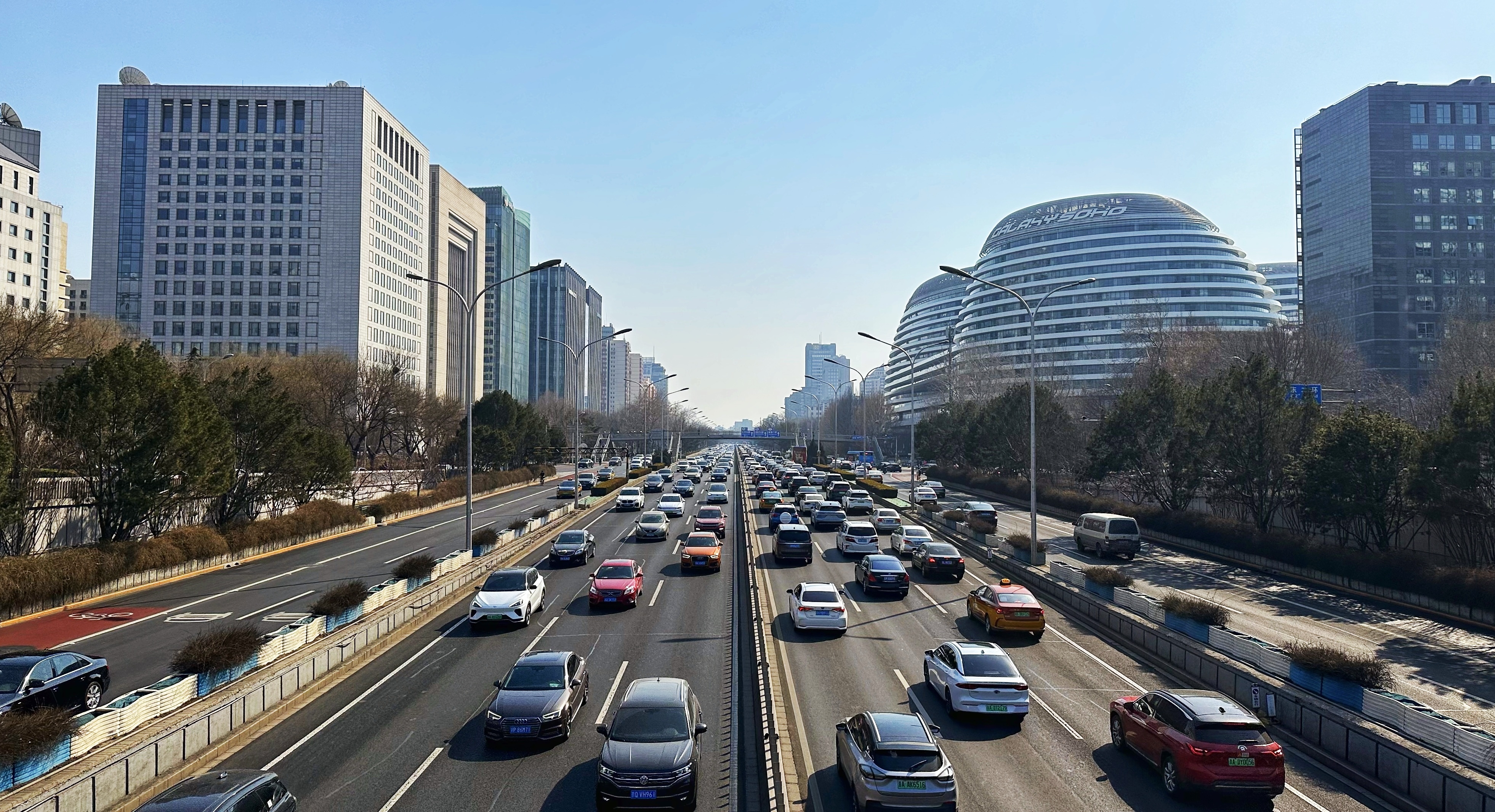
卖一辆亏一辆,传统豪车经销商只剩两条路
汽车商业评论· 2026-02-10 23:03
Core Viewpoint - The traditional luxury car dealership model in China is experiencing a systemic failure, leading to a significant decline in sales and profitability for dealers, prompting a shift towards new energy vehicle brands and a reevaluation of business strategies [12][21][41]. Group 1: Current Market Conditions - As of early 2026, luxury car dealerships are facing an unusual calm, with fewer customers and sales consultants seen in showrooms compared to previous years [6][10]. - The luxury car market, once a profit haven, has seen a drastic decline, with major dealers like Guizhou Tongyuan Group and Dong'an Holdings facing severe operational issues, leading to a "delivery crisis" for brands like BMW and Porsche [15][16][20]. - Data from the China Automobile Dealers Association indicates that nearly 15,000 dealerships have closed from 2021 to 2025, marking a continuous decline in dealership numbers [20]. Group 2: Financial Struggles of Dealerships - In 2025, luxury brand dealers reported an average inventory coefficient of 1.33 and a new car gross profit margin of -23.6%, indicating severe financial distress [24][27]. - A significant 74.4% of dealers were losing money on each vehicle sold, with nearly half experiencing losses exceeding 15% [27]. - The traditional profit model, which relied on high-margin after-sales services, is collapsing as younger consumers turn to alternative service providers, leading to a drop in customer satisfaction and loyalty [30][34]. Group 3: Shift to New Energy Brands - Many struggling dealers are transitioning from traditional luxury brands to new energy vehicle brands, attracted by better profit margins and reduced inventory risks [37][41]. - In 2025, the proportion of luxury brand dealers transitioning to new energy brands reached 37%, with independent new energy vehicle dealers achieving a profitability rate of 42.9% [41][42]. - The shift is driven by new business models that eliminate inventory pressure and provide fixed commissions, allowing dealers to focus on sales without the burden of unsold stock [38][39]. Group 4: Traditional Brands' Response - Traditional luxury brands are reducing their dealership networks to focus on more efficient operations, with BMW and Mercedes-Benz planning to cut their dealership numbers significantly [44][45]. - The luxury car market has seen a decline of approximately 28% in high-end segments, prompting brands to engage in aggressive price cuts to support struggling dealers [48][50]. - Brands are investing in research and development and localizing products to adapt to changing market conditions, with plans for new model launches in 2026 [56][59]. Group 5: Future Directions - The future of luxury car dealerships lies in redefining their roles from sales centers to user operation centers, focusing on customer service throughout the vehicle lifecycle [70][72]. - Digital transformation is becoming essential, as consumers increasingly expect transparency and efficiency in their purchasing experiences [73][75]. - The success of dealerships in the coming years will depend on their ability to adapt to new market realities, including the integration of digital tools and improved customer engagement strategies [74][76].