lululemon athletica inc.

Search documents
Can NIKE's International Unit Outrun Global Retail Volatility?
ZACKS· 2025-07-17 15:56
Core Insights - NIKE, Inc. is a leading global brand in athletic footwear, apparel, and sports equipment, with a presence in over 190 countries, leveraging branding, innovation, and athlete partnerships to maintain market dominance [1] Group 1: Company Overview - NIKE's international presence is a key growth driver, contributing to revenue diversification and mitigating geographic concentration risks amid economic volatility [2] - The company is currently facing challenges in its international division due to retail volatility, soft consumer demand, and structural cost pressures such as tariffs and unfavorable currency movements [2] - The holiday order book for fiscal 2026 shows year-over-year growth, particularly in North America, EMEA, and APLA, although this is partially offset by Greater China [3] Group 2: Strategic Initiatives - Despite near-term challenges, NIKE's strategic initiatives, including a responsive supply chain and "Win Now" tactics, aim to facilitate long-term recovery [4] - The company is focusing on product innovation and partner-led distribution improvements to regain momentum in the market [9] Group 3: Competitive Landscape - Key competitors include adidas AG and lululemon athletica inc., both of which are actively pursuing growth through product innovation and market expansion [5][6] - lululemon has reported a 19% year-over-year increase in international revenues for Q1 fiscal 2025, indicating strong global potential [7] Group 4: Financial Performance - NIKE shares have declined by 4.8% year-to-date, outperforming the industry decline of 7.8% [8] - The company trades at a forward price-to-earnings ratio of 39.93X, significantly higher than the industry average of 29.12X [10] - The Zacks Consensus Estimate indicates a projected earnings decline of 22.7% for fiscal 2025, followed by a growth forecast of 55% for fiscal 2026 [11]


李宁(02331):短期流水减速,聚焦新奥运周期下的高质量发展
Orient Securities· 2025-07-17 14:48
Investment Rating - The report maintains a "Buy" rating for the company [3] Core Views - The company is focusing on high-quality development in the new Olympic cycle, despite short-term revenue slowdown [1] - The company has adjusted its earnings forecasts for 2025-2026 and introduced a forecast for 2027, expecting EPS of 0.92, 1.05, and 1.20 RMB respectively [2][8] - The target price is set at 20.07 HKD, based on a 20x valuation for 2025 [2][8] Financial Performance Summary - Revenue for 2023 is projected at 27,598 million RMB, with a year-on-year growth of 7.0% [2] - Operating profit is expected to decline to 4,256 million RMB in 2023, reflecting a decrease of 21.4% year-on-year [2] - Net profit attributable to the parent company is forecasted at 3,187 million RMB for 2023, down 21.6% year-on-year [2] - The company anticipates a net decrease of approximately 10 direct stores and an increase of around 40 franchise stores in 2025 [7] - The gross margin is expected to be 48.4% in 2023, with a slight increase to 49.1% by 2027 [2][11] - The net profit margin is projected to decline from 11.5% in 2023 to 8.2% in 2025, before recovering to 9.5% in 2027 [2][11] Market and Competitive Landscape - The retail environment is becoming increasingly competitive, with intensified discounting pressures from international brands [7] - The company is expected to increase marketing expenditures in the second half of 2025 and throughout 2026 to support sustainable growth [7] - The major shareholder has shown confidence in the company's long-term prospects by increasing their stake by approximately 1.11% [7]

印尼成了“出头鸟”,特朗普下最后通牒:印尼向美国开放整个市场
Sou Hu Cai Jing· 2025-07-17 09:48
Group 1 - Trump announced a trade agreement with Indonesia, marking the first time Indonesia has opened its entire market to the U.S. [1] - The trade deficit between the U.S. and Indonesia reached $17.9 billion in 2024, raising concerns about potential tariffs that could severely impact Indonesia's economy [3] - The agreement allows U.S. goods to enter Indonesia with zero tariffs, while Indonesian goods face a 19% tariff, which is significantly lower than the proposed 32% tariff [6][8] Group 2 - The agreement sets a benchmark for future negotiations, with Vietnam reacting to the announcement of a 20% tariff by urging its negotiation team to lower the rate [6][8] - The EU has prepared a countermeasure list worth €72 billion against U.S. goods, indicating a potential escalation in trade tensions [8] - Trump's aggressive tariff policies are reshaping traditional multilateral trade systems into bilateral negotiations and unilateral threats [10][12] Group 3 - Companies are adjusting their strategies in response to the changing trade environment, with stock prices of brands like Nike and Lululemon rising after the announcement [14] - The challenges of relocating production back to the U.S. include finding suitable labor and the significant investment required for manufacturing facilities [16] - Trump has issued tariff threats to over 20 countries, with proposed rates ranging from 20% to 50% [18] Group 4 - Japan, Canada, and Mexico are facing increased tariffs, with Japan's rate rising to 25% and Canada facing 35% [19] - Countries are seeking to balance their economic relationships with the U.S. while diversifying their trade partnerships to mitigate risks [21] - A strategy of multilateral engagement may become essential for medium-sized countries navigating the complexities of great power competition [23]
许昌假发征服了多少老外?
3 6 Ke· 2025-07-16 23:40
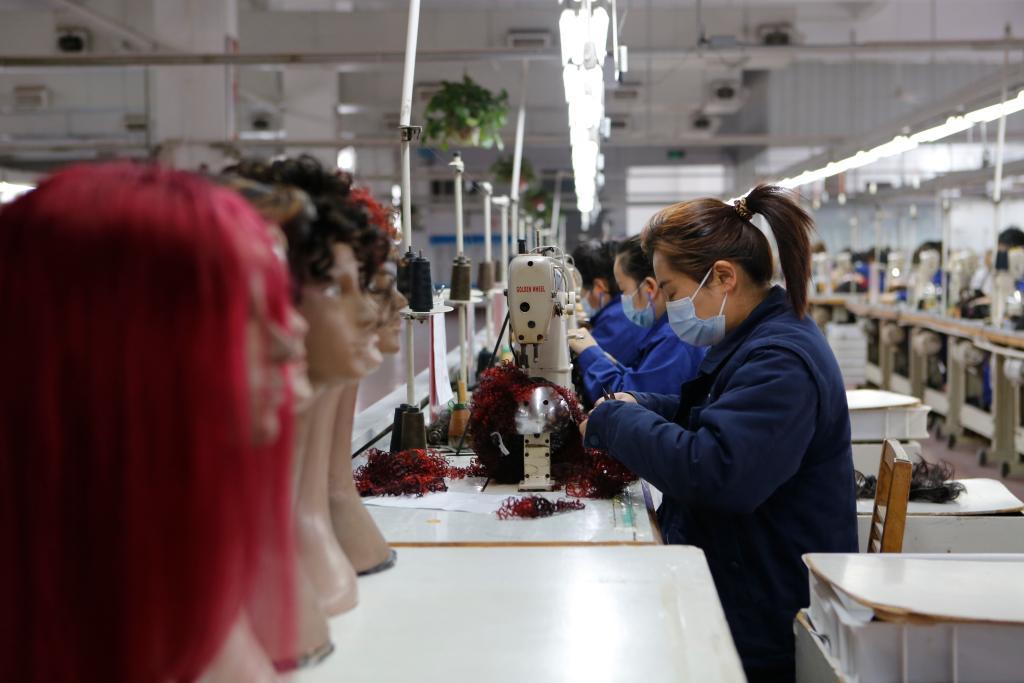
Core Insights - The article highlights the explosive growth of the Labubu brand and the broader trend of traditional products, such as wigs, gaining popularity on TikTok Shop, indicating a shift in consumer behavior and marketing strategies [1][10][24] Group 1: TikTok's Impact on Traditional Products - Labubu-related videos have amassed over 28.5 billion views in the UK and 23.6 billion in the US on TikTok, showcasing the platform's significant reach [1] - The wig category, particularly the no-glue wig, has seen a surge in popularity, with OQ Hair becoming a top seller on TikTok Shop shortly after its launch [11][15] - TikTok Shop has enabled brands to leverage content-driven marketing, allowing for rapid product iteration based on real-time consumer feedback [21][24] Group 2: The Wig Industry in Xuchang - Xuchang, known as the "Wig Capital," produces 60% of the world's wigs, with over 300,000 people employed in the industry [2][10] - The industry has evolved through two main phases: initial sales through platforms like Amazon and AliExpress, followed by the establishment of independent B2C channels [2][4] - Despite the growth, challenges such as high channel costs and intense price competition have persisted, leading to a search for new growth avenues [4][5][10] Group 3: Innovations and Consumer Trends - The introduction of no-glue wigs addresses consumer pain points related to traditional wig application methods, leading to increased sales and brand visibility [11][15] - TikTok's format allows for the effective demonstration of product features, which is crucial for products like wigs that rely heavily on user experience [18][21] - The shift towards content-driven commerce has encouraged wig manufacturers to innovate and diversify their product offerings, moving away from a low-price competition model [21][25]
品牌价值大分离
3 6 Ke· 2025-07-16 11:20
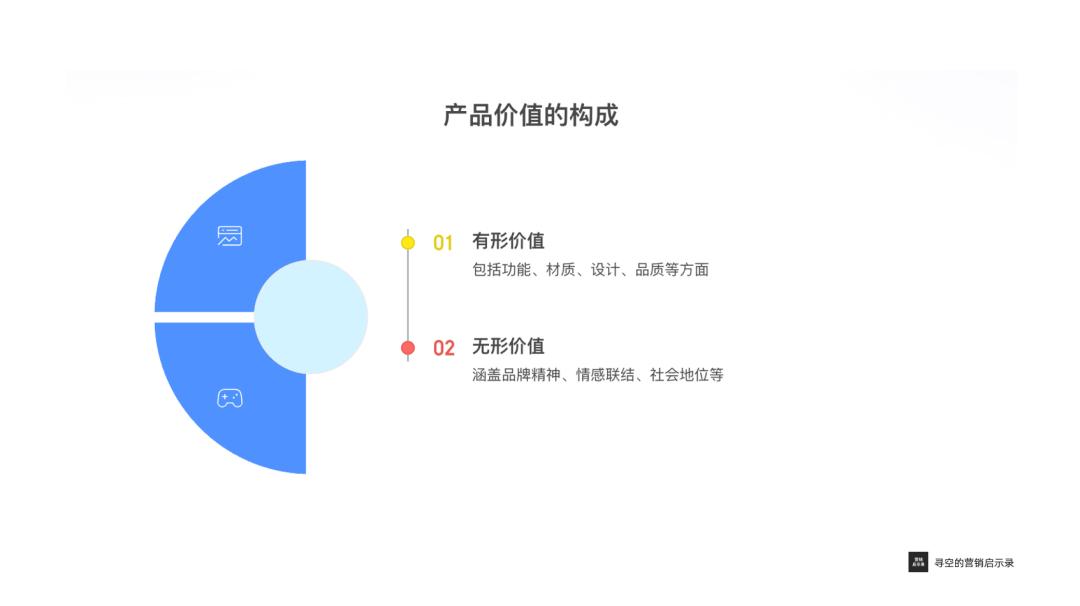
Group 1 - The core viewpoint of the article is the emergence of a new trend called "brand value separation," where consumers are increasingly distinguishing between the tangible and intangible values of products, leading to a shift in purchasing behavior [1][3] - The article discusses how traditional brand value, which combines both tangible (functionality, material, design) and intangible (brand spirit, emotional connection, social status) aspects, is being challenged by the rise of "value-for-money" alternatives [3][4] - The phenomenon of "Dupe culture" is highlighted, where consumers are opting for cheaper alternatives that replicate the tangible aspects of high-end brands while disregarding the associated emotional and social values [3][4][10] Group 2 - Three driving factors behind brand value separation are identified: the demystification and openness of supply chains, the breakdown of information barriers through social media, and the maturation of consumer mindsets [4][7][10] - The article notes that the global supply chain has become more accessible, allowing new brands to offer similar quality products at lower prices by eliminating brand premiums [4][5] - Social media platforms like TikTok have played a significant role in revealing the actual costs of luxury items, leading consumers to question the value of high-priced products and seek out more affordable alternatives [7][8] Group 3 - The changing economic environment and the evolving identity of younger consumers are contributing to a more pragmatic approach to spending, with a focus on value rather than brand prestige [10][12] - The article emphasizes that consumers are increasingly aware of the hidden costs associated with brand premiums, leading to a decline in the willingness to pay for brand identity [12][13] - The article suggests that brands must adapt to this new landscape by creating deeper value propositions that cannot be easily replicated by cheaper alternatives [14][24] Group 4 - Brands are encouraged to rebuild their value barriers by focusing on extreme product quality, technological advantages, and creating ecosystems that enhance user engagement [15][21] - The article highlights that successful brands will need to offer unique experiences and emotional connections that go beyond mere product functionality [24][27] - The future of branding is framed as a shift from defining consumer identity to providing tailored services that meet specific consumer needs, emphasizing the importance of understanding human desires [27][28]

运动鞋服行业研究:定量推演“对等关税”对鞋服OEM行业及品牌商影响
2025-07-16 06:13
Summary of Conference Call on Tariff Impact on OEM Industry and Brand Owners Industry Overview - The discussion focuses on the impact of increased tariffs on the OEM (Original Equipment Manufacturer) industry and brand owners in the footwear and apparel sector [1] - Key regions mentioned include Southeast Asia, particularly Vietnam, Cambodia, Indonesia, Bangladesh, and Sri Lanka, which face tariffs ranging from over 30% to more than 40% [2] Core Insights and Arguments - **Tariff Implications**: The imposition of tariffs means that various stakeholders, including manufacturers, brand owners, and consumers, will share the burden of increased costs. Initially, brands will absorb the tariffs, but over time, costs will be passed on to consumers through price increases and reduced discounts [4][10] - **Profit Margin Impact**: The average profit margin for footwear and apparel manufacturers is around 10%. The tariff differences among Southeast Asian countries create significant implications for these manufacturers, especially given China's tariffs reaching 145% [2] - **U.S. Import Dependency**: The U.S. remains the largest export market for China, with a declining dependency on Chinese textile and apparel imports from 37% in 2017 to 26% in 2023. However, China still leads in textile and apparel imports to the U.S. [3] - **Cost Sharing Dynamics**: In the short term, brands may absorb tariff costs, but mid-term strategies will involve sharing costs among supply chains, brands, and consumers. Long-term, consumers are expected to bear the majority of the additional costs [4][10] - **Brand Pricing Strategies**: Brands with higher pricing power, such as luxury and premium brands, can cover tariff costs with smaller price increases (around 3% to 5%), while lower-tier brands may face more significant impacts on their profit margins [11] Additional Important Points - **Geopolitical and Logistical Considerations**: The OEM industry must consider geopolitical stability, logistics, and cultural factors when deciding on production locations. The transition to new production sites is complex and requires careful planning [6] - **Supplier Relationships**: The ability of OEMs to negotiate with brands and their position within the supply chain are critical for managing tariff impacts. Brands may seek to negotiate cost-sharing arrangements based on the value chain contributions of OEMs [13] - **Market Dynamics**: The OEM sector is expected to see a consolidation of market share among leading suppliers, as smaller players may struggle to adapt to the increased cost pressures and operational challenges [16] - **Future Outlook**: The expectation is that the burden of tariffs will not be a long-term issue for OEMs, as they will eventually pass costs to consumers. The focus will remain on maintaining competitive pricing and managing inventory effectively [15] This summary encapsulates the key points discussed in the conference call regarding the implications of tariffs on the OEM industry and brand owners, highlighting the dynamics of cost-sharing, market dependency, and strategic responses to tariff pressures.
露露乐蒙20250606
2025-07-16 06:13
Summary of Lululemon's Q1 Earnings Conference Call Company Overview - **Company**: Lululemon Athletica Inc. - **Industry**: Athletic Apparel Key Financial Metrics - **Q1 Total Net Revenue**: Increased by 7% to $2.4 billion, or 8% in constant currency [8] - **Comparable Sales**: Increased by 1% [8] - **Gross Profit**: $1.4 billion, representing 58.3% of net revenue, up from 57.7% in Q1 2024 [9] - **Net Income**: $315 million, or $2.60 per diluted share, compared to $2.54 in Q1 2024 [10] - **Cash Position**: Approximately $1.3 billion in cash and cash equivalents [10] Regional Performance - **North America**: Revenue increased by 3% or 4% in constant currency; U.S. revenue grew by 2% [8][9] - **Canada**: Revenue increased by 4% or 9% in constant currency [8] - **China**: Revenue increased by 21% or 22% in constant currency, with comparable sales up by 8% [8] - **Rest of World**: Revenue grew by 16% or 17% in constant currency [8] Product and Innovation Highlights - **New Product Launches**: Successful launches included Day Drift, Shake It Out, Be Calm, and Align No-Line [4][5] - **Men's Franchises**: Strong performance in Zeroed In, Smooth Spacer, and Show Zero [4] - **Consumer Response**: Positive feedback on new products, indicating potential for future core items [4][16] Brand Activations and Marketing - **Summer of Align Campaign**: Integrated campaign featuring events and influencer partnerships, leading to increased brand awareness [5] - **Brand Awareness Growth**: Unaided brand awareness in the U.S. rose from mid-30s to 40% [5] Tariff and Cost Management - **Tariff Impact**: Anticipated increase in tariffs affecting margins; planning strategic price increases on select items [11][15] - **Cost Mitigation Strategies**: Focus on managing expenses, supply chain efficiencies, and pricing strategies to offset tariff impacts [6][12] Guidance and Future Outlook - **Full Year Revenue Guidance**: Expected to be in the range of $11.15 to $11.3 billion, representing growth of 5% to 7% [11] - **Q2 Revenue Guidance**: Anticipated revenue between $2.535 to $2.56 billion, representing growth of 7% to 8% [12] - **Store Expansion**: Plans to open 40 to 45 net new company-operated stores in 2025, with a focus on international markets [11] Risks and Challenges - **Consumer Behavior**: Cautious consumer spending impacting traffic and sales, particularly in the U.S. [3][22] - **Macro Environment**: Ongoing uncertainties related to tariffs and economic conditions affecting overall performance [6][18] Additional Insights - **Inventory Management**: Inventory increased by 23% due to higher costs related to tariffs and foreign exchange [10] - **Share Repurchases**: $430 million in stock repurchased, reflecting confidence in long-term prospects [3] This summary encapsulates the key points from Lululemon's Q1 earnings conference call, highlighting financial performance, regional insights, product innovations, marketing strategies, and future guidance while addressing potential risks and challenges.
宝尊接手Sweaty Betty中国经营权,重塑英国版lululemon
3 6 Ke· 2025-07-16 03:28
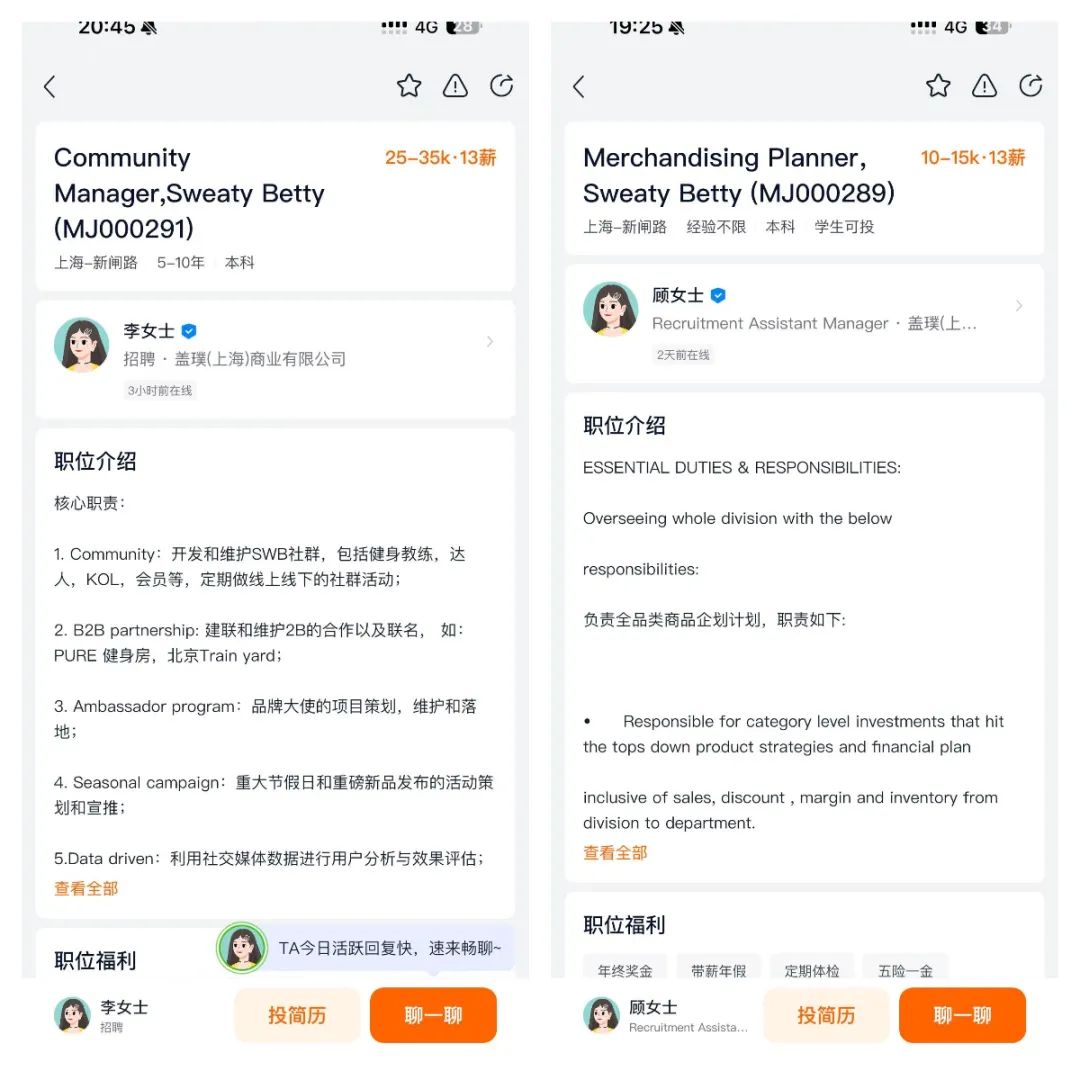
Core Insights - Sweaty Betty, a UK yoga apparel brand, is ending its direct operation model in China and transferring its operational rights to Baozun, marking it as the third international brand under Baozun's management after GAP and Hunter [1][5][9] Group 1: Company Transition - The operational rights of Sweaty Betty in China have been handed over to Baozun, which is actively recruiting for roles related to sports community and product operations [1][5] - The team managing Sweaty Betty will share resources with the teams handling GAP and Hunter, indicating a streamlined operational approach [7][11] - The decision to transfer the operational rights comes after Sweaty Betty faced challenges in the Chinese market, struggling to compete with lululemon, which has seen over 50% growth in the region [3][5] Group 2: Market Performance - Sweaty Betty's products are priced similarly to lululemon, with training leggings priced between 750 to 1180 RMB and training tops between 480 to 750 RMB [3] - The brand's revenue for the year was reported at $199 million, reflecting a decline of 2.4%, with expectations of low single-digit revenue decline in 2025 [9][15] - The overall high-end yoga apparel market in China is experiencing a slowdown, with lululemon's growth in the region dropping to around 20% [15][18] Group 3: Competitive Landscape - The competitive landscape includes not only lululemon but also emerging brands like Vuori and alo, which are expanding their presence in China [15][18] - Baozun's strategy may need to focus on differentiation and brand positioning to effectively compete against established players like lululemon [13][14] - The success of Baozun in managing Sweaty Betty will depend on its ability to navigate the challenges posed by both local and international competitors in the high-end yoga apparel market [18]

安踏体育(02020):2Q25营运表现点评:各品牌零售流水符合预期,多赛道布局强化集团收入利润稳步增长
Haitong Securities International· 2025-07-15 23:39
Investment Rating - The investment rating for ANTA Sports is maintained at OUTPERFORM with a target price of HK$109.40, representing a potential upside of 21.8% from the current price of HK$89.80 [2][8]. Core Insights - In 2Q25, the retail revenue of ANTA Sports' brands met market expectations, with the company maintaining its annual revenue guidance. The ANTA brand achieved low single-digit positive growth year-on-year, while FILA brand saw medium single-digit growth [3][13]. - The company is optimistic about achieving high single-digit growth for the full year, supported by the implementation of the offline lighthouse plan and optimization of e-commerce management [3][16]. - The performance of other brands, such as Descente and Kolon, showed significant growth, with retail revenue increasing by 50-55% year-on-year [5][15]. Summary by Sections Retail Performance - ANTA brand's retail revenue showed low single-digit growth, with offline adult and children's sales increasing by low single digits, while online sales grew by medium single digits. The growth was lower than expected due to intensified competition and channel upgrades [3][13]. - FILA brand's retail revenue achieved medium single-digit growth, with strong performance in categories like golf and tennis [3][14]. New Business Development - ANTA's new business model has improved store efficiency, with champion stores showing 70-80% higher efficiency than traditional stores. The company is also focusing on younger consumers through smaller, more efficient store formats [4][14]. - The online team has been integrated to enhance e-commerce performance, with expectations of recovery in the second half of the year [4][16]. Financial Forecast - Revenue projections for ANTA Sports are set at RMB 79.17 billion, RMB 88.06 billion, and RMB 97.66 billion for 2025, 2026, and 2027, respectively, with year-on-year growth rates of 11.8%, 11.2%, and 10.9% [8][16]. - The net profit forecast for the same period is RMB 13.56 billion, RMB 15.53 billion, and RMB 17.66 billion, with corresponding P/E ratios of 16.9X, 14.8X, and 13.0X [8][16].

得女性者得天下?为什么经济越冷,“她”仍敢花?
3 6 Ke· 2025-07-15 04:15
Group 1: Market Trends - The micro-drama market in China is projected to reach 50.5 billion yuan in 2024, surpassing annual box office revenue for the first time, with expectations of 63.43 billion yuan in 2025 and 85.65 billion yuan in 2027 [1] - Xiaomi's YU7 SUV, launched on June 26, achieved over 200,000 pre-orders in just 3 minutes and 289,000 in 1 hour, priced at 253,500 yuan [1] - The popularity of plush toys like the Labubu has seen prices soar to over 10,000 yuan, indicating a trend in collectible and emotional purchases [1] Group 2: "She Economy" Concept - The "She Economy" is identified as a driving force in the market, with women increasingly becoming key decision-makers in household purchases, including cars and real estate [3][4] - Data shows that women aged 18-45 contribute 71% of fast-moving consumer goods spending, 68% of beauty product purchases, and 63% of education spending, highlighting their significant economic influence [6] Group 3: Consumer Behavior - There is a shift from rational to emotional consumption, with women leading this trend by purchasing items based on emotional value rather than just functionality or price [7][9] - Brands that understand and cater to women's emotional needs and aesthetic preferences are more likely to succeed in the current market [10][11] Group 4: Brand Marketing Strategies - Successful brands are shifting their focus from product functionality to emotional resonance, creating narratives that align with women's experiences and aspirations [10][12] - The ability to "create dreams" and connect with consumers on an emotional level is becoming a core competitive advantage for brands [11][12] Group 5: Future Implications - The evolving role of women as not just consumers but as trendsetters and decision-makers in the market is reshaping the landscape of brand marketing and product development [12][13] - Companies that can effectively engage with and understand the "She Economy" will have a strategic advantage in capturing market share and driving growth [13]