Northvolt

Search documents
洗牌与动荡!2025年欧洲锂电产能建设
鑫椤锂电· 2026-02-12 06:14
Core Viewpoint - The European lithium battery industry is undergoing a transformation towards a more pragmatic and collaborative development path, moving away from idealistic self-sufficiency goals to a focus on industry realities and efficiency [16]. Group 1: Market Developments - In 2025, the lithium carbonate market, electrolyte market, copper foil market, and other related markets are being closely monitored for trends and developments [3][4]. - Despite challenges, several foreign-led projects have made substantial progress in 2025, becoming the main drivers of capacity expansion in Europe [6]. Group 2: Local Challenges - Some local projects are facing difficulties due to uncertain market demand, leading to project stagnation and abandonment [8]. - The EU announced an investment of €852 million for six innovative electric vehicle battery projects, but some projects have already been paused, indicating that policy support alone cannot create a competitive battery industry [11]. Group 3: Technology Acquisition Changes - The approach for European battery companies to acquire mature technologies is shifting from strategic investments and joint R&D led by automakers to more diverse and flexible collaboration models [12]. - Several projects have been delayed or abandoned, including the West Midlands Gigafactory and various initiatives by companies like ACC and Cellforce [12][14]. Group 4: Industry Restructuring - Companies like Northvolt and AMTE Power are undergoing restructuring, with some assets being acquired by other firms to ensure continuity in technology [13]. - The trend of outsourcing production to Chinese manufacturers is emerging, as seen with companies like Beyonder and Elinor Batteries [14]. Group 5: Future Outlook - The European lithium battery industry is expected to adopt a more cautious and steady approach to capacity construction, moving towards a collaborative ecosystem that emphasizes efficiency and synergy [16].

欧洲锂电大败局|深度
24潮· 2026-02-02 00:03
Core Viewpoint - Northvolt, once hailed as Europe's hope in the lithium battery industry, has filed for bankruptcy, highlighting the challenges faced by European companies in competing with established Chinese firms in the battery sector [2][27]. Group 1: Northvolt's Rise and Fall - Northvolt was founded in 2016 by Peter Carlsson and Paolo Cerruti, aiming to become the world's leading battery manufacturer while bypassing Chinese competition [9][28]. - The company received significant backing, raising over $15 billion from investors and securing large orders worth $55 billion from major automakers like Volkswagen and BMW [10][11]. - Despite initial optimism, Northvolt's production faced numerous challenges, including a lack of skilled labor, reliance on Chinese equipment, and operational inefficiencies, leading to a decline in product quality and safety incidents [19][21]. Group 2: European Battery Industry Challenges - Europe has lagged behind in the electric vehicle battery market, with Chinese companies dominating the global landscape, holding nearly 70% of the market share by 2025 [5][6]. - The European battery supply chain is weak, with a lack of local suppliers for critical materials and manufacturing capabilities, making it difficult for companies like Northvolt to establish a competitive edge [34][35]. - The ambitious plans for battery production in Europe have faced setbacks, with many projects being canceled or delayed, reflecting the systemic challenges within the industry [28]. Group 3: Operational Issues and Management Failures - Northvolt's operational issues included low production yield rates, with only 40% of products meeting quality standards compared to competitors like CATL, which achieved 99.98% [21]. - The company struggled with management practices, attempting to implement Tesla's operational model without adapting to local conditions, leading to confusion and inefficiencies [19][21]. - Safety concerns were prevalent, with multiple accidents reported at Northvolt's facilities, raising questions about the company's operational practices and employee training [20][21]. Group 4: Financial Struggles and Bankruptcy - Northvolt's financial situation deteriorated rapidly, with a net loss of $1.2 billion in 2023 against revenues of only $128 million, leading to significant layoffs and a cash crisis [25][26]. - By late 2024, Northvolt's total debt reached $5.8 billion, prompting the company to seek bankruptcy protection in the U.S. [26]. - The bankruptcy filing in March 2025 marked the end of Northvolt's ambitious plans, underscoring the difficulties faced by European firms in the competitive battery market [27][28].

汽车巨头50GWh电池公司停摆
鑫椤锂电· 2026-01-22 08:32
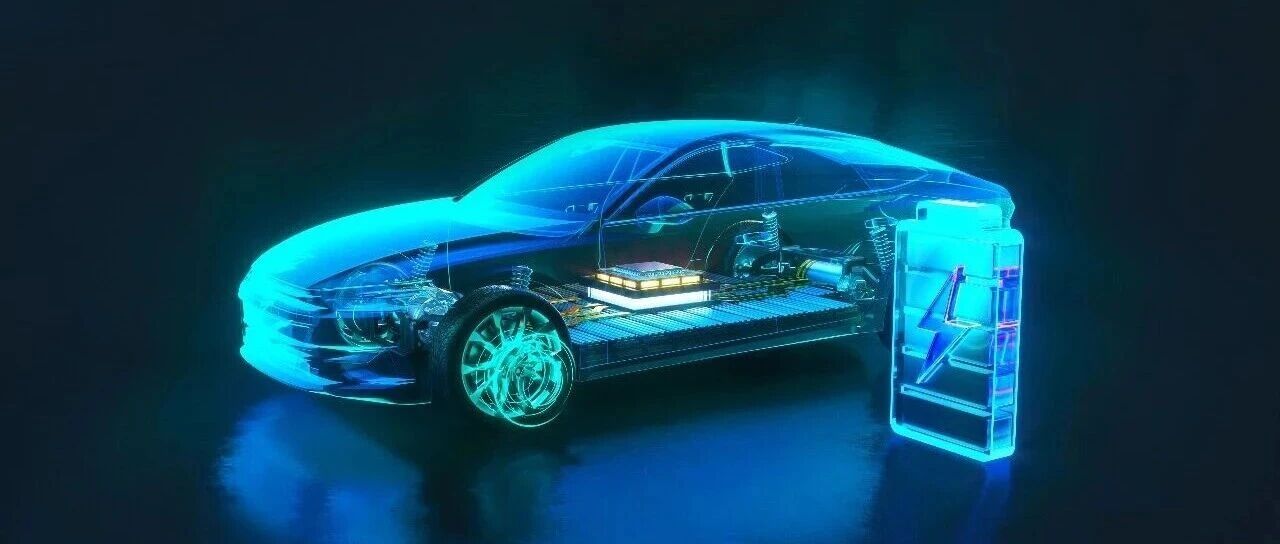
Core Viewpoint - The article discusses the challenges faced by the battery industry in Europe, particularly focusing on the suspension of operations by Novo Energy, a battery startup under Volvo, due to rising costs and a slowdown in electric vehicle demand. Group 1: Novo Energy Suspension - Novo Energy has announced the suspension of operations and plans to lay off 75 employees due to the inability to find new technology partners and rising operational costs [1][2] - The suspension follows a year of inactivity for the Novo factory after the collapse of Northvolt, which co-founded Novo Energy with Volvo in 2021 [2] - Alexander Petrofski, chairman of Novo, indicated that the decision was driven by cost pressures rather than negotiation issues with potential partners [2] Group 2: Industry Context - The suspension of Novo Energy is part of a broader trend where multiple battery projects in Europe have been canceled or delayed due to soaring costs and reduced demand for electric vehicles [1][2] - There is a call for increased investment support from the EU for local battery manufacturing, especially in light of China's dominance in battery production [2] - The EU has recently announced a new automotive plan that includes incentives for domestic battery production, which is seen as crucial for the future of projects like Novo Energy [2] Group 3: Other Developments - In Sweden, American startup Lyten is attempting to revive the Northvolt battery factory in Skelleftea after acquiring it last year [3] - Volvo Group's planned battery factory in Mariestad is also facing significant delays [4]
沃尔沃旗下电池子公司暂停运营
起点锂电· 2026-01-18 11:25
Core Viewpoint - NOVO Energy, a subsidiary of Volvo Cars, has officially announced the suspension of operations and initiated a full-scale layoff process affecting all 75 positions due to the lack of a new battery technology partner [1][2]. Group 1: Company Operations - The core reason for NOVO Energy's operational suspension is the inability to identify a new battery technology partner, which has hindered the advancement of subsequent business plans [1]. - NOVO Energy was established in 2021 as a joint venture between Volvo and Northvolt, with each holding a 50% stake, aiming to build a battery factory in Gothenburg with an annual capacity of 50 GWh to support Volvo's electric vehicle models [1]. - Following Northvolt's financial crisis and subsequent bankruptcy filing in 2025, Volvo acquired all shares of NOVO Energy at nearly zero cost, becoming the sole owner but losing critical technical support [1]. Group 2: Employment and Production Capacity - In May 2025, NOVO Energy had already initiated a round of layoffs due to the lack of technical collaboration, reducing its workforce by 50% and retaining only core technical and factory operation teams [1]. - The battery factory in Gothenburg is approximately 80% complete, but due to the loss of technical support, production equipment has not been installed, and the original production capacity target has been reduced from 15 GWh to 5 GWh, leaving the factory in a state of stagnation [2].
2025汽车供应链十大年度热点 | 精进2025——汽车行业10个十大年度盘点
Jing Ji Guan Cha Wang· 2026-01-15 00:31
Core Insights - The automotive industry in 2025 has experienced significant growth driven by proactive policies that enhance consumption, stimulate internal growth, and improve the competitive environment [2] - The industry is undergoing a transformation characterized by electric and intelligent vehicle development, geopolitical challenges, and supply chain restructuring [4] Group 1: Supply Chain Developments - The takeover of Nexperia by the Dutch government has disrupted the global automotive chip supply chain, leading to production halts and capacity adjustments among major automakers [5][6] - The introduction of a 60-day payment term for suppliers aims to alleviate financial pressures on small and medium-sized enterprises, fostering a healthier supply chain ecosystem [7][8] - Chinese automotive supply chain companies are increasingly focusing on overseas markets, with significant investments in Southeast Asia, North America, and Europe to enhance local production capabilities [11][12] Group 2: Financing and Market Trends - A surge in Chinese automotive technology companies listing in Hong Kong reflects a growing trend towards capitalizing on the smart vehicle sector, with several firms successfully raising funds for technological advancements [9][10] - The automotive supply chain is witnessing a wave of mergers and acquisitions, with companies seeking to enhance their market positions and technological capabilities [13][14] Group 3: Technological Innovations - The automotive industry is moving towards an "oil-electric intelligence" model, with advancements in technology enabling the integration of intelligent features into traditional fuel vehicles [15][17] - The battery industry is experiencing rapid advancements, particularly in solid-state battery technology, which is crucial for the future of electric vehicles [20][21] - The proliferation of L2+ level advanced driver-assistance systems (ADAS) is reshaping the automotive supply chain, emphasizing the importance of safety and compliance [22][23] Group 4: Industry Challenges and Opportunities - A wave of bankruptcies among European and American automotive suppliers highlights the challenges faced during the transition to electric vehicles, revealing vulnerabilities in traditional supply chains [18][19] - The 2025 China Automotive Supply Chain Conference has set the stage for future developments, focusing on internationalization and innovation within the industry [24][26]


欧洲急了!抱怨中国啥都能造不买东西,其实是被自己人坑惨了
Sou Hu Cai Jing· 2025-12-17 19:01
真正让欧洲精英们睡不着觉的,不是贸易数字本身,而是数字背后的"质变"。回想二十年前中国刚加入世贸组织那会儿,我们运往欧洲的是衬衫、玩具、日 用百货,换回来的是他们的汽车、飞机和精密机床。 那是一套经典的"发展中国家换发达国家工业品"的模式。但今天,情况彻底变了。中国出口到欧洲的,是电动汽车、光伏组件、工业机器人、高端机电产 品。光是光伏板这一项,今年对欧出口就猛增了23%。而欧洲能卖给我们的"硬货"清单,却没什么大变化。 这就好比过去你去街边小店买手工艺品,现在你开了自己的高级工坊,产品比原来的店还好还便宜,那原来的店主能不慌吗?中国不再是那个只负责组装 的"世界工厂",而是在新能源、数字科技、高端制造等领域,稳稳占据了全球供应链的中上游,拥有了越来越多的话语权。这种产业地位的惊天逆转,才是 欧洲焦虑的根源。 最近法国总统马克龙又说了些有意思的话。他之前访华时还挺热乎,拿到一些订单回去后,口气就变了,公开喊话中国"必须救欧洲",不然就会失去他们这 个"重要客户"。这话听着挺硬气,但仔细一品,却透着一股说不出的别扭和焦虑。 欧洲最近这种"色厉内荏"的调调越来越常见,核心就一句抱怨:"中国现在什么都想自己造,什么 ...
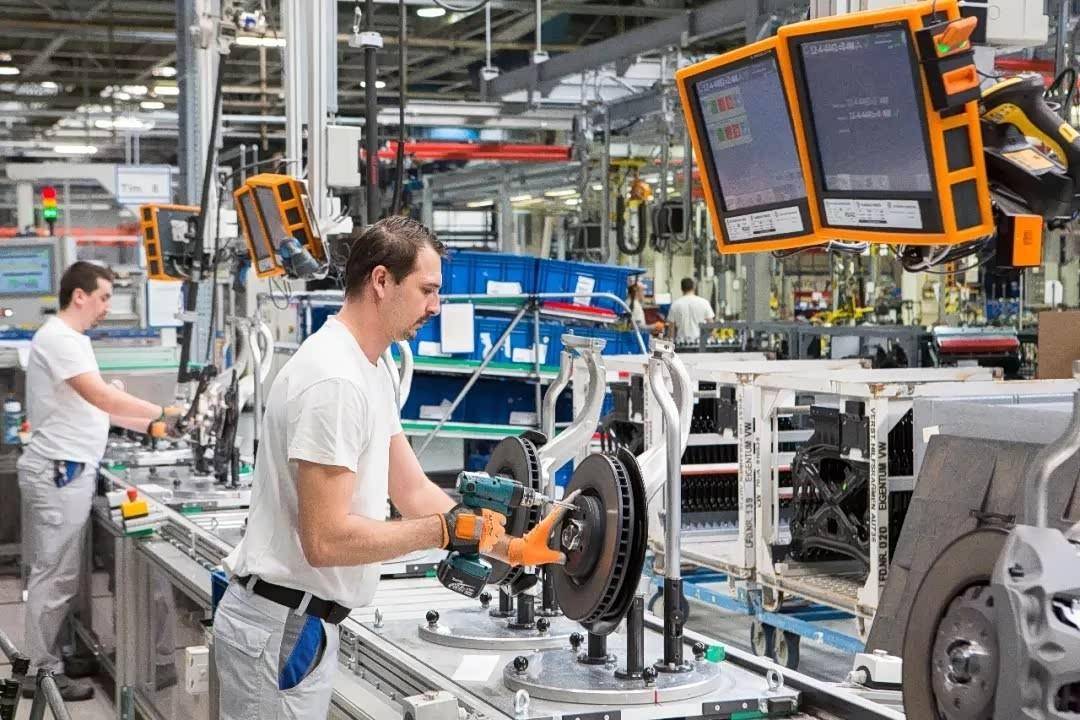
实在干不过中国电车,欧盟将取消禁售燃油车,德国车企开心了
Sou Hu Cai Jing· 2025-12-16 12:17
Group 1 - The EU is likely to modify its carbon emission reduction target from 100% to 90% due to lobbying from major automotive countries like Germany and France [1] - The European automotive industry recognizes its inability to compete against Chinese electric vehicles, particularly in battery technology, leading to concerns about the future of electric vehicle development in Europe [3] - Six out of the top ten global power battery companies in 2024 are Chinese, with the top two companies holding a combined 55% market share, highlighting the dominance of Chinese firms in the battery sector [5] Group 2 - The EU has already taken measures to protect its automotive industry by increasing import tariffs on electric vehicles, which has resulted in a significant drop in Tesla's sales in Europe [7] - Despite protective measures, the establishment of local production facilities by Tesla and Chinese electric vehicle companies in Europe will reduce the impact of tariffs, indicating limited long-term protection for the European automotive sector [7] - The EU will continue to promote electric vehicle development, but the time for the European automotive industry to adapt is limited, and the easing of the ban on fuel vehicles may provide necessary breathing room for the industry [8]

中美俄集体觉醒,欧洲角色彻底曝光,偿还旧账时代正式来临
Sou Hu Cai Jing· 2025-12-16 04:45
Group 1 - The article highlights the drastic changes in Germany's energy consumption habits, with citizens resorting to purchasing firewood due to soaring energy prices [1][4] - The energy crisis has led to significant operational changes in major industries, particularly in Germany, where BASF announced the permanent closure of key production lines and large-scale layoffs [8][10] - The chemical industry in Germany is facing severe challenges, with BASF reporting losses on production due to skyrocketing energy costs, exacerbated by the reduction of Russian natural gas supplies [8][13] Group 2 - The automotive industry, particularly Volkswagen, is also feeling the impact, with the company considering closing German factories for the first time in its history due to high production costs and competition from Chinese electric vehicle manufacturers [10][11] - The article discusses the broader implications of geopolitical tensions, particularly the sanctions against Russia, which have led to increased energy prices and a shift in manufacturing capital towards the United States [13][15] - The structural changes in the global economy, including the rise of China as a technological competitor, have contributed to the decline of Europe's manufacturing base, leading to a potential deindustrialization trend [22][23] Group 3 - Social unrest is rising in Europe, with protests against government policies reflecting the public's frustration over economic conditions, including high unemployment rates among youth in Southern Europe [23][25] - The article notes that the once-cherished welfare state in Europe is under threat, as the costs of maintaining such systems are becoming unsustainable in the face of economic decline [16][19] - The narrative suggests that the long-standing reliance on American security and low-cost imports from China has created vulnerabilities that are now being exposed as the global landscape shifts [19][20]
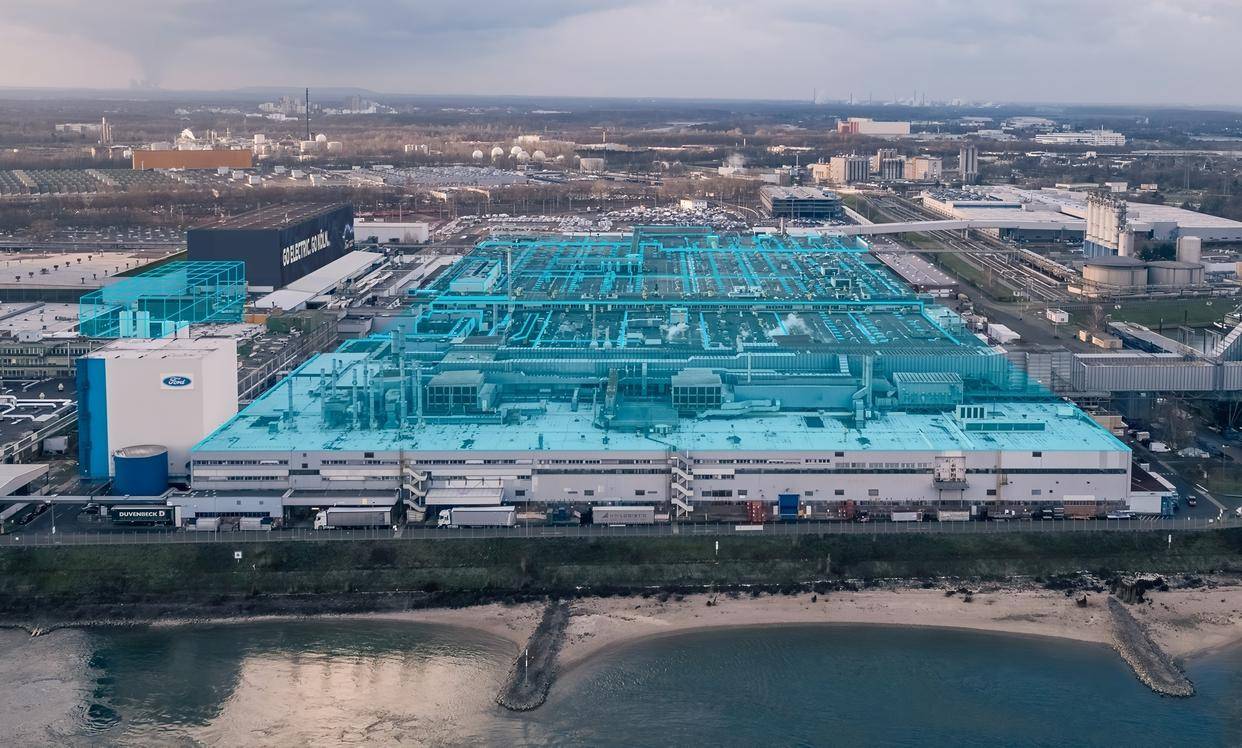
中国电池欧洲造,正夯
Zhong Guo Qi Che Bao Wang· 2025-12-11 02:33
Core Insights - The article highlights the rapid expansion of Chinese battery manufacturers in Europe, particularly through significant investments in local production facilities to meet the growing demand for electric vehicle batteries [2][4][6]. Investment and Expansion - CATL and Stellantis have initiated a joint investment of €4.1 billion to establish a lithium iron phosphate battery factory in Zaragoza, Spain [2]. - Chinese battery companies are intensifying their investments in Europe, with multiple factories planned to be operational by 2026, creating a comprehensive production network across Western, Central, and Southern Europe [4][5]. - Guoxuan High-Tech has launched a battery factory project in Slovakia with an investment of up to €1.234 billion, aiming for an initial capacity of 20GWh [4]. Technology and Production Capacity - The article emphasizes the technological advantages of Chinese companies, particularly in lithium iron phosphate battery technology, which is crucial for the European market's shift towards affordable electric vehicles [7][8]. - CATL's second-generation battery technology allows for rapid charging and long-range capabilities, enhancing its competitive edge in the European market [7]. Market Dynamics - Despite a slowdown in the European electric vehicle market, the long-term potential remains strong due to stringent carbon emission regulations, prompting Chinese companies to invest heavily in local production [6][10]. - The article notes that European battery manufacturers are facing significant challenges, with several companies experiencing financial difficulties, which opens opportunities for Chinese firms to fill the supply gap [8][9]. Regulatory Environment - The implementation of the EU's new battery law presents both challenges and opportunities for Chinese companies, necessitating compliance with stringent regulations while enhancing their competitive positioning [10][11]. - Chinese firms are proactively adapting to these regulations by integrating compliance into their production processes and establishing local partnerships for battery recycling [11][12]. Collaboration with Automotive Industry - Chinese battery manufacturers are forming strategic partnerships with major European automakers, ensuring a stable supply of batteries for electric vehicles [13][14]. - The collaboration between Chinese battery companies and European car manufacturers is expected to strengthen as more Chinese automakers enter the European market, creating a synergistic effect [14][15].


百战百败:欧洲动力电池的时代泥潭
远川研究所· 2025-12-10 13:14
以下文章来源于远川科技评论 ,作者徐珊珊 今年6月的欧洲电池展,大众旗下电池公司 PowerCo 的COO Sebastian Wolf 面对在场同胞毫不客气,表示欧洲在动力 电池环节已经被东亚人远远甩在了后面[1]: 我们正在从老师变成学生。 入职大众前,Sebastian Wolf在博世爬过技术的雪山,在孚能科技趟过业务的草地。这番话的背景是欧洲电池公司接二 连三垮台,2020年至今,中国电池公司在欧洲市场的份额从10%提高到了65%,仅宁德时代一家就占了45%。 作为动力电池产业的老革命,Sebastian Wolf可谓看在眼里,痛在心上。 欧洲车企在电动化上步履蹒跚,但在动力电池这个赛道上,欧洲可谓起步早、决心强、投入大。动力电池既承载着减 碳环保的大义,又肩负着欧洲汽车工业再续辉煌的重任,精神文明物质文明两手都要抓。 过去几年,欧洲大陆围绕动力电池量产开启了浩浩荡荡的制造业复兴运动,既艰苦卓绝、又筚路蓝缕,遗憾的是直到 今天,Made by Europe的量产电芯依然为零。 远川科技评论 . 刻画这个时代(的前沿科技) 目前,全球动力电池装机量TOP10榜单中,中国公司占据六席,日韩公司占据四席,前 ...