去风险化

Search documents
“从没见过中国这样的挑战,直戳德国痛处”
Guan Cha Zhe Wang· 2026-02-24 04:56
"我们正处于'中国冲击'的开端" 在德国工业经常被批评转型迟缓、抗拒变革之际,有一个领域却让工业界人士感受到了迅速而深刻的变化。 德国机械制造行业协会(VDMA)外贸部门主管奥利弗·里希特贝格表示:"我们对华立场的转变速度、协会成员 对华认知的转变速度,堪称'中国速度'。" ► 文 观察者网 柳白 中国产业实力不断崛起,着实令老牌工业强国德国的危机感与日俱增。就在德国总理默茨即将访华之际,香港英 文媒体《南华早报》2月23日刊文聚焦了本次访问的复杂背景。 文章指出,德国机械、汽车等支柱产业正感受到来自中国企业的激烈竞争,技术优势被快速追赶,以至于德国工 业界对中国的态度正在以前所未有的速度转变。部分企业呼吁欧盟缓和对华贸易政策,另一部分则主张采取更强 硬立场,默茨不得不在这两者之间取得平衡。一名德国机械行业人士这样感叹,"从未遇到过中国这样的挑战,他 们直戳我们痛处,暴露我们的短板"。 里希特贝格所在的协会代表着德国3000多家"隐形冠军"企业——这些制造商生产的零部件和机械设备支撑着众多 知名品牌,数十年来一直是欧洲最大经济体的基石。 然而如今,这些制造商陷入困境,里希特贝格希望默茨在本周以德国总理身份首次 ...

对美发起警告,德总理通告全球,下周访问中国,默克尔重返政坛?
Sou Hu Cai Jing· 2026-02-21 11:41
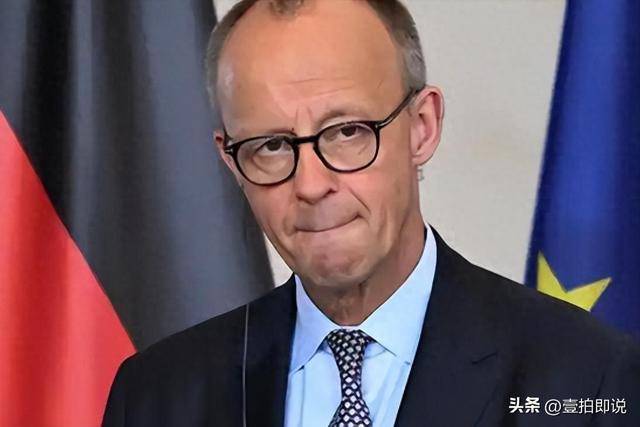
与此同时,一则关于前总理默克尔可能"复出"担任联邦总统的消息在柏林政界疯传。 当美国挥舞关税大棒、极右翼步步紧逼、经济引擎持续失速,这个欧洲最大经济体突然把目光投向东 方。 2月18日,德国总理弗里德里希·默茨正式宣布:下周访华。 一边是现任总理高调转向中国,一边是前任领袖被推上神坛,两件事看似割裂,实则共同指向一个事 实: 德国正在失去方向,也正在拼命找回方向。 特朗普的关税逻辑,说白了就是把贸易、地缘、领土交易搅成一锅粥。格陵兰岛是丹麦的,关德国什么 事?但在这位总统眼里,欧洲就是一个整体,打谁都一样。 默茨的回应分了三层,第一层是划线。他在莱茵兰-普法尔茨州把话撂得很直接:"你们可以这么做,但 我们不会顺从。" 这话听着硬气,但硬气背后是计算,德国是出口型经济体,GDP增速已经连续三年跑输欧元区平均水 平,制造业订单一路下滑,能源成本高得吓人,企业外迁的速度越来越快。继续跟着美国搞"去风险 化",等于自己往悬崖边挪。 第二层是拉队友,默茨明确表态:欧洲不会跟随美国加征关税,坚持自由贸易立场。这不是道德宣言, 是利益捆绑,欧洲二十七国绑在一起,才有跟华盛顿讨价还价的本钱。 第三层是亮肌肉,他提了一句格陵兰 ...
欧洲央行罚了1218万,这事真不止钱
Sou Hu Cai Jing· 2026-02-21 00:49
《欧洲央行罚了1218万,这事真不止钱》 ——连续五年的"少报风险",比罚单本身更刺眼 一家全球最会算账的银行,被罚1218万欧元。 不是爆雷,不是亏损,而是"报表算轻了"。你说巧不巧。 为什么这事严重。因为RWA不是技术参数,而是资本要求的地基。权重低一点,资本占用少一点,利润表就顺眼一点。短期ROE更漂亮,长期安全垫却更 薄。"大而不倒"不可怕,"大而不透明"才危险。 更耐人寻味的是时间跨度。五年,足够一轮经济周期。连续偏差说明的不是手滑,而是合规链条的松动。想象监管官员翻到第15个季度同样错误时的表情 ——这已不是偶发,是态度。 有人会问,千万欧元算多吗。对巨头不致命,但声誉成本远高于罚金。在全球"去风险化"与穿透式监管常态化的当下,这张罚单更像信号弹:规模没有豁免 权,透明才是硬通货。 金融世界最贵的不是罚款,是信任。账可以做轻,风险不会变轻。 (唐加文,笔名金观平;本文成稿后,经AI审阅校对) 问题出在风险加权资产。2019年至2024年,连续15个季度错误分类企业风险敞口,21个季度排除了部分交易。结果很简单:风险被压低,资本充足率被抬 高。就像给体检报告开了美颜滤镜,指标好看了,身体却没变。监管 ...

中方不救美元,游戏已结束,特朗普在空军一号喊话中国,措辞强烈
Sou Hu Cai Jing· 2026-02-19 12:21
Core Viewpoint - China has been consistently selling U.S. Treasury bonds, reducing its holdings to approximately $682.6 billion, a level reminiscent of the post-2008 financial crisis [3][5]. This action signals a strategic shift in asset allocation and risk management rather than a mere market reaction [11][27]. Group 1: China's Actions and Implications - China's U.S. Treasury holdings peaked around $1.32 trillion before 2013, and the current reduction represents nearly a 50% decrease, indicating a significant change in strategy [5][9]. - The pace of reduction has been steady over the past three months, suggesting a deliberate and methodical approach rather than erratic market behavior [3][5]. - Some analysts predict that China may aim to reduce its holdings to around $300 billion, a level that would allow for greater flexibility in asset management [7]. Group 2: U.S. Response and Market Dynamics - Following the release of U.S. Treasury data, U.S. officials, including Treasury Secretary Yellen, have softened their rhetoric towards China, emphasizing the importance of maintaining constructive relations [12][21]. - Trump's recent comments indicate a shift from a hardline stance to a more negotiable approach regarding Taiwan and other issues, reflecting the need for the U.S. to manage its financial stability [14][16]. - The U.S. faces a significant challenge with its national debt reaching $38 trillion, making the stability of the Treasury market critical [16][19]. Group 3: Strategic Considerations - China's diversification of foreign reserves, including increased gold holdings, reflects a cautious approach to risk management in response to U.S. monetary policy fluctuations [9][11]. - The ongoing dialogue between the U.S. and China suggests a complex interplay of cooperation and competition, with both sides aware of the potential consequences of crossing established red lines [22][24]. - The recent statements from both sides indicate a tactical recalibration rather than a fundamental shift in strategy, as the U.S. seeks to stabilize market expectations while managing its debt crisis [21][26].
承认怕崩盘!美财长给中国灌“迷魂汤”,撕下伪装,暴露致命软肋
Sou Hu Cai Jing· 2026-02-16 04:37
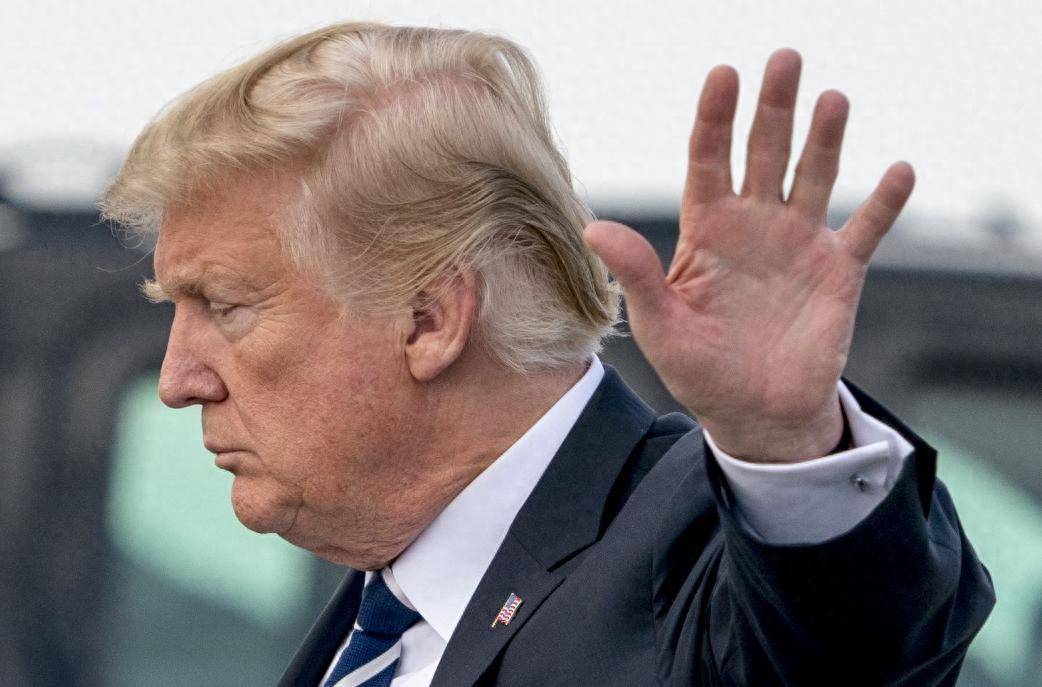
大家得明白现在的局势。美国那边正在为了下一轮的交锋争分夺秒地做准备。前段时间美国财政部还专门派了代表团来咱们这儿,说是为经贸会谈铺路,其 实就是在探底。 贝森特这个时候跳出来唱白脸,说点软乎话,目的非常明确:就是为了给后续的高层互动营造一种虚假的良好氛围,让外界,特别是金融市场建立一个稳定 的预期。 为什么这么说?因为贝森特这个人,他是特朗普政府里少有的技术性官僚,也是直接负责对华谈判的操盘手。 他心里比谁都清楚,如果现在就跟中国彻底撕破脸,搞全面脱钩那一套激进的把戏,美国的金融市场绝对承受不住,那是会引发剧烈震荡的! 最近这两天,大洋彼岸又传来了一些看似"顺耳"的话。美国财政部长贝森特突然跑出来表态,说现在中美关系处于一个"舒适位置"。 还信誓旦旦地说希望能和中国做一对"公平的竞争对手",不打算搞什么全面脱钩。乍一听,是不是觉得特朗普政府转性了? 别天真了!这不过是美国人惯用的两面三刀罢了。 咱们今天就来扒一扒这层温情脉脉的面纱底下,到底藏着什么鬼心思。 说实话,贝森特这番话,听听也就罢了,所谓的"舒适位置",所谓的"公平竞争",本质上就是特朗普政府对中国施展的一条"缓兵之计"。 咱们回想一下去年4月初,当 ...
30%关税还是30%升值?法国这波操作,连自己媒体都看不下去了!
Sou Hu Cai Jing· 2026-02-14 09:59
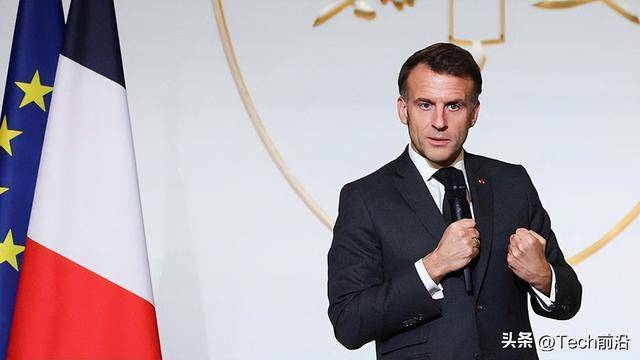
2月上旬,法国政府突然投下一枚震撼弹,在政府报告中渲染欧洲工业如何在中国面前面临"生存危 机",更提出了对抗性极强的经济干预建议,要么是全面对中国征收高达30%的关税,要么就是让欧元 对人民币汇率直接贬值30%,被广泛解读为针对中国的"广场协议"。 可法国执意发布,有四大核心动机。 第一,是国内的政治经济压力迫使法国政府"唱高调"。 不只是法国,欧洲核心区正在面临"去工业化"的切肤之痛,自2023年以来,仅德国就损失了20多万个工 业岗位,同时法国这边的高端制造业,也面临中国这边的强势竞争。 面对各方压力,马克龙需要迅速找到一个"替罪羊",何况他过去没少谈及中欧经贸不平衡。在这份报告 的语境下,中国扮演了参照物和竞争对手的双重角色。 而激进的干预措施,往往被视为"立竿见影",在政治层面会带来一定正向反馈,至少这段时间,法国的 这份报告确实引发了很高的讨论度。 第二,是要在欧盟层面主导议事进程。法国长期以来对欧盟 "过于天真" 的自由贸易政策持颇有微词。 通过复刻"广场协议"这样的极端选项,法国意在重新引导欧盟的政策重心。其逻辑不外乎是,把屋顶掀 了就会有人同意开窗,但前提是,法国得具有这个掀屋顶的能力。 连法 ...
法国率先出手,27国拟对华加征30%关税,美财长用三字概括中美关系
Sou Hu Cai Jing· 2026-02-12 23:46
欧洲内部最近炸开了锅。 一份由法国政府下属智库起草的报告,直接把矛头对准中国。 文件里白纸黑字写着两条建议:要么对中国出口到欧盟的所有商品统一加征30%的关税;要么联合其他主要经济体,逼迫 人民币对欧元一次性升值20%到30%。 这不是什么学术探讨,而是赤裸裸的经济施压方案。 这份报告的理由听起来很"正当"——2024年欧盟对华贸易逆差达到3045亿欧元。 在他们眼里,钱流出去就是吃亏,就是不公平。 于是干脆提出用最粗暴的方式解决问题。 第一招,直接抬高中国产品的价格门槛。 这已经不是普通的贸易保护主义了,而是彻底背离世界贸易组织基本原则的单边壁垒。 说白了,就是想关上大门,不让中国产品进来。 第二招更狠。 他们翻出1985年美国对付日本的老剧本,打算照搬"广场协议"。 当年那套操作硬生生把日元推高,导致日本出口竞争力崩塌,产业空心化加速。 现在法国人想用同样的办法对付中国。 报告里明确提到,要通过集体施压,让人民币大幅升值。 一旦成真,中国工业品出口欧洲的成本会暴涨,订单自然减少。 他们的目标不只是平衡贸易,而是打断中国产业升级的节奏,削弱中国制造在全球供应链中的地位。 30%的税率不是随便定的,是算过账的 ...
美国牵头构建关键矿产“小圈子”不会顺利
Xin Lang Cai Jing· 2026-02-11 16:40
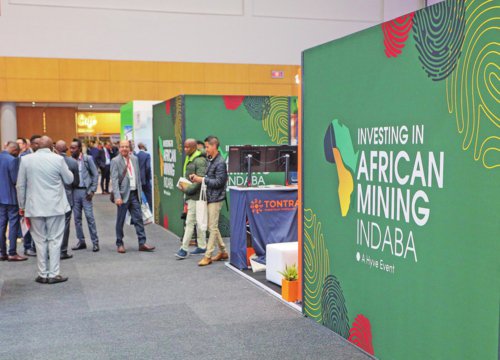
Group 1 - The 2026 Africa Mining Investment Conference commenced in Cape Town, South Africa, featuring high-level dialogues and investment forums [3] - The United States, EU, and Japan have formed a strategic partnership on critical minerals, aiming to establish a "de-risked" supply chain and address global market distortions [3][4] - The Forum on Resource Geopolitics and Economic Security (FORGE) initiative aims to reshape supply chains by coordinating procurement among member countries to ensure price stability and protect local processing projects [4][5] Group 2 - Resource supply countries include Australia, Canada, Indonesia, and the Democratic Republic of the Congo, while technology and investment countries include the US, Japan, South Korea, and parts of the EU [4] - South Korea has been appointed as the first chair of FORGE, tasked with initial organizational coordination until June 2026 [4] - The FORGE alliance plans to reach a memorandum of understanding on critical minerals by late February to early March 2026, establishing a comprehensive supply chain and trade rules independent of major competitors [4][5] Group 3 - The US has launched the "Project Vault," a $12 billion initiative to procure critical minerals for national strategic reserves, ensuring stable supply for advanced manufacturing sectors [6][7] - The plan focuses on approximately 50 essential minerals, particularly those used in clean energy technologies, aligning with the US Department of Energy and Department of Defense's critical mineral lists [6] - Australia has introduced a $1.2 billion National Critical Minerals Stockpile plan to secure essential minerals for its clean energy and defense industries, enhancing its reliability within the FORGE alliance [7][8] Group 4 - The US-Mexico Critical Minerals Action Plan aims to integrate Mexico's mineral resources into a North American supply chain, focusing on clean energy minerals and potential price adjustment mechanisms [10][11] - This plan represents a specific implementation of the FORGE initiative in North America, ensuring that Mexico's resources serve the supply chain needs of the US and its allies [11][12] - The upcoming USMCA review will address strengthening North American supply chains for critical minerals and electric vehicle components, potentially reshaping trade rules [12] Group 5 - The FORGE initiative and associated plans may disrupt global trade norms, as they introduce mechanisms that could interfere with market pricing and violate WTO principles [13][14] - The US's approach may lead to inefficiencies and increased costs in the global economy, as countries may be forced to choose sides, impacting resource sovereignty and development paths [14]
美国拉拢55国建稀土联盟,多国代表踊跃出席,首个为中国发声的国家现身
Sou Hu Cai Jing· 2026-02-11 01:49
Core Viewpoint - The meeting in Washington aimed to reshape global supply chains by focusing on critical minerals, with a clear objective to reduce dependency on single sources and establish a new framework for trade agreements [1][10]. Group 1: Meeting Objectives and Framework - The concept of a critical minerals trade zone was introduced, emphasizing price coordination, tariff adjustments, and procurement mechanisms rather than traditional free trade agreements [1]. - Participating countries are required to finalize specific agreements with the U.S. by mid-year, or they may face trade restrictions, indicating a sense of urgency from the U.S. [1][22]. - The U.S. Geological Survey highlighted the country's heavy reliance on imports for strategic resources like rare earths, while the International Energy Agency noted China's dominant position in global critical mineral production and processing [1][10]. Group 2: International Collaboration and Challenges - The U.S. is rapidly advancing its agenda by convening ministerial meetings, signing bilateral cooperation documents, and initiating reserve plans to support overseas mineral extraction and investment [1]. - Countries like Argentina, Ecuador, and others are included in the cooperation list, covering key resource areas in South America, Africa, and Central Asia [1]. - However, there are internal divisions among alliance members, with some countries expressing concerns about the political implications of the agreements and the potential for hidden barriers [2][4][13]. Group 3: Diverse National Responses - Argentina's stance is particularly noteworthy, as its foreign minister stated that the agreement with the U.S. would not restrict Chinese investment, reflecting a desire to balance relations with both the U.S. and China [5]. - This dual-track strategy is indicative of many resource-rich countries that seek external capital and technology while avoiding alignment with a single major power [5][28]. - The cautious approach of many participating nations suggests a preference for parallel cooperation frameworks rather than a complete shift to the U.S.-led system [9][10]. Group 4: Economic and Political Implications - The strategic value of critical minerals extends beyond traditional industries, impacting sectors like electric vehicles, semiconductors, and defense equipment, which all require stable raw material supplies [10]. - The U.S. aims to establish a reliable supply chain that is not influenced by geopolitical tensions, but the definition of "uninterrupted" supply chains is politically charged and lacks objective standards [14][15]. - Concerns about potential cost increases due to new agreements and the desire for flexibility in negotiations highlight the complexities of balancing economic interests with political intentions [18][19]. Group 5: Future Outlook and Dynamics - The outcomes of the meeting were presented as a cooperation framework rather than legally binding treaties, indicating that deeper integration is still in the exploratory phase [20][21]. - The U.S. has set a mid-year deadline for agreements, but actual implementation may be delayed due to legislative processes and local opposition [22][23]. - The evolving dynamics of the critical minerals market suggest that the direction of mineral flows will be determined by economic rationality, technical feasibility, and political trust, rather than unilateral decisions [29][32].
金风科技被查,股价稳住了?
IPO日报· 2026-02-09 11:24
Core Viewpoint - The article discusses the recent investigation by the European Commission into Goldwind Technology (金风科技) under the Foreign Subsidies Regulation (FSR), highlighting the implications for the company and the broader context of EU-China relations in the renewable energy sector [2][4][5]. Group 1: Investigation Context - On February 3, the European Commission announced a deep investigation into Goldwind Technology's operations in the EU wind power market, marking a significant action against a Chinese company under the FSR [4]. - This investigation is part of a broader trend where the EU has targeted multiple Chinese companies in 2024, indicating a pattern of scrutiny towards Chinese enterprises in the renewable energy sector [5]. - The Chinese Ministry of Commerce criticized the EU's actions as a form of protectionism disguised as fair competition, citing issues such as insufficient evidence and lack of transparency in the investigation process [5]. Group 2: Market Reaction and Company Performance - Despite the investigation, Goldwind Technology's stock price showed resilience, opening at 26.02 yuan and closing at 26.19 yuan, recovering from a previous drop [1][2]. - The company's stock performance is attributed more to sector-wide adjustments rather than direct fallout from the EU investigation [4]. - As of September 30, 2025, Goldwind Technology reported a high debt-to-asset ratio of 73.11%, indicating potential financial vulnerabilities [7]. Group 3: Strategic Implications - The EU's investigation is seen as an attempt to weaken the competitive edge of China's renewable energy sector, particularly in wind power, as Goldwind is a major player in this field [6]. - The article suggests that the EU's actions are driven by a desire to enhance energy sovereignty and reduce reliance on Chinese technology and products [6]. - The rise of right-wing populism in the West is contributing to a narrative that positions China as a systemic competitor, influencing policy decisions that affect Chinese companies [6].