品牌差异化

Search documents
从卖产品到做文化:京东、李宁、梅见青梅酒等六大品牌的艺术实践路径
Sou Hu Cai Jing· 2026-02-26 06:51
2026 年 2 月,阿里旗下人工智能产品千问推出"春节 30 亿大免单"活动。用户只需输入提示词"一句话 点奶茶",即可领取 25 元无门槛奶茶免单卡并直接下单。短时间内,平台生成数百万至千万级订单,全 国多地奶茶店爆单、外卖骑手排队取餐、部分系统出现拥堵,相关话题迅速登上社交媒体热榜首位。 越来越多企业开始把答案指向那些难以被标准化与复制的能力:审美判断、文化表达与艺术创造。京 东、中国李宁、梅见青梅酒、宜家等企业已经开始同步布局艺术领域,将审美与艺术表达视为新的长期 投入方向,形成差异化竞争力。 这一事件成为一次典型的 AI 放大效应样本:技术将"决策—下单—履约"的路径压缩到极短时间,用户 行为被大规模集中释放,效率与流量在瞬间被推至峰值。 但与此同时,它也揭示出一个更深层的问题:技术工具逐渐普及、自动化生产内容与获取流量的能力趋 同后,品牌之间真正的差异化优势正在减弱。 以下选取六个案例,从艺术理念、艺术实践和艺术成果三个方面进行梳理,观察企业如何通过艺术提升 长期价值。 ● 京东 艺术理念 京东将艺术视为企业公共属性建设的一部分。除电商与物流效率体系外,京东希望通过长期文化艺术空 间投入,强化与城 ...



茉酸奶收购酸奶罐罐,成为行业“新发展”缩影
Mei Ri Jing Ji Xin Wen· 2026-01-08 13:48
Group 1 - The acquisition of the yogurt brand "酸奶罐罐" by "茉酸奶" reflects the ongoing capital restructuring in the ready-to-drink tea and coffee industry, as the market transitions from high growth to a phase of stock competition [1] - In 2025, key events in the tea and coffee market included several brands going public and the rise of instant retail platforms, which significantly impacted sales but also created challenges for franchisees [1][3] - The market size of the new-style tea market reached 374.93 billion yuan in 2025, growing by 5.7% year-on-year, indicating a slowdown compared to previous years [7] Group 2 - The intense subsidy war initiated by instant retail platforms led to a significant increase in transaction volume but a decrease in average order value, with tea and coffee market consumption growing by 39.2% and 42.6% respectively, while average prices fell by 16.3% and 10.7% [3] - Franchisees are becoming more cautious in their investments, focusing on prime locations, cost control, and partnering with leading brands, as the market becomes increasingly competitive [7][8] - The trend of product homogenization continues, with fewer collaborations between brands and IPs, indicating a need for differentiation and stability in supply chains [8][10]

雷军:小米对待产品研发非常认真 小产品想做好也不易
Sou Hu Cai Jing· 2026-01-08 01:58
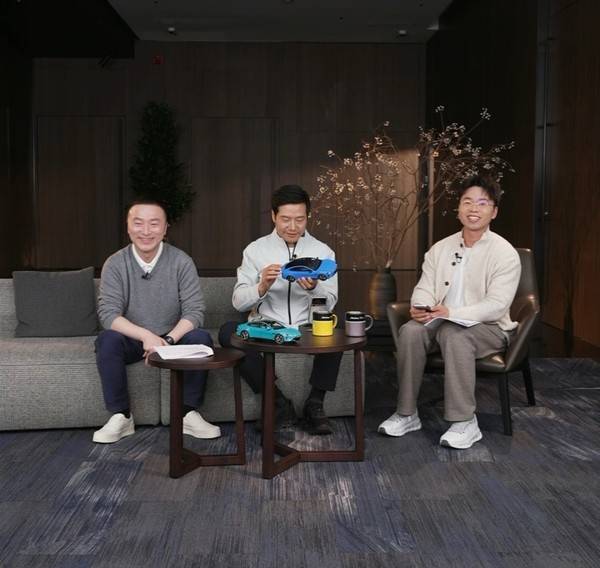
Core Viewpoint - Xiaomi's CEO Lei Jun addressed the controversy surrounding the extensive discussions about a cup, clarifying that there were at least 16 meetings related to it, although these meetings were not solely focused on the cup [1]. Group 1: Product Development - The core design goal for the cup was to accurately replicate the unique texture and color of the Xiaomi SU7 Ultra car paint, involving extensive refinement of materials and processes [3]. - The material for the cup was changed from ceramic to stainless steel to better reflect the visual effects of metallic paint, and the color scheme underwent multiple adjustments, ultimately using a complex "masking" technique [3]. - The final design included a color line and logo that required manual application to enhance the tactile experience, showcasing the iterative process of product development [3]. Group 2: Company Philosophy - Lei Jun emphasized that even seemingly simple products require significant effort to perfect, reflecting Xiaomi's serious approach to product development across all categories, including accessories like mugs [4]. - The company's meticulous attention to detail is evident in its automotive designs, where numerous wheel designs were created, highlighting a consistent pursuit of quality [4]. - Analysts suggest that this commitment to product quality is crucial for Xiaomi in building brand differentiation and enhancing user reputation in the competitive consumer electronics and automotive sectors [4].

周杰伦代言美团外卖,周天王能给美团带来什么?
Xin Lang Cai Jing· 2025-12-24 01:43
Core Viewpoint - Meituan has officially announced that Jay Chou, a prominent figure in the Chinese music industry, will serve as the brand ambassador for its food delivery service, marking his first foray into the food delivery endorsement space. This follows Meituan's previous signing of actress Liu Yifei in 2023, further enhancing its brand influence [1][4]. Group 1 - This initiative helps Meituan strengthen brand differentiation and enhance its user mindshare in the instant delivery sector, especially as the food delivery industry has entered a phase of stock competition with slowing user growth and prominent service homogenization issues [3][6]. - By leveraging Jay Chou's broad national recognition and emotional connection, Meituan aims to activate user emotional resonance, transforming the technical service of "1-to-1 urgent delivery" into a tangible and personalized consumer experience, thereby establishing brand associations of "faster and more exclusive" in consumers' minds [3][6]. - Jay Chou's endorsement is expected to help Meituan expand its high-value user base and enhance user stickiness, as his core fan demographic spans from the 1980s to the 2000s, characterized by strong purchasing power and brand loyalty [3][6]. Group 2 - The high-cost signing of a top-tier celebrity serves as a positive signal to the market, indicating Meituan's robust platform strength and ongoing commitment to innovation [4][7]. - In a context where capital market attention is waning and profitability pressures in local life services are increasing, this move not only solidifies Meituan's market leadership but also conveys its determination to enhance user experience to competitors, merchants, and delivery personnel [4][7]. - Jay Chou's entry into food delivery endorsements injects scarcity and topicality into the brand, potentially igniting social media buzz and reducing customer acquisition costs in the short term [4][7].

渠道与品牌建设双轮驱动 中国旺旺上半财年营收达111.08亿元
Zheng Quan Ri Bao Wang· 2025-11-25 06:31
Core Viewpoint - China Wangwang Holdings Limited reported a mixed performance for the first half of the 2025 fiscal year, with revenue growth but a decline in net profit, highlighting the importance of product innovation and channel development for future growth [1][2][5]. Financial Performance - For the first half of the 2025 fiscal year, the company achieved revenue of 11.108 billion yuan, a year-on-year increase of 2.1%, while net profit attributable to shareholders was 1.717 billion yuan, a decrease of 7.8% [1]. - The gross profit margin declined by 1.1 percentage points to 46.2%, influenced by rising costs of imported whole milk powder and palm oil, despite some decreases in the costs of other raw materials [1]. Business Segments - The company’s four main business segments showed balanced development, with dairy and beverage products accounting for approximately 53% of total revenue, and rice snacks and leisure foods making up about 46% [1]. - Beverage business saw a remarkable performance with nearly 40% revenue growth and doubled sales, while traditional dairy products experienced a slight decline [1]. Product Innovation - New products have become a significant growth driver, contributing 25% of revenue in the leisure food segment and nearly 50% in the beverage segment, indicating the impact of product innovation on performance [1]. - The company invested over 400 million yuan annually in R&D, leading to the launch of various new products and technologies, including health-focused snacks and functional foods [3]. Marketing and Channel Strategy - The overall operating expenses increased by 10.6% due to new promotional costs associated with internal organizational restructuring and product category segmentation [2]. - The company is implementing a differentiated branding strategy across various product lines, focusing on health and wellness trends, and enhancing consumer engagement through innovative marketing activities [2][4]. Channel Development - Significant growth was observed in emerging channels, which accounted for over 10% of total revenue, with online sales leveraging platforms like Tmall and Douyin for rapid growth [3]. - The company is actively expanding its offline retail network and employing a tiered operational strategy for community and specialized stores to improve brand reach and sales effectiveness [3]. Future Outlook - The management plans to continue focusing on "channel refinement" and "brand differentiation" strategies, optimizing channel structures and increasing investment in product innovation to achieve sustainable high-quality growth [4][5].

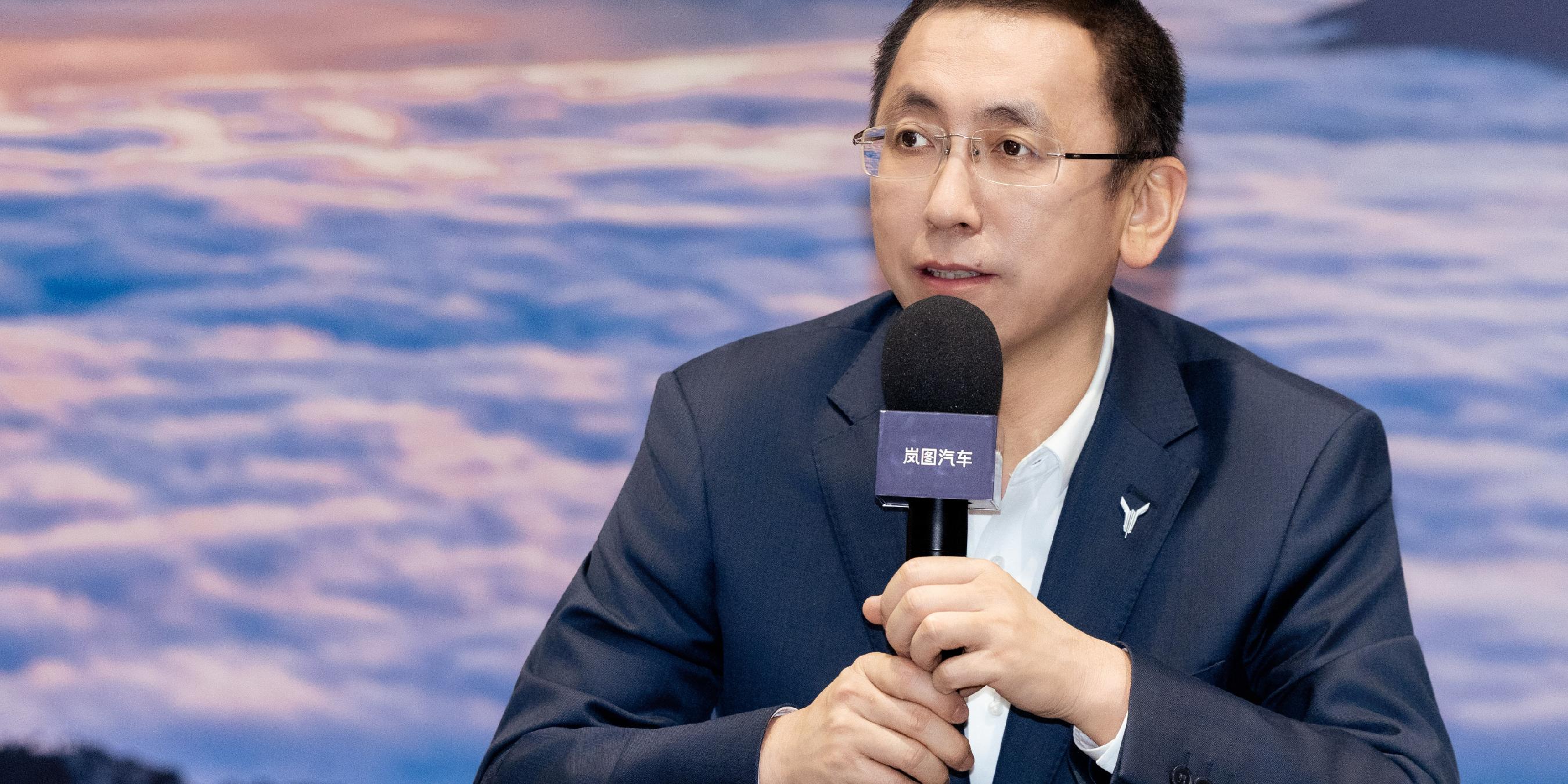
岚图卢放:要把中国文化和品牌故事讲好、结合好
Jing Ji Guan Cha Wang· 2025-11-25 03:02
Core Insights - The launch of the Lantu Taishan, a six-seat SUV, has garnered significant industry attention, with a price exceeding 500,000 yuan, elevating the overall pricing strategy of Lantu Motors [2] - The vehicle incorporates numerous elements of Chinese culture in its design and branding, aiming to establish a unique identity in the competitive luxury SUV market [2][3] - Lantu Motors aims to showcase its manufacturing capabilities and drive brand development through the Taishan model, which is positioned to appeal to high-end elite consumers [6][7] Design and Features - The Lantu Taishan features a design inspired by traditional Chinese elements, including the "Kunpeng spreading its wings" shape and headlights inspired by the oracle bone script for "water" [3] - The vehicle is equipped with advanced technology, including Huawei's ADS 4 laser radar, a 800V intelligent hybrid system, and high-strength steel components [4][6] - Interior features include a dual-door intelligent cooling and heating box, a 32-speaker sound system, and a 21.4-inch entertainment screen, catering to luxury and comfort demands [6] Market Positioning and Sales Strategy - Lantu Motors has positioned the Taishan in the 400,000 to 500,000 yuan price range, targeting high-end consumers who value social status and family safety [3][6] - The company has reported an 82% year-on-year increase in cumulative deliveries from January to October, with a gross margin of 21.3% achieved in the first seven months of the year [6] - A comprehensive upgrade of sales channels has been implemented, with showrooms starting at 2,500 square meters to enhance the luxury customer experience [7]
团课商战,在健身圈上演
3 6 Ke· 2025-11-13 02:51
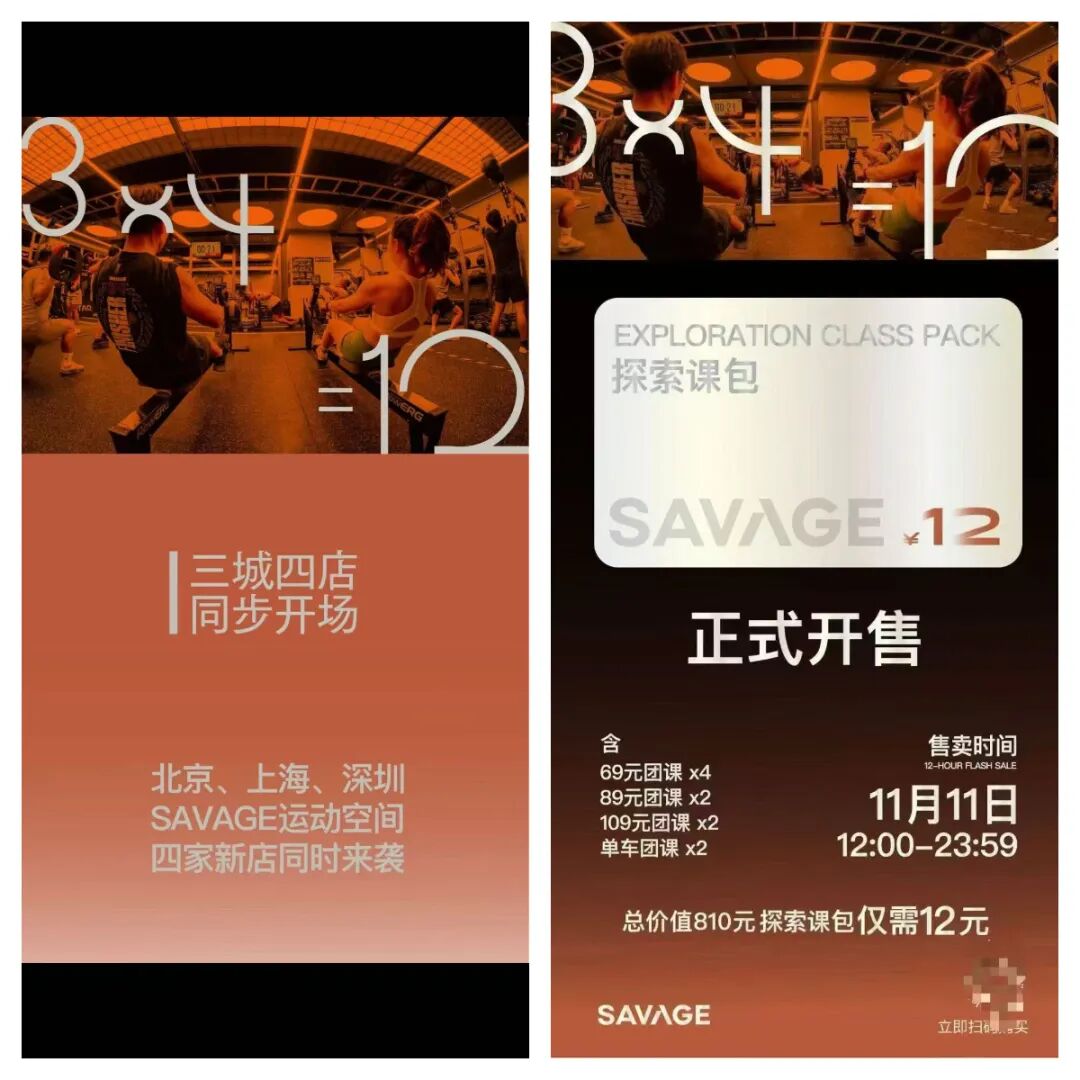
Core Insights - The article discusses the aggressive pricing strategy of the emerging fitness brand Savage, which launched a promotional package allowing users to access 10 group classes for only 12 yuan, significantly disrupting the fitness market [1][5][20] - This pricing strategy has led to a surge in interest and participation in group classes, with many users from other fitness brands and even non-gym-goers trying out Savage's offerings [7][10] - The competitive landscape in the fitness industry is shifting, with established brands like Super Monkey and LeKe struggling to keep up with Savage's aggressive tactics, leading to a potential crisis for these brands [8][11][20] Industry Dynamics - The launch of Savage's promotional package coincided with the Double 11 shopping festival, a time when many fitness brands typically offer discounts, but Savage's offer was unprecedented in its depth [4][8] - The fitness industry is experiencing a significant user migration, with Savage attracting members from various other fitness brands, indicating a potential shift in brand loyalty and user preferences [7][10] - The article highlights the ongoing challenges faced by traditional fitness brands, including high competition, user retention issues, and the need for differentiation in a market where course offerings are becoming increasingly homogeneous [14][20] Market Trends - The article notes a growing trend towards low-cost fitness options, with consumer behavior indicating a sensitivity to pricing while also seeking quality experiences in fitness [18][20] - There is a notable shift in consumer expectations, with users now looking for a comprehensive fitness experience that includes location, course quality, instructor expertise, and price [18][20] - The competitive landscape is evolving, with brands needing to adapt to changing consumer demands and market conditions to ensure sustainable growth and user retention [20]
三季报折射小家电“双重困局”:国内红海刺刀见红,海外蓝海风高浪急
Hua Xia Shi Bao· 2025-11-01 08:57
Core Insights - The kitchen small appliance industry is experiencing a "ice and fire" situation, with some companies reporting strong revenue and profit growth, while others face declines in both metrics [2] - The disparity in performance among companies is attributed to differences in product innovation capabilities and the lifecycle stage of existing products [2][4] - The market is undergoing structural upgrades, with a shift towards high-end products driven by national subsidies and increased consumer standards for product updates [2][7] Company Performance - Beiding Co. reported revenue of 219 million yuan, a year-on-year increase of 18.98%, and a net profit of 27.1 million yuan, up 288.95% [3] - Xiaoxiong Electric achieved revenue of 1.156 billion yuan, a 14.73% increase, and a net profit of 41.01 million yuan, up 113.16% [3] - Joyoung Co. experienced mixed results, with revenue of 1.598 billion yuan, down 10.99%, but a net profit of 854,600 yuan, up 101.11% [5] - Xinbao Co. reported revenue of 4.481 billion yuan, down 9.78%, and a net profit of 298 million yuan, down 13.05% [5] - Supor Co. had revenue of 5.42 billion yuan, down 2.3%, and a net profit of 426 million yuan, down 13.42% [5][6] Market Trends - The kitchen small appliance market is transitioning from a "necessity" phase to a "quality" phase, with a focus on product upgrades and competition among existing products [7] - The overall retail sales of kitchen small appliances are projected to decline by 9.6% in 2023 and 0.8% in 2024, but are expected to rise by 9.3% in the first half of 2025 due to national subsidies [7] - The market is shifting towards improvement-driven demand, emphasizing smart, personalized, and aesthetically pleasing products [7][8] Strategic Directions - Companies are focusing on product innovation to address consumer needs for health, cooking enjoyment, and quality [8] - The market is moving from a "price war" to a "value war," with an increase in average prices for small appliances [8] - Companies are exploring international markets, but face challenges such as trade barriers and geopolitical uncertainties [9]




推汉堡、做周边 M Stand欲讲新故事
Bei Jing Shang Bao· 2025-10-15 00:45
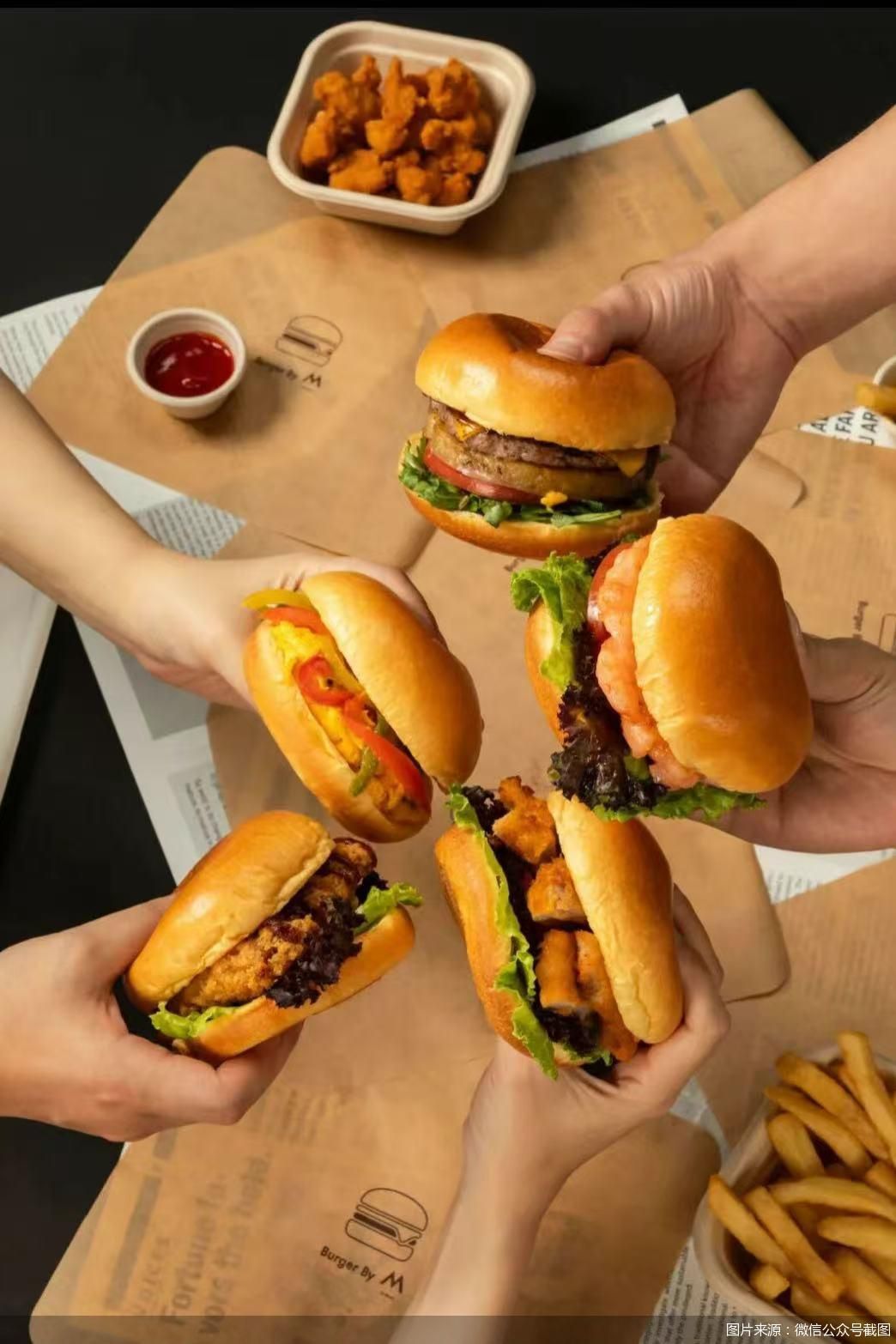
Core Insights - M Stand is attempting to diversify its offerings by launching a new concept store, Maison by M Stand, which includes not only coffee but also food items and alcoholic beverages, aiming to create a more integrated retail experience [1][2][4] - The new store format reflects a strategic shift as M Stand seeks growth opportunities amid a slowdown in expansion, with a focus on differentiation in a highly competitive coffee market [1][5][7] Store Concept and Offerings - The concept store features a darker, industrial design, contrasting with the bright style of traditional M Stand locations [2] - In addition to coffee, the store offers handmade burgers priced between 28-48 yuan, fries at 18 yuan, chicken nuggets at 22 yuan, and chicken wings at 36 yuan, maintaining a mid-to-high-end pricing strategy [2][4] - Consumer feedback on the new offerings is mixed, with some praising the food and social aspects, while others criticize the portion sizes and pricing [2][5] Market Position and Competition - M Stand has opened over 500 stores across 40 cities since its first store in 2017, but its expansion rate has slowed significantly, with only 36 new stores opened in 2023 as of mid-September [3][5] - The coffee market is characterized by intense competition, with various brands adopting different strategies, such as low pricing or expanding product lines beyond coffee [6][7] - M Stand's new store format aims to address the challenges posed by competitors like Luckin Coffee and Starbucks, which have diversified their offerings [6][7] Operational Challenges and Future Directions - The complexity of the new store format presents operational challenges, including supply chain management and employee training, which could impact brand consistency [8] - M Stand is encouraged to focus on brand differentiation and innovation to maintain consumer loyalty and adapt to market demands [9] - Future growth may involve exploring new markets, including lower-tier cities and international expansion, tailored to regional consumer preferences [9]
做汉堡炸鸡、卖人宠周边 M Stand讲新故事求变
Bei Jing Shang Bao· 2025-10-14 13:56
Core Viewpoint - M Stand is attempting to diversify its offerings by opening a new concept store, Maison by M Stand, which includes food items and alcoholic beverages, aiming to find new growth avenues amid slowing expansion [1][3][6]. Group 1: New Store Concept - The new concept store features a darker, industrial design, contrasting with traditional bright coffee shop aesthetics, and offers a range of products beyond coffee, including handmade burgers, fries, and cocktails [3][5]. - Prices for food items are positioned in the mid-to-high range, with burgers priced between 28-48 yuan, fries at 18 yuan, chicken nuggets at 22 yuan, and chicken wings at 36 yuan, aligning with M Stand's established premium brand positioning [3][5]. Group 2: Consumer Feedback - Consumer reactions to the new concept store are mixed; some appreciate the new food offerings and the ability to bring pets, while others criticize the portion sizes and pricing, particularly for the chicken wings [5][11]. - The brand has not responded to media inquiries regarding the new store and its future plans, despite having over 500 locations across 40 cities since its first store opened in 2017 [5][11]. Group 3: Market Position and Challenges - M Stand's expansion has slowed, with only 36 new stores opened in 2023 as of mid-September, compared to previous years, indicating a need for new growth strategies [9][10]. - The coffee market is highly competitive, with various brands adopting different strategies, such as low pricing or expanding product offerings, making it crucial for M Stand to differentiate itself effectively [10][11]. Group 4: Strategic Considerations - The introduction of food items is a common strategy among coffee brands to drive additional revenue, as seen with Tims China, which reported an 8.6% year-on-year increase in food revenue [9][11]. - M Stand's new store model may face operational challenges due to its complexity, requiring effective management of supply chains and employee training to ensure success [11][12]. - The brand must focus on clear positioning and differentiation to maintain its premium pricing strategy and enhance consumer loyalty [12][13].