自研技术

Search documents
小米18系列定档,雷军抢先友商一步,副屏设计保留,销量继续涨
Sou Hu Cai Jing· 2026-01-17 03:32
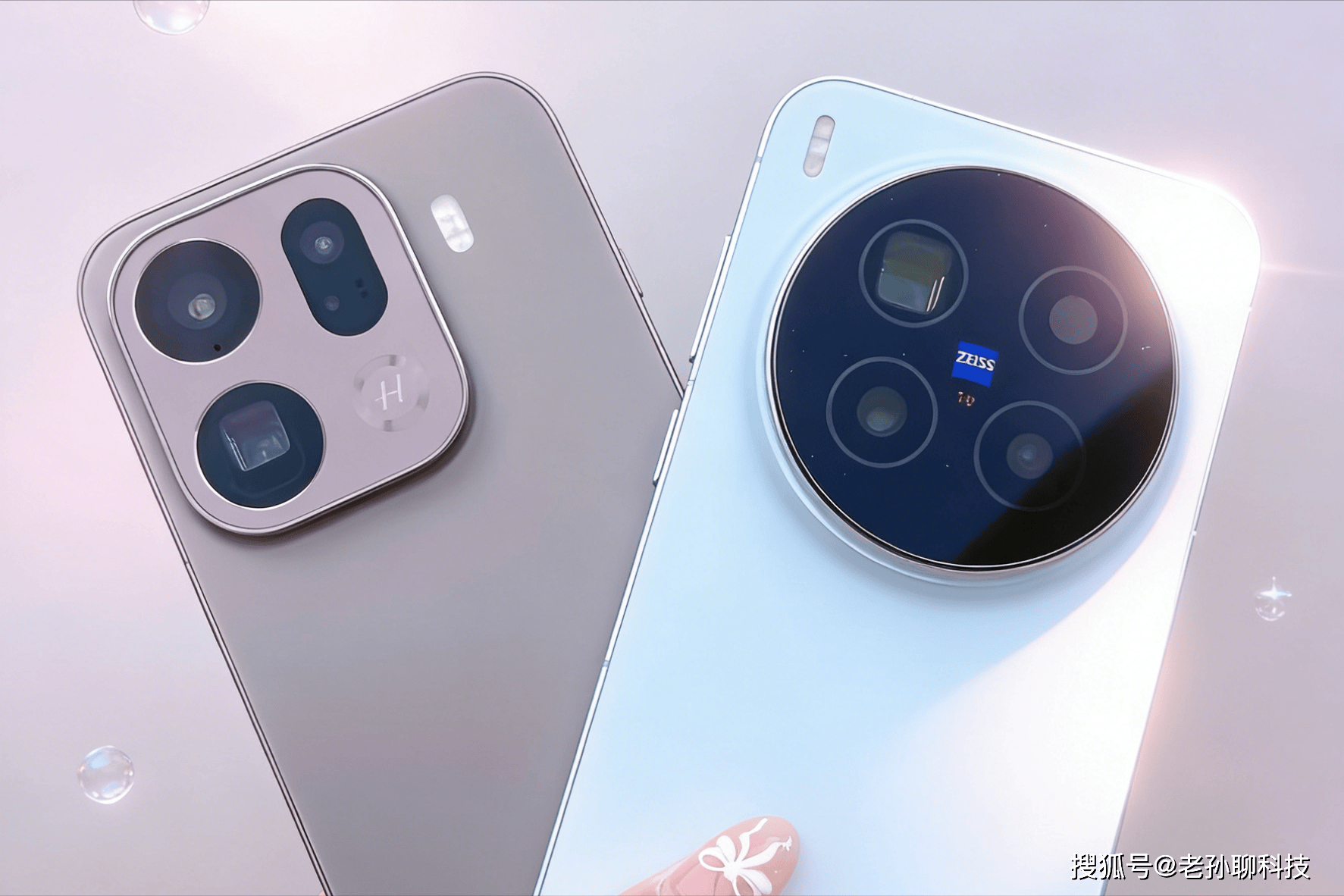
Group 1 - Xiaomi's 17 series has become the best-selling domestic flagship phone within five months of its release, with the 18 series scheduled for launch in September [1][5] - The early release strategy has allowed Xiaomi to maintain a competitive edge over rivals, with the 18 series set to continue the trend of differentiated design, including a secondary screen [1][3] - The sales performance of the 17 series was significantly boosted by its early launch, achieving over 1 million units sold in less than 10 days, which is equivalent to 50% of the total sales achieved in the following 100 days [8] Group 2 - Competitors such as OPPO and Vivo are responding to Xiaomi's success by planning to release their flagship models earlier, potentially in September, to mitigate Xiaomi's first-mover advantage [9][10] - The introduction of new models, including a ProMax version by competitors, indicates a shift towards differentiation in design and features, as they aim to attract consumer attention [9] - Xiaomi is advancing its self-developed technologies, including processors and operating systems, with the 18 series expected to feature the Snapdragon 8 Elite Gen6 processor and possibly a special version with its own OS [12]


油电双驱稳基盘 自研破局待提速
Zhong Guo Zheng Quan Bao - Zhong Zheng Wang· 2025-12-12 03:19
Core Insights - The Chinese automotive market has entered a phase of competition between hybrid and pure electric vehicles, with new energy vehicles accounting for 51.6% of total new car sales in October 2023, marking a significant milestone [1] - GAC Toyota has adopted a strategy of "leading with hybrid and following with pure electric," achieving cumulative sales of 704,000 units in the first 11 months of 2023, but faces challenges related to sales structure imbalance and the transition to new energy [1] Group 1: Market Dynamics - GAC Toyota's hybrid models, particularly the Camry Hybrid, have seen an increase in sales, benefiting from Toyota's fifth-generation hybrid technology, but face competition from rapidly evolving domestic plug-in hybrid technologies [2] - The Camry's fuel consumption of 4.1L/100km is competitive but lacks advantages in "green plate" policies and does not meet consumer demands for pure electric driving scenarios [2] - GAC Toyota has initiated a comprehensive renewal plan to enhance the intelligence of its models, including price reductions for the Highlander and Sienna, aiming to maintain market share amid rising competition [2] Group 2: Challenges in Fuel Vehicle Segment - The fuel vehicle segment is experiencing a passive situation of "price for volume," with significant price reductions for models like the Fanglan and Weilan, yet sales remain stagnant [3] - Dealers report minimal profit margins on fuel vehicles, relying on after-sales services for profitability, which undermines the brand's reputation for durability and reliability [3] Group 3: Electric Vehicle Strategy - GAC Toyota has achieved rapid breakthroughs in the pure electric segment, with the launch of the Platinum 3X, which sold over 10,000 units in November 2023, leveraging a combination of GAC Aion's powertrain and Huawei's HarmonyOS [4] - However, the company faces criticism regarding the balance between proprietary technology and collaborative models, as its own electric platform model, the Platinum 4X, lacks competitive advantages [4] - The weakness in the plug-in hybrid product line is evident, with only one model available compared to competitors like BYD and Geely, which have established comprehensive plug-in hybrid offerings [4] Group 4: Strategic Initiatives - In response to market challenges, GAC Toyota plans to launch a "China Self-Research 2.0 Era" in 2025, focusing on developing new energy platforms compatible with multiple powertrain types and expanding hybrid technology options [5] - The implementation speed of this strategy needs to be accelerated, as only two models have been launched so far, and the sixth-generation hybrid technology is still under development [6] - Industry experts highlight the importance of leveraging GAC Toyota's manufacturing experience and local R&D capabilities to enhance product competitiveness and shorten technology iteration cycles [6]
广汽丰田转型进行时:油电双驱稳基盘 自研破局待提速
Zhong Guo Zheng Quan Bao· 2025-12-11 22:30
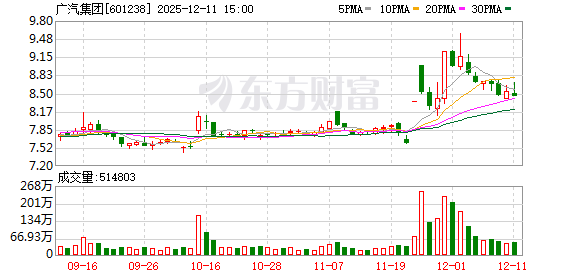
Core Viewpoint - The Chinese automotive market has entered a phase of competition between hybrid and pure electric vehicles, with new energy vehicles accounting for 51.6% of total new car sales in October 2023, marking a significant shift in market dynamics [2] Group 1: Market Dynamics - In the first 11 months of 2023, GAC Toyota achieved cumulative sales of 704,000 vehicles, employing a strategy of "leading with hybrids and following with pure electric" [2] - The sales structure shows signs of imbalance, reflecting common challenges faced by traditional giants amid industry transformation [2] Group 2: Product Performance - The hybrid model, particularly the Camry Hybrid, has seen an increasing sales share, supported by Toyota's fifth-generation hybrid technology [3] - However, competition from domestic plug-in hybrid technologies, such as BYD's Han DM-i, poses significant pressure, as GAC Toyota's hybrid models lack advantages in electric range and policy incentives [3] Group 3: Consumer Preferences - Consumer demand is shifting towards pure electric range and smart features, highlighting weaknesses in GAC Toyota's hybrid offerings [3] - In response, GAC Toyota launched a comprehensive upgrade plan in September, enhancing models like the Highlander and Sienna with improved technology and reduced prices [3] Group 4: Fuel Vehicle Challenges - The fuel vehicle segment is facing a passive situation of "exchanging price for volume," with significant price reductions leading to minimal profit margins [4][5] - Dealers report that reliance on price cuts to maintain sales is compressing profit margins and undermining brand perception [5] Group 5: Electric Vehicle Strategy - GAC Toyota is leveraging resource integration for rapid breakthroughs in the pure electric segment, with the launch of the Platinum 3X model achieving sales of 10,010 units in November 2023 [6] - The model combines GAC Aion's powertrain with Huawei's HarmonyOS, but concerns about technological hollowing arise due to reliance on partnerships [6] Group 6: Future Development - GAC Toyota plans to initiate a "China Self-Research 2.0 Era" in 2025, focusing on developing new energy platforms compatible with various powertrain types [7] - The strategy aims to enhance competitiveness by accelerating the development of proprietary technologies and addressing gaps in the hybrid product line [7] - Industry experts emphasize the need for GAC Toyota to convert its manufacturing experience and local R&D capabilities into competitive products while shortening technology iteration cycles [7]
油电双驱稳基盘自研破局待提速
Zhong Guo Zheng Quan Bao· 2025-12-11 20:17
Core Viewpoint - The Chinese automotive market has entered a phase of competition between hybrid and pure electric vehicles, with new energy vehicles accounting for 51.6% of total new car sales in October 2023, marking a significant shift in market dynamics [1] Group 1: Sales Performance and Market Strategy - GAC Toyota has achieved cumulative sales of 704,000 units in the first 11 months of 2023, employing a strategy of "leading with hybrids and following with pure electric" [1] - The hybrid model of the Camry has seen an increasing sales share, benefiting from Toyota's fifth-generation hybrid technology, but faces competition from rapidly evolving domestic plug-in hybrid technologies [1] - GAC Toyota's fuel vehicle segment is experiencing a passive situation, with significant price reductions implemented to maintain sales, leading to reduced profit margins [2] Group 2: Product Development and Technological Integration - GAC Toyota has launched the "All-New Series" plan to enhance the intelligence of its hybrid models, including significant price cuts for the Highlander and Sienna to solidify market share [2] - The introduction of the Platinum 3X, which utilizes GAC Aion's powertrain and Huawei's HarmonyOS, has positioned it among the top-selling joint venture new energy vehicles, showcasing a rapid breakthrough through resource integration [2][3] - However, GAC Toyota's proprietary electric platform model, the Platinum 4X, lacks competitive advantages in the market, indicating a need for improvement in self-developed technologies [3] Group 3: Future Strategies and Challenges - GAC Toyota plans to initiate the "China Self-Research 2.0 Era" in 2025, focusing on developing new energy platforms compatible with multiple powertrain forms, which is seen as a critical attempt to break the "market for technology" framework [3] - The company is urged to accelerate the rollout of its strategies, as current progress shows limited new model launches and ongoing development of sixth-generation hybrid technology [4] - Industry experts emphasize the importance of leveraging GAC Toyota's manufacturing experience and local R&D capabilities to enhance product competitiveness and shorten technology iteration cycles [4]
深圳这家公司,将麦克风卖给全世界500万创作者
36氪· 2025-09-05 14:25
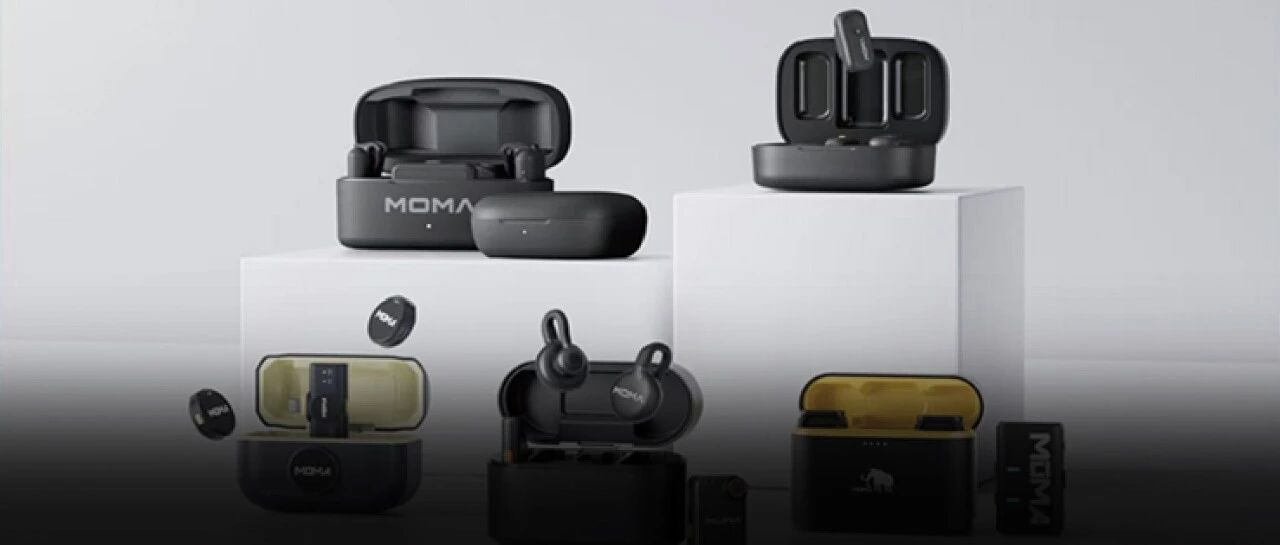
Core Insights - The article highlights the rapid growth of the digital wireless portable microphone market, which reached a global scale of 10.4 billion yuan in 2023, with China alone selling 5 million units annually [1][3] - The company Mengma has emerged as a leading player in the domestic market, achieving the highest sales of wireless microphones for two consecutive years [3][4] - Mengma's success is attributed to its focus on core technology, product innovation, and a user-centric approach in product development [8][20] Market Overview - The digital wireless microphone market is experiencing intense competition, with over 450 brands in China by 2024 [1] - The market is shifting from niche to mainstream, driven by the increasing popularity of short videos and live streaming [31] Company Profile: Mengma - Mengma has established itself as a top brand in the domestic wireless microphone market, competing successfully against established international brands [3][12] - The company has expanded its product line from wireless transmission and communication to include wireless microphones and live streaming cameras [5][14] Technological Advancements - Mengma has built a robust R&D team of nearly 500 people and holds over 220 core patents, investing 20% of its revenue annually in R&D [13][14] - The company has developed a comprehensive technology ecosystem covering wireless transmission, audio processing, and imaging algorithms, which enhances product performance [14][15] User-Centric Approach - Mengma emphasizes a "listening brand" philosophy, actively engaging with users to gather feedback and improve products [20][25] - The company has implemented a user demand pool to inform product development, ensuring that user needs are met and often exceeded [21][22] Future Outlook - The wireless microphone market is expected to grow further as content creation becomes more professional and diverse, with increasing demand from online education and remote conferencing [31][32] - Mengma plans to elevate its brand recognition and compete on a global scale, transitioning from product-based competition to brand-based competition [26][28]
李想回答校招生提问
理想TOP2· 2025-08-31 09:43
Core Viewpoint - The company emphasizes the importance of integrated hardware and software solutions in the development of intelligent vehicles, highlighting the need for a cohesive approach to chip delivery and functionality [1][2]. Group 1: Product Development and Strategy - The company is focused on matching its own chips with larger-scale models and longer cognitive chains, ensuring that chip delivery is accompanied by functional capabilities [1]. - The company aims to create a high-quality aesthetic for its vehicles, as visual appeal is considered a critical factor in consumer choice, serving as a potential deal-breaker [2]. - The company believes that the development of autonomous driving technology has progressed significantly, moving from a lagging position to being in the first tier of the industry, with expectations of further advancements in the coming year [3]. Group 2: Market Perception and Communication - The company acknowledges that new technological advancements may not be easily understood by all consumers, drawing parallels to the initial reception of Apple's M1 chip, which was not immediately grasped by the general public [2]. - The company is committed to conducting research and development before product commercialization, ensuring that technological innovations are well-founded and effectively communicated to the market [2].


理想i8正式发布,将于8月20日开启交付
Ju Chao Zi Xun· 2025-07-30 02:48
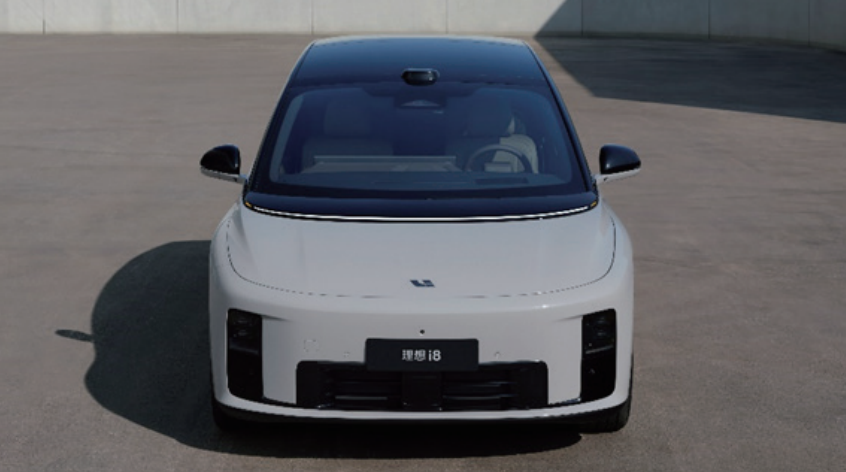
Core Insights - Li Auto officially launched the Li Auto i8, a six-seat pure electric SUV, on July 29, 2023, aiming to redefine family travel with its all-terrain capability, car-like handling, and MPV comfort [2] Pricing and Delivery - The Li Auto i8 is available in three versions: Pro priced at RMB 321,800, Max at RMB 349,800, and Ultra at RMB 369,800, with deliveries set to begin on August 20, 2025 [2] Electric Drive System - The i8 features a self-developed electric drive system designed for low noise and energy consumption, utilizing a rotor structure and transmission system to minimize vibrations and noise, achieving industry-leading cabin quietness [2] - The electric drive system incorporates self-developed silicon carbide power chips and modules for high efficiency, low loss, and rapid heat dissipation, further enhancing energy savings [2] Battery Technology - The i8 is equipped with two versions of a 90.1 kWh and 97.8 kWh ternary lithium 5C supercharging battery, offering CLTC ranges of 670 km and 720 km respectively, with a rapid charging capability of 500 km range in just 10 minutes [3] - Battery health remains above 80% after 1,500 full charge-discharge cycles in supercharging mode, demonstrating durability [3] Charging Network - Li Auto has established the largest supercharging network among domestic automakers, with 3,000 supercharging stations, including approximately 1,000 high-speed stations and 2,000 urban stations across over 250 cities [4] Advanced Driver Assistance Systems - The i8Pro comes standard with the Li Auto ADPro system, featuring a Horizon J6M chip with 128 TOPS of computing power, while the Max and Ultra versions include the ADMax system with an NVIDIA Thor-U chip offering 700 TOPS [5] - The ADMax system will utilize a self-developed VLA driver model, enhancing user interaction and driving experience through advanced learning capabilities [5] Intelligent Features - The Li Auto i8 incorporates the upgraded Li Auto Classmate intelligent assistant, capable of performing complex tasks and utilizing tools autonomously, enhancing user experience with personalized features [6] - The intelligent assistant can remember individual family members' preferences and provide tailored services, ensuring a more convenient and emotionally valuable driving experience [6]
Nio Q1 Revenue and Deliveries Up
The Motley Fool· 2025-06-04 18:13
Core Insights - Nio reported a year-over-year increase in vehicle deliveries and revenue for Q1 2025, with 42,094 vehicles delivered and total revenue of RMB 12 billion, reflecting a 21.5% increase year-over-year but a 38.9% decrease quarter-over-quarter [1] - The company aims for a delivery guidance of 72,000–75,000 units for Q2 2025 and targets breakeven with double-digit gross margins by Q4 2025 [1][9] Group 1: Financial Performance - Vehicle gross margin reached 10.2% in Q1 2025, with expectations to improve to approximately 15% in Q2 due to new model launches and cost reductions [1][4] - Operating expenses are projected to decline significantly, with R&D expenses capped at RMB 2 billion–2.5 billion per quarter, representing a 20% to 25% year-over-year decrease [3][9] Group 2: Strategic Initiatives - Nio is managing three brands—Nio, Onvo, and Firefly—with distinct product launches planned for Q2 and Q3, supported by cross-brand resource integration to reduce operating expenditures [2] - The transition to an inventory-based sales model is expected to enhance delivery volumes and align with consumer demand for immediate delivery [6][8] Group 3: Operational Goals - Monthly delivery targets for Q4 2025 are set at 50,000 units across all brands, with a vehicle gross margin target of 17%–18% and SG&A expenses within 10% of sales revenue [6][9] - The company is focused on leveraging in-house technology to improve margins and maintain competitive advantages in the market [5]

小米YU7能否拯救雷军的信任危机
Sou Hu Cai Jing· 2025-05-30 13:42
Core Viewpoint - Recent negative events surrounding Xiaomi's automotive venture have led to a trust crisis for Lei Jun and the company, challenging their previously established image of sincerity and responsibility [3][4][6] Group 1: Negative Events Impacting Trust - Incidents involving Xiaomi car owners, including high-speed driving and accidents, have raised concerns about the safety and social responsibility of Xiaomi's vehicles [3] - A fatal accident following Lei Jun's claims about end-to-end autonomous driving has intensified public scrutiny regarding Xiaomi's vehicle quality and safety [3] - Allegations of false advertising related to the carbon fiber hood and issues with compensation for dissatisfied customers have further damaged Xiaomi's reputation [3][4] - The design similarities of Xiaomi's SU7 to Porsche have led to accusations of imitation, reinforcing negative perceptions about Xiaomi's innovation capabilities [6] Group 2: Efforts to Regain Trust - Xiaomi's introduction of the YU7 model and the self-developed Xuanjie chip is seen as an attempt to shift focus from the ongoing trust crisis [4][6] - Despite high initial attention, public sentiment regarding the YU7 and Xuanjie chip remains skeptical, particularly concerning the authenticity of the self-developed claims [4][6] - The YU7's design, while visually appealing, has been criticized for lacking originality and core technological advancements compared to competitors like BYD and Huawei [6][11] Group 3: Recommendations for Recovery - To rebuild trust, Xiaomi must genuinely address issues rather than deflecting them, emphasizing sincerity in their crisis management approach [8][9] - Acknowledging the fundamental differences between marketing consumer electronics and automotive products is crucial; the company should adopt a more respectful attitude towards the complexities of car manufacturing [9][11] - Increasing investment in original technology and research and development is essential for long-term success, as current strategies rely heavily on marketing and resource integration rather than innovation [11][13][15]

i8 vs. ES8,小鹏做增程,蔚小理无法回避的竞争
汽车商业评论· 2025-05-20 23:34
Core Viewpoint - The article discusses the product launch strategies and future plans of three major electric vehicle manufacturers: NIO, Xpeng, and Li Auto, highlighting their new models, technological advancements, and market competition dynamics [3][5][7]. Company Overview - NIO plans to release a total of 9 models by 2025, with 6 under its brand, including the recently launched ET9, ES6, and EC6 [7]. - Xpeng has 7 models planned for this year, with G6 and G9 already launched, while other models like G7 and new P7 are yet to announce pricing [7][8]. - Li Auto's key models include the i8 and i6, with the i8 set to launch in July [7][8]. Product Planning - NIO's product lineup includes 4 refreshed models and 1 new model, while Xpeng's includes several refreshed versions and new models [5][7]. - Li Auto's L series has undergone significant updates, with a focus on enhancing features and introducing new models [7][12]. Launch Strategies - NIO has opted for online launch events to reduce costs, while Xpeng utilizes social media for pre-launch marketing, extending the promotional period [9][12]. - Li Auto prefers to synchronize product highlights with user experiences during launches, minimizing pre-release information [9][12]. Sales Targets - NIO aims for a sales target of 440,000 units, Xpeng targets 380,000 units, and Li Auto's target is disputed, with claims of 700,000 units being denied [9][12]. Technological Advancements - All three companies are focusing on self-developed technologies, including operating systems and autonomous driving chips [20][24]. - Li Auto introduced its self-developed Star Ring OS, which is open-sourced to encourage community contributions [21][22]. - NIO's NX9031 chip has been integrated into its latest models, showcasing its technological capabilities [14][24]. AI and Autonomous Driving - Li Auto is shifting towards a VLA driver model for intelligent driving, while Xpeng focuses on end-to-end AI solutions [25][26]. - The competition in AI capabilities is intensifying, with each company adopting different strategies to enhance their offerings [25][26]. Market Competition - The competition among NIO, Xpeng, and Li Auto is becoming more pronounced, with NIO and Li Auto facing direct competition, while Xpeng's lower price point provides some buffer [27][28]. - The overall market is expected to become increasingly competitive as more models are introduced [28].