
内需主导

Search documents
东莞证券研究所负责人曹君瑞:政策合力落地 中国经济加速孕育新动能
Zheng Quan Shi Bao Wang· 2025-12-18 23:32
(原标题:东莞证券研究所负责人曹君瑞:政策合力落地 中国经济加速孕育新动能) 证券时报记者 胡飞军 近日,在中央经济工作会议部署2026年经济工作、政策方向,以及美国美联储技术性扩表之际,全球两 大经济体的政策周期交汇与市场联动成为关注焦点。 围绕中美政策动向与宏观经济演绎逻辑,证券时报记者采访了东莞证券研究所负责人曹君瑞。他表示, 中国在"更加积极"与"适度宽松"的政策组合下,预计将通过财政加力与货币协同,构建"内需主导、结 构改革"的宏观环境;而美联储技术性扩表标志着其流动性管理正式进入以"防御风险、稳定利率"为核 心的新阶段。 曹君瑞认为,中美政策的交汇,将为2026年带来更为稳定的全球经济环境。中国政策坚持"稳中求进"总 基调,加快构建经济新发展格局,强化金融强国战略,推动市场体系与金融机制韧性建设,培育经济新 动能,将迎来"十五五"规划的良好开局。 强化内需 与结构性改革并举 中央经济工作会议已于12月10日至11日在北京顺利举行。 曹君瑞认为,此次会议意义重大,不仅为2026年宏观经济政策指明方向,更为"十五五"规划的开局奠定 坚实基础。会议直面当前经济形势与面临的困境,强调积极应对,在"稳中求进 ...
第二十八次全国发展改革系统研究院(所)长会在北京召开
Zhong Guo Xin Wen Wang· 2025-12-18 18:10
(文章来源:中国新闻网) 山东、陕西、山西、江西,北京、上海、重庆、成都等8家省市发改研究院(所),以及宏观院经济、投 资、产业、区域、能源、经济体制改革等7个研究所共15家单位代表在"推动形成由内需主导、消费拉 动、内生增长的经济发展模式""GDP过2万亿城市发展交流会"2个分论坛进行了交流发言。 与会专家认为,展望即将到来的2026年,我国发展机遇与挑战并存。外部环境的复杂性严峻性不确定性 不减,国内经济发展中面临的问题和挑战仍然不少,供强需弱矛盾突出,重点领域风险隐患较多。但同 时更要认识到,我国经济基础稳、优势多、韧性强、潜力大,经济长期向好的支撑条件和基本趋势没有 改变,要坚定信心,保持定力。 专家认为,面对新形势新任务,要深化对经济发展规律的认识,加强前瞻性思考、全局性谋划、穿透性 研究,多出高水平的研究成果,努力提出更多破解发展难题、厚植发展优势的新招实招硬招,为发展改 革中心工作提供更高水平的智力支撑,在扎实推进高质量发展和中国式现代化建设的进程中作出更大贡 献。(完) 中新网北京12月18日电 (记者王梦瑶)国家发展和改革委员会宏观经济研究院(以下简称"宏观院")近日在 北京举办第二十八次全 ...
事关14亿人经济安全!不止花钱,这次“扩大内需”瞄准了三个痛点
Sou Hu Cai Jing· 2025-12-18 12:42
Core Viewpoint - The article emphasizes "expanding domestic demand" as a strategic initiative comparable to previous concepts like "housing for living" and "self-reliance in technology," highlighting its significance for macroeconomic direction and individual financial security [1][4]. Summary by Relevant Sections Economic Context - The article identifies the limitations of current consumption-boosting measures, which often lead to temporary demand release rather than sustainable growth. It notes that the total retail sales of consumer goods reached a historical low in November 2025, indicating a "stimulus fatigue" in consumption [2]. - It argues that the core issue is not a lack of desire to consume but rather constraints related to income and concerns about future expenses, such as healthcare and retirement [2]. Domestic Demand Strategy - The concept of "expanding domestic demand" is presented as a comprehensive approach that includes consumption, investment, and financial needs, forming a "demand triangle" rather than merely focusing on spending [2][4]. - The article asserts that a strong domestic demand is essential for economic stability, especially in light of global uncertainties that can impact export-driven economies [4]. Policy Recommendations - The article proposes two main solutions: ensuring "income-supported consumption" and promoting "investment with reasonable returns" [5]. - For income-supported consumption, it emphasizes the importance of stable employment and improved social security systems to alleviate concerns that hinder consumer spending [6]. - It suggests that income distribution reform is crucial for expanding the middle-income group, which would enhance stable consumption power [6]. Investment Focus - The article highlights the need for investment strategies that prioritize efficiency and returns, advocating for a shift from traditional infrastructure investments to high-tech and human capital investments [8]. - It calls for local government reforms in consumption tax to align fiscal incentives with consumer activity, thereby encouraging a shift from manufacturing to enhancing public services [8]. Broader Implications - The article clarifies that expanding domestic demand is not about encouraging luxury consumption for the wealthy but about ensuring that the majority have stable incomes and security in education, healthcare, and retirement [9]. - It posits that this strategy complements technological advancements by stabilizing employment and income distribution, creating a cycle of economic growth that benefits the general population [11].


张燕生:历史与当下的反全球化力量,往往正是全球化推手
Cai Jing Wang· 2025-12-18 12:24
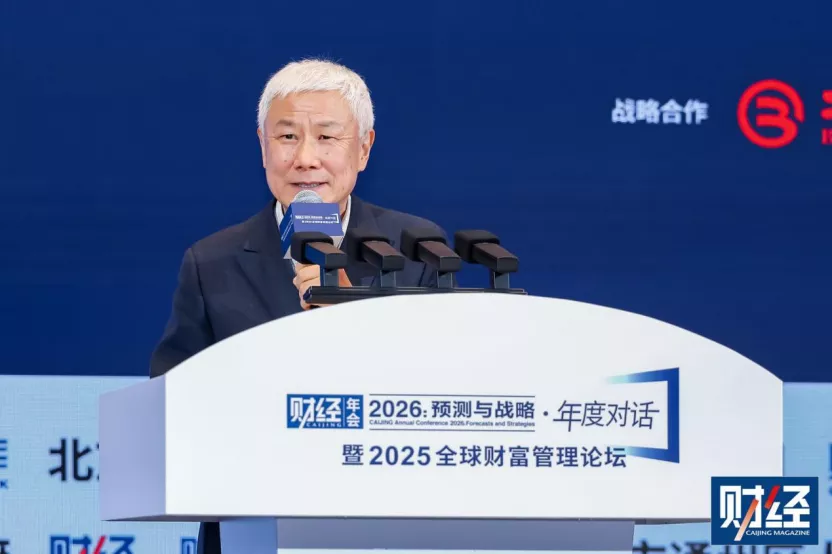
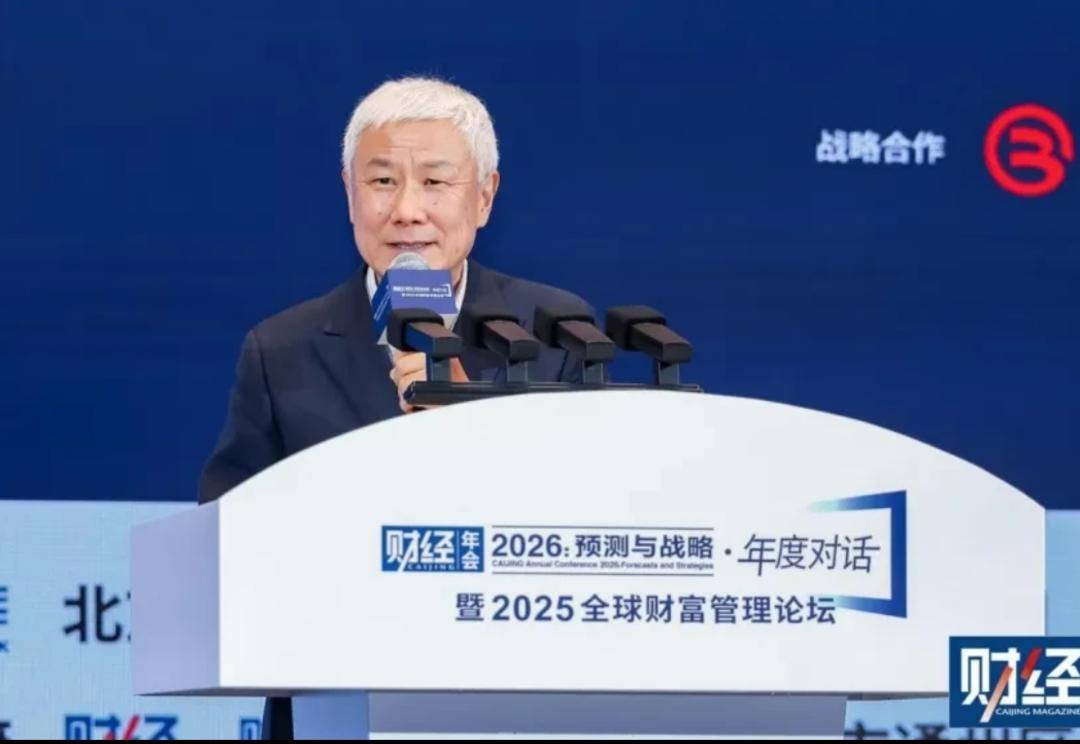
Core Viewpoint - The forum emphasizes the importance of domestic demand as a driving force for China's economic growth in the short term, while focusing on industry, technology, and domestic demand for long-term development [1][12]. Group 1: Economic Strategy - Zhang Yansheng, a researcher at the China Macroeconomic Research Institute, highlighted that the core of China's modernization and economic development is to strengthen consumption and investment to effectively counter international economic changes [1][12]. - The short-term annual plan will focus on "domestic demand as the main driver," while the medium to long-term strategy will involve promoting industry, technology, and domestic demand [1][12]. Group 2: Global Economic Environment - The current international policy environment and economic order are undergoing changes, making it crucial to steadily promote economic growth and stabilize exports in the coming years [4][12]. - The "globalization paradox" suggests that the forces against globalization often stem from those who were once its proponents, indicating a complex relationship between global cooperation and protectionism [4][8]. Group 3: Future Challenges - The future of global economic development will face multiple challenges, including the sustainability of globalization and the potential for increased protectionism and technological decoupling among major powers [8][11]. - Key factors influencing the next five years include the direction of global trade and investment, the advancement of technological revolutions, and the evolution of major power relations [6][8]. Group 4: Technological Revolution - The new technological revolution, characterized by artificial intelligence, cloud computing, big data, and blockchain, is expected to have profound impacts on the economy and industries [13]. - The forum discussed the importance of enhancing labor productivity and overall factor productivity through the application of new technologies [13].
凝心聚力开新局 以经济强基筑牢复兴伟业
Xin Hua Wang· 2025-12-18 10:36
Group 1 - The core viewpoint emphasizes that high-quality development is laying a solid foundation for national rejuvenation, with the 2025 Central Economic Work Conference providing clear direction [1] Group 2 - The conference highlights the importance of domestic demand as a driving force, aiming to build a strong domestic market. Retail is rapidly transforming towards quality and service, with successful initiatives like appliance trade-ins and vibrant rural live-streaming sales [3] Group 3 - The conference stresses the need for innovation in foreign trade and expanding an open new pattern. It focuses on win-win cooperation across multiple fields, with cross-border live streaming and the continuous operation of the China-Europe Railway Express [5] Group 4 - The conference underscores the importance of people's livelihoods, aiming to do more practical things for the public. Stability in livelihoods, employment, income growth, and social security are emphasized to ensure a solid safety net [7] Group 5 - The conference advocates for a green transition, leading with the "dual carbon" goal to promote comprehensive green transformation. Green development is reshaping the economic ecology, with solar panels and new energy buses contributing to low-carbon urban transport [9]

中国宏观经济研究院研究员张燕生:产业、科技和内需是未来十年的发展动力
Sou Hu Cai Jing· 2025-12-18 10:20
他进一步指出,中国式现代化的推进、中国经济的持续发展,核心就是要把中国的消费与投资做大做强,全力提振内需。因为内需能够提振消费、扩大投 资,这样才能有效对冲国际形势、国际贸易、国际经济与国际投资领域的变化。 当前,国际政策环境与经济秩序都发生变化,在这样的背景下,如何稳步推动明年及未来五年的经济增长与出口稳定,非常重要。 值得深思的是,"全球化悖论"——历史与当下的反全球化力量,往往正是曾经的全球化推手。张燕生提出,新全球化区别于以往的核心特征,是基于市场 规律、企业主体、民间交流、人工智能技术赋能的开放模式,其进程注定缓慢且曲折,但符合全球共同利益。 对于未来的五年全球治理体系,张燕生给出明确应对方向:无论国际风云如何变幻,保持战略定力、历史耐心与底线思维,扎扎实实做好自己的事,是立 足复杂环境的核心支撑。 封面新闻记者 欧阳宏宇 以人工智能、云计算、大数据、区块链为代表的技术浪潮,究竟会对我们的经济、产业以及每个人的日常生活产生哪些深远影响? 12月18日,中国宏观经济研究院研究员张燕生在2025全球财富管理论坛上表示,中国短期年度计划以"内需主导"为抓手,中长期五到十年则从产业、科 技、内需三个重要方面 ...
“十五五”开局在即,明年经济工作有哪些重点?|宏观经济
清华金融评论· 2025-12-18 09:46
Core Viewpoint - The Central Economic Work Conference emphasizes the importance of domestic demand and outlines key tasks for economic work in 2025, focusing on innovation, reform, and risk management [3][4]. Group 1: Economic Overview - The conference highlights that 2025 will be a significant year for China's economy, facing both old and new challenges, including external environmental changes and domestic supply-demand imbalances [3]. - It acknowledges the resilience and vitality of the economy while addressing the need to confront existing problems and challenges [3]. Group 2: Key Tasks for Economic Work - Eight key tasks for 2025 include: 1. Prioritizing domestic demand and building a strong domestic market 2. Accelerating innovation to foster new growth drivers 3. Enhancing high-quality development through reform 4. Promoting cooperation and win-win outcomes through openness 5. Coordinating development to promote urban-rural integration and regional collaboration 6. Leading with "dual carbon" goals to drive green transformation 7. Focusing on people's livelihoods to improve public services 8. Safeguarding against risks in key areas [3]. Group 3: Consumption and Market Development - The government plans to boost consumption as a direct reflection of people's needs for a better life, which is crucial for economic growth and high-quality development [4]. - The focus will be on enhancing consumer capacity through improved income distribution, stable employment, and increased public service investment [5]. Group 4: Policy Direction - The economic policy for 2025 will emphasize stability and quality improvement, integrating existing and new policies to enhance macroeconomic governance [8]. - A more proactive fiscal policy will be implemented, maintaining necessary fiscal deficits and optimizing expenditure structures [9]. - A moderately loose monetary policy will be adopted to support economic stability and reasonable price recovery, with potential adjustments in reserve requirements and interest rates [9]. Group 5: Future Economic Outlook - The outlook for 2025 suggests a moderate growth trajectory for the global economy, with China's economic fundamentals remaining strong despite challenges [12]. - The advantages of China's socialist system, large market, complete industrial system, and rich talent resources will become more pronounced, supporting sustained economic development [12].
地方政府债与城投行业监测周报 2025 年第 45 期:政治局会议强调加大逆周期跨周期调节,多地“十五五”建议稿提出建立资产负债表-20251218
Zhong Cheng Xin Guo Ji· 2025-12-18 09:12
1. Report Industry Investment Rating No relevant information provided. 2. Core Views of the Report - The Politburo meeting in December set the tone for the macro - policies in 2026, with the economy in 2025 expected to achieve its main goals. In 2026, the economy may face challenges, and the estimated growth rate under the neutral assumption is 4.8%. Fiscal policy should be more proactive with a suggested deficit rate of 4.5% - 5% and a broad - based deficit scale exceeding 16 trillion. Monetary policy will remain moderately loose, with expected interest rate cuts and reserve requirement ratio cuts [5][8][10]. - Nearly 20 regions have issued the "15th Five - Year Plan" suggestions, focusing on constructing government debt management mechanisms, resolving hidden debts, establishing local balance sheets, and promoting the transformation of financing platforms. It is expected that over 90% of platforms will complete their exit by the end of 2026 [5][15]. - This week, 5 urban investment enterprises declared themselves as market - oriented operating entities, 23 urban investment enterprises prepaid bond principal and interest, and 2 urban investment bonds cancelled their issuance [19][22][23]. - The issuance and net financing scale of local government bonds and urban investment bonds both decreased this week. The special refinancing bonds for replacing hidden debts in 2025 have all been issued [5][24][29]. 3. Summary by Relevant Catalogs 3.1. Important News Review 3.1.1. Politburo Meeting Emphasizes Policy Coordination - The Politburo meeting in December analyzed the economic work in 2026, stating that the economy in 2025 will achieve its main goals. In 2026, more proactive fiscal and moderately loose monetary policies will be implemented, with an emphasis on policy coordination and the integration of stock and incremental policies [7][8][10]. - It is suggested that the deficit rate in 2026 be raised to 4.5% - 5%, and the broad - based deficit scale exceed 16 trillion. The monetary policy will arrange one interest rate cut and 1 - 2 reserve requirement ratio cuts, and expand the scope of special re - loans [10]. - The key economic work in 2026 includes "domestic demand - led", "people's livelihood as the top priority", and the position of "risk prevention" has dropped to the last [13]. 3.1.2. "15th Five - Year Plan" Suggestions on Local Debt Management - Nearly 20 regions have issued "15th Five - Year Plan" suggestions, focusing on four aspects: constructing government debt management mechanisms, resolving hidden debts, establishing local balance sheets, and promoting the transformation of financing platforms [15]. - Most regions aim to resolve local government debt risks, and it is expected that over 90% of platforms will complete their exit by the end of 2026 [15][17]. 3.1.3. Tracking of Urban Investment Enterprises' "Exit from Platforms" - This week, 5 urban investment enterprises declared themselves as market - oriented operating entities, with the majority being AA + rated and from prefecture - level and district - county levels [19]. 3.1.4. Prepayment of Bond Principal and Interest by Urban Investment Enterprises - This week, 23 urban investment enterprises prepaid bond principal and interest, involving 23 bonds with a total scale of 34.02 billion yuan [22]. 3.1.5. Cancellation of Urban Investment Bond Issuance - This week, 2 urban investment bonds cancelled their issuance, with a planned total issuance scale of 6 billion yuan. As of December 7, 101 urban investment bonds have postponed or cancelled their issuance this year, with a total scale of 645.28 billion yuan [23]. 3.2. Issuance of Local Government Bonds and Urban Investment Enterprise Bonds 3.2.1. Local Government Bonds - The issuance and net financing scale of local government bonds decreased this week. The special refinancing bonds for replacing hidden debts in 2025 have all been issued. The total issuance scale was 1087.17 billion yuan, and the net financing amount was 604.93 billion yuan [24]. - As of December 7, the cumulative issuance of new bonds (excluding special bonds for small and medium - sized banks) was 52253.78 billion yuan, completing 100.49% of the annual new quota [24]. 3.2.2. Urban Investment Bonds - The issuance and net financing scale of urban investment bonds decreased this week. The total issuance scale was 878.19 billion yuan, and the net financing amount was - 7.11 billion yuan [29]. - The overall issuance interest rate was 2.20%, a decrease of 1.60BP from the previous value, and the issuance spread was 70.92BP, a decrease of 0.09BP [29]. 3.3. Trading of Local Government Bonds and Urban Investment Enterprise Bonds - The central bank conducted 6638 billion yuan of reverse repurchase operations in the open market this week, with 15118 billion yuan of reverse repurchases maturing, resulting in a net withdrawal of 8480 billion yuan [33]. - The short - term capital interest rates mostly declined this week [33]. - There were no adjustments to the urban investment ratings and no urban investment credit risk events this week [33]. - The trading scale of local government bonds increased by 29.40% to 5086.82 billion yuan, and most of the maturity yields increased [35]. - The trading scale of urban investment bonds decreased by 6.61% to 2707.68 billion yuan, and most of the maturity yields increased, with an average increase of 4.05BP [35]. - There were 9 abnormal transactions of 5 bonds from 5 urban investment entities this week, with a decrease in the number of entities and bonds compared to last week [35]. 3.4. Important Announcements of Urban Investment Enterprises - This week, 51 urban investment enterprises issued announcements regarding changes in senior management, legal representatives, directors, supervisors, etc. [38].
制定实施城乡居民增收计划 持续提升居民消费能力
Zheng Quan Ri Bao· 2025-12-17 16:13
Core Viewpoint - The central economic work meeting emphasizes the importance of domestic demand and plans to implement a rural and urban resident income increase plan as a priority for 2026 economic tasks [1][2]. Group 1: Economic Policy Focus - The 2026 economic strategy will focus on increasing urban and rural residents' income through multiple channels to enhance consumption capacity and stimulate effective demand [2]. - The policy aims to combine "investment in goods" and "investment in people" to create an endogenous growth model driven by domestic demand and consumption [3]. Group 2: Consumption Trends - Recent data shows significant growth in retail sales of household appliances and communication devices, with year-on-year increases of 14.8%, 18.2%, and 20.9% respectively for the first 11 months of the year [2]. - The shift in consumption patterns indicates a move towards equal emphasis on goods and service consumption, with service consumption expected to be a key focus in 2026 [3]. Group 3: Infrastructure and Investment - To unlock consumer potential, there is a need to enhance investment in consumer infrastructure such as parking lots, charging stations, and healthcare services, which will support consumption structure upgrades [3]. - The policy will also focus on increasing the proportion of investment in livelihood-related sectors to support consumption growth [3].
2025年11月宏观数据点评:生产偏稳,需求回落
Shanghai Securities· 2025-12-17 10:58
Economic Performance - In November, the industrial production growth rate was 4.8%, a slight decrease of 0.1 percentage points from the previous month[11] - Fixed asset investment (excluding rural households) fell by 2.6% year-on-year from January to November, with a deeper decline compared to the previous period[11] - The total retail sales of consumer goods in November reached 43,898 billion yuan, growing by 1.3%, which is a decrease of approximately 1.6 percentage points from the previous month[11] Investment Trends - Manufacturing investment grew by 1.9%, with a decline of 0.8 percentage points in growth rate[18] - Infrastructure investment decreased by 1.1% year-on-year, with the decline expanding by 1 percentage point[18] - Real estate development investment from January to November was 78,591 billion yuan, down 15.9%, with the decline widening by 1.2 percentage points[19] Consumer Behavior - Retail sales excluding automobiles grew by 2.5%, indicating that the decline in automobile consumption negatively impacted overall consumer performance[25] - The growth rate of retail sales in urban areas was 1.0%, while rural areas saw a growth of 2.8%[21] - Consumption of furniture, building materials, and jewelry saw significant declines, with automobile consumption experiencing a deepening drop[22] Policy Outlook - The government aims to maintain stable economic growth while enhancing quality and efficiency, with a focus on expanding domestic demand and optimizing supply[28] - Policies will include increasing central budget investment and implementing measures to stabilize investment and consumption[28] Risk Factors - Potential risks include worsening geopolitical events, changes in international financial conditions, and unexpected shifts in China-U.S. policies[29]