慢牛

Search documents
今年快收关了,股市收益率怎么样?
佩妮Penny的世界· 2025-12-12 03:42
Market Overview - The A-share and Hong Kong markets have been the best-performing globally this year, with average returns exceeding 20% despite recent profit pullbacks [1] - The Hang Seng Index has experienced a decline, with the peak drop around 8%, influenced by macroeconomic factors such as fluctuating interest rate expectations from the Federal Reserve and Japan [4][5] Sector Performance - Key sectors in the Hong Kong market, including e-commerce, AI, and new energy vehicles, are facing challenges, leading to reduced profitability and sales expectations [5] - The upcoming unlock of restricted shares in November and December, including significant companies like CATL and Hengrui Medicine, is expected to exert selling pressure on the market [5] Investment Opportunities - The Hang Seng Technology Index is currently valued at only 26% of its historical valuation, presenting a potential buying opportunity for investors looking to engage with technology and internet leaders [7] - For investors with access to overseas brokerage accounts, the U.S. stock market offers a wide range of investment options, with the S&P 500 being a historically strong asset class [9][12] ETF and Index Insights - The newly launched China Technology Innovation ETF (CNQQ) aims to capture the growth of Chinese tech companies, with a focus on those with significant R&D investments [13][14] - The ETF market in the U.S. is robust, with over $10 trillion in assets, providing various strategies and exposure to different sectors [9] Conclusion - The current market conditions suggest a cautious but optimistic outlook for both A-shares and U.S. equities, with potential for strategic investments in technology and growth sectors [16][18]

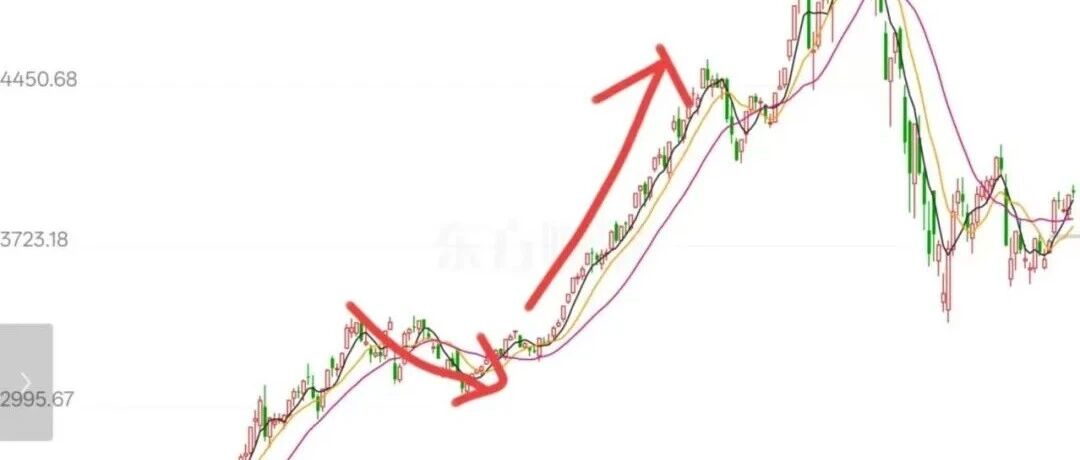
机构资金暗流涌动:散户如何不被收割?
Sou Hu Cai Jing· 2025-12-10 14:04
Group 1 - The core theme of the article highlights the power dynamics in financial markets, comparing the political spectacle surrounding Trump's actions to the behavior of retail investors in the stock market [3][4]. - The article discusses the concept of information asymmetry in financial markets, emphasizing that retail investors often fall victim to misleading signals and "fake moves" orchestrated by larger funds [3][4]. - It notes that the current A-share market is experiencing a "slow bull" phase, characterized by prolonged periods of volatility and uncertainty, which increases the pressure on investors [4][11]. Group 2 - The article critiques the notion that all market factors are reflected in stock price movements, arguing that true market intentions are often hidden beneath surface-level trends [5][11]. - It presents a comparison of two stocks to illustrate how misleading price movements can create false signals, emphasizing the importance of understanding underlying institutional behaviors [5][10]. - The article stresses the need for investors to utilize quantitative data tools to uncover the true dynamics of the market, as traditional observations may be deceptive [8][10]. Group 3 - The discussion extends to the implications of political actions on central bank independence, warning that such interventions can have significant effects on market dynamics [11][12]. - It suggests that the movements of large funds are the critical factors to monitor in the A-share market, similar to the influence of personnel changes in the Federal Reserve [11][12]. - The article concludes with advice for ordinary investors to focus on valuable data and to be cautious of superficial market appearances [12][14].
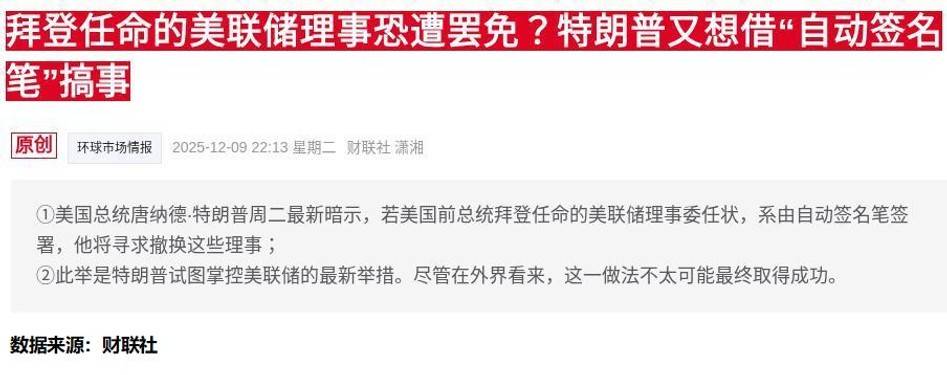
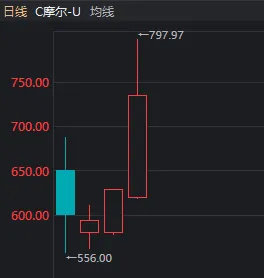
A股探底回升!“山顶资本”都解套了,谁在爆拉摩尔线程
Mei Ri Jing Ji Xin Wen· 2025-12-10 08:34
每日经济新闻消息,12月10日,市场探底回升,三大指数涨跌不一,深成指、创业板指盘中先后翻红, 创业板指此前一度跌超2%。截至收盘,沪指跌0.23%,深成指涨0.29%,创业板指跌0.02%。 板块方面,海南、贵金属、零售等板块涨幅居前,培育钻石、银行、有机硅等板块跌幅居前。 全市场超2800只个股下跌。沪深两市成交额1.78万亿元,较上一个交易日缩量1254亿。 和上周类似,今天A股处于"周中缩量回调"节奏,科技题材表现偏弱,但显然并不包括"国产GPU第一 股"摩尔线程。 上市首日,许多人以为688元会是"X年大顶",却没料到,仅过去3个交易日,其股价高点就再度刷新至 797.97元。 这意味着,第一批"山顶资本"如果有足够耐心,是可以解套甚至大赚离场的。只不过,从周一周二合计 65.69%的换手率来看,多数人没能撑到今天。 那么问题来了:今天是谁在爆买摩尔线程?又出于什么理由呢? (当然,我们还可以问,新晋"山顶资本"短期还能解套吗?) 首先,我们认为其目前的走势仍由短线资金主导。 并且,周一周二,其他科技龙头股正屡创新高,而摩尔线程才刚刚缩量企稳,筹码价格在某种意义上还 算"便宜"。 第三点原因在于," ...
交银国际:明年港股盈利可期 预计“慢牛”延续
智通财经网· 2025-12-10 02:17
Group 1 - The global economy is expected to show resilience beyond initial forecasts for 2025, with the AI technology cycle continuing and policies remaining consistent [1] - By 2026, the macroeconomic environment is anticipated to return to an orderly state, with economic growth exhibiting a degree of resilience and interest rates likely to remain at restrictive levels [1] - The core logic of asset allocation is shifting towards a balance between offensive and defensive strategies in an environment characterized by high growth resilience, inflation, and interest rates [1] Group 2 - Hong Kong stocks are expected to maintain profitability, with a "slow bull" market continuing; valuations are in a reasonable range, offering strong cost-effectiveness [2] - The liquidity environment is improving, with southbound and overseas capital returning; structural highlights of the Chinese economy, such as AI technology and domestic demand recovery, are expected to start reflecting in profitability [2] - In the US stock market, the "bubble" is difficult to disprove in the short term, and a style shift is anticipated; tech giants benefiting from the AI revolution and capital expenditure expansion still have valuation support due to strong earnings growth and technological barriers, but caution is advised regarding investment slowdown and credit risks [2] - The yield curve for US Treasury bonds is expected to remain in a "hard to lower" pattern, with long-term rates under pressure due to inflation, fiscal, and policy uncertainties, leading to a potential steepening of the yield curve [2]
当慢牛遇见结构市:如何应对2025年的盈利困境
Sou Hu Cai Jing· 2025-12-08 07:21
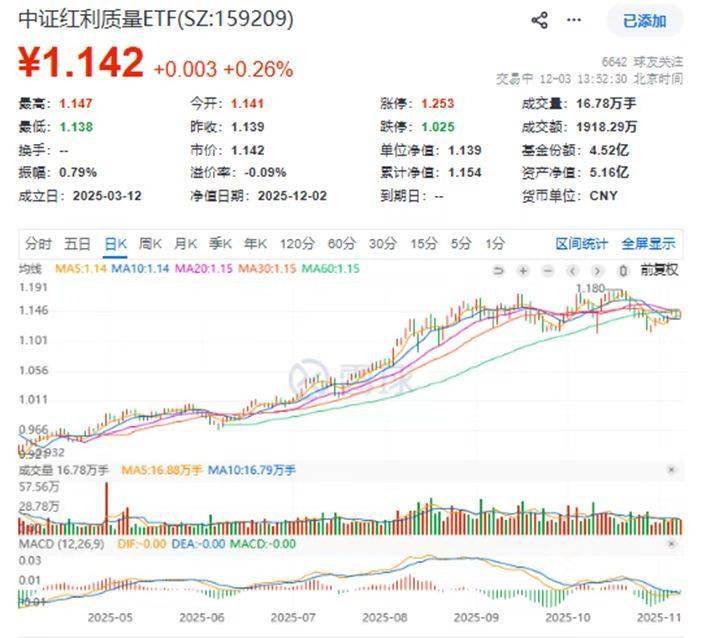
Group 1 - The core viewpoint of the articles highlights a disparity between perceived market performance and actual investor returns, indicating that many investors are experiencing negative returns despite a general market uptrend [1] - The trading data shows that the peak trading volume occurred in the third quarter, reaching 138 trillion yuan, which is close to the total of 160 trillion yuan in the first half of the year, suggesting that significant capital entered the market during high heat periods [1] - The consumer sector has shown negative growth throughout the year, emphasizing the harsh reality that following market trends often leads to losses for investors [1] Group 2 - A shift from "bull-bear thinking" to "rhythm thinking" is necessary, as the market is characterized by rapid rotation of hot stocks and volatile trading patterns [2] - The proposed strategy of "dividends as a shield, technology as a spear" has been validated, indicating that while holding dividend funds is stable, it lacks sufficient elasticity compared to technology stocks, which are more volatile [3] - The China Securities Dividend Quality ETF (159209) has demonstrated unique advantages, with a dividend yield of 3.88% providing downside protection and a return on equity (ROE) of 23.55% offering upside potential [3] Group 3 - Looking ahead to 2026, the rotation between dividends and technology will remain a key market theme, with the China Securities Dividend Quality ETF recommended as a core holding for balancing defensive and offensive strategies [5] - The current market has entered a phase of differentiation, making broad market rallies unlikely, thus necessitating more refined allocation strategies [5] - In this structural market, selecting the right tools is more important than timing, and balanced allocation is more prudent than taking excessive risks [5]
A500ETF基金(512050)涨近1%冲击3连涨,连续4天净流入,单日“吸金”超8亿
Xin Lang Cai Jing· 2025-12-08 03:33
截至2025年12月8日 10:56,中证A500指数(000510)上涨0.88%,成分股天孚通信(300394)上涨18.67%, 迈为股份(300751)上涨16.69%,罗博特科(300757)上涨10.64%,航天发展(000547)上涨9.04%,烽火通信 (600498)上涨8.66%。A500ETF基金(512050)上涨0.86%, 冲击3连涨。最新价报1.17元。 光大证券认为,市场大方向或仍处在牛市中,不过短期或进入宽幅震荡阶段。与往年牛市相比,当前指 数仍然有相当大的上涨空间,但是在国家对于"慢牛"的政策指引之下,牛市持续的时间或许要比涨幅更 加重要。不过短期来看,市场可能缺乏强力催化,叠加年末部分投资者在行为上可能趋于稳健,股市短 期或以震荡蓄势为主。配置方面,短期关注防御及消费板块,中期继续关注TMT和先进制造板块。 A500ETF基金紧密跟踪中证A500指数,中证A500指数从各行业选取市值较大、流动性较好的500只证券 作为指数样本,以反映各行业最具代表性上市公司证券的整体表现。 数据显示,截至2025年11月28日,中证A500指数(000510)前十大权重股分别为宁德时代( ...
光大证券晨会速递-20251208
EBSCN· 2025-12-08 03:16
Core Insights - The report indicates that the market is experiencing a bullish trend, although it may enter a phase of wide fluctuations in the short term. The current index has significant room for growth compared to previous bull markets, but the duration of the bull market may be more critical than the magnitude of the increase due to government policies promoting a "slow bull" market [2] - The report highlights the attractiveness of fixed-income assets in a low-interest-rate environment, suggesting that the 10-year government bond ETF offers a favorable risk-reward ratio for investors [3] - The report notes that the A-share market is showing signs of recovery, with a focus on defensive and consumer sectors in the short term, while TMT and advanced manufacturing sectors are recommended for medium-term investment [4] Market Data Summary - The A-share market indices showed positive performance, with the Shanghai Composite Index closing at 3902.81, up 0.70%, and the Shenzhen Component Index closing at 13147.68, up 1.08% [8] - The report indicates a slight net inflow into stock ETFs, with small and mid-cap theme ETFs being the main contributors to this inflow [4] - The report also mentions that the issuance of credit bonds increased by 16.86% month-on-month, with a total issuance of 13153.34 billion yuan in November 2025 [7] Industry Research Summary - The report categorizes the electric power equipment and new energy sector into high-growth segments (such as AIDC power supplies, solid-state batteries, hydrogen ammonia, and energy storage) and "anti-involution" segments (including lithium batteries, wind power, and photovoltaics), each presenting unique investment opportunities [12] - The chemical industry is expected to see a recovery in profitability due to macroeconomic improvements and supply-side policy advancements, with a focus on sectors like phosphate chemicals, potassium fertilizers, and lithium battery materials [14] - The report emphasizes the investment potential in the hydrogen ammonia and energy storage sectors, particularly in the context of domestic bidding and overseas opportunities [15]
【策略】国内外利好共振,市场有所回暖——策略周专题(2025年12月第1期)(张宇生/王国兴)
光大证券研究· 2025-12-07 23:03
Market Overview - The A-share market experienced a rebound this week, driven by an increase in market risk appetite, with major indices mostly rising. The ChiNext Index performed the best with a gain of 1.9%, while the Sci-Tech 50 Index was the worst performer, down 0.1% [4] - The valuation of the Wind All A Index is currently at the 85.7th percentile since 2010 [4] Industry Performance - In terms of industry performance, sectors such as non-ferrous metals, telecommunications, and defense exhibited relatively strong gains, with increases of 5.3%, 3.7%, and 2.8% respectively. Conversely, industries like media, real estate, and beauty care lagged behind, with declines of -3.9%, -2.2%, and -2.0% respectively [4] Important Events - The establishment of a Commercial Space Administration by the National Space Administration marks a significant step for China's commercial space industry, indicating the introduction of dedicated regulatory oversight [5] - The recent release of China's manufacturing PMI for November was 49.2, an increase of 0.2 percentage points from the previous month, while the U.S. ADP employment data showed a surprising decrease of 32,000 jobs, reinforcing expectations for further interest rate cuts by the Federal Reserve [5] Market Sentiment - The market is still in a bull phase, but may enter a period of wide fluctuations in the short term. The recent ADP employment data has heightened expectations for a December rate cut by the Federal Reserve, contributing to a global market recovery that positively impacts the A-share market [6] - Investors are increasingly optimistic about upcoming policy changes as the Central Economic Work Conference approaches, which has also contributed to the market's rebound [6] Investment Strategy - In the short term, the focus should be on defensive and consumer sectors, while in the medium term, attention should shift to TMT (Technology, Media, and Telecommunications) and advanced manufacturing sectors. During periods of market fluctuation, previously lagging sectors may perform better, particularly high-dividend and consumer stocks [6]

高仓位!私募“迎战”年末行情
Zhong Guo Ji Jin Bao· 2025-12-07 12:19
Group 1 - The core viewpoint of the article highlights that private equity firms are maintaining high positions as the A-share market enters the final trading month of the year, with a stock position of 82.97%, marking a new high for the year and the highest in nearly 185 weeks [1][2] - The strategy among private equity firms is shifting towards balanced layouts and "high-low cuts," focusing on both high-growth industries and sectors with improved supply-demand relationships [4][7] - Private equity firms express optimism for the A-share market in 2026, with expectations of marginal improvements in corporate earnings driving market performance, indicating a potential "slow bull" trend [6][7] Group 2 - The distribution of positions among private equity firms shows an aggressive stance, with 68.99% of firms fully invested, while medium, low, and empty positions have decreased significantly [2] - Companies like Rongyang Investment and Xingshi Investment maintain high positions due to optimistic expectations for investment opportunities, driven by improving corporate earnings and fundamental factors [2][5] - The investment strategy of companies like Xiangju Capital reflects a balanced approach, focusing on assets at the bottom of the cycle with growth potential, while also tracking high-heat trend assets like AI and new energy [5] Group 3 - Private equity firms are cautious about the crowded nature of technology stocks, particularly in the AI sector, and are seeking opportunities in less crowded areas [8] - Concerns regarding potential market risks include changes in global liquidity expectations, high valuation bubbles, and inflation issues, with oil price fluctuations and U.S. monetary policy being key factors to monitor [8]
高仓位!私募“迎战”年末行情
中国基金报· 2025-12-07 12:14
Group 1 - The core viewpoint of the article is that private equity funds are maintaining high positions as they approach the end of the year, with a focus on balanced strategies and "high-low cuts" in their portfolio adjustments [2][6] - As of November 21, 2025, the stock private equity position reached 82.97%, an increase of 1.84 percentage points from the previous week, marking a new high for the year and the highest level in nearly 185 weeks [4] - The distribution of positions indicates an aggressive stance among private equity funds, with the proportion of fully invested funds rising to 68.99%, while medium, low, and empty positions have significantly decreased [4] Group 2 - Private equity firms are adopting a balanced approach in their year-end strategies, focusing on high-growth industries and sectors with improved supply-demand relationships, emphasizing fundamental research and valuation matching [7] - The investment strategy of companies like Xiangshi Investment and Chongyang Investment reflects a shift towards "high-low cuts," seeking stocks with dividends and long-term growth potential while avoiding speculative stocks detached from fundamentals [8] - Companies are optimistic about the A-share market for 2026, with expectations of economic recovery and gradual improvement in corporate earnings, which are seen as core drivers for market performance [10] Group 3 - Specific sectors expected to perform well include AI, innovative pharmaceuticals, machinery, and military industries, as well as traditional industries with improved supply-demand dynamics [10] - The article highlights that the copper market is anticipated to have a strong performance in the first half of the year, while the chemical industry is expected to present investment opportunities in the second half [11] - Concerns regarding market risks include changes in global liquidity expectations, potential bubbles in high-valuation sectors, and inflation issues abroad, with oil price fluctuations and U.S. monetary policy being key factors to monitor [11]