提振消费

Search documents
如何推动能消费敢消费愿消费(经济新方位·对话·奋进2026)
Ren Min Ri Bao· 2026-01-28 00:37
消费是我国经济增长的重要引擎,总需求不足是当前经济运行面临的突出矛盾。中央经济工作会议确定 的8项重点任务中,"坚持内需主导,建设强大国内市场"位列首位,"十五五"规划建议提出,大力提振 消费。 提振消费存在哪些挑战?如何推动居民能消费敢消费愿消费?本版邀请来自东中西部三省份的发展改革 委、政研室负责人开展对话,结合一线实践分享各地因地制宜、真抓实干的举措。 ——编 者 【对话人】 杨秀玲(北京市发展和改革委员会主任) 马 伟(山西省委副秘书长、政研室主任、改革办常务副主任) 杨 立(四川省委副秘书长、政研室主任、改革办常务副主任) 有稳定收入能消费—— 促进居民稳定增收 促进高质量充分就业 问:扩大消费最根本的是促进就业,完善社保,优化收入分配结构,扩大中等收入群体,扎实推进共同 富裕。群众就业和增收难度加大,各省份促增收、稳就业有哪些挑战? 杨秀玲:"钱袋子"鼓了,消费才有活力。就业更加充分、更高质量,收入能够稳定增加。"十四五"时 期,北京市居民人均可支配收入从2020年的6.9万元增加到8.9万元,城镇调查失业率保持在较低水平。 马伟:"十四五"时期,山西居民人均可支配收入稳步增长,但仍需缩小与全国平 ...
与东中西三省份发改委、政研室负责人对话——如何推动能消费敢消费愿消费(经济新方位·对话·奋进2026)
Ren Min Ri Bao· 2026-01-27 22:17
Core Viewpoint - Consumption is a crucial engine for China's economic growth, with insufficient demand being a prominent issue in the current economic operation. The central economic work conference has prioritized "domestic demand-led growth" and emphasized the need to boost consumption as part of its eight key tasks [1] Group 1: Promoting Stable Income and Employment - Promoting stable income is fundamental to expanding consumption, which includes enhancing employment quality and optimizing income distribution structures to increase the middle-income group [2][3] - In the "14th Five-Year Plan" period, Beijing's per capita disposable income rose from 69,000 yuan in 2020 to 89,000 yuan, with a low urban unemployment rate [2] - Shanxi aims to create 473,000 new urban jobs by 2025, addressing structural employment challenges due to resource-based economic transitions [2][4] - Sichuan's per capita disposable income is expected to grow by 5.5% by 2025, but faces challenges with income structure and employment mismatches [3][5] Group 2: Clearing Consumption Restrictions - The central economic work conference emphasizes the need to eliminate unreasonable restrictions in the consumption sector to unleash consumption potential [6] - Beijing is reforming to remove barriers to consumption, such as optimizing large event management and promoting regular promotional activities [6][7] - Shanxi is working to improve the business environment by removing market barriers and ensuring equal participation in consumption activities [6][8] - Sichuan is simplifying processes in various sectors, including second-hand car transactions and housing loans, to encourage consumption [7] Group 3: Enhancing Quality of Goods and Services - There is a significant gap between China's consumption rate and that of developed countries, particularly in service consumption [9][10] - Beijing's per capita service consumption expenditure reached 59.3%, with a 6.5% increase in education, culture, and entertainment spending [10] - Shanxi is focusing on cultural tourism to boost service consumption, with a projected 14.8% increase in tourist numbers by 2025 [10][11] - Sichuan's service consumption expenditure is expected to reach 45.1% by 2025, with plans to enhance high-quality supply in cultural tourism and health services [11][12] Group 4: Expanding Rural Consumption - Rural consumption is constrained by low income and inadequate service systems, with rural residents' per capita consumption at 19,818 yuan, 76% of the provincial average [12] - Sichuan plans to improve rural consumption services and support rural e-commerce to stimulate local economies [12]
抓项目稳增长 促消费惠民生 河南许昌双轮驱动激活潜能
Jing Ji Ri Bao· 2026-01-27 22:13
在提振消费上,许昌把推进"国补"落地作为一季度促消费的重点,全面跟进落实汽车、家电及数码产品 等领域以旧换新政策。针对春节返乡等重点人群策划推出多项主题促销活动,不断优化审核兑付工作机 制、压缩审核时间,让换新车、添家电等成为新春消费热点。 许昌市委书记杨小菁表示,许昌将在持续提振消费、扩大有效投资等重点工作上拉满弓、绷紧弦、铆足 劲,以项目之"进"支撑发展之"稳",以消费之"热"激发经济之"活",确保"十五五"开好局、起好步。 2026年是"十五五"开局之年。许昌一方面加强项目谋划储备、攻坚推进和服务保障,突出抓好重大产业 项目、重大基础设施项目等;另一方面,深入实施提振消费专项行动,策划推出贯穿全季、覆盖全域的 促消费活动,进一步激活经济增长潜能。 在项目建设上,许昌对今年计划实施的280个以上新建重点项目,逐一梳理各项前期准备工作,加强要 素保障;督促指导128个在建项目严格落实环保防治措施,加快建设进度。 本报郑州1月27日讯(记者夏先清、杨子佩)近日,河南许昌市召开"促消费、扩投资、抓项目、抢开 局"工作会议,《2026年一季度开工重点项目清单》成为会场焦点。清单显示,该市一季度计划开工各 类重点项 ...
新华读报|2026如何提振消费?政策“组合拳”来了!
Sou Hu Cai Jing· 2026-01-27 17:09
Core Viewpoint - The article emphasizes the introduction of a series of policy measures aimed at boosting consumption in 2026, with a focus on enhancing benefits for the public [1] Group 1: Policy Measures - The government plans to optimize and implement a trade-in program for consumer goods [1] - A pilot program for automotive circulation consumption reform will be initiated [1] - A prize invoice trial will be launched to encourage consumer spending [1] - Policies to promote the initial economic launch will be introduced as part of the comprehensive approach [1]
山东省政协委员捕捉民生关切 献策“投资于人”
Zhong Guo Xin Wen Wang· 2026-01-27 09:06
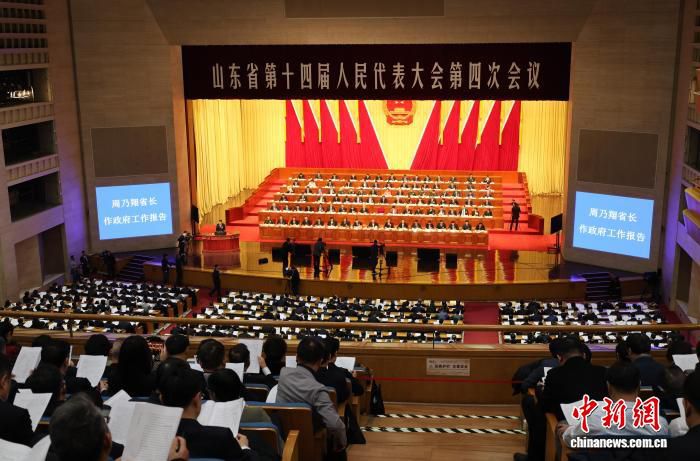
中新网济南1月27日电 (赵晓 周艺伟)2025年,山东城镇新增就业124.9万人,以工代赈带动就业16.4万 人;医疗机构门诊预交金全部取消,基层医疗机构居民门诊报销比例达65%;新筹集保障性租赁住房 2.5万套,改造老旧小区13.7万户……27日发布的山东省政府工作报告中,一系列民生数据成为山东践 行"投资于人"发展理念的鲜活注脚。 山东省政协委员、山东省宏观经济研究院战略规划研究所所长刘德军接受中新网记者采访。赵晓 摄 山东省政协常委、山东中医药大学校长李可建在调研中重点关注中医药研究和临床应用。"中医药服务 于全民健康,中药产业的发展水平直接影响它服务民众健康的能力。"他建议,加强对临床所用"名医名 方"的知识产权保护,激励更多医师放心分享经验良方,同时设立专项经费与转化平台,推动"名医名 方"向"名品名药"转化。 "这不仅能支持中药产业发展,还能为临床、社会提供更多安全有效的上市方药,最终更好地服务民众 健康。"李可建说。 山东省政协委员、香港教育大学协理副校长兼传讯及协作处长盖会霞则聚焦教育领域的"投资于 人"。"我们不仅要投资基础产业,还要重视人才投资。而人才投资本质上就是对教育的投入。"她认 ...

营造浓厚消费氛围、打造消费新场景 让国内外消费者乐享美好生活
Yang Shi Wang· 2026-01-27 04:04
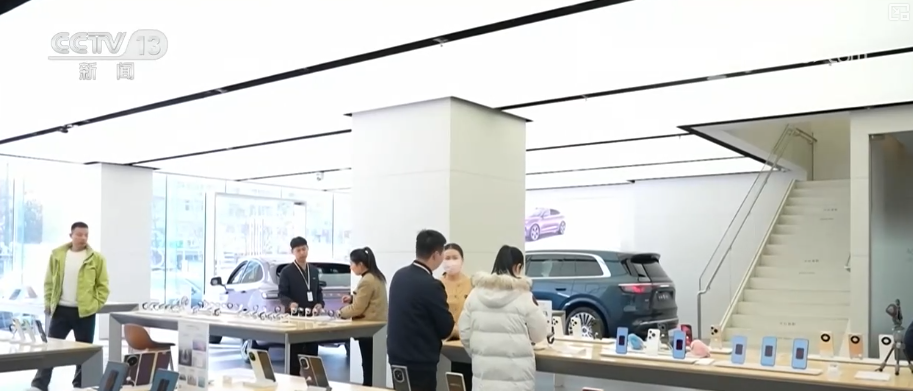
Core Viewpoint - The Chinese government plans to implement a series of policies in 2026 aimed at boosting consumption and promoting economic growth through practical measures and initiatives [1][4]. Group 1: Consumption Policies - In 2026, the government will optimize the implementation of a trade-in program for consumer goods, focusing on durable goods such as automobiles, home appliances, and digital products [4]. - The government will initiate pilot reforms in automotive circulation to further unleash the potential of automobile consumption [4]. - A reward invoice pilot program will be launched to encourage consumer spending [4]. Group 2: Consumption Promotion Activities - The government will focus on three main themes: commodity consumption, service consumption, and consumption scenarios, organizing over 20 "Buy in China" themed activities to create a strong consumption atmosphere [6]. - Efforts will be made to accelerate the cultivation of international consumer center cities and promote the construction of an international consumption environment [9]. - The government aims to create new consumption scenarios that are widely impactful and highly visible, enhancing the shopping experience for both domestic and international consumers [9].
贵州2026年将落实职工带薪错峰休假制度
Zhong Guo Xin Wen Wang· 2026-01-27 02:50
贵州2026年将落实职工带薪错峰休假制度 中新网1月27日电 27日,贵州省第十四届人民代表大会第四次会议开幕。谈及2026年工作安排,贵州省 政府工作报告提出,深入实施提振消费专项行动,优化实施消费品以旧换新、酱酒联动、消费券、消费 贷款贴息等政策,常态化开展系列促销活动,稳住汽车、成品油、家电等重点商品消费,提振餐饮、商 超、住宿等传统消费。清理消费领域不合理或"一刀切"限制性措施,落实职工带薪错峰休假制度,让大 家有时间、有场景、有意愿消费。 来源:中国新闻网 编辑:万可义 中新经纬版权所有,未经书面授权,任何单位及个人不得转载、摘编或以其它方式使用。 关注中新经纬微信公众号(微信搜索"中新经纬"或"jwview"),看更多精彩财经资讯。 本文为转载内容,授权事宜请联系原著作权人 广告等商务合作,请点击这里 ...
商务部详解,2026年提振消费新举措
21世纪经济报道· 2026-01-27 00:54
1月26日,国新办举行新闻发布会,介绍2025年商务工作及运行情况。 商务部副部长鄢东指出,2025年,商务发展总体平稳、稳中有进,为经济持续回升向好作出积 极贡献。坚持惠民生和促消费紧密结合, 全年社会消费品零售总额首次突破50万亿元,达到 50.1万亿元,增长3.7%,消费对经济增长的贡献率达到52%。 在拓展双向投资空间方面, 全年新设外资企业7万余家,增长19.1%,吸收外资7476.9亿元, 其中高技术产业引资占比32.3%。 在对外投资方面,推动产供链国际合作,促进贸易投资一体 化,深化"一带一路"经贸合作。 近年来,中国企业出海的力度和广度不断提升,对海外服务的需求也日益增长。商务部外国投 资管理司负责人王亚表示,下一步,商务部将会同有关部门以"国家平台+地方港+海外站+专 业机构"为工作重点,加快打造央地联动、区域协同、资源集聚、内外贯通的立体化、全链条 海外综合服务生态。 王亚同时透露,国家层面海外综合服务大平台将于近期在商务部网站上线。 消费成为经济发展"主引擎" 2025年,全国商务系统大力推进提振消费专项行动,深入实施消费品以旧换新,推动服务消费 高质量发展,组织开展"购在中国"系列活 ...

2026年全国“老字号嘉年华”启动
Ren Min Ri Bao Hai Wai Ban· 2026-01-26 23:45
据了解,为深入实施提振消费专项行动,商务部全年将组织各地开展35场各具特色的"老字号嘉年华"重 点活动,在步行街和商圈开设专柜,在电商平台设立专区,在新媒体平台推出系列专题,以增强老字号 品牌的市场影响力和内生发展动力。围绕即将到来的马年春节,将集中推出8场全国性主题活动,打 造"一站式"购物平台和"打卡地"消费场景,让消费者在喜庆祥和的氛围中感受老字号带来的独特魅力。 本报广州1月26日电(记者李刚)26日,商务部联合广东省人民政府举办的全国"老字号嘉年华"暨大湾 区年味消费季启动仪式在广州举行。 启动仪式现场,广东省商务厅发布了第二批"粤手礼",涵盖科技文创、非遗养生、特色风味三大品类。 ...
【钛晨报】2026年提振消费怎么干?商务部:出政策、办活动、优场景;全球首次,通用大模型太空在轨部署成功;英伟达与CoreWeave深化合作,斥资20亿美元加速全球AI工厂建设
Sou Hu Cai Jing· 2026-01-26 23:35
Economic Overview - In 2025, the overall business development is stable and progressing, contributing positively to the economic recovery, with total retail sales of consumer goods exceeding 50 trillion yuan, reaching 50.1 trillion yuan, a growth of 3.7%, and consumption contributing 52% to economic growth [2] - Over 70,000 new foreign-funded enterprises were established, marking a growth of 19.1%, with foreign investment absorption reaching 747.69 billion yuan, of which high-tech industries accounted for 32.3% [2] Consumer Market Highlights - The consumer market in 2025 showed four main highlights: 1. Rapid growth in durable goods consumption, with retail sales of home appliances, communication devices, and furniture increasing by 11%, 20.9%, and 14.6% respectively, and passenger car retail volume rising by 3.8% [3] 2. New consumption types, including digital, green, and health consumption, continued to thrive, with online retail sales of physical goods growing by 5.2% and the penetration rate of new energy passenger vehicles reaching 53.9% [3] 3. Active rural consumption, with retail sales in rural areas reaching 6.8 trillion yuan, growing by 4.1%, outpacing urban growth by 0.5 percentage points [3] 4. Increased inbound consumption, with sales of tax refund goods nearly doubling and a 30% increase in foreign visitors due to expanded visa-free policies [3] Policy Initiatives - The Ministry of Commerce plans to implement a special action to boost consumption in 2026, focusing on policy issuance, event organization, and improving consumption scenarios [4] - Key initiatives include optimizing the old-for-new consumption policy, promoting automotive consumption, and launching various promotional activities to enhance consumer atmosphere [4] - The Ministry will also accelerate the cultivation of international consumption center cities and improve the consumption environment through pilot projects [4] Trade and Investment - The Ministry of Commerce aims to innovate and develop digital trade, starting the construction of a national digital trade demonstration zone and promoting the integration of domestic and international standards [18] - Plans to expand service trade include improving the negative list management system for cross-border service trade and establishing national service trade innovation development demonstration zones [18] Corporate Developments - JD Property submitted an A1 application to the Hong Kong Stock Exchange, managing 285 modern infrastructure assets with a total area of approximately 27.1 million square meters and an asset management scale of 121.5 billion yuan [19] - Zijin Mining announced plans to acquire Allied Gold Corporation at a price of 44 Canadian dollars per share, totaling approximately 5.5 billion Canadian dollars (about 28 billion yuan) [19][20]