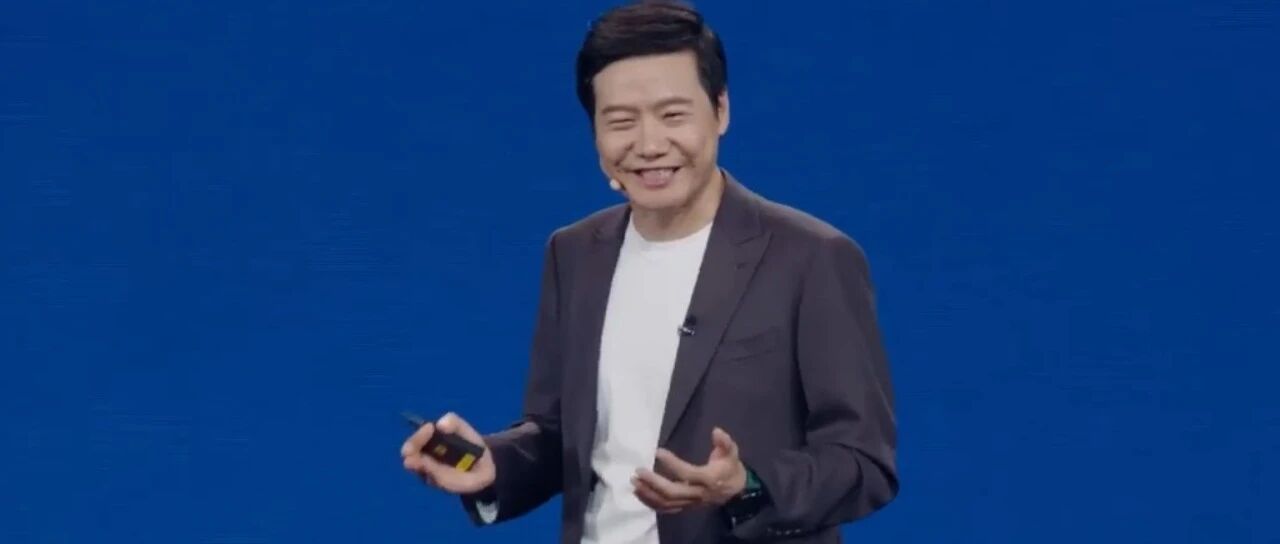
自研芯片

Search documents
雷军年度演讲讲了啥?
Zheng Quan Ri Bao· 2025-09-25 13:40
Core Insights - The core theme of the speech by Xiaomi's founder Lei Jun is "Change," highlighting the company's transformation from an internet company to a hardcore technology company over the past five years [2]. Group 1: Company Transformation - Xiaomi has made significant investments in core technologies, particularly in chip manufacturing and automotive development, marking a strategic shift in its business model [2]. - The company aims to develop high-end self-developed chips, with a commitment to invest at least 50 billion yuan over the next decade [3]. - The development of the self-developed 3nm chip, named Xuanjie O1, is set to be completed by May 2024, with the first products expected to launch in May 2025 [3]. Group 2: Automotive Development - Xiaomi's automotive project, particularly the SU7 Ultra, has been positioned to compete with luxury brands like Porsche and Tesla, requiring substantial investment [3]. - The SU7 project faced skepticism during its development phase, but ultimately achieved significant success, with over 200,000 pre-orders within three minutes of its launch [4]. - The company has drawn parallels between its chip and automotive projects, indicating that both are critical to its future and require similar levels of investment and commitment [3][4]. Group 3: Product Launches - In addition to discussing the company's strategic direction, Lei Jun announced the launch of the Xiaomi 17 series smartphones, which are positioned to compete with Apple's iPhone 17 series [5].


小米17系列4499元起,雷军:电池容量是iPhone17的两倍
2 1 Shi Ji Jing Ji Bao Dao· 2025-09-25 13:26
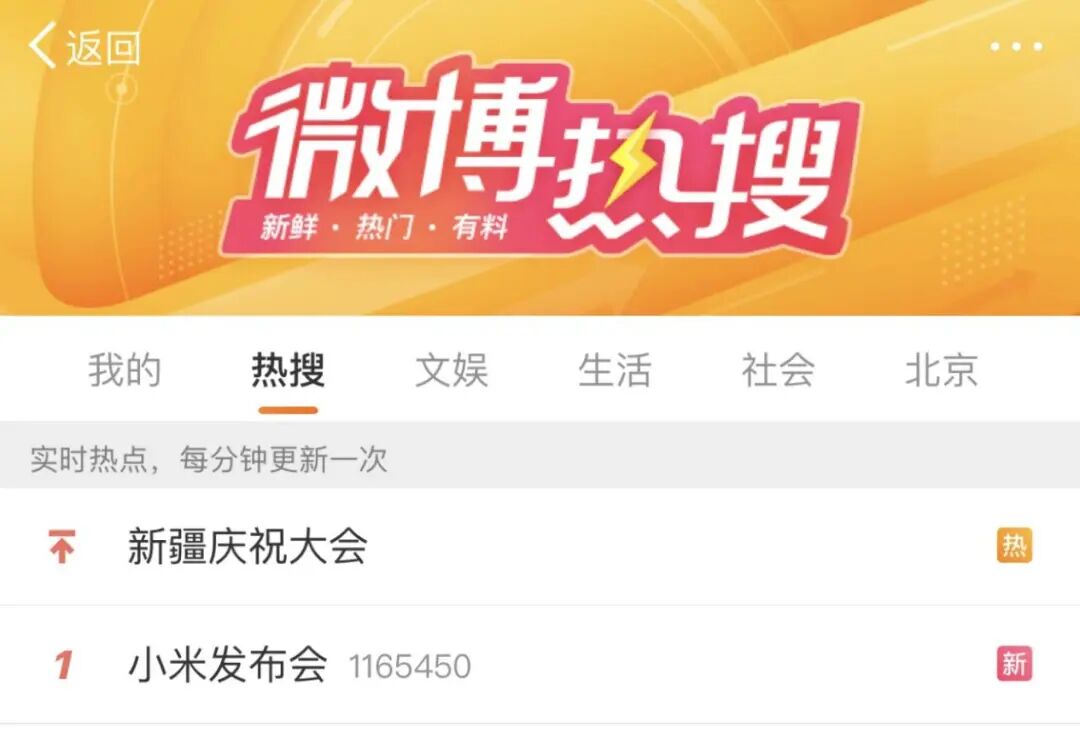
9月25日晚7点,雷军发表第6次年度演讲,分享近5年小米经历的"改变",再谈玄戒芯片和小米汽车。雷军谈及造芯时表示,芯片是小米走向成功的必由之 路,自研手机SoC,至少要坚持10年、至少投入500亿元。相关话题登上热搜第一。 小米17系列、全新平板 Xiaomi Pad 8 系列,以及众多科技家电新品也在同场发布。 谈造芯:至少要坚持十年、至少投入五百亿 雷军表示,芯片是小米走向成功的必由之路,自研手机SoC,至少要坚持十年、至少投入五百亿。 雷军:Ultra给SU7让路 雷军表示,2021年12月,小米SU7 Ultra正式立项,对标保时捷和特斯拉,打造全球最强的纯电性能车。然而,春节刚过,为了确保SU7成功,只能忍痛把 Ultra项目先砍掉。到了5月, SU7项目已经取得了突破进展,压力没有几个月前那么大,才决定重启Ultra项目。 雷军:不选小米YU7,可以选Model Y 提到小米YU7与特斯拉Model Y的对比,雷军表示,今年年初,内部买了三台特斯拉Model Y拆解,确实是一辆好车。"如果大家不选小米YU7,可以选 Model Y,明天理想i6发布大家也可以关注。" 此外雷军还称小米YU7是小米 ...

热搜第一!今夜,雷军刷屏!
中国基金报· 2025-09-25 13:26
Core Viewpoint - The annual speech by Lei Jun, CEO of Xiaomi, emphasized the company's transformative journey over the past five years, focusing on its ventures into automotive and chip development, alongside the launch of new products like the Xiaomi 17 series and Xiaomi Pad 8 series [2][5]. Group 1: Company Transformation - Xiaomi celebrated its 15th anniversary with significant breakthroughs in the automotive and chip sectors, which stemmed from a deep reflection initiated five years ago [5][8]. - The company’s strategic shift involved moving from being an "internet company" to a "hardcore technology company" through substantial investments in core technologies [8]. Group 2: Chip Development - Xiaomi has long harbored ambitions to develop its own chips, having established Pinecone Electronics 11 years ago for SoC chip development, but faced challenges that led to a halt in this initiative after the release of the "Surge S1" [10]. - In 2021, Xiaomi resumed its chip development efforts, committing over 10 billion yuan, despite facing skepticism from both internal and external stakeholders [11]. - The first flagship SoC, "Xuanjie O1," was successfully launched on May 22, 2024, marking a significant achievement for Xiaomi in the chip market [15]. Group 3: Automotive Ventures - Xiaomi's automotive project aims to compete with industry leaders like Tesla and Porsche, with the goal of creating the world's strongest pure electric performance vehicle [16][18]. - The Xiaomi SU7 Ultra project was officially initiated in December 2021, but faced setbacks that led to the temporary suspension of the Ultra variant to ensure the success of the SU7 [18]. - The SU7 Ultra prototype set records at the Nürburgring racetrack, showcasing Xiaomi's automotive capabilities, with the production version achieving impressive results in testing [20]. Group 4: Future Outlook - Lei Jun expressed that change is always possible, emphasizing that at 55 years old, it is still a prime time for innovation and growth [23]. - The transformation of Xiaomi extends beyond automotive and chip development, as the company has fundamentally restructured its core identity and mission over the past five years [25].

热搜第一!今夜,雷军刷屏!
Zhong Guo Ji Jin Bao· 2025-09-25 13:20
Group 1: Core Insights - The annual speech by Lei Jun, CEO of Xiaomi, focused on the theme of "Change," highlighting the company's development over the past five years, particularly in the automotive and chip sectors [1][3] - Xiaomi aims to transition from an "internet company" to a "hardcore technology company" by heavily investing in core technologies [5] - The company has made significant breakthroughs in chip development, with the launch of the first flagship SoC, the玄戒O1, which has performed exceptionally well in the market [11] Group 2: Chip Development - Xiaomi's journey in chip development began 11 years ago with the establishment of Pinecone Electronics, but the initial SoC project was halted after the release of the 澎湃S1 due to challenges faced [7] - After a thorough review, Xiaomi decided to restart its chip development in 2021, committing over 50 billion yuan to the project despite external skepticism [9] - The company believes that self-developed chips are essential for its success, with a commitment to invest at least 50 billion yuan over the next decade [9] Group 3: Automotive Ambitions - Xiaomi's automotive project, the SU7 Ultra, aims to compete with industry leaders like Tesla and Porsche, with a focus on creating a high-performance electric vehicle [12] - The SU7 project faced challenges, including the temporary cancellation of the Ultra variant, but has since made significant progress and is set to showcase its capabilities on the Nürburgring track [12][13] - The company has adjusted its vehicle specifications, increasing the range of the YU7 model to 835 kilometers while maintaining the same price, demonstrating a commitment to high performance and customer satisfaction [13] Group 4: Company Philosophy - Lei Jun emphasized that change is always possible, and through five years of dedicated effort, Xiaomi has redefined its core identity and mission [13] - The company believes that continuous effort and growth can lead to significant transformations, allowing teams to "reverse their fate" [13]
小米17系列4499元起,雷军:电池容量是iPhone17的两倍
21世纪经济报道· 2025-09-25 13:18
9月25日晚7点,雷军发表第6次年度演讲,分享近5年小米经历的"改变",再谈玄戒芯片和小米汽车。雷军谈及造芯时表示,芯片是小米走向成 功的必由之路,自研手机SoC,至少要坚持10年、至少投入500亿元。相关话题登上热搜第一。 小米17系列、全新平板 Xiaomi Pad 8 系列,以及众多科技家电新品也在同场发布。 谈造芯:至少要坚持十年、至少投入五百亿 雷军表示,芯片是小米走向成功的必由之路,自研手机SoC,至少要坚持十年、至少投入五百亿。 记者丨 雷晨 编辑丨张嘉钰 曾静娇 视频丨杨浩凯 陈泽 锴 提到小米YU7与特斯拉Model Y的对比, 雷军表示,今年年初,内部买了三台特斯拉Model Y拆解,确实是一辆好车。 "如果大家不选小米 YU7,可以选Model Y,明天理想i6发布大家也可以关注。" 此外雷军还称 小米YU7是小米汽车最后的底牌,50岁仍是闯的年纪。 小米17系列手机发布,起售价4499元 雷军在发布会上发布全新小米17系列手机,起售价4499元(12GB+256GB)。此外,12GB+512GB版本售价为4799元,16GB+512GB版本 售价为4999元。 小米17系列全球首发第五 ...
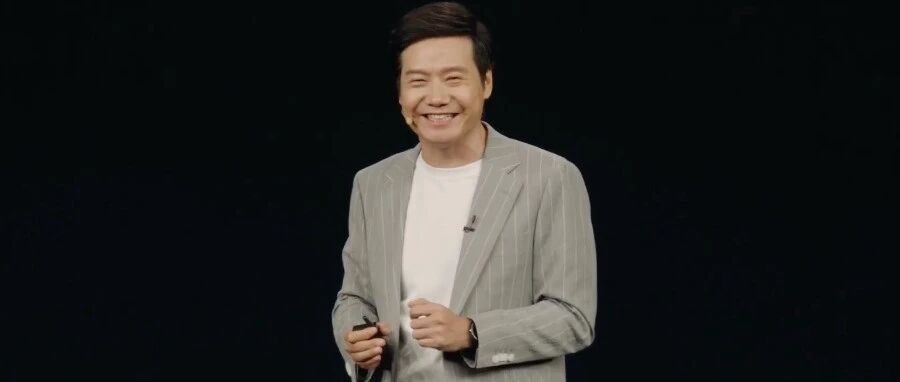
4499元起!雷军发布小米17
Shang Hai Zheng Quan Bao· 2025-09-25 13:15
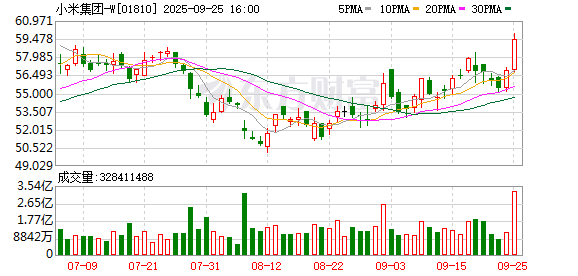
Core Points - Xiaomi launched the new Xiaomi 17 series smartphone at a starting price of 4499 yuan (12GB+256GB) during its autumn launch event on September 25 [2][4] - CEO Lei Jun emphasized that the craftsmanship of the Xiaomi 17 is comparable to that of the iPhone [2][4] - The Xiaomi 17 series features the world's first Snapdragon 8 Gen 2 mobile platform, utilizing a third-generation 3nm process with a peak frequency of 4.6GHz [6] - The device is equipped with a 7000mAh battery, boasting a silicon content of 16%, high energy density, and a lifespan of five years [8] Product Features - The Xiaomi 17 series comes in four color options: Snow Mountain Pink, Ice Melting Blue, and classic black and white [10] - It features a 6.3-inch Super Sunshine display with a new generation Xiaomi M10 screen technology, achieving a peak brightness of 3500 nits [10] - The device supports 100W wired and 50W wireless fast charging [8] Chip Development Strategy - Lei Jun shared insights on Xiaomi's self-developed chips, stating that the company plans to invest at least 50 billion yuan over the next 10 years, focusing on high-end products [12] - The decision to continue chip development was made after a critical meeting in 2022, where Lei Jun expressed strong support for the initiative despite previous setbacks [14] - Xiaomi's chip development began in 2014 with Pinecone Electronics, and the company aims to build a strong chip R&D team regardless of the outcome [14] Market Reaction - Following the announcement, Xiaomi's stock price surged over 4%, reaching 59.45 HKD, marking a new high since July [16] - The launch coincided with Qualcomm's release of the Snapdragon 8 Gen 2 platform, which is touted as the fastest mobile CPU globally [16] Future Plans - Xiaomi announced plans to enter the European electric vehicle market by 2027, with intentions to establish car showrooms and potentially build a local factory [21] - The company has already delivered 300,000 units of the Xiaomi SU7 within the first 15 months and received 200,000 orders for the Xiaomi YU7 within three minutes of its launch [21] - Xiaomi aims to open 10,000 self-operated stores globally by 2030, expanding its smart home ecosystem alongside its smartphone and electric vehicle offerings [21]
雷军谈自研芯片命名:我建议还叫松果,大家坚决不同意
Xin Lang Ke Ji· 2025-09-25 13:09
Core Insights - Xiaomi's Chairman and CEO Lei Jun emphasized the challenges of developing self-researched chips, highlighting the importance of overcoming the fear of failure after the setback with Pinecone [1] Group 1 - The project for self-researched chips has just been initiated, and the name "Pinecone" was initially suggested but ultimately rejected in favor of "Xuanjie," symbolizing a serious commitment to chip development [1]
4499元起!小米17系列发布 雷军发表第六次年度演讲:曾因质疑陷入内耗 决心逆天改命
Hua Xia Shi Bao· 2025-09-25 13:03
Core Insights - Lei Jun's annual speech highlighted Xiaomi's significant breakthroughs in the automotive and semiconductor sectors, marking a transformative phase for the company as it celebrates its 15th anniversary [3][4] - The company aims to invest heavily in core technologies, particularly in self-developed chips, committing at least 500 billion yuan over the next decade [4][6] - Xiaomi's automotive division is experiencing rapid growth, with plans to optimize vehicle delivery cycles significantly, potentially reducing wait times by up to two months [22][23] Group 1: Company Developments - Xiaomi has launched its self-developed chip "Xuanjie O1," which utilizes advanced 3nm technology and features 190 billion transistors, making Xiaomi the fourth company globally to develop its own mobile SoC [6] - The company is actively recruiting top talent, with a significant portion of its current executive team being new hires, indicating a strategic shift towards innovation and expertise [7][20] - Xiaomi's automotive sales have surged, with the company achieving a delivery volume of 36,500 units in the previous month, positioning it as a strong competitor in the electric vehicle market [22][23] Group 2: Market Position and Strategy - Xiaomi's strategy to enter the automotive market is driven by a team of passionate engineers eager to make a significant impact, which has contributed to the company's rapid progress [8][10] - The company is focusing on high-end products, with Lei Jun stating that success in the high-end market is crucial for the future of its chip development [6][10] - Xiaomi's recent financial performance shows a record revenue of 115.96 billion yuan for Q2 2025, reflecting a 30.5% year-on-year growth, alongside a net profit increase of 75.4% [23]
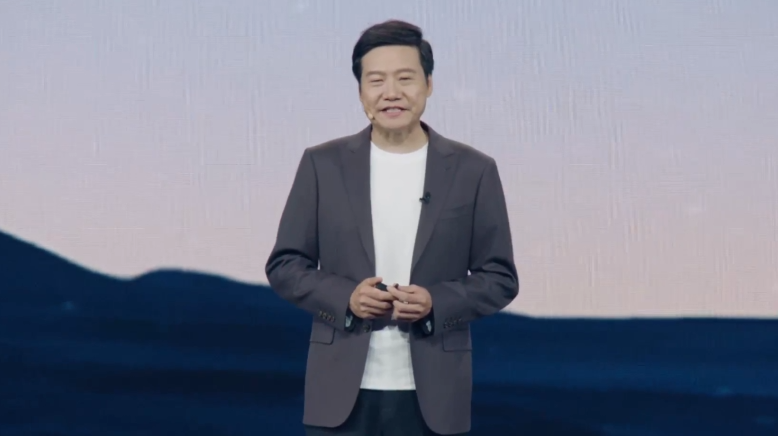
雷军:芯片是小米走向成功的必由之路
半导体行业观察· 2025-09-25 11:59
Core Viewpoint - Xiaomi's journey in chip development has been marked by both ambition and challenges, with a renewed commitment to self-developed chips being crucial for the company's future success [1][2][4]. Group 1: Chip Development History - Xiaomi began its chip development journey in 2014, launching its first self-developed SoC, Surge S1, in 2017, which sold over 600,000 units [1]. - In 2018, Xiaomi made the difficult decision to halt SoC development and focus on smaller chips due to the challenges faced [1]. - The failure of the Surge project led to reflections on the need to target high-end markets for self-developed chips, as seen with competitors like Huawei and Apple [1]. Group 2: Strategic Decisions and Challenges - The complexity and cost of chip development have significantly increased, with estimates of requiring ten years and $50 billion for a successful SoC [2]. - In early 2021, Xiaomi restarted its chip journey by establishing the "Xuanjie" team, but faced significant revenue challenges shortly after [2][3]. - A critical meeting in May 2022 led to a consensus to continue chip development despite financial pressures, emphasizing the long-term vision over short-term gains [3]. Group 3: Commitment to Chip Development - Xiaomi's leadership expressed strong support for continuing chip development, viewing the investment as essential for building a robust R&D team, regardless of the outcome [4]. - By early 2024, the self-developed chip "Xuanjie O1" was successfully taped out using advanced 3nm technology, boosting confidence within the team [4]. - The success of the Xuanjie O1 is seen as just the beginning, with the company acknowledging the long road ahead in achieving ultimate success in chip development [5].
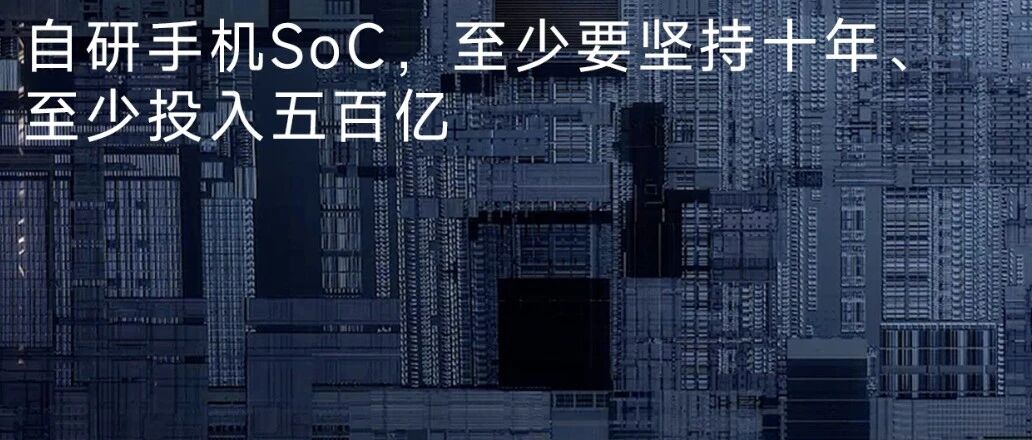
雷军谈造芯:至少要坚持十年、至少投入五百亿
财联社· 2025-09-25 11:41
Core Viewpoint - The core viewpoint of the article emphasizes that chips are essential for Xiaomi's success, highlighting the importance of self-developed mobile SoCs and the commitment to invest at least 50 billion over the next ten years [1] Summary by Relevant Sections - **Investment in Chip Development** - Xiaomi plans to invest a minimum of 50 billion in self-developed mobile SoCs over the next decade [1] - The company recognizes that this investment is crucial for its long-term success in the competitive smartphone market [1] - **Long-term Commitment** - Xiaomi's strategy involves a commitment to self-research and development of chips for at least ten years [1] - This long-term approach indicates a significant shift towards vertical integration in the technology supply chain [1]