贸易保护

Search documents
高关税令美印关系紧张 印度多行业受冲击
Yang Shi Wang· 2025-08-29 06:28
Group 1 - The cumulative tariff rate imposed by the US on Indian products has reached 50%, one of the highest rates faced by US trade partners, aimed at punishing India for purchasing Russian oil, leading to strained US-India relations [1] - Indian Foreign Minister S. Jaishankar stated that importing oil from Russia aligns with India's national interests and helps stabilize international oil prices, emphasizing India's commitment to independent decision-making in oil imports [3] - The high tariffs are expected to put over half of India's exports to the US at a competitive disadvantage compared to products from other countries, affecting multiple labor-intensive sectors such as textiles, leather goods, chemicals, handicrafts, carpets, and seafood [5] Group 2 - The Indian government has announced several policies to assist farmers and small business owners in coping with the impact of tariffs, including financial subsidies for affected exporters and encouragement to diversify export markets towards Latin America and the Middle East [6] - Despite the challenges in trade, there remains room for negotiation between the US and India, with five rounds of trade talks conducted without reaching an agreement, and the next round of negotiations postponed [8] - The strategic value of India has diminished since the Trump administration focused on economic development and manufacturing return, yet mutual interests in military cooperation and the Indo-Pacific strategy persist [8]


欧盟中国商会为中企清洁技术辩护
Huan Qiu Shi Bao· 2025-08-29 01:13
Group 1 - Concerns over China's influence have led a German investment firm, Luxcara, to withdraw its plan to purchase Chinese wind turbines for a North Sea wind farm project, opting instead for Siemens Gamesa's equipment [1] - Luxcara's decision was influenced by political pressure and public debate, although the company claims the choice was based on operational considerations and better pricing [1][2] - The EU Chamber of Commerce in China criticized the exclusion of Chinese companies based solely on origin, arguing it undermines efficiency and the established goals of open and sustainable development in Europe [1][2] Group 2 - Mingyang Smart Energy, the Chinese manufacturer initially involved in the project, stated it would explore development opportunities in Germany despite withdrawing from this specific project [2] - Luxcara emphasized that all critical components for the wind farm would be sourced from European manufacturers, despite the pressure to abandon Chinese equipment [2] - The German government is concerned about escalating trade disputes with China while also recognizing the importance of affordable Chinese energy technology for its renewable energy expansion plans [3]

特朗普大获全胜,美联储举手投降,未来资金会流向中国?
Sou Hu Cai Jing· 2025-08-27 02:59
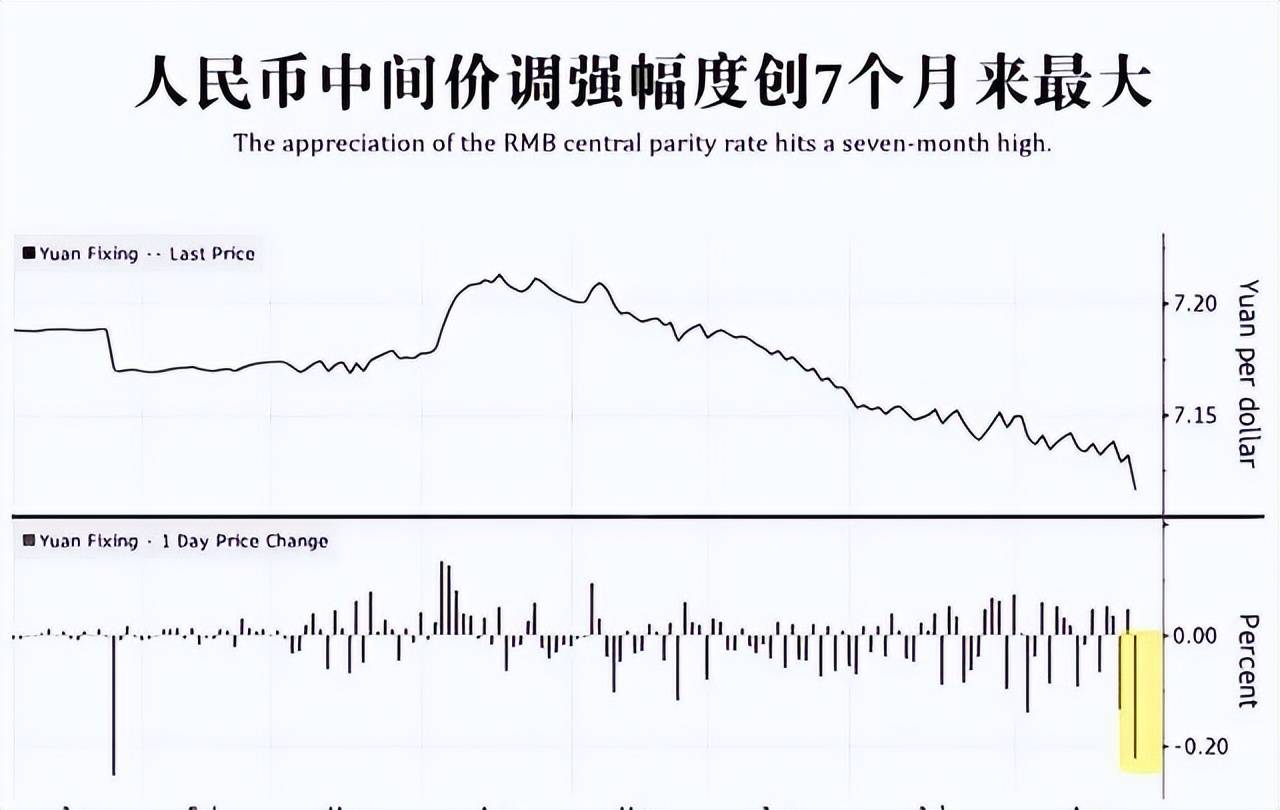
Group 1: Political Landscape and Economic Impact - Trump's victory in the 2024 presidential election marked a significant political shift, as he became the second Republican president since 1988 to win the popular vote, reversing a 4.4 percentage point deficit from 2020 to a 1.5 percentage point lead [1] - The Republican Party gained a majority in the Senate, indicating a broader political realignment [1] - Trump's election raised concerns in international markets, particularly regarding trade policy uncertainty, leading to increased investor apprehension about U.S. tariffs and investment policies [1] Group 2: Federal Reserve and Monetary Policy - Federal Reserve Chairman Jerome Powell indicated a potential shift in monetary policy, suggesting a possible interest rate cut in September 2024, which was perceived as the beginning of a new easing cycle [3] - The Fed subsequently lowered interest rates by 50 basis points in September 2024, bringing the range down to 4.75% to 5.00%, followed by additional cuts in November and December [3] - Political pressures were noted, as Trump criticized high interest rates during his campaign and exerted pressure on the Fed for further cuts, raising questions about the Fed's independence [3] Group 3: Currency Fluctuations - The U.S. dollar index experienced volatility, dropping 0.5% on the day of Powell's speech and continuing to face pressure as interest rates were cut [5] - By May 2025, the dollar index fell to 96.01, reflecting a 0.4% decline in a single day, while the Chinese yuan appreciated against the dollar [5] - The dollar had appreciated by 9.0% in Q4 2024, but the trend reversed in 2025 as investors began reallocating assets to mitigate dollar depreciation risks [5] Group 4: Capital Flows and Foreign Investment - Following Trump's election, there was a significant outflow of capital from Asian markets, with a record capital outflow of $4.57 billion from China in November 2024 [7] - Despite an overall decline in foreign direct investment (FDI) in China, high-tech manufacturing attracted foreign capital, with a 2% year-on-year increase in the first four months of 2025 [7] - China remained the fourth largest recipient of foreign investment globally, even as FDI fell by 11% worldwide in 2024 [7] Group 5: Technology Policy and Corporate Impact - Trump's administration adopted a new approach to technology policy, including a plan for the U.S. government to hold a 10% stake in Intel, valued at $8.9 billion, funded by CHIPS Act subsidies [8] - This policy extended to other tech companies like Apple, Nvidia, and AMD, raising concerns about market confidence and the implications of government intervention in the economy [8] - Critics argued that this approach deviated from traditional free enterprise principles, while Trump framed it as a strategy to strengthen U.S. tech manufacturing [8] Group 6: International Trade Relations - Trump's administration implemented protectionist trade policies, including a minimum 10% tariff on all imports and a 145% tariff on Chinese goods, escalating tensions between the U.S. and China [9] - In response, China announced measures to restrict key mineral exports and saw a significant drop in new investment projects from North America [9] - Despite a 29% decline in global FDI to China in 2024, sectors like energy and infrastructure continued to show growth, indicating resilience in China's international capital flows [9]
美加征50%关税,印“绝不妥协”
Huan Qiu Shi Bao· 2025-08-26 22:49
Core Viewpoint - The United States has imposed a 50% tariff on Indian goods, which is seen as a significant economic challenge for India and could potentially lower its GDP growth rate below 6% for the fiscal year [1][2][5]. Group 1: Tariff Implementation - The U.S. Department of Homeland Security announced a 50% tariff on all Indian products imported for consumption, effective from August 27, 2025 [1][2]. - This tariff is part of a broader strategy against countries maintaining trade relations with Russia, with the cumulative effect of previous tariffs leading to a total of 50% on Indian imports [2][5]. - The tariffs are expected to impact approximately 66% of India's exports to the U.S., including textiles, gems, shrimp, carpets, and furniture [2]. Group 2: Economic Impact - Experts predict that the tariffs could force India to make strategic adjustments to maintain economic growth while addressing employment and industry competitiveness [2]. - The Reserve Bank of India has indicated it will provide special support to industries affected by the tariffs, expressing confidence in achieving results through trade negotiations [3]. - Analysts warn that if the 50% tariff remains long-term, it could exert pressure on India's economy and corporate profits, potentially reducing GDP growth by 0.8 percentage points over the next two years [5]. Group 3: Government Response - Indian Prime Minister Modi emphasized the government's commitment to protecting farmers and small businesses, asserting that they will not compromise on these interests [3]. - The Indian government is exploring financial assistance for affected exporters and encouraging them to diversify into markets in China, Latin America, and the Middle East [5]. - Modi has also promised comprehensive reforms in the goods and services tax to stimulate the economy, which may help mitigate the impact of the tariffs [5]. Group 4: Trade Negotiations - Ongoing trade negotiations between India and the U.S. have faced challenges, particularly regarding agricultural and dairy sectors, with both sides holding firm on their positions [8]. - The cancellation of a scheduled round of trade talks has further complicated the situation, although Indian officials maintain that discussions are still ongoing [8].
特朗普终于签字,对华关税延长 90 天,还请求中国出手拉美国一把
Sou Hu Cai Jing· 2025-08-23 13:57
Core Viewpoint - The article discusses Trump's recent decision to extend the tariff suspension period with China for an additional 90 days, reflecting a strategic pause in the ongoing trade tensions between the two countries [2][4][23]. Group 1: Tariff Suspension - Trump's signing of the executive order to extend the tariff suspension was a last-minute decision before the expiration date, preventing a return to high tariffs of 145% on U.S. imports from China [2][4]. - The extension is seen as a tactical move to buy time for the U.S. to stabilize its trade strategy and negotiate with other countries before fully confronting China [4][6]. - The U.S. Treasury Secretary emphasized the need to prioritize domestic manufacturing before addressing trade negotiations with China, indicating a focus on internal economic recovery [4][6]. Group 2: Agricultural Trade - Trump urged China to increase its purchases of U.S. soybeans, suggesting a fourfold increase in orders, which reflects his concern over China's soybean shortage [8][10]. - Despite this request, China's imports of U.S. soybeans have been declining, with only 3 million tons sold by the U.S. as of July, the lowest in 20 years [10][12]. - Brazil has become the primary supplier of soybeans to China, accounting for nearly 70% of imports, due to competitive pricing and favorable trade conditions [10][12]. Group 3: Trade Deficit Concerns - Trump's focus on soybean orders is tied to his desire to reduce the trade deficit with China, which he perceives as unfavorable for the U.S. economy [12][14]. - The article argues that the trade deficit cannot be effectively reduced while the U.S. continues to impose tariffs on Chinese goods, which dampens demand for American exports [12][14]. - A more cooperative approach, including lifting restrictions on high-tech exports to China, is suggested as a means to address the trade imbalance [15]. Group 4: China's Response Strategy - China is adopting a cautious and strategic approach in response to Trump's fluctuating demands, emphasizing the importance of maintaining diverse trade partnerships [17][19]. - The article highlights China's efforts to deepen cooperation with other major economies, such as through the Regional Comprehensive Economic Partnership (RCEP) [19]. - China's procurement strategy for soybeans will depend on the competitiveness of U.S. offers compared to Brazilian products, indicating a focus on fair trade practices [19][21]. Group 5: Future Negotiations - The next 90 days are expected to involve ongoing negotiations between the U.S. and China, with both sides preparing for a protracted dialogue [21][23]. - The article suggests that for any meaningful progress to occur, the U.S. must approach negotiations with sincerity and a willingness to engage in equitable discussions [21][23]. - The overarching message is that cooperation, rather than confrontation, is essential for both nations to benefit and for global economic stability [23].
懂王继续重锤,关税阴云犹在,“全球央妈年会”即将召开!
Sou Hu Cai Jing· 2025-08-20 05:55
Group 1: Trade Policy Changes - The Trump administration has expanded the coverage of steel and aluminum tariffs by 50%, adding over 400 product categories including firefighting equipment, machinery, construction materials, and specialty chemicals made from steel and aluminum [2][3] - The expansion of tariffs aims to close loopholes and support the ongoing revitalization of the U.S. steel and aluminum industries, according to Jeffrey Kessler, Deputy Assistant Secretary for Industrial and Security [3] Group 2: Economic Impact - The new tariffs are estimated to affect at least $320 billion worth of imported goods, potentially increasing cost-push inflation pressures as domestic producers raise prices [3] - Several U.S. companies, including Procter & Gamble, Walmart, and Home Depot, have issued price increase warnings, indicating that the tariffs will lead to higher product prices [3] - A recent survey revealed that nearly one-third of U.S. businesses plan to raise prices within six months, reflecting a trend of passing higher input and import costs onto consumers [3] Group 3: Federal Reserve and Interest Rates - The tariffs have reignited discussions about inflation and interest rates, with President Trump urging the Federal Reserve to lower rates [4] - Treasury Secretary Mnuchin suggested that the Fed's benchmark rate should be reduced by 150-175 basis points, although this view has faced criticism [4] - Market expectations indicate a nearly certain 25 basis point rate cut by the Fed next month, with at least one more cut anticipated by the end of the year [4][5] Group 4: Federal Reserve's Policy Framework - The upcoming Jackson Hole conference is expected to see Fed Chair Powell address the monetary policy framework, with speculation that the Fed may shift away from the "flexible average inflation targeting" introduced during the COVID-19 pandemic [6] - Powell's actions and statements are closely watched as they could significantly influence global financial markets amid the intertwined issues of tariffs, inflation, and monetary policy [6]

特朗普,突发!超六成美国人反对!
券商中国· 2025-08-15 02:15
Core Viewpoint - Over 60% of Americans oppose President Trump's tariff policy, indicating a significant decline in public support for his economic strategies [1][3]. Group 1: Public Opinion on Tariffs - A recent Pew Research Center survey shows that 61% of respondents oppose Trump's tariff policy, while only 38% support it, marking a 9 percentage point drop since he took office [1][3]. - The survey also reveals that 53% of Americans believe Trump has worsened the federal government's operations, with only 27% feeling he has improved it [3]. Group 2: Economic Impact of Tariffs - Goldman Sachs reports that American consumers are increasingly bearing the costs of the tariff policy, with 22% of the tariff costs being shouldered by consumers as of June, projected to rise to 67% by October [2][6]. - The average tariff rate on all products has surged from 2.44% at the beginning of the year to 20.11% as of August 7, significantly impacting global trade volumes [5]. Group 3: International Reactions and Strategies - Brazilian President Lula has initiated the "Brazil Sovereignty Plan" to mitigate the effects of U.S. tariffs, including measures to support affected businesses and diversify trade partnerships [9]. - Lula's administration emphasizes the importance of maintaining constructive dialogue with the U.S. while asserting Brazil's economic sovereignty [9][10].
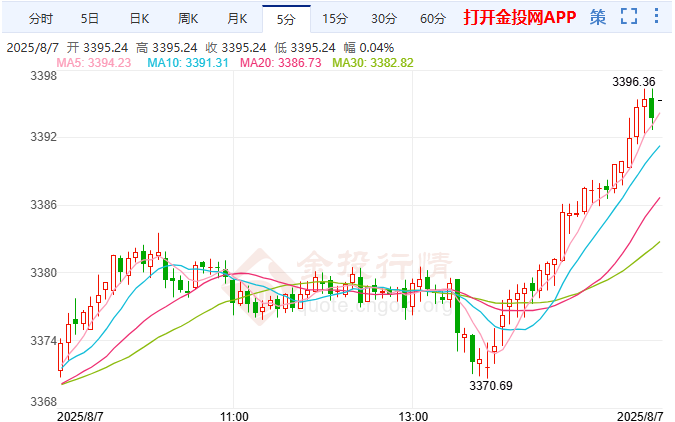
金价短线冲高刷新近两周高点
Jin Tou Wang· 2025-08-07 08:16
【技术分析】 黄金价格周三承压回落微幅收跌,亚欧盘震荡下跌,美盘上涨,日线收阴线,回踩5日均线,日线RSI 位于50上方,4小时回踩3360附近企稳,继续看涨,若黄金行情彻底站上3380,短线仍有望挑战3400。 【要闻速递】 美国总统特朗普最新宣布对印度商品加征25%关税,并将于三周后生效,部分商品税率将高达50%。这 是继拟对半导体芯片征收100%关税后,美国政府再次升级贸易保护措施,刺激市场避险情绪升温。 KCM Trade分析师Tim Waterer指出,金价正逼近3400美元心理关口,持续的政策不确定性巩固了黄金的 避险吸引力。 除贸易风险外,美元持续疲弱也为金价走势提供支撑。美元指数徘徊于一周低点附近,因市场预计美联 储9月降息概率高达95%。明尼阿波利斯联储主席卡什卡利最新表态称,尽管关税影响尚不明确,但可 能需要降息应对经济放缓。分析师认为,在贸易紧张局势与货币政策宽松预期的双重作用下,黄金价格 短期或维持震荡偏强走势。 周四(8月7日)欧盘时段,现货黄金短线冲高,刷新近两周高点至3396美元,逼近3400美元心理关口, 因美联储官员鸽派讲话进一步打压美元,而且国际贸易局势的不确定性推升黄金的 ...
Ferroglobe(GSM) - 2025 Q2 - Earnings Call Transcript
2025-08-06 13:30
Financial Data and Key Metrics Changes - The company reported a 26% increase in sales for Q2, reaching $387 million, while raw material costs only increased by 6%, leading to improved margins with raw material costs as a percentage of sales declining from 78% to 66% [25] - Adjusted EBITDA for Q2 improved significantly to $22 million from a loss of $27 million in Q1, marking an improvement of $48 million [25][26] - The company maintained a net cash positive position at the end of the quarter with a balance of $10 million, down from $19 million at the end of Q1 [32] Business Line Data and Key Metrics Changes - Silicon metal revenue increased by 24% to $130 million, driven by a 23% increase in shipments [26][27] - Silicon-based alloys revenue rose 23% to $112 million, supported by a 24% increase in shipments, while pricing slightly decreased by 1% [29] - Manganese-based alloys saw the strongest improvement with revenue up 43% to $106 million, driven by a 31% increase in volumes and a 9% increase in average selling prices [30][24] Market Data and Key Metrics Changes - European silicon metal prices declined by approximately 20% in the past month due to a substantial increase in imports from China, which pressured the market and reduced EU producers' market share from 40% to about 15% [9] - The U.S. market experienced a significant increase in ferrosilicon sales, with the highest volume recorded in the past eight quarters, supported by trade actions against imports from Russia, Kazakhstan, Brazil, and Malaysia [12][35] Company Strategy and Development Direction - The company is focusing on operational efficiency and cost control while navigating a challenging market environment, with plans to optimize production by switching furnaces from silicon metal to ferrosilicon [10][15] - The company aims to leverage its vertical supply chain integration to benefit from trade restrictions in the U.S. and Europe, enhancing its competitive position [16] - The company is optimistic about 2026, expecting improvements from trade decisions and supply curtailments, which should enhance the operating environment [35] Management's Comments on Operating Environment and Future Outlook - Management expressed concerns about the elevated uncertainty in global trade policies and tariffs, leading to the withdrawal of the 2025 guidance [5][34] - The company is optimistic about the potential benefits from EU safeguard measures and U.S. trade actions, which are expected to improve market dynamics [11][35] - Management highlighted the importance of NATO's increased defense spending, which is anticipated to bolster the steel and aluminum industries, benefiting the company [14] Other Important Information - The company repurchased 600,000 shares for $2 million during the quarter and paid $2.6 million in dividends [10][32] - The company joined the Russell 2000 and 3000 indexes, increasing visibility among institutional investors [16] Q&A Session Summary Question: Why was the annual EBITDA guidance withdrawn? - Management indicated that the extreme uncertainty in global trade tariffs and the significant import of silicon metal from China at low prices made it difficult to project future volumes and prices, leading to the decision to withdraw guidance [39][41] Question: Is there a risk that EBITDA could revert negative before the end of the year? - Management stated that while they cannot predict the exact amount of EBITDA, they have been able to deliver positive EBITDA despite the current uncertainties [42] Question: Can you discuss the exposure to U.S. tariffs and implications for the supply chain? - Management confirmed that there are currently no impacts on the Becancour facility from U.S. tariffs, and they have secured supply for critical raw materials [44] Question: What is the expected impact of EU safeguards on volumes? - Management noted that they are engaged with the European community regarding safeguards and expect a preliminary decision in August and a final decision in November, but they refrained from speculating on the specific impacts at this stage [51][52] Question: What is the volume impact of switching furnaces from silicon metal to ferrosilicon? - Management confirmed that the switch was made due to increased demand for ferrosilicon in the U.S., positively impacting EBITDA [56] Question: Any updates on the Coorshell investment? - Management highlighted that the new pilot plant for Coorshell has started operating smoothly, with promising results in cycle efficiency, and they are in the process of assembling cells for major OEMs [60]

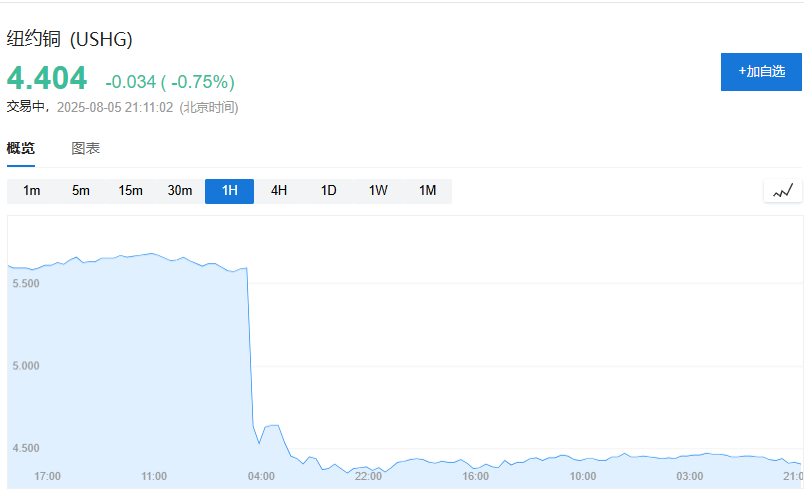
铜幸免于难、铝在劫难逃,特朗普关税大棒为何“厚此薄彼”?
Hua Er Jie Jian Wen· 2025-08-05 13:29
Core Viewpoint - The Trump administration's decision to exempt refined copper from import tariffs while imposing a 50% tariff on aluminum reflects differing industry lobbying efforts and the economic importance of each metal to U.S. manufacturing [1][3][5]. Group 1: Tariff Decisions - Effective August 1, the U.S. will impose a 50% tariff on copper semi-finished products like copper wire and pipes, but refined copper, including cathodes and anodes, will be exempt [1]. - Following the announcement, U.S. copper prices dropped over 20%, contrasting with the ongoing 50% tariff on imported aluminum since June [1]. Group 2: Industry Lobbying - Major copper producers, such as Freeport-McMoRan, lobbied for the exemption, emphasizing the critical role of refined copper in U.S. manufacturing and warning that tariffs could harm domestic copper production [3][5]. - In contrast, U.S. aluminum producers, like Century Aluminum, have actively supported the high tariffs, arguing they are essential for protecting domestic aluminum smelting capacity [4]. Group 3: Economic Factors - The disparity in electricity costs between aluminum and copper production significantly influences the trade protection policies. Energy costs account for approximately 50% of primary aluminum production costs and about 30% for copper [7]. - U.S. aluminum smelters face higher electricity costs compared to their counterparts in countries like the UAE and China, which strengthens the aluminum industry's case for trade protection [7].