
降本增效

Search documents
大家业绩都beat预期
Xin Lang Cai Jing· 2025-11-18 14:10
Core Viewpoint - Pinduoduo reported strong financial results for Q3, with a focus on international expansion despite facing challenges in revenue growth and external policy risks [1][4][5]. Financial Performance - Q3 total revenue reached 108.2765 billion yuan (approximately 11.52095 billion USD), a year-on-year increase of 9% [2]. - Net profit attributable to ordinary shareholders for Q3 was 29.3282 billion yuan (approximately 4.1197 billion USD), reflecting a year-on-year growth of 17% [2]. - The company holds over 400 billion yuan in cash reserves [3]. Competitive Landscape - Pinduoduo's GMV for Temu in Q3 reached 24 billion USD, with a year-on-year growth of 75% for the first three quarters [3]. - The company continues to focus on its core business and internationalization, contrasting with its domestic competitors who spend 30-50 billion yuan quarterly on subsidies for delivery and flash sales [3]. Challenges - Revenue growth has slowed down [4]. - Management has no plans for stock buybacks, which may exert pressure on the stock price [5]. - Temu faces significant external policy risks [5]. Market Context - The overall performance of major Chinese tech companies in Q3 has been strong, with Xiaomi reporting a 22.3% year-on-year revenue increase and Baidu's AI-related revenues showing substantial growth [6].


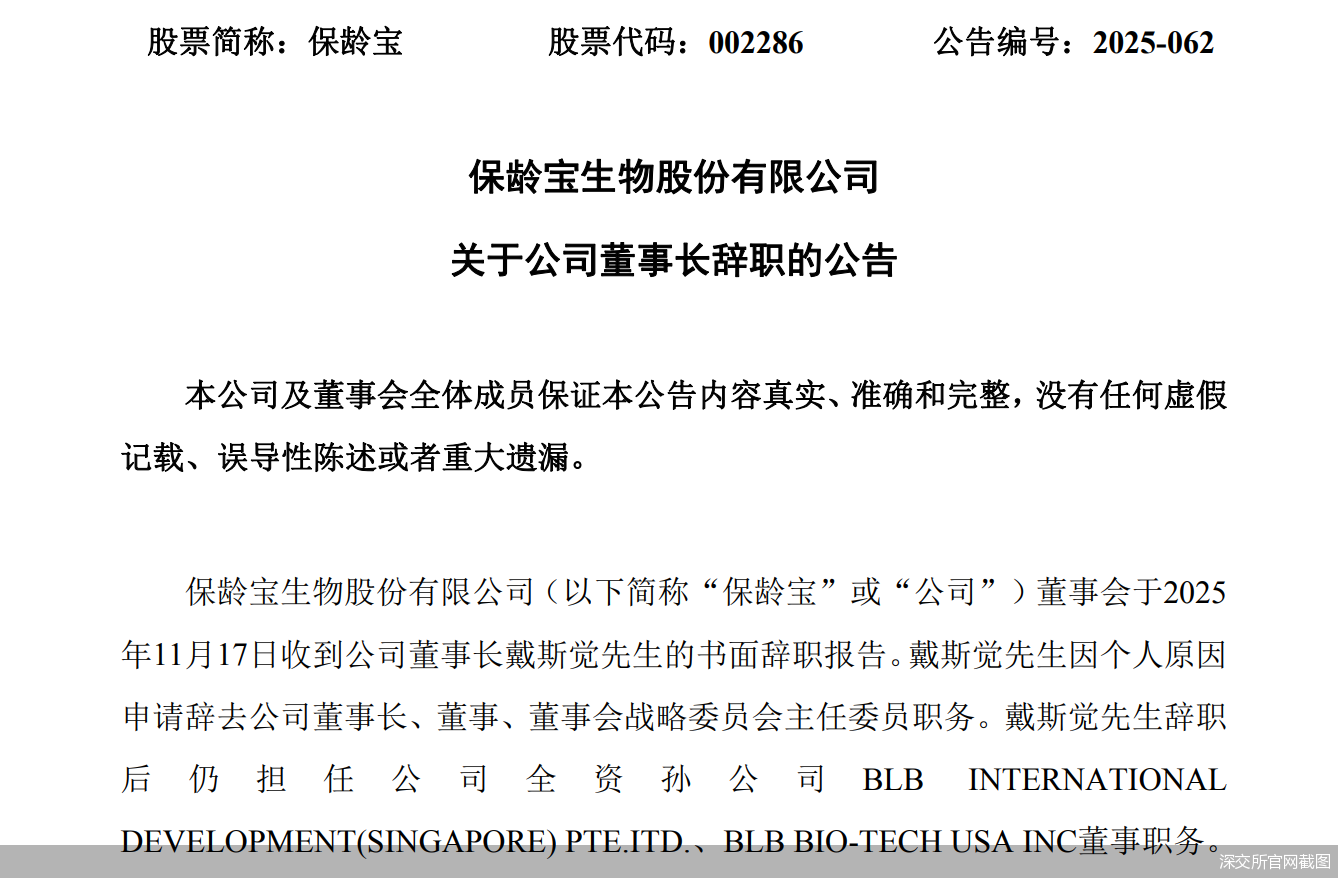
保龄宝业绩回暖董事长却突然辞职,实控人永裕投资难过冬
Bei Jing Shang Bao· 2025-11-18 14:04
Core Viewpoint - The sudden resignation of the chairman of Baolingbao, Dai Sijue, has led to a significant drop in the company's stock price, raising concerns about the company's governance and financial stability [1][4][7]. Company Overview - Baolingbao, listed in August 2009, was the first company in China's functional sugar industry to go public, initially thriving through partnerships with well-known brands [5]. - The company experienced peak revenue of 2.765 billion yuan in 2021, driven by the rising demand for sugar substitutes [5]. Recent Developments - Dai Sijue resigned due to personal reasons but remains a director in two subsidiaries. His resignation is effective immediately upon submission [4]. - Following the announcement, Baolingbao's stock price fell by 6.37% to 10 yuan per share, with a total market value of 3.806 billion yuan [1][4]. Financial Performance - Baolingbao's revenue has declined for three consecutive years from 2022 to 2024, with figures of 2.713 billion yuan, 2.524 billion yuan, and 2.402 billion yuan respectively, attributed to external pressures and increased competition [6]. - In the first three quarters of 2025, the company reported revenue of approximately 2.126 billion yuan, a year-on-year increase of 15.98%, and a net profit of approximately 134 million yuan, up 32.58% [6]. Industry Context - The sugar substitute industry has seen accelerated capacity expansion, with global demand for erythritol reaching 173,000 tons in 2022, while the production capacity of leading manufacturers exceeds demand by more than double [6]. - The competitive landscape has intensified, posing challenges for Baolingbao as it seeks to maintain its market position [6]. Governance Concerns - Concerns have arisen regarding the financial pressures faced by the controlling shareholder, Yongyu Investment, which has been listed as a defendant in multiple court cases with significant execution amounts [7][8]. - The potential for stock pledge or reduction risks due to Yongyu Investment's financial issues could impact the stability of Baolingbao's shareholding structure [7][8].

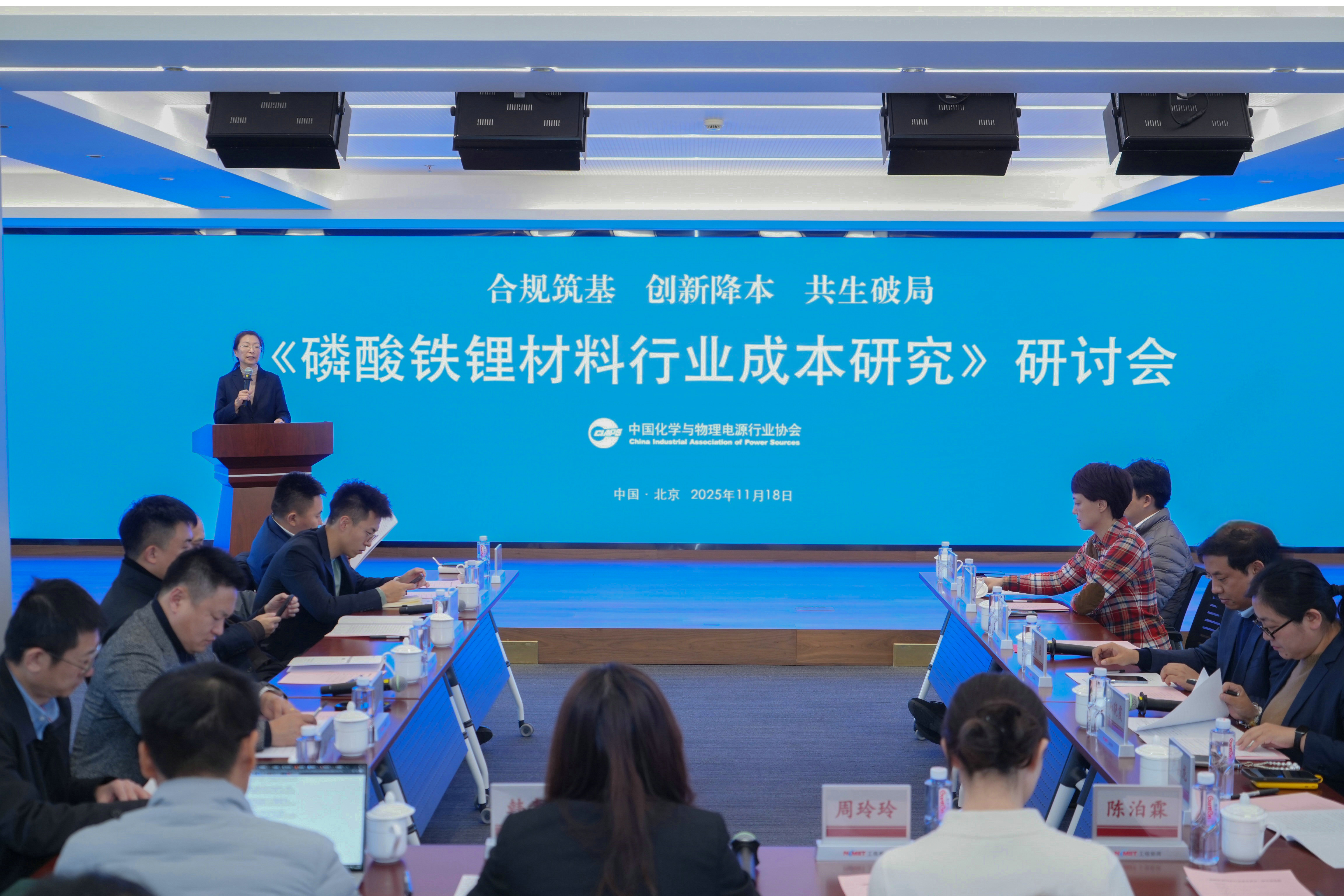
行业协会:以成本指数为“度量衡”重建市场定价逻辑,遏制“内卷式”恶性竞争
Xin Hua Cai Jing· 2025-11-18 13:57
新华财经北京11月18日电(记者刘玉龙)18日,以"合规筑基 创新降本 共生破局"为主题的《磷酸铁锂材料行业成本研究》研讨会在工业和信息化部新闻宣 传中心发布厅召开。本次研讨会由中国化学与物理电源行业协会主办,行业专家、企业代表等深度交流,共同探寻锂电产业链高质量发展的可行路径。 据悉,《磷酸铁锂材料行业成本研究》基于2025年1-9月一次烧结工艺(二次烧结成本会更高)、压实密度2.4—2.55g/cm³(主流应用规格)的磷酸铁锂材 料,选用平均法与市场份额加权法得出15714.8元/吨—16439.3元/吨(未税价格)为行业平均成本区间,并以此为基期(指数=100),为企业成本管控提 供精准参照。据周波介绍,研究发现,磷酸铁锂材料成本结构呈现"主材占比最高、能耗与直接费用并重"特征,主材成本占比35%-40%(核心波动因素), 耗能成本、直接费用各占约19%,期间费用占16%,辅料成本仅5%-6%,清晰勾勒成本构成脉络;行业盈利企业占比仅16.7%,远低于三元正极、负极等其 他锂电核心材料,盈利压力与财务风险亟待化解。 在研讨会上,中国化学与物理电源行业协会磷酸铁锂材料分会秘书长周波发布《磷酸铁锂材料行业成 ...
雇个AI贴发票,这钱花得值吗?
经济观察报· 2025-11-18 13:05
Core Insights - The majority of companies are directing their AI budgets towards sales and marketing departments, where results are easier to quantify, while less investment is seen in back-end departments like finance and procurement, despite the potential for cost reduction through AI [1][4][5] - There is a consensus across industries that generative AI serves as a decision-making tool that requires computational power and technological iteration, ultimately leading to cost reduction and efficiency improvement [2] Group 1: AI Investment Trends - Companies are hesitant to invest in AI for finance and procurement due to the difficulty in quantifying the results, even though these areas can benefit from cost reductions [1][4] - The founder of a SaaS company noted that many enterprises are caught in a cost dilemma: they fear falling behind if they do not invest, yet worry about not seeing tangible results from their investments [3][4] Group 2: AI Implementation Challenges - The finance department is often the most cautious in adopting AI due to high compliance, accuracy, and data security requirements, leading to a slower pace of AI integration compared to marketing and sales [5][6] - Many companies are still uncertain about which data can be accessed by AI, contributing to a lag in AI transformation within finance [5][6] Group 3: Case Study - Cloudy Yao - Cloudy Yao, a restaurant chain, has a significant portion of its finance team dedicated to expense approvals, with each employee reviewing over 500 invoices monthly, highlighting the cumbersome nature of the process [6] - After implementing AI for expense approvals, Cloudy Yao reported an average time savings of 4345 minutes per invoice, equating to three days, and an 80% reduction in approval error rates [6][7] Group 4: Future of AI in Business - The market expert emphasized that while CFOs are eager to embrace new technologies, quantifying the financial impact of AI investments remains challenging due to the lack of standardized pricing and the shift towards results-based payment models [7][8] - A report from MIT indicated that 95% of global AI investments have not generated economic benefits, trapping companies in a cycle of high investment with zero returns [8]


降息、降本、撤APP……银行降本增效大行动!
券商中国· 2025-11-18 11:15
Core Viewpoint - The article discusses how commercial banks are focusing on cost reduction and efficiency improvement in response to the ongoing pressure of narrowing net interest margins and declining asset yields [1][2]. Group 1: Liability Management - Commercial banks are actively reducing high-cost deposit products as a response to the central bank's interest rate cuts, leading to historically low deposit rates [3][4]. - A total of 42 listed banks in A-shares reported a decrease in interest expenses to 3.43 trillion yuan, an 11.36% decline compared to the same period last year, with some banks like Ping An Bank seeing a reduction of 21.61% [5]. - Banks are implementing strategies to clean up high-cost deposits and adjust deposit product structures to further lower overall liability costs [6]. Group 2: Operational Efficiency - Banks are adopting a "frugal" management approach to reduce operational expenses, with half of the listed banks reporting a decrease in their cost-to-income ratios compared to the previous year [7][8]. - Xi'an Bank showed a significant reduction in its cost-to-income ratio from 25.18% to 18.50%, well below the industry average of 31.82% [8]. - Major banks like Postal Savings Bank have also reported a decrease in operational expenses, attributing this to enhanced cost management and digital transformation efforts [9][10]. Group 3: Digital Integration - Banks are consolidating their mobile applications to reduce operational and maintenance costs, moving towards a "less but better" approach in app management [11][12]. - Several banks have closed independent credit card apps and integrated their functions into main banking apps, reflecting a shift from vertical management to localized operations [13][14].

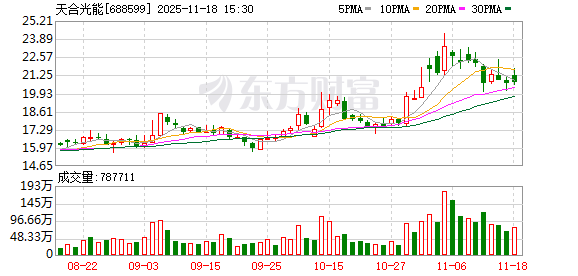
近两个月获超11GWh储能大单,天合光能第二增长曲线来了?
2 1 Shi Ji Jing Ji Bao Dao· 2025-11-18 09:33
Core Viewpoint - Trina Solar has secured significant energy storage contracts totaling 2.66GWh, marking its fourth major order announcement in two months, indicating strong growth in its energy storage business [4][6]. Group 1: Recent Contracts - Trina Solar's subsidiary, Trina Storage, signed contracts for a total of 2.66GWh of energy storage products with clients across North America, Europe, and Latin America, with the North American contract accounting for 1.08GWh [4]. - In September, Trina Storage announced a contract for 2.48GWh, including a 1GWh overseas order utilizing a grid-type system, marking a significant milestone in its international market presence [6]. - By the end of October, another contract exceeding 1GWh was signed with a European client, featuring the new Elementa 2 Pro product, which boasts a 12% increase in energy density [6]. Group 2: Future Projections - Trina Storage aims to ship between 8-10GWh in 2025, with expectations of a 50% increase in shipments in 2026, supported by over 10GWh of existing overseas orders [7]. - The company plans to double its 2026 shipment target to 15-16GWh, reflecting a robust growth trajectory in its energy storage business [7]. Group 3: Cost Efficiency and Market Trends - As Trina Solar increases its energy storage product shipments, the cost ratio is expected to decline, leading to significant profitability growth in the energy storage sector next year [7]. - The company attributes its positive outlook to improved customer conversion rates in the solar-storage integration market, a focus on high-margin overseas orders, and ongoing cost reduction through technological advancements and supply chain optimization [7]. - The global demand for energy storage is anticipated to rise, driven by the increasing need for data centers and the overall growth in installed capacity, positioning Trina Solar favorably in the market [8].

瑞银发布《中国股票策略2026年展望》:盈利成核心驱动力 科技与“出海”方向受青睐 股市有望延续积极表现
Zhi Tong Cai Jing· 2025-11-18 05:14
Core Viewpoint - UBS's report on the outlook for the Chinese stock market in 2026 indicates a shift from valuation-driven growth in 2025 to earnings improvement as the main driver for market performance in 2026, with a target for the MSCI China Index set at 100 points, representing a potential increase of approximately 14% from the closing level on November 14, 2025 [1][2]. Earnings Improvement as Key to Market Performance - The main upward momentum for the Chinese stock market in 2025 was driven by valuation recovery, but in 2026, the focus will shift to earnings growth, with an expected 10% increase in overall EPS for MSCI China Index constituents [2]. - The "anti-involution" effect driven by policy changes is expected to contribute approximately 3 percentage points to EPS growth in 2026, as regulatory measures promote orderly competition and improve resource allocation [2][3]. - A decline in depreciation and amortization is anticipated to support profit margins, as capital expenditure shifts from expansion to efficiency [3]. - Continuous optimization of cost structures in technology, internet, and advanced manufacturing sectors will enhance earnings sustainability and certainty [4]. Industry Allocation Recommendations - UBS recommends focusing on five key sectors for investment based on earnings certainty, policy support, and global market share enhancement: - **Technology Hardware**: Demand for servers, storage, and optical modules remains strong, with Chinese supply chains gaining competitiveness [5]. - **Internet Sector**: Recovery in advertising, e-commerce, and local services, combined with improved cost structures and cash flow among industry leaders, makes this sector attractive [6]. - **Brokerage Sector**: With capital market reforms and increased trading activity, brokerage firms are expected to see improvements across various business lines [7]. - **Photovoltaic Supply Chain**: Following a supply clearing in 2025, profitability in this sector is expected to improve significantly due to rising global demand for renewable energy [8]. - **"Going Global" Enterprises**: High-quality leading companies in appliances, automotive, consumer electronics, and machinery are expected to enhance their global market share [9]. External Risks and Valuation Advantage - UBS identifies two potential risks for the global market in 2026: potential valuation corrections in AI-related stocks and possible fluctuations in US-China relations affecting market sentiment [10]. - However, the sensitivity of Chinese stocks to these risks is considered limited, with lower correlation to global AI giants and a more favorable valuation position compared to other major markets [11][12]. Market Outlook - The Chinese stock market in 2026 is expected to exhibit structural opportunities rather than rapid unilateral trends, driven by improving fundamentals, stable policies, and deepening capital market reforms [13].

写字楼出租率不到83%,供应过剩是怎么出现的
Sou Hu Cai Jing· 2025-11-18 03:40
Core Insights - The average occupancy rate of key office buildings in major Chinese cities has declined to 82.54%, indicating a structural imbalance in supply and demand within the commercial real estate sector [1][3]. Group 1: Market Demand - The significant contraction in demand for office space is primarily driven by major tenants in sectors such as internet, finance, and professional services, which are undergoing deep adjustments and reducing their leased space [3][4]. - As core demand from these sectors decreases, the resulting increase in vacancy rates is inevitable [3]. Group 2: Supply Dynamics - The development cycle of office buildings often misaligns with industry cycles, leading to oversupply when projects initiated during peak demand are completed during downturns [3][4]. - The time required for office projects to move from land acquisition to completion can take three to five years or longer, exacerbating the mismatch between supply and demand [3]. Group 3: Adaptive Reuse Strategies - Many regions have attempted to repurpose vacant office buildings for alternative uses, such as housing or industrial spaces, to mitigate the impact of rising vacancy rates [4][5]. - The concept of "adaptive reuse" has been encouraged through government policies that provide tax incentives and streamline approval processes for converting commercial spaces into residential units [4][5]. Group 4: Urban Planning and Long-term Solutions - To prevent cyclical vacancy crises, urban planning must be more scientifically aligned with population flows and industrial structures, ensuring a balanced supply of residential, commercial, and office spaces [7]. - The demand for office space is closely linked to the performance of industries such as internet, finance, and modern services, necessitating a focus on developing high-quality industries that sustain demand for premium office spaces [7].

招商证券:维持光大环境(00257)“增持”评级 拟回A上市 助力环保龙头的价值重估
智通财经网· 2025-11-18 03:17
Core Viewpoint - The company plans to list on the A-share market to expand its business and optimize its capital structure, with significant cash flow improvement expected starting in 2024 due to accelerated subsidy recovery and cost reduction measures [1][2]. Group 1: A-Share Listing and Fundraising - The company intends to issue up to 800 million shares, representing no more than 11.52% of the post-issue share capital, and list on the Shenzhen Stock Exchange. The raised funds will be used for business development and general working capital [1]. Group 2: Cash Flow Improvement - The company is projected to achieve a free cash flow of approximately 4 billion yuan in 2024, marking its first positive cash flow since 2003. By the first half of 2025, operational and financial income is expected to account for 87% of main revenue, a 10 percentage point increase year-on-year [2]. Group 3: Cost Reduction and Profitability - The environmental energy segment is expected to contribute 2.567 billion HKD (+12%) to group profit in the first half of 2025, driven by cost reduction measures and improved core operational metrics. The water segment is projected to contribute 409 million HKD (-4%), while the green environmental segment is expected to see a significant profit increase of 30% [3]. Group 4: Profit Forecast and Valuation - The company maintains profit forecasts of 3.337 billion, 3.564 billion, and 3.831 billion HKD for 2025-2027, with year-on-year growth rates of -1%, 7%, and 7% respectively. The current stock price corresponds to P/E ratios of 9.1x, 8.5x, and 7.9x, with a maintained "buy" rating [4].

银行集体发力降本增效 三大维度破局
Zheng Quan Shi Bao· 2025-11-17 16:57
Core Viewpoint - The banking industry is focusing on cost reduction and efficiency improvement in response to narrowing net interest margins and declining asset yields, with strategies including managing high-cost deposits, optimizing operational expenses, and integrating digital ecosystems [1] Group 1: Cost Management Strategies - Commercial banks are actively reducing high-cost deposits as a response to the central bank's interest rate cuts, leading to historically low deposit rates and the withdrawal of long-term deposit products [2][3] - Effective management of liability costs can significantly alleviate interest expense pressures for banks, with 42 listed banks reporting a total interest expense of 3.43 trillion yuan in the first three quarters, an 11.36% decrease year-on-year [4] - Banks like Chongqing Bank are implementing strategies to clean up high-cost deposits and adjust deposit product structures to further lower overall liability costs [4] Group 2: Operational Cost Optimization - In a context of sluggish revenue growth, banks are adopting frugality in operations, with half of the listed banks reporting a decrease in their cost-to-income ratios compared to the previous year [5] - Among the 42 listed banks, 17 reported negative growth in business and management expenses, while those with positive growth kept it within 0% to 3% [5] - Postal Savings Bank reported a 2.66% decrease in business and management expenses, attributing this to enhanced cost management and accelerated digital transformation [6] Group 3: Digital Integration and Streamlining - Banks are engaging in a "declutter" initiative, closing down independent apps and consolidating functions into main banking apps to improve efficiency and reduce operational costs [8][9] - The trend includes shutting down independent credit card apps and merging their functions into main banking applications, reflecting a shift from vertical management to localized operations [9]