产业升级

Search documents
中方加征关税后,不到24小时,马克龙通告全球,欧洲必须对华开放
Sou Hu Cai Jing· 2025-12-18 10:42
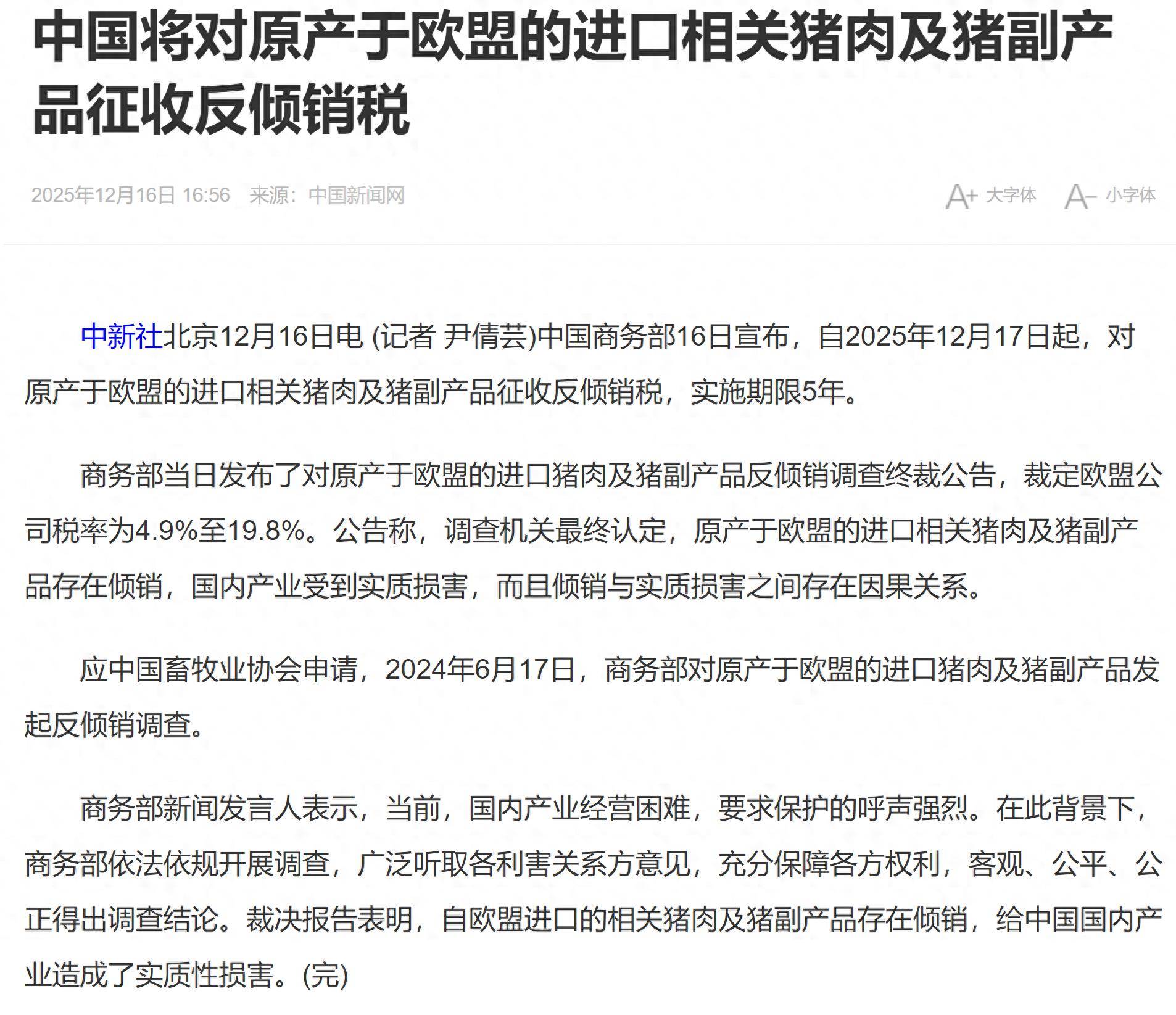
Group 1 - The Chinese Ministry of Commerce announced tariffs ranging from 4.9% to 19.8% on imported pork and pork products from Europe, aimed at protecting the domestic pig farming industry due to the influx of low-priced European pork products [1] - The investigation into anti-dumping measures against EU pork began in June 2024, highlighting the significant subsidies and overproduction in the European pig farming sector [1] - The timing of the tariff announcement coincides with ongoing tensions between China and the EU regarding electric vehicle tariffs, suggesting a strategic move by China to assert its position [3] Group 2 - The EU's relationship with China is characterized by a mix of strong political stances from some member states and significant economic cooperation from others, indicating a complex dynamic [5] - French President Macron emphasized the need for the EU to remain open to Chinese investments, provided that these investments lead to job creation and technology sharing [7] - Macron's assertion that the trade imbalance is not solely due to export policies but rather the EU's declining industrial upgrade capacity suggests a need for the EU to enhance its competitiveness [9]

华资实业:拟出资1000万元成立全资子公司
Bei Jing Shang Bao· 2025-12-18 10:35
Core Viewpoint - The company Huazi Industrial (600191) announced the establishment of a wholly-owned subsidiary, Baotou Henglu Biotechnology Co., Ltd., with a registered capital of 10 million yuan to advance its development strategy of "innovation-driven, diversified layout, and promoting industrial upgrading" [1] Group 1: Company Strategy - The establishment of the new subsidiary aims to enhance the company's product offerings and extend its industrial chain [1] - The company currently produces products such as xanthan gum and resistant dextrin, which are key components in various applications [1] Group 2: Product Development - The new subsidiary will focus on developing skincare products using xanthan gum, an important additive in cosmetics [1] - The company plans to launch convenient nutritional meal replacement products, including weight loss meal replacement powder and nutritional beverages, utilizing resistant dextrin, which is a soluble dietary fiber [1] - The development of these new products is expected to help the company increase its product value chain [1]

中国社会科学院经济研究所二级教授杨虎涛:“科技—产业—金融”未来要走向良性循环|专访
Sou Hu Cai Jing· 2025-12-18 10:18
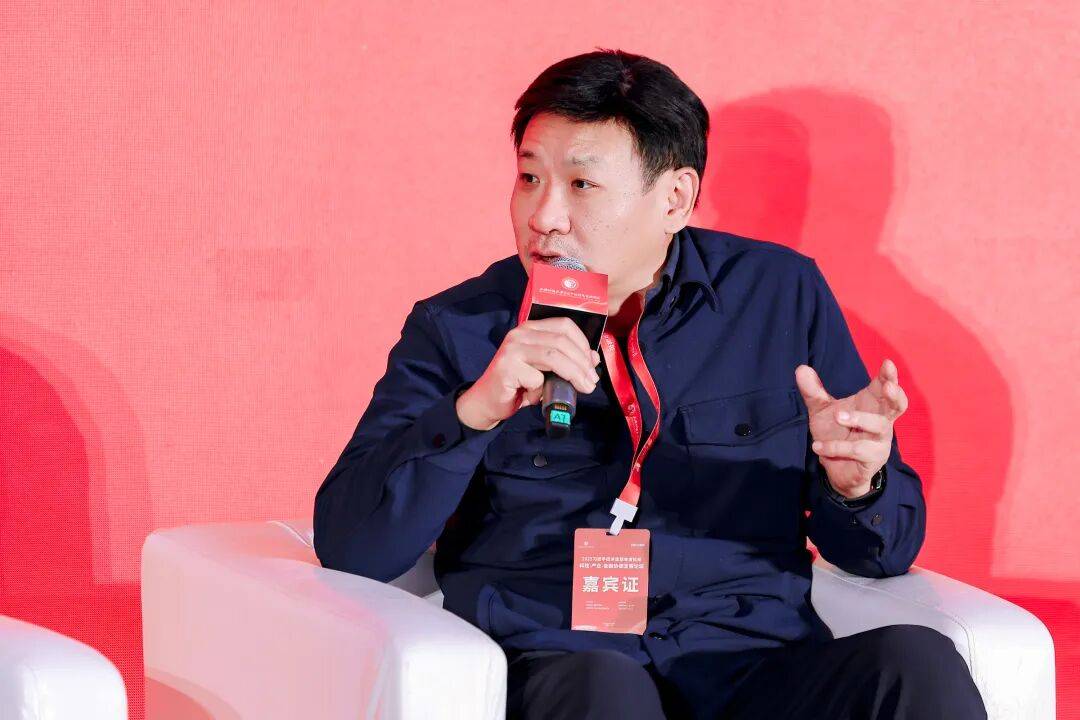
Core Insights - The article emphasizes the importance of a symbiotic relationship between technology, industry, and finance in driving high-quality economic development in China [1][3][9] Group 1: Symbiotic Relationship - The relationship between technology, industry, and finance is described as a symbiotic system where each element supports the others, and none can thrive without the others [3][6] - Financial support is crucial for the transformation of technological innovations into industrial applications; without it, technologies may remain in the research phase [3][4] - The rapid iteration and diffusion of AI technology are attributed to significant improvements in financial resource allocation efficiency [3][10] Group 2: Role of Financial Institutions - Financial institutions are evolving beyond simple resource allocation, incorporating advanced algorithms and data-driven models into their operations [4][6] - There is a need for better integration between technical experts and decision-makers within financial institutions to effectively identify and support promising technology projects [7][10] - The concept of "patient capital" is highlighted as essential for supporting high-risk, high-growth technological innovations, contrasting with short-term capital that may withdraw in uncertain conditions [6][10] Group 3: Industrial Upgrading - The ultimate goal of the technology-finance relationship is to facilitate industrial upgrading, which is necessary for overcoming structural challenges in the economy [9][10] - China's trade surplus reached a historic high of $1.076 trillion, indicating strong export competitiveness supported by numerous specialized small and medium enterprises [10] Group 4: Green and Intelligent Development - The article discusses the interdependence of "green" and "intelligent" technologies, emphasizing that advancements in one area require progress in the other [11][12] - The transition to a green energy system is essential for sustainable technological development, and financial practices need to better integrate green and intelligent criteria in project evaluations [13][14] Group 5: Challenges and Future Directions - There is a lack of standardized metrics and cross-disciplinary knowledge that hampers the effective integration of technology, industry, and finance [16][17] - The article calls for a transformation in financial services to better support technological innovation and to cultivate cross-disciplinary talent [17][18]
华资实业拟设立包头恒鲁生物科技有限公司
Zhi Tong Cai Jing· 2025-12-18 09:44
Core Viewpoint - The company plans to establish a wholly-owned subsidiary, Baotou Henglu Biotechnology Co., Ltd., with a registered capital of 10 million yuan to advance its development strategy of "innovation-driven, diversified layout, and promoting industrial upgrading" [1] Group 1: Company Strategy - The establishment of the subsidiary aims to enhance the company's product offerings, including xanthan gum and resistant dextrin, which are crucial for the development of skincare products and convenient nutritional meal replacements [1] - The new products will help the company extend its industrial chain and improve its product value chain [1] Group 2: Technological Collaboration - The subsidiary will leverage existing resources such as the Baotou Huazi Synthetic Biology and Microbial Modification Technology Academician Workstation and the collaborative "Technology Demonstration Base" with the Chinese Academy of Sciences [1] - The company plans to work closely with industry experts, scholars, and research institutions to track cutting-edge technologies and industry trends in biological fermentation and health products [1]
华资实业(600191.SH)拟设立包头恒鲁生物科技有限公司
智通财经网· 2025-12-18 09:43
Core Viewpoint - The company plans to establish a wholly-owned subsidiary, Baotou Henglu Biotechnology Co., Ltd., with a registered capital of 10 million yuan to advance its development strategy of "innovation-driven, diversified layout, and promoting industrial upgrading" [1] Group 1: Company Strategy - The establishment of the new subsidiary aims to enhance the company's product offerings, including the development of skincare products using xanthan gum and convenient nutritional meal replacement products utilizing resistant dextrin [1] - The new product development is expected to extend the company's industrial chain and enhance the value chain of its products [1] Group 2: Technological Collaboration - The subsidiary will leverage existing resources such as the Baotou Huazi Synthetic Biology and Microbial Modification Technology Academician Workstation and the collaborative "Technology Demonstration Base" and "Co-Creation Base" with the Chinese Academy of Sciences [1] - The company plans to collaborate with industry experts, scholars, and research institutions to stay updated on cutting-edge technologies and industry trends in biological fermentation and health products [1]
封关不是封岛!金融护航海南自贸港“向海而兴”
Hua Xia Shi Bao· 2025-12-18 09:32
本报(chinatimes.net.cn)记者付乐 北京报道 《华夏时报》记者从交行获悉,其将发挥交行账户多元、全球协同、创新引领优势,打造跨境贸易结 算、跨境投融资、跨境财资管理、跨境资管和个人跨境金融服务五大特色跨境服务体系,将政策优势转 化为发展动能,以金融创新助力海南自贸港高质量发展。 截至目前,交通银行海南省分行已向文体娱乐及住宿餐饮行业累计投放贷款达29亿元,契合海南自贸港 封关后"文旅+免税""文旅+会展"的融合发展需求,为封关后国际旅游消费中心建设筑牢产业根基,推动 文旅业态提质升级。 作为本土金融企业,海南银行先后出台一系列措施,集中金融资源支持种业、深海、航天、数字、绿色 五大领域,创新推出专属信贷产品,重点支持专精特新企业等科创企业,助力产业升级动能转换,服务 新质生产力培育壮大。特别是在服务商业航天产业发展方面,海南银行还将进一步深化与文昌国际航天 城平台公司、园区产业基金等业务深度协同,赋能"向天图强"技术研发、成果转化、企业孵化、产业培 育一体化发展,助力培育火箭链、卫星链、数据链,服务打造千亿级的商业航天产业集群。 12月18日,海南自贸港全岛封关正式启动,开启了高水平对外开放的 ...

华资实业(600191.SH):拟1000万元对外投资成立全资子公司
Ge Long Hui A P P· 2025-12-18 09:27
Core Viewpoint - The company plans to establish a wholly-owned subsidiary, Baotou Henglu Biotechnology Co., Ltd., with a registered capital of 10 million yuan, to advance its development strategy of "innovation-driven, diversified layout, and promoting industrial upgrading" [1] Group 1: Company Strategy - The establishment of the new subsidiary aims to enhance the company's product offerings, including the development of skincare products using xanthan gum, an important additive in cosmetics [1] - The subsidiary will also focus on launching convenient nutritional meal replacement products, such as weight loss meal replacement powder and nutritional beverages, utilizing resistant dextrin, a soluble dietary fiber [1] - The development of these new products is expected to help the company extend its industrial chain and enhance its product value chain [1] Group 2: Technological Collaboration - The new subsidiary will leverage existing resources, including the Baotou Huazi Synthetic Biology and Microbial Modification Technology Academician Workstation, and collaborate with the Chinese Academy of Sciences' Environmental Biotechnology Key Laboratory to establish technology demonstration and co-creation bases [1] - The company plans to work closely with industry experts, scholars, and research institutions to monitor cutting-edge technologies and industry trends in biological fermentation and health products [1] - This initiative aligns with the company's strategic planning for industrial upgrading and development in the health industry [1]
华资实业:拟出资1000万元成立全资子公司恒鲁生物
Xin Lang Cai Jing· 2025-12-18 09:25
华资实业公告,公司拟出资1000万元成立全资子公司恒鲁生物,以推进"创新驱动、多元布局,推动产 业升级"发展战略。新设子公司将利用现有技术平台,开发护肤品及轻体代餐产品,有助于拉长产业 链,提升产品价值链。本次投资无需提交股东会审议,资金来源为公司自筹,不会对公司财务及经营状 况产生不利影响。 ...
灌南:希望的田野上实现产业升级
Xin Hua Ri Bao· 2025-12-18 08:53
Core Viewpoint - The economic development of Guannan County has shown significant progress since the "14th Five-Year Plan," with a GDP of 51.67 billion yuan in 2024 and an average annual growth rate of 6.8%, marking a historic shift from an industrial-led economy to a more balanced three-sector economy [1] Group 1: Economic Growth and Industrial Transformation - Guannan has achieved a structural transformation in its economy, with the tertiary sector surpassing the secondary sector, indicating a substantial improvement in economic quality [1] - Traditional industries like steel and chemicals are revitalizing, with leading companies such as Yaxin Steel and Jingye Steel ranking among the top 500 private manufacturing enterprises in China [2] - The e-commerce transaction volume has quadrupled over five years, and new economic formats are emerging, including smart logistics and cross-border e-commerce bases [2] Group 2: Innovation and Technology Development - The number of high-tech enterprises and technology-based SMEs has increased significantly, with Guannan establishing the first county-level support policy for the synthetic biology industry [3] - Notable projects like Puyuan Biotech and Baikaisheng Biotech are taking root, showcasing Guannan's commitment to innovation-driven economic transformation [3] Group 3: Service Improvement and Investment Attraction - Guannan has implemented reforms to enhance the business environment, resulting in a more efficient administrative process for enterprises [4] - Over the past five years, Guannan has attracted 670 projects, including 30 projects worth over 1 billion yuan, and completed nearly 60 billion yuan in industrial investment [4] Group 4: Infrastructure and Logistics Development - The first county-level smart logistics port in the province has been put into operation, and the construction of two 20,000-ton bulk cargo berths is progressing [5] - The region has maintained double-digit growth in import and export volumes for four consecutive years, enhancing its attractiveness and competitiveness [5] Group 5: Social Welfare and Quality of Life - Guannan has made significant investments in education and healthcare, with a 93.6% supply rate of quality educational resources and the county's first hospital achieving a tertiary level [7] - The county has implemented various social welfare initiatives, resulting in over 10,000 new urban jobs annually and significant improvements in rural living conditions [8]
这个冬天,深圳飘来“雪花”
Sou Hu Cai Jing· 2025-12-18 04:26
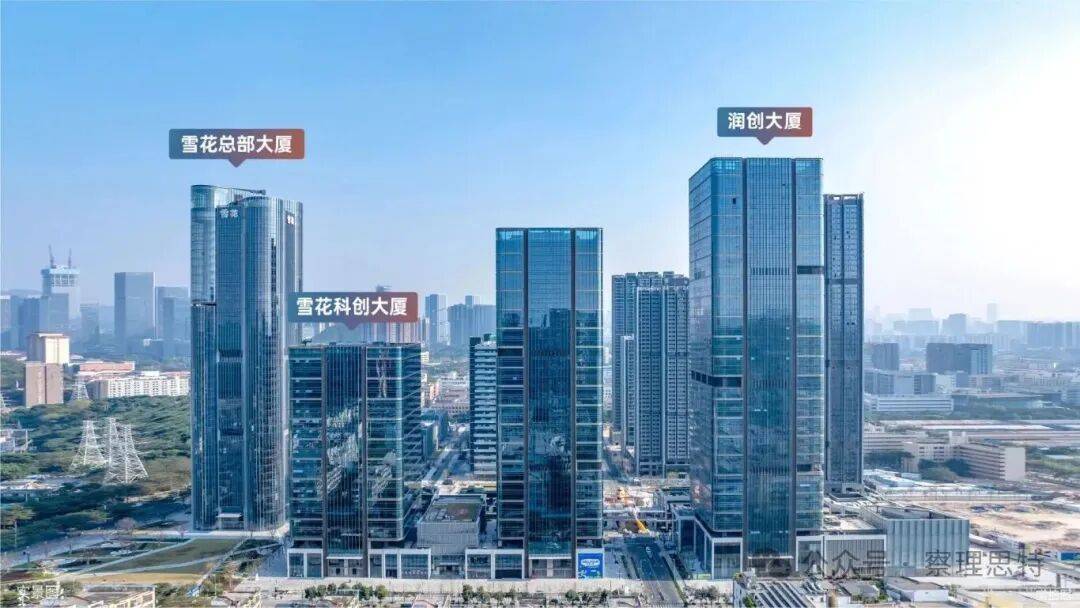
Group 1 - The core viewpoint of the news is that China Resources Beer has officially relocated its headquarters to Shenzhen's Bao'an Snowflake Innovation City, marking a significant milestone in its development and reflecting strategic choices in industrial layout and global competitiveness [1][2]. - The new headquarters and office building signify a deeper commitment to transformation focused on "quality, technology, and globalization" in the new era [1][2]. - China Resources Beer operates 60 breweries nationwide with an annual production capacity of approximately 19.2 million kiloliters, reinforcing its leading position in the industry [2]. Group 2 - In the first half of 2025, the company reported revenue of 23.942 billion yuan, a year-on-year increase of 0.8%, and a net profit attributable to shareholders of 5.789 billion yuan, up 23.04%, achieving a new high [2]. - The beer business generated revenue of 23.161 billion yuan, reflecting a 2.6% year-on-year growth, with a gross margin of 48.3%, driven by premiumization and cost advantages [2]. - The relocation aligns with national strategic regional development, particularly benefiting from the Guangdong-Hong Kong-Macao Greater Bay Area, which is a crucial hub for China's reform and opening-up [2]. Group 3 - The new headquarters building, standing at 188.45 meters with 42 floors above ground and 3 underground, has a total construction area of approximately 178,000 square meters, designed to reflect the aesthetics of beer fermentation tanks [6][10]. - The headquarters will serve as a decision-making center and include a research and testing center, exhibition space, and brand experience area, enhancing internal collaboration and innovation [10]. - The construction of a craft brewery is underway, expected to have an annual production capacity of 100,000 kiloliters upon completion [10]. Group 4 - The strategic rationale behind the relocation includes industrial upgrading and value chain extension, with a focus on high-quality growth and product premiumization [12]. - The headquarters' establishment in Shenzhen is expected to leverage the city's advanced manufacturing and technology industry, enhancing production intelligence, marketing digitization, and supply chain optimization [13]. - Shenzhen's ecosystem supports innovation, with over 1,300 national-level "little giant" enterprises contributing to collaborative industrial and technological advancements [14]. Group 5 - The Snowflake Innovation City aims to integrate Shenzhen Bao'an's strong industrial foundation and urban infrastructure, creating a composite development hub for research, beer production, smart manufacturing, and ecological leisure [15]. - The project is supported by Bao'an's well-established infrastructure, mature industrial ecosystem, and efficient service capabilities, laying a solid foundation for development [15]. - The transformation from traditional manufacturing to integrated urban development highlights the collaborative path of industrial upgrading and urban renewal in Shenzhen [21].