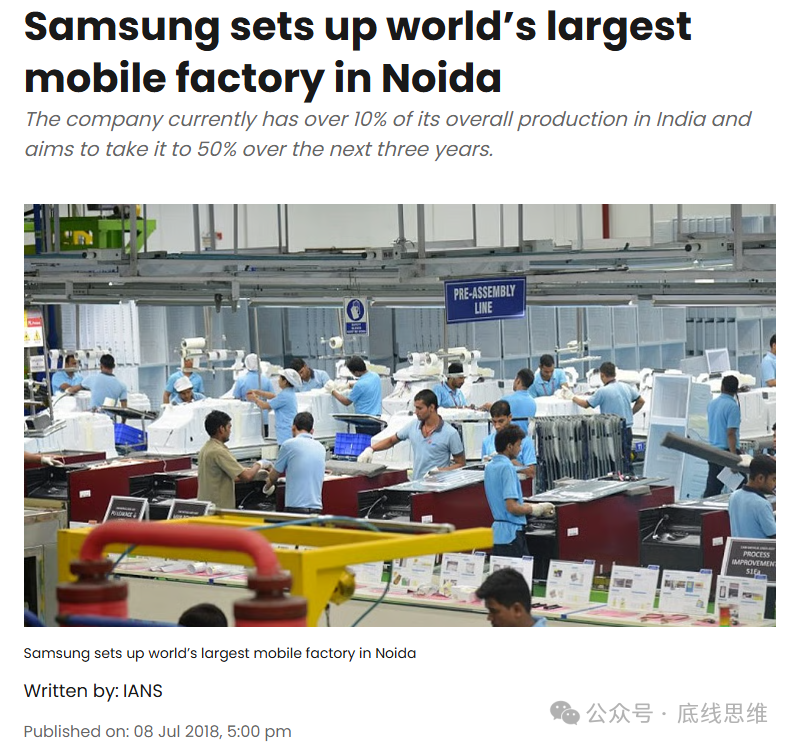
印度制造

Search documents
芯片巨头,奔赴印度
半导体行业观察· 2025-06-02 02:28
Core Viewpoint - India's semiconductor industry is rapidly emerging as a strategic hub for global chip giants amidst geopolitical tensions and a trend of de-globalization in the semiconductor sector [1][2]. Group 1: Major Developments in India's Semiconductor Industry - Renesas Electronics has launched two 3nm chip design centers in India, marking the country's first foray into advanced chip design, with plans for mass production by mid-2027 [2][3]. - Foxconn and HCL Group are jointly establishing a semiconductor packaging plant in Uttar Pradesh, with an investment of ₹37.06 billion (approximately $435 million), expected to start production in 2027 [4][5]. - Powerchip Semiconductor Manufacturing Corporation (PSMC) is collaborating with Tata Electronics to build India's first 12-inch wafer fab in Gujarat, with a total investment of $11 billion and a monthly capacity of 50,000 wafers, projected to begin production in 2026 [7][8]. Group 2: Government Support and Policy Framework - The Indian government is providing substantial financial incentives, including up to 50% subsidies for semiconductor projects, to attract international investment and foster local talent development [3][12]. - The revised semiconductor policy aims to enhance support for manufacturing and packaging sectors, which has led to increased interest from major players like Micron and Renesas [19][23]. Group 3: Challenges Facing the Semiconductor Sector - Despite the rapid developments, India's semiconductor industry faces significant challenges, including a lack of advanced manufacturing capabilities, reliance on imported materials, and insufficient local talent with experience in cutting-edge technologies [3][8][30]. - Infrastructure issues, such as unstable power supply and inadequate water resources, pose additional hurdles for semiconductor manufacturing in India [26][30]. - The local workforce's efficiency is lower compared to other countries, and there is a projected shortage of skilled labor in the semiconductor sector, which could hinder growth [30][28]. Group 4: Market Potential and Future Outlook - The Indian semiconductor market is expected to grow significantly, with projections indicating a market size of $110 billion by 2030, driven by demand in automotive electronics and 5G technology [22][28]. - The establishment of a complete semiconductor ecosystem, from design to manufacturing and packaging, is crucial for India to become a competitive player in the global semiconductor supply chain [30][32].


中印日钢铁产量对比:印度14500万吨,日本9600万吨,中国多少吨
Sou Hu Cai Jing· 2025-05-30 03:05
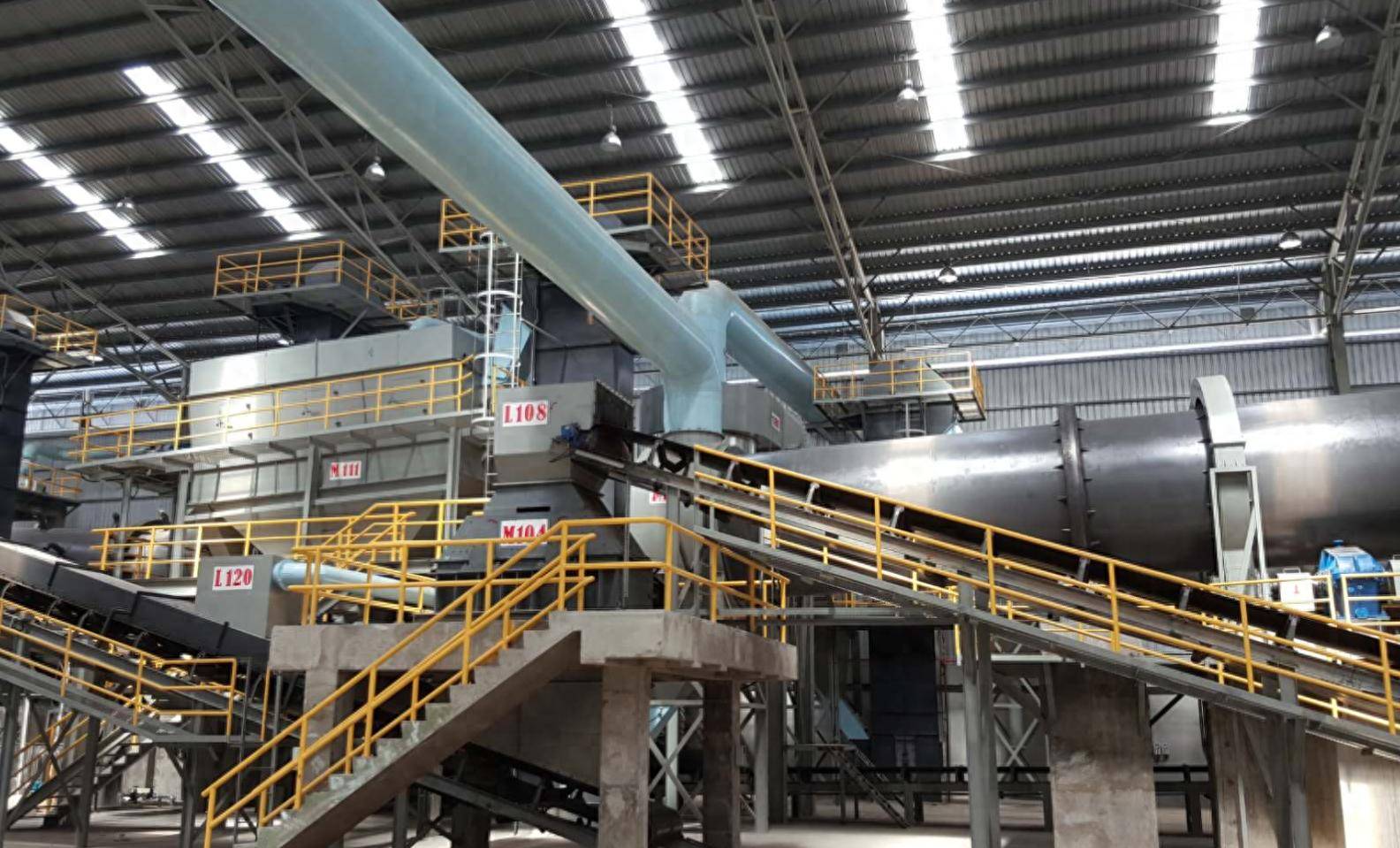
Group 1 - India's steel production reached 145 million tons, making it the second-largest producer, while Japan fell to 96 million tons, and China maintained its position with 1 billion tons [1][3] - India's production level is comparable to China's 14 years ago, with China's Hebei province alone producing enough steel to match India's total output [3] - The cost of producing steel in India is 18% higher than in China, with electricity prices 40% more expensive and reliance on imported coking coal [3][4] Group 2 - China's steel industry is investing heavily in ultra-low emission technologies, with 800 billion yuan spent to meet EU standards, while India's steel production methods remain outdated [4][5] - Japan's steel industry is focusing on hydrogen-based steel production, but China has already launched a large-scale hydrogen-based steel plant, showcasing rapid advancements [7] - The competitive landscape shows that while China is expanding its market share in Southeast Asia and the Middle East, India's tariffs are driving up local steel prices, making it less competitive [6][9] Group 3 - The demand for high-grade silicon steel in China is increasing due to the rise of electric vehicles, impacting Japanese steel manufacturers who are losing market share [9] - The steel industry competition is not just about production numbers but reflects broader national capabilities, with China leveraging its production capacity for infrastructure development and green transformation [9]
印度智能手机产能增长存在隐忧
Jing Ji Ri Bao· 2025-05-29 22:20
其次,印度营商环境需要进一步优化,以减少政策不确定性,从而吸引更多稳定投资。印度的营商环境 对全球智能手机制造企业来说始终是一个挑战,尽管世界银行发布报告显示,印度营商环境全球排名从 2023年的142位提升到了2024年的130位,但税收和监管政策不透明、市场准入复杂、行政效率和法律执 行效率低,以及基础设施落后等一系列问题,变相推高了生产成本,让许多国际智能手机供应链企业选 择投资印度或扩大产能时顾虑重重。苹果公司也表示,要想成为其真正独立的制造中心,印度必须在基 础设施、劳动力技能等方面进行大量投资。此外,印度的物流、基础设施和劳动力素质问题也制约了供 应链的本地化进程。 最后,美国政府对苹果公司宣布将扩大在印度的产能十分不满。目前,苹果公司在印度泰米尔纳德邦和 卡纳塔克邦共有3家工厂,另外还有2家工厂正在筹建。美国总统特朗普近日公开表示对苹果公司在印度 建厂"不感兴趣",要求苹果公司停止在印度建厂,减少苹果手机在印度的产能,转而将资金转移回美国 本土,扩大在美国的产能布局,提升美国本土的苹果手机产量。有关分析人士指出,此次美国总统的表 态,正值美印新一轮贸易磋商开启之前,不排除美方以施压美国公司停止在 ...

莫迪预告首款“印度造”芯片问世:将在印东北部地区半导体工厂下线
Huan Qiu Shi Bao· 2025-05-26 22:48
Core Viewpoint - India is striving to create its own "chip myth" in the semiconductor industry, with the announcement of its first domestically manufactured chip set to roll off the production line in the northeastern region, marking a significant step in the country's high-tech landscape [1][2]. Semiconductor Industry Development - The first Indian chip will utilize a 28nm process, with its release postponed from December 2024 to the second half of 2025, indicating a significant gap compared to advanced 2nm processes being developed globally [2]. - The Indian government has accelerated the development of its domestic semiconductor industry to reduce reliance on imported chips and support the "Make in India" initiative [2][4]. Government Initiatives and Investments - In 2021, the Indian government approved the "India Semiconductor Plan," allocating ₹760 billion to support domestic semiconductor and display manufacturing [4]. - Tata Group is leading the development of a state-of-the-art semiconductor assembly and testing facility in Assam, with an investment of ₹270 billion, aimed at creating 30,000 jobs [4]. Infrastructure and Investment in Northeast India - The northeastern region is being positioned as a strategic hub for the semiconductor industry, with significant investments in infrastructure and energy to attract semiconductor manufacturing [5][6]. - The Indian government has constructed 11,000 kilometers of new highways over the past decade, with expectations of trade growth in the region from $1.25 billion to over $20 billion in the next ten years [5]. Challenges in Semiconductor Sector - Despite ambitions, India's semiconductor industry faces challenges, including halted projects from major companies like TSMC and the failure of a $700 million investment plan by a multinational IT firm due to a lack of suitable technology partners [8]. - The industry is also grappling with an underdeveloped supply chain, a shortage of skilled labor, and intense global competition [8][9]. - The success of India's semiconductor industry will depend on long-term domestic demand for chips and the ability to keep pace with rapidly evolving technology [9].
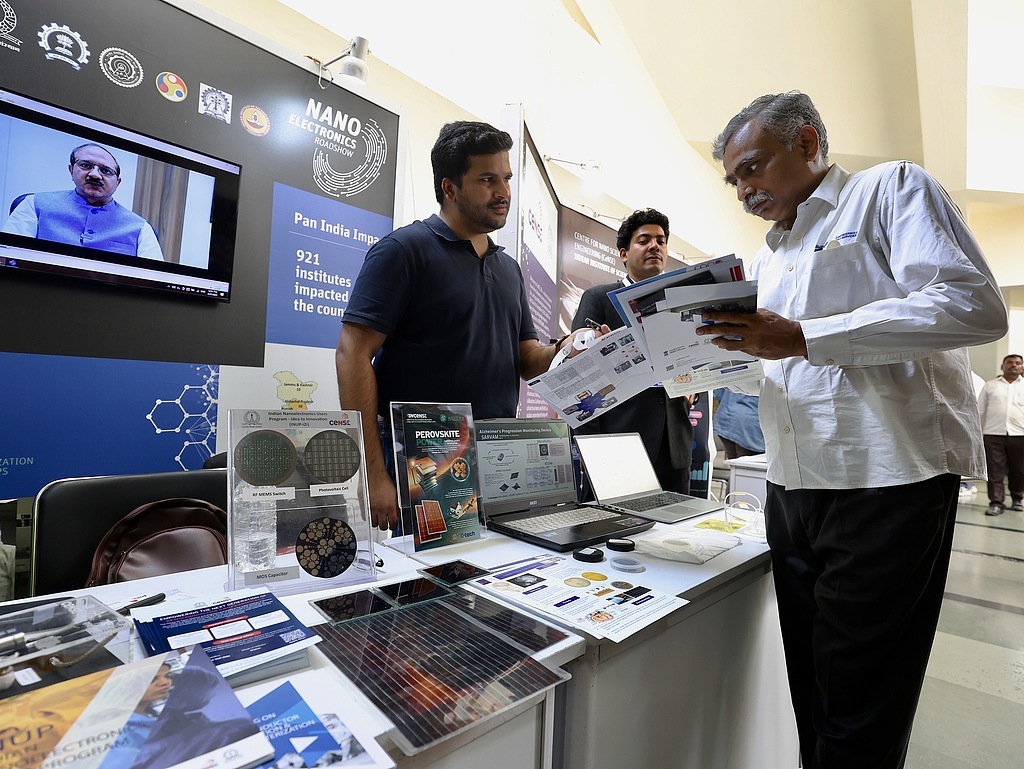
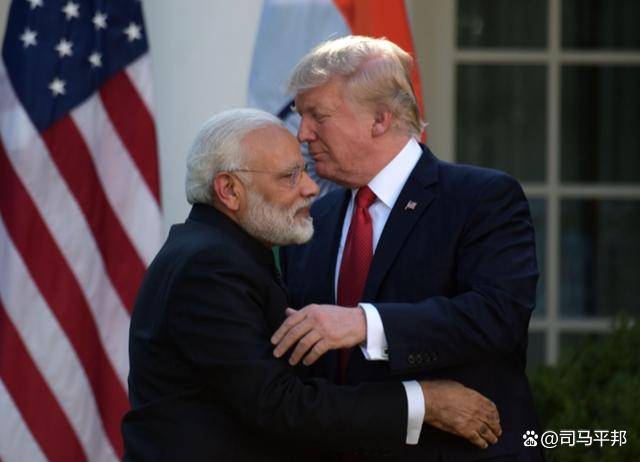
美印谈判开始前,莫迪主动给特朗普递降表?中国的招式印度学不来
Sou Hu Cai Jing· 2025-05-19 15:15
Group 1 - India's dramatic shift from proposing a "zero tariff" trade agreement with the US to planning to raise tariffs on certain American goods highlights the complexities of its trade strategy [1][3] - Modi's government is under pressure domestically to adopt a firmer stance against US tariffs, particularly after witnessing China's successful negotiations with the US [3][5] - The bilateral trade between India and the US reached $129.1 billion in 2024, with India exporting $87.5 billion and importing $41.6 billion, resulting in a trade surplus of $45.9 billion for India [5][6] Group 2 - The potential for a "zero tariff" agreement could benefit India by facilitating smoother trade flows and enhancing its manufacturing sector, particularly in labor-intensive goods [5][6] - India's strategy to focus on mid to low-end manufacturing, such as clothing and household items, aims to replicate China's economic model, leveraging its large population for labor [6][8] - However, India's negotiating position is weaker compared to China, lacking the same level of manufacturing capability and economic scale, which may hinder its ability to secure favorable terms with the US [8][10] Group 3 - The Modi government is expected to adopt a flexible approach in negotiations, balancing between seeking concessions from the US and addressing domestic pressures [10] - The outcome of these negotiations could determine whether India becomes the third country, after the UK and China, to sign a trade agreement with the US [10]
印度制造,恐怕才是我们最大的竞争对手
Sou Hu Cai Jing· 2025-05-19 01:12
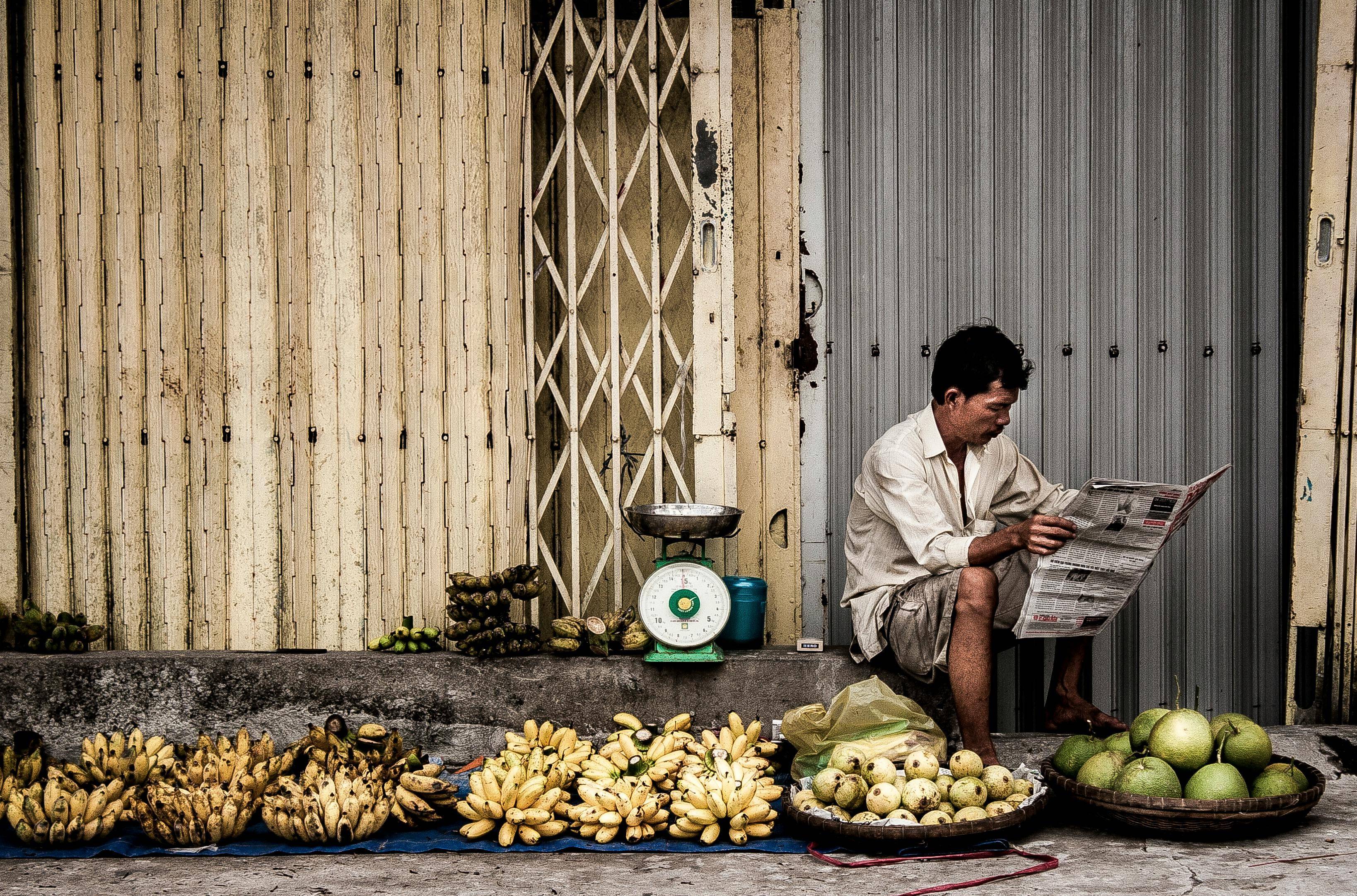
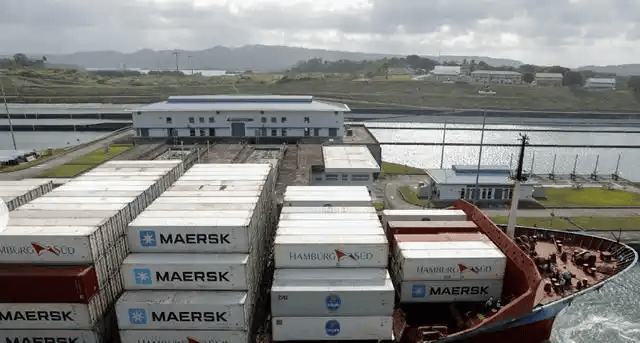
印度对钢铁加征12%的关税,意在遏制我国钢铁涌入印度市场,而这,可能仅仅只是开始。 牵一发而动全身,当特朗普决定对我国商品加征145%的关税时,情况就开始变得有所不同了。 在如此高的关税面前,任何商品都很难直接运到美国,对我国制造商而言,他们要做的,就是寻找美国之外的市场。 这是近乎唯一的办法。事实上制造商也是在这么做的,但我们忽略了一个更重要的问题。 那就是其他市场准备好接受来自我国商品的冲击了吗? 美国是全球最大的消费市场,这一点没有疑问,当短期内商品无法输美,而我们又需要消费市场来消化产能的时候,会发生什么事情? 在印度,他们已经开始见证这一点。 在印度纺织业,他们已经开始承受着来自我国商品的冲击,国内厂商正在向印度主要的纺织产地出口纱线。 我国是全球最大的黏胶纱生产国,这是常用于制作服装的材料。过去印度大多数的黏胶纱需求都由本地供应,进口仅仅只是用来填补供应缺口。 但随着特朗普的关税,我国制造商开始向印度出口大量的黏胶纱,这也冲击到印度本土黏胶纱供应商。 竞争,随即发生。 对印度黏胶纱老板而言,他们的产品有竞争力吗? 答案是没有。 原因很简单,就是价格;印度从我国进口的黏胶纱每公斤比印度国内便宜了15 ...
印巴冲突的后续走向
2025-05-08 15:31
Summary of Key Points from the Conference Call Industry or Company Involved - The conference call primarily discusses the escalating conflict between India and Pakistan, particularly focusing on the Kashmir issue and its implications for regional stability and international relations. Core Points and Arguments - **Escalation of Conflict**: The conflict between India and Pakistan escalated significantly in April-May 2025, triggered by a major terrorist attack in Indian-administered Kashmir on April 22, resulting in 26 deaths, predominantly Indian tourists. This incident led to India's military response on May 7, marking the most intense military engagement since the 1971 war [2][5][11]. - **India's Strong Measures**: India implemented a series of strong countermeasures against Pakistan, including diplomatic sanctions, suspension of trade, and the unprecedented halt of the Indus Water Treaty, which has been in effect since 1960. This treaty is crucial for Pakistan's water supply and agricultural needs [1][9][10]. - **Military Engagement**: The military operation named "Operation Red Spot" involved 125 aircraft and resulted in casualties on both sides. India claimed to target terrorist infrastructure, while both nations reported civilian casualties, highlighting the conflict's humanitarian impact [11][13][19]. - **International Reactions**: The international community, including the US, China, and Russia, expressed concern over the potential for nuclear confrontation and called for restraint. The US notably sided with India, reflecting the strengthening US-India relations [12][16][22]. - **Long-term Implications**: The Kashmir issue remains a core dispute, with historical grievances and geopolitical competition influencing future relations. While large-scale war is deemed unlikely due to nuclear deterrence, small-scale conflicts are expected to persist [5][29][30]. Other Important but Possibly Overlooked Content - **China's Position**: China is closely monitoring the situation due to its interests in the China-Pakistan Economic Corridor (CPEC) and regional stability. The Chinese government is actively engaging with Pakistan to safeguard its investments [6][32]. - **Impact on Regional Organizations**: The South Asian Association for Regional Cooperation (SAARC) has been significantly affected, with India boycotting meetings hosted by Pakistan since 2016, leading to its diminished effectiveness [4]. - **Domestic Factors in Pakistan**: Pakistan's internal political and economic instability, exacerbated by security issues, limits its capacity for sustained military engagement against India. The military's recent authorization for retaliatory actions could escalate tensions further [30][32]. - **Water Resource Disputes**: The Indus Water Treaty and its implications for water security are critical, as India's actions to limit water flow could provoke significant domestic unrest in Pakistan, potentially leading to military responses [31]. This summary encapsulates the key discussions and insights from the conference call, highlighting the complex interplay of military, political, and economic factors in the India-Pakistan conflict.
中美关系刚有缓和迹象,印度突然出手了?万斯果然没白跑一趟?
Sou Hu Cai Jing· 2025-05-07 11:11
据央视新闻报道,商务部新闻发言人就中美经贸对话磋商情况答记者问。有记者问:近期美方多次表 示,正与中方就经贸问题进行谈判,并会达成协议,请问商务部对此有没有进一步的消息和评论?商务 部新闻发言人表示,中方注意到美方高层多次表态,表示愿与中方就关税问题进行谈判。同时,美方近 期通过相关方面多次主动向中方传递信息,希望与中方谈起来。对此,中方正在进行评估。 经济上,美国推动的"印太战略"里,印度是重要一环,这让印度看到了借力发展的可能,此外,印度推 行的"印度制造"计划,需要外来投资和技术,而美国似乎被视为可以倚重的支持者,在这种背景下,向 美国示好,似乎成了一个"合情合理"的选择。而且,印度的"站队"行动并没有停留在口头,实际动作紧 随其后,还记得当时印度对中国部分钢铁产品加征临时关税的决定吗?表面上是为了保护国内钢厂,但 在时间点上显得意味深长,这种明显损害中国利益的行为,根本得不到中方的认可。 中美贸易(资料图) 印度(资料图) 记得那些年,中美贸易曾被誉为两国关系的"定海神针"。中国的便宜货占领美国超市货架,美国消费者 乐开花,美企也在中国市场赚得盆满钵满。然而,特朗普的一声"美国优先",打破了这份宁静。 ...
知名苹果记者给“印度制造”泼冷水:重磅新品还得靠中国
Feng Huang Wang· 2025-04-28 00:48
他表示,苹果的目标是在2027年前将大部分美国iPhone改在美国生产。然而,虽然古尔曼预计苹果能实 现这个目标,但是它并非板上钉钉。未来的关税政策如何变化,谁也无法预测,更不用说18个月后的情 况了。 而且,即便苹果能够将大部分面向美国市场的iPhone生产转移到印度,也几乎可以确定印度产能无法覆 盖所有机型。苹果正在为iPhone的20周年纪念版开发两款重要的新型号,其中包括首款折叠屏手机和一 款更加注重玻璃材质的Pro型号。至少初期阶段,苹果在中国以外地方生产它们的可能性微乎其微。 古尔曼称,在特朗普加征关税后,苹果立即采取行动,优先在印度生产面向美国市场的iPhone。目前, 苹果在印度的生产能力足以满足大约三分之一的美国年需求。印度即将兴建的工厂将有助于苹果实现剩 余的产能需求,其中包括一家旨在成为全球第二大iPhone生产基地的工厂。 凤凰网科技讯 北京时间4月28日,对于苹果公司要将所有美国iPhone机型改由印度生产的传闻,彭博社 知名记者马克·古尔曼(Mark Gurman)在当地时间周日发文称,"几乎可以肯定的是",苹果在2027年前无 法在印度生产所有面向美国市场的iPhone。 尽管苹 ...
看到中美关税大战,印度高呼“又一次千载难逢的机遇”
Hu Xiu· 2025-04-27 05:56
Group 1: Defense Cooperation - The U.S. aims to sell high-priced military equipment to India to enhance its military capabilities and counterbalance China, while also attempting to limit India's military cooperation with Russia [2][4] - The defense cooperation is part of a broader negotiation involving multiple sectors, including energy and trade [1][4] Group 2: Energy Cooperation - The U.S. is primarily selling oil, natural gas, and nuclear equipment to India at high prices [3][4] Group 3: Trade Negotiations - Preliminary agreements have been reached in trade negotiations, with a roadmap established, although specific details are still lacking [4][6] - The U.S. has pressured India to lower tariffs on American agricultural products, which poses challenges for the Modi government due to the sensitivity of Indian farmers [6][7] Group 4: Strategic Technology Cooperation - Discussions on strategic technology cooperation include areas such as chip production and critical mineral resources, with the U.S. looking to assist India in producing rare earth minerals [4][8] Group 5: Economic Strategy - India's strategy over the past decade has been to leverage global chaos to achieve economic growth, aiming to establish bilateral free trade agreements with developed economies [8][9] - Despite improvements in Sino-Indian relations, India's ambition to surpass China remains unchanged, viewing China as a stepping stone for its economic rise [9][10] Group 6: Manufacturing Sector - India's manufacturing sector has seen "pointed breakthroughs" in specific industries like smartphones and pharmaceuticals, but overall, its contribution to GDP has declined from about 17% to approximately 14% [13][16] - The decline in manufacturing's GDP share is attributed to significant investment in the service sector, which maintains a 60% share of GDP [16] Group 7: Chinese Investment in India - Indian media expresses a strong anti-China sentiment, viewing the current geopolitical climate as an opportunity to attract Chinese investment while imposing stricter conditions on Chinese companies [18][19] - Chinese companies are reportedly lowering their investment standards in India due to the challenging environment, with some willing to sell a majority stake in their Indian operations [18][19] Group 8: Risk Management for Chinese Companies - Chinese companies are advised to adopt a short-term, flexible business model in India, focusing on quick transactions rather than long-term investments due to the complex legal environment [20][22]