
文化创新

Search documents
图书馆“端午盲盒”开出新惊喜
Xin Hua Ri Bao· 2025-06-01 23:41
Group 1 - The article highlights the innovative ways public libraries in Jiangsu are celebrating the Dragon Boat Festival, incorporating traditional customs with modern activities [1] - Various libraries are offering workshops and classes, such as herbal sachet making and traditional crafts, to engage the community and promote cultural heritage [1] - The use of local customs, like the hanging of mugwort for good fortune, is being integrated into library programs to educate visitors about regional traditions [1] Group 2 - Libraries are expanding their boundaries by combining reading with travel, creating unique cultural experiences for visitors [2] - Routes and maps are being developed to guide readers through cultural landmarks, enhancing the connection between literature and local history [2] - Special exhibitions, such as the one commemorating Zheng He's voyages, are being organized to bring historical events to life through rare texts and artifacts [2]
新华时评丨IP出海,“潮”起东方
Xin Hua She· 2025-05-30 10:02
Core Insights - The rise of Chinese original IPs, exemplified by the "Labubu" toy, reflects a significant trend in global cultural exchange, showcasing the successful integration of traditional Chinese culture with modern aesthetics [1][2][4] - The robust growth of China's cultural consumption market, with per capita spending on education and entertainment projected to reach 3,189 yuan in 2024, underpins the expansion of Chinese IPs internationally [2] - Innovation is identified as a key driver for the global appeal of Chinese IPs, with notable success in the gaming sector, where four out of the top ten most profitable mobile games in 2024 are from China [3] Group 1 - The "Labubu" toy has gained immense popularity in overseas markets, with significant demand in Europe and the U.S., and has been recognized in Thailand as a "Magical Thailand Experience Officer" [1] - The success of Chinese original IPs is attributed to their creative transformation of traditional culture, as seen in works like "Nezha: Birth of the Demon Child" and "Black Myth: Wukong," which blend Eastern philosophy and aesthetics with modern storytelling [2] - The increasing openness of China's foreign exchange environment, including visa policies, has facilitated cultural exchanges and enhanced global understanding of Chinese culture [4] Group 2 - The strong foundation of China's cultural industry, supported by technological capabilities and a large consumer base, drives the rapid iteration of cultural products [2] - The article from The Economist highlights various innovative Chinese products across sectors, emphasizing that innovation is crucial for enhancing China's cultural influence [3] - The growing presence of foreign users on Chinese social media platforms, such as Xiaohongshu, fosters cross-cultural interactions that promote the global reach of Chinese original IPs [4]
人工智能赋能文化创新
Jing Ji Ri Bao· 2025-05-28 18:43
Group 1 - The forum on "AI technology empowering cultural development and innovation" was held in Shenzhen, focusing on the integration of culture and technology [1] - AI is driving the creative transformation and innovative development of traditional Chinese culture, allowing broader public participation in artistic creation [1] - Tencent's Vice President highlighted three paradigm shifts due to breakthroughs in large model technology: democratization of creation, intelligent production, and inclusive ecology [1] Group 2 - Multilingual intelligent systems enhance the dissemination of Chinese culture, focusing on emotional recognition, semantic reasoning, and cultural transfer capabilities [1] - Xiaohongshu's Vice President emphasized the transformation of cultural dialogue through technology, moving from "text conversion" to "cultural decoding" [2] - Shenzhen University professor noted that AI-generated content technology can enhance quality, efficiency, and reduce costs in artistic creation, despite facing challenges [2]
让黑紫发亮的侗布更加鲜亮(中国道路中国梦)
Ren Min Ri Bao· 2025-05-28 00:08
Group 1 - The core idea emphasizes the importance of integrating traditional craftsmanship with modern market demands to ensure the sustainability of cultural heritage [1][2][3] - The establishment of a cooperative among local artisans has led to increased production and economic benefits, with a reported output value of 18 million yuan in the previous year [2][3] - The innovative combination of traditional designs with contemporary styles has resulted in significant sales, exceeding 100,000 yuan for initial product batches, showcasing the value of creativity in cultural preservation [3] Group 2 - The revitalization of traditional crafts has attracted younger generations back to their hometowns, with 20% of cooperative members being post-90s, indicating a shift in demographic engagement with cultural practices [3] - The cooperative has trained over 3,000 individuals, leading to the establishment of more wax dyeing shops and promoting self-sufficiency among artisans [3] - The recognition of minority cultures as essential components of Chinese culture has been highlighted by national leaders, reinforcing the need for both preservation and innovative development of intangible cultural heritage [4]
武汉大学党委常务副书记沈壮海: 让数智技术更好地服务于新文化的创造
Shen Zhen Shang Bao· 2025-05-26 17:17
沈壮海提出,数智技术的发展给文化创新注入了新的动力,打开了新的空间,带来了更多可能,也提出 了不少风险挑战,要不断完善法规与技术体系,用主流价值驾驭"算法",坚持伦理优先,推动价值对 齐,建强安全屏障,引导数智向善。 沈壮海认为,当今时代,数智技术要很好地发挥作用,要由新生的人——具备更强创新创造自觉与能力 的人来掌握它们。我们不能陶醉于数智技术设下的文化盛宴,而忘却了作为主体的人所应担负的文化责 任;不能在机器越来越走向"深度学习"时放慢了人深度探索的脚步;而是要更加注重全民族文化和数智 素养的提升、创新创造活力的涵养,更加注重富有文化底蕴、熟谙数智技能的文化人才的培养,让数智 技术更好地服务于人的创造能力的提升、服务于新文化的创造。 沈壮海说,数据是数智的"源头活水",既要注重文化建设中的数智之用,更要高质量推进文化数字化进 程。要在已有成果基础上,持续推进国家文化大数据体系建设,把文化资源优势转化为数据优势、发展 优势。 沈壮海说,数智时代,信息技术等越来越成为支撑文化发展的重要基座,成为演绎各类精彩文化剧目的 重要舞台。要持续深化人工智能基础理论、方法、工具的研究和开发,加快推进数字技术创新体系建 设 ...
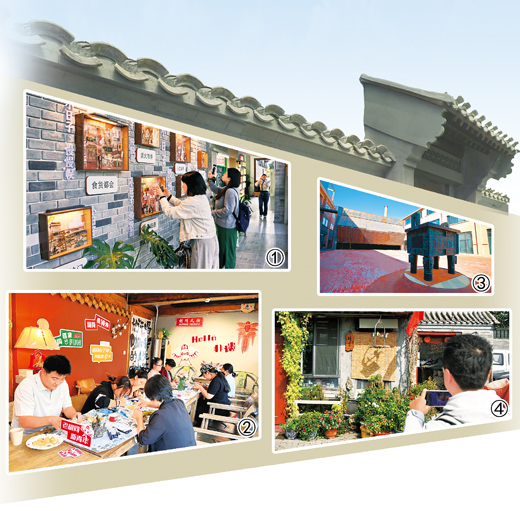
潮!北京胡同里的“网红打卡地”
Ren Min Ri Bao Hai Wai Ban· 2025-05-21 22:12
Core Viewpoint - Beijing is revitalizing its traditional hutongs, blending historical culture with modern creativity, making them popular cultural and tourist destinations [3][10][15] Group 1: Cultural Preservation and Revitalization - The city is committed to protecting over 1,000 existing hutongs as part of its "14th Five-Year Plan for the Protection and Development of Historical and Cultural Cities" [3][10] - Activities like the "Hear the Hutong" series aim to recreate the auditory memories of old Beijing, emphasizing the historical significance of hutongs [2][3] - The transformation of industrial sites into cultural creative parks, such as the 77 Creative Park, showcases the integration of modern functions while preserving historical aesthetics [9][10] Group 2: Culinary and Social Experience - Traditional food stalls in hutongs, like 增盛魁, continue to serve authentic Beijing breakfast, attracting both locals and tourists [4][5][6] - The vibrant atmosphere of hutongs is characterized by the mingling of sounds from food preparation and social interactions, creating a unique cultural experience [5][6] - The culinary offerings in hutongs are evolving, with new interpretations of traditional dishes that appeal to a diverse audience [14][15] Group 3: Artistic and Creative Spaces - The 93 Courtyard Museum and other cultural venues are becoming hotspots for experiencing traditional crafts and arts, promoting non-material cultural heritage [10][11] - The 77 Creative Park has become a cultural landmark, hosting various artistic events and attracting a younger demographic [9][10] - The integration of modern art and traditional culture is evident in venues like Blue Note Beijing, which hosts international jazz performances [12][13] Group 4: International Influence and Diversity - Hutongs are increasingly becoming spaces where international cultures intersect, with establishments offering diverse culinary experiences [14][15] - The presence of international artists and musicians in Beijing's cultural scene reflects the city's growing global appeal [12][13] - The blending of traditional and modern elements in hutongs creates a unique environment that resonates with both local and international visitors [15]

文化产业门户:互联网时代,创新的强大引擎
Sou Hu Cai Jing· 2025-05-19 22:02
Group 1 - Culture serves as an inexhaustible source that nourishes the human spirit, shapes society, and leads to the progress of civilization [1] - Cultural diversity acts as a catalyst for innovation, enabling human society to advance towards a more prosperous future through mutual understanding and respect [3] - The internet facilitates unprecedented cultural exchange, allowing various cultural heritages and artistic works to reach global audiences, enhancing overall cultural identity [3][5] Group 2 - The integration of traditional cultural elements with modern design in digital art exemplifies cultural innovation in the internet age, enriching cultural life and opening new paths for cultural heritage [5] - The cultural industry is undergoing transformation and upgrading by leveraging the internet, utilizing offline foundations and online channels for marketing and promotion [5]
好食材看源头 解密全聚德烤鸭的味觉密码
Bei Jing Ri Bao Ke Hu Duan· 2025-05-08 00:49
Core Insights - Quanjude Peking Duck has become a representative culinary symbol of Beijing, known for its unique flavor, heritage craftsmanship, and rich cultural background, having a history of over 160 years [1][2]. Ingredient Quality - The unique flavor of Quanjude's Peking Duck is attributed to the high-quality ingredients, specifically the use of Beijing Duck, a breed with over 600 years of history, recognized as a national geographical indication product [2]. - The "Nankou No. 1 Beijing Duck" variety is specifically bred for Peking Duck, meeting the required standards for meat quality, appearance, and fat content [2][4]. Production and Quality Control - Quanjude collaborates closely with Jinxing Duck Industry to ensure that the ducks used are larger and of higher quality than those from competitors, resulting in richer fat content and more tender meat [4]. - The company implements strict quality control measures in the breeding process, utilizing scientific feed ratios and low-density farming to promote healthy growth [4][5]. Traceability and Supply Chain - Since 2008, each Quanjude duck has a unique "ID" that allows consumers to trace its journey from birth to table, ensuring transparency and safety in the food supply chain [5]. - Quanjude has established a direct supply chain for its ingredients, including a partnership for a dedicated green onion supply base in Shandong [5]. Culinary Heritage - Quanjude's roasting technique, which has evolved from historical methods, was recognized as a national intangible cultural heritage in 2008, showcasing the craftsmanship involved in the preparation of Peking Duck [6]. - The cooking process involves multiple steps and meticulous attention to detail, ensuring a rich flavor and appealing presentation [6]. Innovation and Experience - Quanjude continues to innovate, incorporating customer engagement through unique services like "pointing at the duck" and creating visually appealing dishes such as the "Peony Duck" [8][9]. - The company has upgraded its main stores to enhance the dining experience, integrating cultural elements and modern design to reflect the essence of Beijing [11]. Cultural Significance - Quanjude not only serves food but also embodies the cultural heritage of Beijing, with its dishes representing a blend of history and culinary artistry [11].


汉中市博物馆:汉风古韵续写盛世华章
Shan Xi Ri Bao· 2025-05-06 22:43
Core Viewpoint - The Hanzhong Museum has achieved significant milestones in cultural preservation and public engagement, emphasizing the importance of protecting and promoting traditional Chinese culture while integrating modern technology and innovative practices [3][4][8]. Group 1: Museum Achievements - Hanzhong Museum has been recognized as a national first-class museum, marking a significant achievement for the institution and filling a gap in the southern Shaanxi region [8]. - The annual visitor count at Hanzhong Museum has surpassed 1 million for the first time, indicating growing public interest and engagement [4][8]. - The museum has successfully launched various exhibitions, including the "青鉴浮影" showcasing over 80 bronze mirrors, enhancing cultural exploration for visitors [6][7]. Group 2: Cultural Education and Engagement - The museum has implemented digital education programs, such as the "智慧数字云课堂," which utilizes technology to create immersive learning experiences for students [10][11]. - In 2024, the museum hosted 190 educational activities, serving over 51,000 young people, demonstrating its role as a cultural classroom [11]. - The museum's non-material cultural heritage products have gained popularity, blending traditional culture with modern aesthetics, appealing to younger audiences [11][12]. Group 3: Economic Impact of Cultural Heritage - Hanzhong's traditional crafts, such as bamboo weaving, have seen increased market demand, with companies like Liangshun Crafts achieving significant sales and contributing to local employment [14][15]. - The annual sales of the Chenggu flower embroidery project have exceeded 2.8 million yuan, providing job opportunities for 536 local artisans [16]. - The integration of traditional skills with modern industry is fostering rural revitalization and economic growth in Hanzhong [16].
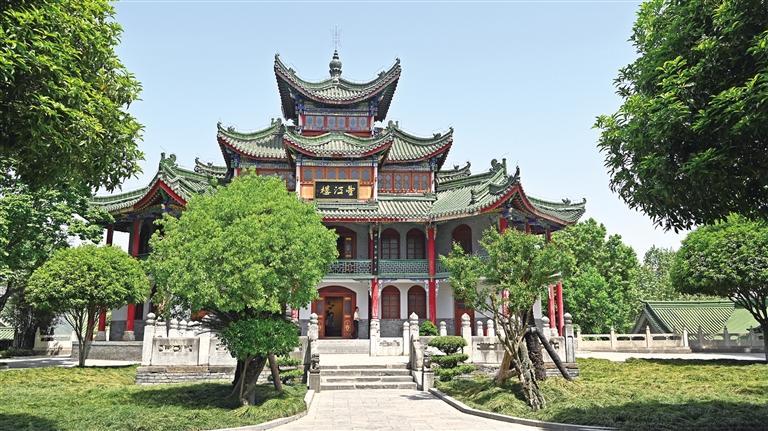
山东任城:激活城市文化基因 助力运河文化品牌建设
Zhong Guo Jing Ji Wang· 2025-05-06 08:18
Core Insights - The establishment of two calligraphy exchange platforms in Jining aims to enhance the city's cultural reputation and position it as a hub for calligraphy theory innovation [1][2] - The event marks a significant attempt to integrate high-end academic resources with local cultural development, promoting Jining's transition from a cultural stronghold to a nationally recognized cultural city [1][2] Group 1 - The unveiling ceremony of the "Doctor's Home" and "Calligraphy Doctor Canal Creation Base" was attended by over a hundred calligraphy PhDs, indicating a strong academic interest in the region [1] - The first national exhibition featuring over 200 calligraphy PhDs is designed to leverage academic resources for cultural development, aiming to create a unique identity for Jining as "Canal City + Calligraphy Doctor Stronghold" [1][2] - The event is expected to foster cultural innovation and contribute to the development of Jining's cultural industry by gathering national calligraphy PhDs [1] Group 2 - The "Hundred Calligraphy Doctors in Jining" event includes a systematic organization and digital archiving of existing canal inscriptions and cultural relics, enhancing cultural consumption [2] - Future plans involve the development of limited edition calligraphy and digital collectibles under the "Canal Aesthetics" series, creating a consumption loop from exhibitions to cultural products [2] - The integration of 3D technology to create immersive night tours along the canal, featuring elements like guzheng performances and boat banquets, aims to upgrade the cultural tourism experience in Jining [2]