
美国劳动力市场

Search documents
ZFX山海证券:杰克逊霍尔全球央行年会来袭!重点关注鲍威尔演讲!
Sou Hu Cai Jing· 2025-08-22 12:20
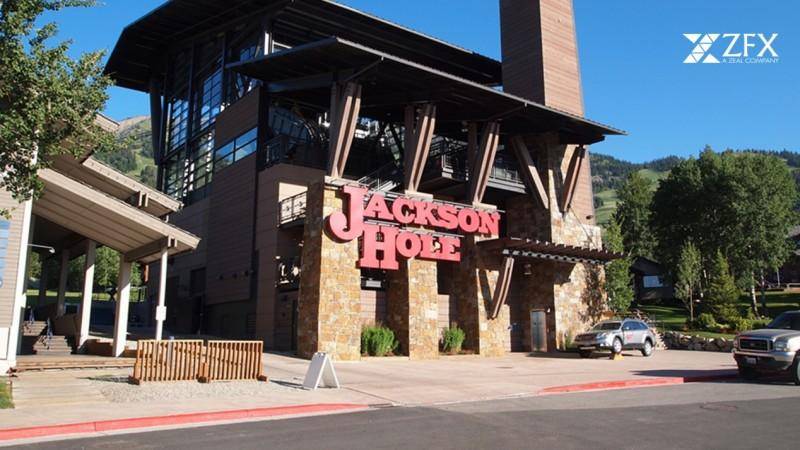
Group 1 - The Jackson Hole Global Central Bank Conference will take place from August 21 to 23 in Wyoming, attracting global investor attention, particularly towards Fed Chair Jerome Powell's speech, which is expected to provide insights into future monetary policy directions [1][4] - The theme of this year's conference is "Labor Market Transformation: Demographics, Productivity, and Macroeconomic Policy," closely related to recent significant changes in the U.S. labor market, which has shown signs of cooling from May to July [3] - Non-farm payroll data for May and June was revised down by over 250,000, with only 73,000 new jobs added in July, and wage growth slowing from 6% in June 2022 to approximately 3.9% [3] Group 2 - U.S. inflation data has been mixed, with July's Consumer Price Index (CPI) showing moderate increases, while the Producer Price Index (PPI) surged by 0.9%, the largest monthly increase in over three years, indicating rising input inflation risks [5] - Investors are weighing economic data ahead of Powell's speech, with an approximately 80% probability of a Fed rate cut in September, as major banks like JPMorgan and Goldman Sachs have adjusted their forecasts for the first rate cut from December to September [10] - JPMorgan predicts that if the unemployment rate rises to 4.4% or higher in August, the Fed may aggressively cut rates by 50 basis points in September, with expectations of three consecutive 25 basis point cuts in September, October, and December [11]

杰富瑞经济学家托马斯·西蒙斯:初请数据并未显示美国劳动力市场正在迅速走弱
Xin Hua Cai Jing· 2025-08-21 14:20
Core Insights - Jefferies economist Thomas Simons stated that the initial jobless claims data does not indicate a rapid weakening of the U.S. labor market [1] Group 1 - The initial jobless claims data is not showing signs of a significant decline in the labor market [1]
ATFX汇评:美联储会议纪要显示,两名票委反对维持利率不变
Sou Hu Cai Jing· 2025-08-21 10:16
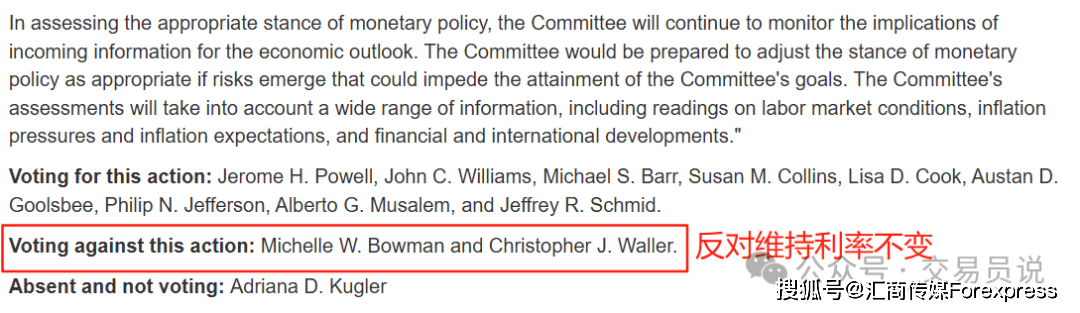
Group 1 - The Federal Reserve's meeting minutes indicate that two members opposed the decision to maintain the interest rate at 4.25%-4.5% during the July 31 meeting [1] - Former President Trump has been vocal against the Federal Reserve's decision to keep interest rates unchanged, expressing dissatisfaction with the current chair, Jerome Powell [2] - The meeting minutes reflect a pessimistic outlook on the U.S. macroeconomic situation, with high inflation preventing the Fed from hastily resuming rate cuts [4] Group 2 - The committee noted a slowdown in economic activity growth in the first half of the year, while the unemployment rate remained low and the labor market was considered robust [3] - However, the August non-farm payroll report showed a surprising increase in the unemployment rate by 0.1 percentage points, with only 73,000 jobs added, contradicting the earlier assessment of a stable labor market [3] - Trump's strategy appears to target Fed officials who support maintaining rates, potentially to intimidate others into favoring rate cuts without changing the Fed chair [2]
关税大棒与移民寒冬重塑美国劳动力 疲软非农或成“特朗普2.0时代”的常态
智通财经网· 2025-08-19 03:23
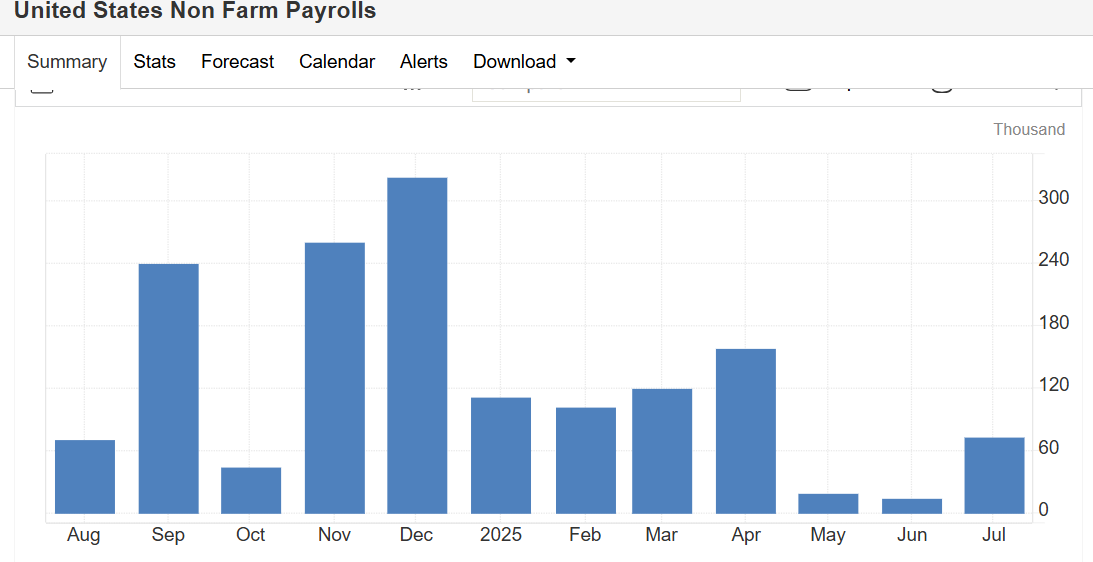
Group 1 - The core viewpoint of the articles highlights the significant decline in non-farm employment growth in the U.S., with only 73,000 jobs added in May, and an average of 35,000 jobs over the past three months, contrasting sharply with the Biden administration's average of 168,000 jobs per month during 2024 [1][2][5] - The recent employment data has raised concerns among economists and investors about the potential manipulation of data by the Trump administration, particularly following the dismissal of the BLS director [1][10][11] - The decline in immigration due to Trump's policies is expected to exert downward pressure on labor market growth, with projections suggesting that job growth could slow to as low as 10,000 to 40,000 jobs per month later this year [5][6][8] Group 2 - The Biden administration's immigration policies have contributed to a record job growth of 16.1 million jobs during his term, averaging 336,000 jobs added per month, which is now reversing due to the anticipated decline in immigration [7][9] - Goldman Sachs has adjusted its forecast for non-farm employment growth in 2025 to just 30,000 or fewer jobs per month, attributing this primarily to the decrease in immigration [8] - The potential changes in the BLS's statistical methods under Trump's administration could undermine the credibility of U.S. labor market data, which has been built over decades [10][11]
美联储内部对降息节奏存分歧:戴利反对9月大幅降息 古尔斯比呼吁谨慎
Huan Qiu Wang· 2025-08-15 02:25
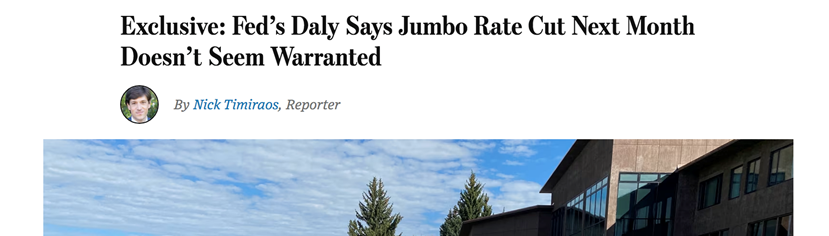
Group 1 - The Chicago Fed President Goolsbee suggests that the Federal Reserve should not rush to cut interest rates until inflation is fully under control, indicating a divergence in the Fed's decision-making regarding the pace of rate cuts [2] - Daly believes that a 50 basis point rate cut would signal an emergency situation, but she does not feel overly concerned about the current U.S. labor market, suggesting no need for a "catch-up" rate cut [2] - Daly maintains that two rate cuts this year are a reasonable expectation, consistent with her June forecast, but acknowledges that if labor market data shows weakness, further cuts may be appropriate [2] Group 2 - Daly's assessment of the U.S. labor market has shifted from "solid" to "softening," influenced by a significant downward revision in previous months' employment growth data [2] - On inflation prospects, Daly expresses a relatively optimistic view, noting that the response of commodity inflation to higher tariffs has been mild, indicating reduced risks of severe psychological impacts from price surges [2] - Companies have found ways to absorb tariff costs rather than passing them on to consumers, likening this process to a "small loophole" where costs are distributed throughout the supply chain instead of causing widespread price shocks [3]
宏观经济深度研究:数字的修正与预期的转折
工银国际· 2025-08-13 05:54
Employment Data Revision - Since 2025, U.S. non-farm employment data has been revised down by a total of 461,000 jobs, indicating a more significant weakness in the labor market than initially reported[2] - Historical patterns show that significant downward revisions in non-farm data often precede economic slowdowns, as seen during the 2001 internet bubble and the 2008 financial crisis[3] - The downward trend in non-farm data has been consistent over the past three years, with revisions of 546,000, 577,000, and 461,000 jobs respectively[3] Labor Market Indicators - Job vacancies have decreased from a peak of 12.134 million in March 2022 to 7.437 million by June 2025, a decline of nearly 40%[10] - The unemployment rate has risen from 3.5% in late 2023 to 4.2% by July 2025, reflecting a gradual but persistent upward trend[10] - Initial claims for unemployment benefits have increased from around 200,000 in early 2023 to 250,000 by June 2025, indicating a rise in layoffs[10] Market Expectations and Federal Reserve Policy - Market expectations for Federal Reserve rate cuts have shifted significantly, with the probability of a 25 basis point cut in September rising from 38% to 80% within a few days[13] - The likelihood of cumulative rate cuts of 50 to 75 basis points by the end of the year has increased from less than 8% to 53.1%[13] - The focus of market speculation has transitioned from "whether to cut rates" to "how much to cut" as labor market data continues to weaken[13]
降息3次!刚刚,美联储突发!
Sou Hu Cai Jing· 2025-08-10 07:06
Group 1 - Federal Reserve Governor Michelle Bowman supports three interest rate cuts this year, citing recent weak labor market data as a key factor [3][5] - Bowman previously supported maintaining interest rates until June but voted against the decision in July, advocating for a 25 basis point cut [3] - She urges other policymakers to initiate rate cuts at the September Federal Reserve meeting to prevent further deterioration in the labor market [5] Group 2 - The U.S. labor market shows signs of cooling, with non-farm employment increasing by only 73,000 in July, below expectations, and the unemployment rate rising from 4.1% to 4.2% [6][8] - Core Consumer Price Index (CPI) is expected to rise by 0.3% in July, compared to a 0.2% increase in June, indicating potential inflationary pressures from higher tariffs [7] - Higher tariffs are beginning to affect consumer prices in categories such as household goods and entertainment, although core service inflation remains moderate [7][8]

降息3次!刚刚,美联储突发!
中国基金报· 2025-08-10 07:00
Group 1 - Federal Reserve Governor Michelle Bowman supports three interest rate cuts this year, citing weak labor market data as a key factor [3][5] - Bowman previously supported maintaining interest rates until June but voted against the decision in July, advocating for a 25 basis point cut [3][5] - She urges other decision-makers to initiate rate cuts at the September Federal Reserve meeting to prevent further deterioration in the labor market [5][7] Group 2 - The U.S. labor market shows signs of cooling, with non-farm employment increasing by only 73,000 in July, below expectations, and the unemployment rate rising from 4.1% to 4.2% [7][9] - Core Consumer Price Index (CPI) is expected to rise by 0.3% in July, compared to a 0.2% increase in June, indicating a potential uptick in inflation due to higher tariffs [9][10] - Higher tariffs are beginning to affect consumer prices, particularly in household goods and entertainment, creating a dilemma for Federal Reserve officials who are trying to assess the impact on sustained inflation while monitoring labor market trends [9][10]

美国经济的一体两面:隐忧与韧性并存
Qi Huo Ri Bao· 2025-08-08 11:11
Group 1: Economic Overview - The U.S. GDP for Q2 2025 shows an annualized growth rate of 3.0%, exceeding Bloomberg's consensus of 2.6% and Atlanta Fed's GDPNow estimate of 2.9% [1] - The seasonally adjusted GDP amount for Q2 is $5.9 trillion, with a year-on-year growth of 2% and a quarter-on-quarter annualized growth of 3% [1] - The GDP growth rate is positioned as the 5th highest in the last 14 quarters, indicating a relatively strong performance [1] Group 2: GDP Composition - Personal consumption accounts for approximately 68% of GDP, private investment around 18%, government spending about 17%, and net exports at -3% [2] - Retail sales in June reached $720 billion, with a month-on-month increase of 0.6% and a cumulative total of $4.2 trillion for the first half of the year, reflecting a year-on-year growth of 4.3% [2] - Core retail sales, which make up about three-quarters of total sales, amounted to $533 billion in June, with a year-on-year increase of 4.1% [2] Group 3: Trade and Investment Dynamics - The reduction in trade deficit contributed significantly to GDP growth, with Q2 trade deficit shrinking from $3,906 billion in Q1 to $1,921 billion in Q2, a decrease of 51% [4] - Q2 exports totaled $846.5 billion, a year-on-year increase of 6%, while imports decreased by 2% [4] - Private investment saw a significant decline, with a year-on-year rate of -15.6% in Q2, contributing negatively to GDP [6] Group 4: Labor Market Insights - July saw only 70,000 new non-farm jobs added, significantly below expectations, with previous months' figures revised downwards [5] - The unemployment rate, while low at 4.2%, is showing signs of a potential increase, indicating underlying labor market weaknesses [5] - The labor market's performance is critical as it reflects the overall economic health and consumer spending capacity [5] Group 5: Economic Challenges - The implementation of "reciprocal tariffs" is expected to negatively impact personal consumption, private investment, and net exports in the short term [3] - The overall economic growth appears to be uneven, with concerns about the sustainability of the current growth trajectory [4] - The real estate market is cooling, with new home sales down 4% year-on-year in the first half of 2025, indicating potential challenges in the housing sector [6]
海外市场周观察(20250728~20250803)
Shanxi Securities· 2025-08-06 09:18
Economic Indicators - The July non-farm payrolls increased by 73,000, which was below the expected 108,000, indicating a cooling labor market[5] - The unemployment rate rose to 4.2%, while the labor participation rate decreased to 62.2%[5] - Initial jobless claims for the week ending July 26 were 218,000, showing a slight increase but maintaining a downward trend in the two-month moving average[5] Market Performance - Major U.S. stock indices experienced significant declines, with the Dow Jones falling by 2.92%, S&P 500 by 2.36%, and Nasdaq by 2.17% following the non-farm data release[6] - The U.S. dollar index rebounded above 100 but fell back to 98.69 after the non-farm data, resulting in a weekly increase of 1.04%[6] - Gold prices saw a slight increase of 0.79%, while Brent crude oil rose by 2.84% during the same period[6] Federal Reserve Outlook - The FOMC's July meeting indicated a hawkish stance, with no guidance on potential rate cuts in September, leading to mixed market expectations[4] - As of August 4, market expectations for rate cuts in September, October, and December were each set at 25 basis points, reflecting a shift in sentiment following the labor market data[4] Investment Strategy - The report suggests that the Federal Reserve is likely to resume rate cuts, recommending investment in gold and emerging markets during a weak dollar cycle[7] - The report highlights the importance of monitoring overseas liquidity and geopolitical risks as potential threats to market stability[7]