耐心资本

Search documents
《关于加强政府投资基金布局规划和投向指导的工作办法(试行)》
Sou Hu Cai Jing· 2026-01-12 02:39
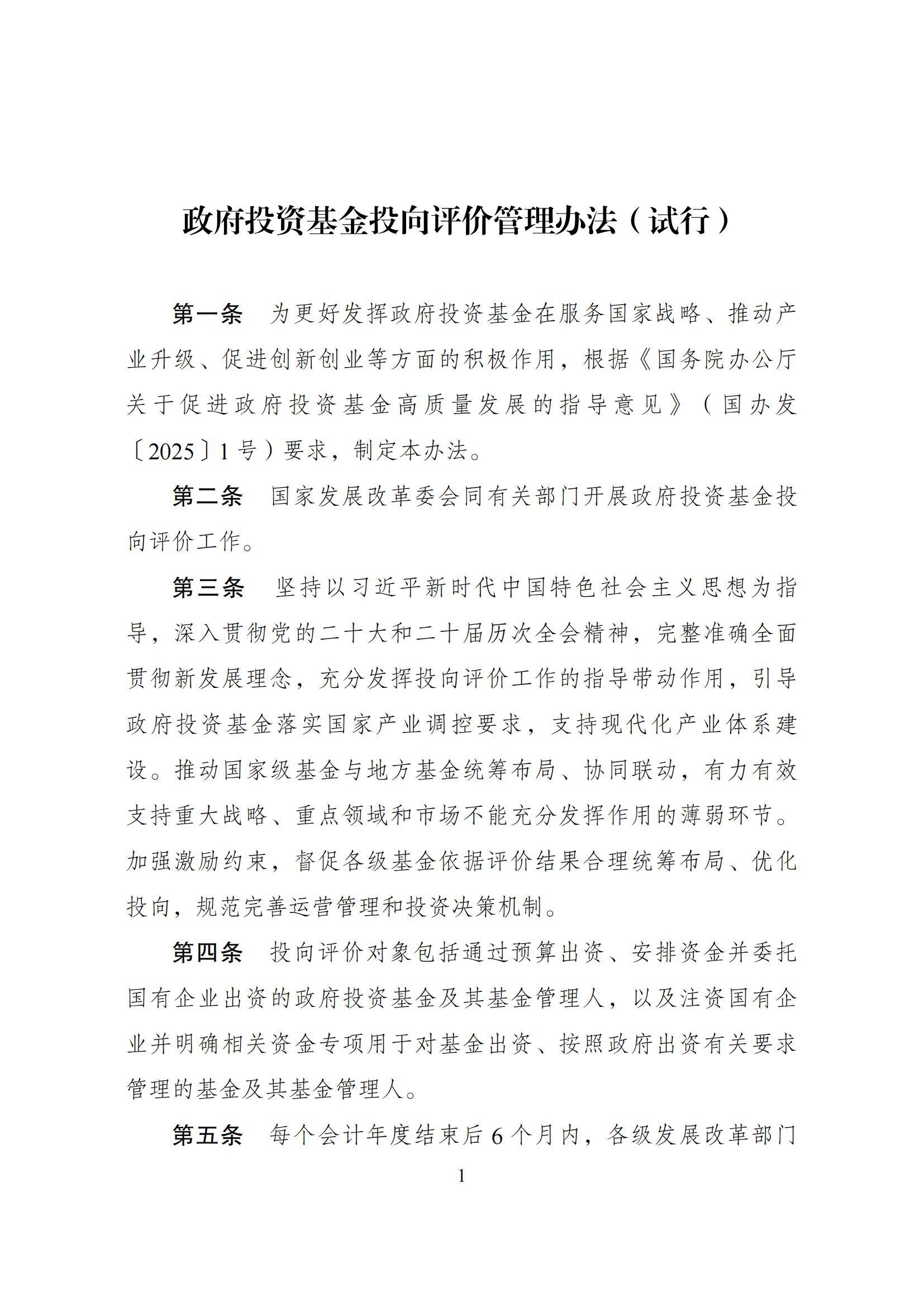
投资界1月12日消息,国家发展改革委、财政部、科技部、工业和信息化部联合发布《关于加强政府投资基金布局规划和投向指导的工作办法》,这是首次 在国家层面对政府投资基金的布局和投向作出系统规范。 设。推动国家级基金与地方基金统筹布局、协I 支持重大战略、重点领域和市场不能充分发挥' 加强激励约束,督促各级基金依据评价结果合3 投向,规范完善运营管理和投资决策机制。 《工作办法》围绕政府投资基金"投向哪、怎么投、谁来管"三方面,提出14项政策举措。其中明确,国家级基金要立足全局,围绕基金定位,重点支持国家 现代化产业体系建设和关键核心技术攻关,着力补齐产业短板、突破发展瓶颈。同时,要求地方基金结合本地产业基础和发展实际选择投资方向,在项目投 资中落实全国统一大市场要求,重点支持产业升级、创新能力提升,以及小微民营企业和科技型企业孵化,引导社会资本有效参与。 此外,国家发展改革委同步制定了《政府投资基金投向评价管理办法》,按照"正面引导与负面约束相结合"的思路,建立覆盖基金运营管理全过程、定量与 定性相结合的投向评价体系,进一步强化政策导向和规范管理。 附件:《关于加强政府投资基金布局规划和投向指导的工作办法》、《政 ...

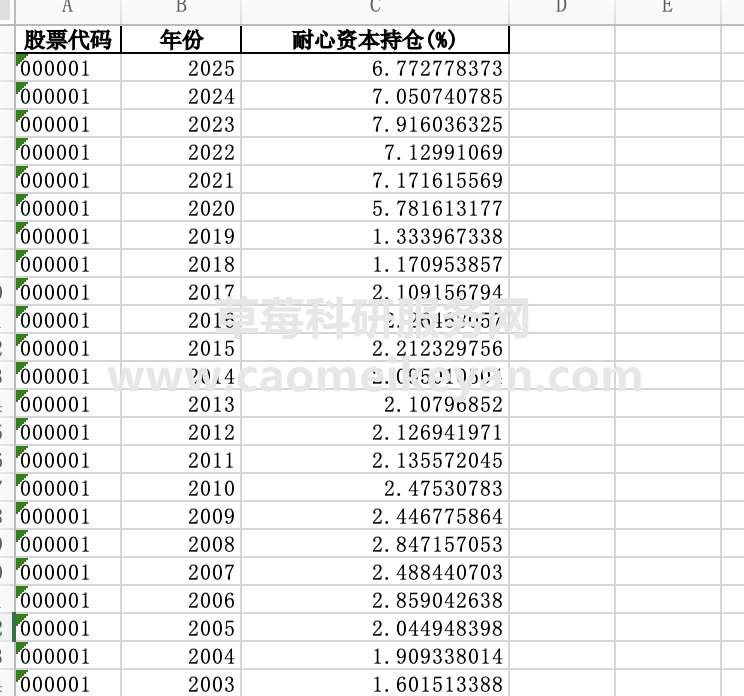
2025-2003年上市公司企业耐心资本持仓数据、基金耐心资本持仓数据
Sou Hu Cai Jing· 2026-01-12 02:39
Core Insights - The article presents data on the holdings of Patience Capital in publicly listed companies from 2003 to 2025, focusing on the percentage of holdings relative to the fund's net value [1]. Group 1: Data Overview - The analysis is based on over 40,000 companies, with more than 9,000 companies included in the dataset, covering various stock exchanges and ETFs [1]. - The methodology follows a model proposed by Li Xinwu, calculating the holding percentage of Patience Capital in each company for each year [1]. - The original data is daily, but annual data is used for calculations, resulting in larger values represented in logarithmic form [1]. Group 2: Holding Trends - The holding percentage of Patience Capital in stock code 000001 shows a significant increase from 1.33% in 2019 to 6.77% in 2025 [1]. - Yearly holding percentages for stock code 000001 are as follows: 7.05% in 2024, 7.92% in 2023, 7.13% in 2022, and 5.78% in 2020, indicating a general upward trend over the years [1]. - The data also reveals fluctuations in holdings from 2010 to 2019, with a notable increase starting in 2020 [1].

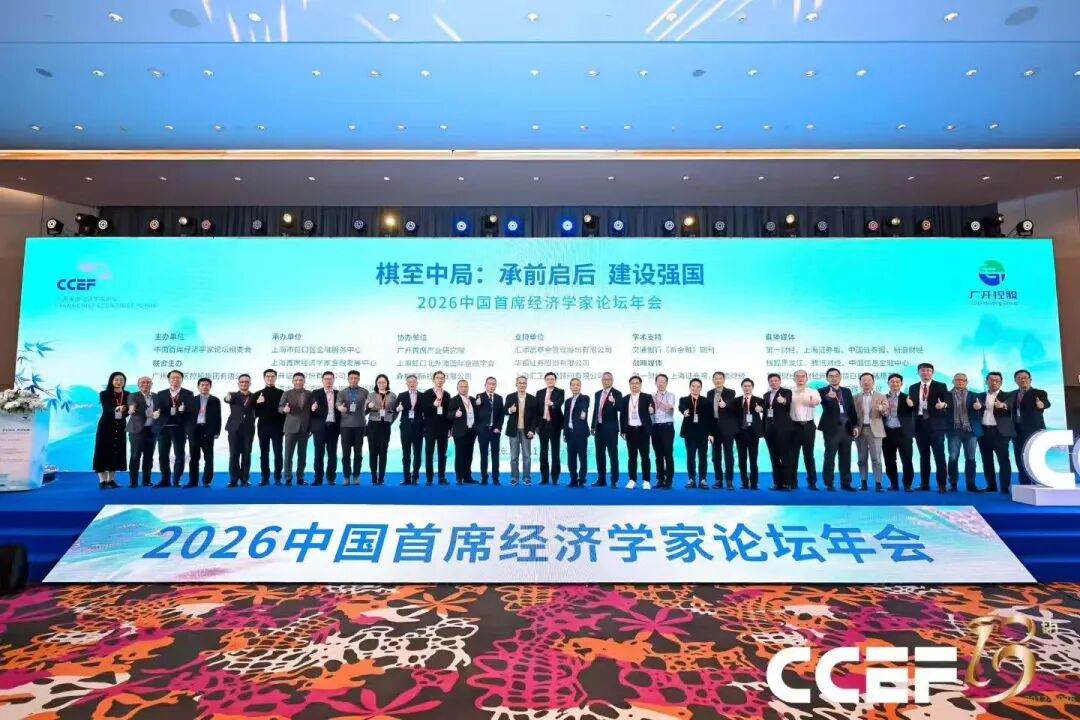
首席经济学家谈中国资产:“全球不可回避”!
Shang Hai Zheng Quan Bao· 2026-01-11 15:14
Core Viewpoint - The 2026 China Chief Economist Forum highlighted a significant shift in the perception of Chinese assets, transitioning from "overseas optional" to "globally unavoidable," driven by policy certainty, industrial innovation, and unprecedented support from capital markets [1] Policy Determination: Solidifying Development Foundations - High policy certainty is identified as the core support for Chinese assets, with a notable shift in foreign investors' perspectives towards viewing Chinese assets as indispensable [3] - The 2025 timeline is emphasized as a pivotal year for China's strategic goals, with successful implementation of the 14th Five-Year Plan and "Made in China 2025" initiatives [3] - The "15th Five-Year Plan" is noted for its clearer direction and specific deployment across traditional and emerging industries, showcasing a robust modern industrial system [3] Industry Breakthrough: Activating Growth Momentum - A complete industrial ecosystem and efficient innovation conversion capabilities are seen as key factors for the optimism surrounding Chinese assets [6] - The strong traditional manufacturing base is crucial for nurturing emerging industries, with examples in robotics and AI demonstrating the interdependence of new and traditional sectors [6] - The AI sector is highlighted for its potential to create a virtuous economic cycle through a comprehensive industrial ecosystem that transforms technological potential into commercial value [8] Capital Focus: Investment Opportunities from Revaluation Waves - Investment opportunities in the context of the "15th Five-Year Plan" are summarized under three keywords: development, people, and security [10] - Emphasis is placed on developing new productive forces, which include both strategic emerging industries and the transformation of traditional sectors [10] - Key investment opportunities identified include mergers and acquisitions, overseas expansion of Chinese companies, technology innovation-related ventures, and opportunities in REITs and similar assets [10][11]
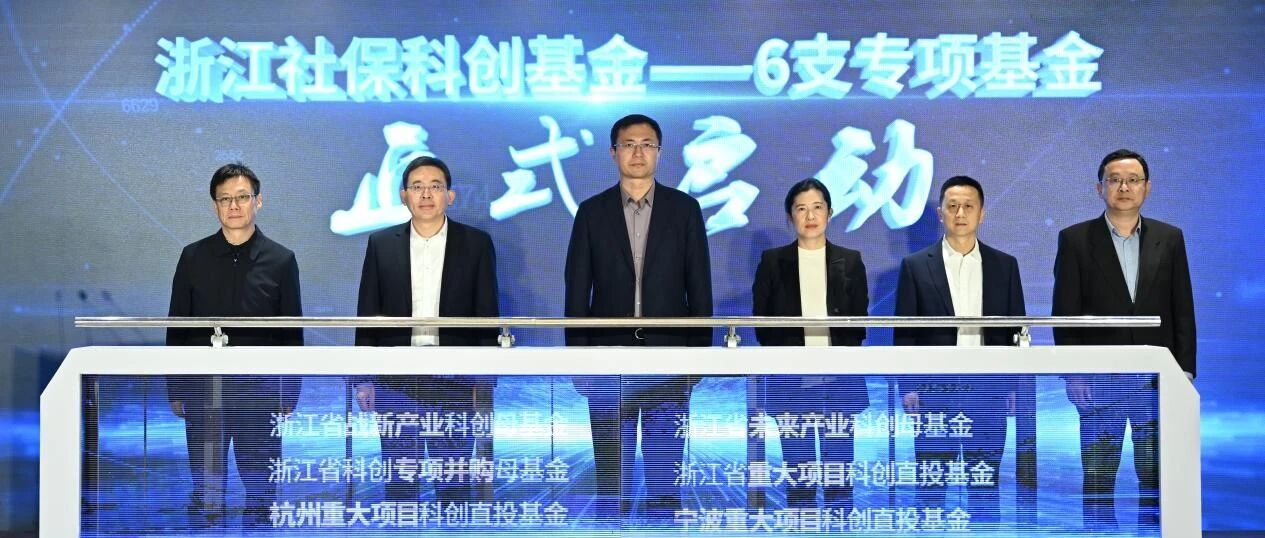
这个省社保科创基金的6支专项基金启航了
母基金研究中心· 2026-01-11 07:47
Core Viewpoint - The Zhejiang Social Security Science and Technology Innovation Fund has officially entered a comprehensive investment phase, marking a significant step in supporting technological innovation and economic development in Zhejiang Province [5][6]. Group 1: Fund Launch and Structure - The Zhejiang Social Security Science and Technology Innovation Fund has launched six specialized funds, including the Zhejiang New Industry Science and Technology Mother Fund and the Zhejiang Future Industry Science and Technology Mother Fund, each with a scale of 10 billion [5]. - The total investment amount for the first six projects signed at the conference exceeds 1.6 billion, covering sectors such as quantum science, artificial intelligence, integrated circuits, advanced manufacturing, and new materials [5]. Group 2: Strategic Goals and Future Directions - The fund aims to support national strategies for technological self-reliance and innovation in Zhejiang, emphasizing market-oriented operations and professional decision-making [6]. - The fund is designed to provide long-term, strategic, and patient capital, with a maximum duration of 18 years and an initial investable sub-fund size of nearly 300 billion [8]. Group 3: Collaboration and Investment Opportunities - The conference included a dialogue among scientists, investors, and entrepreneurs, promoting a healthy cycle between technology, industry, and finance [7]. - Zhejiang is positioned as a promising investment destination, with innovation becoming a new trend and artificial intelligence emerging as a key identifier for the region [8].
知名上市辅导专家李亚:以耐心资本护航长期主义
Sou Hu Cai Jing· 2026-01-11 02:49
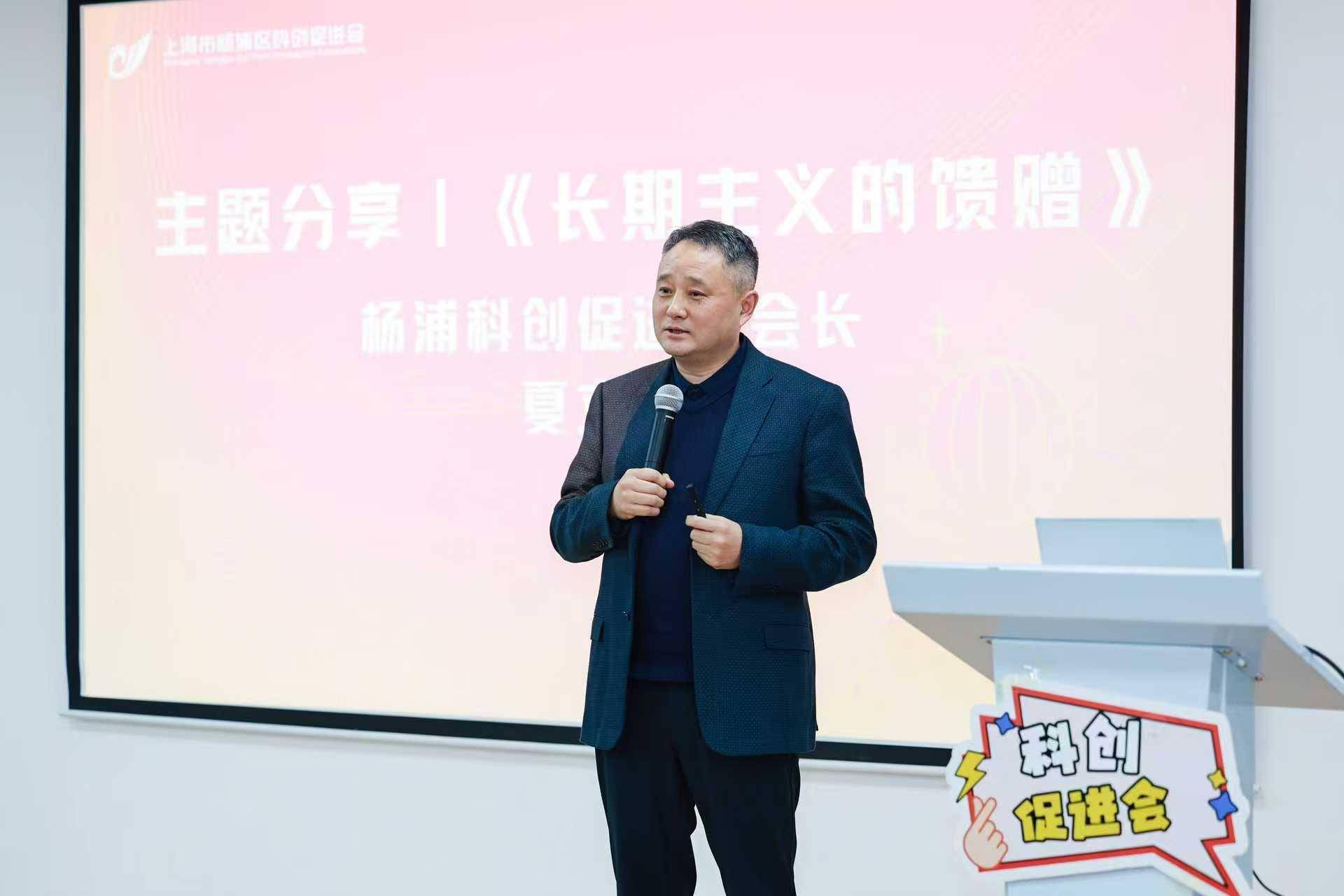
Group 1 - The event held in Yangpu District, Shanghai, focused on the theme of "long-termism" and featured speeches from key figures emphasizing the importance of patience capital in supporting technology innovation enterprises [1][3] - The national strategy emphasizes technological self-reliance, industrial upgrading, and the development of new productive forces, which aligns with the need for long-term investment approaches [3] - The concept of "patience capital" is highlighted as essential for understanding industry dynamics and supporting tech companies through various growth phases, resonating with the recently launched trillion-yuan venture capital guidance fund [3] Group 2 - Li Ya proposed three criteria for tech companies to select patience capital: alignment with national strategic sectors, ability to provide value-added services, and a track record of supporting companies through cycles [5] - For capital providers, Li Ya outlined three responsibilities: adhering to strategic direction, evolving from financial supporters to value co-creators, and establishing risk-sharing mechanisms with companies [5] - The collaboration between Licheng China and Yangpu District aims to provide comprehensive support for tech enterprises, covering compliance, governance, and market integration [7] Group 3 - The annual meeting served as a platform for dialogue among government, enterprises, and capital, fostering a consensus on long-termism and the creation of a supportive innovation ecosystem [8] - The involvement of national venture capital and professional institutions like Licheng China is creating a positive cycle in the tech innovation sector, combining national strategy guidance with social capital and professional empowerment [8] - Long-termism is framed as a value choice that aligns enterprises with patient capital, contributing to high-quality economic development in China [8]
【智库圆桌】发展科技金融激发创新活力
Xin Lang Cai Jing· 2026-01-11 00:40
Core Viewpoint - The development of technology finance is crucial for promoting the dual advancement of technology and finance, as emphasized in China's economic planning and regulatory frameworks [1][3][4]. Group 1: Importance of Technology Finance - Technology finance is positioned as a key support for achieving high-level technological self-reliance and building a strong technological nation [2][3]. - The development of technology finance helps accelerate breakthroughs in critical core technologies and supports the transformation and upgrading of traditional industries [3][4]. - It broadens the boundaries of financial services, creating new growth points for financial institutions amid narrowing net interest margins [3]. Group 2: Policy and Structural Developments - The implementation of the "14th Five-Year Plan" emphasizes the construction of a financial service system that aligns with technological innovation [4][6]. - By the end of 2025, the banking and insurance sectors are expected to enhance their financial service mechanisms to better support technological innovation [4]. - The scale of technology finance continues to expand, with significant increases in loan balances for high-tech enterprises and technology-based SMEs, indicating a growing financial service coverage [4][5]. Group 3: Enhancements in Financial Services - The People's Bank of China has introduced various financial tools to support major technological projects and SMEs in their growth phases [5]. - Financial support for advanced manufacturing, high-tech manufacturing, and strategic emerging industries has been continuously strengthened, with notable annual growth rates in relevant loans [5]. - The establishment of multiple technology finance reform pilot zones aims to reduce financing costs for technology enterprises and optimize financial resource allocation [13][14]. Group 4: Role of Patient Capital - Patient capital is essential for supporting long-term technological innovation, focusing on projects with long-term returns rather than short-term profits [8][9]. - The development of patient capital is crucial for guiding production factors towards new quality productivity, which is characterized by high technology and efficiency [9][10]. - Initiatives to encourage patient capital investment in technology innovation include increasing the investment ratio of pension and insurance funds in early-stage hard technology funds [11][12]. Group 5: Challenges and Future Directions - Despite the potential of patient capital, challenges such as an unbalanced supply structure and a lack of market-driven capital remain [11][12]. - Future efforts should focus on optimizing the market ecosystem, enhancing incentive mechanisms, and strengthening cross-cycle capabilities to attract more long-term capital into technology innovation [12][17]. - The establishment of technology finance reform pilot zones has shown promise, but further improvements in policy support and market mechanisms are necessary to enhance the sustainability of financial support for technology innovation [17].
李凤羽:加大耐心资本投入科创领域力度
Xin Lang Cai Jing· 2026-01-11 00:40
Core Viewpoint - The article emphasizes the importance of developing "patient capital" to support technological innovation and the transition to a modernized economy in China, as outlined in the Central Committee's decision on deepening reforms [1][2]. Group 1: Definition and Importance of Patient Capital - Patient capital refers to investments that prioritize long-term returns over short-term gains, focusing on projects with significant growth potential and resilience to market fluctuations [1]. - It is primarily sourced from government investment funds, pension funds, and insurance capital, providing stable funding for technological and industrial innovation [1][2]. Group 2: Role of Patient Capital in Technological Innovation - Technological innovation is crucial for developing new productive forces, but it often faces challenges such as high uncertainty and long funding cycles, making patient capital essential for supporting early-stage tech companies [2][3]. - Patient capital not only considers short-term financial returns but also evaluates non-financial indicators like technological innovation capabilities and business models, thus fostering long-term growth [2]. Group 3: Current Developments and Achievements - During the 14th Five-Year Plan period, significant progress has been made in nurturing patient capital, particularly in hard technology sectors, with the National Integrated Circuit Industry Investment Fund II focusing on critical areas like chip manufacturing [3]. - The Shenzhen government fund has mobilized nearly 500 billion yuan to support over 8,000 industrial projects, fostering more than 1,500 specialized enterprises and nearly 600 listed companies [3]. Group 4: Challenges Facing Patient Capital - There is an imbalance in the supply structure of patient capital, with excessive reliance on government funds and insufficient market-driven capital [4]. - The market ecosystem is underdeveloped, with limited exit channels and a lack of professional intermediary services, which dampens investment in high-risk early-stage projects [4]. Group 5: Recommendations for Future Development - To enhance patient capital, it is recommended to increase the investment ratio of pension and insurance funds in early-stage hard technology funds and provide tax incentives [5]. - Improving the market ecosystem through reforms in the Sci-Tech Innovation Board and developing a secondary market for private equity can enhance liquidity and reduce investment risks [5].
央行金融研究所所长丁志杰:部分长期资本仍沉淀在银行体系 优化金融结构大力发展资本市场
Zheng Quan Shi Bao Wang· 2026-01-10 09:16
Core Viewpoint - The optimization of China's financial structure has significant potential, with opportunities for reform outweighing challenges [1] Group 1: Financial Structure Optimization - There is considerable room for improvement in China's financial structure, and the efficiency of the financial system can be enhanced [1] - Transforming a portion of household long-term savings deposited in banks into patient and long-term capital is beneficial for optimizing financial structure and increasing the proportion of direct financing [1] Group 2: Development of Capital Markets - A major direction for optimizing China's financial structure is the vigorous development of capital markets, including the active promotion of equity and bond financing [1] - The recent performance of the National Social Security Fund's local pension fund investments shows that pension funds can achieve annualized returns exceeding 5% when entering capital markets, significantly higher than guaranteed returns [1] Group 3: Potential Capital Market Contributions - As of the end of 2024, the total scale of basic pensions in China is projected to reach 8.7 trillion yuan, and if a significant portion of these funds enters capital markets, it would positively impact market development [1] - The surplus in medical insurance and the balance of housing provident fund deposits currently exist in the form of bank deposits, and if some of these funds can enter capital markets, it would enhance residents' investment returns and contribute to capital market development [1]
双流区委全会上,“场景”与“耐心资本”缘何成为热词?
Xin Lang Cai Jing· 2026-01-10 03:00
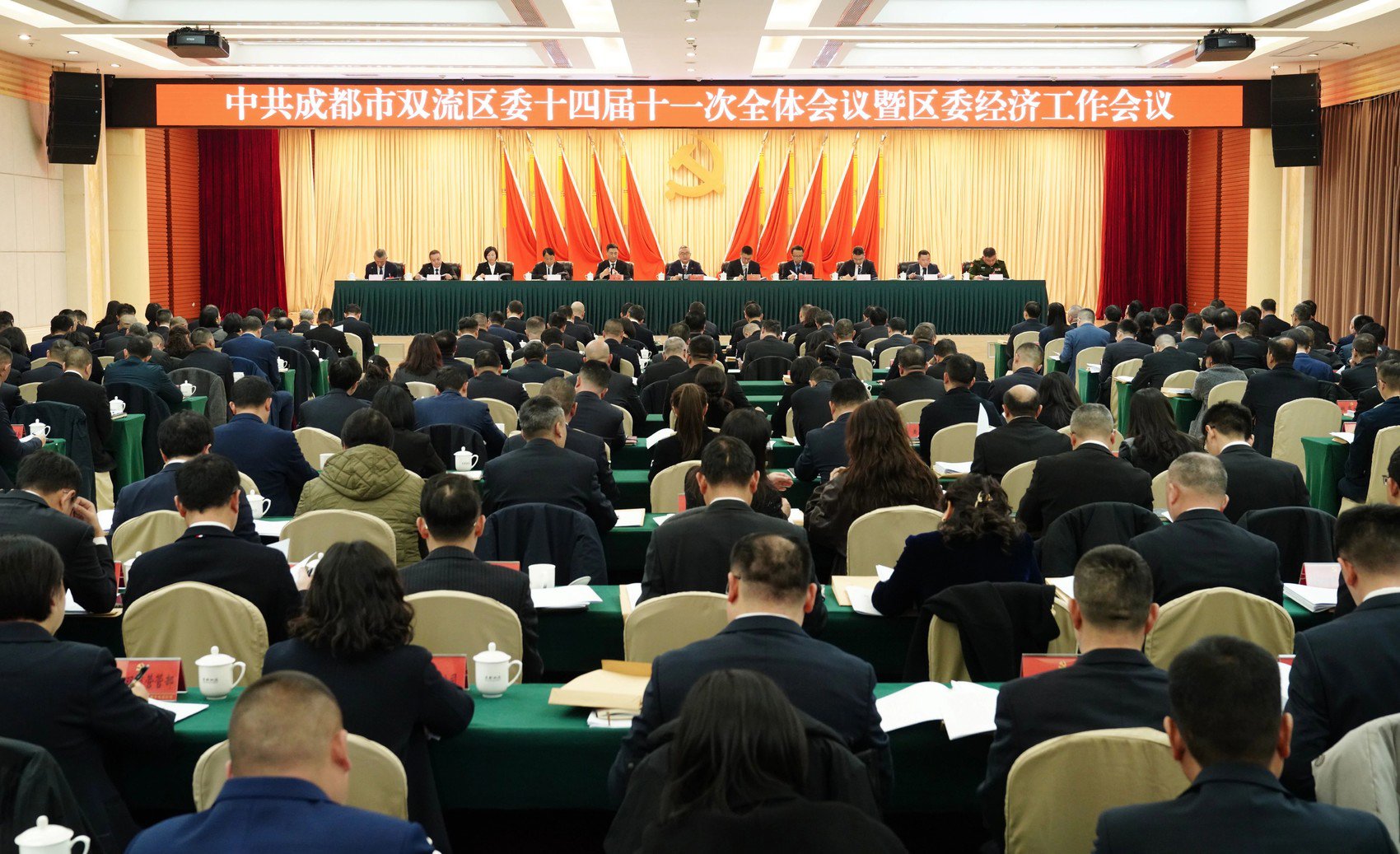
Core Insights - The Chengdu Shuangliu District Committee's recent meeting emphasized the importance of "scenarios" and "patient capital" as key paths for cultivating new productive forces in the innovation airport [1][2] - The successful commercialization of the world's first "super carbon No. 1" generator, developed in Shuangliu, exemplifies the challenges of transforming technological achievements into practical productivity, highlighting the need for both innovative scenarios and long-term investment [2] Group 1 - The meeting proposed to promote the transformation of scientific and technological achievements into real productivity, optimize multi-channel achievement connections, innovate localized scenario support, and cultivate a patient capital ecosystem [2][3] - The strategic focus on scenario innovation aligns with national and local development plans, including the "14th Five-Year Plan" and the State Council's implementation opinions on accelerating scenario cultivation and application [3] - Shuangliu has released a "Smart Shuangliu Scenario Innovation Demand List," actively identifying 22 specific needs, supported by its substantial industrial clusters in electronic information and aerospace manufacturing [3] Group 2 - The Shuangliu District plans to implement policies such as "ranking and commanding," deploy 30 core technology research projects, establish a 1 billion yuan technology innovation fund, and promote open sharing of research resources [3] - The focus will be on organized research and transformation, targeting leading industries such as semiconductors, aerospace, and future energy, to facilitate deep integration of technological and industrial innovation [3] - The goal is to drive the local transformation of significant research achievements, such as supercritical carbon dioxide power generation, and nurture a batch of "gazelle" and potential unicorn enterprises [3]
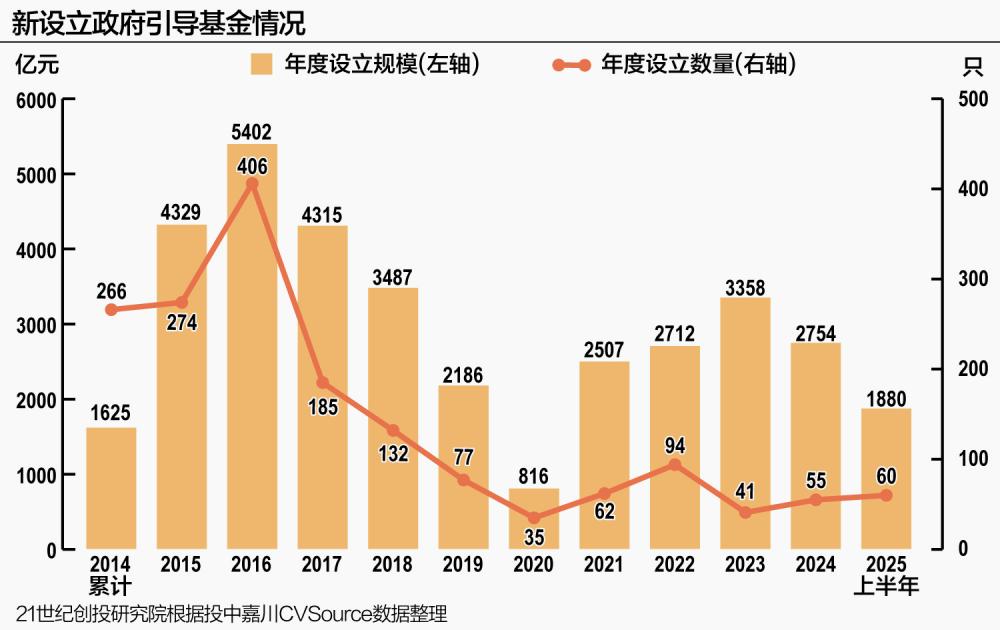
国家级引导基金活跃度提升
2 1 Shi Ji Jing Ji Bao Dao· 2026-01-09 23:16
Core Insights - Government investment funds have become a major source of capital in China's private equity investment industry, playing a crucial role in promoting healthy industry development and optimizing traditional industries [1][9] - The release of the "Guiding Opinions on Promoting the High-Quality Development of Government Investment Funds" (Document No. 1) by the State Council on January 7, 2025, outlines 25 measures across seven areas to enhance the government funding guidance mechanism [1][10] - The establishment of the National Venture Capital Guidance Fund, which aims to leverage a trillion-scale fund, marks a significant step in promoting stable growth in the venture capital industry [3][24] Group 1: Government Investment Fund Development - The number and scale of newly established government investment funds peaked around 2016, with a gradual decline in the annual establishment rate, transitioning to a steady growth phase [4][19] - In the first half of 2025, 60 new government investment funds were established, surpassing the 55 funds created in 2024, with a total scale of 188 billion yuan [4][19] - The compound annual growth rate (CAGR) for the number of government guidance funds from 2014 to 2024 was 19.85%, while the scale increased by 31.87 billion yuan, with a CAGR of 35.33% [4][19] Group 2: Regional Disparities - The willingness to establish new government investment funds has significantly decreased in the central and western regions due to policy constraints and fiscal capacity, while regions like the Yangtze River Delta and the Guangdong-Hong Kong-Macao Greater Bay Area continue to show strong momentum [2][6] - The establishment of government investment funds is increasingly focused on strategic emerging industries, such as new-generation information technology, biotechnology, and new energy vehicles [6][10] Group 3: Investment Strategies and Management - The investment strategy has shifted towards "early and small" investments, with a growing consensus among national and local government funds to support early-stage projects [6][7] - The management model of government investment funds is evolving towards marketization and specialization, with local governments increasingly selecting fund managers based on long-term partnerships rather than merely increasing the number of partnerships [2][25] - Many local governments are lowering the return investment ratio and adopting more flexible recognition methods for return investments [2][30] Group 4: Policy Implementation and Local Responses - Following the release of Document No. 1, various local governments have introduced new management measures for government investment funds, aligning with the central policy while exploring diverse implementation paths [10][17] - The establishment of new funds is slowing down, with a focus on optimizing existing funds and enhancing their efficiency, as indicated by the revised management measures in several provinces [10][18] Group 5: Exit Strategies and Market Trends - The recovery of the A-share and Hong Kong IPO markets in 2025 has provided a favorable environment for government investment funds and state-owned enterprises to realize returns [35][36] - The development of secondary market funds (S funds) and merger and acquisition (M&A) funds is being encouraged, creating diversified exit channels for government investment funds [35][38] - The number of M&A transactions in 2025 increased by 12.58%, with a total transaction amount of 178.6 billion USD, indicating a vibrant M&A market [40][41]