长期主义

Search documents
这是最「硬」的小米
雷峰网· 2025-05-26 07:12
Core Viewpoint - Xiaomi's ambition in chip development and automotive manufacturing reflects a long-term strategy, with the recent launch of the 3nm flagship processor "玄戒O1" and the SUV "YU7" marking significant milestones in its journey towards becoming a leading technology company [2][3][25]. Group 1: Chip Development - Xiaomi has pursued its "chip dream" for 11 years, with the establishment of its subsidiary Pinecone Electronics in 2014, indicating a long-term commitment to chip development [7][11]. - The first chip, "澎湃S1," took 28 months to develop and was launched in 2017, making Xiaomi the fourth smartphone manufacturer with self-developed chip capabilities [8]. - Despite initial setbacks with the 澎湃S1, Xiaomi's experience laid the groundwork for the development of the玄戒O1, which has seen over 135 billion RMB invested in R&D and a team of over 2,500 people [11][12]. - The玄戒O1 chip utilizes TSMC's second-generation 3nm process, featuring 19 billion transistors and a compact area of 109mm², showcasing Xiaomi's technological advancements [12]. - Although the玄戒O1 has competitive specifications, it still trails behind Apple's A18 Pro in several areas, indicating that Xiaomi is still in a catch-up phase [13][15]. Group 2: Automotive Development - The launch of the SU7 has been a significant success, with over 25.8 million units delivered, establishing it as a market leader in its price segment [17]. - The upcoming YU7 is positioned as a luxury high-performance SUV, with a focus on long-range capabilities and advanced features, aiming to compete directly with Tesla's Model Y [19][20]. - The YU7's pricing strategy will be crucial for its success, with expectations of a starting price in the range of 26-30 million RMB, while offering superior features compared to competitors [20][21]. Group 3: Long-term Strategy - Xiaomi's strategy emphasizes the importance of having its own "core" (chips) and "wheels" (vehicles) to maintain a competitive edge in the smartphone and automotive markets [23][25]. - The company has committed to a long-term investment plan of at least 500 billion RMB over the next decade for its chip business, alongside significant investments in automotive development [11][25]. - Xiaomi's approach reflects a patient and steady commitment to building its technological capabilities, with both chip and automotive projects seen as integral to its future success [25][28].


品质可见,信任可感:稳健集团的全棉之旅正在被更多人看见
Zheng Quan Shi Bao Wang· 2025-05-26 03:28
Core Insights - The core message emphasizes the importance of trust in consumer products, particularly through the transparent manufacturing process and real-life endorsements from brand ambassadors [1][2][3] Group 1: Brand Engagement and Trust - The brand ambassadors, including Olympic champion Guo Jingjing and host Chen Weihong, visited the cotton towel production facility, highlighting the rigorous quality control and hygiene standards in place [2] - Guo Jingjing expressed that the strict production controls enhance consumer confidence in product safety, while Chen Weihong praised the company's commitment to environmental responsibility [2] - Zhao Liying, as the global ambassador for the brand, participated in a live-stream event to share her personal experiences with the products, reinforcing the message of comfort, health, and environmental consciousness [3] Group 2: Product Quality and Innovation - The brand's philosophy, "medical care close to life, cotton care for health," drives its commitment to extending medical product standards to everyday consumer goods [4] - Continuous innovation in product development is evident through the proprietary Cotton Tech fabric technology, which offers various benefits such as softness, breathability, and antibacterial properties [4] Group 3: Long-term Commitment to Quality - The company's consistent focus on quality control, production optimization, and responsiveness to consumer feedback establishes a reliable product choice for consumers [5] - The engagement of brand ambassadors is seen as a natural outcome of years of professional accumulation and trust-building efforts [5] Group 4: Future Vision - The company aims to connect with users through professional manufacturing and authentic communication, balancing technology, product quality, and brand messaging [6] - There is a commitment to collaborate with more partners to promote a lifestyle that values quality and understanding, extending beyond mere products [6]
做“造钟师” 与时代脉搏共振
Zhong Guo Zheng Quan Bao· 2025-05-25 21:09
Core Insights - The article emphasizes the importance of long-term value investing and the philosophy of being a "clockmaker" rather than a "timekeeper" in the capital market [1] - It highlights the evolution of investment strategies under the leadership of Zhou Yun, focusing on adapting to market cycles and maintaining a long-term perspective [2][3] Investment Philosophy - Zhou Yun believes in the intrinsic value of companies and aims to identify high-quality stocks that can withstand market cycles [2] - His investment approach has evolved from classic value investing to incorporating dynamic assessments of competitive advantages and market cycles [3][4] Market Adaptation - Zhou Yun's strategy is characterized by "going with the big trend while countering the small fluctuations," focusing on industry transformations and human behavior in market cycles [4][6] - He has successfully integrated the "dual carbon" policy into his investment framework, predicting significant impacts on cyclical industries over the next 5-10 years [4][6] Performance Metrics - Zhou Yun's managed funds, such as the Oriental Red New Power and Oriental Red JD Big Data, have consistently outperformed benchmarks, achieving returns of 178.04% and 197.06% respectively from 2015 to 2024 [7] - His funds have maintained a strong track record, with 8 out of 9 years of positive returns for Oriental Red New Power and 7 out of 8 years for Oriental Red JD Big Data [7] Long-term Commitment - Zhou Yun exemplifies long-termism by holding significant personal investments in his funds, demonstrating alignment with investor interests [8] - His funds have shown annualized returns of 11.30% and 12.07%, significantly higher than their respective benchmarks [8] Conclusion - The article concludes that value investing is fundamentally about seeking truth and making informed decisions amidst uncertainty, with a focus on understanding the essence of companies and aligning with market trends [9]
段永平“中国版巴菲特”的实践密码——本质主义与长期主义的胜利
Sou Hu Cai Jing· 2025-05-25 17:20
Core Insights - The investment philosophy of Duan Yongping centers on "buying stocks is buying businesses," integrating Buffett's value investing with Eastern wisdom [2] Group 1: Investment Philosophy - The concept of "rough estimation" of intrinsic value is illustrated by Duan's 2001 investment in NetEase at $0.8, based on game cash flow rather than market panic [3] - Long-termism is emphasized with a ten-year perspective, exemplified by holding Apple for over a decade, yielding an 800% return due to insights into ecosystem stickiness [3] - The essence of business model selection involves avoiding low-margin industries like airlines and focusing on companies with strong moats, such as Moutai (90% gross margin) and Tencent (network effects) [3] Group 2: Decision-Making Model - The "Four Questions" framework includes understanding the industry, evaluating the excellence of the business model, assessing management integrity, and determining price rationality [7] - Extreme concentration in investments is noted, with Apple comprising 70% of U.S. stock holdings and Moutai 50% of A-share holdings, as diversification is seen to dilute cognitive advantages [7] Group 3: Risk Management and Emotional Control - The "DNA theory" of corporate culture highlights the importance of integrity in companies like Step Up and user orientation in Apple as key to risk mitigation [8] - A safety margin in valuation is illustrated by heavy investment in Gree when its PE was below 10 times, adhering to the principle of "buying one for five cents" [8] - Reverse positioning is demonstrated by increasing holdings in Tencent when its stock fell below 200 HKD, based on the monetization potential of the WeChat ecosystem [9] - Dynamic error correction is shown by the decision to liquidate airline stocks in 2020 due to the industry's vulnerabilities exposed by the pandemic, reflecting the discipline of "stopping losses is winning" [9] - Emotional management is practiced through maintaining a "calm mind," engaging in daily golf, and distancing from market noise [10] Group 4: Broader Insights and Discipline - The essence of Duan Yongping's teachings, as presented in his Zhejiang University speech, resonates with classical thoughts from texts like "Tao Te Ching" and "Analects," creating a dialogue across time [13] - Key principles include cautious investment akin to "cooking a small fish," maintaining a focus within one's circle of competence, and pursuing genuine value while opposing market bubbles [14] - Cognitive restructuring encourages ordinary investors to transition from "trend chasers" to "value discoverers," while discipline is reinforced by cautious engagement in AI concepts, with Duan only tentatively investing in Nvidia [17] - Mental cultivation involves viewing returns through a ten-year lens to avoid short-term anxiety [17]



拆解魏建军的全球棋局 中国汽车需坚持长线主义
2 1 Shi Ji Jing Ji Bao Dao· 2025-05-24 15:15
Core Insights - The Chinese automotive industry has achieved significant growth in the new energy vehicle (NEV) sector, with projected production and sales reaching 12.888 million and 12.866 million units in 2024, maintaining its position as the global leader for ten consecutive years [1] - Despite the growth, the industry faces challenges such as declining profits and increased competition, with a reported profit of 462.3 billion yuan in 2024, down 8% year-on-year, and an industry profit margin of 4.3%, below the average of 6% for downstream industrial enterprises [2] - The price war in the automotive sector has led to significant price reductions, with average price drops of 18,000 yuan (9.2%) for NEVs and 13,000 yuan (6.8%) for fuel vehicles, impacting profitability across the industry [3][4] Industry Challenges - The automotive industry is experiencing a shift from rapid expansion to a focus on profitability, with some companies facing continuous losses and pressure to optimize their business models [5][6] - Long-term investment and maintaining research and development (R&D) capabilities are critical for companies to navigate the competitive landscape [6][7] - The trend of excessive price cuts is seen as detrimental to the industry's future, with calls for a more sustainable approach to pricing and profitability [4][5] Global Expansion - The global market is viewed as the next growth frontier for Chinese automotive companies, with a focus on establishing a presence in international markets [8][10] - Long-term strategies emphasize compliance, respect for local cultures, and building trust with partners and consumers in overseas markets [8][9] - The "ecological export" strategy adopted by companies like Great Wall Motors aims to create a comprehensive global R&D, production, and sales system, enhancing competitiveness in international markets [10][11]

见证长期主义的力量:远景Model T平台批量运行半年,发电量超预期
Zhong Guo Neng Yuan Wang· 2025-05-24 03:17
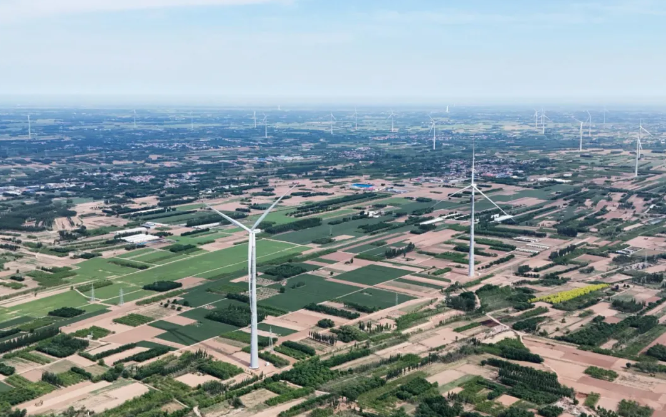
Core Insights - The article highlights the successful performance of the Cangxian Fuyang Wind Farm, which has achieved a utilization rate of 99.8% and is expected to exceed the annual available generation hours by over 15% [1][2]. Group 1: Wind Farm Performance - The Cangxian Fuyang Wind Farm has recorded 1,100 actual operating hours from January to April 2024, with an expected full-year generation of 2,600 hours [1]. - The wind farm utilizes 51 units of EN-220/6.25 and 13 units of EN-182/6.25 wind turbines, demonstrating high performance in low to medium wind speed conditions [1][2]. Group 2: Technology and Innovation - The EN-220/6.25 turbine is part of the Model T platform, which has undergone extensive testing and validation to enhance both economic efficiency and safety [4]. - The platform employs a unique global R&D and multi-level testing verification system, which includes over 1,500 component tests before delivery and extensive post-grid connection testing [4]. Group 3: Operational Efficiency - The Galileo super-perception system installed on each turbine optimizes the overall power generation by considering real-time wind conditions and operational constraints [5]. - Predictive and preventive maintenance strategies are implemented through a health monitoring system, which enhances operational reliability and reduces maintenance costs [5]. Group 4: Market Recognition and Future Outlook - The Model T platform has received type certification for multiple turbine models ranging from 6.X to 10MW, with over 15GW of orders secured across various provinces in China [5]. - The comprehensive approach to design, manufacturing, quality processes, testing, and intelligent monitoring is crucial for the advancement of large wind turbines in the industry [7].
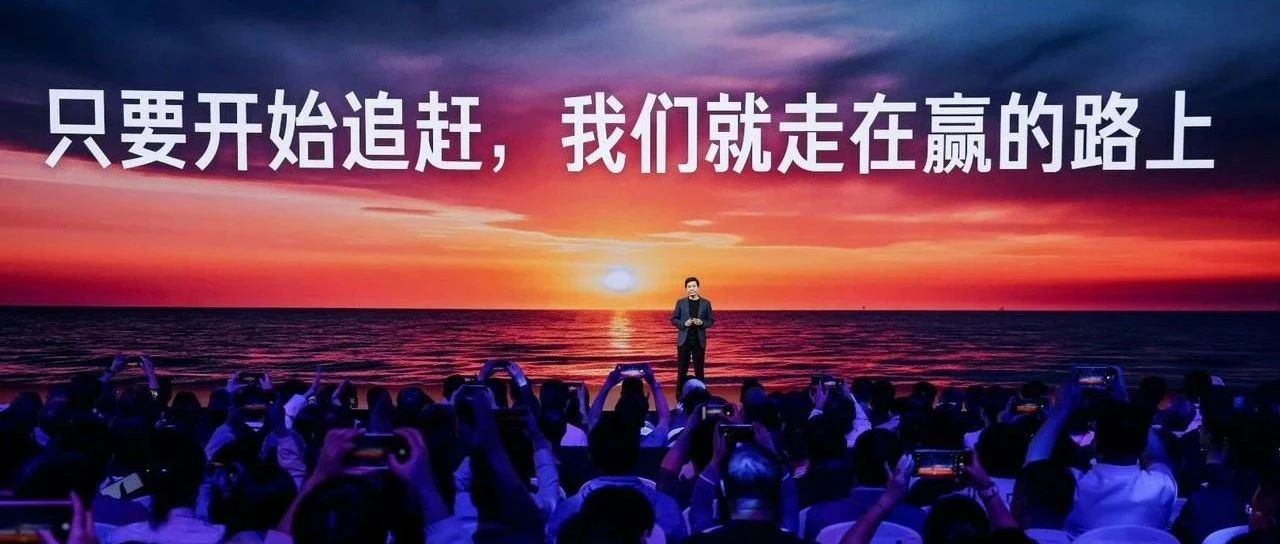
左手造车,右手造芯:小米的双线突围与长期主义
Sou Hu Cai Jing· 2025-05-24 00:19
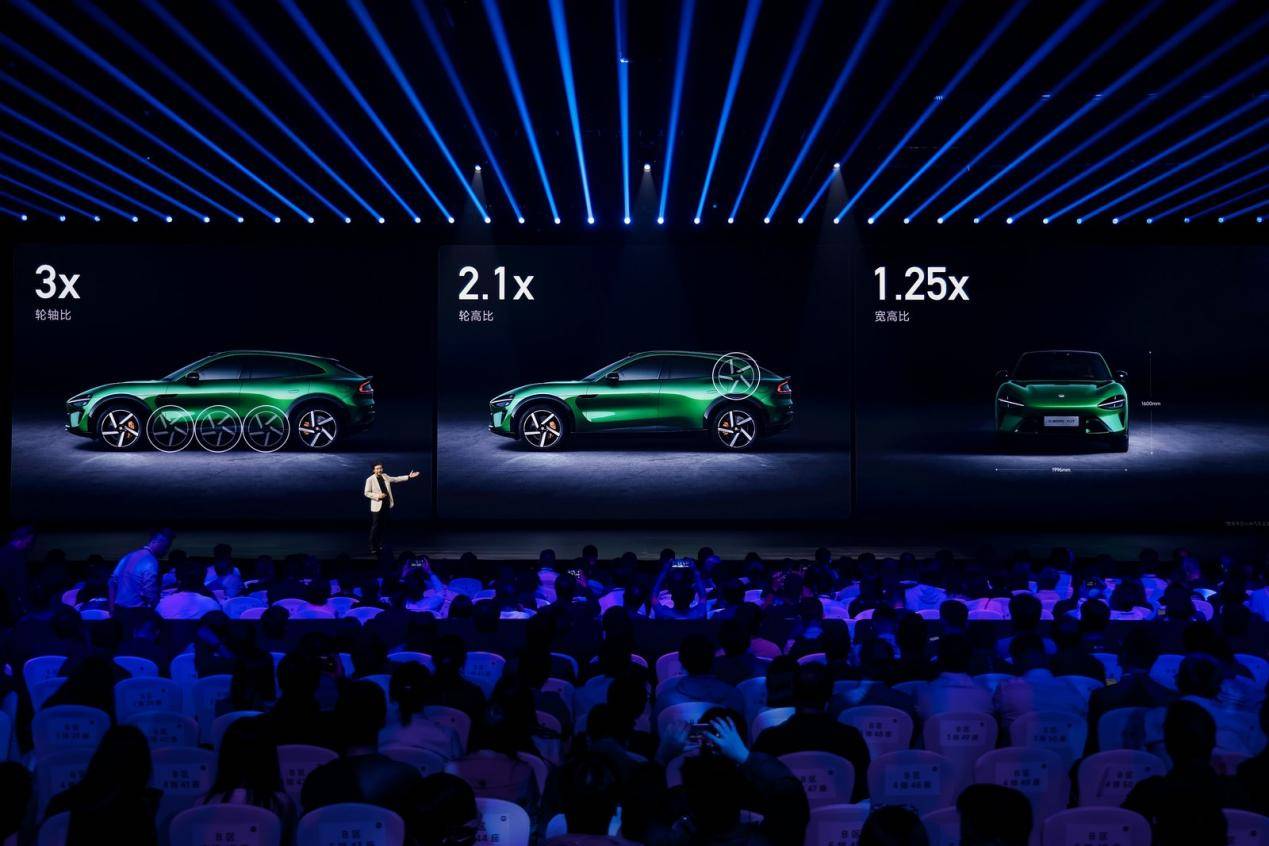
Core Insights - Xiaomi has officially launched its self-developed 3nm chip, the玄戒O1, during its 15th anniversary event, marking a significant milestone in its technology journey [1][5][9] - The company also introduced the Xiaomi YU7, a high-performance SUV, showcasing its expansion into the automotive sector alongside its advancements in chip technology [1][3] Chip Development - The玄戒O1 chip utilizes a second-generation 3nm process, featuring a 10-core architecture and achieving a benchmark score exceeding 3 million [5][8] - Xiaomi is now the first company in mainland China and the fourth globally to design a 3nm flagship SoC, filling a gap in the domestic chip design landscape [5][8] - The development of Xiaomi's chip technology began in September 2014, with significant investments and challenges faced over the years, including the initial failure of the澎湃S1 chip [7][9] Investment and R&D - Xiaomi has committed to investing at least 500 billion yuan over 10 years in chip development, with over 135 billion yuan already spent and a team of 2,500 people dedicated to this effort [8][12] - The company aims to achieve a production scale of over 10 million units within a short timeframe to ensure profitability, as the lifecycle of large chips is relatively short [12][14] Strategic Vision - The self-developed chips are expected to enhance product cost control, improve profit margins, and create a closed-loop ecosystem integrating hardware and software [14][15] - Xiaomi's approach represents a shift from a focus on cost-effectiveness to a strategy emphasizing technological premium, positioning the company uniquely in the competitive landscape [16][23] Market Position - The launch of the玄戒O1 chip and the YU7 SUV signifies Xiaomi's ambition to compete in both the smartphone and automotive markets, areas that have seen significant growth and consumer interest [1][3][16] - Xiaomi's success in chip development is seen as a long-term strategy that could redefine its market position and technological capabilities in the coming years [23]
聚焦韧性发展 做时间的朋友 水井坊成就企业长期投资价值
Zheng Quan Ri Bao· 2025-05-23 09:12
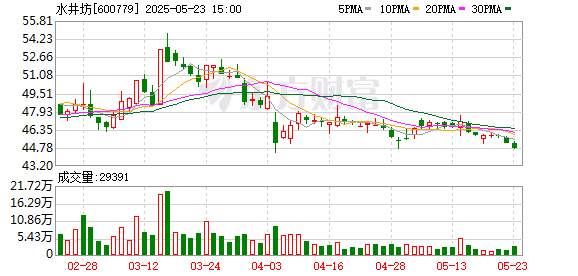
Core Viewpoint - In the context of increasing volatility in global financial markets and ongoing pressure on A-share valuations, high-quality assets with stable growth and resilience are becoming increasingly scarce. Investors are shifting their focus from short-term high returns to long-term value based on fundamentals, particularly in the Chinese capital market where core consumer assets with brand strength and sustainable cash flow are gaining attention [2][3]. Industry Overview - China's economy is transitioning from high-speed growth to high-quality development, with consumption playing a crucial role in driving domestic demand and stabilizing growth. The retail sales of consumer goods increased by 4.9% year-on-year in Q1 2025, with a notable recovery in quality consumption represented by high-end liquor, smart home appliances, and beauty care products. This trend has led to an increase in overseas capital flowing back into A-shares, particularly in the food and beverage sector, indicating long-term optimism about China's high-end consumption potential [3]. Company Performance - Water Margin (水井坊) has demonstrated steady performance over the past year, continuing its trend of high-quality growth. In 2024, the company achieved revenue of 5.217 billion yuan, a year-on-year increase of 5.32%, and a net profit attributable to shareholders of 1.341 billion yuan, up 5.69%. In Q1 2025, the company reported revenue of 959 million yuan, a 2.74% increase, and a net profit of 190 million yuan, up 2.15%, showcasing its resilience and adaptability in a rational growth cycle for the liquor industry [4]. Strategic Initiatives - Water Margin's sustained growth is attributed to its commitment to long-termism and the synergistic advancement of its channels, products, and brand. The company is deepening its core high-end product line while optimizing price coverage and matching high-value consumption scenarios. In 2024, it added over 15,000 offline retail outlets, enhancing its national layout and sales efficiency through digital operations and e-commerce [4]. Brand Development - The company is increasingly focused on refined brand building, emphasizing emotional and aesthetic aspects of consumption. Initiatives like the "Fortune Ceremony" in collaboration with the Temple of Heaven aim to enhance brand experience and emotional value. This cultural approach not only strengthens user loyalty but also enhances Water Margin's influence among high-end consumers [5]. Sustainability Efforts - Water Margin has committed to sustainable development, releasing its ESG report for the fourth consecutive year. The company aims to reduce greenhouse gas emissions by at least 60,000 tons through production technology upgrades and energy management from 2024 to 2030. These efforts not only reflect social responsibility but also symbolize the company's future competitiveness, providing investors with confidence in its sustainable value [6]. Long-term Investment Perspective - From a long-term investment perspective, Water Margin is building its ability to navigate economic cycles through solid fundamentals, clear brand strategy, and robust market execution. The company is recognized as a core asset in the high-end liquor segment, offering potential for stable returns for investors focused on value and long-term gains [6].

小红书2025奢品行业白皮书
Xiao Hong Shu· 2025-05-22 08:05
Investment Rating - The report indicates a positive investment outlook for the luxury goods industry in China, emphasizing the potential for sustained growth driven by high-net-worth consumers and evolving consumer behaviors [10][12][17]. Core Insights - The luxury goods market in China is undergoing a structural transformation, with a shift from "symbolic consumption" to "cultural recognition," reflecting deeper consumer values and preferences [41][44]. - High-net-worth individuals are increasingly viewing luxury goods as essential, with 43% indicating plans to increase their spending on daily luxury items in the coming year [21][24]. - The report highlights the role of Xiaohongshu (Little Red Book) as a critical platform for luxury brands, facilitating consumer engagement and decision-making through a unique content ecosystem [9][10][50]. Summary by Sections Chapter 1: Consumer Behavior Changes - The report outlines a behavioral map of consumers, noting that high-net-worth individuals exhibit resilience in luxury spending, even during economic downturns [17][24]. - Four new trends in luxury consumption among high-net-worth individuals are identified, including a focus on cultural values and experiences over mere materialism [24][25]. - The concept of "long-termism" is gaining traction, with consumers increasingly valuing classic designs and sustainable luxury products [30][35]. Chapter 2: Xiaohongshu's Role in Luxury Consumption - Xiaohongshu is positioned as a pivotal platform for luxury brands, acting as a "relationship incubator" that fosters trust and engagement between brands and consumers [64][66]. - The platform's unique search behavior, where 70% of users start their luxury product searches from a scene or category perspective, enhances brand visibility and consumer connection [54][55]. - Xiaohongshu's content-driven approach allows luxury brands to create emotional resonance and cultural narratives that align with consumer identities [49][50]. Chapter 3: Market Dynamics and Strategic Implications - The report emphasizes the importance of cultural empathy and storytelling in luxury branding, as consumers seek deeper connections with brands that reflect their values [44][45]. - The luxury market is characterized by a dual demand for both exclusivity and accessibility, necessitating a nuanced approach to marketing and consumer engagement [24][25]. - Brands are encouraged to leverage Xiaohongshu's ecosystem to enhance their market positioning and drive sustainable growth through targeted content strategies [66][74].
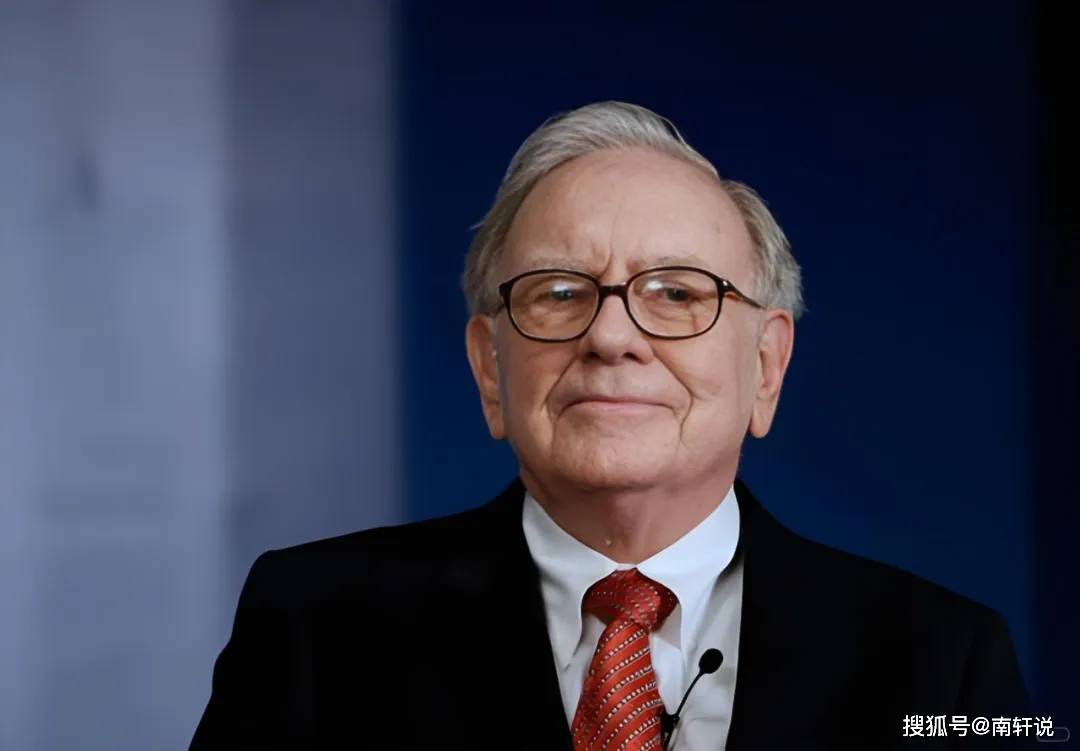
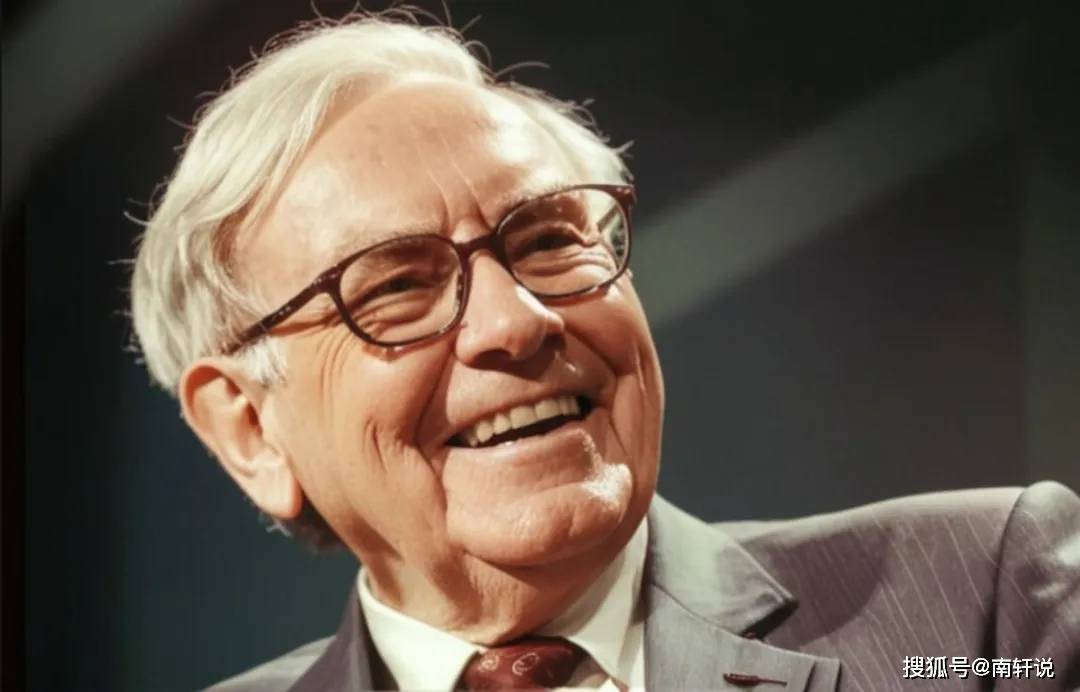
巴菲特最被低估的忠告:比智商更重要的,是这项被忽略的品质
Sou Hu Cai Jing· 2025-05-21 16:24
Core Insights - The article emphasizes the importance of integrity and character in investment decisions, as highlighted by Warren Buffett's "10% classmate shares" thought experiment [2][9] - It discusses the downfall of Long-Term Capital Management (LTCM) as a cautionary tale of high intelligence combined with greed and over-leverage leading to financial disaster [3][4] - The article advocates for the long-term economic value of integrity in business, suggesting that companies with strong ethical foundations tend to outperform their peers [8][15] Group 1: Investment Philosophy - Buffett's perspective on investment prioritizes management's character over financial metrics, suggesting that ethical leadership can mitigate risks [5][7] - The LTCM case illustrates the dangers of ignoring human behavior and market unpredictability, despite advanced mathematical models [4][3] - The concept of "trust assets" is crucial in Buffett's investment strategy, allowing for swift decision-making based on confidence in management [7] Group 2: Character and Business Success - Research indicates that companies with integrity yield a 2.5% higher long-term shareholder return compared to industry averages [8] - The article highlights the success of Chinese entrepreneur Duan Yongping, who built a strong corporate culture based on integrity, leading to resilience in the competitive smartphone market [8][15] - The case of Ningde Times demonstrates that adhering to ethical practices can lead to significant market share growth, increasing from 17% in 2017 to 37% in 2023 [13] Group 3: Ethical Challenges in Modern Finance - The rise of Web3 and quantitative trading has made integrity a rare commodity, with recent failures in decentralized finance (DeFi) underscoring the risks of a lack of moral constraints [12] - The article critiques the current societal trend towards shortcut thinking, contrasting it with Buffett's long-term commitment to integrity as a guiding principle [15]