
供应链整合

Search documents
龙大美食:2024年扭亏为盈 各业务板块调整优化收效显著
Zheng Quan Shi Bao Wang· 2025-04-25 14:18
Core Insights - The company reported a revenue of 10.99 billion yuan and a net profit of 21.62 million yuan for the year 2024, marking a year-on-year growth of 101.41% and achieving profitability after losses in previous periods [1] - The improvement in financial performance is attributed to the recovery in the pig and pork market prices, significant reduction in losses in traditional sectors, and investment gains from the sale of a wholly-owned subsidiary [1] Food Sector - The food segment generated revenue of 1.90 billion yuan, with a gross margin of 11.23%, an increase of 1.11 percentage points year-on-year [2] - The revenue contribution from the food segment rose from 16.69% to 17.31% [2] - The company has established a national production capacity of 330,000 tons, covering various regions and leveraging its experience in food processing, slaughtering, and breeding to enhance supply chain integration and cost control [2] Traditional Sector - The company has optimized its traditional business by reducing the scale of underperforming slaughterhouses and focusing resources on profitable regions [3] - Investments in automation have improved product yield and labor efficiency, enhancing product quality [3] - The company has phased out inefficient and non-compliant breeding farms, investing in standardized breeding facilities to support the launch of premium products like "Longda Black Tianpeng" pork [3] Sales Strategy - The company employs a dual-brand strategy with "Longda Meishi" and "Longda Meat Products," actively participating in industry events to enhance brand visibility [4] - The company has developed a new brand IP "Fafa Long," promoting a friendly brand image and connecting with consumers [4] - The company has received multiple accolades, including "National Key Leading Enterprise in Agricultural Industrialization" and "Top 500 Agricultural Enterprises in China" [4] Customer Development and E-commerce - The company is focused on expanding its customer base and optimizing customer quality, achieving a 7.64% year-on-year increase in online sales revenue, reaching 159 million yuan [5] - The company is enhancing its presence in new retail channels and leveraging short videos and live streaming for product promotion [5] - The future strategy emphasizes a "one body, two wings" approach, focusing on food as the core business while supporting it with breeding and slaughtering operations [5]

国义招标(831039) - 投资者关系活动记录表
2025-04-22 14:40
Group 1: Investor Relations Activities - The company held an earnings briefing on April 21, 2025, via the China Securities Network [4] - Participants included the Chairman, General Manager, CFO, and Secretary of the Board [4][5] Group 2: Key Issues Discussed - **Difference between the company and Guangzi International**: The company focuses on bidding and procurement services, while Guangzi International operates in engineering consulting [6] - **Focus areas for 2025**: The company plans to emphasize strategic mergers and acquisitions, deepening reforms, technological innovation, and lean management [7][8] - **Dividend plan**: A cash dividend of 2.00 CNY per 10 shares will be distributed based on the total shares of 15,382,000 as of December 31, 2024 [9] Group 3: Financial Performance and Challenges - **Revenue and profit decline**: The company experienced a decrease in revenue and net profit due to a complex economic environment and intensified competition [10] - **Provincial business contraction**: The company aims to optimize its provincial business layout and enhance client acquisition efforts [11] Group 4: Industry Trends and Company Strategy - **Digital transformation**: The industry is accelerating digitalization, with electronic bidding systems becoming prevalent [13][14] - **Green procurement**: There is a growing emphasis on sustainable practices in procurement processes [14] - **Market outlook**: The company is committed to enhancing its market presence and improving investor relations to create long-term value [15]
京东美团下场“出口转内销”:将品牌价值与国运链接
Sou Hu Cai Jing· 2025-04-14 05:34
Core Viewpoint - In response to challenges faced by Chinese foreign trade enterprises due to global trade fluctuations and U.S. tariff policy adjustments, companies like JD.com, Meituan, Douyin, Baidu, Yonghui, Hema, and Dongfang Zhenxuan have collectively launched "export to domestic sales" support plans, reflecting a strategic upgrade in brand marketing and a response to the national strategy of expanding domestic demand [1] Group 1: Supply Chain Integration and Channel Empowerment - JD.com plans to procure 200 billion yuan worth of foreign trade goods over the next year, establishing a foreign trade premium section and providing marketing support through a self-operated model [3] - Hema shortens the shelf life of foreign trade products through its cloud sharing channel and green entry passage, enhancing its brand image as a hub for quality goods [5] - The integration of supply chains and traffic support positions platforms as bridges between domestic and foreign trade, addressing channel pain points for foreign trade enterprises while enriching their product matrix [6] Group 2: Scenario-Based Reach and Localized Operations - Meituan and Yonghui focus on local consumption scenarios, with Meituan utilizing its front warehouse network and community group buying to penetrate first and second-tier cities and lower-tier markets [9] - Meituan's "next-day delivery" network covers over 2,000 cities and counties, facilitating quick access to foreign trade products for household users [9] - Localized operations and scenario adaptation are key to brand penetration, helping foreign trade products transition from export standards to local demand [12] Group 3: Content-Driven and Traffic Explosion - Douyin and Dongfang Zhenxuan leverage content ecosystems and live e-commerce to provide foreign trade brands with a "traffic + content" dual engine [13] - Douyin's initiatives include direct order procurement and a foreign trade section, creating a closed loop from "interest generation to conversion" through short videos and live broadcasts [13] - Content marketing serves as a crucial narrative tool, enabling foreign trade products to shift from low-price competition to high-value brand pathways [14] Group 4: Data-Driven and Precise Matching - Baidu employs AI technology and digital live streaming plans to offer low-threshold live streaming solutions for foreign trade enterprises, facilitating cold starts with a billion-level traffic pool [18] - This technological empowerment reduces operational costs for foreign trade enterprises and aids in quickly identifying target users through data analysis [18] - The application of digital tools shifts brand marketing from extensive investment to precise operations, creating a new avenue for brand differentiation [18] Group 5: Social Responsibility and Brand Image Co-Building - Platforms emphasize their support for the integration of domestic and foreign trade in response to the Ministry of Commerce's call, showcasing their commitment to social responsibility [19] - Initiatives like green channels and special subsidies enhance public goodwill towards platforms and shape their brand image as strategic partners in national initiatives [19] - The combination of social responsibility and commercial interests fosters long-term brand value, binding platform development to social needs [19] Group 6: Conclusion - The initiatives by these companies appear to be short-term relief measures but imply a long-term brand strategy focused on platform brand upgrades and ecosystem construction [20] - Differentiated competition arises from JD.com's supply chain, Meituan's down-market network, and Douyin's content ecosystem, each forming competitive barriers [21] - The success of foreign trade enterprises in domestic sales will depend not only on product strength but also on their collaborative capabilities with platforms [21]


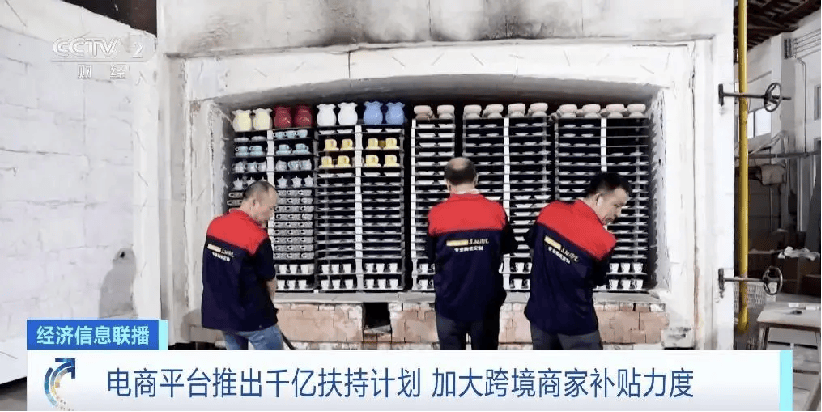
盒马“采茶”,闯入6000亿红海市场
雪豹财经社· 2025-04-01 13:44
Core Viewpoint - The article discusses the challenges faced by tea farmers in China, particularly in the West Lake area, and highlights the efforts of HeBubBu, a brand under Hema, to eliminate middlemen and provide high-quality tea at competitive prices [2][4][5]. Group 1: Tea Farming and Pricing - Tea farmers in the Longwu tea town earn minimal profits despite the high market prices of West Lake Longjing tea, which can reach over 5000 yuan per pound [2][4]. - The cost of producing one pound of dry tea from fresh leaves is approximately 1600 yuan, leading to significant markups as the tea passes through various distribution channels [4][5]. - HeBubBu aims to address the issue of inflated prices and quality discrepancies by establishing direct relationships with tea producers and implementing strict quality standards [5][6]. Group 2: Market Trends and Consumer Behavior - The Chinese tea market is projected to grow from 618.1 billion yuan in 2023 to 664.6 billion yuan in 2024, with a significant portion of the market driven by younger consumers [9][11]. - HeBubBu has quickly expanded its offerings, responding to consumer demand for tea, with a notable increase in sales during key holidays [8][9]. - The brand's strategy focuses on providing affordable, high-quality tea products, appealing to the growing health-conscious consumer base [7][8]. Group 3: Supply Chain Innovations - HeBubBu's approach includes cutting out intermediaries and reducing marketing costs, allowing for lower prices compared to traditional retail channels [5][11]. - The brand's pricing strategy is significantly lower than competitors, often around 60% of market prices, by optimizing supply chain management [11][12]. - The article emphasizes the importance of supply chain integration in the retail industry, showcasing how companies like HeBubBu leverage this to enhance product competitiveness [12][13].

4年亏12亿,「连锁火锅第一股」开始关店
36氪· 2025-03-31 09:24
Core Viewpoint - The article discusses the decline of the hot pot chain "Xiabuxiabu," which has transformed from a leading brand to a "penny stock" due to strategic missteps and increasing competition in the hot pot industry. The company reported a loss of 398 million yuan in 2024, accumulating losses of 1.2 billion yuan since 2021, with its stock price plummeting to 0.86 HKD per share [3][6][7]. Company Overview - Established in 1998, Xiabuxiabu initially thrived with its unique "Taiwan-style individual hot pot" model, gaining popularity in the market. However, recent strategic shifts during brand upgrades have led to significant financial losses [3][8]. - The company experienced rapid expansion after receiving investments in 2008 and 2012, reaching nearly 1,000 stores by 2022 and serving over 100 million customers [9][10]. Financial Performance - In 2024, Xiabuxiabu reported a loss of 398 million yuan, bringing total losses since 2021 to 1.2 billion yuan. The stock price has dropped from a peak of 27.15 HKD in 2021 to 0.86 HKD in 2025, resulting in a 97% decrease in market value [6][11]. Industry Challenges - The hot pot market is projected to exceed 650 billion yuan by 2025, but competition is intensifying. Major brands like Haidilao are expanding their market share, while smaller and emerging brands are capturing niche markets through differentiated offerings [4][20]. - The article highlights the need for hot pot brands to innovate in product offerings, enhance service quality, and optimize supply chains to maintain competitive advantages [20][21]. Strategic Missteps - Xiabuxiabu's attempt to upgrade its brand and increase prices led to a loss of its original customer base, as consumers shifted to lower-priced competitors. The company's failure to effectively manage this transition contributed to its financial decline [11][17]. - The brand's identity became muddled as it moved away from its initial value proposition of affordability, leading to decreased consumer trust and loyalty [17]. Recovery Efforts - In 2019, Xiabuxiabu acquired a key agricultural enterprise to strengthen its supply chain, aiming to enhance its operational capabilities and product offerings [13]. - The company has introduced a "Chongqi Card" to boost customer engagement, achieving sales of 2 million cards in 2024, with a significant increase in average spending among members [13][15]. Market Trends - The hot pot industry is experiencing a shift towards diverse regional flavors, with new entrants offering unique culinary experiences. This trend necessitates that established brands adapt to changing consumer preferences [20][21]. - The article suggests that brands should explore new growth opportunities in lower-tier cities and consider cross-industry collaborations to enhance their market presence [22].

比亚迪如何赚钱? | 电厂
Jie Mian Xin Wen· 2025-03-26 10:21
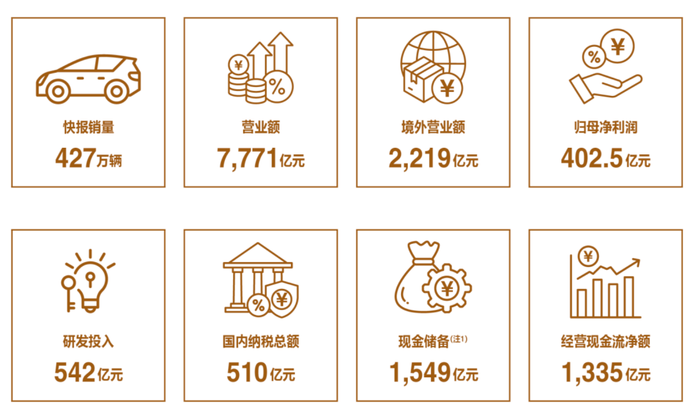
Core Viewpoint - BYD's profitability is driven by a combination of increased sales volume, cost reduction through scale effects and supply chain integration, and strategic pricing in the competitive automotive market [1][3][10]. Financial Performance - In 2024, BYD achieved a revenue of 777.1 billion yuan, a year-on-year increase of 29%, and a net profit of 40.25 billion yuan, up 34% from the previous year [1][9]. - The automotive business maintained a gross margin of 21.02%, which is higher than competitors like Li Auto (19.8%) and Xpeng (14.3%) [5][6]. Pricing Strategy - The average selling price of BYD vehicles decreased to 144,500 yuan in 2024, down approximately 15,000 yuan from 2023 [3]. - BYD has engaged in aggressive pricing strategies, including launching models at significantly lower prices, which has influenced the entire industry [3][8]. Cost Management - BYD's scale effect allowed it to reduce costs significantly, achieving a global sales volume of 4.27 million vehicles, a 41% increase year-on-year [6][10]. - The company emphasizes vertical integration in its supply chain, producing a majority of critical components in-house, which enhances its bargaining power and reduces costs [7][10]. R&D Investment - BYD's R&D expenditure reached 54.16 billion yuan in 2024, a 36% increase, significantly exceeding its net profit [10][11]. - The company has consistently invested more in R&D than its net profits over the years, with a cumulative investment exceeding 180 billion yuan [10][12]. Product Development and Market Position - BYD has launched several advanced technologies, including the fifth-generation DM and high-level intelligent driving systems, contributing to its competitive edge in electric and smart vehicle markets [12]. - The company aims to enhance its product matrix with new models and improve its pricing power in the high-end segment [8][12]. Future Outlook - BYD's sales target for 2023 is set at 5.5 million vehicles, with a significant focus on expanding its overseas market [13]. - The company anticipates that government policies promoting vehicle upgrades and the integration of artificial intelligence in automotive technology will further boost demand for its products [13].

名创优品:国内转向优质精细化运营,高势能大店+海外延续高速展店值得期待-20250323
SINOLINK SECURITIES· 2025-03-23 11:31
Investment Rating - The report maintains a "Buy" rating for the company, expecting a price increase of over 15% in the next 6-12 months [3][9]. Core Insights - The company reported a revenue of 4Q24 at 4.71 billion yuan, a year-on-year increase of 22.7%, with an adjusted net profit of 790 million yuan, reflecting a 20% increase year-on-year [1]. - For the full year 2024, the company achieved a revenue of 16.99 billion yuan, up 22.8% year-on-year, and an adjusted net profit of 2.72 billion yuan, a 15% increase year-on-year [1]. - The gross profit margin reached a historical high of 47% in 4Q24, driven by rapid growth in overseas direct markets and an increase in the proportion of IP products [1]. Summary by Sections Financial Performance - 4Q24 revenue was 4.71 billion yuan, with a net profit margin of 16.8% [1]. - The company expects adjusted net profits for 2025, 2026, and 2027 to be 3.27 billion yuan, 4.08 billion yuan, and 4.94 billion yuan respectively, with corresponding P/E ratios of 13, 11, and 9 times [3]. Domestic Market - By the end of 2024, the company had 4,386 stores in China, with a net increase of 460 stores [2]. - Same-store sales in China faced pressure, with a slight decline expected in 2024, but a focus on optimizing same-store performance is planned for 2025 [2]. International Market - The company's overseas revenue grew significantly, with a 41.9% increase in revenue and a 27.4% increase in GMV for 2024 [2]. - The number of overseas stores reached 3,118, with a notable increase in direct stores [2]. Cost Structure - The report indicates that expenses related to direct store operations, depreciation, and logistics have increased significantly, but operational leverage is expected to improve in 2025 [1][2].
江苏国泰(002091):海外基地稳步扩张,中期分红彰显价值
Southwest Securities· 2025-03-04 05:21
Investment Rating - The report assigns a "Buy" rating for Jiangsu Guotai with a target price of 10.21 CNY over the next six months, compared to the current price of 7.76 CNY [1]. Core Insights - Jiangsu Guotai is a leading foreign trade supply chain service company, with a significant portion of its revenue derived from overseas sales, which accounted for 79% in the first half of 2024. The company has established production bases in countries like Myanmar, Vietnam, Cambodia, and Bangladesh, allowing for flexibility in trade and effective avoidance of trade barriers [5][11]. - The company plans to continue expanding its production entities and overseas institutions to enhance its supply chain integration and adapt to global market changes [5][11]. - The financial health of Jiangsu Guotai is strong, with cash and cash equivalents totaling approximately 226.6 billion CNY, which is 1.8 times its current market capitalization. The company has a debt-to-asset ratio of 50.15% [5][11]. Summary by Sections Company Overview - Jiangsu Guotai, established in May 1998, is headquartered in Zhangjiagang, Jiangsu Province. It focuses on supply chain services and chemical new energy, integrating R&D, production, and financial investment [9]. Industry Analysis - The report highlights a rising demand for textile and apparel products in overseas markets, driven by inventory replenishment after previous stock reductions. China's textile and apparel exports are expected to grow, particularly in emerging markets [21][23]. Business Model - Jiangsu Guotai is transitioning from "China supply chain integration" to "global supply chain integration," with a focus on expanding its market presence in the U.S., EU, and Southeast Asia. The company reported a 9% increase in total import and export volume in the first half of 2024 [36]. Financial Highlights - In 2023, the company's total revenue was 371.9 billion CNY, a decrease of 13.2% year-on-year. However, the gross profit margin slightly increased due to favorable currency exchange rates. The company plans to implement a mid-term dividend in 2024, reflecting its strong cash position [48][53]. Earnings Forecast and Valuation - The report forecasts Jiangsu Guotai's net profit for 2024-2026 to be 11.1 billion CNY, 12.4 billion CNY, and 13.5 billion CNY, respectively. The estimated book value per share (BPS) for 2025 is projected to be 10.21 CNY, corresponding to a price-to-book (PB) ratio of 0.8 [5][64].

印度最大的电动汽车制造商,再投15亿美元猛抢市场
汽车商业评论· 2025-01-23 13:43
编译 / 路 行 设计 / 师 超 来源 / 经济时报、路透社等,作者:Shally Mohile、Aditi Shah等 1945年,塔塔汽车以塔塔机车和工程有限公司的名称开始其发展历程,如今已成为印度商用车市场的领导者,并在乘用车领域稳居前三。 作为印度最大的电动汽车制造商,塔塔汽车在2024年时表示,计划通过推出新车型,将其产品线从目前的53%扩大到80%的市场覆盖率,到2030财年, 可能会拥有十多个车型或品牌,产品线将增加近三倍。 其于2024年3月首次宣布了分拆计划——将汽车业务分拆为塔塔汽车商用车有限公司(TMLCV)和塔塔汽车乘用车有限公司(TMPV)。这项计划于 2024年8月1日得到了公司董事会的批准。 据计划,塔塔汽车将把与商用车(CV)业务相关的所有资产、负债和员工转移到新成立的商用车有限公司。此次重组旨在为CV业务提供更大的灵活性 和专注度,以期追求精准的战略目标并提高股东价值。 如今,塔塔汽车的商用车与乘用车业务各自有了新进展。 商用车业务计划下财年上市 据印度《经济时报》报道,塔塔汽车的一位高管表示,该公司正在重组商用车业务,为八个子部门分别制定财务指标,以便在下一个财年实现上市 ...