滞胀

Search documents
2026年宏观经济与资产配置展望:百炼成钢,乘势而上
East Money Securities· 2025-11-17 11:16
Group 1: Macro Economic Outlook - The report highlights a positive macroeconomic outlook for 2026, with expectations of economic recovery driven by supportive monetary and fiscal policies in the US and globally [1][3][4] - The US economy is projected to experience a soft landing as inflation expectations have improved, with CPI growth remaining below 3.0% as of September 2025 [21][34] - Global liquidity is expected to remain accommodative, with major economies shifting focus from inflation control to growth stabilization, potentially leading to a synchronized recovery in global trade [1][3][4] Group 2: Domestic Economic Resilience - The report emphasizes the resilience of the domestic economy, with internal risk management showing positive results, particularly in addressing local government debt and stabilizing small financial institutions [2][4][6] - Consumer spending is identified as a key driver of economic growth, supported by ongoing government policies aimed at boosting domestic demand [4][6][8] - Investment quality is expected to improve, transitioning from quantity-focused to quality-focused investments, with significant policy support anticipated in the "15th Five-Year Plan" [4][6][8] Group 3: Policy Environment - The macro policy outlook suggests a continuation of proactive fiscal and monetary measures, with expectations of sustained investment growth driven by major projects in 2026 [6][8][39] - Consumer subsidy policies are likely to persist, aimed at enhancing purchasing power and stimulating consumption [6][8][39] - The real estate sector is entering a monitoring phase, with potential for continued policy support if economic pressures remain [6][8][39] Group 4: Asset Allocation Strategy - The report maintains a positive outlook on equity markets, anticipating a gradual upward trend, with growth and cyclical sectors expected to perform well [4][6][8] - Bond markets may face constraints due to low interest rates, but opportunities for trading exist as rates decline [4][6][8] - Long-term prospects for gold remain favorable, with expectations of continued appreciation in the RMB exchange rate [4][6][8]
有色金属2026年年度策略报告:有色牛市仍在途中,持续看好金铜铝-20251114
NORTHEAST SECURITIES· 2025-11-14 12:45
Group 1: Gold Market - The gold market is experiencing a super bull market, with the London gold price rising from $2,624 per ounce at the beginning of 2025 to a peak of $4,381 per ounce, representing a maximum increase of approximately 67% [1][12][16] - Key drivers of the gold bull market in 2025 include the ongoing interest rate cut cycle by the Federal Reserve, a weakening US dollar that fell below the critical support level of 100, and geopolitical uncertainties that have heightened market risk aversion [1][20][24] - For 2026, the outlook for gold remains positive due to expected continued central bank purchases, ongoing liquidity support from the end of the balance sheet reduction cycle, and high fiscal deficits under the "beautiful big plan" which may weaken fiscal discipline [1][34][41] Group 2: Copper Market - The copper market has shown strong performance, with LME copper prices increasing by 24% as of November 12, 2025, driven by macroeconomic factors such as US interest rate cuts and fiscal expansion, alongside supply disruptions [2][15] - The outlook for 2026 remains solid, with expectations of significant supply constraints from copper mines and robust demand from sectors like renewable energy and AI-related electricity needs [2][21][22] - The anticipated continuation of tariffs and the concentration of copper inventories in the US are expected to maintain price premiums for COMEX copper over LME copper [2][41] Group 3: Aluminum Market - The aluminum market is expected to see price increases and valuation adjustments due to rigid supply constraints and steady demand growth, with domestic electrolytic aluminum capacity nearing its limit [3][44] - The aluminum sector has begun to catch up with the overall non-ferrous metal sector after a period of relative stagnation, with aluminum prices breaking previous highs [3][42] - Strong cash flow and dividend capabilities among listed companies in the aluminum sector highlight the attractiveness of this market, with potential for further valuation increases [3][44]
【深度】美国经济K型分化严重,没有结构性改革或难摆脱
Sou Hu Cai Jing· 2025-11-13 11:59
Economic Overview - The current U.S. economy exhibits a K-shaped characteristic, indicating a significant disparity where some sectors are thriving while others are struggling [1][3] - This K-shaped economy is attributed to various factors including policies from the Trump administration, accelerated technological advancements, and the Federal Reserve's monetary policies [1][3] Wealth Disparity - Wealth inequality has intensified, with stock and real estate markets reaching new highs due to loose fiscal and monetary policies, benefiting the wealthy who own assets [1][3] - In contrast, ordinary citizens relying on wage income have seen their purchasing power severely eroded by inflation [1][3] Industry Disparity - Industries such as technology, finance, and remote work have flourished, while sectors like tourism, dining, retail, and entertainment have been severely impacted, leading to job losses in low-skill positions [1][3] - The disparity is further highlighted by the performance of large multinational corporations, which have better access to credit and resources compared to small and medium-sized enterprises that face closures due to cash flow issues [3] Labor Market Dynamics - The U.S. labor market is showing signs of weakness, with a reported 3% year-over-year increase in the Consumer Price Index (CPI) and a rise in the unemployment rate to 4.3%, the highest since November 2021 [3][4] - The Federal Reserve has responded by lowering the federal funds rate by 25 basis points to a range of 3.75%-4.00%, marking the second rate cut of the year [3][4] Impact of Technology - The surge in AI-related capital expenditures is projected to contribute significantly to GDP growth, with estimates suggesting a 0.7 percentage point increase in real GDP growth from Q4 2024 to Q2 2025 [4] - The disconnect between productivity gains from technological advancements and the labor market is evident, with productivity in the non-farm sector expected to rise by 3.3% year-over-year by Q2 2025 [4] Immigration Policy Effects - Restrictive immigration policies have contributed to a slowdown in the labor market, with net immigration numbers expected to drop significantly [5] - The decline in available labor has made it challenging for businesses to fill positions, further exacerbating employment growth issues [5] Federal Reserve's Role - The Federal Reserve's tightening monetary policy, including 11 rate hikes from March 2022 to July 2023, has been identified as a factor exacerbating the K-shaped economy [6] - The disparity in wealth distribution is influenced by high-interest rates, which disproportionately affect lower-income households [6] Economic Outlook - The likelihood of a comprehensive recession in the U.S. is currently low, but the risk of stagflation remains a pressing concern due to potential economic slowdowns and persistent inflation [7] - The Federal Reserve faces challenges in balancing the need for demand stimulation through rate cuts while managing inflationary pressures [7] Structural Reforms Needed - Addressing the K-shaped economic trend requires structural reforms, including adjustments in tax policies and increased investment in education to enhance productivity and job creation [8][9] - Ensuring equitable distribution of the benefits from technological advancements, particularly AI, is crucial for mitigating the adverse effects on lower-income households [9]


Ultima Markets:美联储内部分歧激化,12 月降息悬念迭起
Sou Hu Cai Jing· 2025-11-13 08:49
今日 Ultima Markets 为您带来了美联储内部分歧与 12 月降息前景的深度解析。 关键词:美联储、内部分歧、12 月降息、滞胀、鹰鸽之争、利率政策、经济数据 简介:聚焦美联储内部鹰鸽两派围绕降息的激烈博弈,解析滞胀背景下通胀与劳动力市场的核心矛盾, 探讨数据真空与政策分歧对利率路径的影响,助您把握降息预期波动中的市场机遇与风险。 美国降息路径因美联储内部出现的新分歧而变得不明朗,这种分歧在美联储主席鲍威尔(Jerome Powell)近八年的任期内几乎没有先例。 美联储官员对于持续通胀与劳动力市场疲软中哪一项构成更大威胁存在分歧。即使官方经济数据恢复发 布,可能也无法弥合这些分歧。 这一裂痕使不到两个月前看起来可行的降息计划变得复杂,不过投资者们仍认为,美联储在下次政策会 议上降息的可能性仍然大于不降息的可能性。 9月份,当政策制定者同意降息0.25个百分点时,19名美联储官员中有10人(占微弱多数)初步预计在 10月和12月会继续降息。若实现连续三次会议降息,将与鲍威尔去年和2019年所做的下调利率的节奏如 出一辙。 但一部分鹰派官员对进一步降息的必要性提出质疑。在美联储官员们于10月底再次降息 ...
布米普特拉北京投资基金管理有限公司:美联储降息计划面临重重阻碍
Sou Hu Cai Jing· 2025-11-13 07:58
其次,月度就业增长从去年的十六点八万人骤降至截至八月前三个月的月均两点九万人,这一急剧下滑的原因解读引发分歧。如果源于企业用工需求疲软, 维持高利率可能引发衰退;若是移民减少导致劳动力供给萎缩,降息则可能导致需求过度刺激。 第三,关于当前利率是否仍具限制性,两部分观点也截然不同。一部分人认为,今年累计降息五十个基点后,利率已达或接近中性水平,进一步降息存在风 险。另一部分则坚信利率仍具限制性,美联储尚有空间支持劳动力市场而不会重燃通胀。 素有"新美联储通讯社"之称的著名记者Nick Timiraos近日发布报告指出,美联储内部正面临罕见的分歧,导致降息之路愈发扑朔迷离。这种程度的内部分歧 在鲍威尔近八年的任期内几乎未有先例,使得两个月前还看似可行的连续降息计划变得复杂难测。 目前美联储官员们在持续的通胀压力与疲软的劳动力市场哪个威胁更大的问题上产生严重分歧。这种分裂状态甚至可能无法通过即将恢复发布的官方经济数 据得以弥合。尽管利率市场投资者仍认为美联储下次会议降息的可能性略大于不降息,但政策路径的不确定性已显著增加。 根据Timiraos的分析,美联储内部主要在三个关键问题上存在明显分歧,这些分歧将共同决定未 ...

宋雪涛:美国经济“三期叠加”
雪涛宏观笔记· 2025-11-12 23:55
Core Viewpoint - The U.S. economy is currently experiencing a negative chain reaction characterized by declining income, shrinking consumption, and weak employment, exacerbated by the pervasive influence of AI on various economic sectors [2][4]. Group 1: Economic Downturn - The cyclical downturn in the U.S. economy has become increasingly evident since the beginning of the year, with key indicators such as employment, consumption, and service sectors showing continuous decline [5]. - Tariff policies have significantly disrupted the economic rhythm, leading to a preemptive economic activity surge in early months, followed by a consistent decline in consumer spending and inventory accumulation starting in May [9]. - The sales volume of corrugated boxes, a retail barometer, hit a 10-year low in Q3, reflecting the current sluggish state of U.S. consumer spending [9][10]. - Consumer confidence has dropped to its lowest level since June 2022, with the Michigan Consumer Sentiment Index at 50.3, indicating deteriorating economic performance [17]. Group 2: Temporary Shocks - The U.S. government shutdown has become a significant economic and livelihood crisis, lasting 43 days, surpassing the previous record [18]. - The shutdown has put immense pressure on the job market, affecting approximately 2.3 million federal employees and contractors, leading to reduced consumer spending and potential public safety risks [19]. - The shutdown has resulted in an estimated $24 billion in federal spending being paused, with projections indicating a 0.1% economic growth decline for each week of the shutdown, potentially leading to a 2% drop in Q4 growth [19]. - The economic pressure is extending from the middle class to low-income groups, with SNAP benefits halved, impacting retail sales by an estimated 1.5%-2% [22]. Group 3: Structural Distortions - There is a notable "K-shaped" divergence in U.S. exports, with AI-related sectors performing exceptionally well while traditional consumer goods exports continue to weaken [23]. - AI investments are driving demand for chips and related infrastructure, while simultaneously causing electricity prices to rise due to increased consumption from AI data centers, which now account for about 5% of the U.S. power generation [24]. - AI-related job cuts are occurring as companies streamline operations, with significant layoffs reported by major tech firms like Amazon and Meta, further exacerbating employment pressures [28]. - The economic landscape is increasingly polarized, with high-end consumer spending remaining robust while lower-income consumers face significant financial strain, leading to a shift towards discount retailers [29].
美国传来2个消息,一好一坏,经济可能回到1970年,黄金继续暴涨
Sou Hu Cai Jing· 2025-11-12 13:57
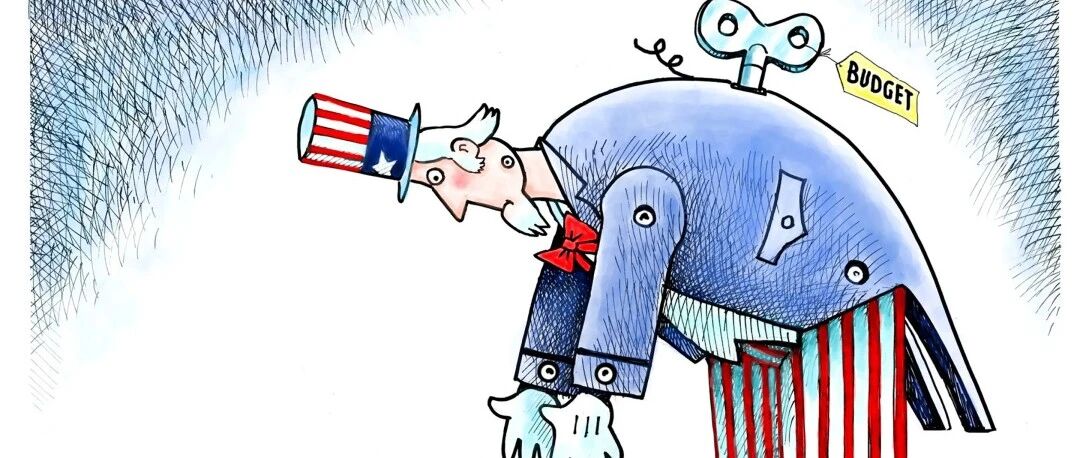
Group 1 - The U.S. government has temporarily resolved the shutdown issue by passing a "temporary funding bill" that extends government operations until January 31 of the following year, ensuring funding for key programs like SNAP and veterans affairs [2] - The economic loss during the government shutdown has exceeded $10 billion, impacting business operations and citizens' lives [2] - Despite the short-term relief from the funding bill, the ongoing sharp divisions between the two political parties raise uncertainties about reaching a long-term agreement in the next three months, which could continue to affect the stability of the U.S. economy and financial markets [2][12] Group 2 - The San Francisco Fed President, Mary Daly, issued a strong warning about the U.S. economy potentially reverting to the stagflation path of the 1970s, rather than the prosperous path of the 1990s [4][6] - The 1970s stagflation period was characterized by high inflation, stagnant economic growth, and rising unemployment, with the Fed's premature easing of policies leading to a resurgence of inflation [6] - The current Fed's concerns suggest that excessive rate cuts could lead the U.S. economy back into stagflation, which has heightened market worries about the economic outlook [7][13] Group 3 - Following the news, gold prices surged significantly, and the Chinese yuan appreciated, reflecting global capital's concerns about the credibility of the U.S. dollar [9][14] - The ongoing increase in U.S. debt levels and high-interest rate policies have temporarily stabilized the dollar but have not prevented capital outflows [10] - The situation indicates that monetary credibility is influenced not only by interest rates but also by the overall economic reputation of the country [11] Group 4 - The temporary resolution of the government shutdown provides short-term benefits to the market, but the intensified political divisions create long-term policy uncertainties [12] - The Fed's warning about stagflation deepens market concerns regarding the U.S. economic outlook, which could have broader implications for the global economy [13][15] - For investors, gold and the yuan may emerge as significant safe-haven options amid the ongoing economic transformations [16]
美国经济的三期叠加
SINOLINK SECURITIES· 2025-11-12 13:47
Group 1: Economic Downturn - The U.S. economy is currently experiencing a negative feedback loop characterized by declining income, shrinking consumption, and weak employment[2] - Since the beginning of the year, a noticeable cyclical downturn has emerged, with key indicators such as employment, consumption, and services showing continuous decline[3] - The consumer confidence index has dropped to its lowest level since June 2022, with the Michigan consumer sentiment index at 50.3[27] Group 2: Government Shutdown Impact - The ongoing U.S. government shutdown has lasted 43 days, surpassing the previous record of 35 days in December 2018[28] - The shutdown has led to approximately $24 billion in federal spending being paused, with the Congressional Budget Office estimating a 2% decline in U.S. economic growth for Q4[4] - The shutdown has also caused liquidity tightening in financial markets, contributing to a significant drop in risk assets such as gold, Bitcoin, and U.S. stocks[32] Group 3: Structural Distortions from AI Investment - There is a clear "K-shaped" divergence in U.S. exports, with AI-related sectors performing exceptionally well while traditional consumer goods exports continue to weaken[36] - AI investments have led to a surge in demand for semiconductors and related infrastructure, with Taiwan's exports to the U.S. increasing by 144.3% in October[36] - The reliance on AI has created a structural dependency that may increase long-term financial system vulnerabilities, as any fluctuations in AI could trigger broader economic disruptions[45]
「美联储传声筒」解析:美联储降息之路为何突然悬了?
Jin Shi Shu Ju· 2025-11-12 10:19
Core Viewpoint - The Federal Reserve is experiencing unprecedented internal divisions regarding the future path of interest rate cuts, primarily debating whether persistent inflation or a weak labor market poses a greater threat [1][2][3] Group 1: Internal Divisions - A significant split among officials has emerged, with 10 out of 19 members anticipating further rate cuts in October and December, while hawkish officials question the necessity of additional cuts [2][3] - The government shutdown has exacerbated these divisions by halting the release of employment and inflation reports, leading officials to rely on private surveys and rumors to support their views [2][3] - The debate over the December meeting's actions is particularly intense, with hawks strongly opposing the expectation of a third rate cut [2][3] Group 2: Economic Indicators - Concerns about the labor market's weakness persist, with new job growth declining significantly from an average of 168,000 in 2024 to just 29,000 as of August [5] - Inflation remains a critical issue, with a key inflation indicator at 2.9% in August, above the Fed's 2% target and higher than earlier predictions following tariff increases [3][5] - The core inflation rate, excluding volatile food and energy prices, has accelerated from 2.4% in June to 3.6% in recent months, raising alarms among hawkish officials [8] Group 3: Key Questions - Officials are divided on whether tariff-driven price increases will be temporary or persistent, with hawks fearing that companies may pass on more costs to consumers in the future [4] - The decline in monthly job growth raises questions about whether it is due to weak demand or reduced labor supply from immigration, impacting the decision on interest rates [5] - There is disagreement on whether current interest rates are still restrictive, with hawks arguing that further cuts could pose risks, while doves believe there is still room to support the labor market without reigniting inflation [5][6] Group 4: Powell's Balancing Act - Fed Chair Powell has attempted to mediate these divisions, advocating for a temporary impact of tariffs and linking labor market weakness to insufficient demand [6][7] - Powell's recent statements indicate that a December rate cut is not guaranteed, reflecting the need to consider diverse viewpoints within the committee [7][9] - The evolving stance of officials, including the shift of Chicago Fed President Goolsbee from a dovish to a more cautious position, illustrates the changing dynamics within the Fed [7][9]
欧洲天然资源基金:金价或已见底整固 白银潜力升级
Zhi Tong Cai Jing· 2025-11-12 07:56
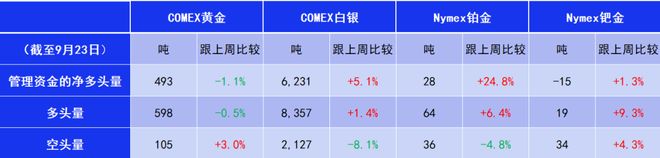
Group 1 - The core viewpoint indicates that gold prices may have bottomed out around $4000, with market sentiment being crucial for the upcoming week [1] - The Chinese Ministry of Commerce will implement a quota and joint approval system for the export of tungsten, antimony, and silver starting in November, reflecting increased strategic importance of silver in both China and the U.S. [1] - The CFTC's futures market data is limited due to the U.S. government shutdown, but there is still an expectation of a rate cut in December [1] Group 2 - The article discusses how the futures market has historically influenced metal prices, particularly copper, which has seen significant volatility due to tariff announcements by Trump [2] - The demand for physical metals has outstripped futures market leverage, indicating a strong underlying demand despite market fluctuations [2] - Trump's tariff announcements have led to sharp price movements in copper, suggesting potential manipulation by insiders [2] Group 3 - The U.S. government has invested in MP Materials and signed a long-term supply contract for rare earth materials, indicating a strategic shift towards securing critical resources [3] - The potential for gold prices to rise is linked to Trump's influence over the Federal Reserve, with expectations of lower interest rates in the future [3] - The article suggests that the current market conditions may favor investments in commodities and defensive stocks due to potential stagflation [5] Group 4 - The article notes that gold is currently in a consolidation phase within a bull market, with significant retail demand for gold and silver [4] - Financial leaders are increasingly holding gold, indicating a shift in market sentiment towards safe-haven assets [5] - The indicators for the end of the gold bull market include a return to a rate hike cycle and improved global economic cooperation [5] Group 5 - Data from the CFTC indicates that U.S. futures for gold have decreased by 13% year-to-date, while silver futures have increased by 138% [7][9] - Platinum futures have turned positive after being negative, while copper futures have also shown a significant turnaround [10][13]