贸易多元化

Search documents
2025年9月进出口数据:进出口增速双双明显回升
Donghai Securities· 2025-10-14 05:13
Export Data - In September 2025, exports increased by 8.3% year-on-year, up from 4.4% in the previous month[2] - The export value reached $328.57 billion, marking a new high for the year[2] - Exports to Africa and Latin America saw significant growth, with year-to-date increases of 28.3% and 6.9% respectively[2] Import Data - Imports rose by 7.4% year-on-year, compared to 1.3% in August[2] - The month-on-month increase in imports was 10.3%, significantly above the four-year average of 1.66%[2] - Key imports included copper and copper products, which maintained high growth rates despite a slight decline[2] Trade Balance - The trade surplus for September was $90.45 billion, an increase of $8.69 billion compared to the same month last year[2] Market Trends - The manufacturing PMI for developed countries remains below the growth threshold, indicating ongoing contraction in sectors like manufacturing[2] - The diversification of export markets has been validated, with exports to other regions increasing from 8.11% to 15.55% year-on-year[2] Product Performance - Mechanical and high-tech products showed strong export growth, while labor-intensive products faced pressure, with toys and footwear experiencing declines of 28.0% and 13.3% respectively[2][7] - Notable increases in exports were seen in rare earths (97.1%) and fertilizers (95.4%) compared to the previous month[7]
逐季加快!外贸四季度还有新利好
Sou Hu Cai Jing· 2025-10-13 09:04
Core Viewpoint - China's foreign trade demonstrates resilience with a total import and export value of 33.61 trillion yuan in the first three quarters, reflecting a year-on-year growth of 4% despite external pressures [3]. Group 1: Trade Performance - In the first three quarters, China's import and export growth accelerated, with year-on-year increases of 1.3%, 4.5%, and 6% in the first, second, and third quarters respectively, marking eight consecutive quarters of growth [3]. - The trade structure is continuously optimizing, with imports and exports to Belt and Road Initiative countries growing by 6.2%, and significant increases to ASEAN (9.6%), Latin America (3.9%), Africa (19.5%), and Central Asia (16.7%) [4]. Group 2: Trade Entities and Confidence - The number of foreign trade entities with import and export performance reached 700,000, surpassing the total for the previous year, indicating increased activity and stability in business expectations [4]. - The export confidence index has risen for five consecutive months, while the import confidence index has increased for three months, reflecting a positive outlook among enterprises [4]. Group 3: Product Export Growth - The export structure is improving, with industrial robot exports increasing by 54.9% and wind turbine exports growing by 23.9%, showcasing the competitiveness of Chinese manufacturing in international markets [5]. - Continuous policy support is enhancing the capabilities of foreign trade enterprises to meet international market demands [5]. Group 4: Future Policy Support - Upcoming policies are expected to provide substantial support for foreign trade in the fourth quarter, including the official launch of the Hainan Free Trade Port and the 138th China Import and Export Fair [6][7]. - The Chinese government is actively implementing measures to expand foreign investment and optimize the investment structure, which is anticipated to yield positive results in the near term [7][8].

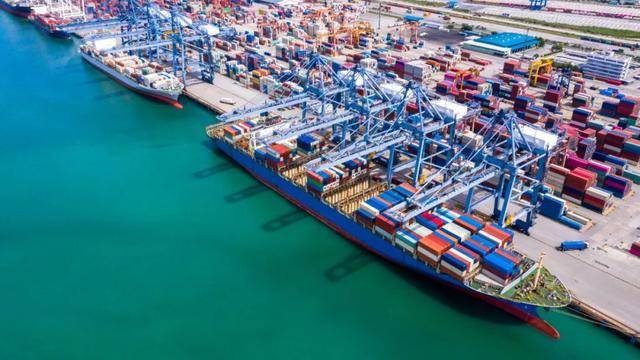
(经济观察)“三季报”出炉 中国外贸韧性不减
Zhong Guo Xin Wen Wang· 2025-10-13 08:48
Core Insights - China's foreign trade demonstrated resilience in the first three quarters of the year, with total import and export value reaching 33.61 trillion yuan, a year-on-year increase of 4% [1] - The growth rate of imports and exports accelerated each quarter, with a notable 6% increase in the third quarter, marking eight consecutive quarters of year-on-year growth [1] Trade Structure Optimization - China's trade partnerships expanded, with imports and exports to Belt and Road Initiative countries increasing by 6.2%, and significant growth in trade with ASEAN (9.6%), Latin America (3.9%), Africa (19.5%), and Central Asia (16.7%) [2] - The number of active foreign trade entities reached 700,000, surpassing the total for the previous year, indicating increased business confidence [2] - Private enterprises played a crucial role, contributing 4.3 percentage points to foreign trade growth and accounting for 57% of total trade value [2] Product Export Dynamics - The export product structure improved, with industrial robot exports rising by 54.9% and wind turbine exports increasing by 23.9%, reflecting a shift towards high-quality supply to meet international demand [3] - Continuous policy support from the government is expected to inject new momentum into exports, despite potential risks from global supply chain disruptions [3] Future Policy Initiatives - The upcoming launch of the Hainan Free Trade Port and the 138th China Import and Export Fair are expected to provide substantial support for foreign trade [4] - Policies to encourage foreign investment are anticipated to be implemented in the fourth quarter, aimed at optimizing the investment structure and enhancing foreign trade stability [4][5]
(经济观察)“三季报”出炉 中国外贸韧性不减
Zhong Guo Xin Wen Wang· 2025-10-13 07:30
Core Insights - China's foreign trade remains resilient, with total import and export value reaching 33.61 trillion yuan, a year-on-year increase of 4% in the first three quarters of the year [1] Group 1: Trade Performance - The growth rate of China's imports and exports has accelerated quarter by quarter, with a year-on-year increase of 6% in the third quarter, marking eight consecutive quarters of growth [1] - In the first three quarters, China's trade with countries involved in the Belt and Road Initiative grew by 6.2%, while trade with ASEAN, Latin America, Africa, and Central Asia increased by 9.6%, 3.9%, 19.5%, and 16.7% respectively [2] Group 2: Trade Structure and Business Confidence - The number of active foreign trade entities reached 700,000 in the first three quarters, surpassing the total for the previous year [2] - The export confidence index has risen for five consecutive months, and the import confidence index has increased for three months [2] Group 3: Product Export Dynamics - Exports of industrial robots surged by 54.9%, and exports of wind power generation equipment and parts increased by 23.9% [3] - Continuous policy support and high-quality supply from foreign trade enterprises are contributing to new momentum in exports [3] Group 4: Future Policy Initiatives - The Hainan Free Trade Port is set to officially launch full island closure operations on December 18, with related policies to be announced [4] - A series of favorable policies aimed at stabilizing foreign investment are expected to be implemented in the fourth quarter [4][5]
2025年9月贸易数据解读:各类短期因素叠加,9月进出口增速大幅上行
Dong Fang Jin Cheng· 2025-10-13 06:03
Export Performance - In September 2025, exports increased by 8.3% year-on-year, up 3.9 percentage points from August, exceeding market expectations[2] - Exports to the US fell by 27.0%, but the decline was narrower by 6.1 percentage points compared to August[5] - Chip exports rose by 32.7% and automobile exports increased by 10.9%, indicating strong growth in high-tech and new energy sectors[4] Import Trends - Imports grew by 7.4% year-on-year in September, a significant increase of 6.1 percentage points from the previous month[9] - The increase in imports was partly due to more working days in September compared to the previous year, influenced by the timing of the Mid-Autumn Festival[9] - Major imports like iron ore saw a 13.4% increase, while crude oil imports decreased by 7.4%[10] Trade Diversification - Exports to the EU and ASEAN grew by 14.2% and 15.6% respectively, showing a shift towards diversified trade relationships[5] - The "Belt and Road" economies saw a 17.2% increase in exports, indicating resilience against US trade tensions[5] Future Outlook - October is expected to see a significant decline in export growth, potentially leading to negative year-on-year growth due to high base effects from September[6] - The ongoing trade tensions and increased tariffs from the US may further impact export dynamics in the coming months[7] - Domestic policies aimed at boosting consumption and stabilizing foreign trade are anticipated to support import growth in the fourth quarter[11]
国家发展改革委:有信心实现全年目标任务
Xin Hua Cai Jing· 2025-09-29 08:27
Core Viewpoint - The National Development and Reform Commission (NDRC) expresses confidence in maintaining stable and healthy economic development, with expectations to achieve annual targets despite facing external challenges [1][2]. Economic Performance - Industrial profits have shown significant improvement, with profits of large industrial enterprises turning from a year-on-year decline of 1.7% in the first seven months to a growth of 0.9% in the first eight months. Monthly growth shifted from a decline of 1.5% in July to a growth of 20.4% in August [1]. - Consumer demand remains resilient, with retail sales of new energy vehicles increasing over 20% year-on-year in the first eight months. Service retail sales grew by 5.1% during the same period [1]. - Investment in manufacturing increased by 5.1% in the first eight months, with notable growth in specific sectors: information services (34.1%), aerospace and equipment manufacturing (28.0%), and computer and office equipment manufacturing (12.6%) [1]. - Foreign trade showed positive trends, with total goods import and export value increasing by 3.5% year-on-year in August, marking three consecutive months of growth in both exports and imports. Exports to countries involved in the Belt and Road Initiative rose by 12.8% [1]. Future Outlook - The NDRC acknowledges ongoing risks and challenges in the economic environment and emphasizes the need to solidify the foundation for economic recovery. Future macroeconomic policies will be implemented as necessary to adapt to changing circumstances [2].
1-8月浙江进出口规模创历史新高
Shang Wu Bu Wang Zhan· 2025-09-28 06:43
Core Insights - Zhejiang's foreign trade total reached 3.68 trillion yuan from January to August, marking a year-on-year growth of 5.5% with exports at 2.79 trillion yuan, up 7.7%, and imports at 888.43 billion yuan, down 0.8%, achieving historical highs for both import and export scales [1] Group 1: Trade Market Diversification - The trade market is increasingly diversified, with exports to ASEAN, Latin America, the Middle East, and Africa growing by 16.7%, 10.7%, 12.2%, and 11.8% respectively [1] - Trade with Belt and Road Initiative countries reached 2.1 trillion yuan, up 8.6%, while trade with BRICS nations totaled 746.01 billion yuan, a 1.3% increase [1] - The EU remains the largest trading partner, with trade totaling 574.09 billion yuan, reflecting an 8.7% year-on-year growth [1] Group 2: Contribution of Private Enterprises - Private enterprises contributed over 90% to export growth, with 117,000 foreign trade companies in Zhejiang, a 7% increase year-on-year [1] - Among these, 109,000 are private enterprises, growing by 7.4%, with their total import and export value reaching 3.02 trillion yuan, up 7.1%, accounting for 82% of the province's total [1] - More than 1,000 specialized "little giant" private enterprises have significant competitive advantages in international markets [1] Group 3: Export Performance of New Products - The "new three samples" products showed strong export performance, with electromechanical products exported at 1.31 trillion yuan, a 9% increase, making up 46.7% of total exports [2] - Electric vehicle exports reached 41,000 units in August, a 140% increase, constituting 57.4% of Zhejiang's total vehicle exports [2] - Exports of photovoltaic products were valued at 5.11 billion yuan, ending a 22-month decline, while lithium-ion battery exports grew by 43.7% to 3.29 billion yuan [2] Group 4: Import Growth of Energy and High-tech Products - Energy product imports totaled 64.73 million tons, reflecting a 4.1% increase [2] - High-tech product imports reached 72.36 billion yuan, up 25.1%, with high-end equipment and electronic information products growing by 40.5% and 44.8% respectively [2] - Consumer goods imports were valued at 101.51 billion yuan, a 9.1% increase, while agricultural product imports rose by 8.7% to 78.68 billion yuan [2]
欧盟与印度尼西亚达成贸易协议
Shang Wu Bu Wang Zhan· 2025-09-18 16:41
Core Points - The European Union (EU) and Indonesia have reached a trade agreement after nearly a decade of negotiations, aimed at diversifying supply chains and exploring new markets [1] - The EU has accelerated its efforts to establish trade agreements globally to reduce dependence on the United States since the Trump administration [1] - Negotiations with major economies, including India and the Mercosur bloc, have been intensified, alongside renewed talks with Thailand after a hiatus due to political issues [1] - Indonesia, as Southeast Asia's largest economy with a population of 300 million, is a significant partner for the EU and a potential source of raw materials [1] Trade Relations - The bilateral relationship has faced tensions due to the EU's deforestation regulations, which aim to curb overseas deforestation linked to the EU's demand for key commodities like palm oil and coffee [2] - Indonesia has been a strong critic of these regulations, indicating ongoing challenges in the trade relationship [2]
美挥舞关税大棒 冯德莱恩:欧盟被迫寻求贸易多元化
Xin Lang Cai Jing· 2025-09-18 10:16
Core Viewpoint - The European Union (EU) is seeking to diversify its trade agreements with countries like India to reduce dependence on the United States, especially in light of increased U.S. import tariffs [1] Group 1: Trade Agreements - The EU aims to reach a trade agreement with India by the end of this year [1] - Ongoing negotiations are also taking place with South Africa, Malaysia, and the UAE [1] Group 2: EU-U.S. Trade Agreement - A joint statement was issued on August 21, confirming a framework for a trade agreement between the U.S. and the EU [1] - The U.S. has reiterated a 15% tariff cap on most EU goods, including automobiles, pharmaceuticals, semiconductor chips, and timber [1] - The EU has committed to eliminating tariffs on U.S. industrial products and providing preferential market access for U.S. seafood and agricultural products [1] Group 3: Future Procurement Plans - The EU plans to purchase $750 billion worth of U.S. liquefied natural gas, oil, and nuclear products by 2028 [1] - An additional $40 billion is earmarked for U.S. artificial intelligence chips [1] - The EU intends to significantly increase procurement of U.S. military and defense equipment [1] - EU companies are expected to invest an additional $600 billion in strategic sectors in the U.S. [1] Group 4: Potential Issues - There are numerous potential friction points within the EU-U.S. agreement that could lead to escalated tensions in the future [1] - Many aspects of the agreement regarding execution supervision and implementation remain unclear [1] - The agreement highlights an increasing dependence of the EU on the U.S., suggesting it may serve more as a "loss control document" rather than a beneficial agreement [1]
中国汽车“带货”中国芯片
Di Yi Cai Jing· 2025-09-18 01:27
Core Insights - Chinese brands are demonstrating resilience in the face of a "weak peak season" threat in the fourth quarter of the year, with exports growing by 6.9% in the first eight months and 4.8% in August [2][5] - The shift towards non-American exports and the growth of private enterprises are key factors behind this performance [2][4] - The trend of "exporting" not just products but also brands, technology, and capital is becoming a new growth point for Chinese companies [4][8] Export Performance - In August, China's exports to the EU and Japan increased by 10.4% and 6.7% respectively, with ASEAN exports growing by 22.5% [5] - The Trade Desk's insights indicate that the upcoming holiday shopping season will see consumers making more rational purchasing decisions, with many planning to complete their shopping before Black Friday [3][6] Brand Strategy and Market Diversification - Chinese brands are increasingly diversifying their market strategies to mitigate risks associated with U.S. tariffs, focusing on Europe, Japan, and the Asia-Pacific region [6][7] - The trend of simultaneous market expansion is becoming more common, with companies leveraging successful experiences in one market to explore opportunities in others [7][8] Technological Innovation and Product Quality - Chinese brands are showcasing significant craftsmanship and technological innovation, particularly in AI and robotics, enhancing their competitiveness in the global market [4][8] - The shift from low-end manufacturing to high-end products is driving the internationalization of Chinese brands, although challenges remain in brand recognition compared to established international brands [9] Consumer Perception and Brand Value - There is a growing recognition of the importance of brand value and consumer trust in overseas markets, with Chinese brands moving towards establishing a local presence and identity [8][9] - The challenge lies in balancing the perception of value for money with the need to convey brand philosophy and values to international consumers [8][9]