
风格轮动

Search documents
[9月2日]指数估值数据(螺丝钉定投实盘第380期发车;养老指数估值表更新;月薪宝体验官福利来了)
银行螺丝钉· 2025-09-02 13:18
Market Overview - The market experienced a pullback today, with the CSI All Share Index down by 1.74%, returning to a rating of 4.3 stars [1] - Large-cap stocks saw slight declines, while small-cap stocks experienced more significant drops [2] - Recent market trends indicate rapid style rotation [3][8] Style Rotation - The previously underperforming value style saw gains today, while the growth style, which had performed well yesterday, faced declines [4][6] - Value and dividend indices showed slight increases, with the banking index rising significantly [5] - The ChiNext and STAR Market experienced notable declines [7] Growth and Value Dynamics - The growth and value styles frequently switch, with a notable speed of change [9] - This year, growth styles have led the market, with some STAR Market indices reaching overvalued levels [10] - The ChiNext has seen less growth compared to the STAR Market but has still achieved a relatively high valuation [11] Volatility and Valuation - Following the increase in valuations, the volatility of growth styles is expected to be higher than last year's undervalued state [12] - Investors should prepare psychologically for market fluctuations [13] Hong Kong Market - The Hong Kong stock market also experienced an overall decline, but the drop was less severe compared to the A-share market [14] - The Hang Seng Index showed slight declines but remained relatively resilient [15] Investment Strategies - The article discusses various investment strategies, including a pause in regular investments for certain indices that have returned to normal valuations, with a focus on maintaining positions until undervalued opportunities arise [17][25] - The "Monthly Salary Treasure" investment strategy, which consists of 40% stocks and 60% bonds, is highlighted as a stable market participation method [45][46] Pension Fund Insights - The article provides insights into personal pension fund investments, emphasizing the importance of patience and the potential for future undervalued opportunities [39][40] - The performance of selected pension index funds, such as the CSI A500 and CSI Dividend, is noted, with the former showing a 19% profit and the latter around 6% [38]


国泰海通 · 晨报0903|固收、基本面量化、食品饮料
国泰海通证券研究· 2025-09-02 11:58
Group 1: Fixed Income Strategies - The strategy for credit bonds and sci-tech bonds ETFs focuses on four main considerations: cash retention versus bond allocation, seeking flexibility versus static returns, duration versus credit risk for yield, and the duration structure of holdings being either barbell or bullet [4] - Historical review indicates that cash retention is typically a short-term phenomenon during periods of weak market conditions, and the likelihood of holding cash is low [4] - In the current low interest rate and low spread environment, actively seeking static returns through credit bond ETFs is not cost-effective, and these ETFs tend to extend duration to seek flexibility when interest rates stabilize or decline [4][5] Group 2: Credit Bond ETF Preferences - Given the current market environment, the preference for sci-tech bond ETFs may align with that of credit bond ETFs during correction periods, focusing on high flexibility and high ratings while favoring a barbell strategy with increased allocation to long-duration bonds [5] - The credit dimension shows that during volatile periods, credit bond ETFs have increased their allocation to high-rated bonds, and this trend is expected to continue for sci-tech bond ETFs, maintaining a dominant position in AAA-rated and above securities [5] Group 3: Selection Strategies for Sci-Tech Bonds - The selection strategy for sci-tech bonds during expansion expectations is based on the excess spread between component bonds and non-component bonds, with a narrowing spread observed as of August 29 [6] - There is an anticipated increase in demand for perpetual (non-subordinated) sci-tech bonds due to expansion expectations, with three of the first ten sci-tech bond ETFs including such bonds [6] - The issuance space for new sci-tech bonds has increased, with an average weekly issuance of 427 billion since July, indicating a growing opportunity for new issuances [6] Group 4: Market Trends in Consumer Goods - The food and beverage sector is expected to show performance advantages in growth, with a stable revenue scale and a deceleration in profit growth, particularly in the beverage and snack segments [15] - The overall performance of the food and beverage sector in Q2 2025 showed a slight increase in revenue and a decrease in net profit, with specific segments like soft drinks and snacks experiencing significant growth [16][17] - The high-end and sub-high-end liquor segments are facing pressure on demand, leading to a notable divergence in performance among brands, with top brands maintaining stability while others struggle [16]

A股结构性牛市,该如何应对?|第404期直播回放
银行螺丝钉· 2025-08-29 13:58
Core Viewpoint - The article discusses the structural bull market in A-shares, highlighting the rotation between growth and value styles, and how investors can navigate these changes to optimize returns [1][57]. Group 1: Market Performance - Since the beginning of 2025, the growth style has significantly outperformed, with the ChiNext Index rising by 38.82%, while the Hong Kong-Shenzhen Dividend Low Volatility Index only increased by 13.52% [3][5]. - Historical performance shows that from 2016 to 2018, value style was strong, followed by growth style dominance from 2019 to 2020, and then a resurgence of value style from 2021 to 2024 [5][29]. Group 2: Style Rotation Characteristics - A-shares exhibit a characteristic of style rotation, where different styles do not move in tandem but rather alternate in performance [5][33]. - Structural bull markets are common in A-shares, where certain sectors rise significantly while others lag behind or even decline [6][34]. Group 3: Investment Strategies - Investors are advised to diversify their portfolios across different styles to benefit from whichever style performs well [47]. - A balanced approach with regular rebalancing can lead to higher returns and lower volatility compared to a single-style investment [50][52]. Group 4: Valuation Insights - The article provides insights into current valuations of various indices, indicating that many value and growth indices are still at relatively attractive levels [11][12]. - The valuation table includes key metrics such as earnings yield, price-to-earnings ratio, and dividend yield for different indices, aiding investors in making informed decisions [13][14].

[8月28日]指数估值数据(A股上涨,神奇两点半再现;成长股强势,为何价值股低迷;红利指数估值表更新;指数日报更新)
银行螺丝钉· 2025-08-28 14:03
Market Overview - The market experienced a decline of 1% during the day but rebounded significantly before closing, with the CSI All Share Index rising by 1.5% [1] - Both large, medium, and small-cap stocks saw an increase, although small-cap stocks rose less [2][3] - Recently, the ChiNext and STAR Market have been strong, attracting funds, which led to a decline in small-cap stocks [5] Growth vs. Value Styles - Growth styles have been strong, while value styles have been relatively weak [6] - Dividend and value indices saw slight increases, indicating some resilience in value stocks [7] - The A-share market has shown a pattern of style rotation, with growth styles outperforming value styles in certain years [21][32] Hong Kong Market Dynamics - The Hong Kong stock market continued to decline, particularly in technology stocks, while dividend and value styles remained stable [8][10] - Since the Chinese New Year, the Hong Kong market has experienced a stronger rally compared to A-shares, with technology stocks in Hong Kong outperforming A-share technology stocks by 20-30% at one point [11] - A-shares have recently shown a catch-up rally, while the Hong Kong market remains relatively subdued [12] Bond Market Insights - The bond market has been weak, with long-term pure bonds experiencing significant declines [15][16] - The yield on 10-year government bonds is currently around 1.7-1.8%, which is not considered attractive compared to historical averages [17][18] - Fixed income plus products, which include some equity exposure, have remained stable this year [19] Historical Performance of Growth and Value Styles - Historical data shows that from 2020 to 2025, the performance of dividend low-volatility and ChiNext indices has varied significantly, with growth styles outperforming in some years and value styles in others [24][28][30] - The average return of dividend low-volatility stocks since early 2020 is approximately 68%, while the ChiNext has returned around 62% [30][31] - The rotation of styles typically occurs every 3-5 years, with recent years favoring value styles [34][37] Investment Strategies - The company suggests a balanced approach to investing in both growth and value styles, adjusting the allocation based on valuation levels [65][66] - Growth styles are likened to offensive strategies, while value styles are seen as defensive, requiring different management approaches [66][67] - The company emphasizes the importance of patience and understanding market cycles for long-term investment success [56][76]

经历多年煎熬后“风险因子”回归 美股小盘股喜迎“长期牛市”?
Zhi Tong Cai Jing· 2025-08-28 11:49
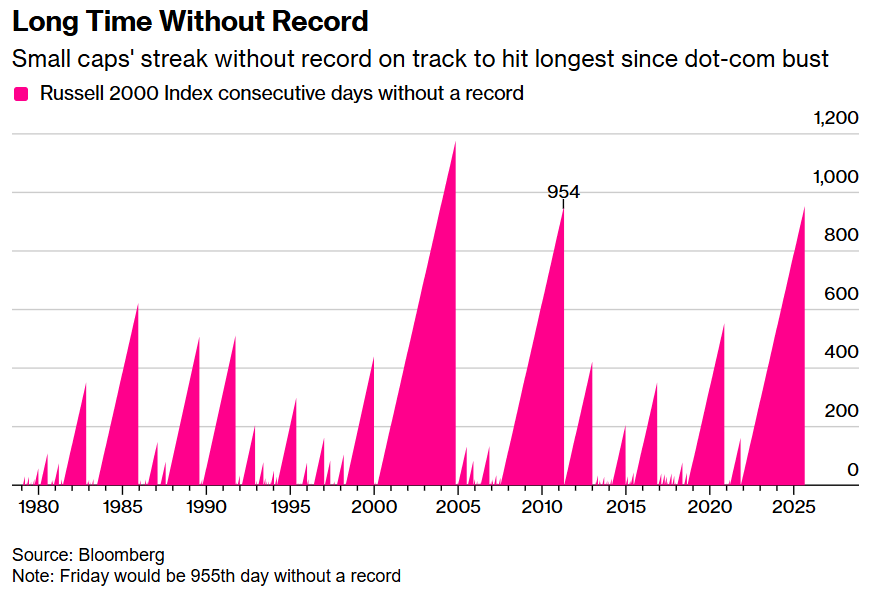
Group 1 - The small-cap stocks have struggled in recent years compared to the S&P 500 and Nasdaq 100, but there are signs of a potential long-term bull market returning for these stocks as risk factors seem to be re-emerging [1][2] - The Russell 2000 index, a benchmark for small-cap stocks, last reached a historical high on November 8, 2021, and is currently only about 3% away from that level, marking the longest period without a new high since the dot-com bubble burst around 2000 [1][2] - Recent optimism in the market regarding potential interest rate cuts by the Federal Reserve has led to increased investment sentiment in small-cap stocks, which have outperformed the S&P 500 and Nasdaq in recent weeks [1][2] Group 2 - Bank of America indicates that recent economic data shows resilience in the U.S. economy, suggesting a "soft landing," and that small-cap stocks, particularly micro and small caps, are poised for structural opportunities [2][3] - The expectation of interest rate cuts is expected to benefit small-cap stocks significantly, as they are more sensitive to changes in the Fed's benchmark rates and rely heavily on floating-rate loans [2][3] Group 3 - The Russell 2000 index has risen 7.3% in August, leading the U.S. stock market, and is expected to gain further momentum with the anticipated interest rate cuts from the Federal Reserve [3][5] - Analysts believe that the potential for continued upward movement in small-cap stocks exists, especially as regional banks and small tech and industrial companies, which hold significant weight in the Russell 2000, may benefit from looser monetary policy [3][5] Group 4 - The iShares Russell 2000 ETF (IWM) is trading above $230, breaking a critical technical level, which is seen as a bullish signal for small-cap stocks [5][6] - There is a prevailing sentiment that small-cap stocks may outperform large-cap stocks and tech giants during the Fed's anticipated rate-cutting cycle, as many small-cap stocks remain undervalued compared to the high valuations of major tech companies [5][6] Group 5 - Despite the bullish outlook, some traders remain skeptical about the sustainability of the small-cap rally, with concerns that the performance of large tech stocks could influence the fate of small-cap stocks [7][8] - The market dynamics suggest that if large tech stocks maintain their upward trajectory, it could encourage a rotation of funds into small-cap stocks, but a decline in tech stock valuations could pose risks for small-cap performance [7][8] Group 6 - To capitalize on the potential breakout of the Russell 2000 index, professionals recommend buying call spreads on the IWM ETF, allowing investors to hedge while capturing some upside [8] - This strategy is seen as a way for cautious investors to engage with small-cap stocks without fully committing capital, especially after previous disappointments with false breakouts [8]
[8月25日]指数估值数据(A股港股继续上涨;A股牛市是结构性牛市么;月薪宝发薪日;黄金星级更新)
银行螺丝钉· 2025-08-25 13:50
Core Viewpoint - The article discusses the current state of the A-share market, highlighting the structural bull market characteristics and the recent performance of various sectors, including the rotation between growth and value styles. Market Performance - The market continues to rise, currently at 4.3 stars, with a potential return to 3.x stars if the rapid increase continues for a few more days [1] - Both large and small-cap stocks are experiencing gains, with large-cap stocks recently outperforming small-cap stocks [1] - Growth style is strong, while value style shows slight increases [1] - The liquor index has rebounded, moving from a year-to-date decline to a slight increase [1] Sector Analysis - The real estate and consumer sectors have been underperforming this year, with many related stocks still undervalued [1] - The article emphasizes the importance of controlling investment proportions, suggesting a stable allocation of 15%-20% per sector [1] - Recent trends show a recovery in the consumer sector, which had been lagging [11] Structural Bull Market Characteristics - A-share market is characterized by structural bull markets, where only certain stocks perform well while others may decline [1] - Historical examples include the 2016-2017 bull market focused on large-cap value stocks and the 2019-2021 bull market dominated by large-cap growth stocks [2][6] - The article notes that in structural bull markets, some sectors may lag behind but could perform well in future cycles [1][12] Investment Strategy - The article suggests that the rotation of different styles allows for extended periods of holding undervalued stocks, avoiding situations where there are no undervalued options available [13] - It also highlights the opportunity for "buy low, sell high" strategies when some stocks are overvalued while others remain undervalued [14] - The current market favors growth styles, with some small-cap growth indices nearing overvaluation [16][17] Upcoming Events - A live session is scheduled to discuss common profit-taking strategies and case studies of "buy low, sell high" [19]

[8月22日]指数估值数据(大盘回到4.3星,部分品种摸到高估;有一笔资金,该如何投资呢;抽奖福利)
银行螺丝钉· 2025-08-22 13:55
Core Viewpoint - The article discusses the current state of the A-share market, highlighting the recent upward trend and the potential investment strategies for different market conditions. Market Performance - The overall market has risen, returning to a rating of 4.3 stars [1] - Large, medium, and small-cap stocks have all increased, with large-cap stocks showing slightly more growth [2] - Growth style stocks are currently performing strongly [3] - The Science and Technology Innovation Board (科创50) has risen over 8%, while the ChiNext (创业板) has increased over 3% [4] - Both the Science and Technology Innovation Board and ChiNext were undervalued for a long time last year [5] - Since reaching a rating of 5.9 stars, the Science and Technology Innovation Board has nearly doubled in value [6] - Following today's surge, the Science and Technology Innovation Board is now considered overvalued [7] - Upcoming second-quarter reports may lead to a decrease in valuations if companies report profit growth [8] - As the market rises, the number of overvalued stocks is expected to increase [9] - There will be opportunities for profit-taking in certain portfolio segments as the market evolves [10] Investment Strategy - The A-share market often experiences structural trends [11] - This year has seen significant increases in small-cap and growth style stocks, with small-cap growth indices reaching overvalued levels first [12] - While growth styles are strong, value styles remain relatively weak, with only slight increases in value stocks today [13][14] - The A-share market exhibits clear style rotation, often on a daily basis [15] - Frequent trading in this environment can lead to missed opportunities, suggesting a need for patience [16] Hong Kong Market Insights - The Hong Kong stock market has also risen, led by technology stocks [17] - Recently, the Hong Kong market has outperformed the A-share market by over 10% this year [18] - However, recent fluctuations in overseas markets have affected the Hong Kong market, which has seen lower gains compared to A-shares this week [19][20] Valuation Overview - A summary of Hong Kong stock indices and their valuations is provided, including metrics such as P/E ratios, dividend yields, and ROE percentages [21] - The H-share index has a P/E ratio of 13.85, while the Hang Seng Index has a P/E ratio of 13.57 [21] - The Hong Kong small-cap index has a higher P/E ratio of 21.30, indicating a different valuation landscape [21] Investment Timing and Strategy - The article suggests that the best investment opportunities were during the 5-star rating periods, particularly from 2022 to 2024, which marked the longest bear market in the last decade [24] - Investors are advised to consider their investment horizon and risk tolerance when allocating funds, with a recommended stock allocation of "100 minus age" [26] - Current market conditions still present opportunities for investing in undervalued stocks, but full allocation is not recommended [34] - If the market rating drops to 3 stars, investing in stocks may become less suitable [36] Conclusion - The article emphasizes the importance of understanding market cycles and maintaining a disciplined investment strategy to navigate the current market conditions effectively [45]

牛市纠结买啥
Xin Lang Ji Jin· 2025-08-21 09:43
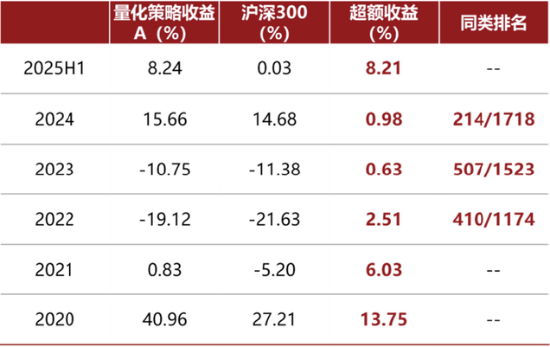
Market Overview - The Shanghai Composite Index has reached 3700 points, leading to increased market divergence among investors regarding whether to take profits or chase high-growth stocks [1] - Short-term fluctuations and pullbacks after reaching new highs are normal, and investors are advised to set stop-loss and take-profit points based on technical indicators [1] Investment Strategy - Full allocation to high-growth stocks at this market level carries significant risk due to previous substantial gains and potential valuation deviations [1] - It is recommended to allocate part of the portfolio to defensive and stable dividend-paying stocks, which provide a safety net during market volatility [1] Fund Introduction - Guotai Dividend Smart Selection (A: 024354 C: 024355) is launched in this context, combining traditional dividend strategies with a dynamic, adaptive style rotation framework [3] - The fund aims to enhance dividend strategies, allowing investors to experience better performance by adjusting the portfolio between "value dividends" and "growth dividends" based on market conditions [4] Performance Metrics - The fund manager, Dr. Gao Chongnan, has a strong background in quantitative strategies, with a successful track record in managing similar products [4] - The fund is expected to maintain a balanced approach between growth and value dividend stocks, including some holdings in high-dividend Hong Kong stocks to capture cross-market opportunities [4] Historical Performance - The Guotai Quantitative Strategy has shown strong performance since its transformation into a quantitative long-only product, with a recent two-year return of 14.40%, outperforming the benchmark and the CSI 300 index [5] - The fund has consistently outperformed the CSI 300 index over the last five complete calendar years [5] Conclusion - Guotai Dividend Smart Selection is positioned as a quality dividend product suitable for various market conditions, providing both growth potential and risk mitigation [7]
“风起云涌”风格轮动系列研究(一):从微观出发的风格轮动—找到风格切换的领先特征
Soochow Securities· 2025-08-20 12:31
Group 1 - The report focuses on constructing a style timing and rotation model from a micro perspective, utilizing micro data to enhance the strategy system [6][62] - The model is based on four style factors: valuation, market capitalization, volatility, and momentum, using 80 micro indicators to create a scoring system [7][62] - The backtesting period from January 1, 2014, to July 31, 2025, shows an annualized return of 20.90% with a volatility of 26.12% and a maximum drawdown of -40.57% [57][62] Group 2 - The model's out-of-sample performance has been stable since its development in March 2024, with a return of 55.36% for the entire year of 2024, outperforming the market benchmark by 35.72% [57][62] - The report highlights the construction of style labels based on specific broad indices to overcome limitations of using the entire A-share market for style timing [18][20] - The random forest model is selected for predicting the direction of style factors, enhancing the performance of the timing strategy [23][25] Group 3 - The performance metrics for the valuation factor before timing show an annualized return of 7.90% compared to the benchmark's 6.85%, with a maximum drawdown of -60.33% [30][32] - After applying the timing model, the valuation factor's annualized return improves to 15.19%, significantly outperforming the benchmark [38][40] - The momentum factor shows a pre-timing annualized return of 10.11%, which increases to 15.73% post-timing, indicating improved performance [42][47] Group 4 - The volatility factor's pre-timing performance indicates an annualized return of 10.93%, while post-timing performance shows an increase to 15.73% [48][53] - The equal-weighted composite factor, derived from the four style factors, achieves an annualized return of 20.05% with a maximum drawdown of -41.97% [52][55] - The scoring system for the style factors is based on historical prediction accuracy, further refining the composite factor's performance [56][59]
量化风格轮动模型介绍
GUOTAI HAITONG SECURITIES· 2025-08-18 08:55
Group 1: Size Rotation Model Insights - The A-share market exhibits a size rotation effect, with small-cap stocks outperforming large-cap stocks in February, March, May, and August, while large-cap stocks dominate in January, April, and December[2] - The annualized excess return of the size rotation model during the backtest period (2013/12-2024/09) is 17.45% relative to benchmarks like CSI 300 and CSI 2000 Equal Weight[2] - The latest quantitative model signal as of the end of July is 0.5, indicating a continued preference for small-cap stocks in August[2] Group 2: Value vs. Growth Rotation Insights - The A-share market shows frequent value-growth rotation with a monthly effect, achieving an annualized excess return of 8.8% against benchmarks like the National Value and Growth Equal Weight indices[3] - The latest monthly quantitative model signal is -0.33, suggesting a shift towards value stocks for August, as historically, value stocks outperform in this month[3] - The annualized excess return of the weekly model, based on price-volume perspectives, is 7.19%[3] Group 3: Risk Considerations - The quantitative models are based on historical data, which may not always hold true, posing a risk of historical patterns failing to predict future performance[5]