对等关税

Search documents
4月16日电,韩国和越南外长就美国对等关税问题达成一致,将密切合作。
news flash· 2025-04-15 23:05
智通财经4月16日电,韩国和越南外长就美国对等关税问题达成一致,将密切合作。 ...
政策与大类资产配置周观察:骤雨不终日
Tianfeng Securities· 2025-04-15 14:42
Group 1: Domestic Policy Analysis - Premier Li Qiang held a meeting with economic experts and entrepreneurs, emphasizing the need to prepare for external shocks affecting China's economic stability [10][11][12] - The People's Bank of China released the "2025 Shanghai Credit Policy Guidelines" to enhance financial support for consumption [14][23] - The Ministry of Housing and Urban-Rural Development and the Ministry of Finance issued a notice to support urban renewal actions for 2025, aiming to address urban infrastructure weaknesses [14][23] Group 2: Equity Market Analysis - A-shares experienced a pullback due to the global liquidity crisis triggered by Trump's "reciprocal tariffs," with the Shenzhen Composite Index and ChiNext Index dropping over 5.5% [24][25] - The Shanghai and Shenzhen stock exchanges held meetings with securities firms to stabilize the capital market, with significant cash dividends and buybacks announced by listed companies [25][26] - Central Huijin and other state-owned capital management companies increased their holdings in ETFs and strategic stocks to support the market [26][27] Group 3: Fixed Income Market Analysis - The expectation of a reserve requirement ratio cut increased following the impact of Trump's tariffs, leading to a more relaxed funding environment [4][25] - The central bank withdrew a total of 489.7 billion yuan in funds during the week, indicating a shift towards a more accommodative monetary policy [4][25] Group 4: Commodity Market Analysis - Precious metals experienced a V-shaped rebound, while base metals continued to decline, and pork futures broke upward [4][25] - The Ministry of Industry and Information Technology issued guidelines for industrial standards, which may influence commodity prices and demand [4][25] Group 5: Foreign Exchange Market Analysis - The US dollar index fell below 100, closing at 99.77, a decrease of 3.06% week-on-week, indicating increased volatility in the foreign exchange market [4][25] - The onshore renminbi faced depreciation pressure, trading at 7.28 against the US dollar as of April 11 [4][25]
日本首相:日本不准备向美国做重大让步
凤凰网财经· 2025-04-15 13:45
据环球时报援引路透社14日报道,日本首相石破茂当天表示,在即将与美国政府举行的关税谈判中,日本不打算做出重大让步,也不会急于达成协议。 石破茂表示:"我不认为我们应该为了迅速结束谈判而做出重大让步。"不过,他排除了对美国产品加征关税进行报复的可能性。 另据共同社报道,石破茂14日在众院预算委员会就美国特朗普政府采取关税措施后的对美谈判表示,"我并不认同不断妥协、尽快谈拢就是好的做法",应 避免仓促下定论。 据悉,负责与美国就关税进行谈判的日本经济再生大臣赤泽亮正计划从16日起访美。 特朗普在本月初签署的关于所谓"对等关税"行政令中,将对日本的关税税率设定为24%,引发日本政府不满。日本内阁官房长官林芳正表示,美方此举令 人非常遗憾。美国政府实施的大范围贸易限制措施,不仅可能对日美经济关系产生重大影响,还可能影响世界经济及全球多边贸易体系。 来源:凤凰网财经综合自环球时报、第一财经等 【 热门视频推荐 】 点击在 看 持续关注↓↓↓ ...
短评:特朗普关税政策升级或受限于美债危机等现实约束
LIANCHU SECURITIES· 2025-04-15 08:12
Group 1: Tariff Policy Changes - On April 2, Trump announced reciprocal tariffs ranging from 10% to 50% on 185 trade partners, exceeding market expectations[3] - Just one week later, on April 9, Trump suspended the implementation of these tariffs for 90 days, excluding China, maintaining a 10% baseline tariff[3] - Current tariffs on China have reached 145%, with the suspension of the tailored reciprocal tariffs affecting other countries[7] Group 2: Market Reactions and Economic Impact - Following the announcement of reciprocal tariffs, the U.S. market experienced significant turmoil, with simultaneous declines in stocks, bonds, and currencies[5] - The yield on 10-year U.S. Treasury bonds rose to 4.48% on April 11, up 47 basis points from 4.01% on April 4[5] - U.S. national debt exceeds $36 trillion, accounting for 125% of GDP, with annual interest payments consuming 30% of federal revenue[5] Group 3: Future Considerations and Risks - The potential for further tariff changes remains, but current economic pressures may lead to a temporary slowdown in tariff escalations[8] - Key political and economic pressures include U.S. national debt, technology sector concerns, and voter sentiment, which may influence future tariff decisions[8] - The risk of unexpected economic downturns or policy shifts could significantly impact the effectiveness of Trump's tariff strategies[9]
宁德时代:兆瓦超充需要扩容或配备储能 不一定普遍适用
Di Yi Cai Jing· 2025-04-15 06:40
Core Viewpoint - The automotive industry is witnessing a shift towards "megawatt supercharging" and "intelligent driving equality," with companies like BYD, Huawei, and Zeekr entering the market. However, challenges remain in implementing megawatt-level charging stations due to high costs and long construction periods [2][3]. Company Developments - CATL reported a revenue of 84.705 billion yuan in Q1 2023, a year-on-year increase of 6.18%, with a net profit of 13.963 billion yuan, up 32.85%. The gross margin was 24.4%, showing growth both year-on-year and quarter-on-quarter [3]. - CATL launched the "Shenxing" ultra-fast charging battery in 2023, the first large-scale production battery using lithium iron phosphate material, capable of 4C charging. In 2024, the "Shenxing PLUS" battery will achieve an equivalent charging rate of 6C, with peak rates reaching 12C to 15C [2]. Market Trends - The demand for energy storage batteries is increasing, particularly in emerging markets like the Middle East and Australia, driven by renewable energy and AI data centers. CATL has secured significant energy storage projects in these regions [3]. - CATL plans to build 1,000 battery swap stations this year and has formed partnerships with Sinopec, NIO, and Didi to enhance battery swapping services, which are seen as a cost-effective solution for consumers [2]. Competitive Landscape - The U.S. market for energy storage primarily relies on lithium iron phosphate batteries, with Japanese and Korean battery manufacturers like LG and Panasonic expected to ramp up production only after 2026. The new tariffs are shared between energy storage companies and U.S. end-users [4].


欣旺达(300207):核心业务稳健发展,“对等关税”影响有限
Bank of China Securities· 2025-04-15 03:49
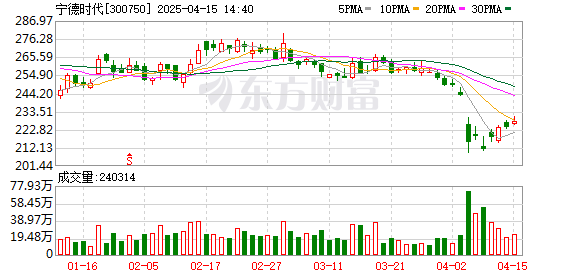
Investment Rating - The report maintains a rating of "Accumulate" for the company [2][5][7] Core Views - The company’s core business is developing steadily, and the impact of the "reciprocal tariffs" imposed by the US is limited [5][10] - The growth potential of the power and energy storage battery business is promising, with expectations for continued improvement in profitability due to increased self-supply ratios of consumer battery cells [5][10] - The company is expanding its customer base in the power battery sector, with industry-leading fast-charging capabilities for lithium iron phosphate batteries [10] Financial Summary - Revenue projections for 2024-2026 have been adjusted to RMB 55,458 million, RMB 64,609 million, and RMB 74,948 million respectively, reflecting growth rates of 15.9%, 16.5%, and 16.0% [9][11] - The adjusted earnings per share (EPS) forecasts for 2024, 2025, and 2026 are RMB 0.89, RMB 1.21, and RMB 1.47, respectively, with corresponding price-to-earnings ratios of 20.7, 15.2, and 12.6 [7][9] - The company’s net profit is projected to grow significantly, with estimates of RMB 1,645 million for 2024, RMB 2,236 million for 2025, and RMB 2,708 million for 2026, indicating growth rates of 52.9%, 35.9%, and 21.1% respectively [9][11] Market Performance - The company’s stock has shown a relative performance of -11.7% over the past month and -22.4% year-to-date, while the Shenzhen Composite Index has performed better [3][4] - The total market capitalization of the company is approximately RMB 34,357.38 million, with a circulating share count of 1,711.69 million [4][9]

安粮期货生猪日报-20250415
An Liang Qi Huo· 2025-04-15 03:01
Report Summary 1. Report Industry Investment Rating No industry investment ratings are provided in the reports. 2. Core Views - **Soybean Oil**: The Y2509 contract of soybean oil may face short - term consolidation [1]. - **Soybean Meal**: Due to multiple factors, soybean meal may experience short - term range - bound fluctuations [2]. - **Corn**: In the short term, the corn futures price will be range - bound, and an interval operation strategy is recommended [3]. - **Copper**: Maintain a tactical defense and focus on the monthly K - line pattern [4]. - **Lithium Carbonate**: The 2505 contract of lithium carbonate may show a weak - side oscillatory trend, and short positions can be taken on rallies [5][6]. - **Steel**: With the gradual digestion of macro - negative factors, a strategy of buying on dips at low levels is recommended for steel [7]. - **Coking Coal and Coke**: Due to ample supply, coking coal and coke may have a limited - space, weak - side oscillatory rebound at low levels [8]. - **Iron Ore**: The iron ore 2505 contract will be range - bound in the short term, and traders are advised to be cautious [9]. - **Crude Oil**: After the sharp decline of the WTI main contract, pay attention to the rebound near the support level of 430 - 450 yuan/ton for the INE crude oil main contract [10]. - **Rubber**: Pay attention to the downstream operating rate of Shanghai rubber, and there is support around 14,000 yuan/ton for the main contract [11]. - **PVC**: With a slight improvement in macro - sentiment, the futures price may oscillate at a low level [12]. - **Soda Ash**: The futures market is expected to show a short - term weak - side oscillatory trend [13]. 3. Summary by Commodity Soybean Oil - **Spot Information**: The price of first - grade soybean oil at Zhangjiagang Donghai Grain and Oil is 8,320 yuan/ton, up 30 yuan/ton from the previous trading day [1]. - **Market Analysis**: During the current period, it is the U.S. soybean sowing season and the South American soybean harvesting and exporting season. South American new - crop soybeans are likely to have a bumper harvest. The medium - term supply and demand of soybean oil may remain neutral, and the medium - term inventory may be stable [1]. Soybean Meal - **Spot Information**: The spot prices of 43% soybean meal in different regions are: Zhangjiagang 3,300 yuan/ton, Tianjin 3,720 yuan/ton, Rizhao 3,440 yuan/ton, and Dongguan 3,220 yuan/ton [2]. - **Market Analysis**: The Sino - U.S. tariff policy has caused market panic. Brazilian soybean harvesting is nearly complete, and the export outlook for U.S. soybeans is pessimistic. The supply of domestic soybean meal is still tight, and Brazilian soybeans are expected to arrive in mid - to late April. The downstream inventory is low, and the trading volume has increased slightly [2]. Corn - **Spot Information**: The mainstream purchase prices of new corn in different regions are provided, such as 2,090 yuan/ton in Northeast China and Inner Mongolia, and 2,290 yuan/ton in North China and the Huanghuai region [3]. - **Market Analysis**: U.S. tariff hikes have increased the cost of corn imports. The U.S. corn market is oscillating strongly. In China, the supply pressure has eased, and the demand is expected to increase. However, there are still potential suppressing factors [3]. Copper - **Spot Information**: The price of Shanghai 1 electrolytic copper is 74,430 - 74,670 yuan, down 555 yuan, with a discount of 30 - a premium of 20 [4]. - **Market Analysis**: Global "irrational" tariffs have caused turmoil in overseas capital markets. The Fed's stance reflects uncertainty. Domestically, policies are boosting market sentiment. The raw material supply problem has not been resolved, and the copper price is in a state of resonance [4]. Lithium Carbonate - **Spot Information**: The market price of battery - grade lithium carbonate (99.5%) is 70,750 yuan/ton (+250), and that of industrial - grade lithium carbonate (99.2%) is 69,350 yuan/ton (+250) [5]. - **Market Analysis**: The forward price of spodumene concentrate is decreasing. Supply is increasing, and demand has improved but is still insufficient to drive up prices. The inventory is increasing, and the price has declined synchronously [5][6]. Steel - **Spot Information**: The price of Shanghai rebar is 3,170 yuan, the Tangshan operating rate is 83.13%, the social inventory is 5.9095 million tons, and the steel mill inventory is 2.0712 million tons [7]. - **Market Analysis**: The fundamentals of steel are improving, and the contango structure is weakening. The cost is rising, and the inventory is decreasing. The market is affected by both macro - policy expectations and fundamentals [7]. Coking Coal and Coke - **Spot Information**: The price of main coking coal (Meng 5) is 1,200 yuan/ton, and the price of quasi - first - grade metallurgical coke at Rizhao Port is 1,330 yuan/ton. The port inventory of imported coking coal is 3.4756 million tons, and the port inventory of coke is 2.1713 million tons [8]. - **Market Analysis**: Supply is ample, demand is weak, inventory is slightly increasing, and the profit is approaching the break - even point [8]. Iron Ore - **Spot Information**: The Platts iron ore index is 98.35, the price of Qingdao PB (61.5%) powder is 765 yuan, and the price of Australian powder ore (62% Fe) is 764 yuan [9]. - **Market Analysis**: Supply and demand factors are intertwined. The supply has decreased slightly, and the demand is mixed. The U.S. tariff policy has restricted the upward movement of prices [9]. Crude Oil - **Spot Information**: Not provided in the report. - **Market Analysis**: The impact of U.S. "reciprocal tariffs" is fading. OPEC is increasing production, but global demand is under pressure due to trade wars and geopolitical uncertainties [10]. Rubber - **Spot Information**: Not provided in the report. - **Market Analysis**: U.S. tariffs have hit China's tire and automobile exports. The global supply and demand of rubber are both loose, and the demand may be severely restricted [11]. PVC - **Spot Information**: The mainstream price of East China 5 - type PVC is 4,840 yuan/ton, a 20 - yuan increase; the mainstream price of ethylene - based PVC is 5,080 yuan/ton, unchanged [12]. - **Market Analysis**: The production start - up rate has decreased. Demand remains weak, and the inventory has decreased. The futures price may oscillate at a low level [12]. Soda Ash - **Spot Information**: The national mainstream price of heavy soda ash is 1,446.88 yuan/ton, a 3.12 - yuan decrease [13]. - **Market Analysis**: Supply is at a high level, inventory is slightly decreasing, and demand is mediocre. The futures market is under pressure [13].
“国家队”ETF持仓梳理:乱云飞渡仍从容:关税反击与稳市决心-20250414
Huafu Securities· 2025-04-14 13:46
Group 1 - The report indicates that the market is gradually recovering, with the overall A-share market down by 4.31%. The Sci-Tech 50, Shanghai 50, and CSI 300 indices showed relative resilience, while the CSI 1000, micro-cap stocks, and ChiNext index led the decline. In terms of sector performance, consumer and financial real estate sectors were more resilient, while pharmaceuticals, advanced manufacturing, and other sectors faced declines [1][14]. - The report highlights the "counter-tariff" measures and the determination to stabilize the market in response to the U.S. tariffs. It notes that the Chinese government has taken rapid countermeasures to maintain a strong stance against U.S. tariff threats, which are characterized as "digital games" [3][33]. - The report emphasizes that the Chinese assets exhibit strong endogenous stability, and the impact of external market shocks may favor the return of foreign capital. It suggests that the unpredictability of U.S. tariffs should lead to a stable outlook rather than a reactive one [5][9]. Group 2 - The report discusses the significant market fluctuations following the announcement of "counter-tariffs," leading to a "three-kill" scenario in U.S. stocks, bonds, and currency. The S&P 500 index fell sharply, while the 10-year U.S. Treasury yield experienced a rapid decline before rebounding after the announcement of a 90-day delay in tariff implementation [4][42]. - The report outlines the measures taken by the "national team" to stabilize the market, including increased holdings in ETFs such as the CSI 300, Shanghai 50, and others. The report notes that these actions are part of a broader strategy to support the capital market and restore investor confidence [3][50]. - The report identifies key investment directions, including domestic demand, independent innovation, countermeasures, the Belt and Road Initiative, dividends, and gold as a hedge against uncertainty. It emphasizes the importance of enhancing domestic circulation to mitigate the impact of export fluctuations [5][9].
特朗普关税措施反复无常!苹果(AAPL.US)、英伟达(NVDA.US)等科技公司仍得提心吊胆
智通财经网· 2025-04-14 09:53
智通财经APP获悉,当地时间4月11日晚,美国海关与边境保护局宣布,联邦政府已同意对智能手机、 电脑、芯片等电子产品免除所谓"对等关税"。分析人士指出,该措施可能会在一定程度上缓解美国消费 者面临的涨价压力,同时让包括苹果(AAPL.US)、英伟达(NVDA.US)在内的科技巨头松了一口气。 同样重要的是对半导体制造设备的新豁免,包括阿斯麦(ASML.US)、日本东京电子(Tokyo Electron)等企 业生产的半导体制造设备。这些设备是建造芯片工厂的关键设备,构成了此类工厂数十亿美元造价的主 要部分。 投行Wedbush的分析师Daniel Ives在上周六的一份研报中表示:"美国科技行业的声量很大。尽管白宫内 部最初强烈反对豁免,但最终认识到了现实情况。" 卢特尼克表示:"这不是永久性的豁免。(特朗普)只是在澄清,这些不是各国可以通过谈判解决的。这 些都是事关国家安全的东西,我们需要在美国制造。"根据卢特尼克的说法,被排除在外的设备,如智 能手机、电脑以及其他电子产品,可能会被包括在特朗普即将对半导体征收的关税范围内。他还还强 调,对半导体征收关税是将这些电子产品的制造业带回美国的努力的一部分。 苹果 ...


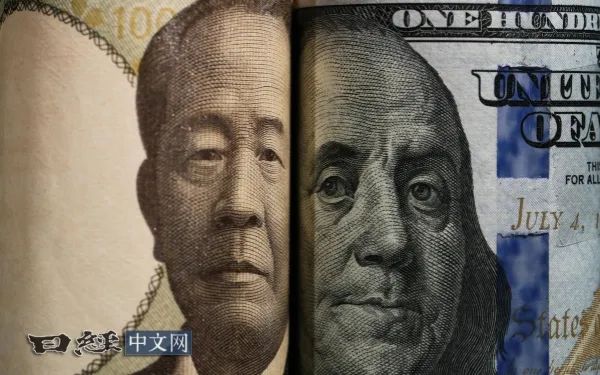
日本股市面临日元升值瑟瑟发抖
3 6 Ke· 2025-04-14 09:19
Group 1 - The Nikkei average stock index experienced significant volatility influenced by the Trump administration's stance on "reciprocal tariffs" [1][2] - The upcoming negotiations between Japan and the US regarding tariffs are generating mixed market sentiments, with expectations for progress alongside concerns about potential yen appreciation impacting corporate performance [1][4] - Analysts warn that if the yen appreciates rapidly, it could lead to a decline in corporate earnings, raising fears of a "double bottom" scenario in the Japanese stock market [1][2][8] Group 2 - The US government aims to protect domestic manufacturing through reciprocal tariffs, with currency manipulation by Japan and China being a critical issue in negotiations [6][7] - Analysts estimate that a 1 yen appreciation could reduce overall profits in the Japanese stock market by approximately 0.4%, with a 5 yen appreciation potentially leading to a 2% decline in earnings [7] - The Bank of America Securities notes that the impact of yen appreciation on corporate performance is diminishing due to increased local production and sales by Japanese companies [8] Group 3 - Key support levels for the Nikkei average stock index are identified, with a significant threshold at approximately 39,900 points based on a price-to-book ratio (PBR) of 1.15 [10] - If the index falls below this level, the next critical support could be around 30,420 points, calculated from a recent high, indicating potential for sustained market weakness [11] - Historical context suggests that a drop to around 27,920 points, where Warren Buffett previously invested, could signify a return to previous market expectations for Japan's economic growth and structural reforms [11]