人民币国际化

Search documents
人民币崛起! 非洲开始去美元化, 埃塞俄比亚将54亿美元债务转投中国
Sou Hu Cai Jing· 2025-10-30 13:26
Core Viewpoint - African countries, including Ethiopia, are collectively attempting to reduce their reliance on the US dollar, with Ethiopia negotiating to convert part of its $5.38 billion debt to China into renminbi [1][3]. Group 1: Debt and Currency Conversion - Ethiopia plans to convert part of its debt, which was previously used for infrastructure projects funded by China, from US dollars to renminbi [3][5]. - The current interest rate on Ethiopia's dollar loans is approximately 7.25%, while the rate for renminbi loans is around 3%, potentially saving Ethiopia billions in interest payments [5][8]. - Kenya has already converted three loans from US dollars to renminbi, estimating annual savings of about $215 million in interest [5]. Group 2: Economic Relations with China - China is Ethiopia's largest creditor, with infrastructure loans amounting to $14.5 billion, making it a crucial economic partner [8][10]. - Ethiopia's move to establish a stable renminbi settlement mechanism with China aims to strengthen long-term economic cooperation [8][10]. Group 3: Economic Challenges and Strategic Moves - Ethiopia faces significant economic challenges, including high inflation, unemployment, and a recent default on a $1 billion international debt [11][14]. - The Ethiopian government is seeking to alleviate foreign exchange pressures and reduce reliance on the dollar, which complicates imports of essential goods [14][16]. - Ethiopia's recent engagement in a currency swap framework with China is part of a broader strategy to enhance trade facilitation and strengthen its currency's independence [16][19]. Group 4: Broader Trends in Africa - The trend of "de-dollarization" is gaining momentum in Africa, with countries like Nigeria also signing currency swap agreements with China [19][21]. - This shift does not imply that China will take over Ethiopia's debt system but represents an alternative financial pathway for countries burdened by dollar-denominated debt [21][23]. - The move towards renminbi transactions is seen as a financial diplomatic strategy for China and a structural adjustment for Ethiopia, potentially marking the beginning of a monetary sovereignty awakening in Africa [23].


三季报透视跨境支付热潮:外资深潜、本土“出海”
Di Yi Cai Jing Zi Xun· 2025-10-30 12:40
Core Insights - The third quarter financial reports reveal a significant divergence among payment institutions, with cross-border payments emerging as a high-growth area amidst slowing growth in traditional sectors [1][2][4] Group 1: Cross-Border Payment Growth - Companies like Lakala, New Guodu, and Newland reported double to triple-digit growth in cross-border transaction volumes, merchant numbers, and overseas revenues [1][2] - Lakala's cross-border payment business saw a 71.91% increase in merchant scale and a 77.56% rise in transaction amounts, reaching 60.2 billion yuan [2] - New Guodu's cross-border brand PayKKa experienced a 169% increase in merchant numbers and a 272% rise in transaction volumes in Q2 2025 [2] Group 2: Foreign Investment and Market Entry - Foreign payment institutions are accelerating their entry into the Chinese market, with companies like Payoneer and SUNRATE acquiring payment licenses through mergers [1][7] - The trend of foreign institutions obtaining licenses is driven by the need for local compliance and cost savings in fund clearing [7] - Airwallex has significantly increased its annual transaction volume to over 200 billion USD after acquiring a local company [7] Group 3: Industry Challenges and Strategic Shifts - The domestic payment market is facing intense competition, leading to reduced profit margins and a shift towards cross-border payments as a survival strategy [4][5] - The total import and export volume in China reached 43 trillion yuan in 2024, with cross-border e-commerce accounting for 2.63 trillion yuan, indicating a growing demand for cross-border payment solutions [4] - Regulatory changes and the push for RMB internationalization are providing a supportive framework for cross-border payment growth [4][5] Group 4: Compliance and Risk Management - Compliance remains a significant challenge in the cross-border payment market, with several institutions facing penalties for inadequate anti-money laundering practices [8] - The macroeconomic environment, including tariff adjustments and geopolitical factors, may impact the growth rate of cross-border internet payment transactions [8] - The development of cross-border payments must balance compliance and risk control with the adoption of new technologies like digital currencies and AI [8]
固收专题:量化视角看“十五五”规划建议20251030
China Post Securities· 2025-10-30 11:15
Group 1: Report Industry Investment Rating - No relevant content provided Group 2: Core Views of the Report - The "15th Five-Year Plan" Proposal reaffirms "taking economic development as the center" and aims to empower the real economy with technology and lead the construction of a modern industrial system [2][5][11] - Keywords such as "innovation", "technology", "consumption", and "investment" become prominent, reflecting the focus on technological innovation, domestic demand expansion, and investment efficiency [3][5][13] - The total target is to improve total factor productivity and keep economic growth within a reasonable range, implying an expected annual average economic growth rate of 3.7% - 5.4% in the next 10 years [4][5][18] - The industrial structure should maintain a reasonable proportion of the manufacturing industry and significantly increase the household consumption rate, which will be important guidelines for economic structure adjustment [5][22][24] Group 3: Summary by Relevant Catalog 1.1 General Overview: Taking Economic Development as the Center and Modern Industrial System as the Core Task - The "15th Five-Year Plan" Proposal reaffirms the principle of "taking economic development as the center", with the external environment becoming more complex and domestic challenges remaining in new and old kinetic energy conversion and effective demand [11] - It emphasizes seizing the opportunities of the new round of technological revolution and industrial transformation, and proposes specific goals for industrial development, such as optimizing traditional industries and cultivating emerging and future industries [11] 1.2 Word Frequency: Innovation, Technology, Consumption, and Investment Become Keywords - "Innovation" and "technology" appear 61 and 46 times respectively, with more refined key core technology research goals and an emphasis on technological transformation [13] - The frequency of "consumption" - related words rises to 23, and specific measures are proposed to boost consumption, indicating more consumption - promoting policies in the future [14] - The frequency of "investment" - related words reaches 29, suggesting that government investment may be more inclined to high - efficiency areas and the optimization of investment structure [15] - The frequency of "trade" - related words increases to 22, emphasizing the expansion of independent opening - up and the promotion of RMB internationalization [15] 1.3 Total Target: Improving "Total Factor Productivity" and Keeping Economic Growth within a Reasonable Range - The "15th Five - Year Plan" and the 2035 target imply an expected annual average economic growth rate of 3.7% - 5.4% in the next 10 years, providing a basis for judging the annual economic growth target [18] - The Proposal aims to steadily increase total factor productivity. Considering the structural constraints of the Chinese economy in the next decade, achieving high - quality growth requires continuous improvement of total factor productivity and release of institutional dividends [20] 1.4 Industrial Structure: Maintaining a Reasonable Proportion of the Manufacturing Industry and Significantly Increasing the Household Consumption Rate - The goal of maintaining a reasonable proportion of the manufacturing industry implies the need to upgrade traditional manufacturing and adhere to the real economy. The high - tech industry has become a strong growth driver [22] - The new goal of significantly increasing the household consumption rate is proposed. China's current household consumption rate has great room for improvement, and measures such as promoting employment and increasing income are proposed to boost consumption [24]
山西跨境人民币结算占比创新高 前三季度结算量超466亿元
Zhong Guo Xin Wen Wang· 2025-10-30 09:24
Core Insights - Shanxi Province has seen a significant increase in cross-border RMB settlements, with a total of 46.656 billion RMB settled in the first three quarters of 2025, marking a 7.38 percentage point increase in RMB settlement proportion compared to the same period last year [1][2] - In September alone, the cross-border RMB settlement volume grew by 34.55% year-on-year, reaching a historic high of 45.38% in RMB settlement proportion [1] Group 1: Cross-Border RMB Settlement Growth - The total cross-border RMB settlement volume in Shanxi Province reached 46.656 billion RMB in the first three quarters of 2025, with a RMB settlement proportion of 26.13% [1] - The RMB settlement proportion increased by 7.38 percentage points compared to the same period last year [1] - In September 2025, the cross-border RMB settlement volume saw a year-on-year growth of 34.55%, achieving a settlement proportion of 45.38% [1] Group 2: Optimization of Enterprise Services - The People's Bank of China Shanxi Branch has updated the self-regulatory mechanism for banks' foreign exchange and cross-border RMB business, adding 66 new enterprises to the list of quality enterprises, totaling 248 [2] - Quality enterprises on the list benefit from streamlined processes, such as exemption from pre-approval for business documentation and paperless settlement operations, enhancing the efficiency of cross-border RMB payment settlements [2] - From January to September, financial institutions in Shanxi processed 1,786 cross-border RMB transactions for quality enterprises, amounting to 29.593 billion RMB, a year-on-year increase of 11.53% [2] Group 3: Regional Cooperation and Cross-Border Payment Initiatives - The People's Bank of China Shanxi Branch has actively participated in cross-regional cooperation mechanisms, expanding mutual recognition of quality enterprises to 9,366 across 16 provinces and cities [2] - The cross-border payment initiative supports real-time fund transfers for individuals and enterprises, with 14,000 transactions amounting to 14.57 million RMB completed since the policy's implementation on June 22 [3] - The initiative aims to enhance cross-border settlement capabilities and facilitate smoother financial transactions between regions [3]
熊猫债、点心债,这些“萌萌哒”名字怎么来的?【财说明白】
Sou Hu Cai Jing· 2025-10-30 08:44
Core Viewpoint - The popularity of Panda bonds and Dim Sum bonds has been rising, with Dim Sum bonds becoming a favored option for domestic tech companies seeking overseas financing [1] Group 1: Panda Bonds - Panda bonds are foreign bonds issued by overseas institutions in China, denominated in RMB, and named after the iconic Chinese panda to enhance market recognition and respect for the issuing country's culture [2][5] - In 2024, 44 entities issued 109 Panda bonds with a total issuance scale of 194.8 billion RMB, representing a year-on-year growth of 26.1% [8] - The increase in Panda bond issuance is driven by China's ongoing opening-up policies, a large market, and the internationalization of the RMB, particularly due to the cost advantages of RMB financing amid diverging monetary policies between China and the US [8][9] Group 2: Dim Sum Bonds - Dim Sum bonds are offshore bonds issued in Hong Kong, initially characterized by their smaller scale, and have evolved significantly since their inception in 2007 [6][7] - The market for Dim Sum bonds has expanded rapidly, with a projected annual issuance growth of around 30% in 2023 and 2024, driven by changes in global interest rates and the attractiveness of RMB assets [7] - The range of issuers for Dim Sum bonds has diversified from mainly Chinese policy banks and state-owned enterprises to include local governments, commercial banks, and multinational corporations, enhancing the global acceptance of RMB bonds [9][10]

【环球财经】人民币论坛在斯里兰卡首都科伦坡举行
Xin Hua Cai Jing· 2025-10-30 06:13
Core Points - The forum held in Colombo focused on promoting the internationalization of the Renminbi (RMB) and enhancing China-Sri Lanka economic cooperation [1][2] - The Chinese ambassador emphasized that the internationalization of the RMB is a market-driven process that reflects China's deeper integration into the global division of labor [1] - The Sri Lankan central bank governor noted the RMB's rising status as the fourth largest international payment currency, highlighting its importance in reducing transaction costs and exchange rate risks [1][2] Group 1 - The forum attracted nearly 300 representatives from Sri Lankan government departments, commercial banks, and the business community [1] - The RMB's functions in cross-border trade settlement, reserve currency, and investment tools have been expanding, particularly in energy, finance, and infrastructure [1] - Establishing a direct RMB settlement mechanism will provide more stable and efficient financial services for enterprises [1][2] Group 2 - The president of the Bank of China Research Institute discussed the evolving trends in the international monetary system and the special value of RMB cross-border usage [2] - The current economic recovery in Sri Lanka is supported by growing China-Sri Lanka trade and investment cooperation, with expanding applications of the RMB in trade, investment, and tourism [2] - Participants at the forum emphasized the need to improve financial cooperation mechanisms and expand local currency settlement to provide robust financial support for bilateral trade [2]
熊猫债、点心债,这些“萌萌哒”名字怎么来的?
3 6 Ke· 2025-10-30 04:35
Core Insights - The popularity of Panda bonds and Dim Sum bonds has been rising, with Dim Sum bonds becoming a favored option for domestic tech companies seeking overseas financing [1] Group 1: Panda Bonds - Panda bonds are defined as bonds issued by foreign entities in China, denominated in RMB, and are categorized as foreign bonds [2] - The name "Panda bond" was established in 2005 when the International Finance Corporation and the Asian Development Bank were approved to issue RMB bonds in China, symbolizing China's national treasure [3] - The issuance of Panda bonds has surged, with 44 entities issuing 109 Panda bonds in 2024, totaling a scale of 194.8 billion RMB, representing a year-on-year growth of 26.1% [7] - The total issuance of Panda bonds in 2023 reached 156.85 billion RMB, with total outstanding bonds increasing by 26.84% to 400.33 billion RMB [7] - The growth of Panda bonds is attributed to China's ongoing opening-up policy, a large market, and the internationalization of the RMB, alongside favorable financing costs compared to USD [7][8] Group 2: Dim Sum Bonds - Dim Sum bonds refer to RMB-denominated offshore bonds issued in Hong Kong, initially named for their small scale, akin to dim sum [5][6] - The market for Dim Sum bonds has expanded significantly over the past decade, with a notable increase in issuance and diversity of issuers, including local governments and multinational corporations [6][9] - By 2025, the issuance of Dim Sum bonds is expected to be dominated by central banks, sovereigns, and government entities, with significant contributions from the TMT sector [8] - The global issuance of Dim Sum bonds has diversified, with 45 countries and supranational organizations participating, enhancing the global acceptance of RMB-denominated assets [9]

大赚近130%!中金公司“秀肌肉”
券商中国· 2025-10-30 04:10
Core Viewpoint - The report highlights the significant growth in CICC's financial performance for the first three quarters of 2025, driven by robust business lines and strategic alignment with national policies [1][2]. Financial Performance - CICC achieved operating revenue of 20.761 billion yuan, a year-on-year increase of 54.36% [1][2]. - The net profit attributable to shareholders reached 6.567 billion yuan, reflecting a year-on-year growth of 129.75% [1][2]. - The weighted average return on equity (ROE) rose to 6.29%, an increase of 3.65 percentage points compared to the previous year [1][2]. Quarterly Breakdown - In Q3, CICC reported operating revenue of 7.93 billion yuan, a substantial year-on-year increase of 74.78% [2]. - The net profit attributable to shareholders for Q3 was 2.236 billion yuan, showing a remarkable year-on-year growth of 254.93% [2]. - Compared to Q2, Q3 revenue increased by 11.62% [2]. Business Line Performance - CICC's investment banking business showed significant advantages, with net income from investment banking fees reaching 2.940 billion yuan, a year-on-year increase of 42.55% [3]. - The brokerage business benefited from favorable market conditions, with net income from brokerage fees at 4.516 billion yuan, up 76.31% year-on-year [4]. - Asset management business also performed well, with net income from asset management fees at 1.062 billion yuan, a year-on-year growth of 26.61% [4]. Strategic Initiatives - CICC has been actively supporting high-level opening-up and initiatives like the Belt and Road, contributing to the internationalization of the RMB [4]. - The company has made strides in international business development, achieving notable successes in various sectors [3]. Shareholder Composition - The report noted the presence of Brunei Investment Agency and Allianz Insurance Asset Management products among CICC's top ten shareholders, indicating growing institutional interest [5]. - As of the end of Q3, Brunei Investment Agency held 10.3183 million shares, representing 0.21% of the total shares [5]. - Allianz's two products held 9.576 million shares, accounting for 0.2% [5].

新大陆20251029
2025-10-30 01:56
Summary of Newland's Conference Call Company Overview - **Company**: Newland - **Period**: First three quarters of 2025 Key Financial Performance - **Net Profit**: Non-recurring net profit reached 338 million yuan, a year-on-year increase of 29.77%, marking a historical high [2][3] - **Total Revenue**: Total revenue for the first three quarters was 6.244 billion yuan, up 12.04% year-on-year [3] - **Payment Transaction Volume**: Payment service transaction volume reached 1.62 trillion yuan, with a third-quarter growth of over 18% [2][3] Industry Dynamics - **Globalization Strategy**: Significant progress in localizing deployment in Europe and the Americas, with emerging markets in Latin America and the Middle East showing breakthroughs [2][3] - **Cross-Border Payment**: Achieved a milestone in cross-border payment and overseas acquiring, moving from 0 to 1, with plans for rapid replication [8] Payment Services - **Transaction Growth**: Third-quarter transaction volume approached 570 billion yuan, with a year-on-year increase of over 18% [3][5] - **QR Code Transactions**: QR code transaction volume increased to 45%, with the number of transactions growing by over 90% year-on-year [5] Equipment Business - **Overseas Sales Growth**: Overseas payment device revenue grew over 26% year-on-year, driven by demand for new technologies like AI and cryptocurrency [6] - **Market Penetration**: The company aims to increase market share by 15-20% over the next 3-5 years [4][12] Strategic Partnerships - **Collaboration with Alibaba Cloud**: Launched AI-based products to enhance customer service efficiency and reduce costs [9] Regulatory Environment - **Central Bank Initiatives**: Actively responding to the central bank's cross-border QR code gateway construction, simplifying cross-border payment processes [10] Future Outlook - **Market Strategy**: Adjusting overseas market strategy to focus on market share, with a target of 15-20% increase in market share over the next 3-5 years [4][18] - **AI Integration**: Plans to leverage AI technology to enhance merchant revenue and operational efficiency [21][20] Additional Insights - **Value-Added Services**: Increased demand for value-added services post-pandemic, contributing to higher profit margins [14] - **POS Device Demand**: Strong demand for POS device upgrades in the European and American markets, with a focus on smart devices [15][16] - **Long-Term Vision**: Aiming to become a global leader in the payment industry, with a focus on digital payment solutions and supporting the internationalization of the RMB [23][24]

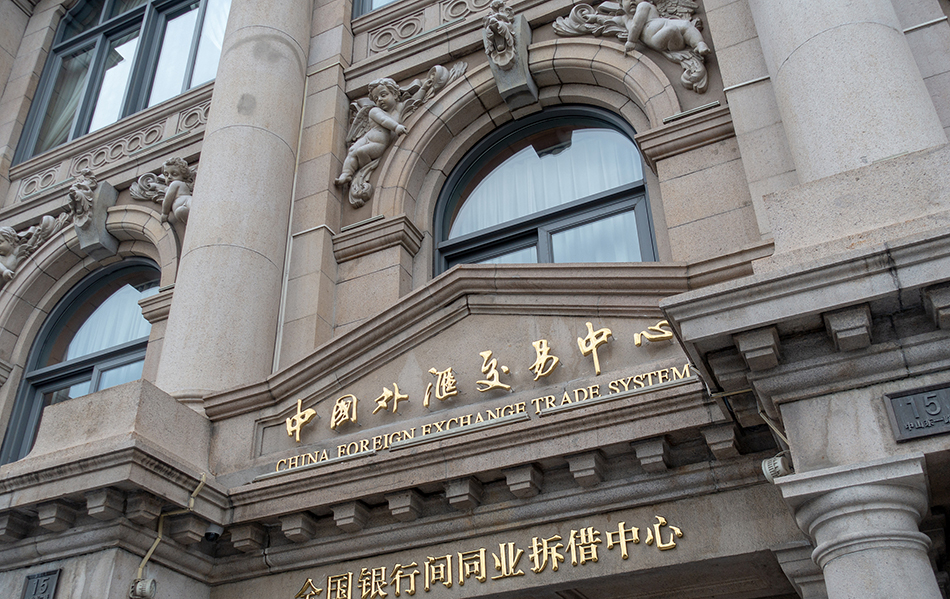
央行金融市场司司长高飞抵沪履新 任中国外汇交易中心党委书记
2 1 Shi Ji Jing Ji Bao Dao· 2025-10-30 01:54
Core Points - Gao Fei has been appointed as the Party Secretary of the China Foreign Exchange Trading Center, succeeding Huo Yingli, who has retired due to age [1] - Gao Fei previously held various positions within the Financial Market Department, including Deputy Director and Deputy Inspector [3] - The China Foreign Exchange Trading Center aims to enhance the internationalization of the domestic financial market and support the internationalization of the Renminbi [4] Group 1 - Gao Fei's appointment is expected to continue the push for further opening of the bond market to foreign investors, including exploring new custody models and improving risk hedging tools [3] - As of August 2025, 1,170 foreign institutions from 80 countries and regions have entered the Chinese bond market, holding approximately 4 trillion RMB [4] - The Trading Center serves as a crucial infrastructure for China's financial market, providing various services including issuance, trading, and post-trade processing [4][5] Group 2 - The Trading Center is responsible for daily market monitoring and the self-regulatory mechanisms for market interest rate pricing [5] - The current leadership team of the Trading Center includes Gao Fei as Party Secretary, Zhang Yi as President, and several Vice Presidents [5]