
技术创新

Search documents
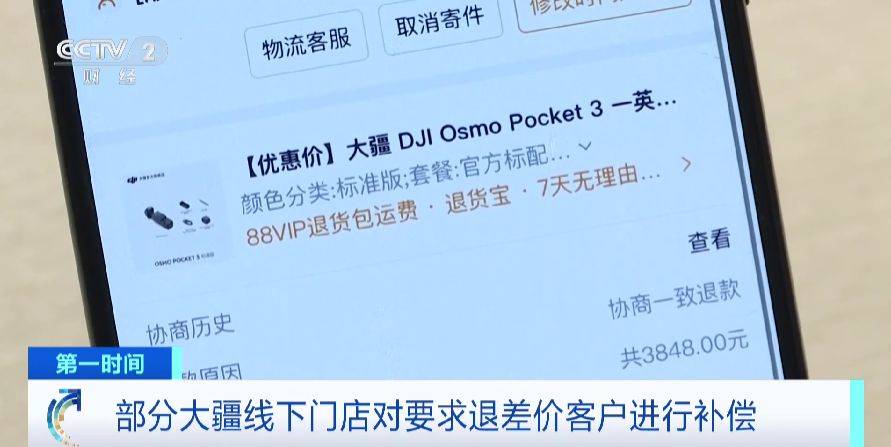
多款产品直降数百上千元 部分大疆线下门店对要求退差价客户进行补偿
Sou Hu Cai Jing· 2025-10-13 08:13
Core Viewpoint - DJI's recent price cuts on multiple products have sparked controversy among consumers, particularly regarding the differences in return policies between online and offline sales channels, reflecting a competitive market environment that necessitates technological innovation to enhance product value [1][3][9]. Pricing Strategy - DJI announced that the price reductions are part of a "Double Eleven" promotional event, but the disparity in return policies has led to ongoing discussions among consumers [1][3]. - Some offline stores have begun offering compensation in the form of peripheral products to customers who cannot receive price adjustments after the return period [3][5]. Consumer Feedback - A consumer reported purchasing the Osmo Pocket 3 for over 4600 yuan on September 30, only to see a price drop of 900 yuan shortly after, receiving a compensation package valued at approximately 360 yuan [5]. Market Competition - Industry experts indicate that the price cuts are driven by shortened product life cycles and intense market competition, with the handheld smart imaging device market projected to grow from 36.47 billion yuan in 2023 to 59.2 billion yuan by 2027 [11]. - The consumer drone sector is experiencing a shift towards models equipped with AI systems for autonomous navigation, which is expected to increase market share [13]. Future Trends - Companies are anticipated to transition from a pure hardware sales model to a "hardware + services" approach, emphasizing technological innovation and ecosystem development to maintain competitive advantages [13][15]. - The competition in the handheld imaging and consumer drone markets is viewed as healthy, with several Chinese brands holding strong positions globally, necessitating alignment with consumer demands to solidify market share [15].

前三季度民营企业进出口19.16万亿元 同比增长7.8%
Zhong Guo Xin Wen Wang· 2025-10-13 03:29
Core Insights - The core viewpoint of the news is that private enterprises in China have shown significant growth in import and export activities, demonstrating resilience and innovation in the face of external challenges. Group 1: Import and Export Performance - In the first three quarters of this year, private enterprises' import and export reached 19.16 trillion yuan, a year-on-year increase of 7.8%, with exports and imports growing by 8.8% and 5.9% respectively [1] - Private enterprises have been a stable "main force" in foreign trade, with their import and export activities showing continuous year-on-year growth for 22 consecutive quarters, contributing 4.3 percentage points to China's foreign trade growth [1] - The share of private enterprises in China's total foreign trade value reached 57%, an increase of 2 percentage points compared to the same period last year, maintaining their position as the largest foreign trade entity in the country [1] Group 2: Market Expansion - Private enterprises have been proactive in expanding markets, with import and export growth rates exceeding the overall level in over 180 countries and regions [2] - In terms of exports, private enterprises saw significant growth in emerging markets, with exports to ASEAN, Africa, and Central Asia increasing by 14%, 27.3%, and 11.8% respectively [2] - They have also successfully exported unique Chinese agricultural products and traditional foods to new markets, such as fresh pomelo to New Zealand and soup dumplings to Honduras [2] Group 3: Technological Innovation - Private enterprises are recognized as "pathfinders" in technological innovation, with a 15.3% increase in the export of high-tech products, accounting for 54.2% of the total export value of similar goods [2] - Approximately 80% of high-end machine tools, over 70% of lithium batteries, and nearly 60% of medical devices exported from China are produced by private enterprises [2] - The innovation and dynamism of private enterprises are providing new momentum for the development of foreign trade [2]
专访丨中国机器人产业跃升为全球制造业自动化的重要引擎——访国际机器人联合会主席伊藤孝幸
Xin Hua Wang· 2025-10-13 03:28
Core Insights - The Chinese robotics industry is rapidly developing and has become a crucial engine for global manufacturing automation [1][2] - China accounted for over 50% of the new industrial robots installed globally in 2024, with 295,000 units, significantly outpacing other countries [1] - The demand for robots in China is driving the growth of local manufacturers and enhancing international supply chains [1][2] Industry Developments - The modernization of China's manufacturing sector is accelerating the deepening and diversification of robot applications [2] - Strong demand for precision assembly robots is driven by the steady development of the electronics industry, while the metalworking sector is increasingly adopting welding and handling robot technologies [2] - Automation applications are rapidly growing in various industries, including metal processing, food, textiles, and wood processing, highlighting the structural upgrades in Chinese manufacturing [2] Future Outlook - The global robotics market is expected to maintain steady growth, with an average annual increase of about 10% in the coming years [3] - China will continue to be the most important and dynamic market in the robotics industry, with growth reflected in both quantity and technological innovation [3] - The expansion of application scenarios and improvement in technology within the Chinese robotics industry are reshaping manufacturing and injecting new vitality into the global robotics sector [3]

海关总署:截至今年三季度,民营企业进出口已连续22个季度同比增长
Sou Hu Cai Jing· 2025-10-13 03:12
Core Insights - The press conference highlighted the significant role of private enterprises in China's foreign trade, with a notable year-on-year growth in imports and exports, indicating their resilience and adaptability in a challenging external environment [1][3][4] Group 1: Import and Export Performance - In the first three quarters, private enterprises' import and export totaled 19.16 trillion yuan, marking a year-on-year increase of 7.8%, with exports and imports growing by 8.8% and 5.9% respectively [1][3] - Private enterprises contributed 4.3 percentage points to the overall growth of China's foreign trade, accounting for 57% of the total trade value, an increase of 2 percentage points from the previous year [3] Group 2: Market Expansion - Private enterprises have shown superior growth rates in trade with over 180 countries and regions, particularly in emerging markets such as ASEAN, Africa, and Central Asia, with export growth rates of 14%, 27.3%, and 11.8% respectively [3] - They have also successfully engaged in new markets by exporting unique products, such as fresh pomelo to New Zealand and soup dumplings to Honduras, thereby expanding the export of Chinese specialty agricultural products and traditional foods [3] Group 3: Innovation and Technology - The innovation capabilities of private enterprises have been a driving force for foreign trade, with high-tech product exports increasing by 15.3%, representing 54.2% of the total export value of similar products [4] - Private enterprises are responsible for nearly 80% of high-end machine tool exports, over 70% of lithium battery exports, and close to 60% of medical device exports, showcasing their critical role in high-tech sectors [4] - The customs authority plans to enhance clearance reforms, optimize regulatory services, and strengthen policy guidance to support the healthy and high-quality development of the private economy [4]
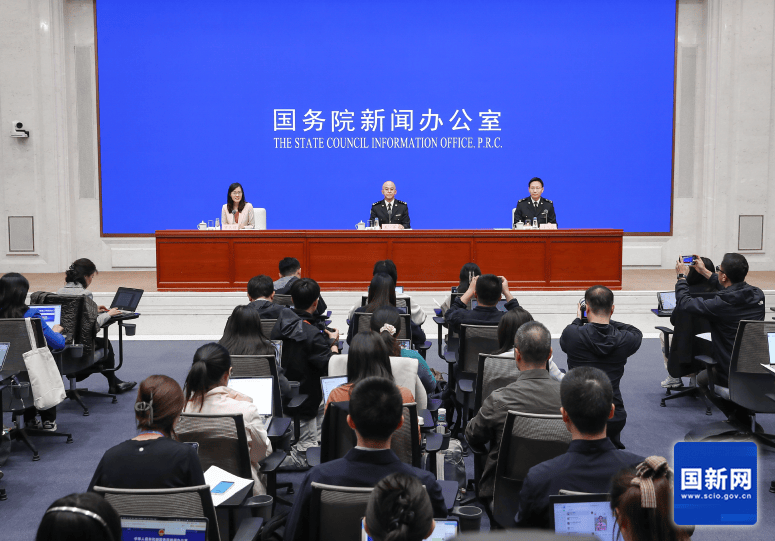
海关总署:前三季度民营企业进出口19.16万亿元,同比增长7.8%
Yang Shi Wang· 2025-10-13 02:46
Core Insights - The press conference highlighted the significant role of private enterprises in China's foreign trade, showcasing their resilience and growth amidst external challenges [1][2] Group 1: Import and Export Performance - In the first three quarters, private enterprises achieved an import and export volume of 19.16 trillion yuan, marking a year-on-year increase of 7.8%, with exports and imports growing by 8.8% and 5.9% respectively [1] - Private enterprises have maintained a continuous year-on-year growth in import and export for 22 consecutive quarters, contributing 4.3 percentage points to China's overall foreign trade growth [1] - The share of private enterprises in China's total foreign trade value reached 57%, an increase of 2 percentage points compared to the same period last year, solidifying their position as the largest foreign trade entity in the country [1] Group 2: Market Expansion - Private enterprises have expanded their market reach, with import and export growth rates surpassing the overall level in over 180 countries and regions [2] - Notable export growth was observed in emerging markets, with increases of 14% to ASEAN, 27.3% to Africa, and 11.8% to Central Asia, while traditional markets like the EU and Japan also saw growth exceeding the overall rate [2] - Private enterprises have actively engaged with overseas clients, marking new export initiatives such as fresh pomelo to New Zealand and soup dumplings to Honduras, thereby diversifying the export of unique agricultural products and traditional foods [2] Group 3: Technological Innovation - The innovation capabilities of private enterprises have surged, with high-tech product exports increasing by 15.3%, accounting for 54.2% of the total export value of similar products, a rise of 1.6 percentage points [2] - Approximately 80% of high-end machine tools, over 70% of lithium batteries, and nearly 60% of medical devices exported from China are produced by private enterprises [2] - The diverse range of products exported by private enterprises spans from super tankers to handheld devices, indicating their significant contribution to various sectors [2]
海关总署:前三季度,民营企业进出口19.16万亿元,同比增长7.8%
Xin Lang Cai Jing· 2025-10-13 02:36
Core Insights - The core viewpoint of the article highlights the significant role of private enterprises in China's foreign trade, showcasing their resilience and growth amidst external challenges [1] Group 1: Import and Export Performance - In the first three quarters, private enterprises' import and export reached 19.16 trillion yuan, a year-on-year increase of 7.8%, with exports and imports growing by 8.8% and 5.9% respectively [1] - Private enterprises have maintained a continuous year-on-year growth in import and export for 22 consecutive quarters, contributing 4.3 percentage points to China's overall foreign trade growth [1] - The share of private enterprises in China's total foreign trade value reached 57%, an increase of 2 percentage points compared to the same period last year, solidifying their position as the largest foreign trade entity in the country [1] Group 2: Market Expansion - Private enterprises have outperformed the overall level in import and export growth across over 180 countries and regions [1] - In terms of exports, growth rates to emerging markets such as ASEAN, Africa, and Central Asia were 14%, 27.3%, and 11.8% respectively, while traditional markets like the EU and Japan also saw growth exceeding the overall level [1] - Private enterprises have actively engaged with overseas clients, marking their first exports of fresh pomelo to New Zealand and soup dumplings to Honduras, thereby expanding the export market for China's specialty agricultural products and traditional foods [1] Group 3: Technological Innovation - The innovation vitality of private enterprises continues to surge, with high-tech product exports increasing by 15.3% in the first three quarters, accounting for 54.2% of the total export value of similar products in China, an increase of 1.6 percentage points [1] - Approximately 80% of high-end machine tools, over 70% of lithium batteries, and nearly 60% of medical devices exported from China are produced by private enterprises [1] - Private enterprises are involved in a wide range of sectors, from super tankers to handheld devices, and from industrial equipment to embodied intelligence, demonstrating their comprehensive participation in technological advancements [1] Group 4: Future Outlook - The Customs will continue to deepen customs clearance reforms, optimize regulatory services, and strengthen policy guidance to support private enterprises in their international endeavors, promoting healthy and high-quality development of the private economy [1]
中国亮出比稀土更狠的“底牌”,美方急忙解释,罕见言辞引发国际高度关注
Sou Hu Cai Jing· 2025-10-13 02:26
Group 1: Strategic Resources - China is leveraging its control over rare resources, particularly rhenium, which is crucial for modern aerospace technology, with 70% of global reserves held by China [3][5] - A new resource tracking system has been implemented in China, requiring digital traceability for exports of critical metals like gallium and germanium, complicating Western companies' ability to stockpile these resources [5][6] - China is establishing a tiered resource management system, with stricter controls on more scarce and strategically valuable resources, impacting Western supply chains that have relied on low-cost imports [5][6] Group 2: Semiconductor Industry - A Chinese company, Jingyan Technology, has developed carbon-based chips that outperform traditional silicon chips by three times and do not require EUV lithography, challenging Western technological dominance [6][8] - The semiconductor sector is witnessing a shift as China develops domestic alternatives for previously U.S.-dominated EDA software and high-end chips, indicating a full-chain breakthrough in semiconductor manufacturing [6][8] Group 3: Market Dynamics - China's recent antitrust investigation into Qualcomm, which derives 60% of its revenue from China, reflects a strategic move to assert market control, resulting in a significant drop in Qualcomm's market value [8][10] - Chinese policies are favoring domestic chip manufacturers through tax reductions and subsidies, allowing companies like Huawei and SMIC to gain market share at the expense of Western firms [8][10] - In the electric vehicle sector, BYD is not only producing vehicles in Europe but also setting battery technology standards, indicating a shift from merely selling products to defining market rules [8][10] Group 4: Changing Geopolitical Landscape - The recent shift in U.S. and European rhetoric towards China suggests a recognition of the deep interdependence in supply chains, as companies like Boeing and European automakers rely heavily on Chinese resources and technology [10][12] - The evolving dynamics indicate that China is transitioning from a passive participant in global trade to an active rule-maker, reshaping the competitive landscape [10][12]

道生天合IPO:乘新能源东风,铸高性能材料全球领先地位
Zhong Jin Zai Xian· 2025-10-13 01:52
Core Viewpoint - Daoshengtianhe Materials Technology (Shanghai) Co., Ltd. is set to list on the Shanghai Stock Exchange, marking a significant milestone in its development and reflecting the capital market's recognition of the potential of high-performance new materials in the clean energy sector [1] Group 1: Business Overview - Daoshengtianhe has focused on the research, production, and sales of new materials since its establishment in June 2015, with products including epoxy resins, polyurethanes, acrylics, and organic silicones [2] - The company has developed three main product lines: materials for wind turbine blades, resins for new composite materials, and adhesives for new energy vehicles and industrial applications [2] - Its high-performance materials are widely used in green energy sectors such as wind power, new energy vehicles, energy storage, and hydrogen energy, as well as in critical industrial fields like aviation and oil extraction [2] Group 2: Financial Performance - The company's revenue for 2022, 2023, and 2024 is reported at 3.44 billion yuan, 3.20 billion yuan, and 3.24 billion yuan respectively, with net profits of 110.48 million yuan, 154.81 million yuan, and 154.83 million yuan during the same period [2] - The net profit attributable to the parent company, excluding non-recurring gains and losses, also shows steady growth, with figures of 103.97 million yuan, 132.81 million yuan, and 135.75 million yuan [2] Group 3: Future Growth Expectations - For the first nine months of 2025, the company anticipates a significant increase in operating performance, with projected revenue growth of 22.32% to 27.03% and net profit growth of 48.21% to 58.43% [3] - This expected growth is attributed to strong production and sales during that period, indicating a competitive advantage in the new energy application materials market [3] Group 4: Technological Innovation - As a national high-tech enterprise, Daoshengtianhe's core competitiveness lies in its continuous investment in research and development, having obtained 69 patents, including 38 invention patents [4] - The company holds a prominent market position in wind turbine blade materials, with its products significantly outperforming domestic competitors [4] - Daoshengtianhe is the only Chinese company supplying both epoxy resins and structural adhesives to the international wind turbine giant Vestas, showcasing its influence in the global wind energy market [4] Group 5: Expansion and Investment Plans - The IPO proceeds will be invested in key projects, including a high-end adhesive and composite materials resin system project with an annual production capacity of 56,000 tons [6] - This project is expected to generate an average annual revenue of 1.25 billion yuan and a net profit of 170.72 million yuan, with an internal rate of return of 19.24% [6] - The successful implementation of these projects is anticipated to enhance the company's production capacity, optimize product structure, and strengthen its core competitiveness [7] Group 6: Strategic Vision - Daoshengtianhe aims to continue its globalization strategy, focusing on technological innovation in key areas such as adhesives for new energy vehicles and materials for wind and solar applications [7] - The company plans to expand its market presence in sectors like photovoltaics, consumer electronics, semiconductors, and 5G communications, while establishing a global marketing network [7] - The successful IPO is expected to significantly support the company's goal of becoming a leading global comprehensive new materials enterprise [7]
一顿分析猛如虎,涨跌全靠特朗普!下周的风险与机会!
Qi Lu Wan Bao· 2025-10-12 06:43
Core Viewpoint - Trump's threats to impose additional tariffs on Chinese goods have triggered significant market turmoil, leading to substantial losses in global stock markets, particularly in the U.S. [1][2] Tariff Policy Overview - The Trump administration has implemented a multi-layered tariff system since 2025, with recent tariffs including a 100% tariff on brand and patent drugs, 50% on steel and aluminum products, and an additional 100% on all Chinese goods effective November 1 [1][2][3] - The automotive sector is particularly affected, with tariffs aimed at reshaping the North American automotive supply chain [4] Industry Policy Direction - The pharmaceutical industry is targeted with a 100% tariff to promote domestic production [3] - The steel, aluminum, and copper industries face a 50% tariff to support the revival of the U.S. steel industry [3] Risk Sectors - The consumer electronics sector is identified as a major risk area due to potential supply chain disruptions [4] - The semiconductor industry faces dual challenges from tariffs and technology restrictions, significantly increasing production costs and hindering technological advancements [4] - The machinery equipment sector is experiencing a sharp decline in export orders, with tariffs leading to potential cancellations and increased costs [5] - The automotive parts industry is under pressure from automakers, with predictions of a significant drop in global automotive profits due to tariffs [6] Opportunities - The rare earth permanent magnet sector is seeing a strategic revaluation due to China's export controls, which could lead to price increases [7][8] - The defense and military industry is expected to benefit from increased defense budgets amid geopolitical tensions [11][12] - The agricultural sector is positioned to gain from import tariffs on U.S. agricultural products, driving domestic prices up [12][13] Strategic Responses - China has implemented comprehensive countermeasures against U.S. tariffs, including export controls on rare earth materials, which could reshape global resource competition [17] - The tariff policies are expected to lead to a restructuring of supply chains, with a shift towards regionalization and localization of production [19] Conclusion - Trump's tariff policies are reshaping global trade dynamics and industry landscapes, creating both challenges and structural investment opportunities in various sectors [19][20]
依靠技术创新与标准引领,推动光伏市场良性出清
Zhong Guo Jing Ying Bao· 2025-10-12 06:22
Core Insights - The photovoltaic industry is facing severe "involution" issues, characterized by irrational price competition due to supply-demand imbalances, leading to widespread losses among companies [1][2] - The Ministry of Industry and Information Technology emphasizes the need for industry governance to prevent non-rational competition from destroying enterprises and the industry [1] - Efforts to combat "involution" have begun to show results, but challenges remain in clearing excess capacity and improving supply-demand relationships [2] Supply-Demand Imbalance - The root cause of "involution" is the supply-demand imbalance, exacerbated by aggressive expansion from some companies and blind project approvals by local governments since 2020 [1] - The China Photovoltaic Industry Association projects that by 2024, global capacities for polysilicon, silicon wafers, battery cells, and modules will reach 3.249 million tons, 1394.9 GW, 1426.7 GW, and 1388.9 GW respectively, while new installations will only be 530 GW [1] Industry Losses - Since Q4 2023, some photovoltaic companies have reported losses, which have quickly spread throughout the entire industry chain, resulting in an industry-wide loss situation [2] - The "anti-involution" actions initiated in H2 2024 include industry self-discipline, production cuts, and price controls to prevent sales below cost [2] Challenges in Capacity Clearance - The difficulty in clearing excess capacity is attributed to coordination challenges among private enterprises, local government protections, and unclear exit regulations [2] - Local governments face pressures related to employment and tax revenue, complicating their ability to implement necessary reductions in capacity [2] Standards and Quality Improvement - National authorities are promoting standards to enhance competition thresholds and accelerate the exit of outdated capacities [3][4] - The introduction of new energy consumption standards is expected to significantly improve the supply-demand landscape for polysilicon [4] Technological Innovation - In a market characterized by widespread losses, companies must shift from "involutionary" low-price competition to value-driven competition through technological innovation [6] - Companies like Longi Green Energy emphasize the need for increased R&D investment and original technology breakthroughs to transition from a manufacturing hub to an innovation hub [6] Intellectual Property and Market Dynamics - The current expansion and technological homogenization in the photovoltaic sector are partly due to weak intellectual property awareness [7] - Companies are increasingly focusing on technology licensing and cross-licensing to create a more orderly market competition [7] Product Differentiation and Market Strategy - Companies are adopting differentiated strategies, such as JinkoSolar's product iterations to enhance power output and achieve sales premiums [7] - Longi Green Energy and Aiko Solar are focusing on BC technology for competitive differentiation, with Aiko reporting a 400% year-on-year increase in ABC component shipments in H1 2025 [7]
