创新驱动发展

Search documents
世盟股份备受关注,现在上市了没?
Sou Hu Cai Jing· 2025-11-18 10:29
Core Insights - The focus on quality enterprises reflects market recognition and expectations for sustained expertise in their fields [1][3] - Companies that prioritize internal capabilities and long-term value creation over rapid growth are more likely to gain market respect [3] Group 1: Company Growth and Market Expectations - Companies' growth follows an inherent rhythm, requiring careful nurturing and adherence to natural cycles [1] - Investors are increasingly valuing sustainable business models, continuous innovation, and sound governance structures [1][3] Group 2: Value Creation and Industry Contribution - The value of a company is multidimensional, encompassing not only market performance but also contributions to technological advancement, customer service, and industry ecosystems [3] - Maintaining strategic focus amidst market expectations is crucial for companies to deliver tangible results and uphold trust [3] Group 3: Long-term Development Philosophy - The capital market favors companies that embrace long-termism and focus on core innovation, even if their paths are not the quickest [3] - Over time, the true value of companies will emerge, particularly those that consistently create value and drive industry progress [3]


南华期货:以创新服务实体经济 用担当践行社会责任
Qi Huo Ri Bao Wang· 2025-11-17 01:31
Core Viewpoint - Nanhua Futures has established a unique path for high-quality development by focusing on "serving the real economy" and "innovation-driven development" in the rapidly growing futures industry [1] Group 1: Business Model Innovation - Nanhua Futures has been deeply engaged in the futures industry for over 20 years, focusing on derivative business as its core, while actively promoting innovative business development [2] - The company has developed a comprehensive financial service platform that includes futures brokerage, asset management, basis trading, OTC derivatives, and public fund services, providing one-stop financial services for clients [2] - Nanhua Futures has helped enterprises transition from passive risk acceptance to proactive risk management, significantly aiding in the high-quality development of businesses [2] Group 2: Internationalization Efforts - Nanhua Futures has made significant strides in internationalization, recently becoming a clearing member of the Intercontinental Exchange (ICEU) in the UK, further expanding its global clearing layout [3] - The company is one of the earliest in the domestic futures industry to pursue internationalization, with a broad overseas financial service network covering Asia, North America, and Europe [3] - Nanhua Futures aims to support Chinese enterprises going global by leveraging its global exchange clearing advantages and enhancing service processes for physical delivery needs [3] Group 3: Social Responsibility and Brand Value - Nanhua Futures has actively engaged in rural revitalization efforts, establishing a leadership group to explore ways to leverage its industry characteristics for local economic development [4] - The company has implemented various forms of assistance, including education and consumption support, to contribute to rural revitalization and has seen significant results in underdeveloped areas [4] - Nanhua Futures has built a strong brand image through extensive media outreach, with over 4,587 content pieces published and 1.068 billion views in domestic media, enhancing its brand value [5] Group 4: Investor Education and Industry Responsibility - Nanhua Futures has committed to enhancing investor education through various channels, including lectures and live broadcasts, to help investors understand the futures market and legal regulations [6] - The company has developed original educational content that has received multiple awards, further solidifying its reputation in the industry [6] - Nanhua Futures' brand-building efforts have increased its attractiveness and influence within the market, contributing to a positive social image [6]

铺就创新型中小企业快速成长路——写在北交所开市四周年之际
Zheng Quan Ri Bao· 2025-11-14 16:07
Core Insights - The Beijing Stock Exchange (BSE) has marked its fourth anniversary, demonstrating significant support for innovative small and medium-sized enterprises (SMEs) through robust policies and systems [1][3] - Nearly 80% of listed companies on the BSE are SMEs, with over half classified as national-level "specialized and innovative" enterprises, confirming the BSE's role as an "innovation cradle" [1] - In the Q3 2025 report, 82.44% of the 279 listed companies reported profits, with 60.57% showing year-on-year revenue growth and 46.95% achieving net profit growth, indicating strong operational performance [1] - The average R&D intensity of BSE-listed companies is 4.5%, surpassing the average of larger enterprises by 2.86 percentage points, highlighting a strong focus on innovation [1] Industry Support and Future Outlook - The BSE aims to attract more high-growth innovative SMEs, relying on collaboration among regulatory bodies, financial institutions, and listed companies to achieve this goal [2] - Regulatory bodies are encouraged to optimize the ecosystem for innovative SMEs, enhance multi-level capital market collaboration, and address financial support challenges for technology innovation [2] - Financial institutions should provide comprehensive financial services throughout the business lifecycle, focusing on high-quality enterprises that align with national strategies [2] - Listed companies are urged to prioritize innovation as a core strategy, increase R&D investment, and improve resource allocation to maintain competitive advantages and sustainable development [2] Strategic Importance - The BSE has established itself as a vital force in supporting technological innovation within the capital market, with expectations to further enhance its institutional advantages [3] - The BSE is positioned to facilitate high-level circulation between technology, capital, and the real economy, contributing to the new development pattern [3] - The future of the BSE is viewed as promising, with significant potential for growth and impact in the market [4]
国家发改委就《国家新兴产业创新中心管理办法(征求意见稿)》等公开征求意
仪器信息网· 2025-11-14 09:07
Core Viewpoint - The article discusses the draft management measures for the National Emerging Industry Innovation Center and the National Industrial Technology Engineering Center, emphasizing the importance of integrating technological and industrial innovation to support national development strategies [2]. Group 1: National Policy Initiatives - The National Development and Reform Commission has drafted management measures to promote the establishment and operation of innovation centers [2]. - The draft encourages the inclusion of major technological equipment, new materials, and high-end software developed by these centers in the government green procurement list [2]. - The centers are mandated to procure domestic instruments, industrial software, and operating systems [2]. Group 2: Financial Support and Investment - The National Development and Reform Commission will organize applications for national subsidy funds based on operational evaluation results of the innovation centers [2]. - Financial institutions, investment funds, and other social capital are encouraged to invest in the innovation centers [2]. - Companies and entrepreneurs are also encouraged to contribute to the construction and operation of these centers [2].

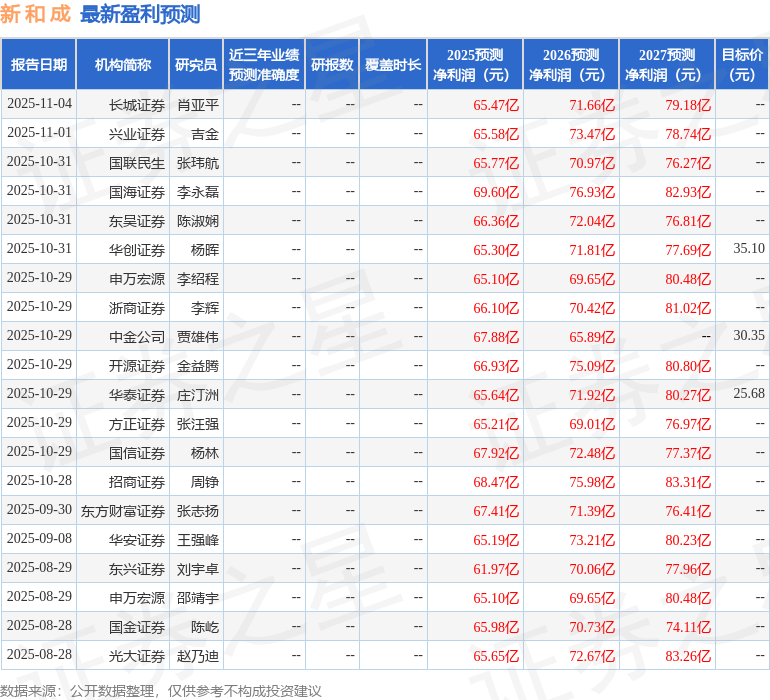
新和成:11月11日组织现场参观活动,长城证券、遂玖投资等多家机构参与
Sou Hu Cai Jing· 2025-11-12 11:13
Core Viewpoint - The company, Xinhecheng (002001), has demonstrated steady growth in revenue and net profit, with a focus on innovation and expansion across its various business segments, including nutrition products, pharmaceuticals, and new materials [2][10]. Group 1: Company Overview - The company operates two main platforms: "Chemicals+" and "Biology+", with significant potential for growth in both areas [2]. - The research and development system is structured around three levels: science, technology, and application, emphasizing the importance of scientific discovery in driving technological advancements [2]. - For the first three quarters of 2025, the company reported a total revenue of 16.642 billion yuan, a year-on-year increase of 5.45%, and a net profit attributable to shareholders of 5.321 billion yuan, up 33.37% [2][10]. Group 2: Nutrition Products - The nutrition segment is the largest business area, encompassing both animal and human nutrition products, including a variety of vitamins and amino acids [2]. - Key products in the human nutrition category include Vitamin D3, Vitamin E, Vitamin C, Coenzyme Q10, and others, with a focus on expanding applications in the food and beverage sectors [2]. Group 3: Methionine Production - The company has a current production capacity of 300,000 tons for solid methionine, with an expansion project of 70,000 tons approved and progressing well [3]. - A joint venture with Sinopec for a liquid methionine project is also in the process of resuming production, indicating a strong outlook for methionine demand driven by global population growth and health awareness [3]. Group 4: Biochemical Fermentation - The company is optimistic about the future of its biochemical fermentation segment, which includes products like Vitamin C and various amino acids [4]. - Plans are in place to expand into new products within the fermentation category, targeting applications in nutrition, amino acids, and potentially new materials [4]. Group 5: Pharmaceutical Raw Materials - The pharmaceutical raw materials segment focuses on high-quality vitamin series and other active pharmaceutical ingredients, providing essential services to pharmaceutical companies [5]. - The company has successfully registered and industrialized a new eye drop formulation, showcasing its commitment to innovation in the pharmaceutical sector [5]. Group 6: New Materials - The company aims to become a key player in the new materials industry, focusing on high-performance polymers and critical intermediates [6]. - The new materials segment is expected to benefit from significant market demand in sectors such as renewable energy, semiconductors, and advanced manufacturing [6]. Group 7: Capital Expenditure and Future Projects - The company is actively pursuing capital expenditures for new product launches and ongoing projects, including a nylon new materials project in Tianjin [10]. - Future capital expenditures will be aligned with market conditions and specific project developments, indicating a strategic approach to growth [10]. Group 8: Financial Performance - In Q3 2025, the company reported a single-quarter revenue of 5.541 billion yuan, a decrease of 6.66% year-on-year, and a net profit of 1.717 billion yuan, down 3.8% [10]. - The overall financial health is reflected in a debt ratio of 28.25% and a gross profit margin of 45.55% [10].

今日视点:从最新数据透视经济新动向
Zheng Quan Ri Bao· 2025-11-09 22:51
Core Viewpoint - The articles highlight the resilience and vitality of China's economy, emphasizing the importance of high-level opening-up and consumption as key drivers for economic growth [1][2][3][4]. Group 1: Economic Data and Trade - In the first ten months of the year, China's total import and export value reached 37.31 trillion yuan, a year-on-year increase of 3.6%, with exports at 22.12 trillion yuan (up 6.2%) and imports at 15.19 trillion yuan (essentially flat) [1]. - The structure of exports has upgraded, with mechanical and electrical products accounting for 60.7% of total exports, amounting to 13.43 trillion yuan, reflecting a shift towards higher value-added products [1]. - China's goods trade has maintained its position as the world's largest for eight consecutive years, with service trade projected to exceed 1 trillion USD in 2024, ranking second globally [2]. Group 2: Consumption and Market Dynamics - Consumption contributes approximately 60% to economic growth annually, showcasing its role as a primary engine for economic development [3]. - The Producer Price Index (PPI) decreased by 2.1% year-on-year in October, with a narrowing decline, indicating the effectiveness of policies aimed at boosting consumption [3]. - The e-commerce logistics index for October was reported at 113.1, reflecting a 0.4-point increase from the previous month, indicating a recovery in logistics activity [3]. Group 3: Policy and Future Outlook - The recent guidelines emphasize the importance of boosting consumption as a priority in building a strong domestic market and accelerating the new development pattern [4]. - New consumption trends and business models are emerging, driven by policies and market dynamics, which are expected to further stimulate domestic demand and economic growth [4]. - The ongoing development of new economic sectors, such as emotional economy and pet economy, illustrates the vibrant potential of China's consumer market [4].
诺力昂频频投资中国的逻辑:以创新撬动高增长市场
Jing Ji Guan Cha Wang· 2025-11-08 03:20
Core Viewpoint - Nouryon has established its first innovation center in China, located in Shanghai, marking a significant investment in the region and a strategic move to enhance local customer engagement and innovation capabilities [2][4][6]. Investment and Expansion - The Shanghai innovation center, which officially opened on November 7, 2025, represents a total investment of $5 million and spans 1,649 square meters, doubling the size of previous facilities and adding over 150 new pieces of equipment [3][6]. - Nouryon has been increasing its investments in China, including a recent capacity expansion at its Jiaxing production base, which doubled the production capacity of triethylaluminum [6][8]. - Future plans include establishing an organic peroxide innovation center in Tianjin in 2026 and starting production of modified methylaluminoxane (MMAO) in 2027 [6][8]. Innovation and Market Focus - The Shanghai innovation center features eight specialized laboratories focused on high-growth market segments such as personal care, agriculture, and coatings, which are expected to drive Nouryon's future development in China [4][5]. - The innovation center allows for real-time interaction with customers, enabling tailored solutions to meet local demands more efficiently compared to previous reliance on European or American centers [4][5]. Market Dynamics - Despite a global economic downturn, Nouryon is capitalizing on growth opportunities in the specialty chemicals market, where certain segments are experiencing increased demand [6][7]. - The company is focusing on innovative and environmentally friendly products to replace traditional ones, with specific applications in rapidly growing markets such as biodegradable adhesives and insulin-related pharmaceuticals [7][8]. Regional Importance - The AMEA (Asia, Middle East, and Africa) market, particularly China, accounts for approximately 25% of Nouryon's global sales revenue, growing at a rate of 4% to 5% annually [8]. - China is viewed as the most critical production and sales market for Nouryon in the Asia-Pacific region, surpassing India and Southeast Asia in importance [8].

千年之城拔节生长
Zhong Guo Jing Ying Bao· 2025-11-07 19:39
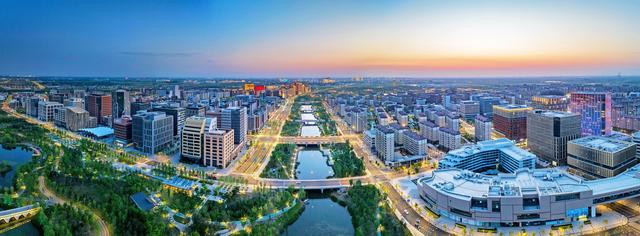
Core Insights - Xiong'an New Area is transitioning from a grand blueprint to a tangible city with the establishment of central enterprise headquarters and high-tech industry clusters, marking a significant phase in its development [3][4] - The focus of Xiong'an's development has shifted towards high-quality construction, high-level management, and effective functional relief from Beijing, emphasizing a solid foundation for future growth [3][5] Industry Development - Over 200 high-tech enterprises have settled in Xiong'an, with key industries including satellite internet, artificial intelligence, and new materials being prioritized for development [4][6] - The aerospace information and satellite internet sectors are identified as foundational industries, with 62 companies already established in the aerospace information field [6] Ecological Progress - Xiong'an has implemented an ecological-first approach, achieving a forest coverage rate increase from 11% to 35% and planting 481,000 acres of trees as part of the "Thousand-Year Forest" project [8] - The water quality of Baiyangdian has remained stable at Class III for four consecutive years, with significant improvements in biodiversity, including an increase in wild bird species [8] Social Development - Xiong'an is enhancing public services, including education, healthcare, and elderly care, while creating job opportunities through traditional industry upgrades, providing over 400,000 job openings [9] - The area is actively promoting urban-rural integration and has established various agricultural and digital innovation centers [9] Urban Planning and Infrastructure - Xiong'an is developing a comprehensive transportation network and utilizing underground space to alleviate urban issues, aiming to create a future city without "urban diseases" [11][12] - As of now, Xiong'an has developed nearly 215 square kilometers, with a total construction area of 55.88 million square meters and 5,127 buildings completed [12]
从“专利成果”到“生产力引擎”:知识产权事业加速迈向高质量发展(人民网)
Ren Min Wang· 2025-11-06 09:12
Core Insights - The 14th China International Patent Technology and Products Trade Fair was held in Dalian from October 13 to 15, showcasing innovation and the transition of China's patent industry from quantity accumulation to quality enhancement [1][2] Group 1: Event Overview - The event featured 317 exhibitors from 14 countries and regions, highlighting China's innovation vitality and industrial transformation [1] - The National Intellectual Property Administration emphasized the importance of patent commercialization and its role in high-quality development, with significant policy measures implemented since the launch of a special action plan in 2023 [1] Group 2: Patent Commercialization Achievements - As of August 2023, there were 1.154 million patent transfer and licensing registrations nationwide, with 142,000 from universities and research institutions, and a 53.3% industrialization rate for enterprise invention patents [1] - The special action plan has successfully transformed dormant patents into marketable products, reflecting a significant shift in innovation outcomes [2] Group 3: Innovations on Display - The event showcased cutting-edge technologies, including an intelligent chemical model from the Dalian Institute of Chemical Physics, which aims to revolutionize traditional chemical development processes [3] - Notable innovations included humanoid robots and surgical robots, demonstrating the integration of AI and advanced manufacturing technologies [3] Group 4: Local and International Impact - Liaoning Province has been actively promoting patent innovation, with an annual growth rate of over 35% in patent transfers and a total output value of patent-intensive products exceeding 17 billion yuan [5] - China has become the fourth largest source of patent applications to the European Patent Office, with a significant increase in applications since 2018, particularly in battery technology and digital communications [5][6] Group 5: Historical Context and Future Outlook - Since its inception in 2002, the trade fair has seen over 10,000 participating units and more than 1 million attendees, facilitating significant economic and trade cooperation in innovation [6] - The event serves as a crucial platform for the exchange of innovative achievements and economic collaboration, driving China's high-quality development through continuous innovation [6]

21社论丨需完善“投资于人”的财政保障机制
21世纪经济报道· 2025-11-06 00:11
Core Viewpoint - The article emphasizes the importance of "investment in people" as a strategic approach to drive economic transformation and enhance human capital, which is essential for sustainable development and competitiveness in the context of China's modernization [1][5]. Group 1: Investment in Human Capital - "Investment in people" is crucial for transforming the vast potential of China's 1.4 billion population into a driving force for domestic circulation, focusing on enhancing individual capabilities and safeguarding rights [1]. - The shift from capital-intensive to talent-intensive industries highlights the changing nature of human capital, where knowledge, skills, and innovation capabilities are now the core values [1][2]. - A comprehensive capability development system covering the entire life cycle is necessary, including reforms in basic education, higher education, and vocational training to align with new industrial demands [2]. Group 2: Human Capital as a Consumer Driver - "Investment in people" not only enhances supply-side quality but also activates the consumer market, facilitating internal circulation [2]. - Cultivating innovative talent leads to the creation of new technologies and industries, generating new consumption scenarios and products, thus stimulating previously non-existent consumer demands [2]. - As individual capabilities improve, consumer demand shifts from basic needs to higher-quality lifestyle pursuits, driving growth in sectors like education, culture, tourism, and health [2]. Group 3: Enhancing Consumer Capacity - A systematic policy approach is needed to enhance consumer capacity, focusing on employment promotion, income increase, and stabilizing expectations [3]. - Employment policies should prioritize new economies and industries to achieve higher quality employment, while income distribution reforms should increase labor compensation and expand the middle-income group [3]. - Fiscal spending should be optimized to prioritize public welfare, ensuring that more funds are directed towards essential services like education, healthcare, and elderly care [3]. Group 4: Long-term Mechanisms for Investment - "Investment in people" requires long-term and systematic efforts, including establishing stable fiscal mechanisms that align with population movements and development needs [4]. - Local government performance evaluation systems should incorporate metrics related to human capital accumulation and public welfare improvements [4][5]. - Collaborative efforts among government, enterprises, and society are essential for building infrastructure in education, healthcare, and elderly care sectors [5].