
投资于人

Search documents
2025年GDP前瞻:全年5%左右目标可完成,国务院领导密集下地方调研
Hua Xia Shi Bao· 2026-01-16 12:56
Economic Outlook - In 2025, China's economy is expected to demonstrate resilience despite complex international circumstances, with a projected growth rate of around 5% [2] - Predictions indicate that by the end of 2026, the growth rate will gradually recover from 4.5% in Q4 2025 to 5.1%, with an annual growth rate of approximately 4.8% [3] Policy Initiatives - The Chinese government is focusing on technology innovation, green transformation, and improving people's livelihoods as part of its economic strategy [2] - Significant investments are being made in infrastructure projects, with a total of 2.95 billion yuan allocated for early 2026 projects, including 2.2 billion yuan for key areas like urban underground networks and high-standard farmland [6] Consumer Demand - There is a recovery in consumer sentiment, although challenges remain due to income levels and expectations [5] - The upcoming Spring Festival is anticipated to boost service consumption, with historical data indicating that tourism revenue during this period significantly contributes to quarterly averages [5] Investment Strategies - The government is emphasizing both "investment in things" and "investment in people," highlighting the importance of human capital development alongside physical infrastructure [8] - There is a call for debt restructuring to enhance fiscal sustainability and support for people's livelihoods [7]

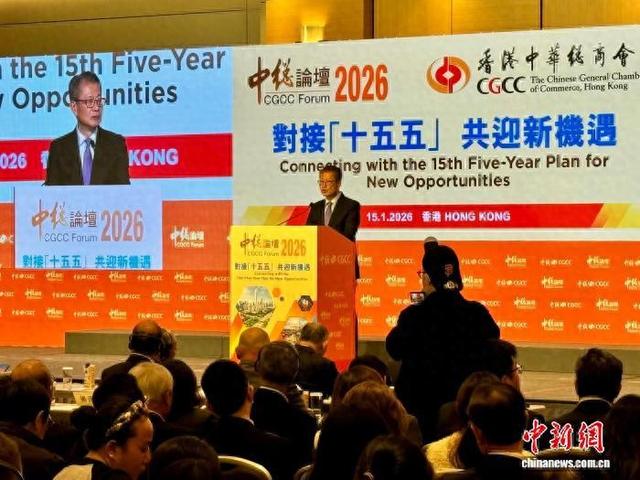
“中总论坛2026”在港举办 共商对接国家“十五五”规划新机遇
Xin Hua She· 2026-01-16 08:07
Group 1 - The forum "China General Chamber of Commerce Forum 2026" focused on Hong Kong's economic outlook and the opportunities presented by the national "14th Five-Year Plan" [1] - The President of the Hong Kong General Chamber of Commerce emphasized the importance of Hong Kong's role in the national development blueprint, particularly in enhancing its position as an international financial, shipping, and trade center [1] - The Financial Secretary of the Hong Kong SAR Government highlighted the need for Hong Kong to actively seek change and create new opportunities in the context of the "14th Five-Year Plan" [1] Group 2 - A key discussion point was the need to enhance consumer spending and increase public service supply, particularly in areas like elderly care, healthcare, and education, to alleviate family burdens and promote income equity [2] - The concept of "investing in people" was emphasized, covering all demographics and life stages, including support for childbirth, improving educational accessibility, enhancing vocational training, and better labor market matching [2] Group 3 - The forum included a dialogue session where participants engaged in in-depth discussions about the opportunities for Hong Kong under the "14th Five-Year Plan" [3]
【数说经济】“公共服务随人走”意味什么
Jing Ji Ri Bao· 2026-01-16 07:22
Core Insights - The State Council's recent meeting emphasizes the transition from household registration-based public service provision to residence-based services, aiming to address the urgent needs of the unregistered permanent population [1][2] - The shift will allow unregistered residents to access equal public services in education, healthcare, social security, and housing, breaking the rigid link between public services and household identity [1][2] Group 1: Demographics and Needs - The unregistered permanent population is primarily composed of new-generation migrant workers who are better educated and more eager to integrate into urban life [2] - There is a growing trend of families migrating together rather than individuals, leading to increased demand for comprehensive public services related to education, healthcare, and housing [2] - Major inflow areas include developed eastern coastal regions and key city clusters, resulting in significant public service supply-demand imbalances in these regions [2] Group 2: Economic Implications - Providing public services based on residence is crucial for unlocking domestic demand and increasing investment in human capital [3] - Research indicates that once farmers transition to urban permanent residents, their per capita consumption can increase by 30%, with an additional 30% increase after settling in urban areas [3] - A 1% increase in urbanization rate can generate over 200 billion yuan in consumer demand and more than 1 trillion yuan in investment demand [3] Group 3: Policy Implementation - The meeting outlines targeted measures to address pressing issues in education, housing, and social security, including improving policies for the education of migrant children and expanding public rental housing [3][4] - Emphasis is placed on a scientific and regionally tailored approach to policy implementation, allowing for local exploration while maintaining a unified national policy framework [3][4] - The reform aims to enhance the attractiveness and livability of cities, shifting the focus from GDP and large projects to human-centric development and overall quality of life [4]
陈春花:AI时代,更需要投资于人
Jing Ji Guan Cha Wang· 2026-01-16 00:36
Core Insights - The era of AI emphasizes the unique value of "human" as organizations face fundamental questions about their survival and prosperity in a technology-driven landscape [2][3] - Investing in people is identified as the most urgent strategic action for organizations to thrive in the AI era [2] Group 1: The Value of "Human" in the AI Era - The rapid development of AI highlights the distinct value of human activities, which are now fully economicized, including interpersonal interactions and self-awareness activities [4] - The revolution in the value of time shifts the focus from efficiency to meaning, requiring organizations to understand and adapt to the new value propositions of younger generations [6] - The logic of growth has fundamentally reversed, with organizations now facing challenges of uncertainty and value reconstruction, necessitating a shift from competition to co-creation and symbiosis [8] Group 2: New Dimensions of "Investing in People" - "Investing in people" transcends traditional training, encompassing a profound value restructuring across three dimensions: continuous skill reshaping, building meaning over efficiency, and fostering deep trust between humans and technology [9][10][11][12] - Organizations must liberate employees from outdated views of them as mere costs and recognize them as valuable human capital [10] - The shift from efficiency to meaning requires organizations to create environments that stimulate curiosity and creativity, allowing employees to find personal significance in their work [11] Group 3: Understanding Organizational Evolution - The evolution of organizations is marked by a transition to "teal organizations," which focus on consciousness and the pursuit of meaningful work, aligning with the values of the AI era [13] - A systematic analysis framework is necessary to understand organizational behavior, emphasizing the interplay of cultural cognition, normative institutions, and regulatory frameworks [13] - The concept of "symbiosis" is reinforced through mutual benefit, value co-creation, and overall evolution, highlighting the importance of viewing employees as value creators [13] Group 4: Practical Pathways to Empowerment - Many companies fall into the trap of prioritizing technology over talent, leading to a gap between advanced systems and employee capabilities [14] - Companies like Dongpeng Beverage exemplify a human-centered digital transformation, prioritizing employee capability development alongside technological upgrades [15] - The investment in people is illustrated through comprehensive training programs that enable employees to leverage data and technology effectively, transforming their roles and enhancing organizational value [15][16] Group 5: Towards a Symbiotic Organization - The core characteristics of a "symbiotic organization" include co-creation, evolution, and resilience, redefining organizational goals to balance economic and humanistic values [17] - Organizational boundaries are becoming fluid and open, emphasizing energy exchange rather than rigid structures [18] - The role of HR must evolve to become architects of the symbiotic ecosystem, empowering employees and facilitating human-AI collaboration [19] Conclusion - The advent of AI prompts a profound inquiry into the essence of "life value," urging organizations to invest in people as a response to the challenges of the digital age [20] - The journey towards a symbiotic future requires strategic foresight and a commitment to continuous investment in employee development and meaning construction [20]

香港各界热议对接“十五五”规划
Xin Lang Cai Jing· 2026-01-15 14:20
中新网香港1月15日电 (记者 魏华都)15日,香港中华总商会在香港会议展览中心举行主题为"对接'十五 五' 共迎新机遇"的论坛。会上,香港特区政府财政司司长陈茂波与工商界人士、学者,共同探讨香港 如何在"十五五"规划期间发挥优势。 今年是"十五五"规划开局之年。陈茂波表示,"十五五"规划建议公布后,有几个重点对于香港来说是值 得留意的,一是国家扩大高水平双向开放,二是高水平科技自立自强,三是优化区域经济布局,四是加 快经济社会发展全面绿色转型。 香港中华总商会会长蔡冠深表示,香港工商界要强化连接内地与海外的枢纽角色,提升现代服务业竞争 力,建立跨境资金与投资平台,为内地企业有效、有序、安全"出海"提供全方位支援,并加强与粤港澳 大湾区、京津冀及长三角地区合作,推动高端服务业协同发展,为香港未来发展探索更多新商机。 中国社会科学院学部委员蔡昉认为,"十五五"规划强调从"投资于物"转向"投资于人",以支撑中国式现 代化,以内需进一步推进经济发展,提升居民消费,加大公共服务供给,特别是在养老、医疗和教育 上,既可减轻家庭负担,又可促进收入公平,是增强消费动力的关键。 在论坛对谈环节中,商汤医疗联合创始人兼首席战略 ...
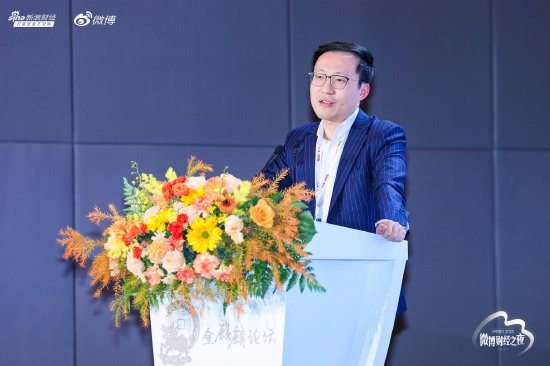
国金证券宋雪涛谈A股:当前主线是“科技与安全”,新机遇在“投资于人、反内卷与地产企稳”
Xin Lang Cai Jing· 2026-01-15 12:23
Core Viewpoint - The A-share market is currently influenced by the U.S. stock market, with a focus on technology and safety as the main themes driving growth in early 2025 [1][3]. Group 1: Market Trends - The A-share market has been following the U.S. stock market trends, indicating a "dream linkage" between the two [1][3]. - The two most scarce elements in the current market are growth and safety, which are essential for overcoming existing challenges [1][3]. Group 2: Investment Opportunities - Beyond technology and safety, new opportunities in the A-share market may arise from investing in human resources, countering internal competition, and stabilizing the real estate sector [5]. - These factors could lead to performance improvement and valuation recovery for many traditional enterprises and globally competitive Chinese companies, marking the beginning of a slow bull market [5].

国金证券宋雪涛:希望在2026年马年马到成功,一起见证慢牛时刻
Xin Lang Cai Jing· 2026-01-15 12:17
Group 1 - The core viewpoint of the article is that the A-share market is currently influenced by the U.S. stock market, with a focus on technology and safety as the main themes driving growth in early 2025 [1][3][5] - The scarcity of growth and safety is highlighted as critical for investors, emphasizing the need for strategies to secure assets and capture resources from competitors [1][3] - The potential for new investment opportunities is identified, particularly in traditional enterprises and real estate stabilization, which could lead to performance improvement and valuation recovery for Chinese companies [5][6] Group 2 - The expectation is set for a slow bull market to begin, with hopes for success in 2026, indicating a long-term positive outlook for the A-share market [5] - The themes of technology and safety are reiterated as the best-performing themes in the A-share market since the beginning of the year [1][3] - The discussion reflects a broader trend of aligning with global market movements, particularly in the context of AI and technological advancements [1][3]
宋雪涛提出“投资于人”三路径:让老百姓更有钱、更敢花、有地方花
Xin Lang Cai Jing· 2026-01-15 12:11
Core Viewpoint - The event emphasizes the importance of "investing in people" as a direct way to improve microeconomic conditions, with three main strategies proposed to enhance consumer spending [1][6]. Group 1: Strategies for Consumer Spending - The first strategy is to increase disposable income for citizens through enhanced transfer payments, particularly targeted subsidies for specific groups [3][8]. - The second strategy involves improving public services to encourage consumer confidence, addressing disparities not only between urban and rural areas but also across different industries and income levels [3][8]. - The third strategy focuses on increasing investment in consumer infrastructure and expanding the supply of services to create new consumption scenarios, exemplified by the transformation of the Liangma River area in Beijing, which has generated approximately 8 billion in economic revenue annually [3][8]. Group 2: Economic Reforms - The first arrow of economic reform is aimed at demand-side changes, while the second arrow targets supply-side reforms [3][8]. - A policy change is expected to gradually eliminate export tax rebates for batteries, particularly in the photovoltaic sector, starting April 1. This is seen as a move to allow successful companies to retain profits domestically, which can then be reinvested into the economy and increase household consumption [3][8]. - The third arrow pertains to the transformation of the real estate sector, which has been in a downward cycle since 2021, with second-tier cities experiencing declines since 2018. This adjustment period is viewed as a complete cycle in the international context [3][8]. Group 3: Real Estate Market Insights - Some emerging second-tier cities are showing signs of stabilization, with Urumqi reporting a capital return rate of 4%. As rental yields and mortgage rates rise, a stabilization in the real estate market is anticipated, marking a significant transition for the Chinese economy [4][9].


宋雪涛谈中国经济“三支箭”:需求端、供给端改革,房地产周期企稳转型
Xin Lang Cai Jing· 2026-01-15 12:11
Core Viewpoint - The core viewpoint emphasizes the importance of "investing in people" as a direct way to improve microeconomic conditions, with three main strategies proposed to enhance consumer spending and economic activity [1][6]. Group 1: Strategies for Economic Improvement - The first strategy is to increase disposable income for the public through enhanced transfer payments, particularly targeted subsidies for specific groups [3][8]. - The second strategy involves improving public services to encourage consumer spending, addressing disparities not only between urban and rural areas but also across different industries and income levels [3][8]. - The third strategy focuses on increasing investment in consumer infrastructure and releasing supply in the service sector to create new consumption scenarios [3][8]. Group 2: Economic Reforms and Policies - The first arrow of economic reform is aimed at demand-side changes, while the second arrow targets supply-side reforms [3][8]. - A policy change is set to gradually eliminate export tax rebates for batteries, particularly in the photovoltaic sector, starting April 1. This is seen as a way to allow successful companies to retain profits domestically, which can then be reinvested into the economy [3][8]. - The third arrow pertains to the transformation of the real estate sector, which has been in a downward cycle since 2021, with adjustments ongoing for seven to eight years [3][8]. Group 3: Real Estate Market Insights - Some second-tier cities are reportedly stabilizing, with Urumqi showing a capital return rate of 4%, indicating a potential recovery in the real estate market [4][9]. - As rental yields and mortgage rates increase, a stabilization in the real estate market is anticipated, which would signify a gradual completion of the economic transformation [4][9].
粤开证券罗志恒:2026年中国经济将在动能转换与预期修复中平稳前行
Shang Hai Zheng Quan Bao· 2026-01-14 17:51
Core Viewpoint - The article discusses the economic outlook for China in 2026, emphasizing the potential for stable and healthy growth driven by export resilience and infrastructure investment [2][3]. Economic Growth Drivers - The two main supports for economic growth in 2026 are the evolving resilience of exports and the stabilizing role of infrastructure investment [2]. - China's exports are undergoing an upgrade, with a diversification of markets and a shift in product structure from consumer goods to intermediate and capital goods [2]. - Infrastructure investment is expected to maintain a good growth rate, supported by a proactive fiscal policy and moderate monetary policy [3]. Investment Focus Areas - Future investments are likely to focus on four key areas: basic livelihood security (healthcare, education, elderly care, housing), consumption upgrade (shift from traditional goods to service and experience consumption), human capital development (improving education quality and vocational training), and sustainable development (supporting childbirth and addressing aging) [4]. Challenges Ahead - The stability of the real estate market and local government debt issues remain significant challenges that need to be addressed [4]. Supply and Demand Balance - There is a notable discrepancy between macroeconomic stability and microeconomic sentiment, which is a global challenge [5][6]. - The Chinese economy is characterized by strong supply capabilities and weak demand, leading to low price levels and a mismatch between nominal income growth and actual economic performance [6]. Consumer Behavior Trends - Consumer habits are shifting from basic needs to development-oriented and enjoyment-oriented consumption, with service consumption expected to grow faster than goods consumption [6]. Capital Market Outlook - The capital market is anticipated to continue the positive trend observed since late 2024, supported by improving corporate profits, enhanced market regulations, ample liquidity, and rising risk appetite [7]. - Two main investment themes are identified: technology growth (AI, new energy, commercial aerospace) and the non-ferrous metals cycle, which may present investment opportunities due to supply-demand gaps [7]. Investment Strategy for Individuals - Individual investors are advised to align their investments with their understanding and risk tolerance, emphasizing that the ultimate goal of investing is to improve quality of life [8].