Workflow
新能源
icon
Search documents
上市后分红未中断,10年平均股息率高于6%的15家公司
Sou Hu Cai Jing· 2025-12-08 16:31
Core Viewpoint - The article discusses the phenomenon of high dividend yields in certain A-share companies, highlighting how consistent dividends can lead to a situation where investors effectively receive stocks for free, as their cost basis becomes negative over time due to accumulated dividends. Group 1: High Dividend Companies - Yanzhou Coal Mining Company has maintained an average dividend yield of 8.85% over the past decade, allowing early investors to accumulate over 80,000 yuan in dividends from an initial investment of 100,000 yuan [3] - Jizhong Energy, another coal company, has an average dividend yield of 7.19% over the past decade and has never reported a loss in its annual reports [3] - Daqin Railway, which transports coal, has an average dividend yield of 7.59% and is currently trading at a three-year low, making its dividend yield more attractive [5] - Huafa Group, a real estate company, has maintained an average dividend yield of 8.29% despite its stock price hitting a ten-year low [6] - Tianjian Group has not reported annual losses for nearly 20 years and has an average dividend yield of 6.59% [6] - Wan Nian Qing, a cement company, has an average dividend yield of 7.42% and has been consistent in returning profits to shareholders [6] - Other notable companies include Fusenmei, Hailan Home, and Yagor, which have maintained stable dividend yields in their respective industries [6] Group 2: Characteristics of High Dividend Companies - Most of the companies in the high dividend club are "old brands," having been listed for over 20 years, demonstrating resilience through multiple market cycles [7] - These companies primarily operate in traditional industries such as coal, railways, cement, retail, and banking, which have stable demand and do not require excessive reinvestment of profits [7] - All 15 companies listed have never reported annual losses since their IPOs, which is crucial for sustaining dividends [7] Group 3: Market Perception and Challenges - Despite their strong dividend records, many of these companies face declining stock prices, leading to a "dividend paradox" where high dividends do not correlate with stock performance [8] - The market tends to favor high-growth sectors like AI and renewable energy, often overlooking traditional industries, which are perceived as "old economy" [8] - High dividend yields can sometimes be misleading, as they may result from falling stock prices rather than increased dividend payouts, posing risks for investors [10] - Investors need to assess whether high dividends are supported by solid cash flows or if they are merely a result of asset liquidation or debt financing [10] Group 4: Investment Strategy - Investing in high dividend companies requires patience and a deep understanding of the underlying business and industry dynamics [11] - The focus should be on the cash flow generated by the business rather than short-term stock price fluctuations, which can provide a sense of security during market downturns [11] - The list of 15 companies serves as a starting point for further research into sustainable dividend-paying companies [11]
铜2026年度策略:宏观为翼产业托举,铜价屡攀新高仍可期
Chang Jiang Qi Huo· 2025-12-08 12:54
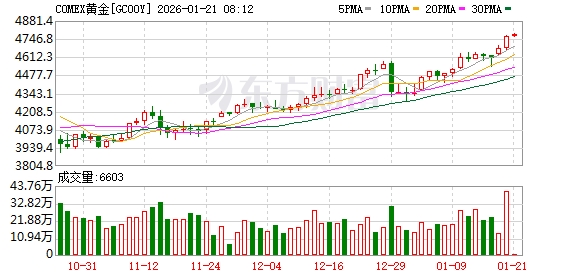
Report Industry Investment Rating No relevant content provided. Core Viewpoints - In 2025, copper prices reached new highs driven by both macro and fundamental factors. The easing of Sino-US trade frictions was positive, and the continuation of the Fed's interest rate cut cycle boosted copper prices. In 2026, the tightness of copper mine supply is expected to intensify, and in the long term, the demand for new energy, power, and AI data center construction will increase steadily. Therefore, the upward momentum of copper prices remains strong. However, due to the suppression of downstream demand by high copper prices, copper prices may show a pattern of rising periodically and then oscillating and correcting [5][82]. Summary by Directory 1. Market Review - In 2025, copper prices rose under the influence of overseas interest rate cuts and copper mine shortages, with strong support from new energy, power, and AI computing power demand. Although tariff disturbances periodically suppressed copper prices, copper prices still reached new highs under the impetus of favorable macro factors and strong supply - demand fundamentals [9]. - **Q1**: Copper prices oscillated upward. Overseas interest rate cuts, tight raw material supply, and positive domestic policy expectations pushed up copper prices. However, factors such as Trump's tariff policy, the Fed's hawkish stance, and the Altonorte smelter incident affected the price trend, resulting in a high - level oscillation pattern with limited gains [11]. - **Q2**: Copper prices first fell sharply and then rebounded. Trump's tariff policy shocked the market, but the tight supply and strong demand of copper fundamentals supported the price rebound. Events such as the Kakula mine shutdown, the cease - fire agreement between Israel and Palestine, and Sino - US economic and trade talks also influenced the price [12]. - **Q3**: Copper prices were generally strong. In July, copper prices first rose and then fell due to factors such as supply tightening expectations and Trump's copper tariff implementation. In August and September, positive factors such as the easing of Sino - US trade frictions, the Fed's dovish remarks, and domestic policy expectations boosted copper prices. The shutdown of the Grasberg mine due to a mudslide also pushed up copper prices [13]. - **Q4**: Copper prices reached new highs. The Sino - US summit and trade consultations brought confidence to the market. The Fed's interest rate cuts and the continuous tight supply of copper mines supported the price increase [14]. 2. Macro Analysis (1) Overseas - **Global economic growth slowdown**: In 2025, due to uncertainties such as overseas anti - globalization tariff policies, the global trade pattern was reshaped, and the economic growth rate was expected to slow down. According to the IMF, the global economic growth rate in 2025 was 2.8%, a 40 - basis - point reduction from the previous forecast [15]. - **US economic situation**: - **Manufacturing and service industries**: The US manufacturing PMI was relatively low, with the November 2025 ISM manufacturing PMI at 48.2, remaining below the boom - bust line for nine consecutive months. The service industry continued to expand, with the October ISM services PMI reaching 52.4, the highest in eight months [17]. - **GDP**: The US Q2 real GDP annualized quarterly - on - quarterly rate was revised up to 3.3%, mainly driven by improved business investment and a significant boost in trade. Net exports contributed nearly 5 percentage points to GDP growth, and consumer spending was also robust [18]. - **Inflation**: US inflation increased slightly and was generally moderate. In September, the CPI increased by 3% year - on - year, and the core inflation rate increased by 0.2% month - on - month. The PCE price index was in line with expectations, which further promoted the Fed's interest rate cut in December [19]. - **Employment**: The US labor market cooled down. The unemployment rate rose from 4% at the beginning of the year to 4.4% in September. The ADP employment number decreased by 32,000 in November, and the Fed's interest rate cut probability continued to increase [25]. (2) Domestic - **Social financing and price levels**: - **Social financing**: The growth rate of China's social financing scale slowed down in the second half of 2025. From January to October, the cumulative social financing scale increment was 30.9 trillion yuan, but the increment in October was the lowest since August 2024. The M2 - M1 gap widened, indicating a decline in the willingness of enterprises and residents to consume and invest [26]. - **Inflation**: The improvement of China's CPI was still moderate. In October, CPI turned positive year - on - year, mainly driven by food, service, and gold prices. PPI increased month - on - month for the first time this year, and the year - on - year decline narrowed [28]. - **Economic growth**: In 2025, China's economic growth faced mild downward pressure due to insufficient domestic demand and overseas tariff policies. The manufacturing PMI was below the boom - bust line for seven consecutive months, but the service industry was generally expanding. From January to October, the added value of large - scale industries increased by 6.1% year - on - year. The economic growth pressure was more prominent in the fourth quarter, but the full - year 5% growth target could still be achieved [30][31]. - **Policy**: China proposed "strengthening unconventional counter - cyclical regulation" this year. In May, the central bank cut the reserve requirement ratio and interest rates. The 14th Five - Year Plan suggestions provided guidance for future economic development. In 2026, as the first year of the 15th Five - Year Plan, policies are expected to be more proactive to ensure a stable economic start [34][35]. 3. Supply - Demand Fundamental Analysis (1) Supply Side - **Copper mines**: - **Overseas mine disruptions**: In 2025, global copper mine accidents frequently occurred, such as the Kakula mine earthquake in Congo, the El Teniente mine collapse in Chile, and the Grasberg mine mudslide in Indonesia. The ICSG lowered the mine supply growth rate from 2.3% to 1.4%. The global copper concentrate supply increment was less than expected, and the copper concentrate TC was at a historical low [36][38]. - **Domestic imports and inventory**: From January to October, China imported 22.684 million tons of copper ore, a year - on - year increase of 7.58%. As of November 28, the copper concentrate port inventory was 674,000 tons, a year - on - year decrease of 27.14%, indicating a tight supply [39]. - **Electrolytic copper**: - **Global production**: Some large mining companies lowered their copper production targets due to mine accidents. The ICSG predicted a 150,000 - ton global copper supply shortage in 2026. Global new smelting capacity exceeded copper ore supply, and some overseas smelters stopped production due to various reasons [40][42]. - **Domestic production**: From January to November, SMM China's electrolytic copper production increased by 11.76% year - on - year. However, since September, production has decreased month - on - month due to raw material shortages and smelter overhauls. The price increase of by - product sulfuric acid alleviated the smelting pressure [43]. - **Recycled copper**: - **Import**: China's recycled copper imports were stable. Although imports from the US decreased due to tariffs, imports from Southeast Asia and other regions increased. The country's policies support the development of the recycled copper industry, and the demand for recycled copper imports is expected to be stable in 2026 [45][47]. - **Downstream industry**: The operating rate of recycled copper rods was at a low level. Factors such as tight supply of recycled copper raw materials, weak downstream orders, and policy uncertainties led to a low operating rate [48]. - **Imports and exports**: - **Imports**: China is a net importer of electrolytic copper. In 2025, the import profit window was mostly closed. From January to October, the cumulative import of electrolytic copper decreased by 6.34% year - on - year [49][51]. - **Exports**: The export window opened in June, and the export volume increased significantly in October. From January to October, the cumulative export of electrolytic copper increased by 29.44% year - on - year [51]. (2) Demand Side - **New energy and power investment**: - **New energy installation**: As of October, the total installed power generation capacity in China increased by 17.3% year - on - year, with significant growth in solar and wind power. The "抢装潮" in the first half of the year affected the new installation volume in the second half, but the annual new installation volume of photovoltaic and wind power still increased steadily. The new installation scale of new energy is expected to reach a new high during the 15th Five - Year Plan period [55][56]. - **Grid investment**: The grid investment scale reached a new high this year, driving copper demand. The investment in the power grid and energy storage is expected to increase during the 15th Five - Year Plan period to support the development of new energy [57]. - **Real estate**: The real estate market was at the bottom - grinding stage. From January to October, real estate development investment, new construction area, and sales area all decreased year - on - year. Although the 15th Five - Year Plan suggestions aim to promote the high - quality development of the real estate market, the market's recovery still depends on subsequent policies [59][60]. - **Automobiles**: - **Domestic market**: From January to October, China's automobile production increased by 11% year - on - year, and new energy vehicle production and sales maintained high growth. The penetration rate of new energy vehicles has been above 50% since March [64][65]. - **Global market**: Global new energy vehicle sales increased steadily. China is the world's largest exporter of new energy vehicles, but exports may be restricted by tariffs in 2026. With policy support, the production and sales of new energy vehicles in China are expected to remain high in 2026 [67][68]. - **Home appliances**: The "two - new" policies promoted the stable growth of home appliance production and sales. Since the second quarter of 2025, the domestic home appliance market has seen a trend of strong domestic sales and weak exports. Although the policy effectiveness has declined, the production and sales growth of home appliances is expected to remain stable in 2026 with the continuous strengthening of consumption - boosting policies [69][72]. 4. Inventory and Supply - Demand Balance - **Domestic inventory**: Since March 2025, domestic copper inventory has been decreasing. Although there was a slight increase in inventory in the second half of the year due to high copper prices, the inventory decreased again with the price correction. As of December 5, the Shanghai Futures Exchange copper inventory and domestic copper social inventory were at low levels in recent years [73]. - **Overseas inventory**: Overseas copper smelting capacity shrank due to tight copper concentrate supply and negative processing fees. The LME inventory decreased, and the COMEX inventory increased. The global visible inventory decreased, but it increased in the second half of the year due to the opening of the LME - COMEX arbitrage window [73][74]. - **Supply - demand balance**: The global refined copper production continued to grow, but the growth rate slowed down year by year. There were regional shortages and supply - demand mismatches in overseas copper. The supply - demand balance of domestic refined copper is expected to show that consumption growth is higher than production capacity release [76]. 5. 2026 Outlook - **Macro factors**: The easing of Sino - US trade frictions is positive, and the Fed's interest rate cut cycle continues, which is beneficial to copper prices. However, attention should be paid to the Fed's interest rate cut rhythm in 2026 and the potential impact of the US's additional tariffs on refined copper [78]. - **Supply**: The supply of copper mines is expected to be tighter in 2026. The ICSG predicts a 150,000 - ton supply shortage. The copper concentrate TC is at a historical low, and the long - term contract copper supply premium of Codelco has increased significantly. Under the influence of raw material shortages and anti - involution measures, refined copper production may shrink [79][80]. - **Demand**: The demand for copper is expected to grow steadily. The 15th Five - Year Plan focuses on new energy, power, and AI data center construction, which will drive copper demand. Policies to promote consumption will also boost the production and sales of new energy vehicles and home appliances [81]. - **Price trend**: Copper prices are expected to have strong upward momentum, but may show a pattern of rising periodically and then oscillating and correcting due to the suppression of downstream demand by high prices [82].
青企联动 共创未来 “沪渝皖”三省四地青年企业家联建交流活动在沪举行
Xin Lang Cai Jing· 2025-12-08 12:25
为推进长三角与成渝地区青年企业家的跨区域交流合作,12月5日,上海市黄浦区青年企业家商会、松江区青年创业商会,重庆市万州区青年商会,安徽 省六安市青年企业家协会在上海国际仲裁中心共同举办"青企联动·共创未来"——"沪渝皖"三省四地青年企业家联建交流活动。 上海市工商联党组成员、副主席汪剑明出席并致辞。黄浦区委统战部副部长、区工商联党组书记顾辰晓,安徽省六安市委统战部副部长、市工商联党组书 记张强,重庆市万州区工商联党组成员、副主席陈忠,松江区工商联党组成员、副主席兼秘书长袁建峰参加活动。 汪剑明指出,新一轮科技革命和产业变革的浪潮奔涌而来,高质量发展成为时代最强音。在这样的历史方位中,加强区域协同、促进青年企业家的交流互 鉴,具有重要而深远的意义。 他希望四地青年企业家以此次联建交流为契机,一是能够成为红色基因的"传承者",从红色基因中汲取力量,将个人理想融入国家发展大局,在诚信经 营、合规发展等方面做表率;二是能够成为创新路上的"追光者",在人工智能、生物科技、新能源重塑世界的时代,勇闯"无人区",敢啃"硬骨头";三是 能够成为区域合作的"联络者",通过沪渝皖三省四地的活动增进友谊,促进信息沟通,促成产业合 ...
国家电投成立新公司
中国能源报· 2025-12-08 12:07
Group 1 - The establishment of Guodian Power (Rizhao) Offshore Wind Power Co., Ltd. was officially registered on December 4, with a registered capital of 2 billion yuan [1] - The company is fully owned by State Power Investment Corporation Shandong Energy Development Co., Ltd. [1] - The business scope includes wind power generation technology services, offshore wind power system R&D, photovoltaic equipment leasing, seawater desalination, and various energy management services [1] Group 2 - The company is authorized to engage in power generation, transmission, and distribution businesses, as well as aquaculture, subject to relevant approvals [1] - The company aims to operate independently within the scope of its business license, focusing on renewable energy and related technologies [1]
沪铜周报:冠通期货研究报告-20251208
Guan Tong Qi Huo· 2025-12-08 10:58
Report Industry Investment Rating - Not provided in the report Core Viewpoints - The market's expectation of a Fed rate cut in December has increased to over 80% due to weak US economic data, and Trump's hint at Fed chair candidates has undermined the Fed's independence, causing the US dollar to decline and supporting metal prices. China's 14th Five - Year Plan focuses on cultivating copper - end enterprises in AI and new energy, releasing positive demand signals for copper prices. The supply side remains tight, while the downstream shows some resilience, so copper prices still have upward momentum. However, after the continuous price increase, the downstream's purchasing power is insufficient, so short - term minor corrections should be watched out for, and the medium - to - long - term trend is bullish [3] Summary by Directory 1. Market Analysis - **Macro**: Weak US economic data boosts the market's expectation of a Fed rate cut in December to over 80%, and Trump's hint at Fed chair candidates weakens the Fed's independence, leading to a continuous decline in the US dollar and supporting metal prices. China's 14th Five - Year Plan focuses on copper - end enterprises in AI and new energy, releasing positive demand signals [3] - **Supply**: The CSPT announced a joint production cut of over 10% by its members in 2026 due to copper concentrate processing fees hitting historical lows. In November, the operating rate of recycled copper rods was 23.84%, higher than expected but lower year - on - year and month - on - month. In December, 4 smelters are under maintenance, with an expected impact of 0.5 tons on production, and December production is expected to increase due to previous restarts [3] - **Demand**: After the continuous price increase, the downstream's purchasing power is insufficient. Copper tube enterprises are cautious in production due to rising copper prices. The production of copper strips has slowed down, and the operating rate of refined copper rod enterprises has declined, with inventory piling up [3] 2. Shanghai Copper Price Trend - This week, Shanghai copper fluctuated and rose. The weekly high was 92,910 yuan/ton, the low was 87,520 yuan/ton, the weekly amplitude was 6.16%, and the interval increase was 6.12% [6] 3. Shanghai Copper Spot Market - As of December 5, the average spot premium in East China was 140 yuan/ton, and in South China it was 85 yuan/ton. The copper premium strengthened due to rising prices and low market arrivals. It is expected that the premium will be suppressed as downstream purchasing interest decreases after continuous price increases [11] 4. London Copper Spread Structure - As of December 5, LME copper rose 5.74% this week, closing at $11,616/ton. The Fed's expectations and the issue of LME cancelled warrants drove up the copper price [16] 5. Copper Concentrate Supply - As of December 5, copper concentrate port inventory was 681,000 tons, up 1.04% week - on - week. Although inventory has been increasing, it is still lower than last year. Global copper concentrate is in short supply, and ore grades are declining. In November 2025, China imported 2.526 million tons of copper ore and concentrates, and from January to November, the import volume was 27.614 million tons, up 8.0% year - on - year [20] 6. Scrap Copper Supply - In October 2025, China's scrap copper imports were about 196,607 tons, up 6.81% month - on - month and 7.35% year - on - year, with Japan being the largest source. In November, the operating rate of recycled copper rods was 23.84%, higher than expected but lower year - on - year and month - on - month. The advantage of the refined - scrap price difference is not obvious due to weak terminal consumption [25] 7. Smelter Fees - As of December 5, China's spot smelting fee (TC) was - 43.03 dollars/dry ton, and the RC fee was - 4.38 cents/pound, remaining weakly stable. The CSPT's 2026 production cut plan due to low processing fees has driven up the Shanghai copper price [29] 8. Refined Copper Supply - In November, SMM's Chinese electrolytic copper production increased by 11,500 tons month - on - month, a 1.05% increase, and 9.75% year - on - year. From January to November, the cumulative production increased by 1.2894 million tons, a 11.76% increase. In December, 4 smelters are under maintenance, with an expected impact of 0.5 tons on production. In November 2025, China imported 427,000 tons of unwrought copper and copper products, and from January to November, the import volume was 4.883 million tons, down 4.7% year - on - year [33] 9. Apparent Demand - As of October 2025, the apparent consumption of copper was 1.3218 million tons, down 9.25% month - on - month [37] 10. Copper Products - Copper tube enterprises are cautious in production due to rising copper prices. The production of copper strips has slowed down, and the operating rate of refined copper rod enterprises has declined, with inventory piling up. In October 2025, China's copper product output was 2.004 million tons, down over 10% month - on - month and 3.3% year - on - year. From January to October, the cumulative output was 20.124 million tons, up 5.9% year - on - year [42] 11. Power Grid Project Data - As of the end of October, the national cumulative installed power generation capacity was 3.75 billion kilowatts, up 17.3% year - on - year. The installed capacity of solar power was 1.14 billion kilowatts, up 43.8% year - on - year, and that of wind power was 590 million kilowatts, up 21.4% year - on - year. From January to October, the national power generation equipment had an average utilization of 2,619 hours, 260 hours less than the previous year [46] 12. Real Estate and Infrastructure Data - From January to October, the national real estate development investment was 735.63 billion yuan, down 14.7% year - on - year. The sales area of newly built commercial housing was 719.82 million square meters, down 6.8% year - on - year, and the sales volume was 690.17 billion yuan, down 9.6% year - on - year [53] 13. Automobile/New Energy Automobile Industry Data - From November 1 to 30, 2025, the wholesale sales of new - energy passenger vehicles in China reached 1.72 million, up 20% year - on - year and 7% month - on - month. As of November, the cumulative wholesale sales of new - energy vehicles had reached 13.78 million, up 29% year - on - year [57] 14. Copper Inventories in Major Global Exchanges - As of December 5, LME copper inventory increased by 3,125 tons to 162,600 tons, and COMEX copper inventory was 436,900 tons, up 4.33% week - on - week and 372% year - on - year. Global copper inventory is generally increasing, but there is still a shortage in other parts of the world except the US. The sharp increase in LME cancelled warrants has strengthened the market's expectation of overseas demand and supply shortage [62] - On December 4, the cumulative copper inventory in bonded areas in Shanghai and Guangdong was 101,500 tons, with a slight increase. After the SHFE inventory reached a high in mid - November, it decreased with market sentiment. As of December 5, SHFE copper inventory was 30,900 tons, down 12.22% week - on - week [67]
东风日产NX8首搭800V平台+宁德时代5C超充技术
据了解,NX8是东风日产新能源N序列下(N),定位中大型(8)的探索跨界SUV(X)。它的到来, 将与纯电轿车N7、插混轿车N6等车型一起,打造更加完整的东风日产"新能源全家桶"产品矩阵,彰 显"合资新势力"的革新魄力,持续加速品牌新能源转型进程。 此外,东风日产NX8正式搭载激光雷达,在高速领航辅助NOA、城市领航辅助NOA、全场景智能辅助 泊车等高阶智驾功能上全面进阶,将为用户带来更精准、更安全的驾驶体验。 据公告图披露信息,东风日产NX8尺寸为4870×1920×1680mm,轴距2917mm,拥有最主流、最适合家 庭的中大型SUV尺寸。新车凭借为中国家庭量身定制的长轴距、大座舱优势,不仅塑造出昂扬挺拔的自 信车姿,更营造优越的内部空间,确保每位乘员都能享有舒适座位。 (文章来源:中国经营报) 值得一提的是,作为中大型新能源SUV,东风日产NX8采用800V高压平台和全新一代宁德时代磷酸铁 锂电芯的云盾电池,成为首款搭载800V 5C超充技术的合资新能源SUV,以技术越级,开启合资新能源 高端化破局的新篇章。 日前,东风日产全新中大型SUVNX8公告图正式发布。NX8作为东风日产天演架构下的全新标杆车型 ...
【协办单位---华泰期货有限公司】2025中国新能源·新材料产业大会
Group 1 - The article emphasizes the importance of materials such as silicon, lithium, and platinum-palladium in the context of energy transition and global carbon neutrality goals, highlighting their role in strategic emerging industries like new energy generation and high-end equipment manufacturing [2] - The China Nonferrous Metals Industry Association is set to hold the 2025 China New Energy and New Materials Industry Conference in Guangzhou from December 11 to 12, aimed at promoting the integration of new production forces in the new energy and materials sectors [2] Group 2 - Huatai Futures Co., Ltd. was established on March 28, 1994, as a wholly-owned subsidiary of Huatai Securities, with a registered capital of 3.939 billion yuan, focusing on commodity futures brokerage, financial futures brokerage, investment consulting, asset management, and fund sales [3] - The company has established a nationwide service network with 9 branches and 42 business offices, leveraging over 200 business outlets of Huatai Securities across the country [3] Group 3 - Huatai Futures aims to serve the development of the real economy and meet wealth management needs, adhering to a corporate culture of "diligence, collaboration, integrity, and responsibility" [4] - The company has maintained a leading position in client equity scale and market transaction share, demonstrating rapid growth in recent years [5] Group 4 - The company has established a leading position in the over-the-counter options business, solidifying its core competitive advantages in business scale, product design, pricing, technology platform, trading, and risk control [7] - Huatai Futures has begun to show its core competitive strength in research and investment in bulk commodity derivatives, achieving industry leadership and high brand recognition [9] Group 5 - The company has increased its investment in talent, forming a comparative advantage in high-end talent, particularly in innovative business areas, which drives the company's transformation and innovation [11] - Huatai Futures has built a core competitive advantage in IT, significantly increasing its market share in transaction volume and value across five futures exchanges and energy centers, particularly maintaining industry leadership in the energy center [13]
国投瑞银知名基金经理施成在管产品三年业绩大幅跑输基准 或面临降薪
Sou Hu Cai Jing· 2025-12-08 09:43
Core Viewpoint - The China Securities Investment Fund Industry Association has revised the "Performance Assessment Management Guidelines for Fund Management Companies (Draft for Comments)", which includes a performance salary adjustment mechanism for active equity fund managers based on their performance over the past three years [1][3]. Group 1: Performance Assessment Guidelines - Fund management companies must establish a tiered performance salary adjustment mechanism based on the past three years' performance compared to benchmarks and fund profitability [1]. - If a fund manager's product performance is more than 10 percentage points below the benchmark and the fund's profitability is negative, their performance salary should decrease by at least 30% [1]. - For performance below the benchmark but with positive profitability, the salary should still decrease, while those with performance above the benchmark and positive profitability may see reasonable salary increases [1]. Group 2: Fund Manager Performance - Notable fund manager Shi Cheng's products have underperformed benchmarks over the past three years, with returns ranging from -5% to 28%, lagging behind benchmarks by 18% to 48% [2]. - Specific funds managed by Shi Cheng, such as Guotou Ruijin Advanced Manufacturing Mixed and Guotou Ruijin Industry Trend Mixed A, have seen net values drop significantly, with declines of 27.97% and 27.86%, respectively, underperforming benchmarks by 47.71 and 47.5 percentage points [2]. - Shi Cheng has recently adjusted his portfolio, moving away from heavily concentrated positions in the struggling new energy sector to focus on AI and technology stocks, which has led to some recovery in fund performance [3]. Group 3: Industry Implications - The new guidelines aim to create a long-term performance assessment system that aligns the interests of fund managers with the long-term returns of investors, addressing issues of short-term incentives and soft accountability in the industry [4]. - The implementation of these guidelines is expected to shift the industry focus from mere scale expansion to value creation, trust accumulation, and high-quality development, ultimately contributing to the stability of the capital market [4]. - Attention will be needed on the detailed execution of these policies, particularly regarding the standardization of performance benchmarks and the regulation of co-investment operations to ensure that the benefits of reform reach investors [4].
新能源、新技术加持 全国首艘氢电拖轮作业亮点多
Yang Shi Xin Wen· 2025-12-08 08:56
"更新"是今年经济主要的变化之一,消费场景的"更新"、基础的设备"更新",再到城市"更新",持续激 发中国经济的活力,也为百姓带来"更新"的生活。 在山东青岛港,绿色的能源正在改变港口的运行方式。这里不仅用上了光伏、风能和储能,连拖轮都用 上了绿色燃料。全国首艘氢电拖轮正在这里执行任务。 港口作业进行时年吞吐量超7亿吨 新能源、新技术助力绿色港口建设 除了拖轮之外,今年以来青岛港整合了太阳能、风能发电与储能系统,建成并投用港区一体化充电区, 港口光伏项目年发电量约2500万千瓦时,作业车辆新能源应用率近80%,港口清洁能源占比达69%,每 年可减少二氧化碳排放约2万吨。相信未来在新能源和新技术的加持下,绿色港口建设一定会有更多的 惊喜和期待。 (文章来源:央视新闻) 在山东青岛港集装箱码头的作业现场,记者在一艘船的甲板上,这艘船是今年6月刚投入使用的全国首 艘氢电拖轮。记者从青岛港了解到,今年港口的货物吞吐量突破了7亿吨大关,其中集装箱的吞吐量也 突破了三千万标准箱。这些数据的背后离不开港口工作者的辛勤付出,也离不开新能源、新技术的加 持。 续航超12小时氢电拖轮亮点多 记者所在的氢电拖轮搭载"氢燃料电池+液 ...
攀西特高压核准获批,储能招标量维持高位 | 投研报告
华安证券近日发布电力设备行业周报:本周硅片价格小幅下跌,电池片、组件价格稳定。海外市场需求 延续强劲,对电池片价格形成一定支撑,上游价格走势小幅震荡。海外订单与政策环境仍是支撑产业链 的主要动力,短期价格有望维持坚挺。 以下为研究报告摘要: 主要观点: 光伏:产业链价格维稳,国内招投标有序推进 产业链价格维稳。本周硅片价格小幅下跌,电池片、组件价格稳定。海外市场需求延续强劲,对电池片 价格形成一定支撑,上游价格走势小幅震荡。海外订单与政策环境仍是支撑产业链的主要动力,短期价 格有望维持坚挺。 风电:国内招投标高景气延续,项目集中落地支撑产业链高景气 全球大储招标数据持续火热,储能电芯价格上涨验证储能下游需求火热。国内大储迎来经济性奇点后需 求非线性增长,美国数据中心用电激增带动大储需求,欧洲户储需求温和复苏,新兴市场户储需求超预 期,建议关注大储以及海外户储预期修复。 氢能:首个电网侧电氢协同储能项目并网,中车兆瓦级PEM制氢系统下线 IMO减排目标+欧洲碳税推动全球船运行业开启绿色转型,绿色甲醇前景可观。氢能产业发展态势良 好,要素保障体系加速构建。氢能融资难度降低,国家支持新技术持续研发,整体氢能行业发展 ...