
数字化

Search documents
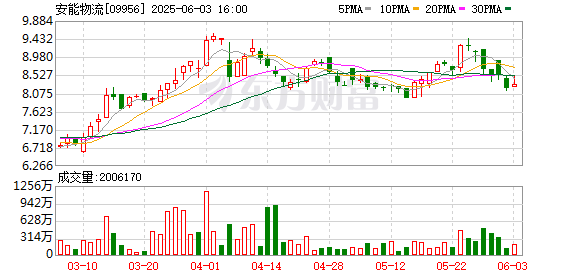
安能物流一季度运输单价同比下滑2.3% 公司管理层:灵活调价应对行业竞争
Mei Ri Jing Ji Xin Wen· 2025-06-03 15:06
Core Viewpoint - Aneng Logistics reported a revenue of 2.587 billion yuan for Q1 2025, marking an 8.8% year-on-year increase, and a net profit of 242 million yuan, up 15.9% year-on-year, indicating a recovery and growth trajectory in a competitive logistics market [2][4]. Financial Performance - Revenue for Q1 2025 reached 2.587 billion yuan, an increase of 8.8% year-on-year [2]. - Adjusted net profit was 242 million yuan, reflecting a 15.9% increase year-on-year, with a net profit margin rising by 0.6 percentage points to 9.4% [2]. - The volume of less-than-truckload (LTL) freight reached 3.05 million tons, up 5.9% year-on-year [2]. Market Competition - The logistics market is experiencing intensified competition, with new entrants like Ronghui and Xingman Logistics joining established players such as ZTO Express and SF Express [2]. - Aneng Logistics faced a 2.3% decline in transportation service prices, averaging 432 yuan per ton [3]. - The company plans to adopt flexible pricing strategies to maintain profit margins amid competitive pressures [3]. Strategic Developments - Aneng Logistics focuses on the small parcel market, enhancing its "3300 ace product" strategy, which saw a 18.4% increase in shipments under 300 kg [4]. - The company has improved its end-delivery capabilities and service quality, with a 50.6% reduction in complaints per 100,000 shipments [4]. - The average delivery time has decreased by 10.7%, and the number of lost shipments has dropped by 68.2% [4]. E-commerce and Cross-border Business - E-commerce sources accounted for 36% of Aneng Logistics' business in Q1 2025, with significant partnerships established with platforms like Temu and Douyin [5]. - The company has limited exposure to tariff fluctuations affecting cross-border logistics, maintaining steady growth in shipment volumes [6]. Industry Trends - The express delivery market is undergoing consolidation, with the top five companies capturing 82% of total revenue and a 65.5% concentration in freight volume [7]. - Price wars have intensified, with competitors like SF Express and Debang adopting aggressive pricing strategies [8]. - Aneng Logistics aims to maintain effective scale growth while enhancing its network and operational efficiency [9].

创新赋能抢占“质”高点
Liao Ning Ri Bao· 2025-06-03 01:23
Core Insights - The Dalian sea cucumber industry is experiencing significant growth, driven by technological innovation and a robust industry chain valued at 30 billion yuan [1] - The 2025 Dalian Sea Cucumber Industry High-Quality Development Conference highlighted the importance of technology in enhancing the industry's quality and efficiency [1][8] Group 1: Technological Innovation - Breakthroughs in artificial breeding techniques for sea cucumbers have enabled large-scale cultivation [1][2] - The development of self-dissolving enzyme technology has addressed major industry challenges related to storage, processing, and consumption [1] - Dalian has established a national-level breeding center and multiple resource sites to enhance the quality of sea cucumber seedlings [3] Group 2: Sustainable Practices - The establishment of a digital management platform for marine ranches has improved operational efficiency and sustainability in sea cucumber farming [5][6] - Dalian has 32 national marine ranches covering over 300,000 acres, leading the country in both quantity and scale [5] - Innovative farming methods, including rotation of seedlings and harvesting, contribute to the sustainable development of the sea cucumber industry [5] Group 3: Product Development and Market Expansion - Dalian has over 350 qualified sea cucumber processing companies, with more than 50 specializing in deep processing, resulting in a product value increase of 10 billion yuan [8] - New product offerings include ready-to-eat sea cucumbers, freeze-dried sea cucumbers, and various functional food products, catering to diverse consumer needs [8] - The industry is focusing on enhancing the nutritional and functional aspects of sea cucumber products through advanced processing techniques [7][8]
2024茶饮出海篇,国内竞争加剧,海外市场成第二增长曲线
Sou Hu Cai Jing· 2025-06-02 15:04
Core Viewpoint - The Chinese tea beverage industry is facing intensified domestic competition and is increasingly looking to international markets for growth opportunities, particularly in Southeast Asia, while also exploring potential in Europe, America, and Japan [1][2]. Group 1: Domestic Challenges - The new tea beverage market in China has grown from 42.2 billion yuan in 2017 to 193.3 billion yuan in 2023, with a compound annual growth rate (CAGR) of 28.87% [2]. - The industry is entering a "ten-thousand store era," with the chain rate rising from 41.2% in 2020 to 55.2% in 2022, leading to increased market saturation and homogenization [2][3]. - Price wars and innovation fatigue are prevalent, with over 2,000 new products launched from the second half of 2023 to July 2024, but the average shelf life of new products is only about half a month [2][3]. - Major brands are experiencing performance pressure, with companies like Cha Bai Dao reporting a 10% revenue decline and a 59.7% drop in net profit in the first half of 2024 [2][3]. Group 2: Opportunities and Challenges in International Markets - Chinese tea brands face multiple challenges when expanding overseas, including high operational costs due to reliance on domestic supply chains and competition from established coffee brands like Starbucks [3][4]. - Cultural differences in consumer preferences are significant, especially in the U.S. where tea shops account for only 5% of beverage outlets, compared to coffee shops [3][4]. - However, favorable policies such as the Regional Comprehensive Economic Partnership (RCEP) and local government support are creating opportunities for expansion [4][5]. Group 3: Global Strategy and Market Focus - Southeast Asia is identified as the primary market for expansion due to its strong Chinese community and favorable climate for cold beverages, with Indonesia leading with a market size of 1.6 billion USD [5][6]. - Brands like Mixue Ice City are aggressively expanding in Southeast Asia, with nearly 4,000 stores as of September 2023, while facing competition from local brands [5][6]. - The U.S. market presents high costs and significant cultural barriers, but key coastal areas like California and New York are seen as critical entry points for new tea brands [7][8]. - The Japanese and Korean markets are slower to penetrate, dominated by Taiwanese brands, but there is potential due to a young consumer base [8][10]. Group 4: Future Trends - The global trend towards health-conscious consumption is driving demand for transparent ingredient sourcing and healthier options, with 40% of overseas consumers prioritizing food safety [11][12]. - Brands must balance localization and differentiation, adapting products to local tastes while maintaining their unique identity [11][12]. - Digital transformation is essential for reducing operational costs and enhancing efficiency across the supply chain [11][12]. Group 5: Collaborative Expansion and Standards - The industry is exploring a "group expansion" model, where leading companies collaborate with government and associations to facilitate international growth [13]. - The establishment of industry standards, such as food safety guidelines, is crucial for ensuring safe and compliant international operations [13].
江盐集团: 江盐集团2024年年度股东大会会议材料
Zheng Quan Zhi Xing· 2025-06-02 08:20
Core Viewpoint - The company is focused on deepening reform and innovation, optimizing its industrial layout, and enhancing governance capabilities to achieve sustainable growth and value creation in the salt industry. Group 1: Company Strategy and Operations - The company aims to enhance the comprehensive development and utilization of salt resources, focusing on vertical and horizontal integration to drive profitability and create a complete supply chain for salt and related products [5][6]. - The company has increased its R&D investment to 3.8% of revenue, resulting in 30 new patents in 2024 and recognition for technological advancements in salt and chemical production [6][7]. - The company is committed to improving governance and operational compliance, receiving an "excellent" rating from the provincial state-owned assets supervision and administration commission for its board construction [7][9]. Group 2: Financial Performance - As of December 31, 2024, the company reported total assets of 566,110.95 million yuan, a decrease of 1.31% from the previous year, while total liabilities decreased by 21.96% to 121,838.85 million yuan [17][19]. - The company achieved a net profit of 460.97 million yuan in 2024, a decline of 6.88% compared to the previous year, attributed to lower product prices [19][22]. - The company proposed a cash dividend of 2.20 yuan per 10 shares, amounting to a total distribution of 141.41 million yuan, representing 30.68% of the net profit [22][23]. Group 3: Future Outlook - The company plans to focus on technological innovation and digital transformation to upgrade traditional industries and explore new growth areas in the "dual new" sectors [11][12]. - The company aims to enhance its ESG framework and market value management to align with national policies and improve its overall corporate responsibility [12][19]. - The company anticipates continued operational stability and aims to leverage its financial strength to support future growth initiatives [20][21].

施耐德电气创新峰会开幕 携手各界共探新质生产力发展新路径
Zheng Quan Ri Bao· 2025-05-30 07:42
本报讯 (记者李静) 5月29日,以"共创·共赢·共生"为主题的2025年施耐德电气创新峰会在太原开幕,著名经济学家、行业专 家、企业代表齐聚一堂,共同探讨科技革命与产业变革浪潮下,中国企业如何乘势新质生产力东风实 现"能力跃迁",繁荣共生。 时代变局 除了自身转型,施耐德电气也以先进技术广泛赋能。本届峰会围绕化工油气、食品饮料、有色金属、未 来电网等核心领域,推出了一系列创新产品与解决方案,包括全新一代机器运动控制"黄金四件套"整体 解决方案等。 携手生态 生态合力也是施耐德电气长期深耕中国的核心动力之一。尹正介绍,"在华38年来,施耐德电气致力于 构建生态系统,迄今已建成数字化、可持续、全球化三大生态圈,形成强大合力。" 当前,数字化、人工智能、能源转型等技术动能澎湃,可持续挑战与世界多极化变量交织。中国经济的 短期趋势如何,长期潜力何在?经济学家付鹏认为:"当前仍需警惕'有效需求不足'和'产能供需失衡'等 矛盾在部分行业和领域的持续发酵。短期内,企业应将确保现金流安全作为首要任务,通过内外双循环 对冲市场风险。中长期来看,企业需立足技术增效,推动新质生产力发展,构建更具韧性和竞争力的产 业格局。" 中国 ...
北京70余家重点家政企业联合发布《家政行业诚信经营自律公约》
Bei Jing Shang Bao· 2025-05-29 14:53
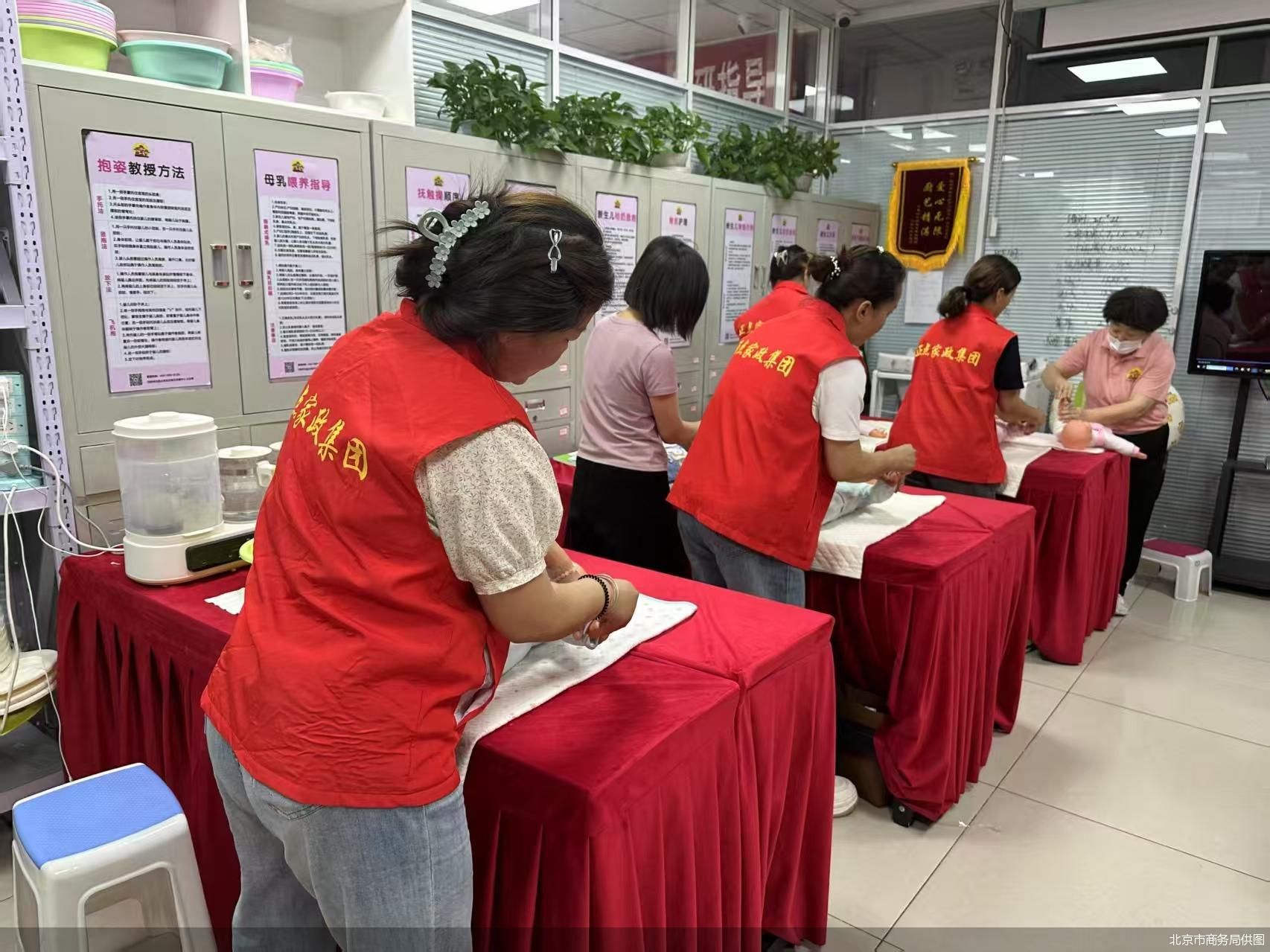
北京商报讯(记者 王维祎)5月29日,北京市商务局联合相关部门、行业协会和家政企业举办"生活服务北京行"首场活动——"家政服务对接交流会"。会 上,北京家政服务协会联合京东家政、58到家、美团等平台和爱侬、今日东方、福平、大班等70余家重点家政企业共同发布《家政行业诚信经营自律公 约》,提出依法诚信经营、担当社会责任、塑造良好营商环境、增强人文关怀意识、强化责任意识、强化培训与管理、保障供求双方合法权益七个方面倡 议,共同引导推动北京家政行业高质量发展。 诚信经营是保障家政行业规范健康发展的重要基石。会上,商务部中国国际电子商务中心系统讲解了家政服务信用信息平台功能及操作全流程,推动家政信 用体系推广应用。 另外,北京市商务局围绕推进家政行业规模化、标准化、专业化、数智化发展对《若干措施》进行全面解读;北京市税务局为家政企业进一步明晰减免增值 税、企业所得税、小微企业普惠税等优惠政策及申报方法;北京市人力资源社会保障局深入讲解家政服务专项职业能力培训、打造技能品牌、推进劳务协作 等工作,助力提升专业技能;北京市民政局系统解读养老助餐、家庭养老照护、养老服务人才培养等扶持政策,推进"养老+家政"融合发展;北京市 ...
太古可口可乐,揭秘年入330亿的动力
2 1 Shi Ji Jing Ji Bao Dao· 2025-05-29 02:50
Core Insights - The company is implementing a sustainable development strategy, focusing on water resource management and energy efficiency, achieving international recognition in these areas [3][4]. Group 1: Water Management - The Shanghai Shenmei Jinqiao factory processes approximately 50 tons of reclaimed water daily, supplying it to nearby enterprises at a cost significantly lower than local industrial water prices [1]. - The factory has a wastewater treatment capacity of 1,200 tons per day, achieving a 100% wastewater treatment efficiency [2]. - The company has received the AWS International Platinum Certification for sustainable water management, becoming the first bottling plant in the Coca-Cola China system to achieve this honor [3]. Group 2: Digitalization and Efficiency - The company utilizes digital tools to monitor water usage in real-time and optimize production processes, resulting in a production line efficiency improvement of over 4% [4]. - The introduction of an energy management system allows for real-time monitoring of electricity, water, and steam usage, leading to an estimated 3% energy savings [4]. - The new Suzhou Kunshan base, the largest single investment by the company in China, aims to reduce water usage per liter of beverage produced from 1.6 liters to 1.45 liters [4]. Group 3: Sales and Marketing Innovation - The company is promoting digitalization in sales through the "Le Xiao Tong" app, which incorporates generative AI to analyze historical sales data and provide data-driven marketing suggestions [5][6]. - The app enhances sales strategies by tailoring product recommendations based on consumer environments, thereby improving sales and turnover efficiency [6]. Group 4: Investment in Sustainable Logistics - The company plans to allocate part of its budget this year towards investing in new energy logistics delivery vehicles, emphasizing the importance of sustainable development in its business strategy [7].

兆龙互连(300913) - 2025年5月28日投资者关系活动记录表
2025-05-29 01:34
Group 1: Company Overview and Market Position - Zhejiang Zhaolong Interconnect Technology Co., Ltd. has become a major partner for domestic mainstream internet and cloud computing companies in data transmission and connection products, including Alibaba, Baidu, Kuaishou, and Inspur [2][3] - The company is actively promoting a globalization strategy to integrate into overseas industrial chains, with a good order situation and rapid overall growth in its high-speed business [2][3] Group 2: Product Capacity and Development - The company is continuously expanding its production capacity by purchasing new equipment and expanding its team to meet current production demands and adapt to future market changes [2][3] - The production capacity for high-speed products is rapidly increasing as new equipment is delivered [2][3] Group 3: Market Trends and Customer Base - The demand for high-speed products is positively influenced by the ongoing construction of data centers, with a trend towards upgrading to 400G/800G products [3] - The company has established stable partnerships with leading global electronic and communication companies, covering over 100 countries and regions, including Europe, North America, the Middle East, Southeast Asia, and Australia [3] Group 4: Revenue Structure and Growth Expectations - In Q1 2025, the revenue structure shows that data cables and wiring products account for approximately 70%, while specialized cables and connection products account for about 30% [4] - The company is expected to actively expand both domestic and international markets, leveraging opportunities in digitalization and smart technology to create new business growth points [4] Group 5: Future Expansion Plans - The core direction for future capacity expansion includes ongoing domestic high-speed product expansion projects and enhancing production capacity for high-value-added products at the Thailand production base [3][4] - The company plans to increase investments in data center optical connection products and automotive Ethernet to enhance market competitiveness [3][4]
广西将以标准和质量双轮驱动 构建现代化产业体系
Zhong Guo Xin Wen Wang· 2025-05-28 15:33
中新网南宁5月28日电(甘孝雷林浩)5月28日,广西壮族自治区市场监督管理局介绍,《关于强化标准引 领和质量支撑加快构建广西现代化产业体系的实施意见》(以下简称:《实施意见》)日前正式发布,广 西将通过提升标准与质量水平,赋能产业升级,为经济高质量发展注入新动力。 《实施意见》提出,广西要深入实施质量强桂战略,补齐产业、园区在标准和质量服务方面的短板,加 快培育新质生产力,以质量筑基激活创新动能,以标准升级促进经济高质量发展。 《实施意见》提出,到2027年,广西要牵头完成或参与制定、修订国际标准和国家标准500项以上、行 业标准400项以上目标,实现部分标准全国"领跑",新增1500项以上核心关键检验检测能力,实现重点 产业、重点产品和重点进出口商品检得快、检得全、检得准,大力提升在全国乃至全球产业竞争中的地 位。 《实施意见》还提出,广西要精准发力推进新型工业化,聚焦人工智能领域标准需求,加快算力、算 法、数据等关键标准的研制,完善标准体系,推动工业机器人在生产制造中的广泛应用;聚焦战略性新 兴产业,在新一代信息技术、新能源等领域加快标准研制与推广,开展涉碳管理体系认证,以先进标准 推动产业向智能化、数字 ...
广发证券(000776) - 2025年5月28日投资者关系活动记录表
2025-05-28 11:12
Group 1: Wealth Management Business - The company focuses on high-quality customer segments and efficient online operations in wealth management, emphasizing both online and offline customer service and standardized operations [2] - Continuous reforms in wealth management are being implemented to enhance organizational capabilities, resource allocation, and talent support for high-quality development [2] - The company is committed to transforming into a buy-side advisory model, aligning closely with investor interests while maintaining strict compliance [2] Group 2: Investment Banking Business - The company adheres to national strategies and regulatory requirements, prioritizing financial services for the real economy [3] - It aims to strengthen resource accumulation, client development, and professional capabilities in key sectors, focusing on industrial and technology investment banking [3] - The company is enhancing integrated domestic and international operations and improving comprehensive financial service capabilities [3] Group 3: Investment Management Business - The investment management segment includes asset management, public fund management, and private fund management, with a focus on providing diverse and strategically superior products [3] - The asset management scale has seen growth, with leading research capabilities; as of March 2025, the public fund management scale of Guangfa Fund and E Fund ranked 3rd and 1st in the industry, respectively, excluding money market funds [3] Group 4: OTC Derivatives Business - As a primary dealer in OTC derivatives, the company leverages its pricing and trading expertise to enhance product creation, strategy innovation, and trading capabilities [3] - The company is expanding its product offerings and structures to provide asset allocation and risk management solutions for institutional clients [3]
