地缘政治博弈

Search documents
特朗普也没想到连收两个坏消息,中方连抛3820亿美债后,日本也投下“金融核弹”
Sou Hu Cai Jing· 2025-09-24 01:29
首先,我们看到中国抛售美债的新闻,这是一个令人震惊的信号。在短短四个月内,中国减持了537亿美元的美债,折合人民币约3820亿元。而7月单 月的减持额更是超过1800亿元。这一趋势并非偶然,背后反映出中国对美国经济政策的不信任。自特朗普执政以来,他对美联储的干预、贸易战的不 断升级及美元的贬值,使得中国不得不采取措施,降低持有美债的风险。与此同时,中国还继续大规模购买黄金,以此来增强自己在国际金融市场上 的话语权。 然而,单纯的中国减持并不是唯一的"坏消息",日本央行最近的举动更是引发市场震荡。他们突然宣布出售持有的ETF和J-REIT资产,这一策略被称 为"金融核弹",直接导致美元流动性减少,并加剧了市场的不安。历史上,日本一直是美债的最大海外持有者,其稳定性对于美国金融市场至关重 要。如今,当日本因通胀压力而不得不收紧货币政策,市场的连锁反应不可小觑。 那么,这样的变化将给特朗普和美国经济带来怎样的影响呢?首先,中国的减持意味着美元在全球市场的地位正在受到挑战。美国虽仍是世界最大的 经济体,但如果失去了主要债权国的支持,未来美债的可靠性将会受到严重质疑。此外,随着日本的资金回流,其对美股和美债的影响力将大 ...

中国豪购59万吨澳大利亚油菜籽,加拿大损失惨重
Sou Hu Cai Jing· 2025-09-23 00:11
Core Insights - Australia has received a significant order for canola seeds from China, totaling approximately 540,000 tons across nine cargo ships, marking a substantial boost for its agricultural sector [1] - In contrast, Canada faces a drastic reduction in canola seed exports to China, plummeting by 90% due to high anti-dumping duties imposed by China [2][5] - The Australian government has actively improved relations with China, leading to enhanced trade opportunities and a focus on high-quality canola seed production [3][13] Group 1: Australian Agricultural Sector - The recent canola seed order from China has injected strong vitality into Australia's agricultural economy, with stock prices in the agricultural sector rising by 4.7% following the announcement [1] - Australian farmers are preparing extensively for these orders, with some clearing out warehouses to ensure timely and quality delivery [1] - Australia has expanded its canola seed varieties to meet specific Chinese market demands and invested in upgrading cleaning equipment to maintain high product quality [3] Group 2: Canadian Agricultural Sector - Canada's canola seed industry is experiencing a severe downturn, with an estimated loss of up to 1.5 billion Canadian dollars due to the drastic drop in exports to China [2][12] - The Canadian government is under pressure to reassess its trade policies with China, particularly regarding tariffs on electric vehicles, which may impact agricultural exports [5][10] - The potential for a compromise involving the removal of electric vehicle tariffs in exchange for the restoration of canola seed imports from China is being discussed, but no clear response has been provided by the Canadian government [10] Group 3: Trade Dynamics - Australia's proactive diplomatic efforts have led to a recovery in trade relations with China, resulting in a 23% increase in bilateral trade compared to the previous year [13] - In contrast, Canada's rigid stance against China has resulted in missed opportunities to adjust its trade policies, leading to significant agricultural losses [13] - The global trend shows China diversifying its import sources for canola seeds, indicating a shift in trade dynamics that could further challenge Canada's market position [13]
中欧班列停摆为何欧洲不急?这是一个关键真相被忽视的问题
Sou Hu Cai Jing· 2025-09-22 19:26
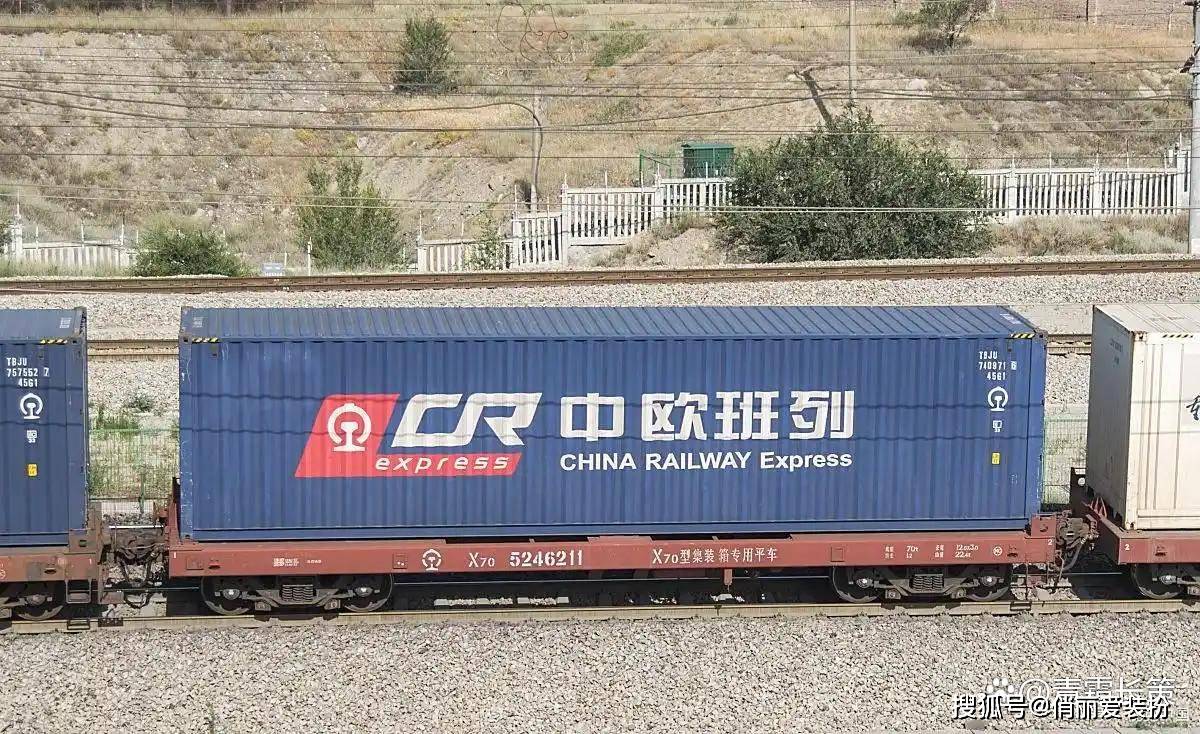
Core Insights - The China-Europe Railway Express is facing unprecedented challenges due to the escalation of the Russia-Ukraine conflict, leading to a significant decrease in operation frequency and rising logistics costs [1][2][3] - European countries are exhibiting a calm response, driven by the need for economic structural adjustment and complex international strategic dynamics [1][2] Economic Rebalancing - The long-standing trade deficit between China and the EU has prompted calls for a structural resolution, with the China-Europe Railway Express being a critical hub for Chinese goods in Europe [2] - The EU is actively seeking to adjust its trade strategy with China to achieve a more balanced economic interaction, reducing reliance on specific Chinese imports while enhancing local export capabilities [2] Geopolitical Dynamics - The U.S. plays a significant role in the geopolitical landscape, urging Europe to reduce trade routes through Russia to limit its economic space [3] - This geopolitical maneuvering indirectly influences European trade and transportation decisions, showcasing U.S. commitment to its long-term strategy [3] Poland's Strategic Role - Poland serves as a crucial gateway for the China-Europe Railway Express into the EU, with recent border closures reflecting its strategic considerations and the EU's evolving policy towards China [6] - The internal EU debate on China policy is intensifying, with a growing faction advocating for a tougher stance [6] Risk Restructuring - The operational challenges of the China-Europe Railway Express have highlighted issues related to insurance and security, with increased rates placing a financial burden on logistics companies [7][16] - The uncertainty caused by the conflict has led to a shift in trade flows towards more expensive and time-consuming maritime and air transport options [9] Corporate Adaptation - European companies are adjusting their supply chain strategies to enhance resilience, with some relocating manufacturing closer to the European market [10] - This transformation is gradual but is already evident across various industries [10] Russia's Position and Communication Efforts - Russia, as a key transit country, is focusing more on bilateral trade with China while being cautious about transit operations due to Western sanctions [11] - China is actively communicating with countries along the route to address logistical challenges, although geopolitical complexities complicate negotiations [11] Market Dynamics and Strategic Balancing - Changes in consumer trends, environmental regulations, and manufacturing layouts are reshaping the trade landscape between China and Europe [13] - European decision-makers are striving to balance short-term economic interests with long-term strategic goals, navigating the complexities of international relations [13] Insurance Industry Trends - The insurance sector's risk assessment is shaping the operational outlook for the China-Europe Railway Express, with high premiums continuing to restrict its viability [16] EU's Strategic Reevaluation - The EU is systematically reassessing the strategic significance of various international transport routes, considering factors like supply chain resilience and geopolitical uncertainties [17] - Technical challenges, such as differences in rail gauge and customs cooperation, require ongoing multilateral efforts to resolve [17] Political Dynamics and Coordination - Political voices within the European Parliament are advocating for a tougher stance on China, influencing the overall decision-making environment [18] - Coordination among EU member states remains a challenge, with differing views on China policy among major countries [18] Data-Driven Insights - Data from frontline operations, such as freight volume and transportation costs, are crucial for policy formulation, while broader macroeconomic challenges dilute focus on the railway issues [19] Future Outlook - Despite some operational routes still functioning, overall capacity has significantly contracted, with companies seeking to maintain services through adjustments [20] - The future trajectory of the China-Europe Railway Express will be influenced by geopolitical developments, changes in international trade structures, and the resolution of technical issues [20]
连增9个月黄金储备后,中国再打美债牌,日本买美债38亿,英国也买入413亿!
Sou Hu Cai Jing· 2025-09-19 08:05
在全球经济舞台上,美国国债,尤其是美债,始终占据着举足轻重的位置。9月18日,数据显示,尽管全球经济变幻莫测,但海外投资者对美债的信心依旧 不减,甚至在7月时,持有美债的规模再创新高,达到惊人的9.16万亿美元。 在这一背景下,今年8月,中国央行再次增持黄金,将其黄金储备提升至7402万盎司,标志着其逐渐转向更加稳健的资产布局。无论是黄金还是其他外汇资 产,均体现出中国在当前国际形势下的灵活应对,以及对外储资产配置多元化的坚持。这是一种自我保护的策略,也是对未来不确定性的一种前瞻性反应。 尽管发达国家纷纷增持美债,但这一趋势并非没有隐忧。7月的数据明确指出,尽管美债总持仓创下新高,部分国家的增持幅度却明显低于前几个月的表 现,这也许透露了投资者对美国经济的进一步谨慎态度。而这样的谨慎,很可能会影响未来的债市走势,甚至牵动全球金融市场的神经。 在这一轮数据中,日本和英国作为美债的主要买家,再次增持了其手中的美国国债。具体而言,日本在7月份增持了38亿美元,令其总持仓达到1.151万亿美 元,而英国则猛增413亿美元,持仓规模逼近9000亿美元。两国在安全和政治领域与美国的紧密关系,以至于他们的美债增持行为,很大 ...
被美国摆了一道,李在明怒了,连下四道命令,韩国转头向中国示好
Sou Hu Cai Jing· 2025-09-15 15:03
Group 1 - South Korea recently agreed to invest $350 billion in the U.S. market, focusing on electric vehicle batteries and shipbuilding, but faced a backlash after U.S. immigration authorities raided a joint battery plant, detaining 475 workers, including over 300 South Koreans [2][4][6] - The raid occurred shortly after the investment agreement, causing significant concern among South Korean companies like Hyundai and LG, which have already established multiple battery facilities in North America [9][10] - The U.S. justified the detentions by claiming some workers had incorrect visa types, leading to public outrage in South Korea, with media criticizing the U.S. for treating allies poorly [8][9] Group 2 - In response to the incident, South Korean President Lee Jae-myung issued four directives, including efforts to repatriate detained workers and a warning to the U.S. about potential investment withdrawals if visa policies do not change [9][10][14] - The second directive involved granting visa exemptions for Chinese tourists to boost the struggling South Korean tourism sector, reflecting a strategic pivot towards China for economic stability [10][14] - The third directive limited anti-China protests to reduce diplomatic friction, while the fourth suspended a loan to the Philippines, signaling a cautious approach to foreign investments and political alignments [12][14][16] Group 3 - The incident has led to a reevaluation of the South Korea-U.S. alliance, with growing skepticism about the economic benefits of the partnership, as South Korean companies consider shifting investments to Southeast Asia or back to South Korea [9][14][16] - The South Korean stock market has experienced volatility as investors react to the changing geopolitical landscape and the potential for reduced U.S. investment [14][16] - The situation highlights the complexities of global manufacturing strategies, as South Korea navigates its economic interests between the U.S. and China amid rising tensions [16]
中国绿色投资崛起,全球新能源格局重塑,供应链竞争进入深水区
Sou Hu Cai Jing· 2025-09-14 22:40
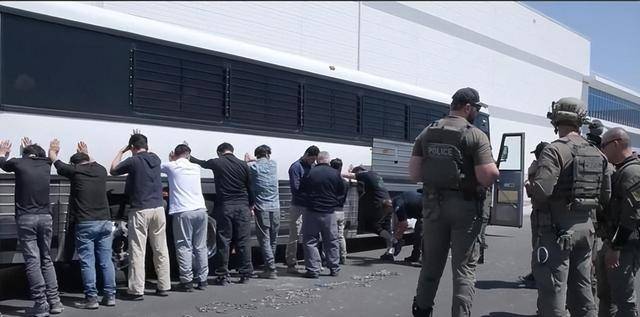
Core Insights - The article highlights the significant increase in China's investment in green technology and energy, totaling nearly $250 billion over the past three years, which has raised concerns in the U.S. and Europe about strategic resource control [1][2][10] Investment and Economic Impact - China's investment in green technology has been substantial, with approximately $250 billion (around 1.7 trillion RMB) allocated to various projects in Africa, Southeast Asia, and South America [1] - A new photovoltaic and battery production support plan targeting Belt and Road countries was quietly announced in early 2025, detailing production capacity, financing models, and local employment commitments [2] - The investments are not just financial; they also involve local infrastructure development and job creation, which are crucial for the communities involved [5][7] Geopolitical Reactions - The U.S. has expressed concerns about China's expanding influence in the battery and photovoltaic supply chains, indicating that this could pose a substantial challenge to Western control over strategic resources in the next decade [2][10] - European responses have shifted from verbal warnings to concrete policy proposals aimed at increasing scrutiny on key environmental technologies, effectively creating barriers to Chinese investments [7][11] Strategic Comparisons - The article draws parallels between China's current investment strategy and the historical Marshall Plan, noting that while both aim for economic integration, China's approach is more focused on market and technology-driven initiatives rather than political subjugation [8] - The emphasis on creating a mutually beneficial production-consumption system is a key differentiator in China's strategy compared to past geopolitical maneuvers [8] Industry Dynamics - The competition in the green technology sector is intensifying, with both the U.S. and Europe adjusting their policies to counter China's influence, which may lead to increased project costs and supply chain fragmentation [11] - The importance of technology in this global competition is underscored, as advancements in battery materials and photovoltaic efficiency are critical for maintaining competitive advantage [10][11] Future Outlook - The article suggests that the $250 billion investment may be a pivotal moment, with the future trajectory depending on how effectively the industry can integrate technology, market dynamics, and capital [13] - The ongoing geopolitical tensions and the need for stable political environments in investment regions are highlighted as significant factors that could influence the success of these initiatives [10][13]
黄仁勋的话白说了
Hu Xiu· 2025-09-07 12:45
Core Viewpoint - Anthropic, a prominent AI company, has announced the immediate cessation of services to "Chinese-controlled companies" due to legal, regulatory, and security risks, highlighting the growing geopolitical tensions in the AI sector [1][2]. Group 1: Company Overview - Anthropic was founded in 2021 by former OpenAI employees and is considered one of the most promising AI companies in the U.S. after OpenAI [3]. - The decision to halt services to Chinese entities reflects a narrow understanding of the broader AI talent competition, which is fundamentally about human resources rather than specific technologies [4][5]. Group 2: AI Talent Dynamics - Huang Renxun, founder of NVIDIA, emphasizes that 50% of global AI researchers are of Chinese descent, indicating a significant talent pool that the U.S. must recognize [6][8]. - The Hill & Valley Forum, established in 2023, aims to address strategic challenges posed by China's technological rise and foster collaboration between policymakers and the tech industry [9][10]. Group 3: Geopolitical Implications - The U.S. government has implemented policies to restrict the flow of high-end tech talent, particularly in AI and semiconductors, raising concerns about national security and technological dominance [12]. - A report by Digital Science indicates that China is producing nearly half of the world's AI research papers, positioning itself as a leading force in AI research [13]. Group 4: Talent Utilization and Ownership - Despite the significant number of AI talents produced in China, many of these individuals contribute to breakthroughs in U.S. companies, leading to a geographical disconnect between talent supply and value creation [15]. - The success of AI models like ChatGPT is heavily reliant on contributions from Chinese scientists, yet the ownership and commercial benefits remain with U.S. firms, illustrating a disparity in talent versus sovereignty [16]. Group 5: Future of AI Ecosystem - The geopolitical landscape may lead to a fragmentation of the AI ecosystem, with distinct models emerging from the U.S. and China, each reflecting different values and market needs [20][21]. - Companies must adapt to these changes by establishing flexible organizational structures that can attract and retain top talent globally, mitigating risks associated with geopolitical tensions [24]. Group 6: Strategic Recommendations - For nations, merely attracting talent is insufficient; creating an environment that maximizes the potential of top talent through open research cultures and robust intellectual property protections is crucial [23]. - Companies should adopt a global perspective, fostering an inclusive culture and flexible management to build a sustainable talent "moat" [24]. Group 7: Conclusion - The future of technological competition may hinge not on hardware capabilities but on the ability to secure and nurture talent, making it a critical factor in shaping the rules of engagement in the AI landscape [25].

委内瑞拉石油出口飙至9月新高,美国再成大买家,特朗普威胁动武
Sou Hu Cai Jing· 2025-09-07 09:39
Group 1: Oil Export Growth - Venezuela's oil and fuel exports reached an average of 966,485 barrels per day in August, marking a 27% increase from July and the highest level since November 2024 [1] - The growth in exports is attributed to a limited license granted by the U.S. Treasury to Chevron, allowing the company to resume operations and export oil to the U.S. after a four-month suspension [3] - The U.S. has become the second-largest buyer of Venezuelan oil globally in August, supported by stable production in the Orinoco Belt [3] Group 2: China's Dominance - China remains the primary buyer of Venezuelan oil, receiving 85% of the country's exports in August, although this is a decrease from 95% in July [3] - In March, Venezuela's daily oil exports to China reached 400,000 barrels, the highest in nearly two years [3][4] Group 3: U.S. Military Threats - The U.S. has deployed eight warships and a nuclear submarine in the Caribbean, equipped with 1,200 missiles aimed at Venezuela [5] - U.S. Defense Secretary Mark Esper stated that the Pentagon is prepared to use all military means to change the Venezuelan regime [5] Group 4: Venezuela's Response - Venezuela has shown a strong resistance to U.S. military threats, with President Maduro asserting that the government is prepared to defend the nation against any form of coercion [6] - The Venezuelan government has mobilized 4.5 million militia members to counter potential U.S. military actions [7] Group 5: Geopolitical Dynamics - The situation in Venezuela reflects a complex geopolitical struggle, with U.S. sanctions aimed at weakening Maduro's regime since 2019 [8] - The U.S. has implemented tariffs on countries importing Venezuelan oil, which indirectly targets China as the largest buyer [8][9] Group 6: Energy and Strategic Significance - Venezuela, holding the world's largest oil reserves, plays a crucial role in global energy geopolitics [10] - Despite U.S. sanctions, Venezuela's oil exports have increased, highlighting the limitations of the U.S. oil embargo [11] - For China, cooperation with Venezuela not only ensures stable oil supply but also provides cost advantages and strategic value for national defense [11]

乌克兰议说:今天乌克兰是‘反俄’,明天也有可能会成反欧的工具
Sou Hu Cai Jing· 2025-09-06 04:39
Core Viewpoint - The current situation in Ukraine reflects a tragic outcome of a sovereign nation being manipulated by external forces, leading to social turmoil, economic hardship, and potential national fragmentation [1][3] Group 1: External Influence and Aid - Western countries are providing military and economic aid to Ukraine, which appears humanitarian but is strategically calculated to serve their own interests [1] - The U.S. aims to use Ukraine as a strategic pawn to weaken Russia and prolong the conflict, while European nations are binding Ukraine to their interests through loans and military support [1][3] - Aid is often conditional, limiting Ukraine's ability to make independent policy decisions, which could lead to a dependency that undermines its sovereignty [1][3] Group 2: Economic Consequences - Ukraine's economy is deteriorating due to reliance on external aid, resulting in high inflation and a collapse of the national economic system [1] - The government prioritizes military spending over civilian needs, exacerbating the suffering of ordinary citizens [1] - The economic model has turned Ukraine into a subsidy-dependent entity, unable to provide basic living standards for its population [1] Group 3: Social and Political Ramifications - The manipulation of national sentiment by NATO and European countries is fostering deep societal divisions and extreme nationalism in Ukraine [1] - This cultivated hatred could backfire on Europe, as the extreme nationalist sentiments may eventually target former allies [1][3] - The ongoing conflict has militarized Ukrainian society, creating a volatile environment that poses risks not only to Ukraine but also to regional stability [1][3]

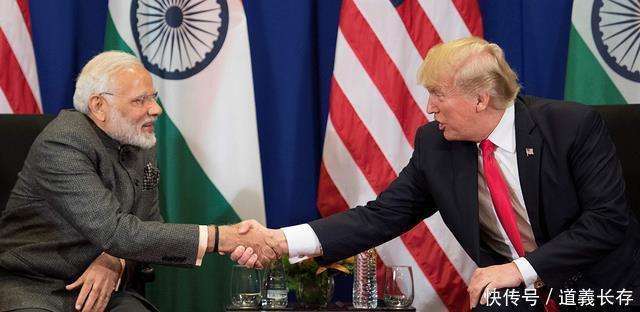
美印关系还能好吗?特朗普想插手,印度总理:谁也别想拦着!
Sou Hu Cai Jing· 2025-09-04 04:11
Core Insights - The strategic alliance between the US and India is facing a historic test due to the tariff war and energy sanctions initiated by the Trump administration, which threatens to dismantle decades of strategic trust built between the two nations [1][3] - The US's recent actions, including a 25% punitive tariff on $5.6 billion worth of Indian goods and the linkage of tariff exemptions to India's foreign policy choices, signify a significant shift in US policy towards India [1][3] - India's swift and strong response highlights the growing discontent with US policies, as evidenced by a significant increase in public support for reducing dependence on the US [5] Trade and Economic Relations - The US imposed a 25% tariff on $5.6 billion of Indian imports, with the potential for secondary sanctions on India's energy and military trade with Russia [1][3] - India's counter-argument includes data showing the EU's increased trade deficit with Russia and the rise in US-approved imports of Russian uranium products, challenging the US's stance [3][5] - The direct investment between US and Indian companies has surpassed $280 billion, indicating a deep interdependence that could act as a stabilizing factor amidst political tensions [9] Geopolitical Dynamics - The geopolitical landscape in the Indo-Pacific region is being reshaped by the US-India tensions, with experts warning that the US's short-sighted actions could undermine the security architecture it helped build [5][6] - The Indian government is accelerating free trade negotiations with the EU and Gulf countries, particularly in sectors most affected by US tariffs, such as pharmaceuticals and IT services [5][6] - The US Department of Defense continues to view India as a key strategic partner, despite the current tensions, as evidenced by ongoing military procurement and collaboration [6] Crisis Management and Future Outlook - To break the current deadlock, a multi-layered crisis management mechanism is needed, including the establishment of informal networks for dialogue [8][10] - The dual motivations behind Trump's actions, including a desire to counter Russia and personal political ambitions, may provide India with potential leverage in negotiations [8][10] - Historical experience suggests that repairing major power relations is complex and may take years, but there is a critical six-month window for both nations to avoid a dangerous strategic decoupling [10]