物理AI

Search documents
2025年中国企业级AI应用行业研究报告
艾瑞咨询· 2026-01-28 00:07
Core Insights - The enterprise-level AI application industry is transitioning from a technology exploration phase to a large-scale application phase, driven by advancements in large language models [1][14] - Key challenges in scaling AI applications include the need for systematic, end-to-end implementation capabilities rather than relying solely on technological breakthroughs [1][23] - AI Agents are becoming the core vehicle for enterprise-level AI applications, facilitating deep integration with business processes [1][29] Application Layer - AI Agents are central to the implementation of enterprise-level AI applications, breaking down tasks into smaller units and integrating with business processes through various methods [1][29] - The focus is on enhancing efficiency in processes, amplifying knowledge, and innovating value through AI applications [17][27] Supporting Layer - A data-centric approach is essential for model selection, emphasizing the construction of a robust data foundation and a data security system tailored for AI [1][41] - High-quality datasets are critical for AI development, enabling effective model training and application [41][42] Infrastructure Layer - The evolution of AI computing infrastructure is moving towards a heterogeneous model, highlighting the importance of deep collaboration between software and hardware in the context of domestic alternatives [1][50][53] - AI infrastructure is crucial for optimizing the performance and cost-effectiveness of AI applications [53] Organizational Layer - Leadership commitment and top-level design are vital for driving AI transformation within organizations, alongside the need for role upgrades among employees [1][56][60] - Employees must transition from traditional roles to AI collaborators, requiring new skills to effectively integrate AI into business processes [60] Vendor Landscape - The enterprise-level AI application market consists of four main categories: application software, technical services and solutions, cloud services, and AI model providers, creating a dynamic competitive landscape [2][65] - Established companies leverage their industry expertise to extend AI applications, while startups focus on specific scenarios to complement existing systems [65][66] Development Trends - Future trends include the evolution of large models from single architectures to multi-architecture iterations, deep integration of AI into business processes, and the emergence of AI-native applications [2][8] - AI is expected to reshape research processes and enhance competitive advantages for enterprises [2][8] Financing and Investment - Over 50% of AI financing events are concentrated in the application layer, with AI in healthcare emerging as a popular investment area [12][14] Challenges in Scaling - Key bottlenecks in scaling AI applications include weak data foundations, lack of quantifiable business value, and a shortage of talent with both technical and business insights [23][27]


对话Arm邹挺:2026年物理AI加速 芯片将有这些新进展
2 1 Shi Ji Jing Ji Bao Dao· 2026-01-27 22:54
Core Insights - The AI industry is rapidly evolving, with a focus on "physical AI" as a key area for development, particularly in 2026, which is anticipated to be a significant year for AI applications [1][2] - Arm predicts a new era of intelligent computing by 2026, emphasizing the need for modularity and energy efficiency in AI environments [1][2] - The deployment of physical AI systems is expected to reshape various industries, including healthcare, manufacturing, and transportation, driven by advancements in multimodal models and efficient training pipelines [2][3] Industry Trends - "Physical AI" is recognized as a prominent application scenario, with significant interest from leading chip manufacturers [2] - The industry is currently divided on the technical routes and commercialization progress of physical AI, indicating that large-scale deployment is still some time away [2] - Arm's analysis suggests that breakthroughs in technology will enable the large-scale deployment of physical AI systems, leading to new categories of autonomous devices [2][3] Technical Developments - Arm has established a "physical AI" division to integrate its automotive, robotics, and autonomous device businesses, aiming to create a cohesive AI solution that emphasizes performance, safety, and reliability [3] - The company is addressing the fragmentation in hardware and software technologies that has previously hindered industry progress [4] - Arm's layered solution includes hardware, software, and system-level optimizations to enhance energy efficiency and performance across AI applications [4][5] AI Mobile Technology - Arm is a key player in the current AI smartphone trend, with expectations that high-end smartphones will run large models locally without internet connectivity by 2025 [5][6] - Advances in model compression and architecture design are enabling the development of small language models (SLMs) that can be efficiently deployed on mobile devices [5][6] - The integration of Arm's technologies into major AI frameworks demonstrates its commitment to supporting the evolving AI landscape [7] XR Devices and Applications - XR devices, including AR and VR, are expected to see increased adoption in various sectors, driven by advancements in lightweight design and battery life [8][9] - The deployment of XR devices in enterprise applications will require careful consideration of performance, energy efficiency, and real-time interaction capabilities [9][10] - Arm is focusing on optimizing its architecture and computing capabilities to support the diverse needs of XR applications [10] AI Chip Evolution - The demand for AI chips is evolving, with a growing interest in specialized processors like ASICs and NPUs, which offer distinct advantages for specific applications [11][12] - Arm is enhancing NPU capabilities through heterogeneous architecture collaboration and comprehensive software ecosystem support [12][13] - The trend towards system-level collaborative design for custom chips is reshaping the performance landscape of AI technologies [13][14] Future Outlook - The integration of native AI applications with AI chips is expected to lead to a more interconnected intelligent world, where AI is embedded in devices and systems [14] - The emergence of "fusion AI data centers" is anticipated to maximize AI computing power while minimizing energy consumption and costs [14]
索辰科技:公司物理AI聚焦于多物理场仿真、物理规律驱动的智能体训练及行业级应用
Zheng Quan Ri Bao Wang· 2026-01-27 13:48
证券日报网讯1月27日,索辰科技在互动平台回答投资者提问时表示,公司物理AI聚焦于多物理场仿 真、物理规律驱动的智能体训练及行业级应用,面向新能源电池、具身智能、低空经济等领域的虚拟训 练,具备自主可控、安全可定制等优势。 ...

天数智芯公布芯片四代架构路线图 首次公布标杆客户与规模化落地成果
Zheng Quan Ri Bao Wang· 2026-01-27 10:43
本报讯(记者张文湘)1月26日,上海天数智芯半导体股份有限公司(以下简称"天数智芯"),在"智启芯 程"合作伙伴大会现场发布四代架构路线图,提出以"高效率、可预期、可持续"为核心的"高质量算 力"设计目标,打造"AI++"算力系统新范式,同时发布边端算力产品"彤央"系列,并全面展示多行业深 度应用案例及开放生态建设成果,以布局云边端的全场景产品与解决方案,与产业链上下游的客户和生 态伙伴共绘算力赋能千行百业的发展蓝图。 本次发布中,天数智芯首次公开了公司产品和解决方案在互联网、金融、医疗、科研等领域规模化落地 成果,以及在具身、工业、商业、交通智能等领域的标杆案例,全面印证国产算力的成熟与可靠。 天数智芯针对行业面临的能效比偏低、创造力不足、实际使用困难等问题,提出了"高质量算力"的解决 方案。公司打造的"AI++"算力系统新范式,统一芯片内与芯片外构建算力系统,建立软件驱动算力系 统的全新模式,以底层库为基石,以模型与计算中间层为支柱,用软件的智慧,释放硬件的潜能,支撑 上层不断繁荣的应用生态。 "彤央"系列产品,完成"云+边+端"全场景算力布局。"彤央"系列承载着"赋能边端智慧,连接物理空 间"的核心愿景 ...
从一杯咖啡里的算力说起
华尔街见闻· 2026-01-27 09:56
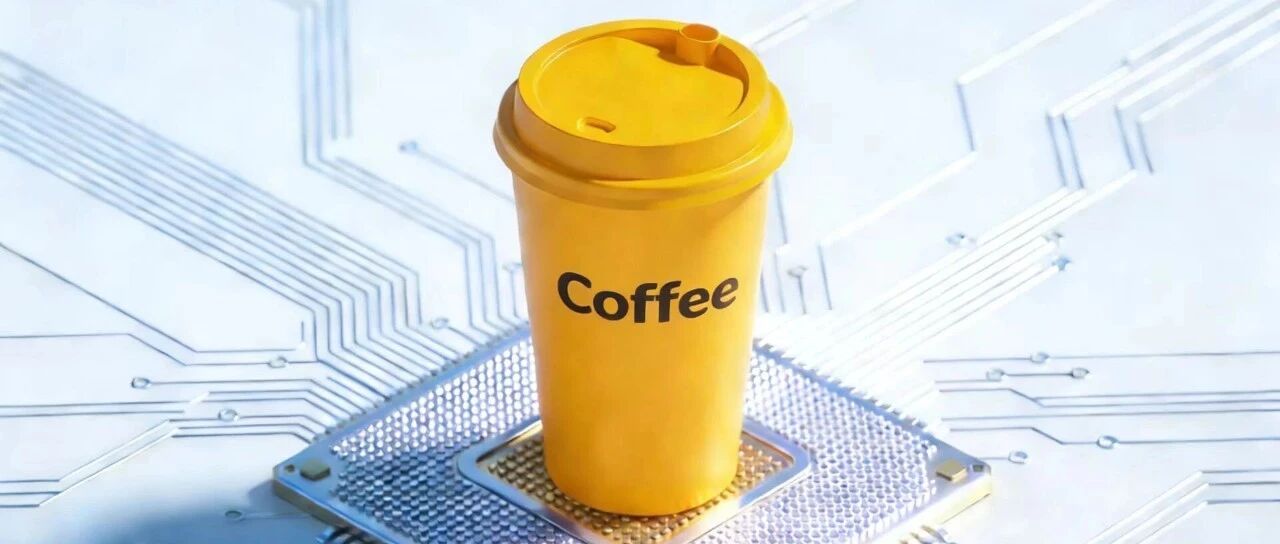
在北京朝阳区一家繁忙的连锁咖啡店里,早高峰的节奏正如精密齿轮般运转。 一位店员熟练地接过订单,与此同时,吧台角落那颗不起眼的摄像头正捕捉着客流数据;后台的库存系统在实时监测咖啡、牛奶等物料的消耗量。 支撑这一系列井然有序场景的正是天数智芯的 国产 边端 AI算力 产品 。 事实上,这不仅是一家咖啡店的日常,更是 国产 AI算力设备在现实商业中扎根生长的典型横切面。 将视线从这间咖啡店拉升,我们看到的是一片更为壮阔的商业前景。弗若斯特沙利文预计到 2029年中国通用GPU市场规模有望攀升至7153亿元,未来5 年复合增长率将高达29.5%。 正是在国内市场规模爆发的前夕, 天数智芯、壁仞、摩尔线程等国产 GPU 厂商相继完成上市,只为拿到那张通往七千亿市场的入场券,以应对接下来更 为残酷的规模化战役。 当 "上市蓄力"完成,资本市场的聚光灯也让行业的隐痛无处遁形:落地困难、生态割裂依然是摆在现实的难题。 对此,天数智芯给出的答案是 一份横跨三年的 四代架构 路线 图和一系列边端新品 : 1月26日, 天数智芯 一口气 亮出了 " 天数 天枢、 天数 天璇、 天数 天玑、 天数 天权 " 四 代架构 ,明确了在 ...
霍尼韦尔(HON.US)佐证物理AI加速增长:建筑领域广泛应用,正重塑全球20万场所
智通财经网· 2026-01-27 09:17
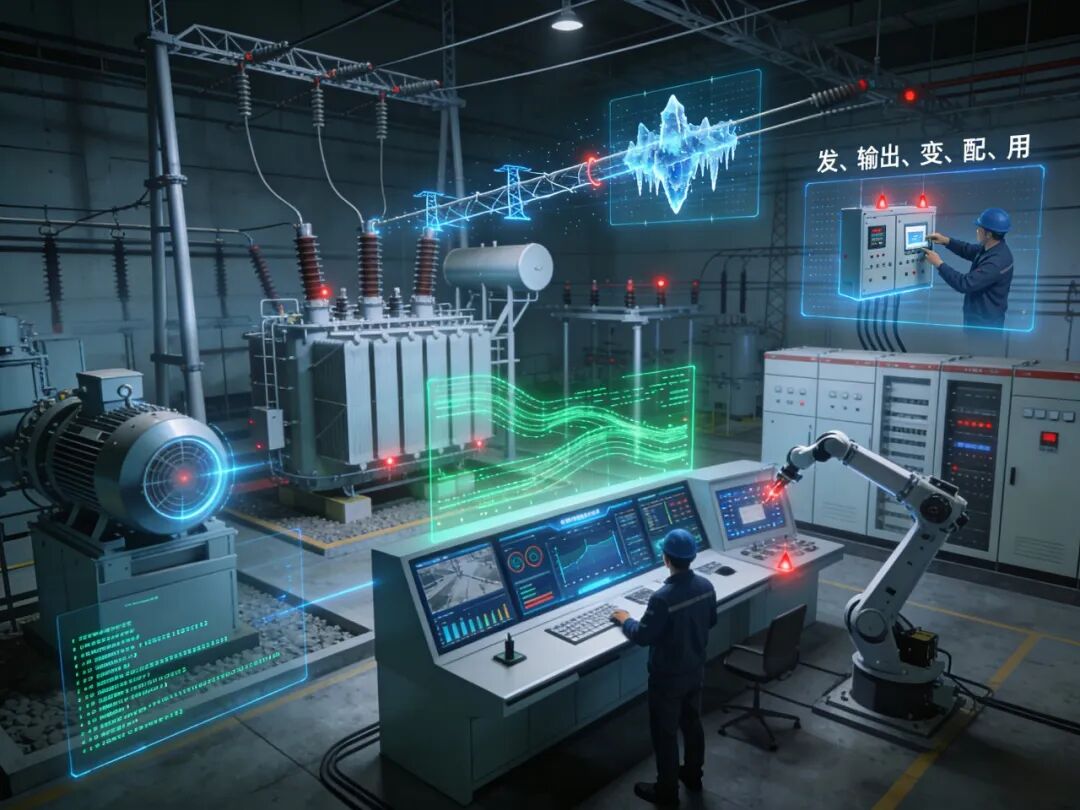
而在1月21日,英伟达创始人兼首席执行官黄仁勋在世界经济论坛年会上发表讲话,他提出AI"五层蛋 糕"理论,自下而上分别包括:能源、芯片与计算基础设施、云数据中心、AI模型,以及最上层的应用 层。值得注意的是,黄仁勋本月初在2026 CES主旨演讲中明确提出,"物理AI的'ChatGPT时刻'已然到 来,机器开始具备理解真实世界、推理并付诸行动的能力"。 霍尼韦尔也在利用疫情期间吸取的经验教训,确保其供应链能够承受美国总统特朗普不断加征关税带来 的冲击。Maheshwari表示:"世界贸易秩序正在转变,正从标准的全球供应链转向更多双边贸易。" 他 还说,新冠疫情"给所有人敲响了警钟,促使他们建立能够在本地生态系统中运作的供应链。我们做到 了这一点,因此我们完全有能力应对任何双边关系变化带来的不确定性。" 智通财经APP获悉,据软件工业公司霍尼韦尔(HON.US)称,人工智能正在影响现实世界,因为它正被 用于提高从机场到医院等建筑物的效率和生产力。霍尼韦尔全球区域总裁Anant Maheshwari表示,所谓 的"物理AI"在2025年从试点项目发展到广泛应用,全球有超过20万个场所部署此类工具,用于配置汽车 工 ...

申万宏源:2026年是物理AI关键元年 核心关注具数据闭环和场景能力本体公司
智通财经网· 2026-01-27 08:11
2026年人形机器人的发展节点对标2012-2014 年的新能源汽车,而新能源汽车的产业演进路径也为机器 人行业提供了清晰的阶段对标框架。二者均依托成熟大规模制造业与AI 算法跃迁,国内新能源车借国 家战略驱动爆发,完成政策到市场、技术到生态的演进;2026 年机器人技术刚迈过"可用"门槛,政策推 动、资本热度空前,与彼时Model S 落地后的新能源车特征相似,但商业模式闭环尚未形成。 人形机器人与新能源汽车产业存在阶段对标性但产业本质相异,智能是前者堪比新能源动力电池级别的 核心产业锚点 2008-2020 年新能源汽车产业核心是攻克动力电池物理化学极限,中国依托规模效应实现电池成本大幅 下降,奠定"电池为王"的硬件投资逻辑;当前人形机器人对标2012 年新能源汽车,该硬件逻辑仅具阶段 性正确性,其核心矛盾为"智能赤字",且硬件本体随供应链大幅度降本快速商品化,产业核心是具身智 能,价值关键在服务能力差异化,具身智能大脑为核心护城河。硬件与智能并非对立,2026 年核心硬 件仍有较大迭代空间,且二者形成"智能定义硬件,硬件反哺智能"的正向循环,硬件迭代方向由智能需 求动态定义。 智通财经APP获悉,申万宏 ...

2026年:AI开始“物理扎根”
3 6 Ke· 2026-01-27 05:35
Core Insights - The article discusses the transition of artificial intelligence (AI) from digital applications to physical applications, marking a significant shift in 2026 towards "physical AI" [1][4][12] Group 1: Development of Physical AI - Physical AI is characterized by its ability to understand physical laws and interact with the real environment, enabling a new research paradigm of "hypothesis - AI simulation - experimental verification" [4] - The development of physical AI is expected to take 5 to 10 years of deep cultivation, indicating a long-term investment in this area [4] - The concept of "world models" is crucial for physical AI, allowing intelligent agents to simulate actions in a virtual environment before executing them in reality, which is essential for safety and efficiency [5][6] Group 2: Data Generation and Training - The industry is leveraging "synthetic data" generated from high-fidelity physical simulation engines to train AI models at zero marginal cost, although there remains a challenge in bridging the "simulation to reality" gap [7] - A promising approach involves using human daily videos for pre-training AI models, allowing them to learn physical common sense and operational skills from real-world scenarios [7] - The future of physical AI data solutions may involve a "trinity" ecosystem composed of human experience, virtual simulation, and physical interaction [7] Group 3: Global Competitive Landscape - The development of physical AI shows a contrast between the U.S. and China, with the U.S. leading in foundational algorithms and cutting-edge exploration, while China excels in engineering and rapid deployment of technologies [9][10] - China's strategy emphasizes cost-effectiveness and clear application scenarios, supported by government initiatives that integrate AI into various sectors, setting ambitious goals for technology adoption [10] Group 4: Challenges and Future Directions - The ultimate goal of physical AI is to achieve generalization, enabling intelligent agents to adapt quickly to new environments and tasks, which remains a significant challenge [11] - Issues such as explainability, safety redundancy, and ethical standards are becoming increasingly important in the physical AI era, as the consequences of errors can have real-world implications [11] - The year 2026 is seen as a milestone, marking the beginning of AI's transition from virtual to physical applications, with ongoing advancements expected [12]
阶跃星辰50亿融资背后:李书福的万亿棋局
Sou Hu Cai Jing· 2026-01-27 04:13
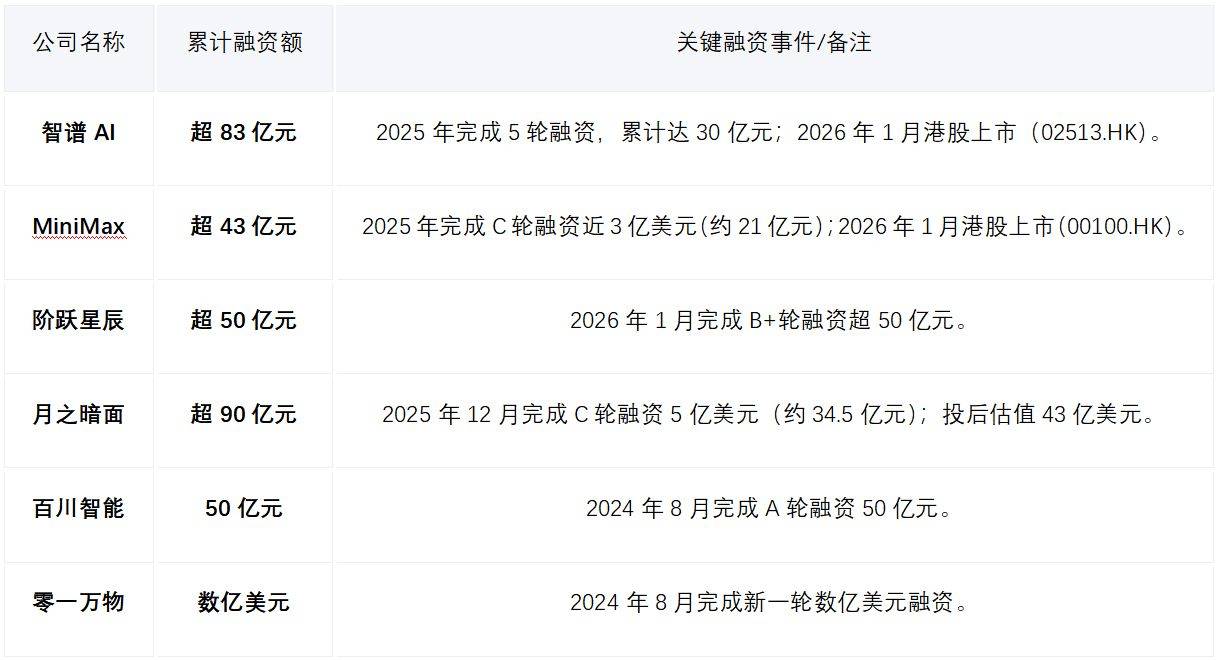
1月26日,阶跃星辰(StepFun)完成超50亿元B+轮融资,创下过去12个月中国大模型赛道单笔最高融资纪录。参投机构包括上国投先导基金、国寿股权、 浦东创投、徐汇资本、无锡梁溪基金、厦门国贸、华勤技术等产业投资人,腾讯、启明、五源等老股东进一步跟投。 阶跃星辰(StepFun)成立于2023年4月,由微软原全球副总裁姜大昕创立,联创包括张祥雨(前旷视研究院院长,印奇是旷视的创始人)、朱亦博(前微软 亚洲研究院研究员)等,已发布22款自研基座模型(含16款多模态模型),包括 Step-1千亿参数语言大模型、Step-1V 千亿参数多模态大模型、Step-2 万亿 参数 MoE 语言大模型等,产品覆盖语音交互、图像视频生成、多模态理解等领域,已落地 OPPO、荣耀、吉利汽车等手机厂商量产机型及金融、汽车等行 业场景。 据了解,印奇在阶跃星辰创立初期就深度参与,而后面阶跃星辰跟智谱AI、MiniMax、月之暗面、百川智能(医疗)、零一万物(政企)等AI六小虎的分野 也跟他有莫大的关系——阶跃星辰更强调跟智能手机、智能汽车等终端的结合,走向物理AI,而印奇任董事长的千里科技就承担着吉利汽车智能化开发的 重担。 吉 ...
对话Arm邹挺:2026年物理AI加速,芯片将有这些新进展
2 1 Shi Ji Jing Ji Bao Dao· 2026-01-27 03:53
Core Insights - The AI industry is rapidly evolving, with a focus on "physical AI" expected to dominate applications by 2026, driven by advancements in modularity and energy efficiency in computing [1][2] - Arm predicts a new era of intelligent computing in 2026, emphasizing the seamless interconnection of cloud, physical terminals, and edge AI environments [1] - The development of a robust software ecosystem and flexible heterogeneous computing infrastructure is crucial for the AI industry to address fragmentation issues in hardware and software [1][4] Group 1: Physical AI Development - "Physical AI" is recognized as a key application area, particularly in embodied intelligence and autonomous driving, although significant time is still needed for large-scale deployment [2][3] - Arm's analysis indicates that breakthroughs in multimodal models and efficient training will enable the large-scale deployment of physical AI systems, transforming various industries such as healthcare, manufacturing, and transportation [2] - The emergence of general computing platforms for automotive and robotic automation is anticipated, enhancing economies of scale and accelerating the development of physical AI systems [2][3] Group 2: Technical Challenges and Solutions - The industry faces challenges in the evolution of world models and VLA (visual-language-action) models, both of which are critical for the implementation of physical AI [2][3] - Arm has established a "Physical AI" division to integrate its automotive, robotics, and autonomous device businesses, aiming to create a real-time closed-loop AI solution that emphasizes power efficiency and reliability [3][4] - Arm's layered solution includes hardware, software, and system-level optimizations to enhance energy efficiency and support the deployment of numerous devices [4] Group 3: AI in Mobile Devices - Arm is a key player in the current AI smartphone trend, with high-end phones expected to run large models with 30 billion parameters by 2025 without internet connectivity [5] - Advances in model compression and architecture design are enabling the development of small language models (SLMs) that maintain computational capabilities while being easier to deploy on edge devices [5][6] - The introduction of Arm Mali GPUs with dedicated neural acceleration technology in smartphones is set to enhance mobile AI capabilities significantly by 2026 [5] Group 4: XR Devices and Market Trends - The XR (extended reality) market is evolving, with AR (augmented reality) expected to be the future focus despite challenges faced in 2025 [7][8] - The integration of AR and VR devices in various work scenarios is anticipated, driven by advancements in lightweight design and battery life [7][8] - Challenges for XR devices include balancing computational power with energy efficiency, meeting stringent design specifications, and ensuring low latency for real-time interactions [8][9] Group 5: AI Chip Market Evolution - The demand for AI chips is evolving, with a focus on specialized accelerators like ASICs and NPUs, which are suited for specific applications [9][10] - Arm is enhancing NPU capabilities through heterogeneous architecture collaboration and comprehensive software ecosystem support [10][11] - The trend towards system-level collaborative design for custom chips is reshaping chip performance, with major cloud service providers leading this transformation [11][12]