
价值投资

Search documents
价值投资的四个理念,你做到了么?|投资小知识
银行螺丝钉· 2025-09-04 14:11
Group 1 - The core idea emphasizes focusing on companies that can generate profits over the long term, as many stocks may underperform or only occasionally yield profits [2][3]. - The concept of margin of safety is introduced, defined as purchasing an asset worth 1 unit for only 0.6 units [3]. - Various valuation metrics are discussed, including price-to-earnings (P/E) ratio and price-to-book (P/B) ratio, along with absolute valuation methods like discounted cash flow [4]. Group 2 - The article describes the stock market's volatility, likening it to a "Mr. Market" who is erratic and provides daily price quotes, suggesting that investors should not be swayed by short-term fluctuations [7]. - It is advised to establish a personal investment philosophy and understand the intrinsic value of investments to identify undervalued opportunities [7]. - The concept of a "circle of competence" is mentioned, indicating the importance of investing within areas of expertise [8].


极端情况才能推动超预期降息,市场开始焦虑了!
Sou Hu Cai Jing· 2025-09-04 13:22
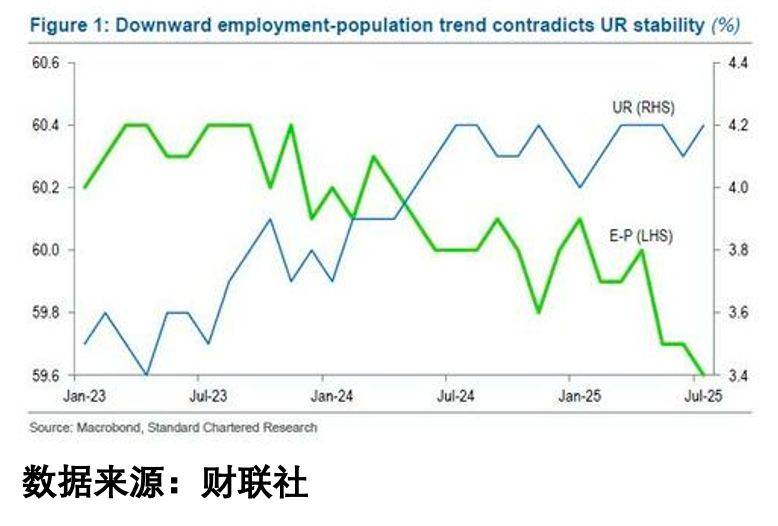
Group 1 - The non-farm payroll report is crucial for global markets, with expectations of 75,000 new jobs in August, but analysts question the accuracy of the data [1] - The unemployment rate appears stable at 4.1%-4.2%, yet the employment-population ratio is declining, indicating potential discrepancies in the data [3] Group 2 - Institutional investors are the key players in stock price movements, controlling the narrative behind market fluctuations through their trading behaviors [3] - Cost control is essential for identifying "good stocks," as even renowned investors like Warren Buffett emphasize the importance of holding costs [4][5] Group 3 - Quantitative tools reveal institutional trading behaviors, as seen in the case of "Sifang Technology," which surged over 40% in the market due to active institutional inventory data prior to the price increase [6][8] - Concept stocks, such as "Chuan Da Zhi Sheng," also show signs of institutional interest through quantitative data before significant price movements [9] Group 4 - Ordinary investors should focus on real trading behaviors rather than debating data accuracy, as institutions utilize quantitative tools to understand market fundamentals [13]
中泰资管天团 | 姜诚:你的“耐心”,我的“坚持”
中泰证券资管· 2025-09-04 11:32
Core Viewpoint - The article emphasizes the importance of long-term investment strategies and the need for fund managers to maintain trust with their investors through conservative investment practices and effective communication [1][3][6]. Group 1: Fund Performance and Investor Experience - The fund's net asset value and investor returns show a slight difference, indicating that investors likely have a positive experience [1]. - As of July 31, the first public fund of Zhongtai Asset Management has approximately 750,000 current investors with an average holding period of 782 days, suggesting a commitment to long-term investment [1]. - The average holding period for former investors is 308 days, which may exceed the industry average, highlighting the importance of reducing trading frequency for better long-term returns [1]. Group 2: Investment Philosophy - The company adopts a conservative investment approach, valuing stability and long-term viability over high-risk, high-reward strategies [3][4]. - The definition of a good company includes longevity and the ability to withstand market fluctuations, rather than solely focusing on growth potential [3]. - The article compares investment decisions to choosing a life partner, emphasizing the importance of enduring qualities over fleeting excitement [3]. Group 3: Communication and Trust - The company prioritizes transparent communication to combat information asymmetry in the asset management industry, ensuring that investors understand the risks and characteristics of the products [6]. - Honest communication is deemed essential, allowing potential investors to make informed decisions based on their preferences and risk tolerance [6]. - The company acknowledges the support of long-term investors, emphasizing the emotional connection and trust built over time [6]. Group 4: Investment Mindset - The article reflects on the nature of time and investment, suggesting that a slower, more deliberate approach may yield better long-term results [7]. - The company aspires to manage funds that are not only profitable but also sustainable over time, fostering a community of like-minded investors [7].


中期分红井喷:央企压舱,制造业扩围
Sou Hu Cai Jing· 2025-09-04 11:11
Core Viewpoint - The mid-term dividend trend in A-shares is driven by policy guidance, corporate financial optimization, and changing market preferences, contributing to market stability and investor confidence [2][8]. Group 1: Dividend Trends - As of August 31, 818 A-share companies announced cash dividend plans, an increase of 141 companies compared to the previous year, with total cash dividends reaching 649.7 billion yuan and an overall payout ratio of 31.97% [2]. - The number of companies declaring mid-term dividends has significantly increased from 102 in 2022 to 677 in 2024, marking a new high [2]. - The total cash dividend amount this year exceeded 531.2 billion yuan from last year, representing a growth of over 22% [2]. Group 2: Industry Contributions - Traditional high-dividend sectors such as finance, telecommunications, and energy continue to dominate, with state-owned enterprises contributing 71% of the total dividend amount [3]. - China Mobile leads the dividend payout with 54.082 billion yuan, followed by Industrial and Commercial Bank of China and China Construction Bank with 50.4 billion yuan and 48.61 billion yuan, respectively [3]. - The banking sector has been particularly prominent, with the six major state-owned banks planning to distribute nearly 204.7 billion yuan in dividends, accounting for almost one-third of the total [3]. Group 3: Corporate Behavior and Investor Sentiment - More manufacturing companies, such as CRRC and Changan Automobile, have begun to announce mid-term dividends, indicating a broader distribution of dividend practices beyond traditional sectors [5]. - Companies implementing mid-term dividends signal stable operations and strong cash flow, enhancing investor trust [4]. - The trend towards more frequent dividends reflects a shift in investor focus from mere stock price appreciation to cash dividend capabilities [10]. Group 4: Regulatory and Market Dynamics - Regulatory policies, such as the "New National Nine Articles," have emphasized the importance of cash dividends, encouraging companies to enhance their dividend policies [8]. - Over 60% of companies that disclosed mid-term dividend plans reported a year-on-year increase in net profit, indicating strong underlying performance [9]. - The increasing presence of institutional investors has heightened the demand for stable cash flows, pressuring companies to improve their dividend offerings [9]. Group 5: Future Outlook - There is a growing expectation that the frequency of dividends in A-shares will increase, with some companies potentially adopting quarterly dividend distributions similar to those in mature markets [11]. - The evolving dividend culture is expected to transform the investment landscape, promoting a balance between financing and investor returns [10].


MP Materials: Overreaction To The U.S. Government Support
Seeking Alpha· 2025-09-04 09:18
Core Insights - The article emphasizes investing in high-growth opportunities across various industries while employing a value investing approach that prioritizes robust business models and strategic foresight [1] - The focus is on companies that have the potential to significantly influence the global landscape in the coming years [1] - The discounted cash flow (DCF) valuation methodology is primarily used, but the analysis remains adaptable to various valuation techniques [1] - Business model frameworks from institutions like Harvard Business School are leveraged for in-depth analysis, ensuring a comprehensive understanding of a company's intrinsic value and strategic positioning [1] Investment Strategy - The investment strategy is centered on long-term growth potential and risk mitigation [1] - The approach includes a thorough analysis of a company's business model to facilitate informed investment decisions [1] - The analyst's educational background includes an MBA from IESE Business School and being a chartered financial analyst with the CFA Institute, which adds credibility to the analysis [1]


价值投资之忍受股价波动
雪球· 2025-09-04 07:48
Core Viewpoint - The article emphasizes the importance of holding onto quality stocks for the long term, despite short-term price fluctuations, using examples of successful investors who have achieved significant returns by maintaining their positions during downturns [3][4]. Group 1: Investment Strategies - Successful investors like Lin Yuan, Warren Buffett, and Duan Yongping have demonstrated the value of patience and conviction in their investments, often enduring significant drawdowns before realizing substantial gains [3][4]. - The article highlights the experience of Xu Xin, who held onto her investment in NetEase despite a 70-fold drop in value, ultimately selling for a tenfold profit [4]. Group 2: Recent Market Observations - The stock of Xinlianxin Fertilizer has shown strong performance due to several favorable factors, including a significant increase in second-quarter earnings, a rise in high-efficiency fertilizer sales, and improved gross margins [6]. - The company has optimized its short-term debt structure, with over 90% of loans maturing within a year being eligible for refinancing, leading to a reduction in financing costs by 0.8%, saving approximately 36 million [6]. Group 3: Future Outlook - Analysts are optimistic about Xinlianxin Fertilizer, with multiple institutions rating the stock between 8-9 HKD, corresponding to a six-fold price-to-earnings ratio for 2026 [6]. - The article suggests that holding undervalued consumer sector leaders in various industries, such as snacks, dairy, fertilizers, e-commerce, and jewelry, is a safer investment strategy in a volatile market [6].

3800点,哪些指数还可以继续关注?
雪球· 2025-09-04 07:48
Core Viewpoint - The article emphasizes that investment is based on future expectations, while valuation is a retrospective indicator, making investment decisions based solely on valuation highly limited [3]. Group 1: Valuation and Index Performance - Comparing valuation growth with index growth provides significant insights into the health of index increases and whether they are driven by earnings or valuation [4][5]. - If valuation growth closely matches index growth, the increase is primarily driven by valuation rather than earnings [6]. - A situation where valuation growth exceeds index growth indicates that the index's rise is entirely driven by valuation, often accompanied by negative earnings growth [6][7]. - Conversely, if valuation growth is smaller than index growth, the increase is primarily driven by earnings, which is considered a healthier and more sustainable rise [7]. Group 2: Recent Index Performance Analysis - Since September 24 of the previous year, major A-share indices have seen increases primarily driven by valuation growth, with significant contributions from indices like the Dividend Low Volatility and the CSI 500, where valuation growth greatly exceeded index growth [9][10]. - In contrast, the Hang Seng Technology and China Internet 50 indices have experienced increases primarily driven by earnings growth, with minimal valuation changes [10][11]. Group 3: Phase-by-Phase Index Performance - An analysis of index performance from September 24 to April 30 shows that A-share indices like the CSI 500 and Dividend Low Volatility were entirely driven by valuation growth, with earnings showing negative growth [12][14]. - From April 30 to August 29, A-share indices continued to see increases primarily driven by valuation growth, while the Hang Seng Technology indices experienced increases largely driven by earnings [17][19]. Group 4: Investment Viability - A review of the health of index increases and historical valuation percentiles indicates that most A-share indices are at high valuation levels, suggesting that further investment may not be supported by retrospective indicators [21][22]. - In contrast, the Hang Seng Technology and China Internet 50 indices are at significantly undervalued positions, indicating better investment potential due to their earnings-driven growth [23][24]. - The S&P 500 and Nasdaq 100 indices are at high valuation levels, with recent performance primarily driven by valuation rather than earnings, raising concerns about the sustainability of their growth [25][26].

上海实业控股中报解读:过滤“噪声”,不改长线成长底色
Zhi Tong Cai Jing· 2025-09-04 07:04
Core Viewpoint - The stock price of Shanghai Industrial Holdings (00363) has shown significant growth since its low in October 2022, reflecting the market's recognition of the company's long-term value despite recent short-term performance challenges [1][3]. Financial Performance - For the first half of 2025, Shanghai Industrial Holdings reported revenue of HKD 9.476 billion, a decrease of 8.6% year-on-year, and a net profit attributable to shareholders of HKD 1.042 billion, down 13.2% year-on-year [3][4]. - The decline in performance is primarily attributed to reduced sales from the real estate sector and significant impairment provisions totaling HKD 1.15 billion for inventory and investment properties [4][5]. Business Segments - The real estate sector's cyclical pressure has negatively impacted overall performance, with the company actively managing its asset structure by selling properties to recover cash [4][5]. - The infrastructure and environmental segment contributed HKD 9.33 billion in net profit, accounting for 92.2% of the company's total net profit, demonstrating its stability during downturns in other sectors [9][12]. - The consumer goods segment achieved a net profit of HKD 403 million, a year-on-year increase of 26%, driven by strong performance in tobacco and health products [9][12]. Financial Structure and Dividends - The company maintained a strong cash position of HKD 28.5 billion and reduced its interest-bearing debt to HKD 58.51 billion, improving its net debt ratio from 65.12% to 60.99% [7][12]. - The interim dividend per share remained at HKD 0.42, with a total payout of HKD 457 million, reflecting a commitment to shareholder returns despite short-term challenges [7][12]. Long-term Strategy - The company plans to focus on core urban renewal projects and enhance its asset management capabilities through the issuance of Real Estate Investment Trusts (REITs) [4][11]. - Shanghai Industrial Holdings aims to leverage opportunities in the environmental sector, particularly in wastewater and solid waste treatment, aligning with national policies on ecological protection [11][12]. - The management emphasizes a value investment approach, seeking quality investment targets in infrastructure, environmental, and consumer sectors to ensure long-term asset appreciation and shareholder returns [11][12].
终于等到大跌了!
Sou Hu Cai Jing· 2025-09-04 05:56
Group 1 - The technology sector has experienced a significant decline, with expectations that the market will test the support level of 3700 points [1] - The market has seen a surge in retail investor accounts, increasing by 166% year-on-year since August, indicating a rapid rise in market activity [1][2] - Regulatory bodies are taking measures to cool down the overheated stock market, as indicated by recent comments from the chairman of the China Securities Regulatory Commission [2] Group 2 - Historical context suggests that previous market fluctuations were influenced by government actions to control leverage, which could lead to significant losses for investors who entered the market at high points without establishing a base [3] - The current market is expected to undergo a period of adjustment lasting approximately three months, with potential for rebounds after initial declines [3] - The stock market is likely to experience differentiation, where companies without growth expectations may struggle, while those with sustainable growth prospects, such as innovative pharmaceutical companies, may still present investment opportunities [5]

中国光大控股(00165.HK):业绩扭亏为盈 募投管退全面向好
Ge Long Hui· 2025-09-04 04:00
Core Viewpoint - The company reported a significant turnaround in its financial performance for 1H25, achieving a net profit of 400 million HKD compared to a loss of 1.28 billion HKD in the same period last year, driven by a recovery in the capital markets and improved investment income [1] Financial Performance - The company's net revenue for 1H25 was 1.89 billion HKD, with earnings per share of 0.24 HKD, aligning with expectations [1] - Investment income surged to 1.69 billion HKD in 1H25, a substantial improvement from a loss of 390 million HKD in the previous year [1] - Unrealized investment income reached 980 million HKD, recovering from a loss of 1.21 billion HKD year-on-year [1] Investment Business - The recovery in the capital market led to a significant increase in investment income, with self-owned capital investments benefiting from improved project fundamentals [1] - The company recorded 1.1 billion HKD in unrealized income from self-owned investments, while financial investments contributed 1.16 billion HKD, with losses from key investment enterprises narrowing to 60 million HKD [1] - Fund management business saw unrealized investment losses significantly reduced to 120 million HKD from 740 million HKD in the previous year, indicating effective active management of the investment portfolio [1] Asset Management - The company's assets under management (AUM) increased by 2% to 119.4 billion HKD as of mid-2025, reflecting a strategic adjustment in fundraising [2] - New fundraising efforts generated 2.74 billion HKD, showcasing the company's robust fundraising capabilities despite a 15% year-on-year decline in client contract revenue [2] - Management fees decreased by 35% to 50 million HKD, attributed to fund entry/exit and extension phases [2] Cash Flow and Liquidity - The company achieved a cash return of 2.02 billion HKD through project exits, with a multiple on invested capital (MOIC) of approximately 2.8 times [3] - As of year-end, the company maintained a cash balance of 8.1 billion HKD and had access to 4.9 billion HKD in unused bank credit, ensuring ample liquidity [3] Profit Forecast and Valuation - The profit forecast for 2025 remains unchanged, with an introduction of a profit estimate of 2.49 billion HKD for 2026 [3] - The company is currently trading at 0.5x/0.4x P/B for 2025/2026 estimates, with a target price adjustment from 4.7 HKD to 10.0 HKD, indicating a potential upside of 17% [3]