
人民币国际化

Search documents
中国夺回定价话语权,铁矿石人民币结算落地,美元霸权加速崩塌
Sou Hu Cai Jing· 2025-10-15 09:01
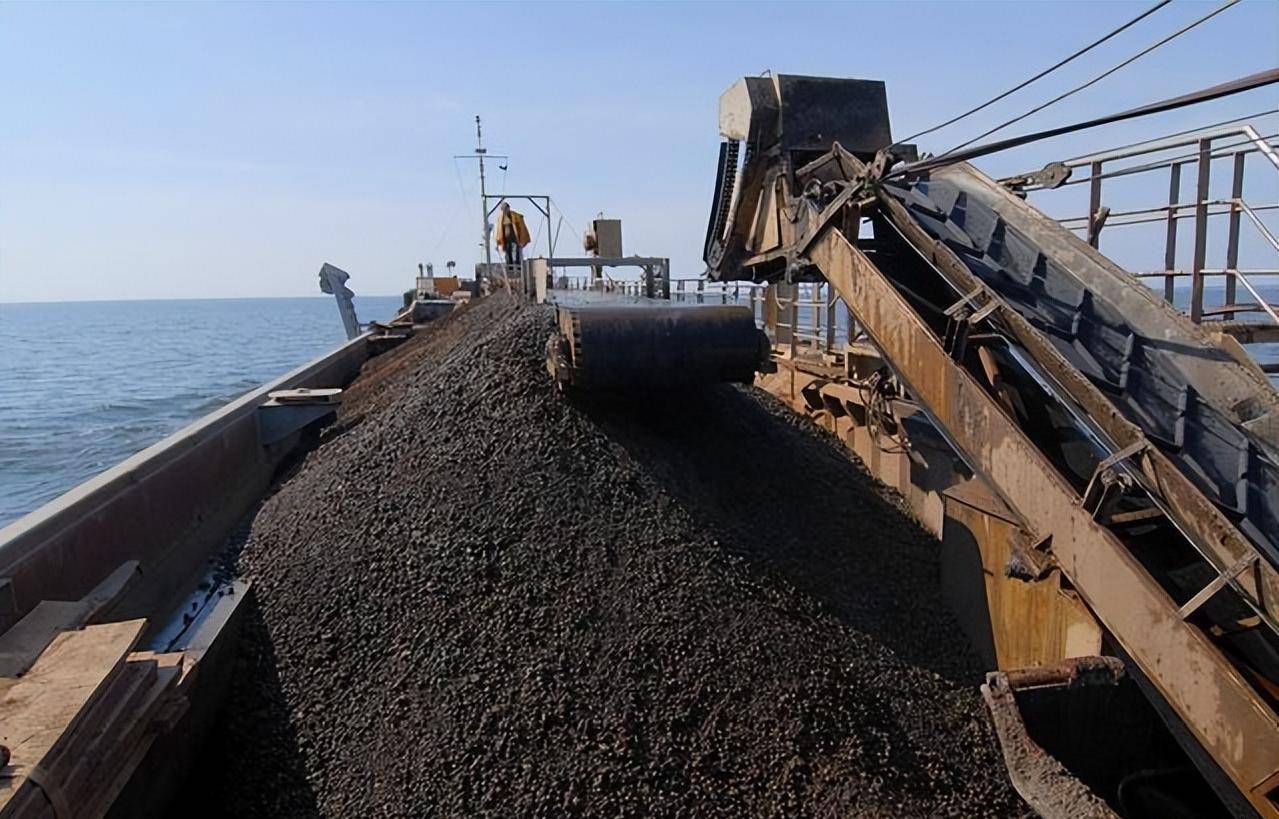
Core Viewpoint - BHP, an Australian iron ore giant, has announced that starting from Q4 this year, 30% of its iron ore spot transactions with China will be settled in RMB, marking a significant breakthrough for China in global commodity pricing and a challenge to the dominance of the US dollar [1][6]. Group 1: Market Dynamics - For over two decades, China's steel industry has struggled at the iron ore negotiation table, facing a strong seller's monopoly dominated by BHP, Rio Tinto, and Vale [1][3]. - The profit margins for foreign miners have consistently exceeded 100%, while Chinese steel companies have faced margins as low as 0.71%, leading to the closure of many domestic steel mills [3]. - The establishment of the China Mineral Resources Group aimed to consolidate purchasing power and end the fragmented approach of domestic steel mills, allowing China to leverage its position as the largest iron ore buyer [3][5]. Group 2: Strategic Shifts - China is diversifying its supply channels, with the Simandou iron ore project in Guinea becoming a critical alternative source, boasting higher reserves than the combined output of the three major Australian miners [5]. - The shift to RMB settlement is a strategic move that reduces reliance on the US dollar, which has historically dominated iron ore trade, with about 80% of transactions conducted in USD [5][6]. Group 3: Impact on International Relations - The transition to RMB settlement has led to significant changes in the international iron ore market, shifting from a seller's market to a buyer's market [8]. - BHP's reliance on China is evident, with 80% of its global iron ore sales (approximately 230 million tons) directed to China, prompting Australian officials to seek to restore trade relations [8].


俄印突然联手用人民币买石油,美元霸权要凉?特朗普这次是真着急
Sou Hu Cai Jing· 2025-10-15 05:31
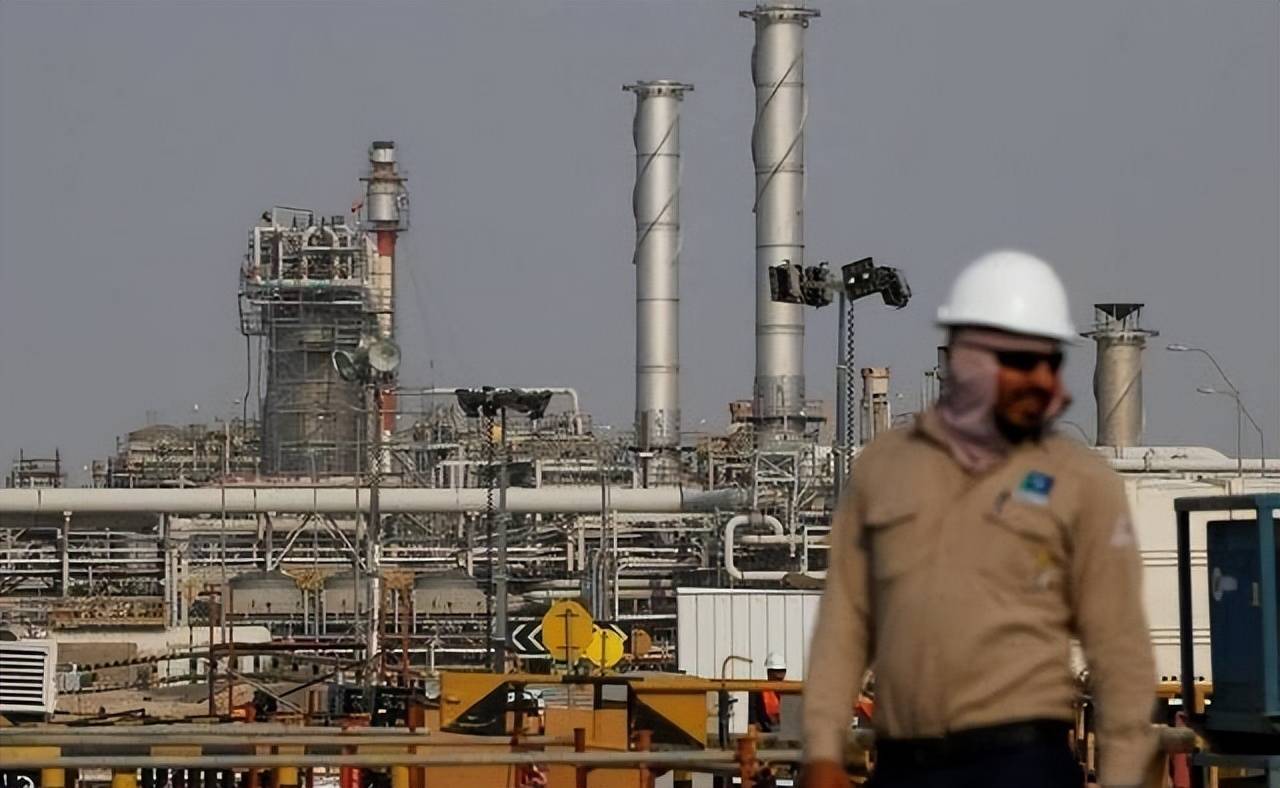
Core Insights - Russia's demand for Indian state-owned refineries to use RMB for oil purchases marks a significant shift in the global financial landscape [1][3] - India's swift acceptance of this demand is a strategic response to U.S. sanctions, particularly in light of its profitable oil trade with Russia [1][3] - The use of RMB as a settlement currency allows both India and Russia to circumvent U.S. sanctions, highlighting the growing importance of RMB in international trade [3][7] Group 1 - The price differential from importing Russian oil allows India to earn over $17 billion annually, effectively making European buyers indirectly fund Russia's war efforts [3] - The RMB is seen as a viable alternative for transactions due to its stability and the size of China's economy, especially in the context of fluctuating currencies like the ruble [3][5] - The strategic partnership between Russia and India through RMB usage introduces a new dynamic in U.S. foreign policy, as it complicates potential sanctions against both nations [5][9] Group 2 - The trend of using RMB for oil and iron ore transactions signifies a broader movement towards "de-dollarization" in the global economy [7][9] - The share of the dollar in global foreign exchange reserves has decreased from 72% to 58%, while the RMB's share is steadily increasing [7] - China's approach to promoting RMB internationalization is cautious and methodical, focusing on bilateral agreements and currency swap arrangements with over 40 countries [8][9]

俄印石油人民币结账落地,欧洲或间接人民币付款,美元霸权遭冲击
Sou Hu Cai Jing· 2025-10-15 04:05
Core Insights - The article discusses the unexpected consequences of the U.S. decision to exclude Russia from the SWIFT payment system, leading to a significant increase in Russian oil exports to India and the subsequent use of the Chinese yuan for transactions [1][10]. Group 1: Impact on Oil Trade - Following the exclusion from SWIFT, Russia's oil exports to India surged from approximately 100,000 barrels per day before the conflict to 1.18 million barrels per day by 2024, with Russia accounting for half of India's oil imports by July 2025 [1]. - India has been refining the cheaper Russian oil and reselling it to Europe, generating substantial profits [1]. Group 2: Shift to Yuan Transactions - Russia's decision to require payment in yuan arose from the inadequacy of the Indian rupee in international markets, which limited Russia's ability to utilize the rupees received [4][5]. - The yuan is viewed as a more reliable currency compared to the rupee, given China's status as the world's largest goods trader and the stability of the yuan's exchange rate [7]. Group 3: Broader Economic Implications - India's need for yuan to purchase Russian oil could lead to increased trade with China or currency swap agreements, thereby enhancing the yuan's influence in South Asia [8]. - The use of yuan for oil payments indirectly involves Europe in yuan transactions, potentially undermining the dominance of the dollar and euro in energy markets [9]. Group 4: Global Currency Dynamics - The article highlights a trend of "de-dollarization," with countries like Brazil and Saudi Arabia exploring direct trade settlements in yuan, reflecting a growing skepticism towards the dollar's hegemony [12][14]. - The reliance on the dollar as a tool of U.S. foreign policy has prompted nations to seek alternatives, raising concerns about the risks of being subjected to U.S. sanctions [14]. Group 5: Future of the Dollar - While the dollar remains a key player in the global financial system, the shift towards yuan transactions between Russia and India signifies a notable fracture in the dollar's dominance, suggesting a potential move towards a multipolar currency system [16].
中方一动真格,澳大利亚就软了,人民币大获全胜,美元被一脚踢开
Sou Hu Cai Jing· 2025-10-15 03:54
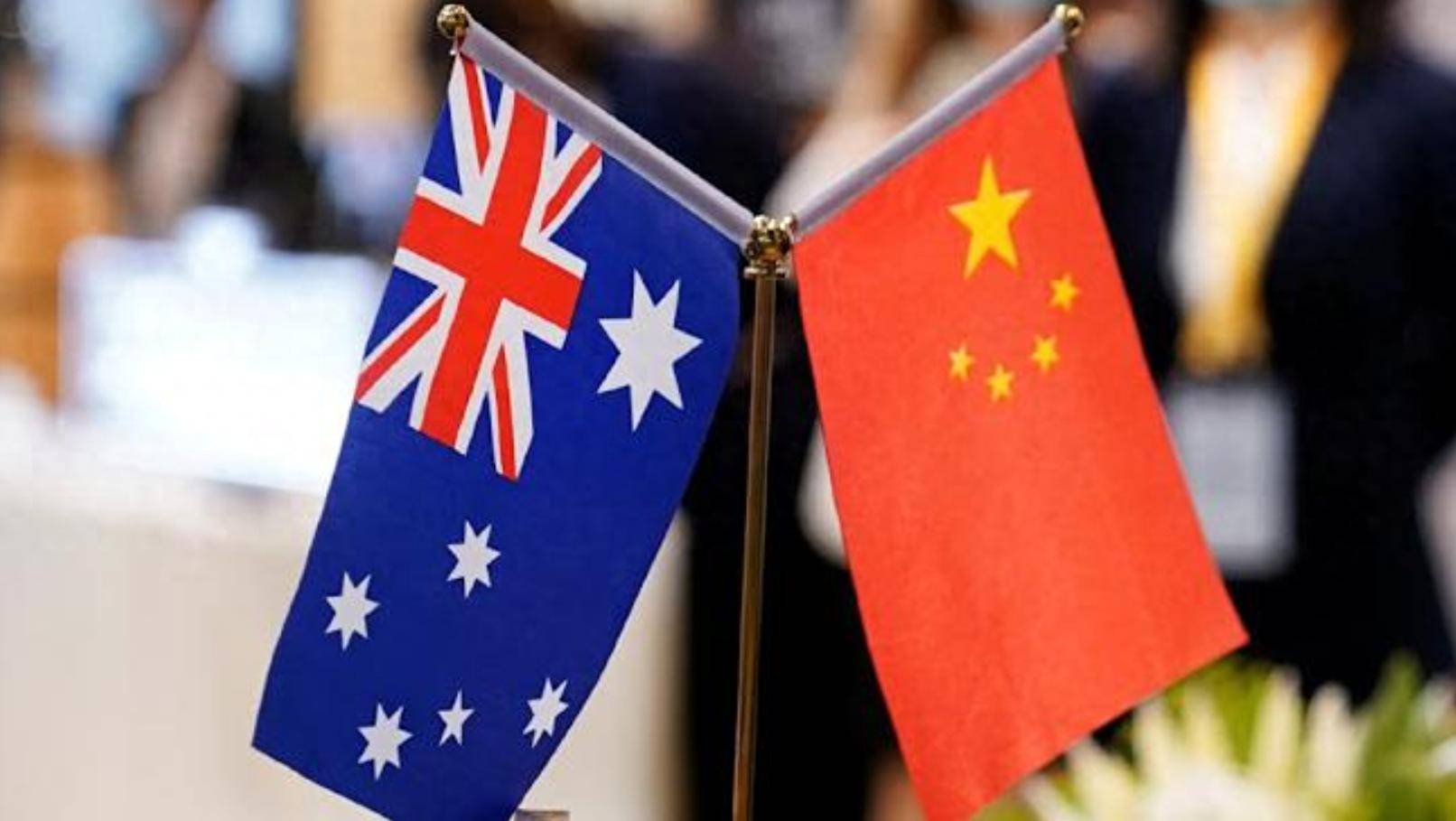
Core Viewpoint - The recent agreement between Australia's BHP to settle iron ore transactions with China in RMB marks a significant shift away from USD, indicating a strategic move towards the internationalization of the RMB and granting China pricing power in iron ore trade [1][3][5]. Group 1: Strategic Implications - The decision by BHP to accept RMB for iron ore transactions signifies a major victory for China, as it not only reduces reliance on the USD but also enhances the global standing of the RMB [1][3]. - This agreement allows China to reclaim pricing power in iron ore trade, which is crucial for its steel production sector, previously dominated by Western interests [1][5]. Group 2: Market Dynamics - China's Mineral Resources Group has been actively pushing for a unified purchasing strategy to enhance bargaining power against Australian suppliers, reflecting a shift in market dynamics where China seeks to assert its dominance as the largest iron ore consumer [3][5]. - The iron ore trade has historically seen Australia exert significant pricing power, with prices soaring to over $200 per ton despite production costs being around $21.75 per ton, severely impacting China's steel industry profitability [3][5]. Group 3: Negotiation Outcomes - Australia's initial resistance to changing the settlement currency indicates a strong reliance on iron ore exports as a key revenue source, but the realization of China's determination led to a swift change in stance [7]. - The diversification of China's iron ore import channels has reduced Australia's leverage, as China can source iron ore from multiple suppliers, diminishing the impact of any single supplier's pricing strategy [7].
中美一场暗战打响了
Hu Xiu· 2025-10-14 22:44
Group 1 - Major global economies are attempting to curb the spread of US stablecoins, with a consortium of nine European banks announcing plans to launch a euro-denominated stablecoin to create an alternative to the US-dominated market [1][2] - The rapid response from Europe follows the passage of the US stablecoin bill, with concerns that widespread use of US stablecoins in the Eurozone could undermine the European Central Bank's control over monetary policy [2][3] - A significant statistic indicates that all top ten stablecoins in the global stablecoin system are backed by the US dollar [2] Group 2 - China has also taken swift action by launching the Digital Renminbi International Operation Center in Shanghai, along with cross-border digital payment and blockchain service platforms [4][5] - The internationalization of the renminbi has been primarily driven by trade and cooperation along the Belt and Road Initiative, but progress has been slow due to traditional settlement system inertia and capital controls [5][6] - The dominance of US stablecoins in the digital finance space highlights the competitive landscape for financial rules, with China needing to actively participate to avoid being sidelined [6][10] Group 3 - The article discusses the historical context of the US dollar's dominance, which was established through the Bretton Woods system and further solidified by the petrodollar system [8][9] - Currently, over 90% of global crypto trading volume relies on stablecoins, predominantly pegged to the US dollar, reinforcing the dollar's role as a universal currency [9][10] - The potential risks of relying heavily on the US dollar for China include systemic impacts if the dollar system restricts access to financial resources [11][12] Group 4 - The article emphasizes the urgency for China to promote the internationalization of the renminbi, particularly through the central bank-issued digital renminbi, as a means to enhance financial security [12][18] - The digital renminbi is positioned as a sovereign digital currency that does not rely on external assets, unlike private stablecoins, which could lead to increased financial risks [16][18] - The digital renminbi can facilitate faster and cheaper cross-border payments, addressing inefficiencies in traditional payment systems [18][19] Group 5 - Trust and compliance challenges are highlighted as significant barriers to the global acceptance of the digital renminbi, particularly regarding privacy and regulatory frameworks [21][22] - The article points out that the depth and liquidity of China's bond market are still insufficient compared to the US, which affects international confidence in holding renminbi assets [22][23] - To become a reserve currency, the digital renminbi must address issues related to asset security, exit mechanisms, and institutional transparency [23][24] Group 6 - The article suggests strategic scenarios for the digital renminbi's breakthrough, such as energy trade and regional payment corridors, to reduce reliance on the US dollar [26][27] - The overall conclusion is that the digital renminbi's path to becoming an international reserve currency will require overcoming significant challenges related to trust, liquidity, and regulatory alignment [26][27]

美元布局紧急生变!中国拒绝援助买家离场,45万亿资产陷困局
Sou Hu Cai Jing· 2025-10-14 18:19
Economic Performance - China's GDP reached 66,053.6 billion yuan in the first half of 2025, with a year-on-year growth of 5.3%, driven by domestic demand, manufacturing, and service sector recovery [2] - The World Bank has raised China's annual growth forecast to 4.8%, close to the official target of around 5% [2] - In contrast, the US experienced a 3.8% annualized growth in Q2, but the full-year forecast is only 1.8% to 1.9% [2][18] Debt Market Dynamics - China's holdings of US Treasury bonds fell to $730.7 billion in July 2025, a decrease of $25.7 billion from the previous month, marking the lowest level since December 2008 [4] - This reduction reflects China's strategy of diversifying foreign exchange reserves, moving away from large-scale purchases of US debt [4][6] - The shift in China's investment strategy includes a focus on Asian assets and gold to enhance risk resilience [4][6] Real Estate Market Trends - Chinese investors are gradually exiting the US real estate market, shifting their focus to Asia or other stable regions [10] - The total value of US homes reached $55.1 trillion, but several states have seen declines, with Florida and California losing $109 billion and $106 billion, respectively [10] - The cumulative effect of these declines is significant, as the market adjusts to avoid potential risks [10][16] Investment Strategy Shifts - The US faces a potential crisis with $45 trillion in household real estate wealth, which is vulnerable to fluctuations in the debt market [12] - Chinese buyers have strategically exited the US market to avoid the impact of these fluctuations, demonstrating improved predictive capabilities [12][16] - The Federal Reserve's shift from aggressive rate hikes to gradual cuts has had limited success in reversing the increasing inventory trend in the US real estate market [12][20] Currency and Global Influence - China's economic strategy emphasizes domestic demand expansion and technological investment, maintaining a stable growth rate above 5% [14] - The refusal to provide external financial assistance reflects China's confidence in its sovereign financial strategy [14][20] - The global shift towards emerging markets presents opportunities for China to enhance its influence and reduce reliance on the US dollar [18][20]
人民币国际化是一个渐进过程
Sou Hu Cai Jing· 2025-10-14 16:35
Core Viewpoint - BHP and China Mineral Resources Group have reached an agreement to settle a portion of iron ore spot trades in RMB starting in Q4 2023, marking a significant shift in pricing power for China and a step forward in the internationalization of the RMB [2][3] Group 1: Trade Dynamics - The initial phase involves 30% of the spot trading volume being settled in RMB, with long-term contracts under observation for potential full transition [2] - China's establishment of the Mineral Resources Group has improved its bargaining power, moving away from a passive acceptance of seller pricing [2] - The diversification of iron ore suppliers for China, including the upcoming Simandou mine and increased recycling of scrap iron, is reducing reliance on single-country imports [2] Group 2: RMB Internationalization - The agreement is expected to reduce foreign exchange demand by $70-80 billion annually, enhancing the RMB's share in commodity settlements [2][4] - The use of RMB for pricing and settlement will lower exchange rate risks for domestic companies and reduce costs associated with currency conversion [2][4] - Recent trends show that RMB internationalization has made significant progress, with RMB reserves held by global central banks reaching $245.2 billion, accounting for 2.14% of total reserves [3][4] Group 3: Policy and Future Outlook - China's approach to RMB internationalization is characterized by a cautious and gradual policy, focusing on risk control and market-driven strategies [5] - Former central bank governor Zhou Xiaochuan indicated that increased protectionism from the U.S. could provide an opportunity for the RMB to play a larger role in the international monetary system [5] - Future reforms are necessary to enhance the RMB's international use, including improving cross-border settlement efficiency and increasing the availability of RMB-denominated financial products [5]

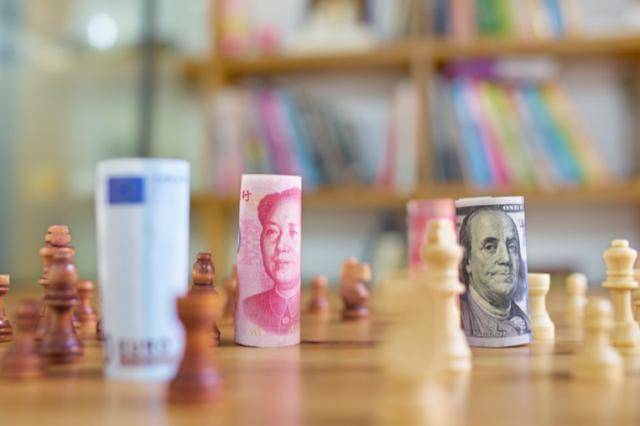
人民币国际化:让这个世界上,不再有霸权能骑到别人头上
Sou Hu Cai Jing· 2025-10-14 15:57
Core Viewpoint - BHP, a major Australian iron ore producer, announced it will gradually accept RMB for iron ore spot transactions, starting in Q4 2023, marking a significant milestone in the internationalization of the RMB as all four major iron ore giants now accept RMB settlement [1][7]. Group 1: Iron Ore Market Dynamics - China is heavily reliant on iron ore imports, with over 1.2 billion tons expected in 2024, 60% of which will come from Australia, highlighting the country's significant demand for high-quality iron ore [5][6]. - Despite being the largest buyer of iron ore, China has limited bargaining power due to a fragmented buyer landscape and a concentrated seller market dominated by four major companies [6][7]. - The establishment of the China Mineral Resources Group (CMRG) aims to consolidate procurement among state-owned steel enterprises to enhance bargaining power against suppliers [6][7]. Group 2: RMB Internationalization Progress - The acceptance of RMB for iron ore transactions is seen as a major step forward for RMB internationalization, especially in the context of global commodity trading [7][11]. - Recent data indicates that RMB settlements in cross-border transactions have surpassed those in USD for the first time, with over 60% of foreign trade enterprises using RMB [11][12]. - The CIPS (Cross-Border Interbank Payment System) has been developed to facilitate RMB payments, covering 189 countries and connecting 1,700 banks, processing a significant volume of cross-border RMB transactions [10][12]. Group 3: Future Prospects and Innovations - The mBridge project aims to create a digital currency platform for central banks, allowing for direct currency exchanges without intermediaries, potentially reducing reliance on the USD [16][20]. - The internationalization of RMB is not just about becoming a reserve currency but also about eliminating the dominance of the USD in global trade [21].

加密货币,如何看待?
Sou Hu Cai Jing· 2025-10-14 15:51
Core Viewpoint - Cryptocurrency, particularly stablecoins, is profoundly impacting and reshaping the global financial, trade, and economic systems, becoming a systemic variable that influences macroeconomics, international balance of payments, monetary policy, and financial stability [2] Group 1: Characteristics and Types of Cryptocurrency - Cryptocurrency is a digital asset based on blockchain technology, secured by cryptographic algorithms, and maintained by a decentralized network, enabling peer-to-peer value transfer without reliance on central banks [4] - Key characteristics include decentralization, cryptographic security, limited or algorithmic issuance, and transparency, with all transaction records available on the blockchain [4][5] - Major types of cryptocurrencies include public chain coins (e.g., Bitcoin, Ethereum), stablecoins (e.g., USDT, USDC), central bank digital currencies (CBDCs), exchange platform tokens, and privacy coins [5] Group 2: Impact on Global Economy - Cryptocurrency affects financial stability by exhibiting high volatility and correlation with traditional assets, potentially leading to systemic risks [8] - It transforms international trade by enabling low-cost, efficient cross-border transactions, significantly reducing fees and time compared to traditional banking [8][9] - Capital flow is influenced as cryptocurrencies allow rapid movement of funds across borders, potentially bypassing currency controls [9] - The emergence of a cashless economy is accelerated by cryptocurrencies and CBDCs, reshaping global energy and computing trade [9] Group 3: Regulatory and Governance Challenges - The global landscape is entering a "rules competition" era, with regulatory arbitrage becoming more pronounced as different regions adopt varying compliance standards [10] - Anti-money laundering pressures are increasing, necessitating the extension of regulations to stablecoins and decentralized finance (DeFi) [10] - The introduction of cryptocurrencies poses significant challenges to existing international economic governance, particularly in finance, trade, and capital flow [10] Group 4: Opportunities and Challenges for China - Opportunities for China include promoting the internationalization of the Renminbi, enhancing cross-border payment efficiency, and leveraging blockchain technology for digital currency development [12] - Challenges include risks to financial stability and monetary sovereignty, potential capital flow issues, and the need for a robust regulatory framework to address the evolving landscape of stablecoins [13]
金融业三维度同频共振 激活高质量发展新引擎
Zheng Quan Ri Bao· 2025-10-14 15:44
Core Insights - The financial industry in China has undergone significant transformation during the "14th Five-Year Plan" period, focusing on internal reforms, enhanced services to the real economy, and accelerated international openness [1] Group 1: Internal Reforms - The financial system reform has deepened, with improved top-level design and modernization of governance capabilities [2] - The establishment of the Central Financial Committee and the Central Financial Work Committee in 2023 has strengthened centralized leadership over financial work [2] - The financial regulatory framework has transitioned from "one bank and two commissions" to "one bank, one bureau, and one commission," enhancing regulatory efficiency and coordination [2][3] Group 2: Service to the Real Economy - The financial sector has significantly improved its service quality to the real economy, providing an additional 170 trillion yuan in funding through various means [4] - The annual growth rate of loans to technology-based SMEs, inclusive finance for small businesses, and green loans has exceeded 20% during the "14th Five-Year Plan" period [4][5] - The People's Bank of China has implemented structural monetary policy tools to ensure effective funding allocation to key areas such as inclusive finance and green development [5] Group 3: International Openness - The financial sector has made steady progress in high-level bilateral openness, enhancing its influence and participation in international financial governance [6] - As of July 2023, foreign institutions and individuals held over 10 trillion yuan in domestic stocks, bonds, and deposits, with panda bond issuance exceeding 1 trillion yuan [6] - The internationalization of the renminbi has advanced, with bilateral currency swap agreements signed with 32 countries, making the renminbi a major currency in global trade financing [6][7]