数字赋能

Search documents
数字破壁释放活力
Jing Ji Ri Bao· 2025-11-04 22:23
Core Insights - The article highlights the transformative impact of rural property rights circulation reform in Xinyu, which has revitalized rural resources and increased their market value through a structured trading system [1][2] Group 1: Market Dynamics - The introduction of a four-level trading system, integrating government and market forces, has effectively addressed long-standing issues such as information barriers and distorted value assessments in rural property transactions [1] - The first land transaction in Yushui District saw a bidding price that exceeded 200% of its initial value, showcasing the potential for significant price appreciation through digital platforms and competitive bidding [1] Group 2: Technological Integration - Digital technology, including blockchain for traceability and smart matching to overcome geographical limitations, has played a crucial role in facilitating transparent and efficient property transactions [1][2] - The collaboration between village information officers and digital platforms has created a comprehensive trading network that enhances market access for rural resources [1] Group 3: Policy and Governance - The government has established a robust regulatory framework to ensure fair transactions, involving multi-departmental oversight and clear management responsibilities [1] - The dual approach of government regulation and market activation has not only protected farmers' rights but also unleashed the potential of rural resources [1] Group 4: Socioeconomic Impact - The reform is expected to foster the growth of collective economies, deepen industrial integration, and optimize rural governance, ultimately translating into tangible benefits for farmers [2] - The combination of institutional innovation, digital technology, and community benefits forms a comprehensive strategy for effectively managing rural resources and assets [2]
重庆百货(600729):业绩稳健向好,调改升级驱动盈利质量持续提升
Shenwan Hongyuan Securities· 2025-10-31 12:25
Investment Rating - The report maintains a "Buy" rating for Chongqing Department Store (600729) [6] Core Views - The company's performance is stable and improving, driven by adjustments and upgrades that enhance profit quality [6] - The company reported Q3 2025 revenue of 3.589 billion yuan, a year-on-year decrease of 10.81%, while net profit attributable to shareholders was 217 million yuan, an increase of 2.82% year-on-year [6] - The company is undergoing a transformation across four major business segments, with revenue under pressure but significant improvements in gross margin [6] Financial Summary - Total revenue for 2025 is projected at 18.075 billion yuan, with a year-on-year growth rate of 5.5% [5] - Net profit attributable to shareholders for 2025 is estimated at 1.406 billion yuan, reflecting a year-on-year growth rate of 6.9% [5] - The gross margin for Q3 2025 improved by 2.13 percentage points to 26.5%, while the expense ratio increased slightly by 1.71 percentage points to 22.39% [6] Business Segment Performance - Revenue from the department store segment was 1.639 billion yuan, down 7.8% year-on-year, while the gross margin was 72.11% [6] - The supermarket segment generated 5.181 billion yuan in revenue, a decrease of 3.8% year-on-year, with a gross margin of 25.10% [6] - The electrical appliances segment saw revenue of 2.174 billion yuan, down 10.0% year-on-year, with a gross margin of 21.92% [6] - The automotive trade segment reported revenue of 2.502 billion yuan, down 23.6% year-on-year, with a gross margin of 8.32% [6] Strategic Initiatives - The company is focusing on a three-pronged upgrade strategy involving store adjustments, supply chain restructuring, and digital empowerment [6] - As of Q3, the company had a total of 268 stores, with a net decrease of 5 stores [6] - The supermarket segment has seen significant improvements in sales and gross margin through new store formats and enhanced supply chain efficiency [6]

赛维时代(301381) - 301381赛维时代投资者关系管理信息20251029
2025-10-30 13:12
Group 1: Brand Strategy - The company adopts differentiated development strategies for leading and small-to-medium brands, focusing on brand promotion and local influence for leading brands, while leveraging online promotion and digital operations for smaller brands [3][4]. - The brand incubation strategy involves focusing on core brands for breakthrough growth, adjusting resource allocation based on competitive environment and market opportunities [4]. Group 2: Sales Performance - Leading brands, such as men's clothing and homewear, have reached a sales volume of 2 billion, indicating a significant scale in the Amazon platform [5]. - The company aims to explore new growth paths by enhancing brand influence, leveraging digital capabilities, and developing new regions and channels [5]. Group 3: Market Expansion - The company is actively expanding offline channels, collaborating with major retailers like Walmart, Sams, and Target, and progressing with negotiations with TJ Maxx and Costco [8]. - The focus remains on expanding in the U.S. and Europe, with significant growth in the European market anticipated in 2024 [10]. Group 4: Supply Chain Management - The company has preemptively established overseas supply chains to balance short-term cost-effectiveness with long-term strategic planning, primarily sourcing orders from China due to its stability and efficiency [9]. - Plans are in place to explore supply chain resources in Southeast Asia and Africa to ensure flexibility in supplier order planning [9]. Group 5: Competitive Landscape - The company is building a comprehensive defense system against market competition by enhancing brand promotion for leading brands and improving operational efficiency for smaller brands [12]. - The sales from Temu and TikTok combined account for approximately 5% of total sales, with distinct operational strategies for each platform [12].
重庆铜梁:以“有求必应、无事不扰”营商环境 为企业高质量发展赋能
Ren Min Ri Bao· 2025-10-29 22:10
Core Viewpoint - Chongqing Tongliang District is implementing a service-oriented approach to address business challenges, significantly reducing administrative burdens and enhancing market vitality through streamlined processes and digital platforms [1][2][4][5][7]. Group 1: Service Mechanisms - The district has established a "Four Contact" system where 34 district leaders engage directly with 489 key enterprises, addressing 562 issues and resolving 303 on-site [2][3]. - A dual-specialist service model has been introduced, with local service specialists acting as "grid managers" for enterprises, ensuring immediate support for daily needs and complex issues [3][4]. Group 2: Administrative Efficiency - Administrative processes have been optimized, resulting in a 30-day reduction in project approval times and a 10-day decrease in joint inspection cycles [5][6]. - The introduction of a "commitment system" allows enterprises to substitute certain application materials with a commitment letter, facilitating faster approvals [5][6]. Group 3: Financial and Project Support - The district has facilitated loan disbursements of 137.59 billion yuan to support the real economy and has helped local enterprises secure orders worth 4 billion yuan [4][5]. - A development opportunity list for 2025 has been published, with signed agreements totaling 324.9 billion yuan this year [4][8]. Group 4: Digital Transformation - The "Enterprise Service Appointment" application has been launched, allowing for efficient management of service appointments across 17,000 enterprises, reducing inspection frequency by 50% [7][8]. - An AI-driven service assistant has been developed to streamline policy access and address enterprise needs, resolving 82 issues since its implementation [8][9]. Group 5: Economic Growth and Future Plans - The district has seen the addition of 37 new specialized enterprises this year, bringing the total to 209, and aims to continue enhancing the business environment to support economic growth [9][10]. - Future initiatives will focus on deepening the "Three Services" and "Four Contacts" approach to further improve enterprise satisfaction and operational efficiency [9][10].
沪澳动漫IP经济深度对话 共探产业协同新路径—— 澳门动漫业界上海交流团参访黄浦
Sou Hu Cai Jing· 2025-10-27 14:31
Core Insights - The "Macau Animation Industry Shanghai IP Economic and Cultural Exchange Group" successfully conducted a two-day visit to explore Shanghai's IP economic development experience, aiming to foster collaboration between the animation and toy industries in Shanghai and Macau [2] Group 1: Immersive Visits - The exchange group visited key IP landmarks in Shanghai, including the POPMART global flagship store, where the operational model of "deeply mining IP core + diversified product development" sparked discussions among participants [3] - At the TOP TOY global flagship store, the group explored a multi-dimensional space featuring over 80 IPs, gaining insights into the "black technology + top IP" immersive operational approach [5] Group 2: Roundtable Discussions - During a roundtable meeting, the Secretary-General of the Macau Animation Toy Association emphasized that "digital empowerment + regional collaboration is the essential path for Macau IP to go global," sharing successful cases of cost reduction and enhanced experiences through technology [7] - Representatives from Huangpu District highlighted the integration of Shanghai IP with cultural tourism, showcasing the 2024 Pokémon Shanghai City Carnival, which attracted up to 50,000 participants in a single day and boosted surrounding retail and dining consumption by 35% [8] Group 3: Future Collaboration - The exchange activity established a practical cooperation platform, with Shanghai's IP economic innovation complementing Macau's cultural tourism resources [10] - Future projects will focus on joint IP development and toy exhibition collaborations, injecting new momentum into the animation industry cooperation between the Yangtze River Delta and the Guangdong-Hong Kong-Macau Greater Bay Area [10]


数字赋能海洋文化创意产业发展机理与策略研究
Jin Rong Shi Bao· 2025-10-27 00:32
Core Insights - The rise of the digital marine cultural and creative industry is positioned at the intersection of a new technological revolution and the revival of Chinese marine culture, serving as both a new carrier for promoting marine civilization and a new engine for driving high-quality development of the marine economy [1][11]. Group 1: Policy and Strategic Framework - The Chinese government emphasizes the need for high-quality development of the marine economy and the integration of cultural and tourism industries, as highlighted by President Xi Jinping's directives [2]. - The implementation of a national cultural digitalization strategy has been elevated to a national strategic level, promoting the digital transformation of the cultural industry [3]. - Fujian Province has taken the lead in promoting marine cultural creative industries through specific regulations and initiatives [3][4]. Group 2: Cultural Resources and Heritage - China possesses rich marine cultural resources, including over 18,000 kilometers of coastline and various unique cultural heritages such as the Maritime Silk Road culture and Mazu culture [4]. - Effective exploration has been conducted in the protection, inheritance, and innovative development of marine cultural resources, including various cultural festivals and international exchange activities [5]. Group 3: Digital Empowerment Mechanisms - Digital technology enhances productivity in the marine cultural creative industry by transforming static resources into dynamic experiences [6][7]. - The integration of digital technology expands the dissemination capabilities of marine cultural products, breaking geographical barriers and improving efficiency [8][9]. - New consumption patterns are emerging through digital technology, allowing for personalized and immersive experiences in marine cultural consumption [10]. Group 4: Development Strategies - A multi-level policy support system is essential for optimizing the development ecosystem of the cultural creative industry, including financial support and the establishment of industry clusters [11][12]. - Emphasis on technological innovation is crucial for creating popular digital marine cultural products, encouraging collaboration between enterprises and research institutions [13]. - The integration of marine culture, technology, and tourism is necessary to innovate consumption scenarios and enhance market growth [14]. Group 5: Talent Development and Intellectual Property - Building a talent supply system that aligns with industry needs is vital, focusing on interdisciplinary education and attracting high-end creative talents [15]. - Strengthening intellectual property protection is essential to prevent the misuse and distortion of marine cultural resources, ensuring a healthy development environment for the industry [16].
乘“数”而上拓展应用场景
Jing Ji Ri Bao· 2025-10-26 22:06
Core Insights - The concept of "digital empowerment" is gaining significant attention as digital technologies rapidly integrate into various sectors, transforming production methods, lifestyles, and social governance [1][2] Group 1: Digital Economy Growth - The digital economy in China is experiencing explosive growth, with the core industry value added expected to account for approximately 10% of GDP by 2024, and the number of 5G base stations reaching 4.251 million [1] - New innovative scenarios created by digital technologies are reshaping the future of production and life, including applications in digital agriculture, smart water management, and intelligent factories [1] Group 2: Challenges in Digital Empowerment - There are deep-seated issues that hinder the innovative application of digital technologies, such as the need for improved infrastructure and the existence of institutional barriers in the marketization of new data elements [2] - Key challenges include data rights confirmation, pricing, trading, and distribution, which require urgent solutions to unlock the potential of digital empowerment [2] Group 3: Technological Innovation and Reform - To fully harness the potential of digital empowerment, technological innovation and systemic reform are essential, focusing on strengthening technology, expanding application scenarios, and optimizing resource allocation [2][3] - Encouraging the establishment of various innovative platforms in the data field and promoting foundational research and original technology innovation are critical steps [2] Group 4: Resource Optimization - The government and market should leverage their respective advantages to enhance resource allocation, with the market playing a decisive role while the government provides guidance [3][4] - There is a need to construct a data element market and break down institutional barriers that restrict the smooth flow of resource elements [3] Group 5: Infrastructure Development - The construction of digital infrastructure should be prioritized, including the implementation of the "East Data West Computing" project and the development of diversified computing resources [4] - Enhancing communication network efficiency and expanding coverage of next-generation communication networks are vital for supporting digital services [4]
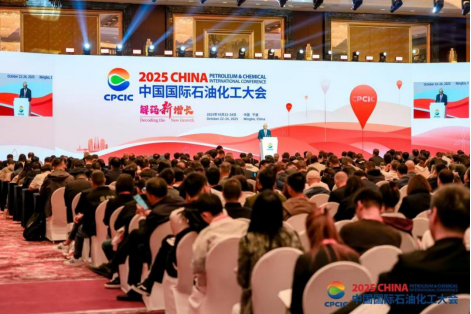
2025中国国际石油化工大会全体会议在宁波召开
Xin Lang Cai Jing· 2025-10-25 09:36
Core Viewpoint - The petrochemical industry must navigate external challenges while seizing opportunities for structural upgrades, technological revolutions, and market expansion to achieve high-quality development during the 14th Five-Year Plan period [1][9]. Group 1: Industry Challenges and Opportunities - The industry faces challenges such as external environment fluctuations, low-carbon transitions, and insufficient high-end supply [1]. - Innovation-driven development and green low-carbon transformation are identified as new growth drivers amid a sluggish global economy and intensified competition [3]. - The petrochemical sector is expected to achieve a revenue of 16.28 trillion yuan and a profit of 789.71 billion yuan in 2024, marking increases of 46.9% and 53.2% respectively since 2020 [9]. Group 2: Regional Focus and Development Goals - Zhejiang Province aims to achieve a revenue of 1.8 trillion yuan in the petrochemical sector by 2024, positioning it as the third-largest in the country [5]. - Ningbo has established a leading industrial chain in refining and ethylene, with plans to build a world-class green petrochemical industrial cluster [7]. Group 3: Strategic Recommendations - Key strategies for the industry include enhancing technological innovation, accelerating green transformation, optimizing industrial layout, nurturing leading enterprises, and deepening digital empowerment [9][13][15]. - The industry is urged to focus on resilience in supply chains, high-end differentiation, and international opportunities while addressing the dual carbon goals [11]. Group 4: International Collaboration and Trends - A significant collaboration was announced between Sinopec and BASF for carbon footprint accounting, marking a breakthrough in international cooperation on carbon management [19]. - Global leaders emphasized the importance of innovation, sustainability, and cooperation with China as a key player in the petrochemical sector [23][24]. Group 5: Conclusion and Future Outlook - The conference highlighted the intertwined trends of energy transition, industrial restructuring, and green low-carbon initiatives, indicating a collective effort towards a sustainable development path in the petrochemical industry [27].
同比增长60%!助企融资额超4亿!
Sou Hu Cai Jing· 2025-10-25 02:56
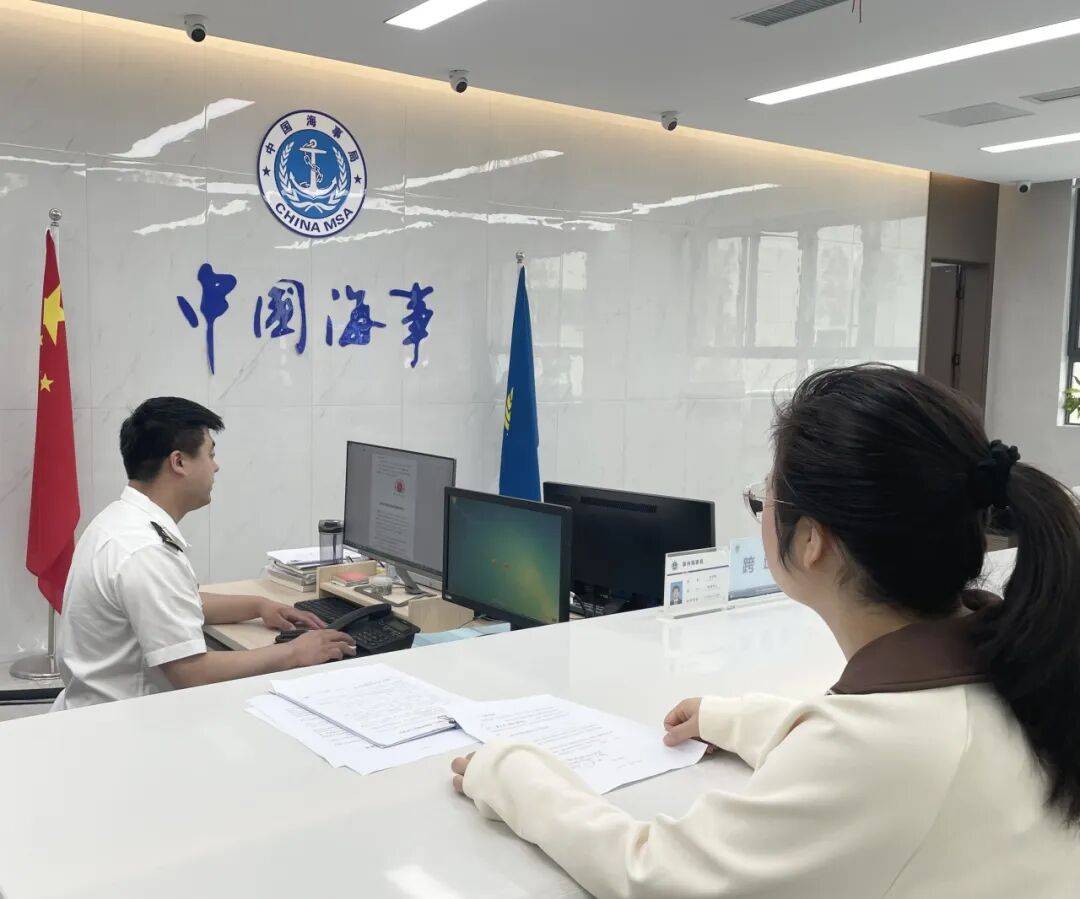
Core Insights - In the first three quarters of this year, the Taizhou Maritime Bureau processed 41 ship mortgage registrations, facilitating a financing amount of 410.5 million yuan, representing a year-on-year increase of 64.6% [1] Group 1: Service Improvements - The Taizhou Maritime Bureau provides "nanny-style" assistance for ship mortgage registration, addressing common issues such as incomplete or non-compliant application materials, thereby enhancing approval efficiency and reducing the need for applicants to make multiple trips [3] - The bureau has implemented a "full-process" efficient service model, ensuring strict adherence to legal and financial regulations while significantly reducing the average processing time by approximately 70% compared to statutory limits [5] Group 2: Digital Initiatives - The bureau has launched the first provincial smart shipping finance platform, which utilizes data to enhance risk control in shipping finance, thereby rebuilding trust between financial institutions and shipping companies, resulting in a financing amount of 241 million yuan for 20 ships, with an average financing amount of 12 million yuan per case [8] Group 3: Future Plans - The Taizhou Maritime Bureau aims to continuously optimize ship mortgage financing services, support multi-channel financing for enterprises, and enhance the efficiency of ship registration work to promote high-quality development in shipping finance [10]
乡村振兴背景下农村电商赋能县域经济高质量发展的路径与效应研究
Sou Hu Cai Jing· 2025-10-24 13:02
Core Viewpoint - Rural e-commerce is becoming a crucial link between small farmers and large markets, driving the transformation of county economies from "resource-dependent" to "digitally-driven" [2][3] Group 1: Rural E-commerce and County Economy - In 2024, the national rural online retail sales are expected to exceed 2.8 trillion yuan, with a year-on-year growth of 16.3%, and county e-commerce transactions accounting for over 65% [3] - Rural e-commerce faces challenges such as high logistics costs (over 25% in some counties), low brand recognition of specialty products, and a talent gap of 1.2 million [3][4] - The integration of rural e-commerce with county economies is essential for rural industrial revitalization and reducing urban-rural disparities [3][4] Group 2: Empowerment Paths of Rural E-commerce - Rural e-commerce promotes the transformation of county specialty industries by extending the industrial chain and enhancing added value, such as the integration of over 120 wooden toy manufacturers in Zhejiang Suichang, achieving an annual output value exceeding 5 billion yuan [6] - E-commerce creates job opportunities and encourages return entrepreneurship, with over 40% of rural e-commerce entrepreneurs being returnees, leading to significant income increases for local farmers [7] - E-commerce facilitates the flow of talent, capital, and technology back to counties, addressing urban-rural development imbalances [8] Group 3: Core Effects and Mechanisms of Rural E-commerce - Rural e-commerce activates niche resources by connecting county specialty products to the national long-tail market, significantly increasing sales for local products [9] - A collaborative system among farmers, cooperatives, e-commerce companies, and platforms is established, ensuring shared benefits and improved profitability [10] - The development of e-commerce drives the upgrade of county logistics and digital infrastructure, creating a positive cycle of economic growth [11] Group 4: Conclusions and Recommendations - Rural e-commerce is a key driver for the transformation of county economies from "resource reliance" to "digital empowerment," with core mechanisms including scale effects, collaborative effects, and upgrade effects [12] - Different counties should adopt differentiated development strategies based on their resource endowments, focusing on branding and logistics for agricultural counties and e-commerce for industrial counties [13] - Recommendations include enhancing collaboration between e-commerce companies and cooperatives, establishing county e-commerce industry alliances, and increasing government investment in logistics and digital infrastructure [14]