
货币贬值

Search documents
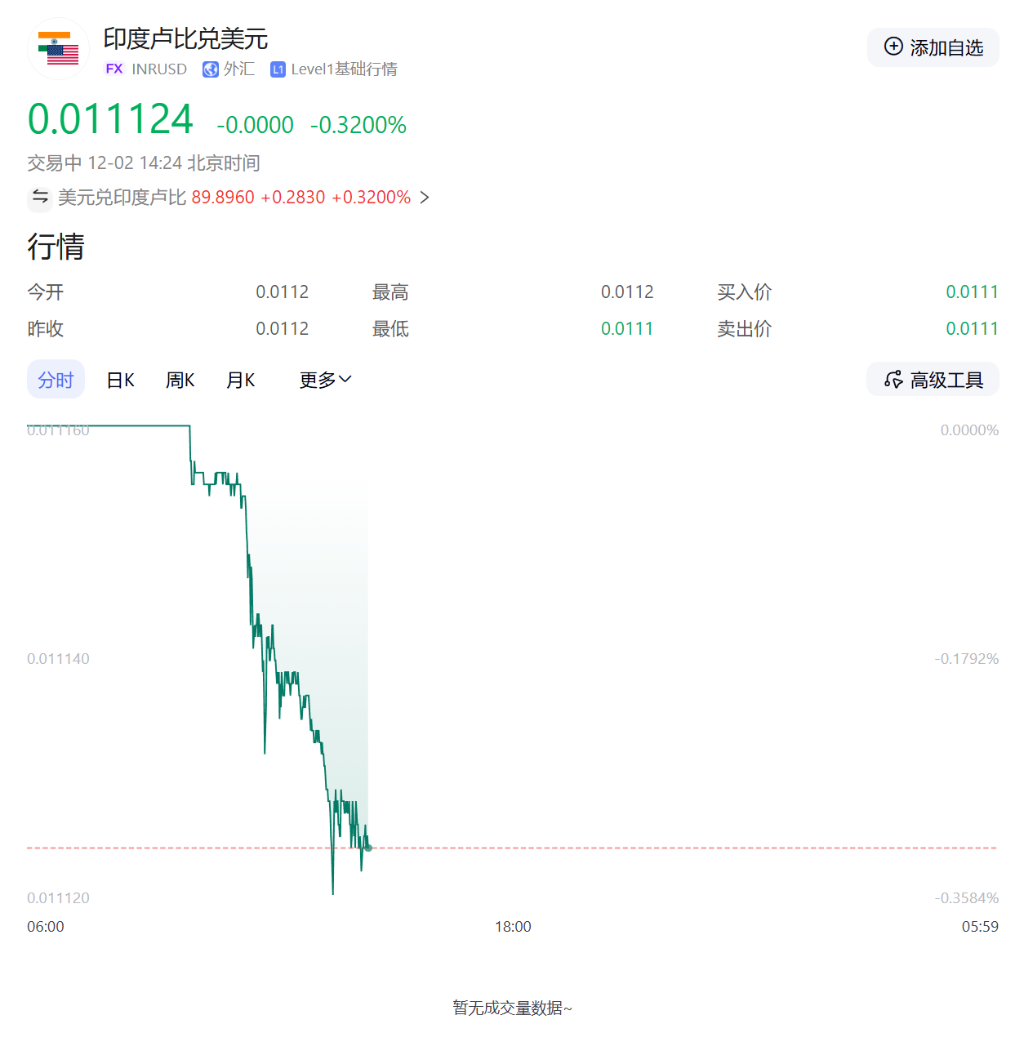
卢比跌至历史新低,印度央行出手干预力守90关口
Hua Er Jie Jian Wen· 2025-12-02 07:34
在海外资本流动疲软和贸易逆差扩大的双重压力下,印度卢比兑美元汇率跌至历史新低,促使印度央行出手干预,以捍卫关键的90心理关口。 周二,印度卢比兑美元汇率下跌0.28%至89.7975,刷新了周一创下的89.7575的历史低点。盘中卢比一度跌至89.85,在逼近90大关之际,据路透社 报道,印度储备银行(RBI)入场干预以阻止其进一步下跌。 印度央行此次出手干预,凸显了其防止卢比失序贬值、维护市场稳定的决心。三菱日联银行(MUFG Bank)的分析师在一份报告中表示,"我们 预计印度央行将积极干预,为美元兑卢比汇率设定上限"。 此次卢比的疲软走势,正值印度公布了截至9月份季度的强劲经济增长数据且通胀率保持低位之际。然而,这些通常会为货币提供支撑的积极因 素,已被投资者暂时搁置,后者目前更关注对卢比不利的货币流动动态及不断扩大的贸易逆差。 市场参与者的行为进一步放大了卢比的下行压力。据银行家透露,由于预期卢比将进一步走弱,进口商正加速进行对冲操作,提前购入美元,这 加剧了市场的供需失衡。 与此同时,出口商则普遍放慢了对冲步伐,倾向于推迟将外汇收入兑换为卢比,以期在未来获得更有利的汇率。这种单向的市场预期和行为,共 ...

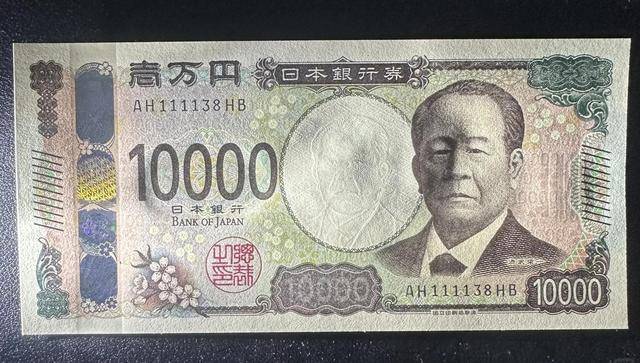
有没有想过,明明是发达国家,为何日元韩元给人感觉“不值钱”?
Sou Hu Cai Jing· 2025-11-29 10:09
Core Viewpoint - The perception of the Japanese yen and South Korean won as "worthless" is rooted in historical inflation and current economic policies, rather than a reflection of economic failure [1][10][20]. Historical Context - Japan's high currency denominations stem from post-World War II economic turmoil, where the government printed money to stabilize the economy, leading to inflation and a fixed exchange rate of 360 yen to 1 USD [3][5]. - Similarly, South Korea's currency issues arose from its early economic instability and the Korean War, resulting in a continuous adjustment of the won, with the highest denomination being 50,000 won [5][7]. Current Economic Policies - Japan's low interest rate policy, aimed at stimulating the economy, has contributed to the yen's depreciation against the dollar, especially in contrast to the U.S. Federal Reserve's rate hikes [10][12]. - South Korea faces similar challenges, with its central bank's interest rates being slightly higher than Japan's but still insufficient to attract foreign investment amidst U.S. rate increases [12][14]. Market Reactions - The depreciation of both currencies is a result of international financial dynamics and domestic economic policies, with both governments prioritizing growth and export stability over currency strength [14][20]. - Despite the theoretical benefits of a weaker currency for exports, the high import dependency of both nations means that currency depreciation leads to increased costs for consumers, creating inflationary pressures [16][18]. Structural Economic Sensitivity - Japan and South Korea's economic structures, heavily reliant on exports and imports, make them particularly sensitive to currency fluctuations, with the current exchange rates reflecting broader economic conditions rather than isolated currency issues [20][23]. - The historical context of high currency denominations is not indicative of economic weakness but rather a legacy of past economic decisions and current policy frameworks [23].
不出3年,国内贬值最快的不是现金,而是这4样东西,别花冤枉钱
Sou Hu Cai Jing· 2025-11-25 14:21
Core Viewpoint - The fastest depreciating assets in the domestic market over the next few years are not cash, but rather real estate, vehicles, educational qualifications, and electronic products [1][3]. Group 1: Cash and Economic Context - Despite concerns about cash depreciation, the actual situation shows that cash remains stable, with the M2 balance at 335.13 trillion yuan, growing by 8.2% year-on-year [1]. - The Consumer Price Index (CPI) for January to October 2025 shows a minimal increase of 0.2% year-on-year and month-on-month, indicating a lack of inflationary pressure [1][3]. Group 2: Real Estate - Real estate prices have been on a downward trend, with cities like Shanghai experiencing a price drop from over 90,000 yuan per square meter to around 60,000 yuan, a decline exceeding 30% [5]. - The expectation is that the depreciation in real estate prices will continue, particularly in first-tier cities where previous price bubbles are likely to correct [5]. Group 3: Vehicles - The depreciation rate of vehicles has accelerated, with mid-range electric cars dropping from over 200,000 yuan to around 170,000-180,000 yuan, and luxury imports seeing price reductions of nearly 100,000 yuan [7]. - Factors contributing to this trend include increased competition from new energy vehicles, rapid market updates, and stagnant income growth among middle-class families [7]. Group 4: Educational Qualifications - The value of educational qualifications is declining, with employers increasingly requiring higher degrees for positions that previously accepted lower qualifications [9]. - This trend is driven by a saturated job market and an increase in the number of university graduates due to expanded enrollment [9]. Group 5: Electronic Products - The depreciation of electronic products is significant, with prices for items like smartphones and laptops dropping rapidly; for instance, a Huawei phone purchased for 5,999 yuan is now priced at 4,999 yuan [11]. - Consumers are advised to be cautious and not to follow trends blindly, as the rapid depreciation of electronics suggests a need for prudent spending [11].
日元韩元正比谁更惨?亚洲经济体打响货币保卫战
Feng Huang Wang· 2025-11-20 04:20
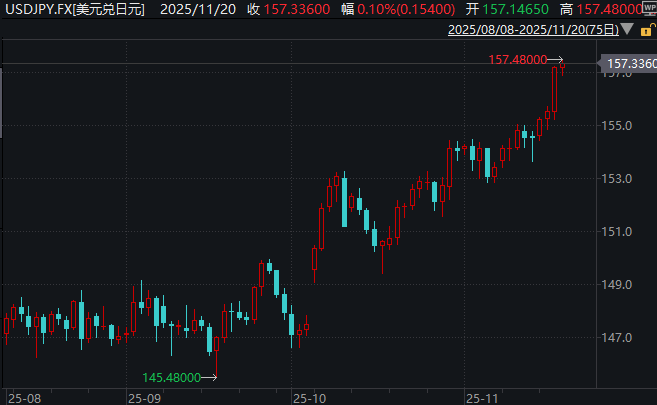
Core Viewpoint - The article discusses the significant depreciation of Asian currencies, particularly the Japanese yen and South Korean won, against the backdrop of a strengthening US dollar and increasing global market volatility [1][6]. Currency Depreciation - The Japanese yen has notably weakened, with the USD/JPY exchange rate surpassing 157, marking a new high since January [1]. - The nominal effective exchange rate index for the yen has dropped by 3% since the end of September, the largest decline among G10 currencies [3]. - The South Korean won has also faced substantial selling pressure, depreciating approximately 3% over the past month [3]. Government Responses - Japanese Finance Minister Shunichi Suzuki has emphasized the need to monitor market trends closely and manage policies to achieve stable inflation and sustainable economic growth [3]. - South Korean officials have expressed concerns over the uncertainty in the foreign exchange market and indicated plans to defend the won's value through collaboration with major market participants [3]. Broader Asian Currency Trends - Other Asian currencies, such as the Indian rupee and Philippine peso, have also experienced significant depreciation, with the rupee falling over 3% this year due to external pressures [4]. - The Indian central bank has been actively intervening in the market to prevent the rupee from breaching historical lows [4]. Foreign Exchange Reserves - Asian economies currently hold substantial foreign exchange reserves, totaling nearly $8 trillion, providing a buffer against currency depreciation [6][7]. - Major central banks in the region have increased their reserves by over $400 billion this year, with China and Japan leading in reserve growth [6]. Market Dynamics - The depreciation of Asian currencies is closely linked to the rebound of the US dollar and shifts in global monetary policy, with the Federal Reserve's interest rate outlook impacting currency valuations [6]. - The current import coverage ratio in the Asia-Pacific region remains robust, indicating that countries have sufficient foreign exchange reserves to manage their import needs [7].
日元贬值,日本股市大跳水
第一财经· 2025-11-18 03:39
Core Viewpoint - The Nikkei 225 index experienced a significant decline, dropping over 1000 points in intraday trading, primarily due to the downturn in technology stocks and concerns regarding the U.S. economic outlook [3]. Group 1: Market Performance - On November 18, the Nikkei 225 index fell more than 2% during intraday trading, following a previous day's close that saw a decline of 0.1% and an intraday drop exceeding 1% [3]. - Stocks related to department stores, transportation, and tourism faced heavy selling pressure from investors [3]. Group 2: Currency Trends - The euro against the yen surpassed the 180 mark, marking the first time since 1999 that the yen has fallen into this range [5]. - Concerns over Japan's deteriorating fiscal situation have led to increased selling of the yen, compounded by the government's plans to implement economic measures exceeding the previously estimated 17 trillion yen [5].

伊朗迈赫尔通讯社编译版:伊朗物价上涨和货币贬值引发民众担忧
Shang Wu Bu Wang Zhan· 2025-11-17 16:12
Core Insights - The rising prices and currency devaluation in Iran have led to significant public concern regarding the economic policies of the current government [2] Economic Indicators - The official macroeconomic indicators show a widening gap between government statistics and the daily experiences of the populace, indicating a crisis [2] - The price of cars has increased by 66%, while the prices of bread and other staple foods have nearly doubled [2] - Chicken prices have surged to 1.6 million rials per kilogram, highlighting the ongoing economic crisis [2] Inflation and Currency Issues - The currency has depreciated by approximately 30% to 40% in the first half of the year, with some goods experiencing price increases exceeding 60% [2] - The current inflation situation is attributed not only to currency devaluation but also to ineffective monetary, financial, and trade policies [2] Public Sentiment - The failure of inflation control policies, significant price hikes, and low government transparency have contributed to public anxiety about the economy [2]
比特币涨不动了?28亿资金已然撤离,机构大买家“悄然退场”
Jin Shi Shu Ju· 2025-11-13 04:17
Core Insights - Bitcoin is struggling to recover after a poor performance in October, lacking the strong institutional support that previously drove its price to record highs [1] - Institutional investors, who were once the backbone of Bitcoin's legitimacy and price stability, have retreated from the market, leading to a shift in market expectations [1][2] - The overall inflow into spot Bitcoin ETFs has exceeded $25 billion, but recent outflows indicate a potential loss of confidence among large investors [2][3] Group 1 - The market shows signs of fatigue, with Bitcoin only achieving a 10% increase this year, significantly underperforming compared to gold and tech stocks [2] - Professional investors are losing patience, and there is a risk that they may advise clients to reduce their Bitcoin holdings if prices continue to stagnate [2] - Recent data indicates a net outflow of approximately $2.8 billion from spot Bitcoin ETFs in the past month, suggesting a cautious approach from new investors [2][3] Group 2 - On-chain signals reveal that long-term holders are selling at highs, and if Bitcoin falls below the critical support level of $93,000, more holders may be forced to exit [3] - The number of Bitcoin "whales" (wallets holding over 1,000 BTC) is decreasing, while the number of small holders is increasing, indicating a shift in market dynamics [3] - Citigroup analysts note that the current stagnation in fund inflows is suppressing price increases, as typically $1 billion in weekly inflows can boost prices by about 4% [3] Group 3 - Despite the weakening momentum in the crypto market, there are no signs of panic, and Bitcoin's price has still seen significant increases over the past 18 months [4] - Bitfinex analysts caution against interpreting recent data as panic selling, suggesting that large holders are not in a state of distress but are taking profits in a soft ETF demand environment [5] - The current rebalancing phase may reset market positions and volatility, potentially setting the stage for the next price increase once liquidity improves [5]
居民存款大增,钱却贬值了!房子、黄金靠不住,怎么“抗贬值”?
Sou Hu Cai Jing· 2025-11-12 10:46
Core Insights - The significant increase in household deposits in China, amounting to 12.73 trillion yuan in the first three quarters of 2025, reflects a cautious outlook among residents due to slowing economic recovery and weakened corporate profitability [2][4] - Despite a stable Consumer Price Index (CPI) with a year-on-year decrease of 0.3%, the real purchasing power is diminishing due to excessive money supply, leading to hidden devaluation of currency [2][7] Group 1: Household Deposits and Economic Context - The total increase in RMB deposits reached 22.71 trillion yuan, with household deposits accounting for over half, averaging nearly 9,000 yuan per person [5] - The growth rate of M2 at 8.4% significantly outpaces the growth of disposable income, indicating that the expansion of money supply dilutes the value of currency [5][7] - The low interest rates on savings, with three-year fixed rates dropping below 2%, result in negligible or negative real returns for depositors [7] Group 2: Real Estate Market Trends - The real estate market has seen a reversal, with the average price of second-hand homes in Beijing dropping from 43,000 yuan per square meter at the beginning of the year to 41,800 yuan by November [9] - Nationwide, the average price of second-hand residential properties fell by 0.34% month-on-month and 3.21% year-on-year, indicating a significant decline in market activity [9] Group 3: Investment Landscape - Gold has lost its appeal as a safe-haven asset, with prices fluctuating and high transaction fees eroding potential profits for individual investors [11] - The stock market, while experiencing some gains, has become highly volatile, with many retail investors facing losses due to rapid price changes in various sectors [13] - The digital yuan, despite its growing adoption, does not provide additional value protection against inflation, serving primarily as a more convenient payment method [15][16] Group 4: Economic Resilience - The increase in household savings reflects a collective caution among families regarding future economic conditions, contributing to a soft landing for the Chinese economy [18] - This cautious behavior, while indicative of underlying economic challenges, prevents the situation from escalating into a systemic crisis, showcasing the resilience of the Chinese economy [18]
10月份苏丹镑继续在平行市场贬值
Shang Wu Bu Wang Zhan· 2025-11-03 17:03
Core Viewpoint - The Sudanese pound continues to depreciate in the parallel market as of October 31, with significant differences between parallel and official bank rates [1] Exchange Rates Summary - In the parallel market, the buying rate for the US dollar is 3650 Sudanese pounds, while the selling rate is 3700 Sudanese pounds [1] - Commercial banks have maintained relatively stable rates, with Khartoum Bank's buying rate at 2400 Sudanese pounds and selling rate at 2418 Sudanese pounds [1] - The buying and selling rates for the National Bank of Entouman are 2500 and 2518.75 Sudanese pounds, respectively [1] - Faisal Bank's rates are 2550 Sudanese pounds for buying and 2599.35 Sudanese pounds for selling [1]
每日机构分析:11月3日
Xin Hua Cai Jing· 2025-11-03 14:13
Group 1 - UK manufacturing in October experienced its strongest month in a year, primarily due to Jaguar Land Rover's recovery from a cyberattack, leading to a "one-time rebound" in production. The manufacturing PMI output index returned to growth, driven by intermediate products, reflecting supply chain improvements from Jaguar Land Rover's gradual production restart. However, domestic and international demand remains weak, with companies relying on previous order backlogs to maintain operations [1][1][1] - Goldman Sachs analysts indicated that the current US government shutdown could have a record-breaking impact on the economy. This shutdown may last longer than the 35-day partial shutdown from 2018-2019 and is broader in scope, potentially affecting federal procurement and investment significantly, with spillover effects on the private sector. If the shutdown lasts about six weeks, it could reduce the annualized quarterly growth rate for Q4 2025 by 1.15 percentage points, with a further decline of 1.3 percentage points in Q1 2026 due to spillover effects from federal procurement and investment [1][1][1] Group 2 - HSBC Global Investment Research stated that the US dollar may bottom out in early 2026 due to anticipated further rate cuts by the Federal Reserve and uncertainty regarding the next chairperson. This week, dollar shorts will face new challenges as multiple Federal Reserve officials' speeches and US economic activity indicators will be market focal points. The sensitivity of the dollar may increase further [2][2][2] - Morgan Stanley MUFG strategists remain bullish on the mid-section of the Japanese government bond yield curve, believing that changes in the US economic landscape may lead to a downward repricing of the Bank of Japan's terminal rate. Despite some alleviation of fiscal issues under the new government, they remain cautious about long-term bonds, noting that Japan's top ten life insurance companies' investment plans for the second half of FY2025 suggest they are unlikely to be a stable demand source for ultra-long Japanese government bonds [2][2][2] Group 3 - The Indian rupee is nearing a record low, with recent interventions by the central bank proving limited in effectiveness. The rupee has depreciated for three consecutive days against the dollar, trading at 88.7988. Despite the Reserve Bank of India's recent unexpected sale of large amounts of dollars to stabilize the market, the rupee has failed to maintain its gains. Traders noted that the central bank has been selling dollars in smaller amounts to prevent the rupee from breaching the historical low of 88.8050 [3][3][3] - Switzerland's annual inflation rate unexpectedly dropped to 0.1% in October, down from 0.2% in September. Analysts suggest that the Swiss National Bank may not be influenced by this result, as the bank expects inflation to rise in the coming months. Factors such as declining rental inflation and anticipated electricity price reductions may lead to a further drop in inflation to -0.3% by February next year. However, the Swiss National Bank has indicated that it will only consider lowering key interest rates below 0% if mid-term inflation falls below zero [4][4][4]