
铝代铜

Search documents
铜行业观点交流
2025-12-22 01:45
铜行业观点交流 20251221 摘要 2025 年全球精炼铜供应因矿山事件和智利供应问题减少至少 50 万吨, 抵消了部分地区需求疲软的影响,使得市场对铜价的强预期成为现实。 中国市场 2025 年铜消费增速虽经多次调整,最终稳定在 3.8%,高于 年初预期,主要受抢出口、光伏风电政策和价格下跌等因素驱动,对全 球铜价形成支撑。 10 月后铜价快速上涨对终端企业产能利用率和订单产生冲击,产能利用 率从 90%-100%降至 60%-80%,但长期来看,高铜价将被产业链逐 步消化,并推动铝代铜现象发展。 空调行业正制定铝管替代铜管标准,预计 2026 年 1 月实施,若推广成 功,每年或减少十几万吨至二三十万吨铜用量,但具体影响取决于市场 接受度。 美国纽约地区铜库存高达 46 万吨,可满足两个季度用量,且持续增加, 受特朗普政府可能加征关税影响,预计 12 月单月进口量或超 10 万吨, 明年上半年将持续影响市场。 Q&A 请您回顾一下 2025 年铜价的表现,并分享对未来铜价走势的看法。 2025 年铜价表现出强预期、弱现实的特点。需求方面,海外市场表现较预期 更弱,尤其是一些传统消费大国和新兴国家,如日 ...
避免被卡脖子,空调铝代铜不可逆,焊接技师发话:一分钱一分货
Xin Lang Cai Jing· 2025-12-20 19:15
Core Viewpoint - The Chinese air conditioning industry is undergoing an unprecedented material and process transformation, with major brands signing a self-regulatory agreement to promote the use of aluminum instead of copper in air conditioning systems [1] Industry Overview - Traditionally, air conditioning products have relied heavily on copper, with copper consumption in the domestic air conditioning industry accounting for 10.7% of China's total copper consumption, approximately 1.723 million tons in 2023 [3] - The shift to aluminum is driven by the high cost of copper, which constitutes 20%-27% of manufacturing costs, and the fact that China imports 80% of its copper while producing 60% of the world's electrolytic aluminum [4][9] Technical Challenges - The debate over aluminum replacing copper stems from aluminum's inferior thermal conductivity, corrosion resistance, and mechanical durability compared to copper [4] - Concerns have been raised about the reliability of critical components, such as the four-way valve, if aluminum is used instead of copper, as welding between dissimilar metals poses significant challenges [6] Cost Analysis - The cost difference between copper and aluminum is substantial; for a typical 1.5 HP air conditioner, the copper components can cost around 400 yuan, while aluminum components may only cost about 34.5 yuan, leading to a price difference of approximately 365.5 yuan per unit [8] - This cost advantage makes aluminum an attractive option for manufacturers looking to compete on price [8] Strategic Implications - The transition to aluminum is not only a cost-saving measure but also a strategic move to reduce dependency on imported copper, as China consumes 50% of the world's copper but has only 4%-5% of global copper reserves [9] - The increasing demand for copper in other industries, such as electric vehicles and renewable energy, is further straining the supply available for air conditioning [12][14] Future Outlook - While aluminum's thermal and electrical properties are only 60% of those of copper, its lighter weight and lower cost present significant opportunities for innovation [24] - The automotive industry has already made strides in aluminum-copper material innovation, suggesting that similar advancements could be made in the air conditioning sector [25] - The ability of manufacturers to enhance the durability and quality of aluminum air conditioners will be crucial in determining their competitiveness in the market [25]

自食其果!美囤铜谋制约,铝价逆势飙涨,中国坐庄,他们急着求饶
Sou Hu Cai Jing· 2025-12-20 12:57
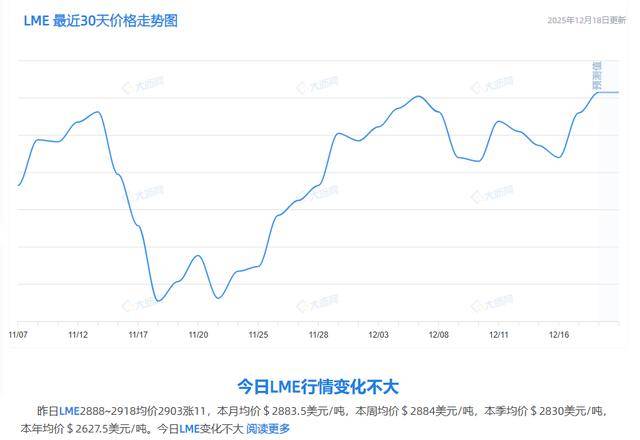
2025年的国际大宗商品市场格外动荡。铜价在年初暴涨40%,突破1.2万美元/吨,白银价格更是翻倍飙升110%,但从年中开始,铝这种"平民金属"突然成了 主角。 伦敦金属交易所的数据显示,10月铝现金价月均达到2786美元/吨,11月进一步升至2859美元/吨,创下年内新高。 而同一时期,美国未锻轧铝及铝材的进口量连续下滑,1-7月累计进口量同比下降6.18%,7月单月进口量跌至30.3万吨,成为近年来的最低点。 这种反差让美国制造业措手不及,因为铝作为工业基础材料,一旦短缺会直接冲击新能源汽车、AI数据中心等高新产业的生产成本。 美国之所以陷入被动,与其此前囤积铜资源的战略直接相关。2025年初,美国试图通过大规模囤铜推高国际铜价,从而制约全球制造业竞争对手的发展空 间。这一操作短期内确实拉高了铜价,但没想到市场很快转向了铝需求的爆发。 根据国家统计局数据,2025年前11个月,中国原铝产量达到4120万吨,同比增长2.5%,而全球铝年消耗量高达7700多万吨,是铜消耗量的2.8倍。这种庞大 的需求基数,在供应紧张时迅速推高了铝价。 铝价飙升的根本原因在于全球产业升级带来的需求裂变。新能源汽车行业是铝消费的 ...
美铜矿围堵计划落空,铝价反而飙升,中国稳坐庄家,西方慌忙求和
Sou Hu Cai Jing· 2025-12-20 10:42
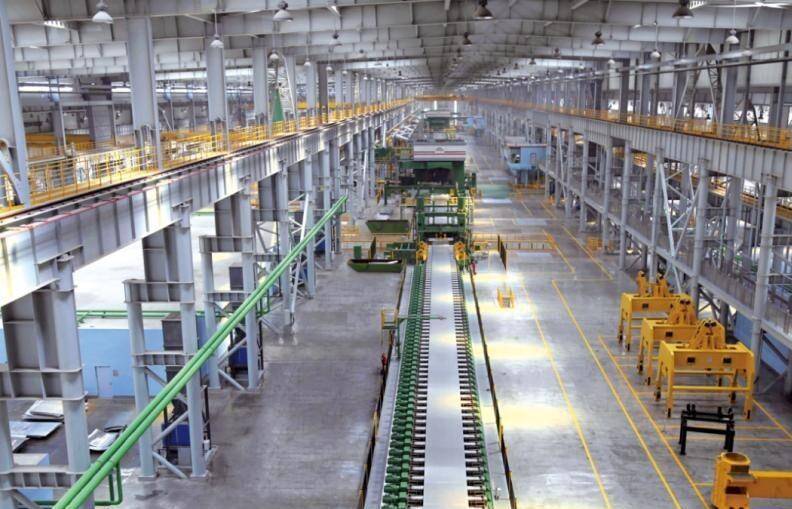
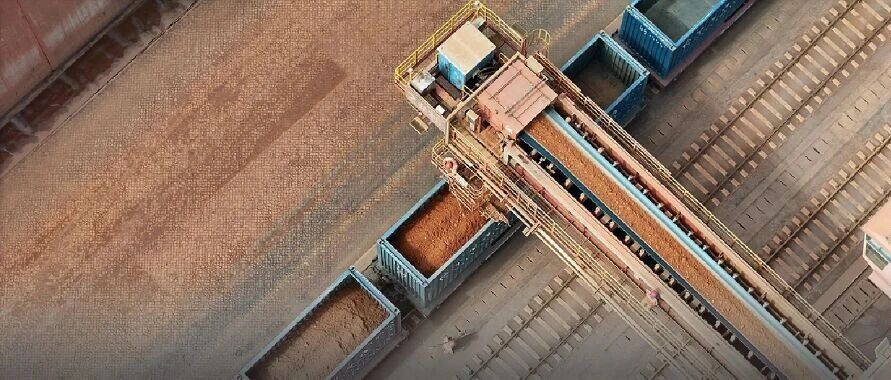
与此同时,中国却稳坐钓鱼台。 尽管中国铝土矿储量只占全球3%左右,但已经形成了从铝土矿进口、氧化铝提炼到电解铝生产的全产业链闭环。 2025年前 11个月,中国原铝产量达到4120万吨,同比增长2.5%,像一块压舱石撑住了全球供应。 中国的关键优势在电力保障上:炼铝是"电老虎",每吨铝要耗电 13600到14400度,而云南、四川的水电价格每度只要两三毛钱,比欧美便宜一半以上。 反观美国,AI数据中心和铝厂抢电,电价节节攀升,进一步挤压了 铝厂的生存空间。 美国原本想靠囤积铜资源来卡全球制造业的脖子,结果铜价还没彻底起飞,自己先被铝价暴涨打懵了。 2025年7月,美国未锻轧铝进口量跌到历史最低点, 库存几乎见底,而伦敦金属交易所的铝价却冲破2890美元一吨,直奔3000美元大关。美国囤积的铜库存占全球交易所的62%,但铝的年消耗量高达7700多万 吨,是铜的2.8倍,这种"抓小放大"的操作,直接让美国从"卡脖者"变成了"求饶者"。 美国的算盘一开始打得很响。 铜被称为"工业血液",控制铜资源就能捏住新能源、AI等高端制造业的命脉。 2025年初,美国通过关税政策和国际采购,把 纽约商品交易所的铜库存堆到了全球 ...
自食恶果!美囤铜想垄断,不料铝价疯涨,中国掌控,他们赶忙服软
Sou Hu Cai Jing· 2025-12-19 13:38
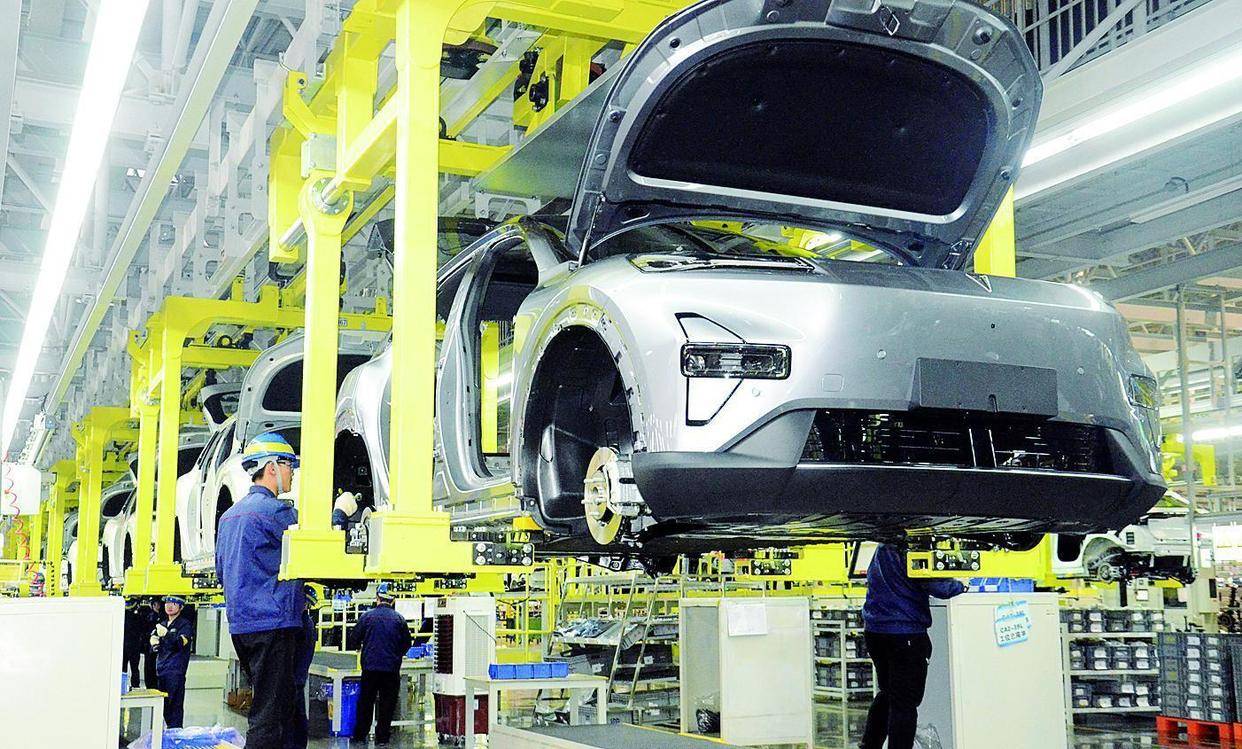
2025年12月,伦敦金属交易所传来消息,铝价突破2890美元/吨,创下三年新高。与此同时,美国国内 铝库存降至历史低位,多家制造企业陷入停工困境。这个反转剧情的源头,要追溯到美国去年囤积的40 万吨铜。 本想通过控制铜资源打压中国制造业,没想到搬起石头砸了自己的脚。这场失算背后,到底发生了什 么? 为何铝成全球产业升级"硬通货" 铝价的持续飙升并非短期炒作,而是全球产业转型催生的刚性需求所致。在能源转型和数字化浪潮下, 传统工业金属的需求结构正在重构,铝凭借轻量化、导电性强、耐腐蚀等综合优势,成为承接新兴产业 需求的核心载体。 全球年铝消耗量已超7700万吨,远超铜的2750万吨左右,成为工业领域用量仅次于钢铁的金属。新能 源、数字经济等新兴产业的爆发,更是让铝的战略价值从传统工业辅助材料,升级为高端制造的关键支 撑。 新能源领域是铝需求的核心引擎。电动汽车的用铝规模较传统燃油车提升42%,车身轻量化、电池托 盘、散热模块等关键部件均依赖铝材;储能领域更甚,每建成100GWh储能电站,需消耗16万吨铝材支 撑电池组及配套设施。 AI数字经济的崛起进一步放大需求。数据中心内海量服务器运转产生的高温,需靠铝制散 ...
有色午后普涨
Bao Cheng Qi Huo· 2025-12-19 09:23
期货研究报告 有色金属 姓名:龙奥明 宝城期货投资咨询部 从业资格证号:F3035632 投资咨询证号:Z0014648 电话:0571-87006873 邮箱:longaoming@bcqhgs.com 作者声明 今日沪铝午后增仓上行明显,主力期价触及 2.22 万一线。宏观层 面,日元加息落地,市场风险偏好回升,有色普涨。产业层面,基差 月差维持弱势,产业端牵制较强。而近期铝代铜的预期给予铝价一定 支撑。技术上,短期铝价增仓上行,动能较强,关注前期高位压力。 沪镍 本人具有中国期货业协会授 予的期货从业资格证书,期货投 资咨询资格证书,本人承诺以勤 勉的职业态度,独立、客观地出 具本报告。本报告清晰准确地反 映了本人的研究观点。本人不会 因本报告中的具体推荐意见或观 点而直接或间接接收到任何形式 的报酬。 投资咨询业务资格:证监许可【2011】1778 号 有色金属 | 日报 2025 年 12 月 19 日 有色日报 专业研究·创造价值 有色午后普涨 核心观点 沪铜 今日午后沪铜增仓上行明显,主力期价触及 9.3 万关口。宏观层 面,日元加戏落地,市场风险偏好回升,有色普涨。产业层面,现 货贴水和近月月 ...
AI基建热,正在制造“铜荒”
Sou Hu Cai Jing· 2025-12-19 05:38
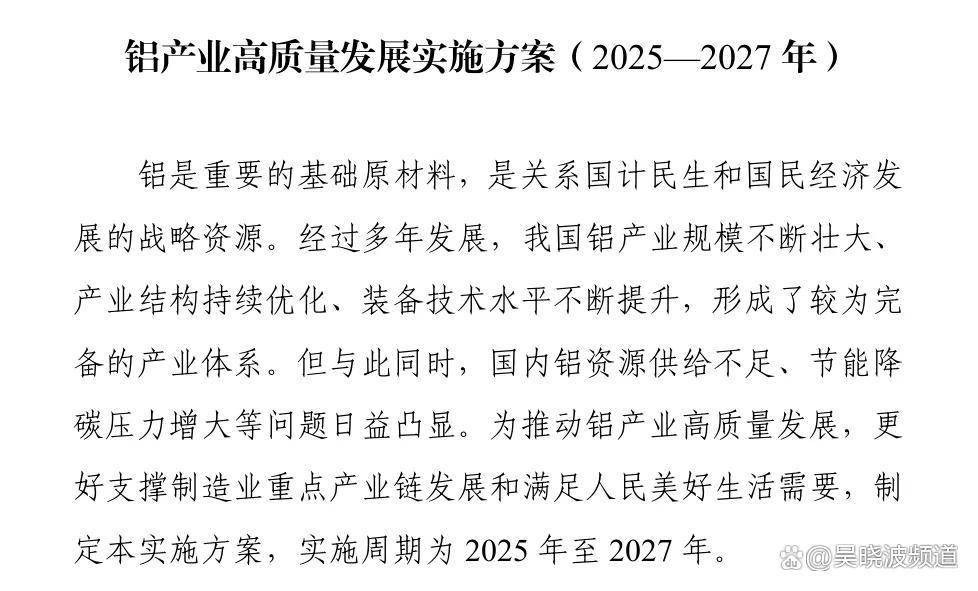
Core Viewpoint - By 2030, China's copper demand driven directly by AI data centers is expected to grow to nearly 1 million tons, accounting for 5%-6% of China's total copper demand at that time [1][9]. Group 1: Industry Trends - The "aluminum substitution for copper" movement is gaining traction in the air conditioning industry, with 19 companies signing a self-regulatory agreement to promote this shift [1]. - The use of aluminum in air conditioning systems is controversial due to concerns about durability and performance, as aluminum pipes typically have a lifespan of only 8-10 years compared to copper [2][3]. - The Ministry of Industry and Information Technology's recent implementation plan for the aluminum industry indicates a significant push towards "aluminum substitution for copper," which could have profound implications for China's industrial economy over the next decade [3]. Group 2: Copper Demand in AI Era - Copper is becoming increasingly critical in the AI era, with data centers being major consumers due to their need for efficient power distribution and cooling systems [6][8]. - It is estimated that building a 1 MW data center requires 27-33 tons of copper, significantly higher than traditional data centers [7]. - Global copper demand for data centers is projected to rise from 594,000 tons in 2026 to 1.4 million tons by 2030, with a compound annual growth rate of 23.2% [8]. Group 3: Supply Chain and Market Dynamics - China consumes 58% of the world's refined copper but has only 5% of global copper reserves, leading to a heavy reliance on imports [13]. - Recent natural disasters and safety incidents in major copper-producing countries have exacerbated supply issues, contributing to a 36% increase in copper prices this year [13][14]. - The U.S. has been stockpiling copper, which has further strained global supply and contributed to rising prices, raising concerns about the impact on China's AI infrastructure development [14]. Group 4: Aluminum's Competitive Edge - Aluminum is lighter and cheaper than copper, with a weight of only one-third that of copper and a cost of one-fourth, making it an attractive alternative despite its lower thermal and electrical conductivity [16]. - China's aluminum industry is robust, with significant production capabilities across the entire supply chain, positioning it well for the shift towards aluminum in various applications [16]. - The potential for aluminum to replace copper in key industries is significant, with predictions that by 2030, aluminum's substitution rate for copper in electricity, automotive, and home appliance sectors could reach 25%-30% [23].

铝日报-20251219
Jian Xin Qi Huo· 2025-12-19 02:12
Report Summary 1. Report Industry Investment Rating - No relevant information provided 2. Core View of the Report - The current fundamentals have limited driving force for aluminum prices, and the market continues to be dominated by macro - logic. Aluminum prices will maintain high - level volatile operation [7] 3. Summary According to the Directory 3.1行情回顾与操作建议 - The Shanghai aluminum fluctuated around the 22,000 level during the day. The 2602 contract closed at 21,955 at the end of the session, up 0.25% slightly [7] - Domestically - produced ore is tightening, but the ore price may still weaken under the environment of alumina losses and high inventory. The price of Guinea ore remains low. Alumina prices rose first and then fell, with a technical rebound demand after continuous decline, but the space may be limited due to over - supply [7] - The smelting profit of electrolytic aluminum is high, and the operating capacity of the industry has increased slightly. The short - term supply at home and abroad remains stable. The demand side has weakened seasonally as the off - season deepens, but there is still resilience in the consumer side due to some downstream rush - work at the end of the year. The aluminum ingot inventory has not continued to accumulate this week, but the inventory accumulation pressure after the improvement of Xinjiang's shipping efficiency needs to be vigilant [7] 3.2行业要闻 - 19 air - conditioning enterprises and scientific research institutions such as Midea, Haier, and Xiaomi jointly launched the implementation of the "aluminum replacing copper" series of standards. Some brand stores said they will launch aluminum - made household air - conditioning products as soon as 2026, while others have no such plan [10] - Lizhong Group's second - phase project of 1.8 million ultra - lightweight aluminum alloy wheels in its Mexican factory has been initially put into production. The third Thai aluminum alloy wheel factory's annual production capacity of 3 million cast - spun aluminum alloy wheels is expected to be put into production next year. New high - performance aluminum alloy new material projects in Chongqing, Huaian, Changchun, Thailand and other places will be put into production from this fourth quarter to next year [10][11] - India's state - owned National Aluminium Company (Nalco) plans to start mining the Pottangi bauxite mine in Odisha in June 2026. It is expanding the fifth production line at its Damanjodi alumina refinery, which will increase the annual production capacity by 1 million tons to 3.275 million tons [11] - In the first 11 months of this year, China's automobile production and sales both exceeded 31 million, with a year - on - year increase of over 10%. From January to November, the production and sales of new energy vehicles were both close to 15 million, with a year - on - year increase of over 30%. New energy vehicle exports reached 2.315 million, doubling year - on - year [11]
AI基建热,正在制造“铜荒”
吴晓波频道· 2025-12-19 00:30
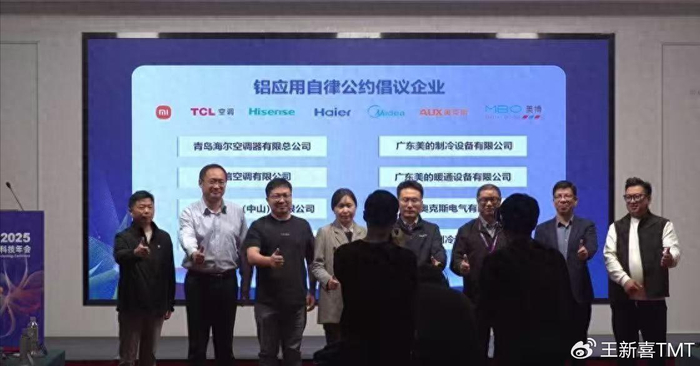
点击上图▲立即收听 " 到 2030 年,中国 AI 数据中心直接驱动的铜需求将增长至近 100 万吨,占届时中国铜总需求的 5%—6% 。 " 文 /巴九灵(微信公众号:吴晓波频道) 2025中国家电科技年会上,空调"铝代铜"的声音,划破了中国产业经济半边天空。 19家企业签署《空调铝强化应用研究工作组自律公约》,以推进"铝代铜",其中头部空调品牌包括美的、海尔、海信、TCL、奥克斯、小米、 美博七家,并呼吁"禁止恶意攻击行为,科学宣传铝热换器空调的特点"。 消息一出,社交媒体上出现了一些争议。 铜是空调最核心原材料,一台空调约20%的重量来源于铜。凭借导热性、耐腐蚀性方面的优势,铜材常被做成空调核心部件冷凝器和蒸发器的铜 管。倘若换成铝,中消协数据显示,铝管空调寿命一般只有8—10年。与此同时,铝铜异材焊接也是一个世界难题,热胀系数差异会导致泄漏风 险,并缩短空调寿命。 格力董事长董明珠也提到这个行业痛点: 用铝管会便宜很多,所以我们也纠结,为了迎合市场,我们便宜,可能买的人会更多,但是如果用铝管替代,你要保证十年不坏,如 果你两三年坏了,消费者就是受害者……研究几年下来,我们到现在还没有100%的把握说 ...
玩火自焚!美囤铜想卡脖,不料铝价狂飙,中国坐庄,他们急着求饶
Sou Hu Cai Jing· 2025-12-18 12:42
你们说,一个普普通通的金属,怎么就能把一个超级大国逼得焦头烂额? 最近国际市场上,铝价就像坐了火箭一样,蹭蹭往上涨,涨得美国人是心惊肉跳,夜不能寐,可这何尝 不是"反噬"? 在美国人那里,他们一直雄心勃勃,觉得只要卡住"工业血液"铜的脖子,就能在全球制造业里呼风唤 雨。 于是,他们开始大肆囤积铜,价格果然被推高了。本以为这一招能让对手们"气短",没想到,这 股"铜"风还没刮多久,美国自己却先被"铝"给绊倒了,而且摔得不轻。 最新的数据显示,美国今年7月份进口的未锻轧铝和铝材,竟然跌到了历史新低,库存都快见底了! 可伦敦金属交易所的铝价呢?已经冲破了2890美元一吨,直奔3000美元去了,这哪是涨价,简直是"抢 钱"!美国这下子是真的慌了,这可不是闹着玩的,毕竟,"没铝可用"的滋味,可比"铜价太高"难受多 了。 你可能会好奇,铝这种"大路货",怎么突然间就成了香饽饽?它既不像黄金那么贵重,也不像钻石那么 稀有,明明是到处都能看见的"平民金属"! 但别小瞧了这"平民金属"的潜力。现在全球都在搞产业升级,新能源汽车、太阳能光伏板、储能系统这 些热门领域,对铝的需求量是"胃口大开"。 你知道吗?一辆电动汽车的用铝量, ...
