
风格切换

Search documents
不必悲观!券商发声:相比4月,预计冲击更小!
Sou Hu Cai Jing· 2025-10-13 03:07
Core Viewpoint - The A-share market is experiencing fluctuations, particularly in the technology sector, but the medium-term positive outlook remains intact despite recent trade tensions impacting U.S. markets [1][2]. Group 1: Market Analysis - The current index level is higher compared to the adjustment on April 7, indicating a learning effect in the market, with expected lower amplitude in price movements [2]. - Analysts believe that the recent adjustments in the technology sector are due to short-term disturbances and ongoing issues since the A-share market's correction in early September [2]. - Despite the emotional impact of overseas trade uncertainties, the fundamental and liquidity conditions for A-shares remain unaffected, supporting a positive outlook [2][3]. Group 2: Future Expectations - Analysts predict that the A-share market will enter a wide-ranging fluctuation phase in the short term, with corporate earnings expected to stabilize and some sectors showing improvement [3]. - The potential for domestic exports to remain resilient and the possibility of better-than-expected domestic demand improvements could provide new momentum for the market in the fourth quarter [3]. Group 3: Style Rotation - There is a noticeable divergence among research firms regarding future style assessments, with some suggesting a shift towards financials and cyclical stocks, while others maintain that technology will continue to lead [4]. - The recent performance indicates a potential style switch, with a focus on traditional value sectors such as real estate, brokerage, and consumer goods in the fourth quarter [4].
廖市无双:外部影响下,市场风格作何改变?
2025-10-13 01:00
Summary of Conference Call Records Industry or Company Involved - The records primarily discuss the overall market trends, focusing on the performance of various sectors, particularly technology, cyclical, and dividend stocks. Core Points and Arguments 1. **Market Trends and Risks** - After an index rise, concerns over deleveraging led to a market pullback, with the ChiNext Index breaking its upward trend line, indicating short-term market risks [1][2][3] 2. **Sector Performance Disparity** - There is a noticeable divergence in sector performance; technology stocks are weakening while cyclical and dividend sectors are gaining favor among investors, reflecting a shift towards risk aversion [1][3][4] 3. **Technology Sector Weakness** - Within the technology sector, there is internal differentiation, with certain areas like optical modules showing signs of fatigue. The ChiNext Index's support from its upward trend line is crucial for its future performance [4][5] 4. **Frequent Market Direction Changes** - The market has experienced frequent directional changes, necessitating flexible investment strategies and risk management to adapt to the rapidly changing environment [6] 5. **Impact of External Factors** - Prior to tariff conflicts, the market was already showing signs of weakness, with significant declines in indices like A50 and Nasdaq, indicating vulnerability to negative news [6][9] 6. **Future of ChiNext Index** - The ChiNext Index may enter an ABC structural adjustment phase lasting 4-6 weeks, with potential testing of the 60-day moving average [8][10] 7. **Relationship Between ChiNext and Shanghai Composite Index** - A decline in the ChiNext Index could lead to a corresponding adjustment in the Shanghai Composite Index, although the latter is expected to be less volatile due to accumulated positions [9][11] 8. **Long-term Market Outlook** - Despite short-term adjustments, the long-term systemic slow bull market is believed to be intact, with the Shanghai Composite Index showing strong support around 3,700 points [11][12][13] 9. **Investment Strategy Recommendations** - Focus on financial sectors, particularly banks, and dividend stocks, as they are expected to provide defensive characteristics during market adjustments. Infrastructure stocks are also highlighted for their resilience [14][20] 10. **Market Volatility and Strategy Adaptation** - In the face of rising market volatility, strategies focusing on low volatility and mean reversion are expected to perform better, while momentum strategies may lose effectiveness [24][26] 11. **Sector Allocation and Future Trends** - The current market environment suggests a shift towards cyclical and dividend stocks, with recommendations to monitor banking, infrastructure, and real estate sectors for potential gains [20][31] 12. **Emerging Trends in Specific Industries** - Industries such as non-ferrous metals, electric power, and construction are gaining attention, while technology sectors are experiencing an average decline in rankings [31] Other Important but Possibly Overlooked Content - The records indicate that external negative factors primarily trigger emotional responses in the market, affecting volatility but not necessarily leading to catastrophic outcomes [22] - The discussion on the military industry highlights its unique characteristics compared to other sectors, suggesting a need for special attention [28] - The concept of a balanced market approach is emphasized, indicating a shift from extreme growth to a more diversified investment strategy across broader indices [29][30]
不必悲观!市场震荡,券商发声!再议风格切换
券商中国· 2025-10-12 06:20
Core Viewpoint - The A-share market is experiencing fluctuations, particularly in the technology sector, which has seen significant gains recently. However, analysts maintain a positive mid-term outlook for A-shares despite short-term disturbances caused by trade tensions and market adjustments [1][2][4]. Group 1: Market Analysis - The recent downturn in the A-share market is attributed to short-term disturbances and the ongoing uncertainty in mid-term upward potential. Analysts suggest that the current market index is at a higher midpoint compared to previous adjustments, indicating a learning effect in the market [4]. - Analysts from various securities firms agree that the mid-term positive outlook for A-shares remains intact, despite the emotional impact of external trade uncertainties. They emphasize that the fundamental and liquidity conditions have not been adversely affected [4][5]. - The market is expected to enter a wide-ranging fluctuation phase in the short term, with some sectors showing signs of improvement, such as industrial profits and narrowing PPI declines. This could lead to a slight recovery in A-share earnings in the fourth quarter, providing new momentum for the market [5]. Group 2: Sector Rotation - There is a growing divergence among analysts regarding sector rotation. Some analysts suggest that the technology sector may not have a sustained basis for adjustment, while others indicate a potential shift towards financials, cyclical stocks, and dividend-paying sectors [6][7]. - The current market conditions may lead to a focus on value-oriented sectors such as real estate, brokerage, and consumer goods in the fourth quarter, as historical trends suggest that outperforming sectors during market fluctuations often underperform subsequently [7]. - The long-term outlook for technology remains positive, with expectations that it will continue to be a catalyst for market growth, particularly in the context of advancements in AI and manufacturing [6][7].


风格切换或在悄然进行︱“重阳S4”圆桌2025年四季度
重阳投资· 2025-10-09 07:04
Core Viewpoint - The A-share index has reached a new high of 3800 points, indicating a structural market characterized by significant divergence, with technology stocks led by AI continuing to rise while traditional sectors remain sluggish [1][4][9]. Group 1: Market Performance and Insights - The third quarter saw extreme structural differentiation in the market, aligning with the current economic fundamentals and interest rate environment [4][5]. - Despite the overall economic pressure, there are structural highlights driven by innovation, particularly in technology sectors [4][5]. - The market has transitioned from low volatility to increased fluctuations since September, suggesting a new critical phase [1][4]. Group 2: Future Market Outlook - The index's breakthrough of 3800 points reflects both internal and external factors, including China's strong global competitiveness in technology and abundant global liquidity [9][10]. - The sustainability of the market's upward trend depends on the transition from risk appetite to improvements in corporate earnings and further declines in interest rates [10][11]. - The potential for a market correction exists if lagging sectors do not begin to rise, indicating a need for careful monitoring of economic fundamentals [10][11]. Group 3: Investment Strategies and Style Shifts - The current extreme market differentiation may lead to a style shift, with potential beneficiaries being traditional cyclical sectors and those supported by stable growth policies [13][14]. - Historical patterns suggest that extreme differentiation often contains mean-reversion dynamics, increasing the likelihood of a style switch [13][14]. - Investment strategies should focus on identifying undervalued sectors and companies with recovery potential, while avoiding chasing high-flying stocks [13][14][15]. Group 4: Risks and Cautions - The current market environment presents heightened risks, particularly for sectors that have seen significant price increases, such as AI-related stocks [18][19]. - Investors should remain cautious, as rapid technological advancements in AI could lead to swift changes in market expectations and valuations [18][19]. - Maintaining a balanced approach and being prepared for potential corrections in overheated sectors is essential for managing investment risks [18][19][20]. Group 5: Advice for Investors - Investors who missed the recent market rally should focus on sectors that have not yet experienced significant gains, as these may present future opportunities [23][25]. - Emphasizing a long-term investment perspective and avoiding impulsive decisions based on short-term market movements is crucial [23][26]. - The importance of understanding one's investment capabilities and risk tolerance is highlighted, suggesting that professional management may be beneficial for those lacking confidence [26].

读研报 | 四季度更容易风格切换?
中泰证券资管· 2025-09-30 07:03
Core Viewpoint - The article discusses the potential for a style shift in the A-share market in the fourth quarter, based on historical trends and market dynamics [2][4]. Group 1: Historical Trends and Market Behavior - Historical data indicates that there is often a noticeable style shift from Q3 to Q4, with sectors that performed well in Q3 typically underperforming in Q4 [2][4]. - A report from Dongwu Securities highlights that from 2010 to 2024, industries that ranked high in Q3 often see a decline in their rankings in Q4, with sectors like banking and home appliances showing a high excess return probability of 60% [2][4]. Group 2: Institutional Behavior and Market Dynamics - The fourth quarter is crucial for institutions as they aim to lock in profits and avoid ranking volatility, leading to potential profit-taking in previously high-performing sectors [4]. - The current market is characterized by a high degree of structural divergence, which may trigger a style shift as institutions adjust their strategies [4][5]. Group 3: Credit Cycle and Growth Trends - Historical patterns suggest that credit cycles last between 11 to 23 months, with the current credit cycle showing signs of recovery, which may favor technology and growth sectors in Q4 [7]. - Reports indicate that since 2010, technology earnings and credit cycles have been closely aligned, suggesting that a recovery in credit could benefit growth stocks [7][8]. Group 4: Investment Strategies and Market Outlook - The article emphasizes the importance of maintaining a growth-oriented investment strategy, as historical cycles show that growth sectors tend to outperform during recovery phases [8]. - Factors that typically catalyze a shift from growth to value include strong economic recovery or significant policy stimulus, but current conditions suggest limited potential for such shifts, favoring growth styles instead [8].

【机构策略】预计中期A股市场或仍延续慢牛格局
Zheng Quan Shi Bao Wang· 2025-09-29 00:41
Group 1 - The core viewpoint is that the A-share market is expected to maintain a slow bull pattern in the medium term, with a tendency for a "post-holiday rally" following the National Day holiday, despite typical liquidity contraction before the holiday [1] - Citic Securities notes that the current A-share market is not in an irrationally overheated state, indicating a bull market that may not have ended but is entering a critical phase of fundamental testing and style switching [1] - The breadth of the market is still high, with no signs of divergence between index highs and breadth, suggesting that the current rise is supported by a wider range of stocks rather than just a few large-cap stocks [1] Group 2 - Ping An Securities highlights that market volatility may increase due to capital speculation before the National Day holiday, but major indices remain in a high-level consolidation, with trading volume staying above 2 trillion yuan [2] - Following the holiday, the return of capital is expected to create upward potential in the market, with the technology sector likely to catalyze more structural opportunities [2]
大佬羞答答叛变
Sou Hu Cai Jing· 2025-09-28 17:37
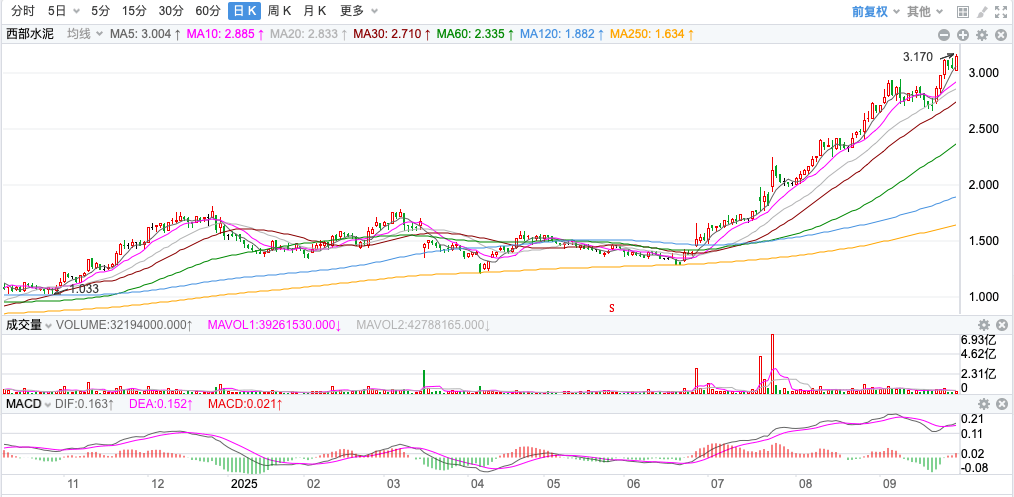
Core Viewpoint - The divergence between "old economy" assets and "new economy" assets has sparked widespread discussion, with notable shifts in investment strategies among prominent investors [1][2]. Group 1: Investment Trends - Some prominent investors, previously resistant to technology stocks, have begun to allocate funds to this sector, albeit reluctantly, due to market requirements [3]. - Investors maintaining a focus on "old economy" assets are facing challenges, with significant declines in fund values and missed opportunities in emerging sectors [3][4]. - The white wine sector, a traditional "old economy" asset, has seen a 7.56% decline in the China Securities White Wine Index this year, indicating ongoing struggles in this market [3]. Group 2: Market Dynamics - The tourism sector is also underperforming, with hotel prices dropping due to low demand, reflecting broader trends in consumer spending [4]. - Certain "old economy" stocks, like West Cement, are experiencing downturns due to declines in infrastructure and real estate markets [4]. - A company has reported a significant increase in net profit, exceeding last year's total within just six months, attributed to expansion in African markets [6]. Group 3: Seasonal Trends and Predictions - Historical data suggests that sectors with strong performance in the first three quarters often underperform in the fourth quarter, indicating a potential shift in market focus [6][7]. - The likelihood of "old economy" assets appreciating in the fourth quarter may depend on policy stimulus or significant economic narratives [7]. - The upcoming holiday period may lead to a preference for cash holdings among investors, although market conditions are expected to remain stable with potential for stock market gains post-holiday [8].
A股,出现什么信号,牛市才会止步?
Sou Hu Cai Jing· 2025-09-28 04:21
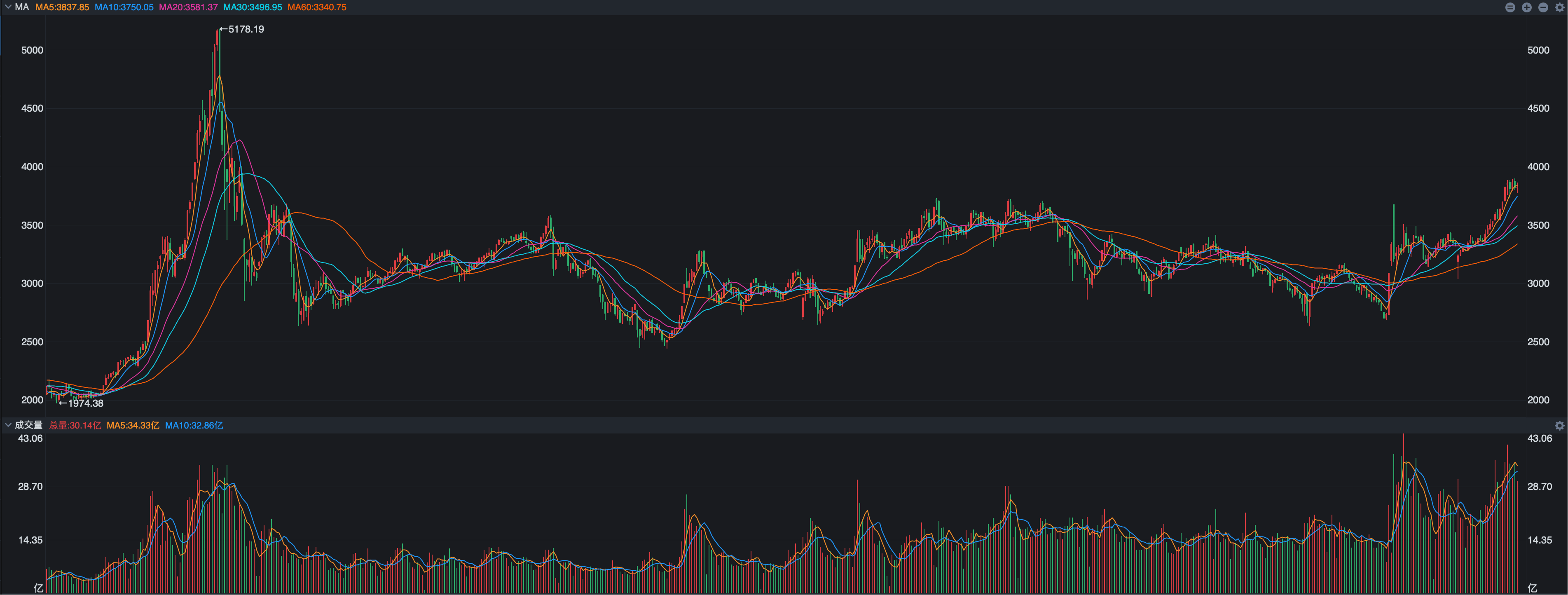
Core Viewpoint - The discussion centers around the increasing probability of a new round of fiscal stimulus, suggesting that a shift in market style is beginning to take root, with expectations for a turning point in fiscal policy and prices [1] Group 1: Market Dynamics - There is a noticeable divergence in the market, with indices performing well but individual stocks showing mixed results, particularly in the technology sector, which has been driven by a few companies in the ChiNext board [1] - The extreme rise in technology stocks may lead to increased caution among investors, as the perception of risk grows, prompting a potential shift from technology to traditional sectors such as liquor, consumer goods, and cyclical industries [1] Group 2: Short-term Style Shift - A short-term style shift is anticipated, particularly in traditional industries that have been undervalued, as fiscal policies aimed at stimulating consumption may come into play [2] - The potential for a temporary rally in traditional sectors cannot be entirely dismissed, given the prolonged stagnation in CPI [2] Group 3: Technology Sector Resilience - Even if a style shift occurs, it is viewed as a temporary interlude, with technology stocks likely to remain strong and not lose their leading position in the market [4] - Historical examples suggest that technology has been the driving force behind major market rallies, indicating that a fundamental shift away from technology is unlikely [4] Group 4: Importance of Technology - The current bull market is heavily reliant on technology, which has reached a market capitalization share of 25%, highlighting its growing significance in the A-share market [4] - The emphasis on technology reflects a broader understanding that sustainable wealth creation and future growth depend on technological advancements rather than traditional sectors alone [4]
小市值指增产品还能配置吗?蒙玺、念空、世纪前沿、鸣熙、杨湜、巨量均衡等10家量化私募发声!
私募排排网· 2025-09-11 03:43
Core Viewpoint - The recent phenomenon of "beta rising while alpha falls" in the A-share market is attributed to structural market differentiation and the characteristics of quantitative investment strategies, where a few large-cap stocks drive index gains while most stocks lag behind [3][4][5]. Group 1: Market Environment and Performance - Since August, the A-share market has experienced accelerated gains, with trading volumes reaching historical highs, but there is significant differentiation between large-cap and small-cap stocks [2]. - The strong performance of large-cap stocks has raised concerns among investors regarding the allocation to small-cap index-enhanced products [2][9]. - The market's overall upward momentum is primarily driven by a small number of stocks, leading to a decrease in pricing efficiency for individual stocks and making it harder for quantitative models to capture alpha [3][4][5]. Group 2: Challenges for Quantitative Strategies - The concentration of funds into a few large-cap stocks has resulted in a weak performance for the majority of stocks, complicating the ability of quantitative strategies to generate excess returns [4][5][6]. - The recent market structure has led to a situation where the alpha capture becomes more challenging due to the high degree of style concentration [4][5][6]. - Historical experience suggests that extreme structural market conditions are typically unsustainable, and the market will eventually revert to a more balanced state, allowing quantitative strategies to recover their alpha [5][6]. Group 3: Investor Concerns and Strategy Adjustments - Investors are currently worried about the risks associated with style switching, particularly regarding small-cap index-enhanced products [9]. - To mitigate risks, companies suggest diversifying portfolios and focusing on high-quality small-cap stocks with strong earnings capabilities [10][11]. - The emphasis is placed on maintaining a balanced approach to investment, ensuring that strategies are adaptable to changing market conditions [12][13]. Group 4: AI Integration in Investment Strategies - Companies have increasingly integrated AI technologies into their investment processes, enhancing data processing capabilities and improving the efficiency of information extraction [22][24]. - AI is utilized for various functions, including data cleaning, feature extraction, and optimizing investment strategies, which helps in capturing potential signals more effectively [22][23][25]. - The application of AI in investment strategies is seen as a critical factor in enhancing predictive capabilities and optimizing decision-making processes [25][26]. Group 5: Long-term Investment Perspectives - The focus is on long-term investment strategies rather than short-term timing, with an emphasis on building resilient portfolios that can withstand market fluctuations [27][28][29]. - Companies advocate for a diversified approach to asset allocation, which can help mitigate the emotional impact of market volatility on investment decisions [35][36]. - The importance of identifying undervalued assets with high certainty for long-term gains is highlighted as a key strategy for investors [31][32].

国金证券:把握机会,风格切换正当时
Di Yi Cai Jing· 2025-09-07 09:21
Group 1 - The fundamental changes in the past week are not as severe as the market volatility suggests, indicating a potential cooling in the market as it awaits clearer signals from fundamentals [1] - The monetary and fiscal expansion in Europe and the US is expected to become clearer in September, while China's anti-involution and consumption paths are gradually clarifying [1] - New structural opportunities are emerging, particularly in physical assets benefiting from domestic operational improvements and overseas interest rate cuts, including non-ferrous metals (copper, aluminum, gold), capital goods (lithium batteries, wind power equipment, engineering machinery, heavy trucks, photovoltaics), and raw materials (basic chemicals, fiberglass, paper, steel), as well as crude oil [1] Group 2 - After profit recovery, opportunities are expected to arise in domestic demand-related sectors such as food and beverages, pork, tourism, and scenic spots [1] - The long-term asset side of insurance is likely to benefit from a rebound in capital returns, followed by brokerage firms [1]
