
产业升级

Search documents
金圆集团李云祥: 以综合金融服务全链条赋能高水平科技自立自强
Zhong Guo Zheng Quan Bao· 2025-11-09 22:05
Core Insights - The Xiamen Industrial Development Conference highlighted the increasing vitality of the Hong Kong capital market as a crucial platform for Chinese enterprises to connect with global resources and promote industrial innovation and international development [1][2] - Jin Yuan Group has facilitated the listing of 10 new Hong Kong-listed companies this year, bringing the total to 49, reflecting Xiamen's commitment to technological innovation and industrial upgrading [1] - Emerging industries such as electronic information, biomedicine, and new energy are becoming key drivers of economic growth in Xiamen, with significant advancements in integrated circuit competitiveness [1] Company Initiatives - Jin Yuan Group has played a pivotal role as an "industry promoter" and "innovation partner," utilizing its various financial licenses to support the real economy and enhance financial services [2] - The group has introduced new financial tools, including merger funds and revitalization of existing investment funds, to strengthen the integration of financial services with industrial innovation [2] - Jin Yuan Group aims to enhance the quality of financial services for the real economy and foster a more open and dynamic industrial financial ecosystem in Xiamen [2]
美国脖子没那么好卡,稀土还是中国的王牌,这张牌最好用
Sou Hu Cai Jing· 2025-11-09 21:22
Core Viewpoint - China's export control on rare earths has become a significant tool in the ongoing US-China rivalry, marking a shift from passive to active defense strategies [1] Group 1: Export Control and Economic Warfare - The recent export control measures on rare earths are seen as a direct response to aggressive US policies, including the "50% ownership penetration" rule and exorbitant fees for Chinese ships entering US ports [1] - The "long-arm jurisdiction" policy not only restricts the export of raw materials but also applies to processed rare earth products that utilize Chinese technology, effectively controlling global supply chains [1] Group 2: Dependency on Chinese Supply Chains - The US estimates that it will take at least seven to eight years to completely eliminate dependence on Chinese rare earths, requiring hundreds of billions in federal investment annually [4] - Key industries such as lithium batteries, semiconductors, and pharmaceuticals are heavily reliant on Chinese materials, with over 70% of basic pharmaceutical raw materials sourced from China [7][8] Group 3: Challenges in Alternative Supply Chains - The US attempts to build alternative supply chains for rare earths face significant challenges, particularly in refining capabilities, where China holds a monopoly on advanced processing techniques [1][4] - The semiconductor industry is also at risk, with China capturing 31% of the market share in mature processes, and US manufacturers relying on Chinese firms for critical components [5] Group 4: Broader Implications of the US-China Rivalry - The geopolitical landscape is shifting, with the potential for resource management strategies extending beyond rare earths to include nickel, cobalt, and lithium [10] - The competition is not just about technology but also about systemic resilience, with China demonstrating a strong ability to adapt and innovate under pressure [15]





从昔日的资源受限,到今天掌握科技命脉,中国凭什么这么“刚”?
Sou Hu Cai Jing· 2025-11-09 16:41
Group 1: China's Dominance in Key Elements - China dominates the global production of critical elements, with a 99% share in gallium, over 70% in magnesium, tungsten, and natural graphite, and 69% in rare earth elements [1][2] - In 2024, China's share of global production in key elements for the electronic manufacturing industry is projected to exceed 90% [3] - The importance of these elements is significant, as gallium is essential for 5G communication and artificial intelligence, while rare earth elements are crucial for missile guidance systems [5] Group 2: Global Dependency on Chinese Supply - The global electronic manufacturing industry heavily relies on Chinese supply chains, with 90% of solar cells depending on Chinese gallium and 70% of lithium battery anode materials relying on Chinese natural graphite [5] - A reduction in Chinese exports could severely impact industries such as renewable energy and defense technology, leading to potential disruptions in production efficiency [5] Group 3: China's Export Control Strategy - China's export controls are a strategic choice to ensure domestic industry stability amid rising global demand and geopolitical risks [6] - The measures are also a response to Western attempts to reduce dependency on Chinese critical elements, exemplified by the U.S. blocking Chinese acquisitions of overseas rare earth mines [7] Group 4: Implications of Export Controls - Export controls may drive domestic companies towards technological innovation and higher value-added production, moving away from low-end exports that have historically resulted in environmental damage [9] - These measures could lead to a restructuring of global supply chains, with Western countries attempting to increase local mining efforts, though facing challenges in cost and technology [9] - China's actions may also influence global resource governance rules, shifting the balance of power in resource distribution and allowing China to set new standards [11]

从展品变商品,从意向到落地!进博会热度持续拉满!
Zheng Quan Ri Bao Zhi Sheng· 2025-11-09 13:53
Core Insights - The China International Import Expo (CIIE) has entered its eighth year, showcasing its "window effect" and "platform value" as a significant event for global trade [1] - The event has seen a surge in signing agreements, with central and local enterprise delegations actively participating and increasing their procurement intentions [1] Group 1: Central Enterprises' Procurement - Central enterprises are the main force in procurement at the CIIE, demonstrating larger scale, better structure, and broader fields, reflecting China's commitment to high-end, intelligent, and green development [2] - China Weapon Industry Group signed contracts with companies from 16 countries, with an intention amount of 38.6 billion RMB, focusing on industrial raw materials and high-end equipment manufacturing [2] - China Machinery Industry Group has participated in all eight CIIEs, signing 143 cooperation agreements with a total amount of nearly 25.1 billion USD [2] Group 2: Local Enterprise Delegations - Local enterprise delegations have also been active, with Xinjiang signing 35 economic cooperation projects worth 17.8 billion RMB, and Zhejiang signing 24 import agreements totaling approximately 14.5 billion RMB [3] - Various local delegations, including those from Shanghai, Chongqing, Shandong, and Liaoning, have engaged in intensive signing activities, aligning with regional industrial characteristics [3] Group 3: Transformation of Exhibits into Products - The CIIE serves as a platform for long-term partnerships, enabling companies to transform exhibits into products and intentions into concrete agreements [4] - Nippon Paint expanded its exhibition area significantly, citing substantial benefits from the previous CIIE, and reported a 50% increase in signing volume compared to last year [5] Group 4: Innovation and Collaboration - The CIIE is not only a showcase for cutting-edge technologies but also a breeding ground for collaborative innovation, with companies like Honeywell launching new products and forming partnerships with over 20 enterprises [6] - The event has created an efficient ecosystem for global enterprises to exchange cooperation opportunities, extending beyond mere transactions to include technological exchanges and shared development opportunities [6]
百余个数字经济领域项目在浙江乌镇签约,金额逾千亿元
Sou Hu Cai Jing· 2025-11-08 14:38
Core Insights - The Digital Economy Industry Cooperation Conference was held in Wuzhen, Zhejiang, on November 8, where over 100 projects in the digital economy sector were signed, amounting to over 100 billion RMB [1] Group 1: Event Overview - The conference featured discussions among global experts in artificial intelligence and other fields, focusing on industrial upgrading paths and technological innovation breakthroughs [1] - A new signing segment for high-level talent "dual employment" between schools and enterprises was introduced to enhance collaboration between academia and industry in talent cultivation and resource sharing [1] Group 2: Financial Impact - The total value of signed projects exceeded 100 billion RMB, indicating significant investment and interest in areas such as digital technology, smart manufacturing, artificial intelligence, and computing power centers [1]
协鑫科技(03800):25Q3光伏材料业务扭亏,颗粒硅受益产能出清
Tianfeng Securities· 2025-11-08 12:39
Investment Rating - The report maintains a "Buy" rating for the company, expecting a relative return of over 20% within the next six months [6][15]. Core Insights - The company's photovoltaic materials segment achieved an unaudited profit of approximately RMB 9.6 billion in Q3 2025, compared to an unaudited loss of RMB 18.1 billion in the same period last year, marking a significant turnaround [1]. - The average external selling price of granular silicon in Q3 2025 was RMB 42.12 per kg, reflecting a 27.9% increase from Q2 2025, while the average production cash cost decreased by 4.5% to RMB 24.16 per kg [2]. - The tightening of energy consumption standards for polysilicon production is expected to facilitate capacity clearance and industry upgrades, with the company’s granular silicon production meeting the new standards [3][4]. Summary by Sections Financial Performance - The photovoltaic materials business reported an adjusted EBITDA of approximately RMB 14.1 billion in Q3 2025, a recovery from an adjusted EBITDA loss of RMB 5.71 billion in the same quarter last year [1][2]. - Revenue forecasts for 2025 to 2027 have been adjusted to RMB 123.9 billion, RMB 169.5 billion, and RMB 214.2 billion respectively, with net profits projected at RMB -9.9 billion, RMB 13.8 billion, and RMB 25.6 billion [5]. Market Position - The company’s market share for granular silicon reached 24.32% in the first half of 2025, a significant increase from 14.58% in 2024, driven by continuous improvements in product quality and customer adhesion [4]. - The company is positioned to benefit from the expected price recovery in the granular silicon market, with further improvements anticipated in Q4 2025 [5]. Industry Trends - The new energy consumption standards for polysilicon production are expected to significantly tighten industry regulations, promoting the exit of less efficient producers and benefiting companies like this one that meet the new criteria [3][4].

11月券商金股:扎堆推荐拓普集团、海尔智家等
Zhong Jin Zai Xian· 2025-11-08 02:35
Core Viewpoint - The performance of listed companies in the A-share market has stabilized as the third-quarter reports are disclosed, leading to a focus on certain sectors and stocks by brokerages for November's "golden stocks" list [1] Group 1: Sector Recommendations - Over 180 stocks have been included in brokerages' November "golden stocks" list, with notable recommendations in the automotive and parts sector, as well as in the new energy and home appliance sectors [1] - Top Group has been recommended by five brokerages in the automotive and parts sector, while CATL has also received five recommendations in the new energy sector [1] - Haier Smart Home stands out in the home appliance sector with four recommendations, making it the most recommended company in its industry [1] Group 2: Home Appliance Sector Insights - The home appliance sector is benefiting from policies like trade-in programs and increasing export demand, which favor leading companies with stable performance and global presence [1] - Haier Smart Home is highlighted for its improving operational performance in the European and American markets and its ability to capture market share in emerging markets, supported by strong product innovation capabilities [1] - Despite challenges from real estate and related factors, leading companies in the home appliance sector are expected to experience structural growth driven by consumer recovery and industrial upgrades [1]

鹭江弄潮——厦门锻造新质生产力观察
Zhong Guo Zheng Quan Bao· 2025-11-07 20:11
Core Insights - Xiamen is leveraging its historical commitment to technological innovation to foster a new quality of productivity, exemplified by the "Su Song Project" which aims to integrate innovation deeply into its economic framework [1][3][19] Group 1: Strategic Development - Xiamen has maintained a clear strategic vision since the 1985-2000 economic development plan, emphasizing the importance of science and technology for rapid economic growth [2][3] - The city has established a high-level coordination mechanism to break down departmental barriers and enhance collaborative efficiency, exemplified by the formation of the Municipal Science and Technology Innovation Committee in 2022 [3][4] Group 2: Innovation Ecosystem - Xiamen has created a rich innovation ecosystem, characterized by a mix of leading enterprises and specialized small and medium-sized enterprises, supported by favorable policies and financial resources [1][4][9] - The city has developed a comprehensive service system for industry cultivation, including new research institutions and validation centers, to facilitate the transition from research to industrial application [7][8] Group 3: Financial Support and Policy Framework - Xiamen's financial ecosystem is designed to support technology-driven enterprises, with a focus on integrating fiscal policies with financial tools to enhance funding accessibility [13][16] - The city has implemented a series of financial policies that have mobilized over 330 billion yuan in funding for more than 18,000 enterprises, significantly reducing their operational costs [14][16] Group 4: Industry Growth and Performance - The high-tech manufacturing sector in Xiamen has shown robust growth, with a reported 18.6% increase in value-added output in the first half of 2025 [9][10] - Xiamen's integrated circuit industry has expanded significantly, with production value increasing from 5 billion yuan in 2014 to 40 billion yuan in 2024, showcasing a complete industrial chain ecosystem [11][12] Group 5: Future Prospects - Xiamen is focusing on emerging industries such as hydrogen energy and biotechnology, aiming to cultivate globally influential enterprises in these sectors [12][19] - The city is positioning itself as a leader in the new economy, with a strong emphasis on high-quality development driven by technological innovation [19]


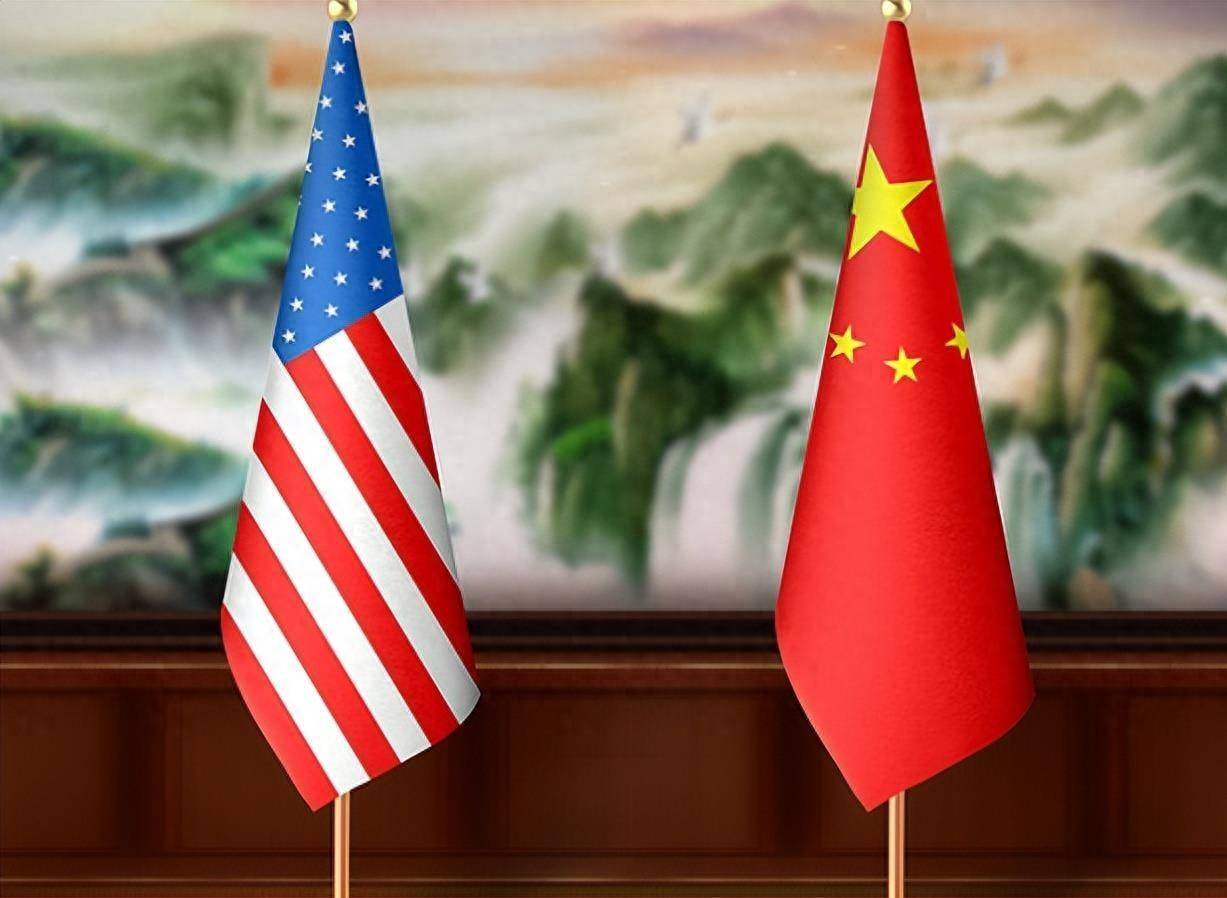
为什么美国不敢把中国逼到绝路?三点说透大国制衡博弈的秘密
Sou Hu Cai Jing· 2025-11-07 15:44
Group 1 - The core truth of US-China relations is that the US does not want China to collapse, as it would create greater problems for the US itself [1][14] - The US-China competition is characterized by a "strange balance" that does not resemble traditional warfare or cold war dynamics, but rather a mix of confrontation and cooperation [3][14] - The tariff war initiated during Trump's presidency serves as an example of how the US and China can engage in economic battles while ultimately protecting their own interests and avoiding direct conflict [4][7] Group 2 - The case of Iran illustrates the new rules of US-China competition, where neither side is willing to fully embrace the other, leading to a complex geopolitical situation [7][9] - The ongoing Russia-Ukraine war demonstrates how the US maintains its hegemony while China benefits from the situation by expanding its market presence in Russia and enhancing its own industrial capabilities [10][13] - The current geopolitical landscape indicates that both the US and China have mutual interests in maintaining a balance, where the US needs China to remain stable and China seeks to leverage this relationship for its own development [14][16]
江苏自然资源支撑服务业筑牢发展根基
Xin Hua Ri Bao· 2025-11-07 14:45
Core Viewpoint - Jiangsu Province is focusing on innovative land resource management to support high-quality economic development during the "14th Five-Year Plan" period, emphasizing efficient land use and service industry upgrades [1]. Group 1: Top-Level Design and Land Demand Assurance - Jiangsu has integrated land resource assurance into its high-quality development strategy, enhancing policy supply and overcoming mechanism barriers to support service industry growth [2]. - The province has introduced new categories for industrial land in planning guidelines to accommodate emerging industries, ensuring a comprehensive approach to land allocation for service projects [2]. - Major service projects will have their land needs fully supported by provincial-level planning, implementing a "no application, immediate enjoyment" policy for significant projects [2]. Group 2: Supply Quality and Efficiency Enhancement - Jiangsu is innovating land supply models, focusing on both quantity and quality to improve land allocation efficiency for the service industry [3]. - The province is promoting mixed-use land development to meet diverse production and living needs, optimizing resource allocation through multifunctional land use [3]. - A mixed-use land supply model is being explored to enhance the integration of advanced manufacturing and service industries, increasing the proportion of supporting land and facilities from 15% to 30% [3]. Group 3: Stock Utilization and Efficient Development - Jiangsu is shifting from relying on land expansion to maximizing existing land use, focusing on redeveloping low-efficiency land to create new opportunities for the service industry [4]. - The province has initiated a comprehensive survey of land use efficiency, identifying and redeveloping low-efficiency land, with 1.02 million acres successfully redeveloped [5]. - Policies are being refined to support the development of new industries and business models, allowing for transitional use of existing industrial land for cultural and creative industries [6]. Group 4: Future Directions - Jiangsu aims to continue enhancing land management reforms and optimizing resource allocation to provide robust support for high-quality service industry development [6].