产业升级

Search documents
除了36年连冠,广东“十四五”还有哪些“隐藏技能”?
Nan Fang Du Shi Bao· 2025-11-07 11:31
Economic Growth - Guangdong's GDP increased from 12.44 trillion yuan to 14.16 trillion yuan from 2021 to 2024, with an average annual growth rate of 4.7% [1] - The manufacturing sector shows strong resilience, with 15 out of 31 manufacturing categories ranking first in the nation [1] - In 2024, Guangdong's production of new energy vehicles reached 3.618 million units, accounting for 25% of the national total [1] Infrastructure Development - The construction of major projects like the Shenzhen-Zhongshan Link has significantly reduced travel time within the Greater Bay Area, establishing a one-hour living circle [2] - The "Cross-Border Wealth Management Connect" business has surpassed 120 billion yuan, indicating financial integration within the region [2] Innovation and Reform - Guangdong has ranked first in regional innovation capability for eight consecutive years, with R&D expenditure reaching 510 billion yuan in 2024 [3] - The province's foreign trade performance remains strong, with total import and export volume exceeding 9 trillion yuan, maintaining the top position in the country for 39 years [3]
数字为翼、产业为基、文旅为媒 乐陵以民生底色绘就特产兴城新图景
Huan Qiu Wang· 2025-11-07 10:41
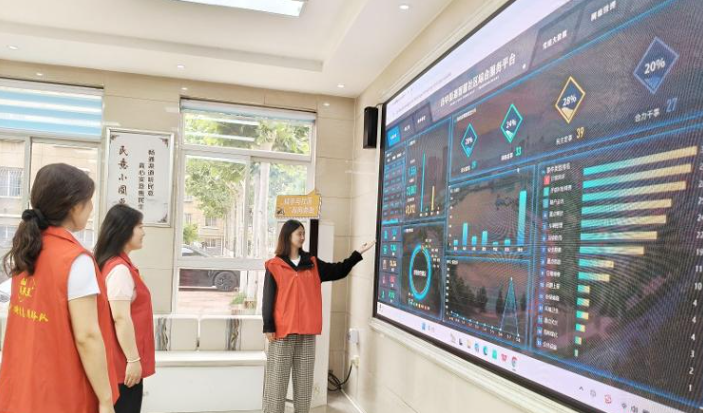
Core Insights - The article highlights the transformation of Leiling City through digital empowerment, industry upgrades, and improved public services, showcasing a model of high-quality county-level development [1][21]. Digital Empowerment - The "Zaocheng Neighbors" smart community app has become essential for residents, integrating 15 convenient services and processing over 5,000 community requests [2][4]. - The "One Network Management" platform in Dingwu Town consolidates key data for efficient governance, enabling 23 services to be managed via a mobile app [6]. Cultural and Tourism Integration - Leiling's film city attracts significant tourist traffic, with over 201,700 visitors during the 2025 Mid-Autumn Festival and National Day holidays, showcasing the effectiveness of its "film-tourism integration" strategy [7][9]. - The introduction of the "Leiling Cultural Tourism Enjoyment Card" aims to enhance the consumer experience across over 100 businesses [11]. Industry Upgrades - The TaiShan Sports Industry Group has innovated with carbon fiber gymnastics equipment, positioning itself as a leading supplier for international events [12]. - Traditional industries, such as juice production at Huiyuan Group, have adopted transparent production processes and advanced technology, significantly increasing sales [14]. Public Welfare and Services - Leiling has implemented a free public transport policy, resulting in a 3.8-fold increase in passenger numbers, with 222.3 million rides in 2024 [15][17]. - Community initiatives, such as the "Mid-Autumn Festival Banquet" for seniors and various skill training programs, enhance the quality of life for residents [15]. Specialty Product Innovation - The transformation of the Jinsi Xiaozhao (golden silk jujube) from a local specialty to a high-value product through technological advancements has significantly increased its market value [18][20]. - The brand value of "Leiling Jujube" has reached 3.551 billion yuan, ranking third nationally in jujube brands [20].

广东各城经济三季报:东莞佛山GDP差距缩至近年最小
Sou Hu Cai Jing· 2025-11-07 09:51
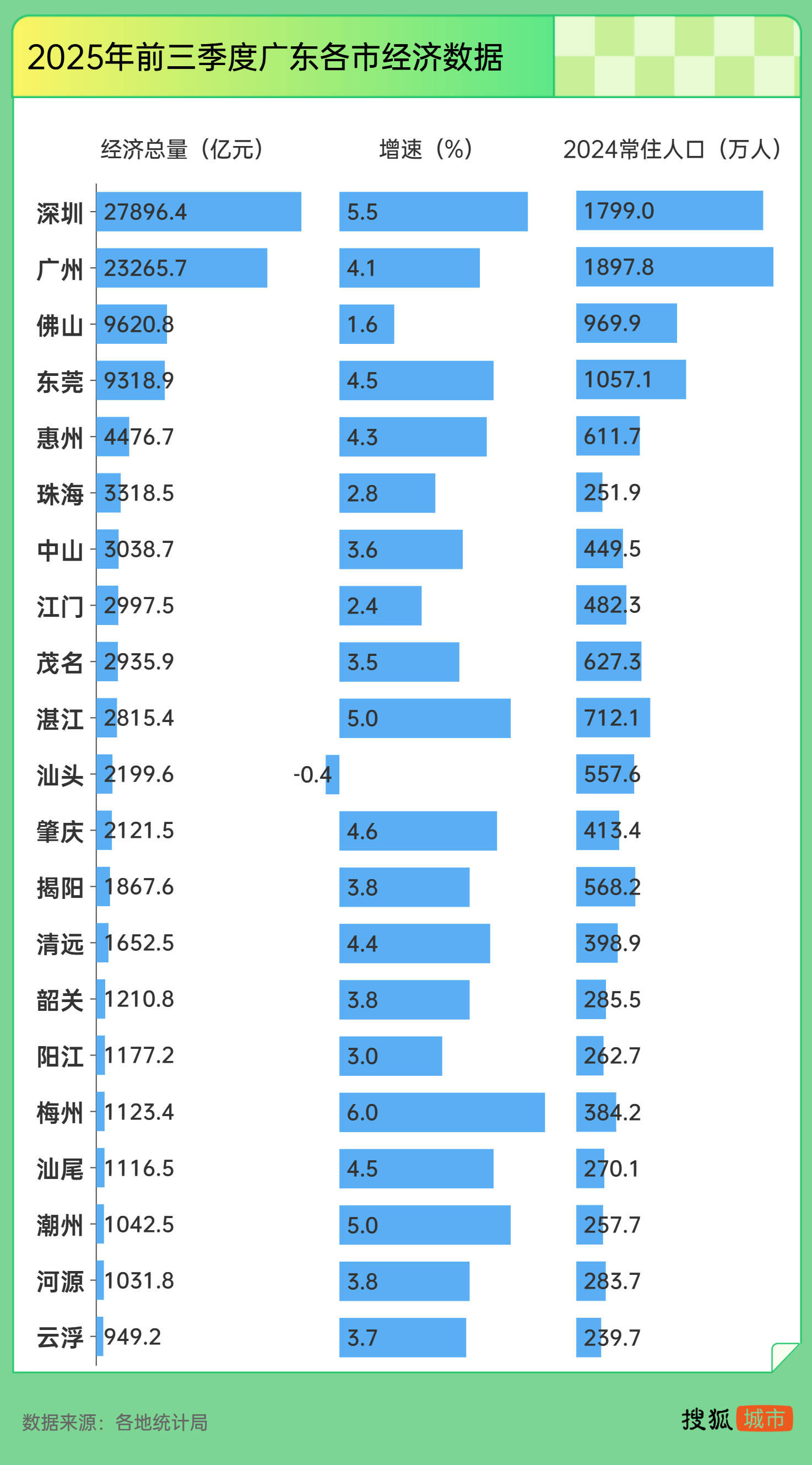
Economic Overview - Guangdong's GDP reached 10,517.698 billion yuan in the first three quarters, with a year-on-year growth of 4.1%, maintaining its position as the top province, but the lead over Jiangsu has narrowed to the smallest margin in recent years [1] - Since 2021, Guangdong has underperformed the national average for four consecutive years [1] City Performance - The top four cities by economic output are Shenzhen, Guangzhou, Foshan, and Dongguan, contributing 66.7% to the province's total economy [1] - Guangzhou's GDP totaled 2.33 trillion yuan with a growth rate of 4.1%, while Shenzhen's GDP was 2.79 trillion yuan with a growth rate of 5.5% [4] - Guangzhou's automotive industry has faced significant challenges, leading to a decline in production and economic growth, with a projected 18.2% decrease in automotive manufacturing value added in 2024 [4][5] Export and Consumption - Guangzhou led the province in consumption and export growth, with retail sales reaching 815.751 billion yuan and exports totaling 612.14 billion yuan, growing by 4.1% and 21.2% respectively [5] - In contrast, Shenzhen's exports fell by 4.7% in the same period, attributed to external uncertainties [6] Competition for Third City - Foshan and Dongguan are in a close competition for the title of Guangdong's third city, with GDP totals of 962.08 billion yuan and 931.89 billion yuan respectively, and growth rates of 1.6% and 4.5% [8] - The GDP gap between Foshan and Dongguan has narrowed to approximately 30 billion yuan, the smallest in recent years [8][11] Industrial and Investment Trends - Foshan's industrial and consumption sectors are experiencing stagnation, with significant reliance on traditional industries linked to real estate [10] - Dongguan is focusing on strategic emerging industries and has initiated a large-scale investment program to enhance its economic structure [11] Regional Disparities - Shantou's GDP fell by 0.4% in the first three quarters, continuing a trend of negative growth, primarily due to declines in the secondary industry [12][15] - Conversely, Meizhou's GDP grew by 6.0%, driven by a robust industrial sector, particularly in electronic information [12][15]
外贸韧性足、技术含量高:前十月集成电路汽车出口实现两位数增长
2 1 Shi Ji Jing Ji Bao Dao· 2025-11-07 09:47
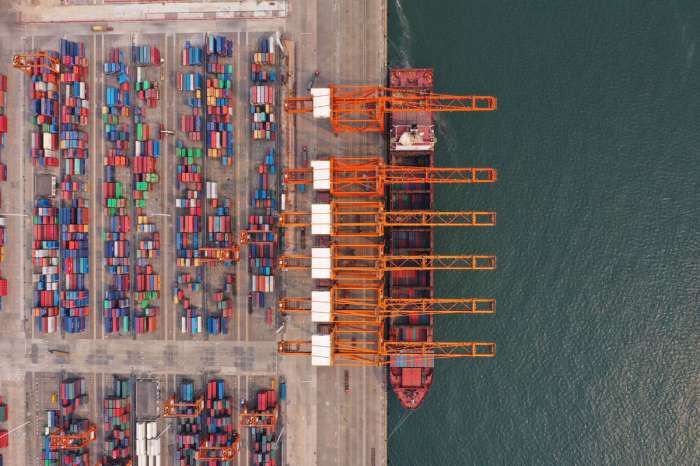
Core Insights - China's foreign trade shows resilience amid challenges, with a total import and export value of 37.31 trillion yuan in the first ten months of 2025, reflecting a year-on-year growth of 3.6% [1] - High-tech product exports have significantly increased, with integrated circuit exports reaching 1.16 trillion yuan, up 24.7%, and automobile exports at 798.39 billion yuan, up 14.3% [1][6] Trade Partners - ASEAN remains China's largest trading partner, with trade totaling 6.18 trillion yuan, a growth of 9.1%, accounting for 16.6% of total foreign trade [2] - Trade with the EU reached 4.88 trillion yuan, growing by 4.9%, while trade with the US decreased by 15.9% to 3.38 trillion yuan [2] Trade Structure and Optimization - Private enterprises play a crucial role in foreign trade, with their import and export value at 21.28 trillion yuan, a growth of 7.2%, making up 57% of total foreign trade [5] - The import of electromechanical products was 6.05 trillion yuan, up 5.5%, while exports reached 13.43 trillion yuan, growing by 8.7% [6] Market Diversification Strategy - China's market diversification strategy has proven effective, focusing on enhancing trade with developed economies while expanding into emerging markets [4] - The China-ASEAN Free Trade Area 3.0 version was signed, covering nine areas including digital economy and green economy, expected to further boost trade [4][5] Government Initiatives - The government emphasizes the need for a coordinated approach to create a favorable foreign trade environment, enhancing competitiveness through innovation [7] - Recent initiatives like the "Shared Big Market · Export China" series aim to expand imports and promote balanced trade development [8]
创投月报 | 10月先进制造单笔融资额再创新高 沃兰特航空跻身“低空独角兽”之列
Xin Lang Zheng Quan· 2025-11-07 09:04
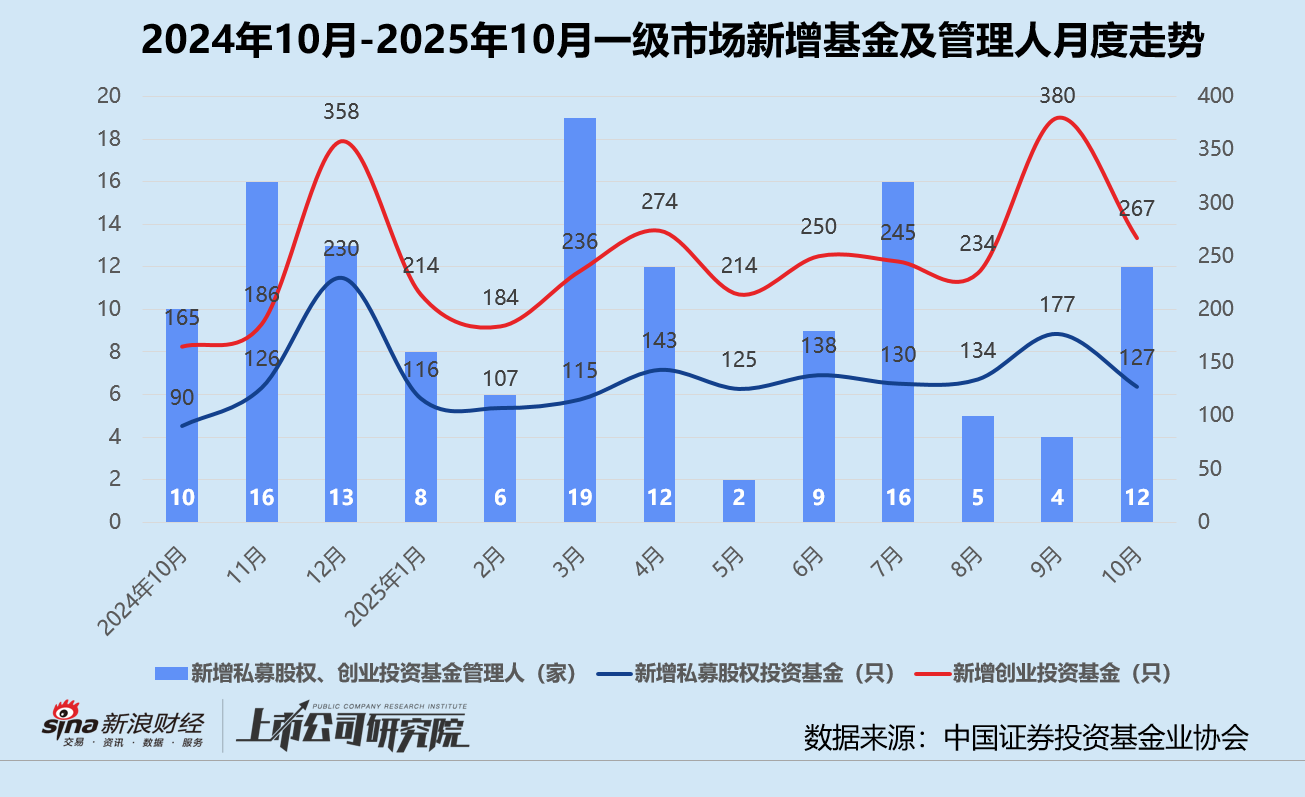
Group 1 - In October 2025, 12 new private equity and venture capital fund managers were registered, marking a 20% year-on-year increase and a 200% month-on-month increase. However, 25 fund managers were deregistered, with over half being voluntary cancellations [1] - The domestic primary equity investment market recorded 457 financing events in October, a slight year-on-year increase of 8.0% but a month-on-month decrease of 33.4%. The total disclosed financing amount was approximately 42.88 billion yuan, representing a year-on-year increase of 118.4% [3] - The average single financing amount reached 93.83 million yuan, marking a year-to-date second-highest figure, with significant contributions from high-end analog integrated circuit chip manufacturer "Silicon Integrated" [3][6] Group 2 - Early-stage financing events (seed, angel, Pre-A, and A rounds) accounted for 70.7% of total financing events, slightly higher than September 2025. A round financing events remained the most prevalent, comprising 33.7% of total events [6][9] - Strategic financing rounds led in disclosed financing amounts, totaling 12.18 billion yuan, while D round financing saw a significant increase driven by "New Stone" raising over 600 million USD [6][12] Group 3 - The advanced manufacturing sector led with 95 financing events, with approximately 44.2% of the funded companies being in the integrated circuit sector. The AI sector also maintained a strong presence with 72 financing events, reflecting a year-on-year growth of 30.9% [12][15] - Jiangsu province completed 95 financing events, maintaining its leading position, with significant contributions from advanced manufacturing and new materials sectors [18][20] Group 4 - The most active investment institutions included Tongchuang Weiye and Guotai Junan Venture Capital, with state-owned institutions accounting for approximately 71.4% of the active investors [23][25] - Kangqiao Capital successfully raised 500 million USD for its second dollar fund, focusing on biotechnology and medical device companies [26][28] Group 5 - Ten financing events exceeding 1 billion yuan were recorded, totaling 22.29 billion yuan, which accounted for about 52.0% of the disclosed financing total. These events were primarily concentrated in the advanced manufacturing sector [30] - "VOLANT" completed a multi-hundred million yuan B round financing, achieving a post-investment valuation exceeding 1 billion USD, marking it as a new unicorn in the eVTOL sector [34]
A500ETF基金(512050)低开高走韧性十足!核心资产均衡配置,从容应对风格切换
Mei Ri Jing Ji Xin Wen· 2025-11-07 07:32
Core Viewpoint - The A-share market shows resilience amidst global market fluctuations, supported by long-term capital inflows and policy-driven industrial upgrades [1] Market Performance - On November 7, A-shares experienced a collective adjustment, with the chemical sector and photovoltaic equipment performing well, while AI applications and humanoid robots saw significant declines [1] - The A500 ETF fund (512050) opened lower but rose by 0.42% by 13:33, with a trading volume exceeding 4.2 billion yuan, leading its category [1] - Notable stocks included Tianfu Tongxin, which increased by over 13%, along with strong performances from Xinjubang, Defang Nano, Tianhua New Energy, and Tianci Materials [1] Capital Inflows - Insurance funds and pension funds have been consistently entering the market, combined with company buybacks, creating a solid foundation for market stability [1] - These counter-cyclical funds have effectively mitigated external impacts on the market [1] Policy and Industrial Support - The dual drivers of industrial upgrades and policy benefits are providing support and uplift to the market [1] - Year-end important meetings are generating expectations for stable growth [1] - Micro-level changes in industries, such as the continuous increase in new energy vehicle penetration and substantial progress in semiconductor localization, are reshaping profit expectations for listed companies [1] Fundamental Changes - Positive changes in fundamentals, along with improvements in capital structure, are resonating together to form a solid foundation for an independent A-share market trend [1]
米舒斯京返程莫斯科后,普京下令做一件事:要减少对中国的依赖!
Sou Hu Cai Jing· 2025-11-07 06:05
稀土被誉为"工业维生素",从战斗机到智能手机,从电动汽车到导弹制导系统,都离不开这些金属。目前,中国在全球稀土市场中占据着主导地位,提供了 全球90%以上的稀土产品。正因为此,中国的稀土控制权让包括俄罗斯在内的多个国家产生了强烈的危机感。 11月初,俄罗斯总理米舒斯京刚刚结束了对中国的访问,双方签署了多个合作协议。然而,令人意外的是,返回莫斯科后,普京立即要求内阁在12月1日前 批准一个关于稀土金属长期发展的计划。这一举动引发了广泛关注,时间的选择尤为微妙,显示出俄罗斯在战略资源保障方面的迫切需求。 对于中国来说,面对全球各国争相寻求稀土自主的趋势,需要保持战略定力。从短期来看,中国在稀土加工技术和成本控制等方面的优势暂时难以被取代。 但从长远来看,中国也需要探索新的竞争优势。一方面,中国需要继续加强技术创新,推动产业链向更高端发展,研发稀土新材料和新应用;另一方面,还 需优化资源管理,提高资源的利用效率。与此同时,可以考虑与资源国进行更深层次的合作,实现互利共赢。 中国在稀土领域的主导地位并非一蹴而就。经过数十年的发展,中国建立了从稀土开采、分离到加工的完整产业链。而且,近年来中国出于环境保护和资源 可持续 ...
华泰证券2026年度投资峰会:中国资产重估将进一步纵深
Sou Hu Cai Jing· 2025-11-07 03:58
华泰证券机构业务委员会主席梁红在致辞中表示,2025是"十四五"收官之年,中国经济展现更多的确定 性。"十五五"规划建议重提以经济建设为中心,明确提出要提高居民消费占GDP的比例,将从出口、投 资驱动的模式迈向消费为主、内需驱动的增长模式。展望明年,相信中国资产的重估将会进一步走向纵 深,权益投资者从过去两年"左手红利、右手科技"的策略,可能会逐步关注与经济基本面改善更加密切 的能源、消费、地产等顺周期板块,尤其是这些"老经济"板块中的优质龙头企业。 明年宏观政策如何演进,经济形势将有哪些变化?华泰证券首席宏观经济学家易峘认为,出口方面, 2025年中国出口韧性成为市场强共识,预计2026年仍保持较强韧性,产业升级成为主要叙事;财政政策 将保持温和扩张态势,为去杠杆周期"收尾"提供支持;地产去杠杆对信用周期和企业现金流的冲击边际 缓解、甚至消失。海外来看,美国政策"无序性"边际下降,全球财政、货币政策同步宽松,中美经贸关 系波动性有望回落。 2026年股市和债市如何发展、关注点有哪些?华泰证券研究所所长、固收首席张继强指出,今年股市主 要由情绪、资金和估值驱动,市场认知和叙事变化驱动行情,明年有望转向业绩验证 ...

进博会苏企迎来“开门红” 首个交易日累计成交1.7亿美元
Su Zhou Ri Bao· 2025-11-07 00:16
Group 1 - The first trading day of the 8th China International Import Expo saw Suzhou enterprises achieve a total transaction amount of 170 million USD, indicating a strong momentum in expanding international supply chains and promoting industrial upgrades [1] - Suzhou Jialai Import and Export Trade Co., Ltd. signed a procurement agreement worth 30 million USD with New Zealand's Fonterra, marking the first signed order for Suzhou at this year's expo [1] - Suzhou Huadong Food Co., Ltd. collaborated with JD Fresh and Cargill to complete a beef procurement agreement valued at 50 million USD, enhancing cooperation with existing partners and expanding their network [1] Group 2 - Suzhou Shiyuan Electronic Technology Co., Ltd. reached a chip procurement agreement totaling approximately 40 million USD through the expo, aimed at developing products for AI education and industrial control [2] - The Suzhou trading delegation plans to continue leveraging the expo platform for precise procurement and investment matching, further expanding international cooperation and promoting high-quality industrial development [2]
在“四叶草”里河南深度链接世界
He Nan Ri Bao· 2025-11-06 23:26
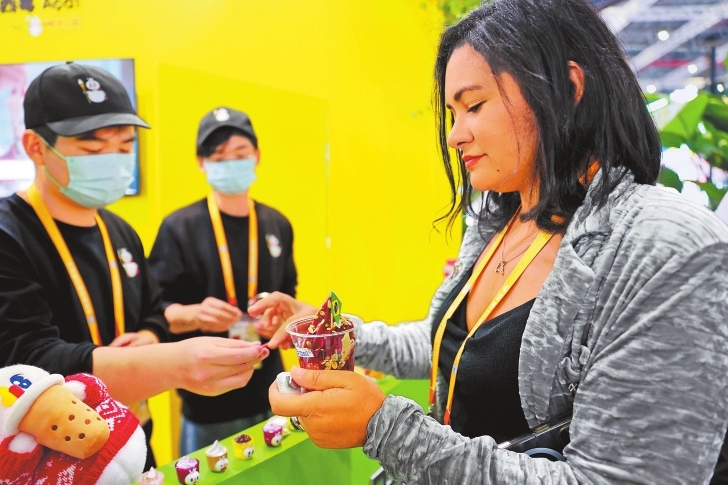
Core Insights - The 8th China International Import Expo (CIIE) opened in Shanghai, showcasing 461 new products from global enterprises, highlighting China's vast market appeal [1] - The event serves as a significant platform for Henan to connect with global resources, with local trade delegations actively seeking cooperation opportunities [1] Group 1: Trade and Business Opportunities - A foreign trade service platform signed a $4 million procurement order with an Indian company, indicating the expo's role in facilitating quality raw material sourcing [2] - Companies from Henan are exploring new consumer markets and upgrading their product lines, reflecting a clear path of industrial transformation [2] - The presence of Fortune 500 companies at the expo provides local businesses with insights into industry trends and opportunities for product diversification [2] Group 2: International Collaboration - The Brazilian pavilion attracted significant attention, with local brands like Mixue Ice Cream showcasing unique products, enhancing cross-border partnerships [3][4] - Brazilian officials emphasized the strong partnership with Henan, viewing it as a reliable consumer and collaborator in the market [5] - Multinational companies are increasingly investing in Henan, with Metro AG planning to expand its supply chain in the region to distribute quality consumer goods nationwide [5] Group 3: Growth and Development - The expo has seen a continuous increase in participation, with Henan's trade delegations achieving substantial results, including a long-term exhibition space for local products [6] - The collaboration between Henan and the Yangtze River Delta region has led to the signing of projects worth over 10 billion yuan, showcasing the region's growing economic ties [6] - The CIIE has become a platform for Henan to not only procure but also showcase its products, marking a significant evolution in its approach to international trade [6]