即时零售

Search documents
京东Q2数据惊艳,外卖这场仗打的太不容易了
Sou Hu Cai Jing· 2025-08-16 04:08
营收狂飙,自然是得益于京东自今年2月份强势入局外卖业务,并依托于此拓展自身即时零售版图,以 及实现与京东零售的整体协同。 财报显示,二季度内,京东零售实现营收3101亿元,同比增长20%,包括京东外卖在内的新业务实现营 收139亿元。 协同效应正在显现。 同时,京东外卖在本季度内实现了日订单量突破2500万,入驻品质商家超150万家,并建立起了一个超 15万人的全职骑手团队。 用京东的话来说,京东外卖已经达成了初期战略目标。 作者 | 蓝媒汇 叶二 厮杀惨烈的外卖三国杀,直接影响了大厂们的业绩。 刚刚京东发布2025年Q2财报,数据显示,在二季度内,京东实现营收3567亿元,同比猛增22.4%。 这是近几年来,京东增长最高的一个季度。 外卖业务不仅为用户提供了更多元化的服务选择,吸引新用户入驻平台,还通过交叉销售等方式,提高 了老用户的购物频率与消费金额,有力推动了活跃用户数的大幅提升。 从二季度财报来看,京东进军外卖,对主站基本盘产生了一定程度的协同。 但这一过程中,基于外卖行业的强竞争,京东也付出了高昂的成本。 财报显示,二季度内,京东新业务经营亏损高达148亿元,这也直接拖累了京东在该季度的盈利。该季 ...

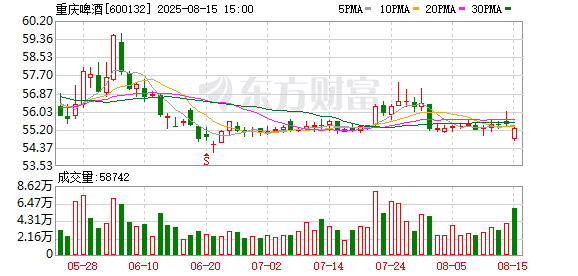
重庆啤酒遭遇了高端化增长瓶颈
Xin Lang Cai Jing· 2025-08-16 04:02
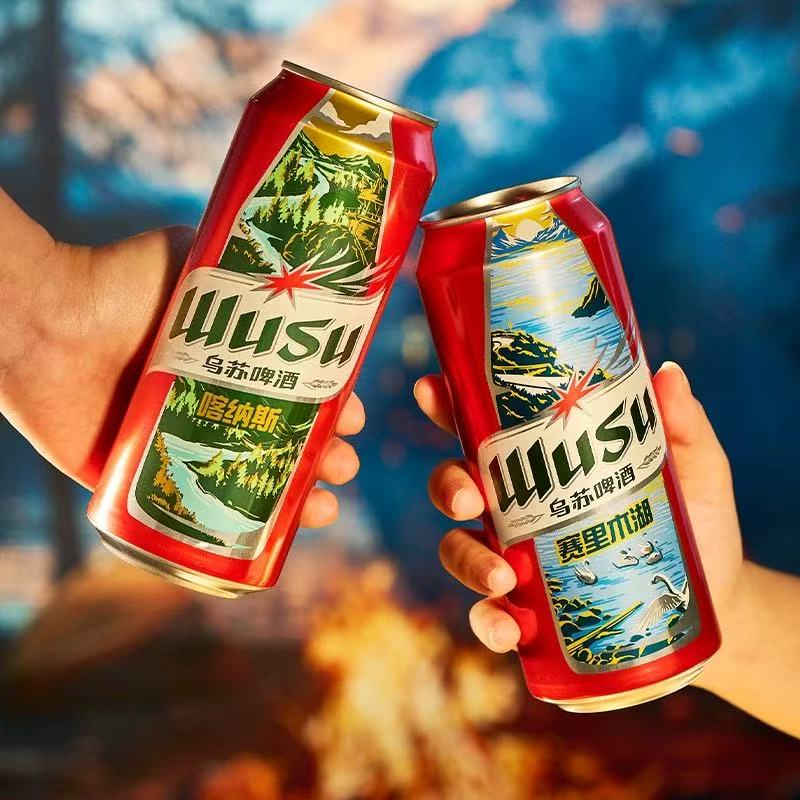
Core Viewpoint - Chongqing Beer experienced a less than ideal performance in the first half of 2025, with revenue and net profit both declining despite a slight increase in sales volume, indicating a "volume-price divergence" and suggesting poor sales of high-end products [1][3]. Financial Performance - The company reported a revenue of 8.839 billion yuan, a year-on-year decrease of 0.24%, and a net profit of 865 million yuan, also down year-on-year [1]. - High-end product revenue growth was only 0.04%, while mainstream product revenue fell by 0.92%. The best-performing segment was the economy products priced below 4 yuan, which generated 196 million yuan in revenue [3]. - High-end and mainstream products accounted for 97.72% of total revenue, with high-end products generating 5.265 billion yuan and mainstream products 3.145 billion yuan [3]. Market Dynamics - The decline in high-end beer sales is attributed to external factors such as reduced dining scenarios due to "alcohol bans" [4]. - The company’s performance varied by region, with the Northwest region being the only area to show revenue growth at 2.596 billion yuan, up 1.75% year-on-year. The Central region saw a decline of 0.7% to 3.532 billion yuan, and the South region fell to 2.479 billion yuan, down from 2.515 billion yuan [4]. Strategic Initiatives - Chongqing Beer is focusing on non-on-premise channels and has established an "instant retail task force" to capitalize on the growing trend of instant retail sales, which saw a 160% increase in transaction volume for beer on platforms like Meituan [5][8]. - The company is also diversifying its product offerings, launching new products such as 1L craft beers and non-alcoholic beverages [5]. - An investment of 600 million yuan was announced to enhance the competitiveness of its Foshan operations, aiming to improve production capacity in the South region [8][9].


啤酒节有话题没热度 青岛啤酒们为何卖不动了?
Sou Hu Cai Jing· 2025-08-16 03:29
Core Viewpoint - Qingdao Beer is facing unprecedented pressure with a decline in revenue for 2024, marking the first drop in three years, and the lowest net profit growth in nearly eight years [2] Group 1: Financial Performance - In Q1 2025, Qingdao Beer achieved a slight revenue increase of 2.91% year-on-year, while net profit grew by 7.08%, still below historical growth rates [2] - The stock price of Qingdao Beer has been on a downward trend since 2023, closing at 67.76 yuan per share on August 8, down nearly 50% from its peak of 119.65 yuan [2] - The beer production in China for 2024 was 35.213 million tons, a decrease of 0.6% year-on-year, representing about 70% of the production in 2013 [2][3] Group 2: Market Trends and Competition - The high-end beer market has slowed down in 2024, with many companies experiencing a decline in sales of mid-to-high-end products [3] - Qingdao Beer has launched several high-end products since 2009, but by 2024, sales of high-end products decreased by 2.65% year-on-year [3][4] - Competitors like Yanjing Beer have successfully launched popular products, such as Yanjing U8, which saw over 30% revenue growth, contrasting with Qingdao Beer's declining main brand price [4] Group 3: Consumer Behavior and Challenges - Young consumers are increasingly favoring craft brands and value-for-money products, leading to a decline in demand for traditional industrial beers [5] - Qingdao Beer faces structural challenges, including a shrinking consumer base aged 18-49 and increased competition from low-alcohol and tea-flavored beverages [8] - The company struggles with brand recognition and market penetration in southern China, where revenue from key markets like South China and East China remains low [8] Group 4: Sales Channels and Strategies - Instant retail is emerging as a significant channel for Qingdao Beer, with sales on platforms like Meituan increasing by 24.8% in 2024 [6] - Despite rapid growth in instant retail, it still represents a small portion of total revenue, with Meituan's 10 billion yuan sales accounting for only about 3% of total revenue [7] - Qingdao Beer is enhancing its online and offline integration, launching new products through instant retail channels [6] Group 5: Brand Image and Quality Issues - Recent food safety incidents have negatively impacted consumer trust in Qingdao Beer, highlighting vulnerabilities in supply chain management [9] - The company has faced complaints regarding product quality, which further erodes brand reputation [9] Conclusion - Qingdao Beer is at a critical juncture, needing to develop a standout product to avoid falling into a dual crisis of failing high-end strategies and losing its core market [10]
新茶饮老板:今年的外卖大战,无人怀念
Tai Mei Ti A P P· 2025-08-16 03:09
Core Insights - The tea beverage market is experiencing significant challenges, with a high closure rate of 75% for milk tea shops in 2025, particularly affecting small and medium brands [2][12] - Despite a market size exceeding 200 billion yuan in 2025, the growth rate has sharply declined due to oversaturation and a wave of closures [2][12] - The rise of delivery platforms like JD and Meituan has intensified competition, leading to aggressive subsidy wars that impact profitability for franchise owners [5][10] Industry Overview - In 2024, nearly 127,700 new milk tea shops opened, while over 140,000 closed, resulting in a negative net increase in stores [2] - The average lifespan of a milk tea shop is only one year, with a closure rate of 70% for small brands [2] - The delivery market is becoming increasingly competitive, with platforms offering substantial subsidies to attract customers, leading to a shift in consumer behavior from dine-in to takeout [10][16] Financial Implications - Franchisees face high initial costs, including an 80,000 yuan franchise fee and additional expenses for renovations and equipment, totaling over 100,000 yuan [2][3] - The aggressive pricing strategies employed by delivery platforms result in reduced profit margins for franchise owners, often leading to losses despite high order volumes [8][12] - The cost of raw materials continues to rise, further squeezing profit margins for franchisees who are also burdened with increased labor costs due to higher order volumes [8][12] Market Dynamics - The competition among delivery platforms has led to a significant increase in order volumes, but the profitability of these orders is questionable due to high operational costs and platform fees [8][12] - Major brands benefit from economies of scale and established supply chains, allowing them to thrive in the current competitive landscape, while smaller brands struggle to keep up [13][14] - The shift towards delivery has altered consumer habits, with many customers now accustomed to lower prices, which may affect their willingness to pay higher prices for dine-in experiences in the future [14][18] Future Outlook - The industry is transitioning from a phase of capital consumption to one focused on value creation, with an emphasis on quality and health in food offerings [18] - As the subsidy wars cool down, businesses must adapt to a new reality where blind participation in price wars could lead to unsustainable practices [18][19] - The long-term success of the tea beverage market will depend on the ability of brands to build consumer trust through quality and service innovation rather than relying solely on price competition [18][19]

“史上最贵”外卖大战,会以“多输”收场吗?
3 6 Ke· 2025-08-15 12:21
Core Viewpoint - The article discusses the ongoing "takeout war" in China's food delivery industry, highlighting the intense competition among major players like Meituan, Ele.me, and JD.com, and the impact on consumers and small businesses [5][7][11]. Industry Overview - The food delivery market has seen a significant influx of investment, with companies burning hundreds of billions in a saturated market to capture high-frequency consumer demand [5][7]. - JD.com has entered the market with a strategy focused on quality takeout, targeting chain restaurants to quickly scale operations [7][9]. Market Dynamics - The daily order volume in the food delivery sector has surged, with peak orders reaching 2.5 billion, indicating a rapid expansion of the market [7][8]. - The competition has led to a "zero-sum game," where the gains of one player often come at the expense of another, affecting the sustainability of consumer habits [11][12]. Consumer Behavior - The article notes a shift in consumer habits, with increased frequency of orders for low-cost items like coffee and milk tea, driven by promotional campaigns [8][9]. - However, the sustainability of these habits is questioned, as the initial surge in orders may not be maintained once subsidies decrease [7][11]. Business Challenges - Small business owners are struggling to maintain profitability amid rising order volumes, leading some to withdraw from delivery platforms altogether [12]. - The intense competition has resulted in operational challenges, with delivery personnel and restaurant staff facing increased pressure to meet demand [11][12].


独家丨抖音生服明日全国冲单,部分直营城市已接到全员加班通知
雷峰网· 2025-08-15 11:24
Core Viewpoint - Douyin's local life service is planning a significant push for group buying merchants, aiming to boost transaction volumes ahead of the peak season's end [2]. Group 1: Douyin's Strategy - Douyin's local life service will conduct a nationwide order surge event on August 16, referred to as "8.16 Life Service Big Day," with some provinces targeting nearly 200 million in transaction volume, nearly doubling the usual peak [2]. - The platform will provide substantial subsidies to group buying merchants, estimated at 10% of their projected transaction volume. For instance, a merchant forecasting 1 million in sales could receive a 100,000 subsidy [2]. - The push is part of a broader strategy to increase order volumes before the end of the busy season, with preparations intensifying in the week leading up to the event [2][3]. Group 2: Operational Adjustments - Employees in some direct-operated cities have been notified to work extended hours, from 10 AM to 7 PM, with live streaming for merchants potentially starting as early as 6 AM and continuing until 1 AM the following day [2]. - Some service providers received notifications about the event only in the past week, indicating a last-minute push for participation, while smaller service providers may opt out [2]. Group 3: Market Context - The competitive landscape of food delivery services has intensified recently, and Douyin's local life service is preparing to make a significant impact in this ongoing battle [3].
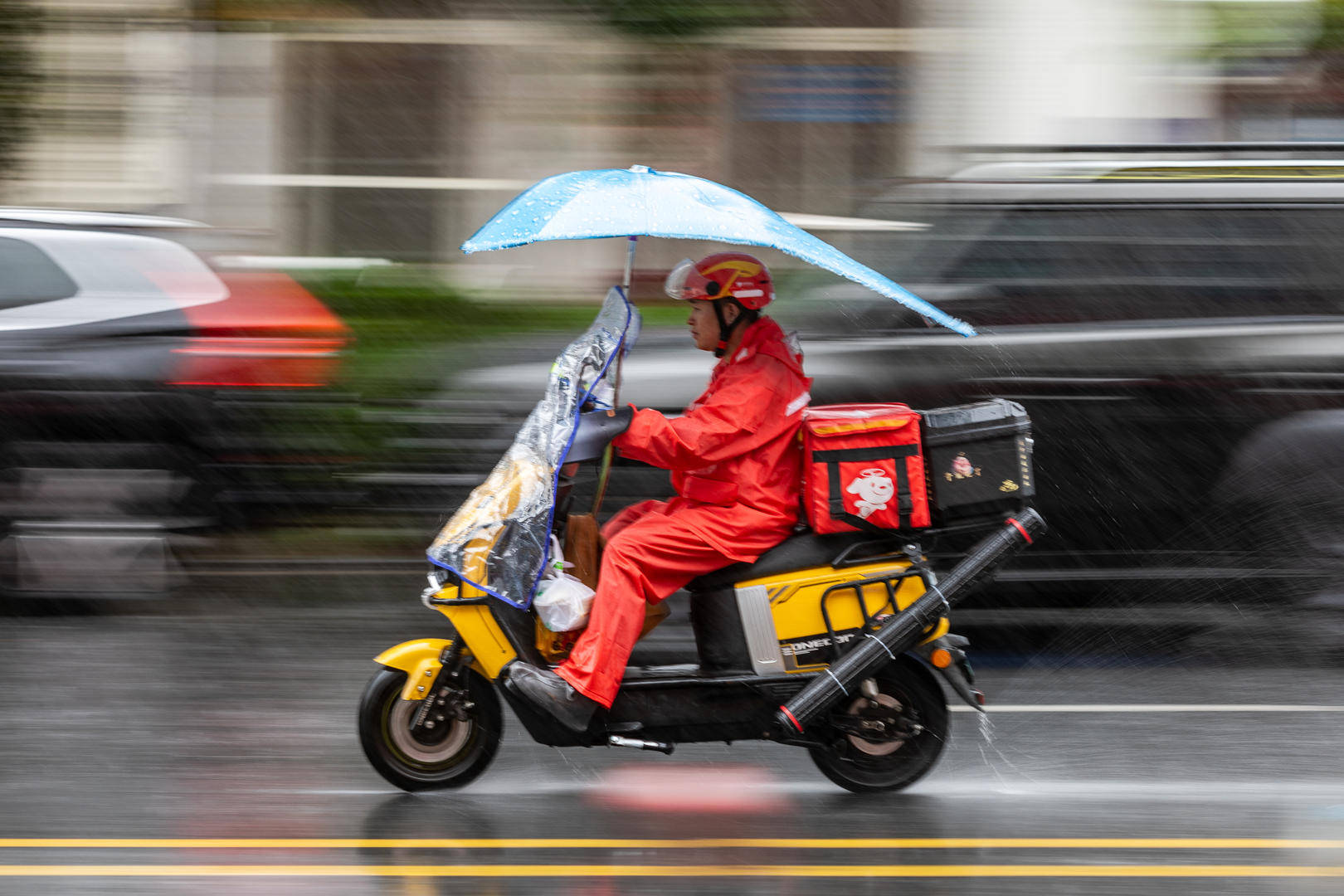
京东外卖账单出炉:二季度外卖所在新业务收入近139亿,同比增长198%
Sou Hu Cai Jing· 2025-08-15 11:13
Core Insights - JD Group reported Q2 2025 revenue of 356.66 billion yuan, a year-on-year increase of 22.4%, while net profit attributable to ordinary shareholders fell by 51% to 6.2 billion yuan [1] - The new business segment, which includes food delivery, generated revenue of 13.852 billion yuan in Q2, marking a significant year-on-year growth of 198.8%, but incurred an operating loss of 14.777 billion yuan [3][4] - Marketing expenses saw the highest year-on-year growth among costs, increasing by 127.6% from 11.9 billion yuan in Q2 2024 to 27 billion yuan in Q2 2025, primarily due to increased spending on new business promotions [3] Business Strategy - JD's CEO emphasized that food delivery and instant retail are crucial long-term strategic directions for the company, with ongoing investments in operational and system capabilities [3] - JD's founder stated that the cost of acquiring customers through food delivery is more economical than purchasing traffic from platforms like Douyin and Tencent, as 40% of food delivery customers also purchase e-commerce products [4] - The company aims for long-term success in the food delivery business, planning to invest 10 billion yuan in building a new supply chain and establish 10,000 "Seven Fresh Kitchens" across the country within three years [4] User Engagement - JD reported a year-on-year increase of over 40% in both active user numbers and shopping frequency in Q2 [4] - The core retail business generated revenue of 310.075 billion yuan, reflecting a year-on-year growth of 20.62%, with an operating profit margin of 4.5% [4] Financial Position - As of the end of June, JD Group had cash and cash equivalents amounting to 116.547 billion yuan [4]
京东(JD.US/9618.HK)Q2:零售基本盘稳增,外卖业务破局行业生态
Ge Long Hui· 2025-08-15 10:59
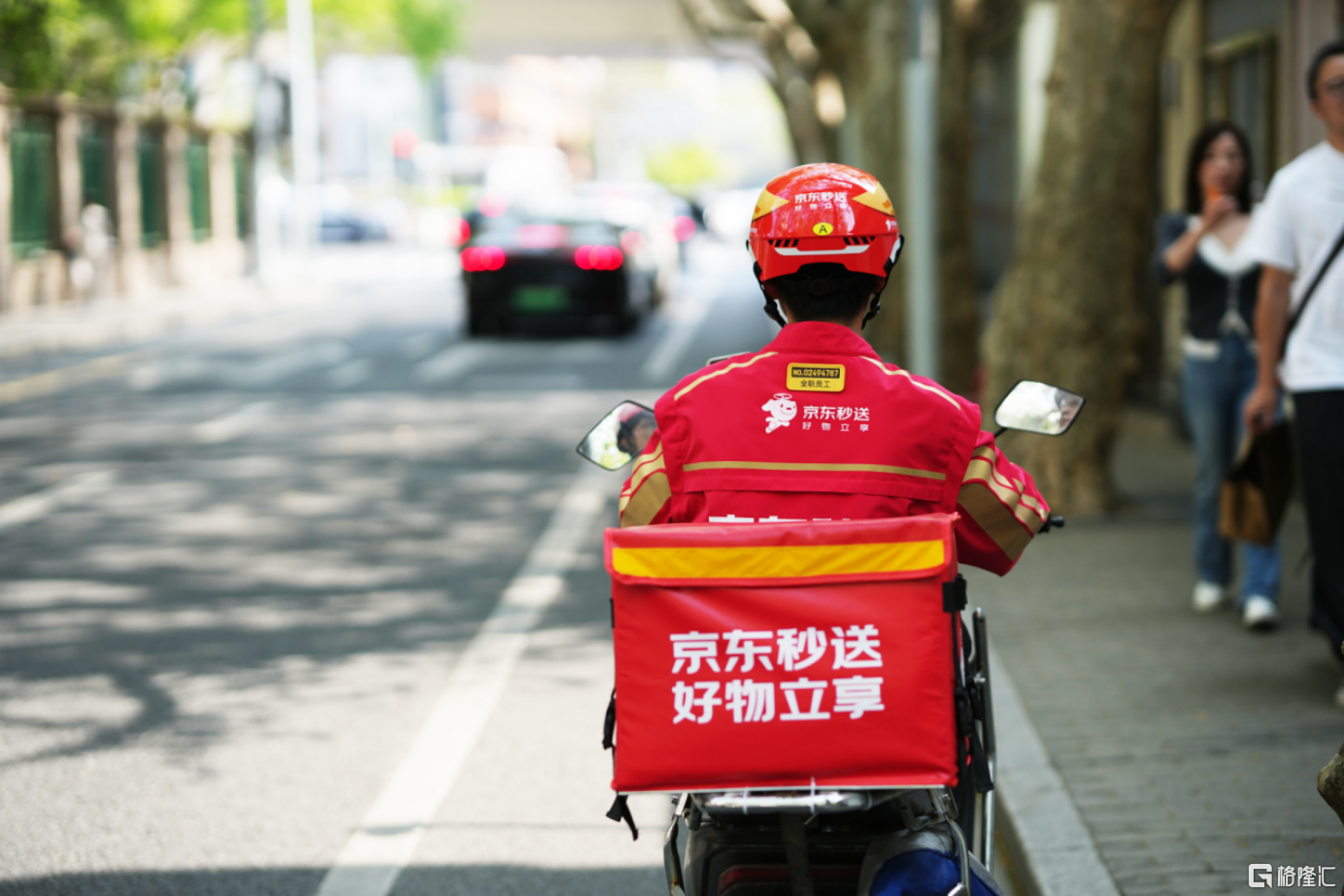
8月14日晚间,京东发布2025年第二季度财报。报告期内,尽管外卖业务的百亿级投入拉低了整体利润表现,但公司整体收入仍保持双位数增长,用户规模 和活跃度呈现显著提升。 在看似矛盾的数据背后,一个更加清晰的战略图景正在浮现:京东正以坚实的零售基本盘为根基,通过高频外卖业务突破流量天花板,同时重构行业生态规 则。 一、零售引擎:基本盘的稳固与进化 整体来看,京东在2025年第二季度的营收呈现出稳健上升的趋势,再次彰显了其在电商行业的强大实力。Q2,京东集团实现营收3567亿元人民币,同比增 长22.4%,远高于市场预期的15%,实际营收比预期高出近220亿,并创下近三年收入增速的新高。经营利润率提升至4.5%,创下京东历史上所有大促季度的 最高纪录。 其中,零售业务作为京东的核心与根基,在本季度继续发挥着中流砥柱的作用。数据显示,报告期内京东该项业务的收入达到3101亿元,同比增长20.6%。 这些数字背后,是京东在零售基础设施上的持续深耕。 其中最为关键的就是京东基于平台积淀的供应链能力。当前,供应链效率已成为京东最坚固的护城河。今年上半年,京东物流继续围绕对快时效、高品质的 快递业务拓展,持续通过时效能力建设 ...
即时零售激活夏日酒水消费新势能,情绪、健康与猎奇驱动增长?
Sou Hu Cai Jing· 2025-08-15 10:19
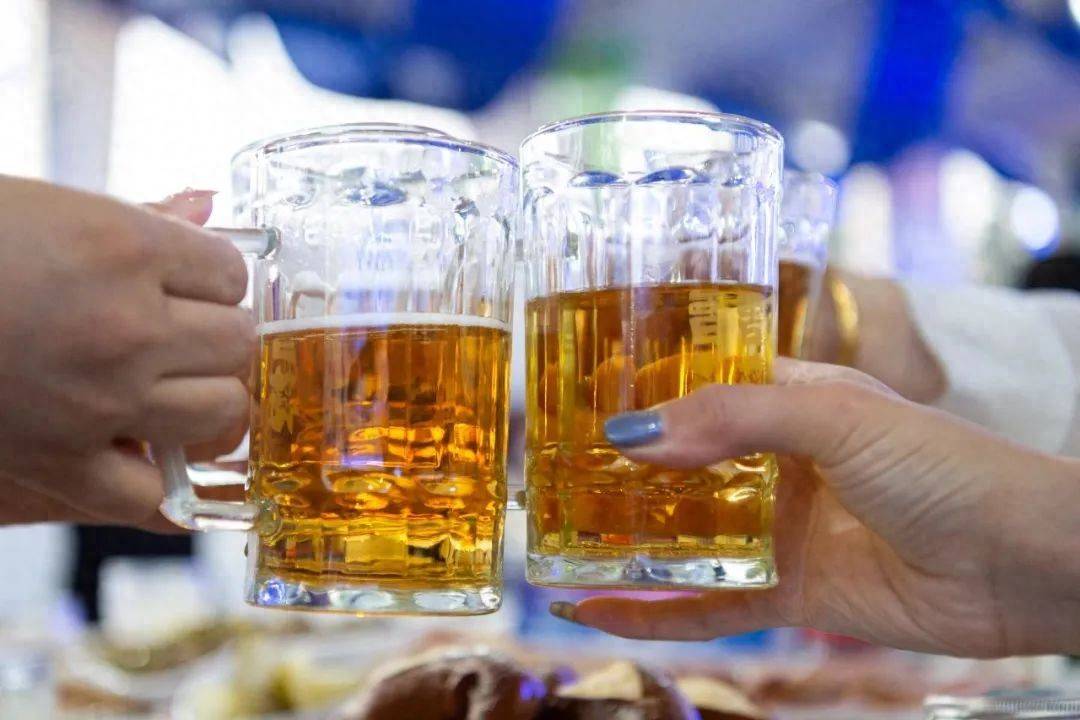
Core Insights - The ice beverage market is experiencing significant growth, driven by unique product attributes and adaptability to various consumption scenarios [1] - The report by NielsenIQ, in collaboration with Taobao Flash and Ele.me, aims to decode the trends in summer ice beverages and explore opportunities in instant retail [1] Consumer Trends - There is a notable increase in demand for low-alcohol and fruit-based beverages, with orders for zero-calorie/low-calorie beer rising by 144%, fruit beer/tea beer by 64%, and low-alcohol pre-mixed drinks by 42% in June [2] - Consumers are increasingly prioritizing health attributes in their drinking choices, seeking enjoyment without excessive physical burden [2][4] Market Dynamics - The market for pre-mixed and fruit-flavored low-alcohol beverages is experiencing explosive growth, particularly among urban women aged 25-35, who prefer these drinks for home relaxation and social gatherings [4] - The summer ice beverage market is undergoing a consumption upgrade driven by emotional value, health attributes, and curiosity, reshaping summer consumption scenarios [4] Innovative Consumption Models - The "ice cup+" innovation model has gained popularity, with order volume for "ice cup + alcohol" combinations increasing by 321% year-on-year in June [5] - New consumption scenarios such as "home bar" on weekday evenings and "balcony tipsy time" on weekends are emerging, with the service providers expanding beyond traditional convenience stores to include specialty supermarkets and liquor stores [7] Regional Insights - Regional specialty beverages are breaking geographical barriers, with significant order growth in various provinces: white liquor orders in Chongqing, Sichuan, and Guizhou up by 76%, fruit/liqueur orders in Guangdong, Hunan, and Fujian up by 353%, and beer orders in northern provinces like Beijing and Shandong up by 97% [8] Instant Retail Impact - Instant retail is reshaping the beverage consumption ecosystem, with delivery capability becoming a key competitive factor [11] - The convenience of instant retail is enhancing the visibility and accessibility of ice beverages, leading to a significant increase in summer sales compared to traditional channels [13]
重庆啤酒变阵:线上加码,啤酒+饮料双驱
2 1 Shi Ji Jing Ji Bao Dao· 2025-08-15 08:57
Core Viewpoint - Domestic beer companies are shifting towards new channels and products in response to the ongoing weakness in traditional channels and products [2][3] Financial Performance - Chongqing Beer reported a revenue of 8.839 billion yuan and a net profit of 865 million yuan for the first half of the year, showing a slight decline in both revenue and net profit [2] - The company's sales volume increased by 0.95% year-on-year, outperforming the industry average, which saw a 0.3% decline in beer production among large enterprises [2][3] - The cost of goods sold decreased by 1.45% year-on-year, leading to an increase in gross margin by 0.6 percentage points to 49.8% [7][8] Product Development - Chongqing Beer launched nearly 30 new products in the first half of the year, including various large-capacity craft beers and innovative beverages like tea beer and non-alcoholic drinks [4][5] - The company is focusing on high-end products (priced at 8 yuan and above), which showed slight growth, while economic products (priced below 4 yuan) increased by 5.4% [3][5] Channel Strategy - The company is increasing its resources towards instant retail channels, forming a dedicated unit to collaborate with various platforms [3][6] - Chongqing Beer is also adjusting its marketing strategies and product offerings to better align with consumer preferences in non-traditional channels [5][6] Market Expansion - The company is pursuing a "big city plan" to expand its market share in central and eastern cities, with plans to increase the number of targeted cities to 99 by the end of 2024 [6] - The company is also exploring new offline scenarios in collaboration with restaurant businesses to enhance its presence in the market [6] Cost Management - The beer industry is benefiting from lower costs for raw materials such as barley, aluminum, and glass, which are at relatively low prices [10] - The company anticipates continued benefits from commodity price reductions in the second half of the year, with plans to lock in prices for raw materials and packaging for the following year [10]