资产配置

Search documents
60个!
一瑜中的· 2025-09-22 09:30
Core Insights - The article emphasizes the importance of macroeconomic analysis and investment strategies, highlighting various products and training sessions offered by the company to enhance understanding of market dynamics and investment opportunities [1][3]. Product Overview - The company provides a range of products including bi-weekly conference calls, quarterly strategy meetings, and various reports focusing on macroeconomic trends, policy analysis, and financial data [6][8]. - Key reports include the "2025 Mid-term Strategy Report" and "Decoding the Three Spirals - 2025 Annual Strategy Report," which aim to provide insights into future market conditions [6][8]. Policy Tracking - The company tracks significant policy changes through products like "Policy Weekly Observations" and "Local Two Sessions Insights," which provide daily updates during important political events [7][8]. - A comprehensive database of key policies and government reports is maintained to support in-depth analysis [7]. Financial and Economic Analysis - Monthly financial and fiscal data reviews are conducted to assess trends and provide insights into economic performance [8][9]. - The company emphasizes the importance of understanding monetary policy changes and their implications for various asset classes [9][10]. Training and Educational Resources - The company offers extensive training programs, including the "2025 Bottom-Line Training Collection," which covers macroeconomic frameworks and investment logic [11][16]. - Specialized training sessions focus on topics such as fiscal policy, currency exchange, and gold investment strategies [11][12]. Research Series - Various research series are highlighted, including the "Big Trend Judgment Series" and "Export Depth Series," which provide comprehensive analyses of market trends and investment opportunities [12][20]. - The "Deposit Migration & Stock-Bond Reversal Series" is noted for its early identification of investment shifts and opportunities [24].

下周黄金行情怎么样?会不会重演13年前,想投资黄金的关注他
Sou Hu Cai Jing· 2025-09-21 17:28
回顾2013年,年初还在每盎司1597美元高位盘旋的金价,如同断了线的风筝般"哗啦啦"地坠落,年末时已跌至1197美元的低谷。短短半年光景,跌幅近三 成,让那些怀揣"抄底"梦想的投资者们,深陷套牢的泥沼,多年未能缓过神来,那段时期,"谁买谁心碎"成为黄金市场的真实写照。然而,时移世易,仅仅 十余年后,黄金价格上演了令人瞠目结舌的逆袭。2025年9月,伦敦金价一度攀升至3684美元/盎司的历史性高位,国内市场也同样火爆,上海黄金现货报价 飙升至832.72元/克,周大福、金至尊等品牌门店的实物金价更是高达1078元/克。与2013年的悲惨境遇形成鲜明对比,此刻买入黄金的投资者,恐怕已在梦 中笑醒。 全球央行的黄金热潮:去美元化的战略棋局 黄金市场的过山车:从2013年的寒冬到2025年的暖春,再到未来的迷雾 引言:历史的回响与现实的变奏 驱动这轮黄金飙升浪潮的,并非仅仅是市场情绪的狂欢,更有着全球央行集体增持的强劲支撑。2025年第二季度,全球央行合计增持黄金166吨,这一数据 足以说明问题。波兰央行更是展现了持续的决心,连续11个月增持黄金;中国央行也默默耕耘了10个月;土耳其、卡塔尔等国家也纷纷加入购金大军 ...

宏观投资,必读10篇!(申万宏观·赵伟团队)
申万宏源宏观· 2025-09-21 16:03
Core Viewpoint - The article emphasizes the importance of macroeconomic trends and their impact on various asset classes, highlighting key insights on gold, currency exchange rates, and bond markets throughout 2025 [2]. Group 1: Gold Market Insights - The analysis on January 2, 2025, indicates a bullish outlook on gold, suggesting that the acceleration of U.S. Treasury bond maturities may lead global central banks to increase gold purchases [3]. - The article notes that investment demand for gold in Europe and the U.S. is expected to accelerate in the latter half of the year [3]. Group 2: Currency and Exchange Rates - On January 16, 2025, the article discusses the resilience of the Renminbi (RMB), attributing it to the central bank's counter-cyclical adjustments and domestic economic strength, despite widespread expectations of depreciation [4]. - The analysis on July 8, 2025, differentiates between a weak dollar and the concept of "de-dollarization," suggesting that anticipated interest rate cuts may support a temporary strengthening of the dollar index [9]. Group 3: Bond Market Dynamics - The March 17, 2025, commentary warns against a linear bullish mindset in the bond market, indicating that asset allocation strategies may be shifting [5]. - The article highlights the potential for a rebalancing of investment strategies in the bond market, moving away from traditional linear thinking [5]. Group 4: Policy and Economic Signals - The article from May 11, 2025, points to positive signals from policy developments, suggesting that trade negotiations and financial pressures may prompt the Federal Reserve to adopt a more dovish stance [6]. - The June 15, 2025, analysis draws parallels between the current economic environment in Hong Kong and previous periods, suggesting that a weaker Hong Kong dollar and low interest rates could benefit the Hong Kong stock market [7]. Group 5: Market Behavior and Trends - The August 16, 2025, piece notes that inflation pressures have eased, leading the market to focus on the "weak balance" in the U.S. labor market, with a shift towards interest rate cut trades and capital inflows into the U.S. [10]. - The article concludes with a cautionary note regarding gold prices, indicating that market expectations for multiple interest rate cuts by the Federal Reserve may already be priced in, contrasting with the bullish sentiment in the A-share market [11].

《海龟交易法则》的作者破产,从赚取亿万到流落街头,投资到底靠什么才能走远?
雪球· 2025-09-21 13:01
Core Viewpoint - The article reflects on the downfall of Curtis Faith, the author of the "Turtle Trading Rules," highlighting the contrast between his past success as a trader and his current state of bankruptcy and homelessness, emphasizing the unpredictability of life and the importance of discipline in trading [3][4][18]. Group 1: Turtle Trading Rules - The Turtle Trading Rules, developed in the 1980s by Richard Dennis and William Eckhardt, is a well-known mechanical trading system that proved trading can be taught [5][6]. - The system is based on trend-following principles, where traders buy when prices break above certain levels and sell when they fall below others, focusing on capturing market trends [7][10]. - Key components of the system include entry signals based on price breakouts, risk management by limiting exposure to 1% of account funds per trade, and strict stop-loss rules to cut losses [7][10]. Group 2: Curtis Faith's Journey - Curtis Faith was one of the youngest Turtle Traders, achieving significant profits early in his career, reportedly earning over $10 million for his fund [15][17]. - After leaving the Turtle program, he attempted various ventures, including startups in IT and blockchain, but faced numerous failures, leading to financial ruin [19][25]. - His recent legal troubles and homelessness serve as a cautionary tale about the volatility of trading success and the risks of overextending in speculative ventures [13][28]. Group 3: Lessons Learned - The article emphasizes the importance of skepticism towards trading gurus, suggesting that even successful traders can face significant failures, as demonstrated by Faith's experience [30][32]. - It warns against excessive risk-taking and highlights the need for disciplined investment strategies, contrasting trend-following with value investing approaches [34][37]. - The narrative concludes with a reflection on the long-term nature of successful investing, advocating for diversified asset allocation as a means to withstand market fluctuations [50].

美国慌了!中国手里的美债规模跌到7307亿美元!
Sou Hu Cai Jing· 2025-09-21 09:20
Group 1 - China has been reducing its holdings of US Treasury bonds since 2022, with reductions of $173.2 billion in 2022, $50.8 billion in 2023, and $57.3 billion projected for 2024. In July 2025 alone, China reduced its holdings by $25.7 billion [1][3] - In contrast, Japan and the UK have increased their holdings of US Treasury bonds, with Japan purchasing $3.8 billion in July and holding $1,151.4 billion, while the UK bought $41.3 billion, holding $899.3 billion [3] - Experts attribute China's reduction in US Treasury bonds to concerns over US tariff policies and unfavorable fiscal conditions, leading to a decrease in the attractiveness of holding US debt [3] Group 2 - While China is reducing its US Treasury bond holdings, it is simultaneously increasing its gold reserves, having done so for ten consecutive months by August 2025, indicating a shift towards asset diversification for greater security [3] - Despite China's reduction, foreign investors are still buying US Treasury bonds, with total foreign holdings reaching a record high of $9.159 trillion in July, reflecting differing views on the risks and returns associated with US debt [3] - The total US debt has reached $37 trillion, with annual interest payments exceeding $1 trillion, prompting central banks globally to revise their reserve strategies and increase gold purchases, which have exceeded 1,000 tons for three consecutive years [3]

全球资产配置每周聚焦(20250912-20250919):外资继续流入中国-20250921
Shenwan Hongyuan Securities· 2025-09-21 08:14
Group 1: Monetary Policy and Market Performance - The Federal Reserve lowered interest rates by 25 basis points, marking its first cut in nine months, which aligns with market expectations[4] - The Hang Seng Tech Index led global gains, rising by 5.1% during the week[4] - The 10-year U.S. Treasury yield increased by 8 basis points to 4.14%, while the U.S. dollar index remained stable at 97.7[4] Group 2: Capital Flows and Investment Trends - Domestic and foreign capital significantly flowed into the Chinese stock market, with domestic inflows of $31.03 billion and foreign inflows of $25.70 billion in the past week[19] - Overseas active funds saw a net outflow of $1.30 billion, while passive funds experienced an inflow of $27.00 billion[19] - In the U.S. equity market, there was a notable inflow of $591 billion, with $103.2 billion flowing into fixed income funds[16] Group 3: Valuation Metrics and Risk Assessment - The equity risk premium (ERP) for all A-shares increased from 46% to 47%[4] - The price-to-earnings (PE) ratio for the Shanghai Composite Index is at the 40th percentile historically, indicating potential for valuation recovery[16] - The risk-adjusted return percentile for the Shanghai Composite increased from 79% to 82%, while the S&P 500's decreased from 58% to 52%[4]
金价站稳3600美元,含“金”理财收益水涨船高
Sou Hu Cai Jing· 2025-09-21 07:13
Core Viewpoint - The international gold price has been rising steadily, remaining above $3600 per ounce, leading to a significant recovery in gold-linked financial products, with notable increases in both new issuance and scale [1][2]. Group 1: Gold Price Dynamics - Since the beginning of the year, the London spot gold price has increased by nearly 40%, becoming a highlight in global asset allocation [2]. - The rise in gold prices is attributed to three main factors: expectations of a Federal Reserve interest rate cut, increased gold reserves by emerging market central banks, and heightened geopolitical risks [2][3]. - Concerns over the independence of the Federal Reserve and potential dollar depreciation are driving investors towards gold and other safe-haven assets [2][3]. Group 2: Performance of Gold-linked Financial Products - The continuous rise in gold prices has positively impacted the overall performance of gold-linked financial products, with an increase in early profit-taking cases [3]. - Recent market conditions have led to enhanced returns from gold assets, with several structured products triggering early profit-taking due to reaching their profit targets [3]. - The phenomenon of early profit-taking reflects both the risk control mechanisms in product design and the cautious outlook of institutions regarding future market volatility [3]. Group 3: Product Innovation and Issuance - In response to the booming gold market, financial institutions are accelerating the launch of gold-themed financial products, with 47 products currently in circulation, including 8 newly issued since July 2025 [4][5]. - New product designs are diversifying beyond traditional gold price-linked models to include range-based returns, composite structures, and automatic profit-taking features [4]. - The asset allocation for new products has expanded significantly, incorporating not only direct gold links but also gold ETFs, gold stock ETFs, and actively managed funds related to gold themes [4]. Group 4: Challenges and Considerations - Financial institutions face two main challenges: the volatility of gold prices influenced by various global factors and the need to balance product innovation with regulatory compliance [5]. - Ordinary investors are advised to be cautious in their selections, focusing on risk diversification and understanding the different risk profiles associated with gold-linked financial products [5].
金融教育宣传周 | 国融证券:善用资产配置 践行理性投资
Quan Jing Wang· 2025-09-20 15:21
上交所投教大讲 上海信春交易所 投资者教育基地 券投资者教 RONG SECURITIES INVESTOR FI tB 发生理 AD 《善用资产配置 践行! 主办单位:上海证券交易所 内蒙古证监 承办单位:国融证券投资者教育基地 支持单位:内蒙古证券期货业协会 TI TI TIM 在 上海 给本 文 为 所 上海证明文明所 念 国政证券投资者教育基地 C 全 全 教 育 登 地 tBO 上交所投教大讲堂第 73 期 IESI 券股 資顾同 5007062107006 演讲主题 《善用资产配置 践行理性投资》 主办单位:上海证券交易所 内蒙古证监局 国融证券股份有限公司 承办单位:国融证券投资者教育基地 全景投教基地 支持单位:内蒙古证券期货业协会 ...

茅台暴跌至1700元!现在是入手好时机吗?
Sou Hu Cai Jing· 2025-09-20 13:50
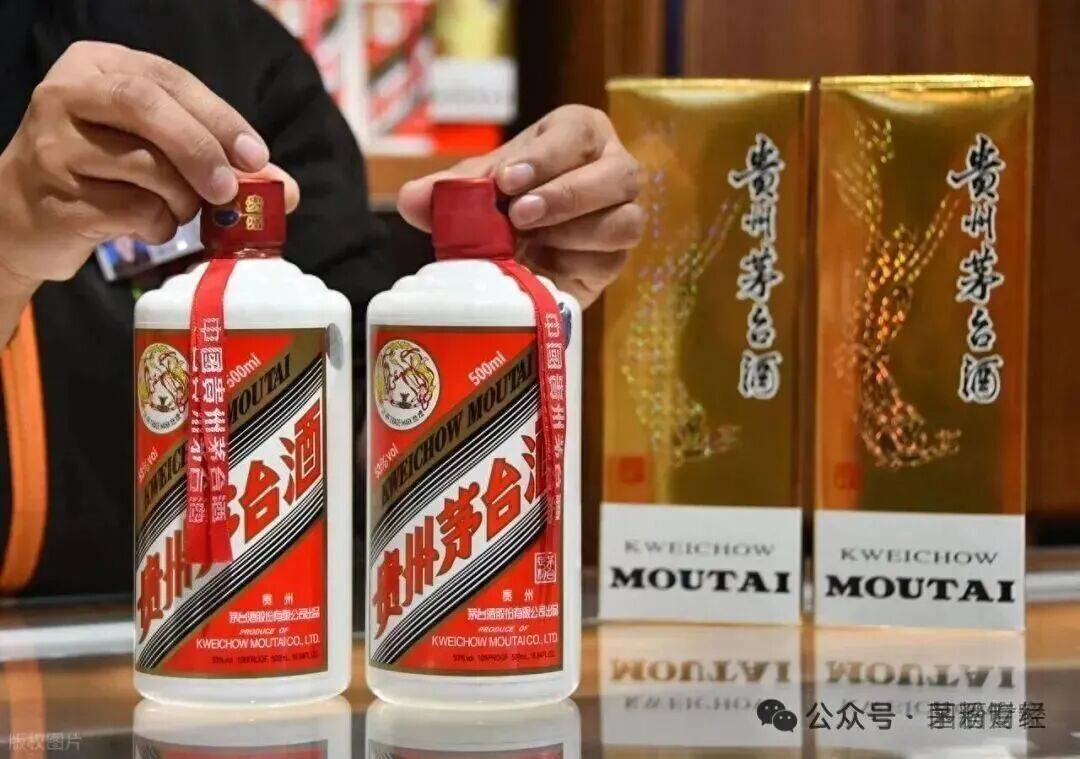
Group 1 - The wholesale reference price for 53-degree 500ml Feitian Moutai has dropped to 1770 yuan, marking a new low since its listing, while the original box price remains at 1790 yuan, also a new low [1] - Consumers and investors are questioning whether now is a good time to buy Moutai and if it still holds value as part of asset allocation [1] Group 2 - Moutai possesses unique advantages from an investment perspective, including high gross margins, long product shelf life, stable cash flow, brand barriers, and social attributes that carry cultural symbols and social value [3] - Moutai's brand value has consistently ranked first in the Chinese liquor industry, significantly surpassing the second place [3] Group 3 - Moutai prices are expected to face downward pressure in the short term due to inventory destocking, policy constraints, and seasonal consumption declines, with potential to drop below the market guidance price of 1499 yuan and approach the factory price of 1169 yuan [4] - If consumer recovery does not meet expectations in the next one to two years, Moutai prices may remain low; however, if the economy rebounds, prices could rise [4] - The company emphasizes a long-term approach to address uncertainties and is implementing strategies to stabilize the market, with signs of sales recovery noted since August, particularly ahead of the Mid-Autumn Festival and National Day [4] Group 4 - Attracting a new generation of consumers has become a core issue for major liquor companies, with brands like Wuliangye, Luzhou Laojiao, and Gujing Gongji launching low to ultra-low degree liquor products to appeal to younger demographics [6] - The China Alcoholic Drinks Association predicts that the low-alcohol beverage market in China will exceed 74 billion yuan by 2025, with a compound annual growth rate of 25%, entering a new phase of high-end development by 2030 [6]

美联储降息,中国楼市迎来转折点!买房为什么不能做取舍?
Sou Hu Cai Jing· 2025-09-20 10:37
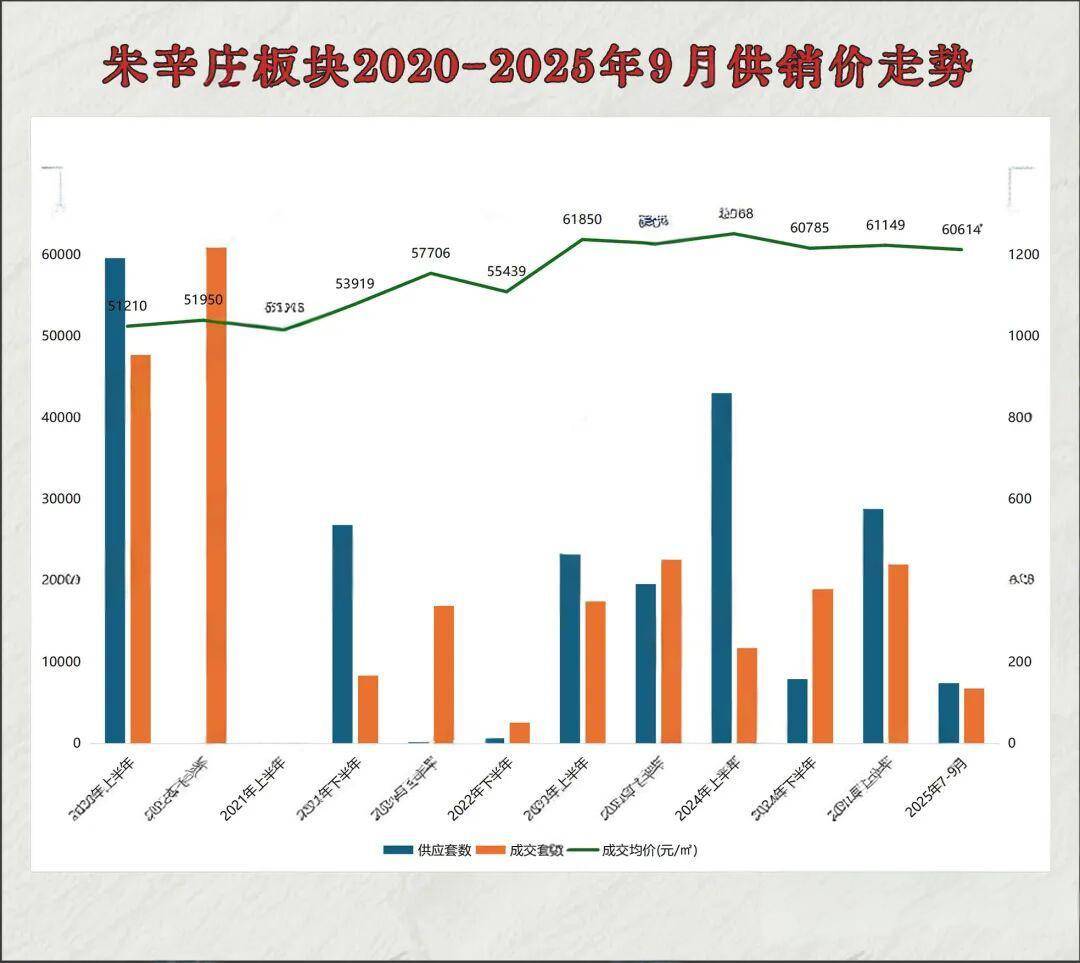
Group 1 - The Federal Reserve announced a 25 basis point interest rate cut, marking the seventh cut since March 2023, which is expected to drive global capital out of the dollar and into new investment opportunities [1] - The Chinese government has removed restrictions on foreign investment in real estate to attract foreign capital and boost market confidence, particularly in core assets of first-tier cities [2] - The financing environment for domestic real estate companies is expected to improve, leading to lower loan rates for homebuyers and potentially increasing demand from first-time buyers [2] Group 2 - Asset allocation is emphasized as a wise choice in the current market, with a focus on selecting high-quality properties that can withstand risks and economic fluctuations [3] - The importance of choosing the right location and developer is highlighted, with recommendations to target well-planned areas with mature amenities [3][5] - The "Zhu Xinzhuang" area is identified as a prime location for investment, with specific projects from China Overseas being recommended [6] Group 3 - The "Future Realm" project has seen strong sales, with over 90 units signed within 50 days, indicating high demand for larger units [8] - The project’s amenities, including a neighborhood center designed to reduce costs for residents while maintaining quality, are noted as a competitive advantage [13] - The design and functionality of the units, particularly the 129 square meter four-bedroom layout, have been well-received, reflecting a shift in buyer preferences towards larger, quality assets [15][17] Group 4 - The project features advanced home technology and thoughtful design details, such as a dual-flow fresh air system and ample storage solutions, which enhance the living experience [20][21][22] - The focus on customer needs and pain points in the design process is emphasized, showcasing the project's commitment to quality and practicality [30][31] - The overall strength of the project is attributed to its location, amenities, and the developer's ability to deliver high-quality products that meet market demands [31]