
科技创新

Search documents
当前的经济形势和我们的产业化任务
Sou Hu Cai Jing· 2025-12-29 05:10
Group 1 - The article discusses the evolution of China's economic planning, particularly the "15th Five-Year Plan," emphasizing a shift in focus from macroeconomic statistics to industry-specific data and market dynamics [1][2][4] - The concept of "Made in China 2025" is highlighted as a significant goal for advancing manufacturing capabilities, with provinces like Henan exemplifying successful implementation through technological advancements in various industries [5][6] - The article contrasts China's long-term strategic planning with the short-term focus of U.S. policies, suggesting that China's ability to maintain consistent goals over decades is a key advantage [6][7] Group 2 - The article emphasizes the importance of consumer goods in the national economy, noting that approximately 1.75 million product categories exist, with 1.2 million directly facing consumers [29] - It points out the need for innovation in consumer products, suggesting that integrating advanced technologies into everyday items can lead to significant market opportunities [30][31] - The article also discusses the challenges faced by private enterprises in adapting to technological advancements and the need for a more connected approach between scientific innovation and market demands [23][26][42] Group 3 - The article highlights the importance of vertical innovation in industries, suggesting that focusing on specific product categories can lead to breakthroughs and market leadership [36][37] - It mentions the potential for new consumer trends, such as the "T-shaped revolution," which aims to apply cutting-edge technology to ordinary products, thereby enhancing their market appeal [26][30] - The article concludes with a call for businesses to adapt to changing consumer behaviors and technological advancements, emphasizing the need for continuous innovation and responsiveness to market needs [39][44]

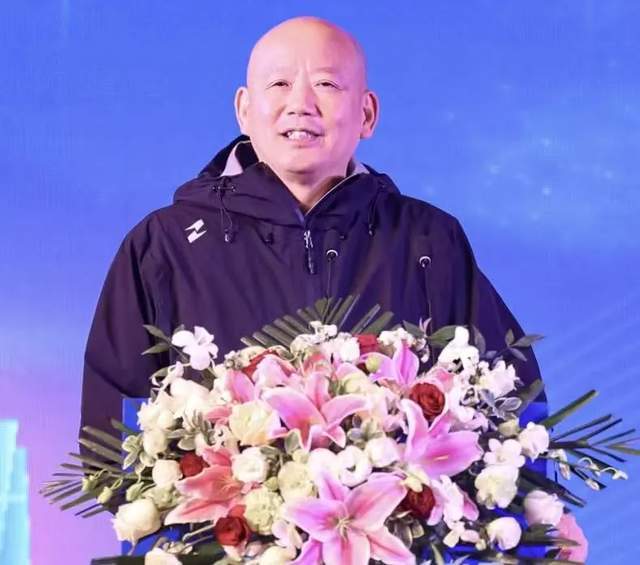
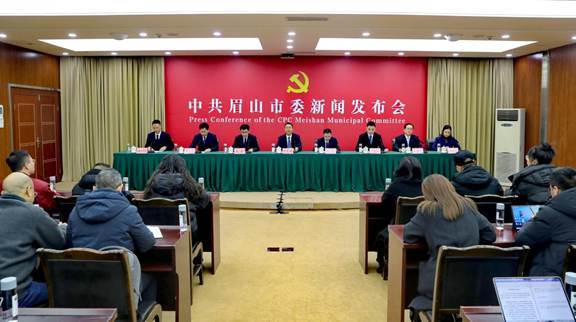
眉山“十五五”期间科技规划:以“11266”思路引领新质生产力发展
Xin Lang Cai Jing· 2025-12-29 04:48
12月26日,中共眉山市委举行新闻发布会,深入解读当日召开的市委五届十二次全会精神。市科技局副 局长吴洪波在发布会上详细阐述了"十五五"期间眉山市推进科技创新、引领新质生产力发展的核心路径 与具体举措,回应社会关切。 吴洪波介绍,"十五五"期间,眉山市科技系统将深入学习贯彻市委全会精神,锚定"11266"发展思路, 以构建全域科技创新体系为核心,以一体化推进科技创新和科技成果转化为目标,坚持科技创新与产业 创新深度融合,大力推动传统产业升级、新兴产业壮大和未来产业布局,加速将创新成果转化为现实生 产力,显著增强科技对经济发展的拉动力。 强化"1"个总牵引,即以打造"西部中试转化基地"为总抓手,构建"研发—中试—产业化"全链条生态, 目标是使眉山成为成渝地区科技成果转化的主要承载地和首选地。具体将依托眉山新能源新材料融合创 新中心,支持领军企业联合高校院所等共建一批中试平台、实验室、技术创新中心等高能级科创平台矩 阵。 推动"2"大动能融合,即促进科技创新与产业创新深度融合,实现创新链与产业链深度耦合、科技成果 与产业需求精准对接,形成"科技赋能产业、产业牵引科技"的良性循环,打通从实验室到工厂的产业化 通道。 ...
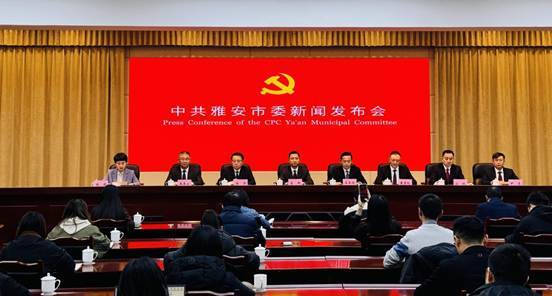
雅安“十五五”期间科技创新“四向发力” 激活新质生产力核心动能
Xin Lang Cai Jing· 2025-12-29 04:48
Core Viewpoint - The Yaan municipal government is focusing on "technology innovation + achievement transformation" to drive high-quality development, as outlined in the recent municipal party committee meeting [1]. Group 1: Key Strategies for Technological Innovation - The municipal science and technology system will concentrate on four key areas to implement the meeting's spirit: 1. Strengthening breakthroughs in critical core technologies, particularly in artificial intelligence, advanced materials, and biomedicine, while enhancing existing innovation platforms and collaborating with regional innovation centers [2][3]. 2. Deepening transformation by promoting a "small but beautiful" model for achievement transformation, addressing local needs, and improving the management of technological funding [3]. 3. Fostering innovation to enhance the competitiveness of industrial chains by constructing innovation consortia and pilot platforms, and collaborating with local universities for technology development [4]. Group 2: Talent and Resource Development - The government aims to solidify talent and intellectual support by optimizing educational and research collaboration, enhancing vocational education, and reforming the technology system to attract top talent [4]. - The goal is to integrate technological innovation deeply into the industrial framework, thereby injecting strong and sustainable technological momentum into the cultivation of new productive forces during the "14th Five-Year Plan" period [4].
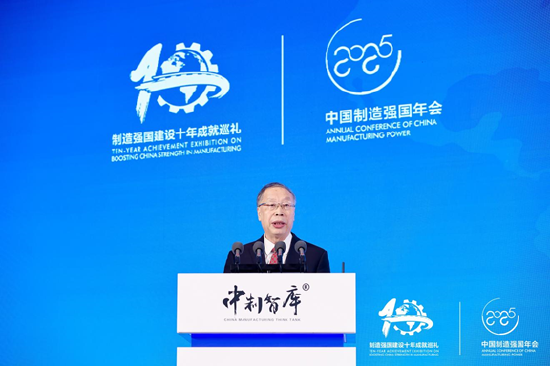
苏波:中国制造强国发展指数超过日本,开启“十五五”强国建设新征程
Xin Lang Cai Jing· 2025-12-29 03:33
Core Viewpoint - The 10th China Manufacturing Power Conference highlighted China's progress in manufacturing, with a focus on enhancing innovation and digital transformation to strengthen its position among global manufacturing leaders [3][6]. Group 1: Manufacturing Development Index - According to the 2024 Manufacturing Power Development Index, China scored 128.85, compared to Germany's 136.45 and Japan's 128.77, indicating that China has entered the ranks of manufacturing powers [3][6]. - China's manufacturing level has improved from mid-low end to mid-high end in several key areas, narrowing the gap with major global manufacturing countries [3][6]. Group 2: Strategic Recommendations - Six key tasks were proposed for future development: 1. Enhance technological innovation to lead industrial innovation and achieve high-level self-reliance in technology [4][6]. 2. Promote the digital economy and advance the comprehensive expansion of digital manufacturing [4][6]. 3. Accelerate the development of intelligent manufacturing to create new growth momentum [4][6]. 4. Develop new quality productivity and build a modern industrial system [4][6]. 5. Foster new advantages in green growth and promote low-carbon circular development in industry [4][6]. 6. Build a new industrial ecosystem to strengthen the autonomy and controllability of the industrial and supply chains [4][6].
广药集团:“十五五”时期预计完成研发投入100亿—150亿元
Zheng Quan Shi Bao Wang· 2025-12-29 03:25
Group 1 - The core objective of Guangzhou Pharmaceutical Group is to establish an incubation platform and innovate the ecosystem, with an expected R&D investment of 10 billion to 15 billion yuan and industrial investment and acquisitions of 20 billion to 30 billion yuan during the 14th Five-Year Plan period [1] - The company aims to accelerate its transformation into a world-class pharmaceutical and health technology innovation enterprise by enhancing talent acquisition, building strong platforms, deepening ecosystems, expanding layouts, and optimizing incentives [1] - Guangzhou Pharmaceutical Group has become the first world Fortune 500 company primarily focused on traditional Chinese medicine, contributing significantly to the high-quality development of the biopharmaceutical industry in Guangdong Province [1] Group 2 - The 14th Five-Year Plan period is viewed as a golden window for Guangzhou Pharmaceutical Group to achieve leapfrog development, with a focus on transforming into a technology-driven and innovative enterprise group [2] - The company has appointed over 30 experts, including three academicians, to empower its innovation strategy, with notable appointments including Academician Rao Zihe as the head of the technology committee [2] - Guangzhou Pharmaceutical Group is actively integrating research resources and has established a comprehensive research and transformation support system, featuring seven major innovation research platforms [2] Group 3 - During the conference, Guangzhou Pharmaceutical Group signed over 20 cooperation projects, including strategic partnerships with Muen Bio and Huawei to accelerate digital development and application of microbiological technology [3] - Collaborations were also established with various universities and companies to enhance the synergy between industry, academia, and research [3]
中国民营经济2025:顶压前行 破局突围
Zhong Guo Xin Wen Wang· 2025-12-29 03:22
Core Viewpoint - The Chinese private economy is facing challenges but is expected to break through and thrive by 2025, supported by government policies and legal frameworks aimed at fostering growth and innovation [1][2][5]. Group 1: Government Support and Legal Framework - A high-level meeting in February emphasized the central government's commitment to supporting the development of private enterprises, addressing challenges and uncertainties in the economy [2]. - The implementation of the Private Economy Promotion Law on May 20 aims to protect the rights of private enterprises and ensure fair competition, marking a shift from policy support to legal protection [4][5]. - The law reinforces the legal status of the private economy and aims to clarify doubts surrounding it, showcasing the government's determination to promote private sector growth [4][5]. Group 2: Economic Performance and Innovation - In the first three quarters, the import and export volume of private enterprises increased by 7.8% year-on-year, indicating resilience in the sector [1]. - The top 500 private enterprises reported a total R&D expenditure of 1.13 trillion yuan, with an average R&D intensity of 2.77%, highlighting a strong focus on innovation [7]. - Companies are increasingly investing in strategic emerging industries such as new information technology, high-end equipment, and new energy, while also pursuing digital and green transformations [7]. Group 3: Challenges and Future Outlook - The private economy is navigating internal challenges such as high operational costs and the need for transformation, alongside external uncertainties [2]. - Experts suggest that companies should enhance technological investments and innovation to seize opportunities in digitalization, green development, and international market expansion [6][7]. - By 2026, the private economy is expected to enter a new phase, leveraging ongoing support to explore new opportunities [8].
【人民日报】科学有答案 创新无止境——八位院士眼中的二〇二五
Ren Min Ri Bao· 2025-12-29 03:02
Core Insights - China's technological innovation is expanding into various fields, including quantum technology and lunar research, with significant breakthroughs expected by 2025 [4][6] - The "14th Five-Year Plan" emphasizes the importance of technology and innovation, highlighting a commitment to advancing scientific research and applications [4] - The development of deep space exploration and quantum computing is seen as crucial for China's strategic technological autonomy and future economic growth [8][17] Group 1: Deep Space Exploration - Major breakthroughs in lunar research are anticipated, including the discovery of new mineral types from samples returned by the Chang'e 6 mission, which will enhance understanding of lunar oxidation mechanisms [5] - The Tianwen-2 probe is set to conduct close-range exploration of a near-Earth asteroid, with sample return expected by the end of 2027 [5] - Future projects include the construction of a lunar research station, manned lunar missions, and exploration of Mars and Jupiter, aiming to enhance capabilities in deep space science and resource utilization [5][6] Group 2: Quantum Computing - Quantum computing is identified as a key technology for future strategic autonomy, requiring advancements in hardware and software integration [8] - China's third-generation superconducting quantum computer, "Benyuan Wukong," has been successfully deployed, participating in numerous collaborations across various sectors [9] - The development of quantum computing is likened to building a rocket, emphasizing the need for a comprehensive approach from hardware to software [8] Group 3: Brain-Computer Interfaces - Brain-computer interface technology is evolving to connect biological and machine intelligence, with advancements in decoding and encoding neural signals [10] - Clinical applications of brain-computer interfaces are emerging, with significant progress in invasive and non-invasive technologies [12] - The technology aims to redefine the boundaries of intelligence by integrating carbon-based and silicon-based systems [11] Group 4: Hydrogen Energy - Hydrogen energy is positioned as a vital component of the renewable energy revolution, complementing electricity and addressing sustainability challenges [17] - The development of hydrogen fuel cells is expanding into various sectors, including transportation and machinery, with China making significant strides in related technologies [18] - The strategic importance of hydrogen energy is underscored by its potential to facilitate a low-carbon energy transition [17] Group 5: Talent Development in Research - The cultivation of research talent is critical for supporting high-level technological independence, with a focus on aligning educational programs with national strategic needs [20] - Young researchers are increasingly prominent in key national projects, indicating a shift towards a younger demographic in scientific achievements [21] - A supportive environment for basic research is essential, requiring stable funding and a culture that encourages innovation and tolerates failure [22][23]
擎旗奋进 智领新程——中国一汽“十四五”转型发展观察
Xin Hua Wang· 2025-12-29 02:16
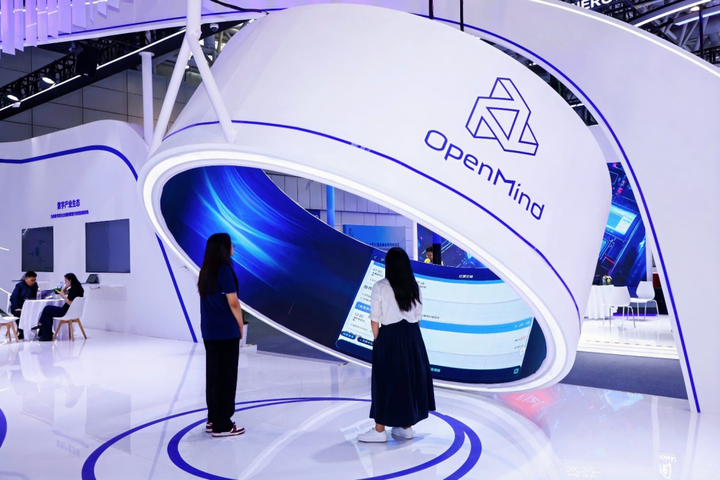
Core Viewpoint - During the "14th Five-Year Plan" period, China FAW Group has focused on technological innovation to drive industrial upgrades, showcasing the development of the national automotive industry through the establishment of independent brands, digital transformation, and expansion into overseas markets [1]. Group 1: Independent Brand Development - The national automotive brands have transitioned from catching up to leading, with "Hongqi" achieving over 2 million users and maintaining annual sales of over 400,000 vehicles [2]. - The "Jiefang" brand has achieved cumulative sales of 9 million vehicles, leading the domestic medium and heavy truck market [2]. - The "Benteng" brand has focused on the new energy vehicle market, with its first micro pure electric model, "Benteng Xiaoma," surpassing 170,000 units in sales within two years [2]. Group 2: Technological Innovation - China FAW has developed three major technology platforms: "Hongqi·Tiangong" for pure electric, "Hongqi·Honghu" for hybrid, and "Hongqi·JiuZhang" for intelligent systems [2]. - The company has launched the first domestic advanced process multi-domain integrated chip "Hongqi No. 1" and introduced the first heavy-duty commercial vehicle with in-cylinder direct injection hydrogen engine, achieving a thermal efficiency of over 55% [2]. - The energy density of the all-solid-state battery system has reached 350Wh/kg, and the new generation smart electric drive system has achieved an efficiency of 96% [2]. Group 3: Collaborative Innovation - China FAW has undertaken over 110 national and provincial major projects, establishing a global R&D layout with 12 innovation centers [3]. - The company has broken through more than 1,500 key technologies through collaborative innovation initiatives [3]. Group 4: Digital Transformation - China FAW is accelerating its transformation into a smart enterprise, with the "OpenMind" intelligent operational system achieving a 94.3% accuracy rate in responses and a response time of 6.2 seconds [4][6]. - The production facilities have implemented smart manufacturing processes, with an average daily output of approximately 1,000 new energy vehicles [7]. - The "FAW·Qixing Cloud Workbench" integrates seven major systems to enhance operational efficiency and has been recognized as a typical case of digital integration by the Ministry of Industry and Information Technology [7]. Group 5: International Expansion - China FAW has actively participated in the Belt and Road Initiative, expanding its international presence to over 100 countries and regions, with cumulative exports reaching approximately 400,000 vehicles during the "14th Five-Year Plan" period [8]. - The company has established a global sales and service network, with "Hongqi" models entering the European high-end new energy market [8]. - The launch of the China FAW China-Europe freight train has facilitated the transportation of high-end components, enhancing the connection between the Eurasian automotive industry [8].
勇攀科技高峰 促进高质量发展——2024年度海南省科学技术奖获奖情况
Hai Nan Ri Bao· 2025-12-29 01:16
2024年度海南省科学技术奖是《海南省科学技术奖励办法》及实施细则修订后第一次授奖。在提名 项目较上一年度增长30%,获奖比例控制在35%以下(比此前下降了约十个百分点)的情况下,获奖难度 更高,项目含金量相应提升。此次获奖项目技术创新突出,推动行业进步作用明显,产生了显著的社会 和经济效益,充分彰显了海南在吸引和培育创新团队、激发创新动能方面的成效。总体上看呈现以下特 点: 1 契合我省产业布局和发展需求。获奖项目涉及面较广,覆盖深海、能源、核电、油气、信息、新 材料、生态环境、热带特色高效农业、医疗健康民生等重点领域,体现了我省特色优势产业布局和未来 发展方向,也反映了科研工作者在保障国家战略落地实施、科技惠民行动中的担当作为。 2 反映出我省企业创新能力显著提升。在省科学技术进步奖中,企业牵头获奖共计16项,占比近三 分之一,达到历史最高水平。首次设立企业创新奖,5个获奖企业及组织在技术创新、产品创新、推动 行业技术进步、促进相关产业发展等方面表现突出,效益显著。各奖项获奖项目累计产生直接经济效益 总计达1189.5亿元,较2023年度获奖项目的经济效益增长66.5%,创下近三年新高。 3 青年人才与梯 ...
未来5年,武汉靠什么驱动
Chang Jiang Ri Bao· 2025-12-29 01:05
Core Insights - Wuhan is entering a critical period for development, aiming to build "five centers" and achieve modern urbanization, with its economy surpassing 2 trillion yuan [1] - The city recognizes that its future growth will be driven by efficient integration of laboratories and production lines, urban renewal, and collaborative development within metropolitan areas [1] Group 1: Technological Innovation - Technological innovation is identified as the primary driver for Wuhan's future, with a significant increase in GDP from 1 trillion yuan in 2014 to 2 trillion yuan in 2023 [3] - The local transformation rate of scientific achievements has improved, with over two-thirds of technological results being realized locally [3][4] - Wuhan ranks eighth globally in the 2024 Nature Index for research cities and sixth in the number of high-impact AI researchers [4] Group 2: Urban Renewal - Urban renewal is a key development strategy, enhancing living conditions for residents while promoting economic growth [6][7] - The transformation of historical sites, such as the Shaoxing area, illustrates the dual benefits of urban renewal: meeting housing needs and preserving cultural heritage [6][7] - The revitalization of old industrial sites, like the Huazhong Small Gui Mountain Financial Cultural Park, has generated significant tax revenue and employment opportunities [7] Group 3: Collaborative Development - The interconnectedness of various districts in Wuhan, such as the synergy between Optics Valley and Vehicle Valley, exemplifies the shift towards collaborative innovation [9][10] - The urban agglomeration strategy emphasizes the importance of cities working together rather than in isolation, as highlighted by the recent policy directives from the central government [10][11] - The Wuhan metropolitan area is expected to account for 29% of the economic output of the Yangtze River Middle Urban Agglomeration by 2024, underscoring its growing significance [12]