消费补贴

Search documents
消费补贴政策力度最大 第六届上海“五五购物节”4月底启动
Zheng Quan Shi Bao Wang· 2025-04-24 12:23
以汽车以旧换新补贴为例,一方面落实国家报废更新,即"国补"。参与活动的燃油车旧车从国三及以下 扩至部分国四及以下,进一步支持老旧车辆的报废更新。另一方,实施上海置换更新,即"地补"。将混 动车也纳入置换更新购买新能源汽车的支持范围,置换更新购买符合条件的燃油车的,补贴1.3万元, 较去年增加1000元。推出上海外牌置换更新便利措施,对符合条件的外牌车辆置换更新,参照沪牌政策 给予补贴。 以新车上市为契机,上海国际车展和"五五购物节"期间,上海多个区开展形式多样的汽车促消费活动。 其中,嘉定区结合"上海汽车文化节"开展汽车促消费活动,对3月21日至5月21日购车的,可最高享受 2000元区级补贴,范围覆盖至新购二手车。"通过国补、市补、区补等叠加,推动政策效能加速释 放。"刘敏说。 入境消费方面,刘敏透露,上海市商务委也将会同有关部门进一步优化离境退税消费环境,加快布局离 境退税网点,提升商圈离境退税服务便利度,优化"即买即退"服务,让境外旅客能够更便捷享受到服 务。 持续发放餐饮消费券、出台优化上海餐饮业发展环境的若干措施、公布汽车置换更新补贴政策实施细 则......连日来,上海多措并举促消费。4月24日, ...
补贴政策力度历年之最!第六届上海“五五购物节”即将启动
Guo Ji Jin Rong Bao· 2025-04-24 07:02
Core Viewpoint - The 2023 Shanghai "May 5 Shopping Festival" is the largest in terms of consumer subsidy policies in six years, with extensive coverage across various sectors, aimed at stimulating consumption and supporting economic growth [1][8]. Group 1: Event Overview - The sixth edition of the "May 5 Shopping Festival" runs from late April to the end of June, emphasizing a dual approach of "policy + activities" to drive quality consumption and create demand [4]. - The festival aims to be a significant event for promoting consumption, stabilizing growth, and enhancing confidence, contributing to Shanghai's goal of becoming an international consumption center [4]. Group 2: Key Features - The festival features three main characteristics: extensive market mobilization, integrated discounts, and a fusion of consumption scenarios [5]. - Over a thousand enterprises and thousands of brands will participate, with more than 1,000 unique activities planned to create a vibrant consumption atmosphere [5]. - Multiple subsidies and discounts will be offered across products and services, both online and offline, leveraging existing policies for various sectors [5]. Group 3: Activity Framework - The festival will focus on four major consumption areas: service consumption, bulk consumption, inbound consumption, and new consumption, structured around the "1+15+16+X" activity framework [6]. - Key activities include the "Business Circle Boutique Promotion Festival" and 15 major IP events, with participation from 16 districts, featuring both online and offline activities [6]. Group 4: Subsidy Details - This year's festival has the most extensive subsidy policies, covering a wide range of products, including 12 categories of energy-efficient appliances and various digital products [8]. - For automotive trade-ins, the subsidy for eligible vehicles has increased, with a focus on supporting the replacement of older vehicles [8]. - Discounts on premium categories will be available through consumption vouchers, with potential savings of up to 45% [8]. Group 5: Consumer Engagement - The "Le Shanghai" service consumption vouchers will continue to be issued, focusing on sectors like dining, tourism, and entertainment to enhance service consumption [9]. - Efforts to improve the shopping experience for inbound tourists include optimizing the tax refund process and expanding the range of eligible products [9].

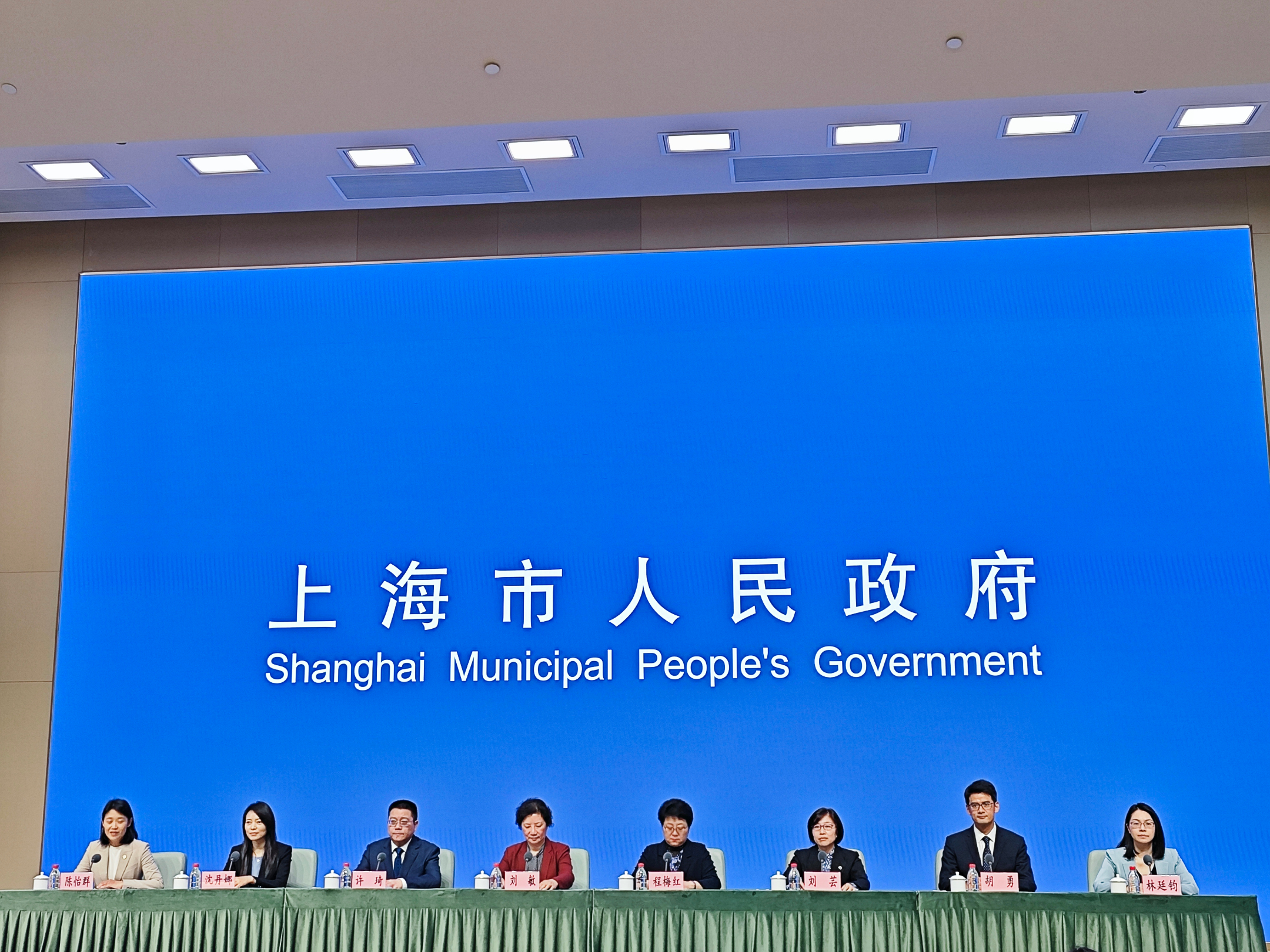
上海:今年“五五购物节”是六年来消费补贴政策力度最大的一届
Di Yi Cai Jing· 2025-04-24 03:05
Group 1 - The 2023 Shanghai "May 5 Shopping Festival" features the largest and most comprehensive consumer subsidy policies in six years, covering a wide range of products and services for both domestic consumers and inbound tourists [1] - The Shanghai Municipal Government has introduced various subsidies for different categories, including home appliances, automobiles, and premium goods, to stimulate consumer spending [2] Group 2 - Home appliance subsidies include a trade-in program for 12 categories of energy-efficient appliances and digital products, with local subsidies covering seven categories, including home improvement and elderly-friendly products [2] - The automobile trade-in program has expanded to include older vehicles, with subsidies of 13,000 yuan for eligible fuel vehicles, an increase of 1,000 yuan from the previous year, and measures to facilitate the replacement of foreign license plate vehicles [2] - Premium goods will be promoted through discount vouchers and joint activities with malls and brands, offering discounts up to 55% [2] - The "Le Shanghai" service consumption vouchers will continue to be issued, focusing on four key areas: dining, tourism, movies, and sports, to enhance service consumption alongside product consumption [2] - The inbound consumption environment will be optimized by increasing tax refund points, diversifying tax refund products, promoting "buy and refund" services, and improving overall service convenience for inbound tourists [2]
北京购新补贴政策带动数码产品销售额突破38亿元
Xin Jing Bao· 2025-04-23 06:32
根据北京市商务局1月20日发布的《北京市关于手机等数码产品购新补贴实施细则》,在京个人消费者 购买手机、平板(含学习机)、智能手表(手环)等3类数码产品,且产品单件销售价格不超过6000 元,可享受购新补贴。每人每类可补贴1件,每件补贴比例为减去生产、流通环节及移动运营商所有优 惠后最终销售价格的15%,每件补贴不超过500元。这项补贴为购新补贴,不以回收旧机为前提。 为进一步扩大以旧换新补贴政策惠及面,促进港澳台同胞更好融入京城生活,市商务局在现有政策管理 模式基础上,抓紧研究破解港澳居民来往内地通行证、台湾居民来往大陆通行证的真实性认证问题,助 力港澳台同胞切实享受政策红利。3月13日起,港澳台同胞可以在"京通"小程序领取北京的数码产品购 新补贴。 为方便消费者,一些手机门店还配备了数码产品购新补贴专用POS机,无论手机支付还是刷卡都可以使 用补贴。"我们开发了POS专用终端程序,并与核销平台对接,为符合政策要求的商家提供报名服务、 销售数据上传、对账等服务。"银联商务相关负责人介绍,通过技术赋能,既降低了商家参与国家补贴 的技术对接门槛,又确保国家补贴为真实商户、真实场景和真实交易,落实了政策实施的全流 ...
中国银河证券:空调内销继续受益补贴 出口对美订单转移
智通财经网· 2025-04-22 01:44
Group 1: Industry Overview - The air conditioning industry is experiencing steady growth in domestic sales and an optimized export structure, with leading companies effectively mitigating tariff risks through overseas production layouts [1][3] - The domestic air conditioning retail sales in Q1 2025 showed a year-on-year increase of 4.2% online and 12.6% offline, with a total shipment volume of 12.78 million units in March 2025, reflecting a 3.5% year-on-year growth [1] - The industry is optimistic about future domestic air conditioning demand, supported by government subsidies and a low base in retail demand from April to July 2024 [1] Group 2: Competitive Landscape - The competition in the air conditioning market has improved, with first and second-tier companies showing significant profitability, although retail prices have begun to decline as companies compete for market share [2] - Xiaomi's market share in air conditioning has stabilized since May 2024, with a notable increase in online retail sales by 84% in Q1 2025, although growth is expected to slow down in Q2 2025 due to a lack of low year-on-year base [2] Group 3: Export Dynamics - Air conditioning exports have exceeded expectations in 2024, with a year-on-year increase of 36.1% and 24.5% in Q1 2025 [3] - Due to rising year-on-year bases and the shift of export orders to Thailand, actual export volumes are expected to fall below predicted production volumes in the coming months [3] - Leading companies like Midea have established overseas production capabilities, particularly in Thailand, which is becoming a key production base for air conditioning products [3] Group 4: Government Initiatives - The government has prioritized boosting consumption as a key task for 2025, implementing policies such as subsidies for replacing old consumer goods and promoting tax refund services for overseas shoppers [4] - New policies also emphasize the high-quality development of the heat pump industry, aiming for a 20% improvement in energy efficiency for key heat pump products by 2030 [4]

大变局!楼市、股市和消费,都逆转了!
Sou Hu Cai Jing· 2025-04-22 01:19
Group 1 - The A-share market is approaching the 3300-point mark, with some skepticism regarding the sustainability of this rise, attributing it to state intervention [2][10] - Historical data shows that China's retail sales growth was stable around 7% before 2020, but has experienced significant volatility due to multiple pandemic impacts [4][5] - The retail sales growth rate has declined from 7% to 3% since 2020, indicating a downward trend in consumer spending [7][10] Group 2 - The retail sales growth for 2024 is projected to be as low as 2%, with no pandemic interference, highlighting a concerning trend for consumer demand [8][9] - The decline in the real estate market has significantly impacted consumer spending, contributing to the overall downturn in retail sales [9][16] - Despite the challenges, there are signs of recovery in retail sales growth starting from September 2024, with a notable increase to 3% and even reaching close to 6% in March 2025 [12][19] Group 3 - The recovery in retail sales is not solely due to government subsidies, as other sectors like food and beverage are also showing positive growth trends [14][16] - The real estate market's downturn has been a core reason for the poor performance of the economy, employment, and stock market, but the decline is expected to have limits [16][17] - The A-share market's rebound is likely influenced by multiple factors, including the stabilization of the real estate market and improved retail sales, rather than solely state intervention [19]

轻工造纸行业周报:继续重视补贴链及新兴成长板块布局机会
SINOLINK SECURITIES· 2025-04-21 00:23
Investment Rating - The report suggests a positive outlook for the home furnishing sector, new tobacco, and light consumer goods, while indicating a cautious stance on the paper packaging industry due to weak demand and unclear tariff trends [4][6][16][19]. Core Insights - The home furnishing sector shows signs of recovery with a 29.5% year-on-year increase in retail sales in March, driven by consumption subsidies. However, Q1 earnings for many companies are expected to face pressure [6][13]. - The new tobacco sector is poised for growth as regulatory actions against illegal e-cigarettes in the U.S. may expand the compliant market, with companies like Smoore International showing strong confidence through significant share purchases [19]. - The paper packaging industry is currently experiencing weak pricing trends due to seasonal demand and uncertain tariff impacts, with recommendations to focus on companies with lower exposure to U.S. tariffs [16]. Summary by Sections Home Furnishing Sector - Domestic retail sales of furniture increased by 29.5% year-on-year in March, and 18.1% for the first three months of the year, reflecting the impact of consumption subsidies [6][13]. - Companies like Sophia and Gujia Home are highlighted for their strategic positioning and potential for earnings recovery, with Sophia's PE ratio at 12x indicating significant valuation upside [13]. - The report emphasizes the importance of focusing on domestic leaders with high dividend support and attractive valuations in the home furnishing sector [6][13]. New Tobacco Sector - The U.S. is increasing regulatory scrutiny on illegal e-cigarettes, which may benefit compliant brands and the overall market expansion [19]. - Smoore International is recommended due to its competitive positioning and growth potential in the heated tobacco product (HNB) segment, supported by its collaboration with British American Tobacco [19]. Paper Packaging Sector - The report notes a weak pricing environment for paper products, with prices for various types of paper remaining stable or declining slightly as of April 18 [16]. - The packaging sector is expected to benefit from new consumer electronics subsidies, with companies like Yutong Technology positioned favorably due to their limited exposure to U.S. tariffs [16]. Light Consumer Goods - The pet food sector shows strong growth, with a 23% increase in GMV for Q1, while baby diaper sales also saw a significant rise [17]. - The report highlights the potential for brands like Bubble Mart and Guibao Pet to capitalize on the growing domestic market and consumer trends [17]. Two-Wheel Vehicles - The sector is experiencing a positive trend driven by the "old-for-new" policy, with Q1 production up 25% year-on-year to 11 million units [18]. - The report suggests focusing on leading companies with integrated supply chains and strong product performance as the market continues to recover [18].
宏观七日谈 - 从部委表态看政策的储备
2025-04-15 14:30
Summary of Conference Call Notes Industry or Company Involved - The notes primarily discuss the macroeconomic environment and fiscal policies in China, with a focus on the impact of external factors on exports and economic stability. Core Points and Arguments 1. **Fiscal Policy Preparedness**: The central government has reserved sufficient fiscal tools to address potential external uncertainties, indicating a proactive approach to economic management [1][2][9]. 2. **Deficit and Debt Levels**: The government has set a deficit target of 4% and plans to issue 4.4 trillion yuan in bonds, reflecting a cautious stance on future economic conditions [1][2]. 3. **Export Concerns**: There is significant concern regarding the potential impact of U.S. trade policies on Chinese exports, with a focus on tariffs and their implications for trade dynamics [3][4][5]. 4. **Policy Timing**: The timing of potential policy interventions is linked to the performance of exports, suggesting that measures may be implemented if export data shows significant weakness [4][9]. 5. **Consumer Subsidies**: The government is considering expanding consumer subsidies, particularly in sectors like automotive and home appliances, to stimulate demand [10][12]. 6. **Service Sector Support**: There is a lack of specific mention of support for the service sector in recent policy discussions, despite its potential for economic growth [12][13]. 7. **Investment in Major Projects**: The government is planning to prioritize major projects as part of its long-term economic strategy, with an emphasis on infrastructure and energy [22][24]. 8. **Monetary Policy Coordination**: The central bank is expected to maintain a flexible monetary policy to support fiscal measures, with potential interest rate adjustments depending on economic conditions [26][30]. Other Important but Possibly Overlooked Content 1. **Dynamic Evaluation of Policies**: The government is adopting a dynamic approach to evaluate the effectiveness of policies, particularly in relation to consumer subsidies and fiscal measures [19][20]. 2. **Regional Variations in Policy Implementation**: Different regions are implementing varied approaches to subsidies and support, reflecting local economic conditions and pressures [14][15][17]. 3. **Long-term Economic Planning**: The discussions highlight the importance of planning for the 14th and 15th Five-Year Plans, indicating a focus on sustainable economic growth and development [22][23]. 4. **Impact of External Economic Conditions**: The notes emphasize the influence of external economic conditions, particularly U.S. policies, on China's economic outlook and the need for adaptive strategies [28][29][33]. This summary encapsulates the key insights from the conference call, focusing on the macroeconomic context, fiscal strategies, and potential impacts on various sectors within the Chinese economy.
李迅雷专栏 | 消费补贴要加大力度、考虑长远,对中低收入人口精准施策
中泰证券资管· 2025-04-02 08:13
Core Viewpoint - The article emphasizes the importance of boosting consumption as a key task for economic growth in 2025, highlighting the government's initiatives and policies aimed at stimulating consumer spending and improving living standards [2][4][5]. Group 1: Consumption Growth and Economic Impact - In the first two months of 2025, China's retail sales of consumer goods reached 83,731 billion yuan, showing a year-on-year growth of 4.0%, indicating a recovery trend in consumption [4]. - The growth in retail sales is supported by policies such as the "trade-in" program, which has significantly boosted sales in categories like home appliances and electric vehicles [5][6]. - The article suggests that achieving a consumption growth rate of over 5% this year is crucial for meeting GDP targets, with ongoing government policies expected to play a significant role [4][5]. Group 2: Policy Measures and Consumer Confidence - The government has increased the budget for the "trade-in" subsidy program to 300 billion yuan, which could potentially drive 2 trillion yuan in consumption, thereby enhancing consumer confidence [5][6]. - It is essential to differentiate between policy-driven consumption increases and natural consumer demand, as the effectiveness of subsidies may vary across different income groups [6][10]. - The article stresses the need for a comprehensive approach to improve consumer confidence, including long-term strategies to raise income levels and enhance social security [9][12]. Group 3: Targeting Low-Income Populations - The article highlights the importance of targeted measures to increase the income of low- and middle-income groups, as their consumption behavior is more sensitive to income changes [12][14]. - Suggestions include optimizing the wage system in state-owned enterprises and improving unemployment insurance processes to support those in need [14][15]. - The potential for rural consumption growth is noted, with a focus on providing targeted subsidies to narrow the income gap between urban and rural populations [13][15]. Group 4: Service Consumption and Urbanization - The article points out that service consumption is growing faster than physical goods consumption, indicating a shift in consumer preferences [15][16]. - Urbanization policies that encourage population movement to larger cities could further stimulate service consumption, as larger urban areas benefit from economies of scale [16].
专访中泰国际李迅雷:消费补贴要加大力度、考虑长远,对中低收入人口精准施策
21世纪经济报道· 2025-03-27 12:25
Core Viewpoint - The article emphasizes the importance of boosting consumer confidence and increasing the income of low- to middle-income individuals as key strategies for stimulating domestic consumption and economic growth in China [1][5]. Group 1: Consumption Growth and Economic Impact - In the first two months of this year, China's total retail sales of consumer goods reached 837.31 billion yuan, showing a year-on-year growth of 4%, which is an acceleration of 0.5 percentage points compared to the previous year [6][7]. - The consumption structure has shown significant support from categories such as sports and entertainment products, with double-digit growth in home appliances, furniture, and communication equipment, while automotive consumption has slightly declined [6][7]. - The government has introduced a series of policies aimed at boosting consumption, and it is believed that consumption growth could exceed 5% this year, which is crucial for achieving the GDP growth target [7]. Group 2: Policy Measures and Subsidies - The "old-for-new" consumption policy has been effective, with last year's subsidies of 150 billion yuan leading to 1 trillion yuan in corresponding consumption, particularly benefiting home appliances, electric vehicles, and mobile phones [8][9]. - This year, the subsidy scale for the "old-for-new" policy has increased to 300 billion yuan, which could potentially drive 2 trillion yuan in consumption, contributing approximately 4 percentage points to overall consumption growth [8][9]. - There is a need to differentiate between policy-driven consumption increases and inherent consumer demand, as the current "old-for-new" policy primarily benefits discretionary spending rather than essential goods [9]. Group 3: Income Growth and Structural Reforms - Increasing residents' income is essential for boosting consumption, with suggestions for enhancing social security measures and optimizing the wage system in state-owned enterprises [12][16]. - The article highlights the importance of targeted subsidies for low-income populations, as rural consumption is growing faster than urban consumption, indicating significant potential in rural markets [15][18]. - The government is encouraged to simplify unemployment insurance processes and increase support for unemployed individuals to enhance their purchasing power [17]. Group 4: Service Consumption and Urbanization - Service consumption in China has been growing faster than physical goods consumption, indicating a shift in consumer behavior and preferences [19]. - Urbanization policies that encourage population movement to larger cities could further stimulate service consumption, as larger urban areas benefit from economies of scale [19].